
Rome
Things to do in Rome
Emperors built the arena, popes paid for the frescoes, and you can walk from one to the other.
The best things to do in Rome start at the Colosseum, whose ticket also takes you into the Roman Forum and the Palatine Hill, the centre of the ancient city. Across the Tiber, the Vatican Museums lead you to the Sistine Chapel, and St Peter's Basilica is free to walk into. The Roma Pass adds public transport and one or two included entries, at sites such as the Colosseum, Castel Sant'Angelo and the Borghese Gallery.
Rome's big sights fall into a handful of areas. Ancient Rome lies around the Colosseum and the Forum, and the historic centre runs from the Pantheon and Piazza Navona to the Trevi Fountain and the Spanish Steps, which climb towards the Villa Borghese park. Across the Tiber are the Vatican and Trastevere, and further out the Lateran and the Appian Way, with its catacombs. Book the Colosseum and the Borghese Gallery first, since both run on booked times, then the Vatican Museums, and keep Monday for the sites that stay open.
See what you’d save, if anything
Which Rome card pays off for your trip?
Pick how many days you’ve got and the sights you want to see. The calculator adds up the tickets and rides, sets them against the card and tells you right away whether it pays off, and by how much, at today’s prices. No email, no sign-up.
Step 1 of 3
How long, and who’s going?
Map of things to do in Rome
Described on this pageAlso on our list
Colosseum
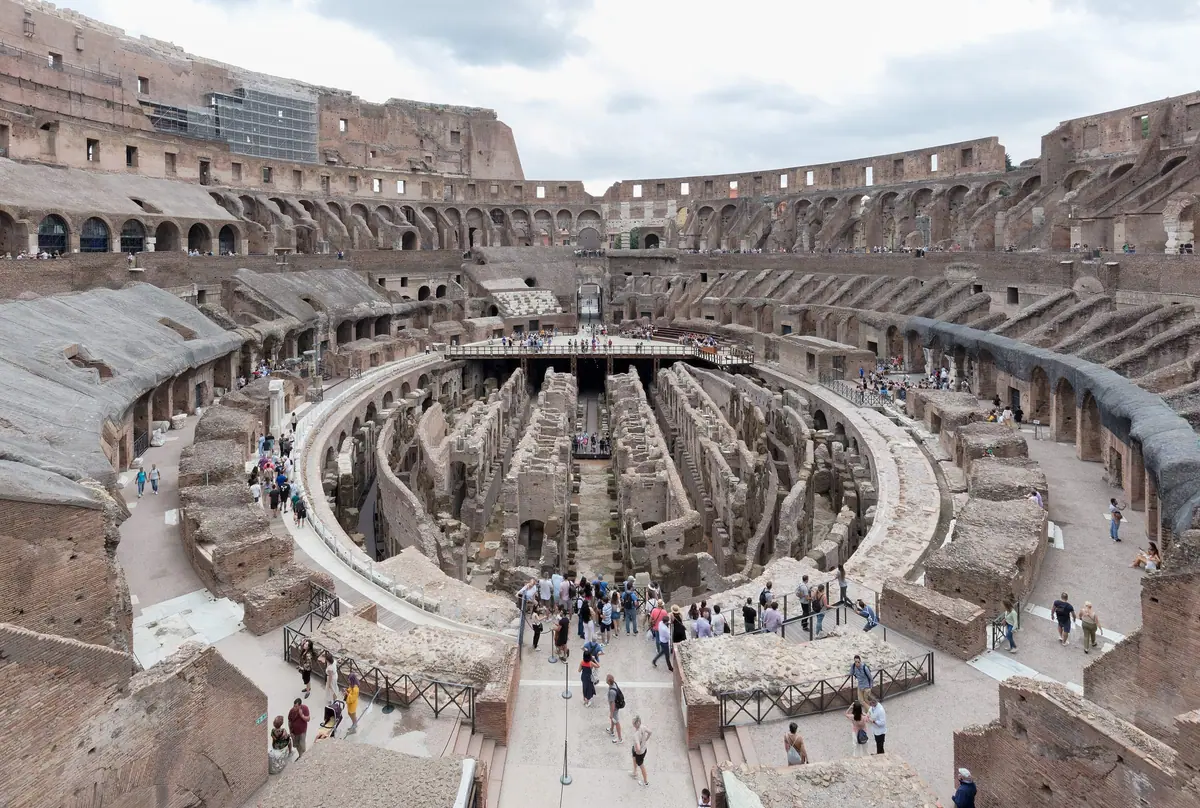
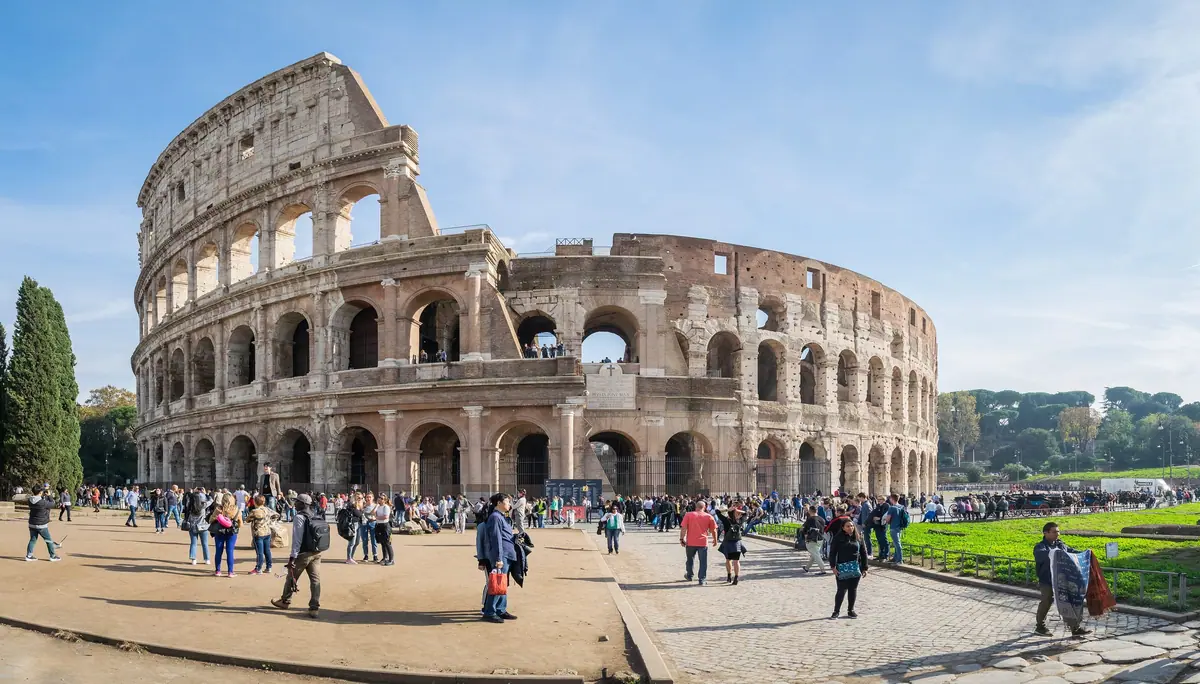
Start with the Colosseum, the largest amphitheatre in the world. It held about 50,000 people for gladiator fights and animal hunts, and from its first level you look straight down into the arena and the tunnels where lifts and trapdoors raised animals and scenery into the games.
Every ticket has a time slot and your name on it, so bring ID. Slots open 30 days ahead, and it pays to book as soon as your dates are fixed. The same ticket covers the Roman Forum and the Palatine Hill next door, and on the Roma Pass the three count as a single included entry, though you still book your time on the Colosseum’s own site. There’s no weekly closing day, so it also works on a Monday.
An included entry in the Roma Pass
Roman Forum and Palatine Hill
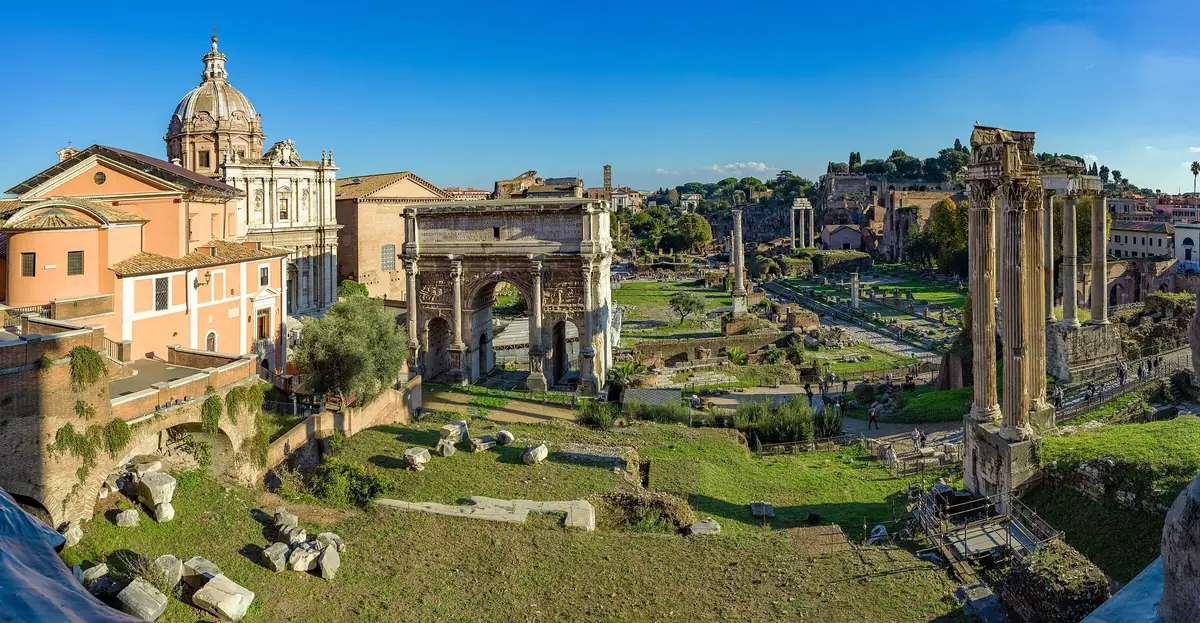
That ticket lets you into the Forum once, at any time in the 24 hours before or after your Colosseum slot. For more than a thousand years this valley was the centre of Rome’s public life, and you still walk its Via Sacra, the Sacred Way, past the Senate house, the Temple of Vesta and the Arch of Titus, named for the emperor who opened the Colosseum.
Above it rises the Palatine Hill, where the emperors built their palaces, with the Farnese Gardens looking down over the Forum. Go in by the Palatine gate on Via di San Gregorio and walk down through the Forum, so you only climb the hill once. Allow two and a half to three hours for both, and in winter remember the last entry is at 15:30.
An included entry in the Roma Pass
Circus Maximus
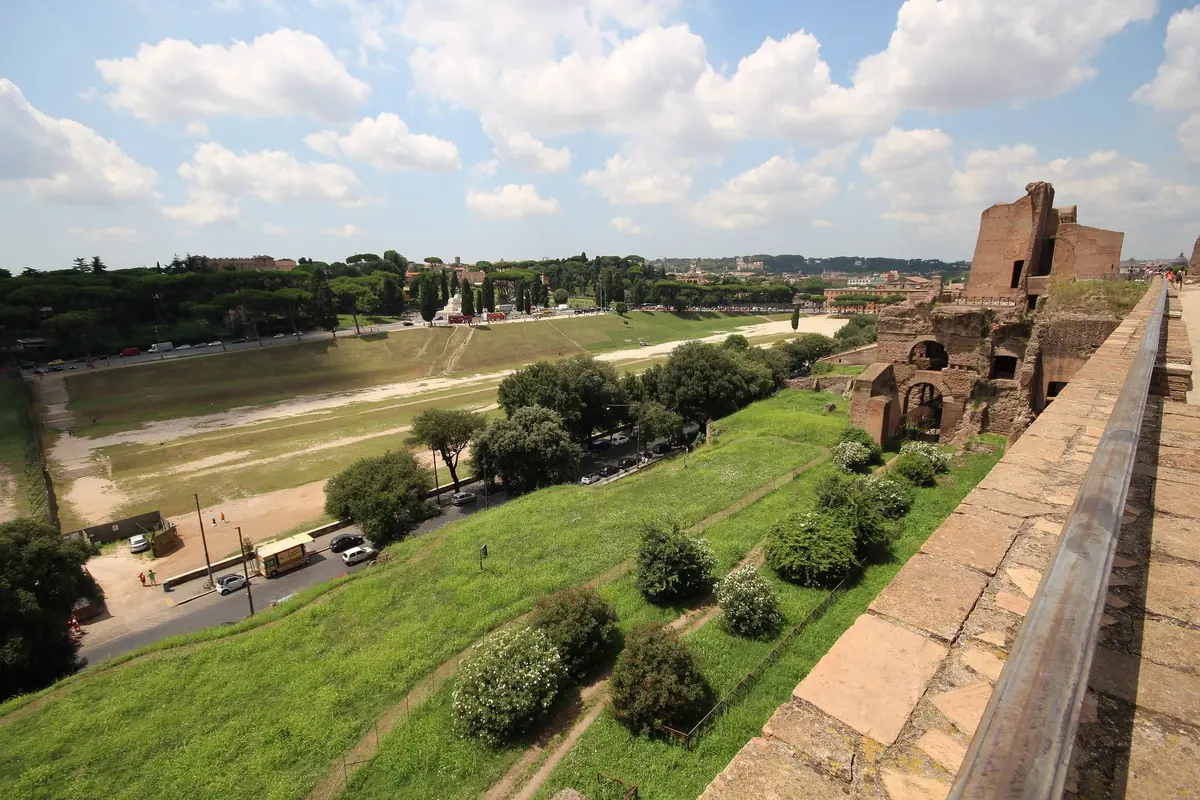
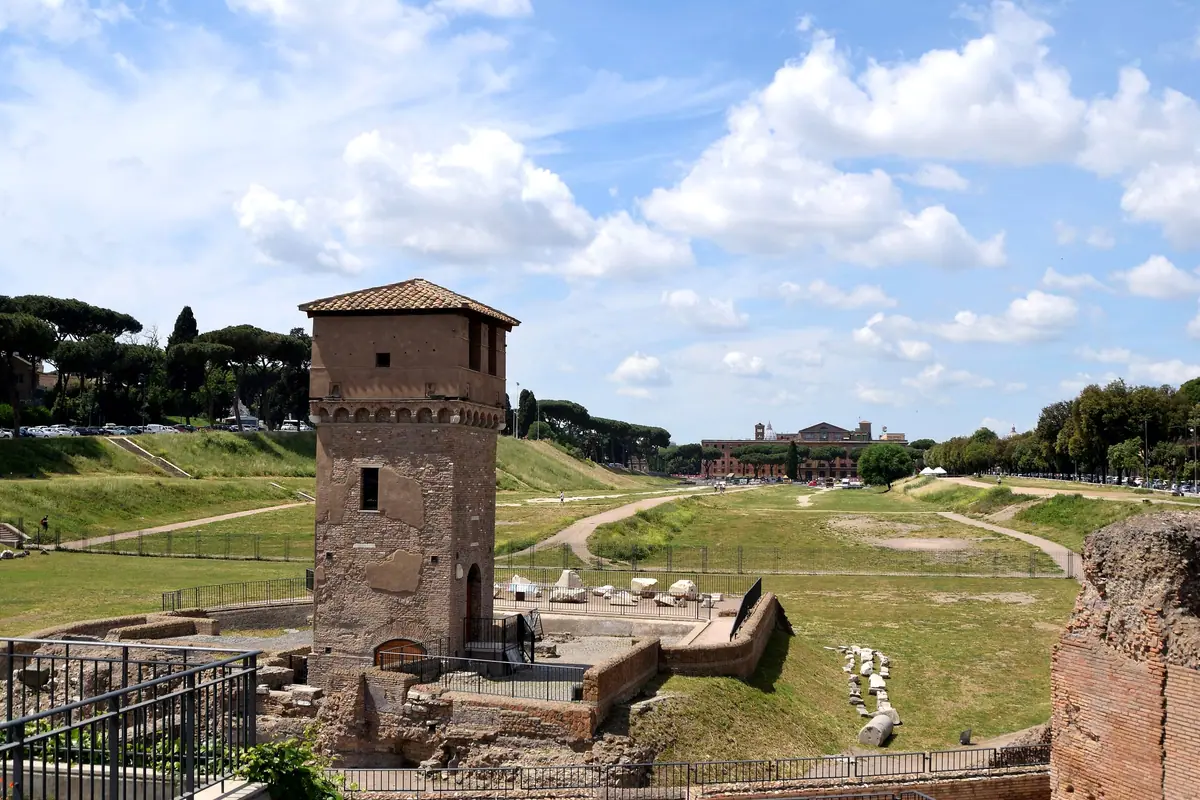
From the edge of the Palatine you look down on the Circus Maximus, ancient Rome’s chariot-racing track, about 600 metres long between the Palatine and the Aventine. The stands are gone, but the grassy valley keeps the shape of the track, and you can walk it free at any hour, unless a concert has it fenced off.
At the south-east end, a paid area takes you among the excavated galleries and up the medieval Torre della Moletta. The Circo Maximo Experience puts the crowds back, with augmented and virtual reality visors and a day at the races. Both close on Mondays, and the Roma Pass counts them as two separate sites.
An included entry in the Roma Pass
Baths of Caracalla
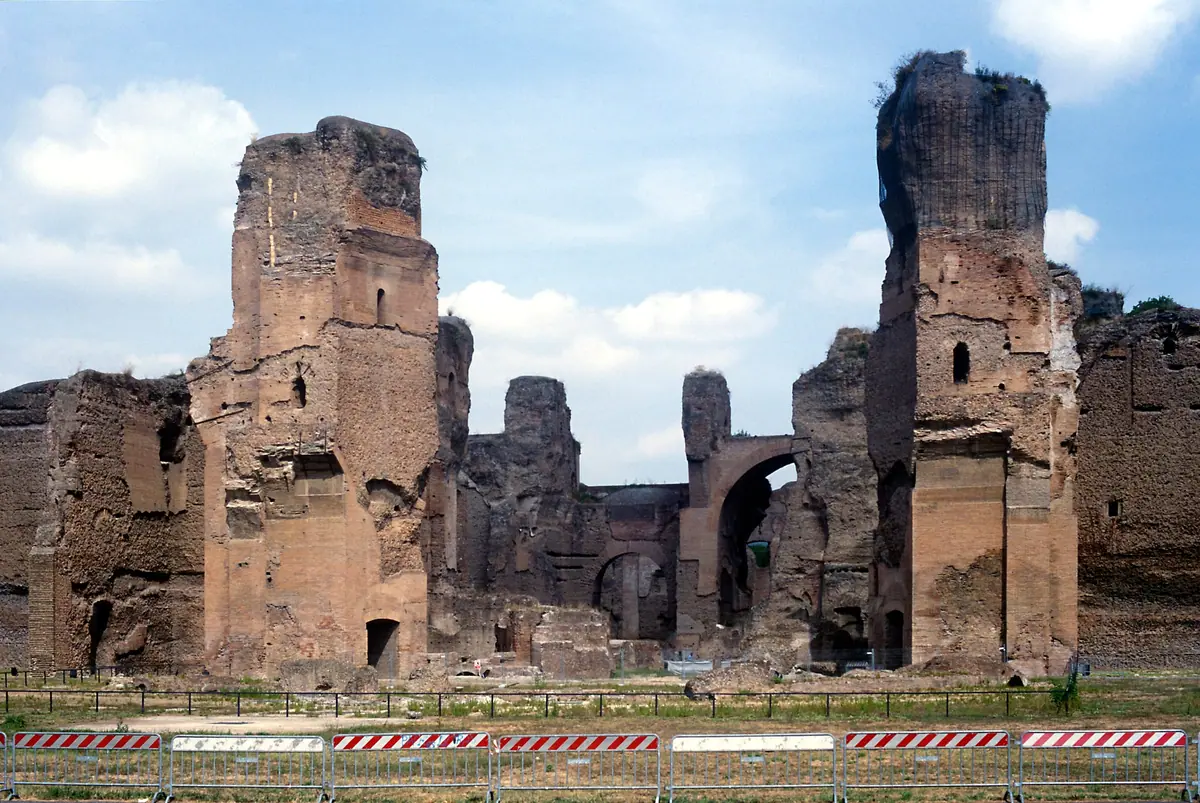
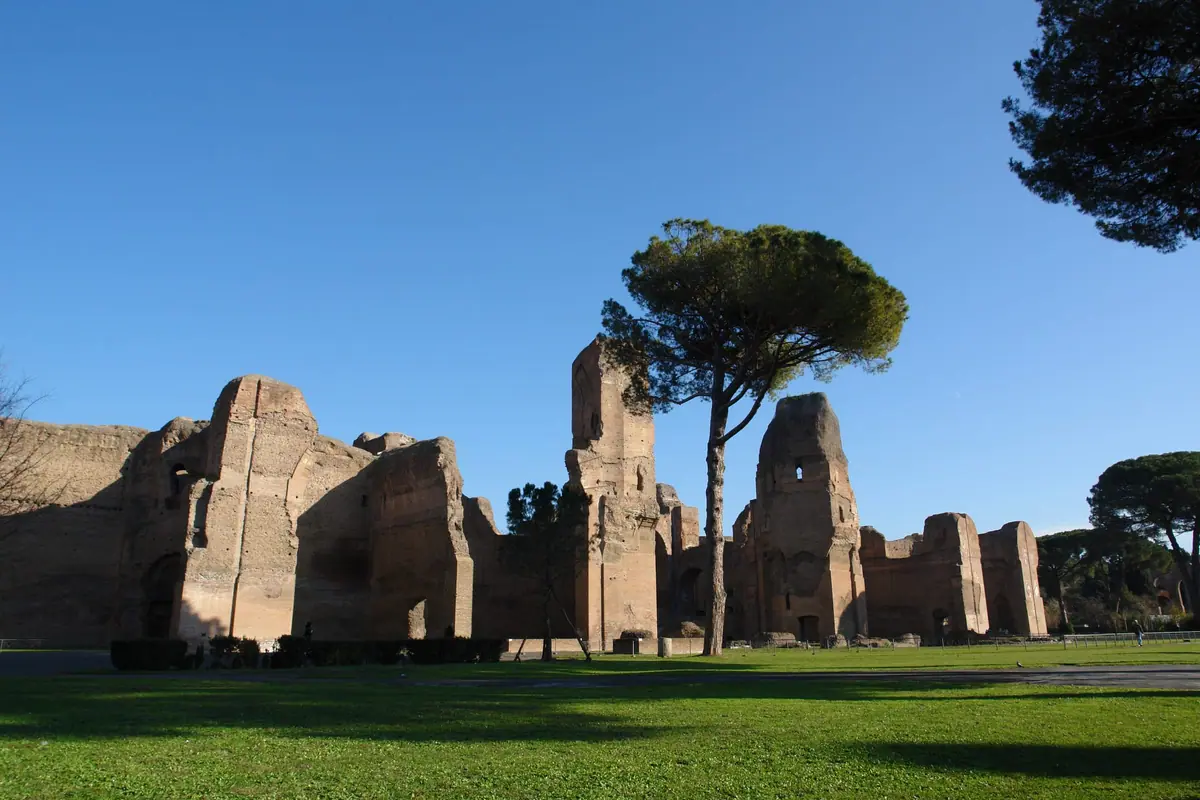
About 12 minutes on foot from Circo Massimo metro station are the public baths the emperor Caracalla opened in AD 216. Nobody ever built on top of them, so the brick halls still stand in a line, hot, warm and cold, with the open-air pool now a lawn and a Roman house with restored frescoes in the grounds.
There’s nothing to book, since the ticket office sells on the day. The baths close every Monday, and in winter the last entry is at 15:30. On the Roma Pass the reduced ticket here is so cheap that we’d keep the included entry for a dearer site.
An included entry in the Roma Pass
Capitoline Museums
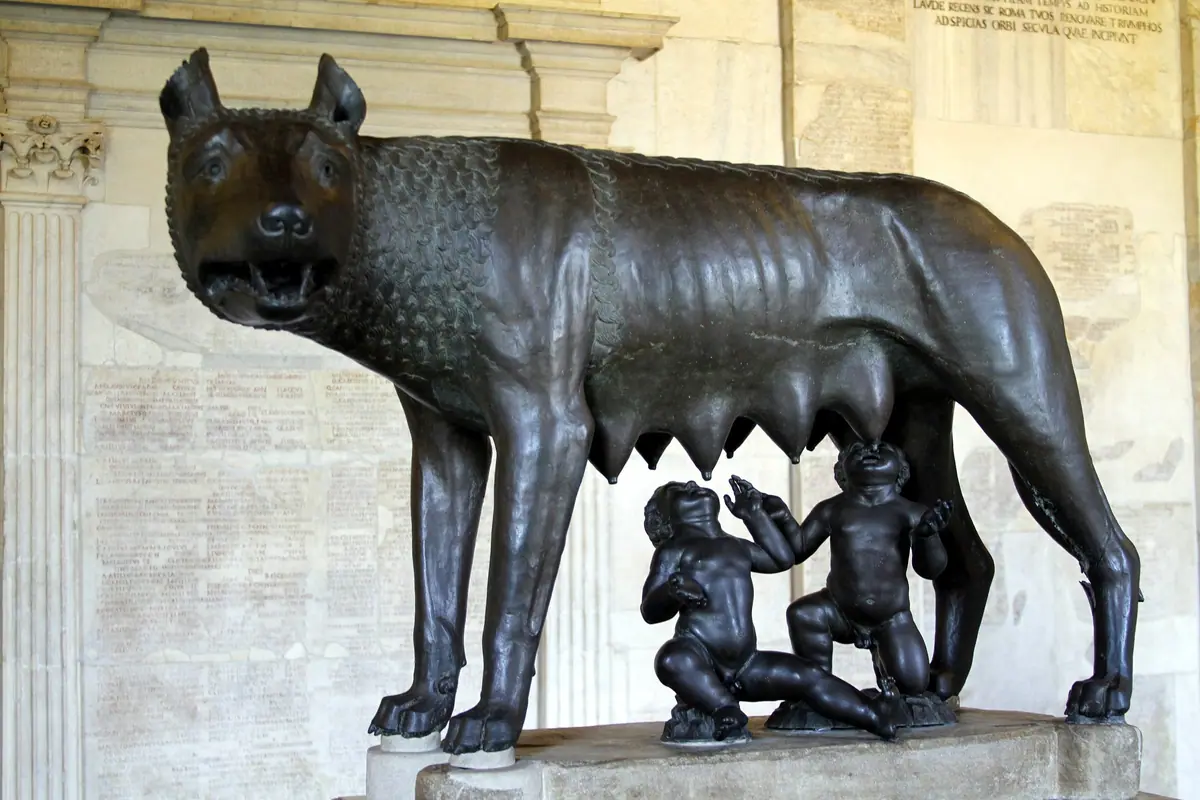
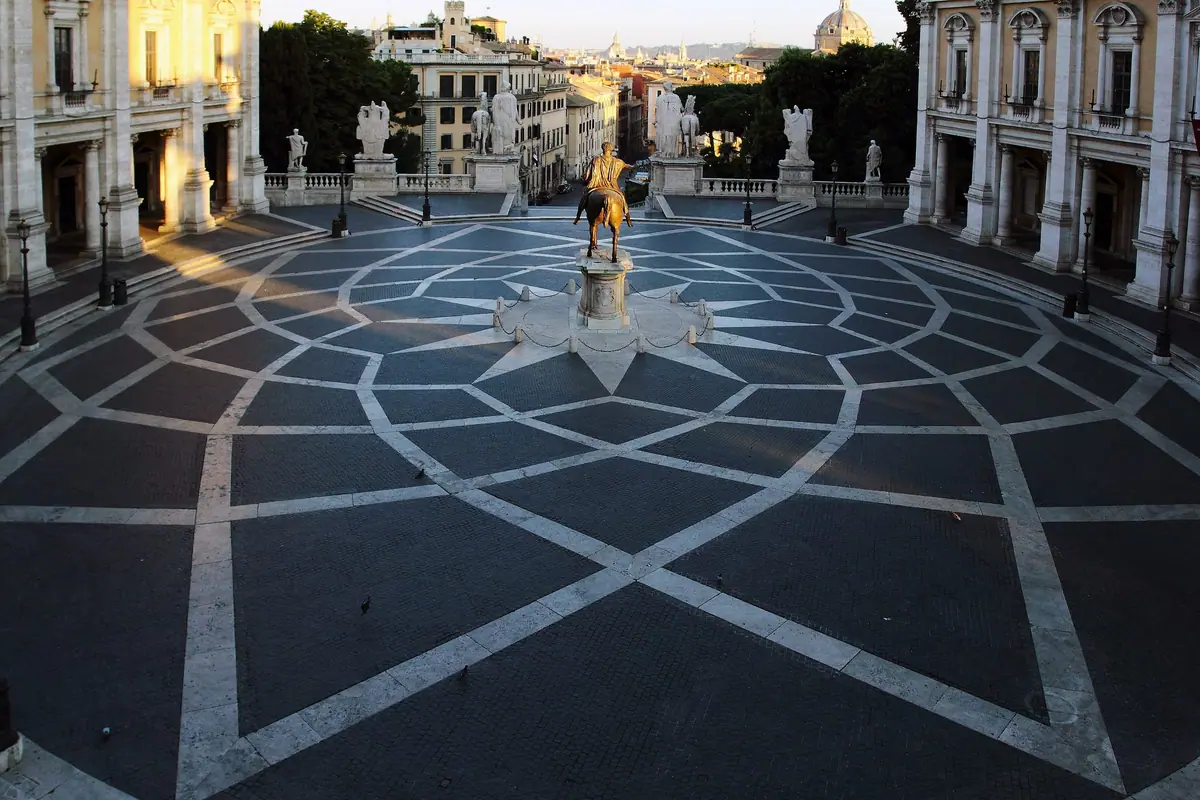
Back at the far end of the Forum, the Capitoline Hill has the square Michelangelo designed on top, and two palaces around it hold the Capitoline Museums. Inside are the bronze she-wolf of Rome’s founding legend and the original statue of the emperor Marcus Aurelius on horseback. An underground gallery joins the palaces and leads into the Tabularium, ancient Rome’s state archive, whose arches look straight out over the Forum.
The museums open every day, Mondays included, and you don’t need to book. On the first Sunday of the month entry is free for everyone. Walk up the Cordonata, the broad stepped ramp, and before you go in, walk round behind the Palazzo Senatorio for a free view of the Forum.
An included entry in the Roma Pass
Pantheon
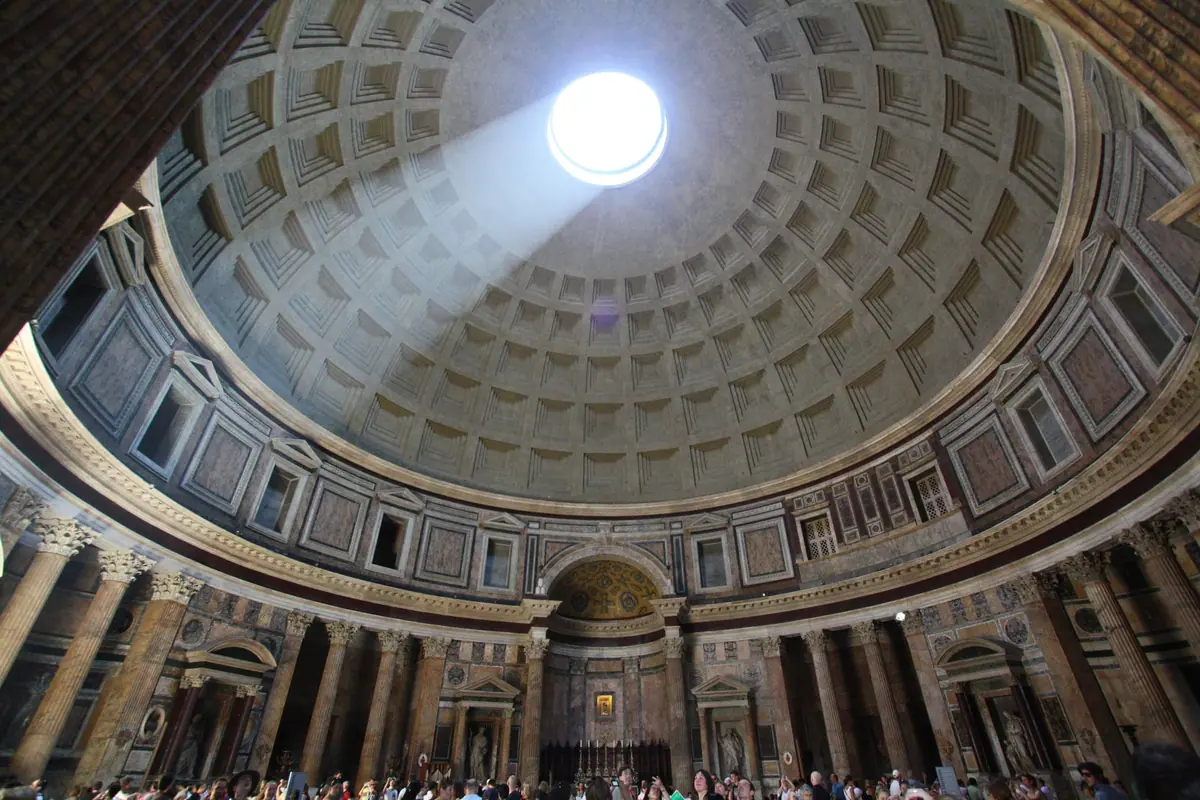
In the historic centre, where the metro doesn’t reach, the Pantheon is the temple the emperor Hadrian rebuilt between AD 118 and 125, and it’s the building you walk into today. Its dome was the largest in the world until the 15th century, the round hall under it is as wide as it is high, and its only window is the open oculus at the top, which lets the rain in.
It has been a church since 609, and the painter Raphael is buried inside. A ticket gives you a one-hour slot, and booking ahead spares you the queue at the desk. It opens every day, but Mass closes it to visitors on Sunday mornings and late on Saturday afternoons, and as in any working church you cover your shoulders. The Roma Pass doesn’t include it.
One of the choices in the Rome Tourist Card
Piazza Navona
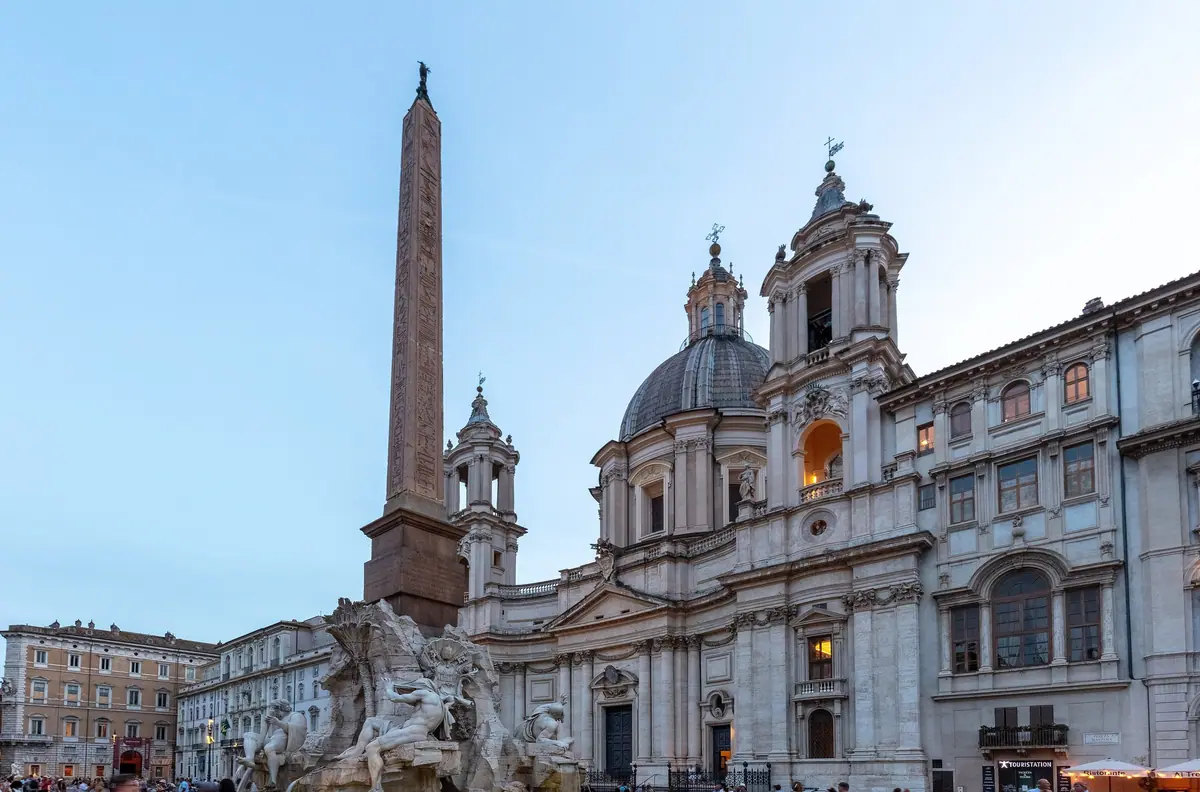
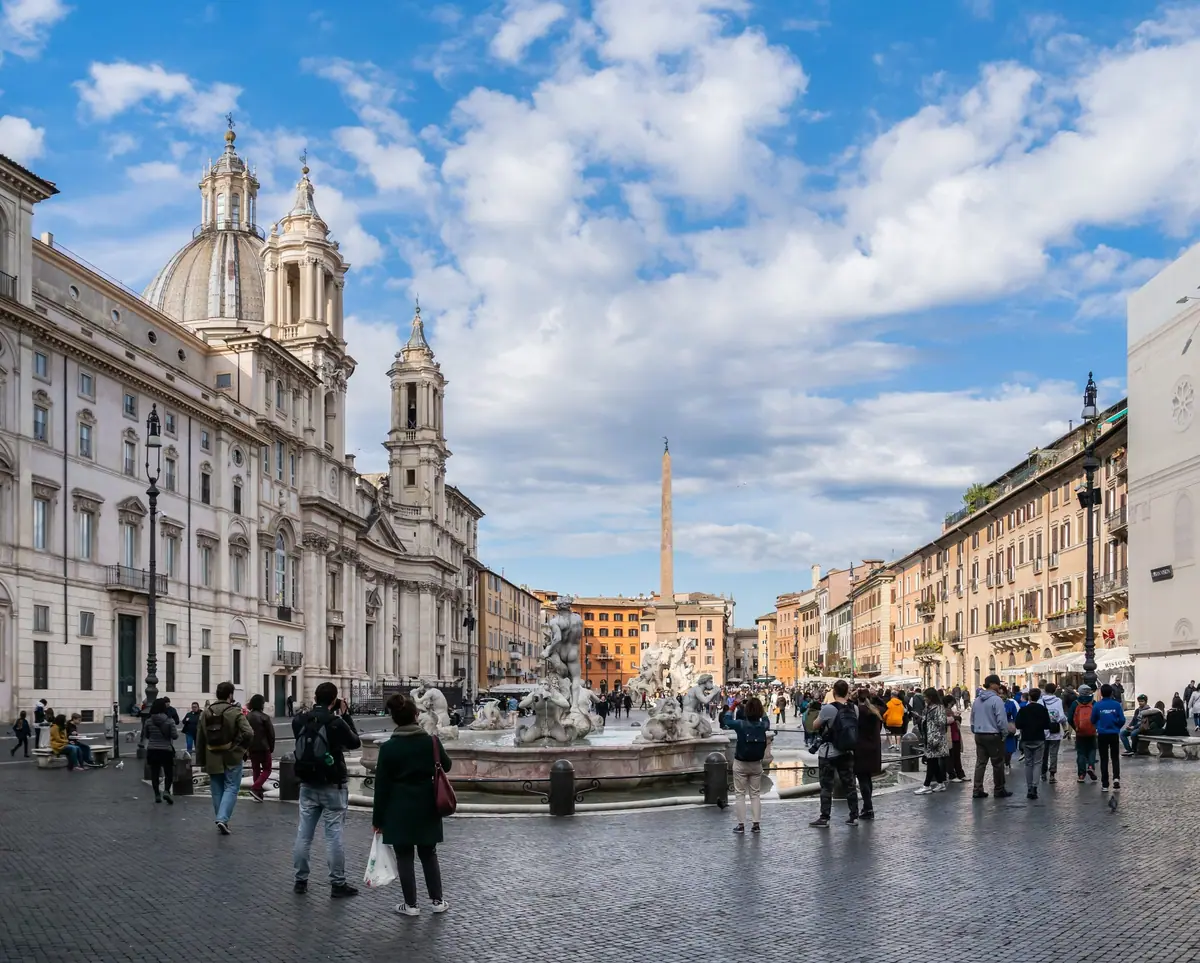
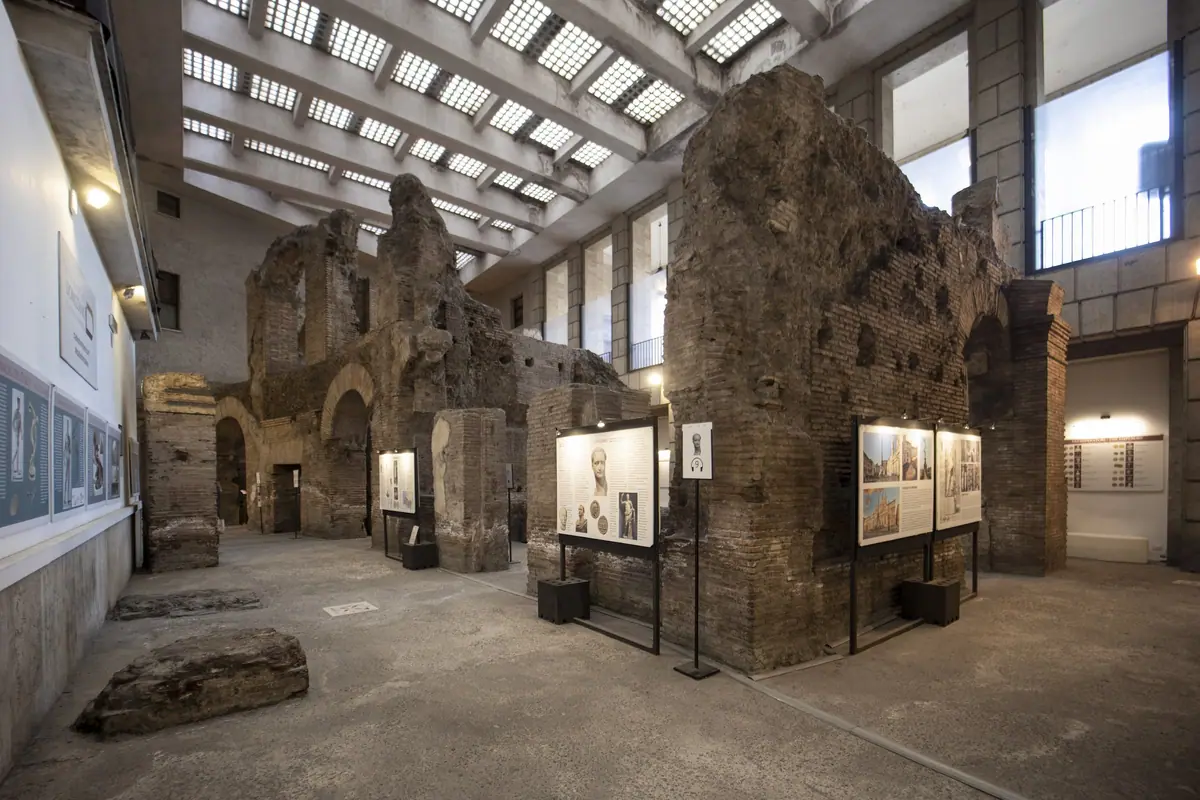
Five minutes’ walk west of the Pantheon, Piazza Navona keeps the long shape of a Roman stadium, built here in AD 86 by the emperor Domitian for athletics and horse races. The houses round the square went up where the stands were, and what’s left of the stadium lies five or six metres under the paving, in an underground site now closed for restoration. The square itself has no traffic, no ticket and no closing time, just cafés along the sides and street performers working the crowd.
In the centre is the Fountain of the Four Rivers, which the sculptor Gian Lorenzo Bernini unveiled in 1651. Its four marble figures, the Danube, the Ganges, the Nile and the Río de la Plata, stand for the four continents known at the time, and the obelisk above them was brought from the Circus of Maxentius on the Appian Way.
The Nile has his head covered, and the story goes that he can’t bear to look at Sant’Agnese in Agone, the church opposite, finished by Bernini’s great rival, the architect Francesco Borromini. The dates spoil it: the fountain was unveiled a year before work on the church began, and the veil is there because nobody then knew where the Nile rose.
Castel Sant’Angelo
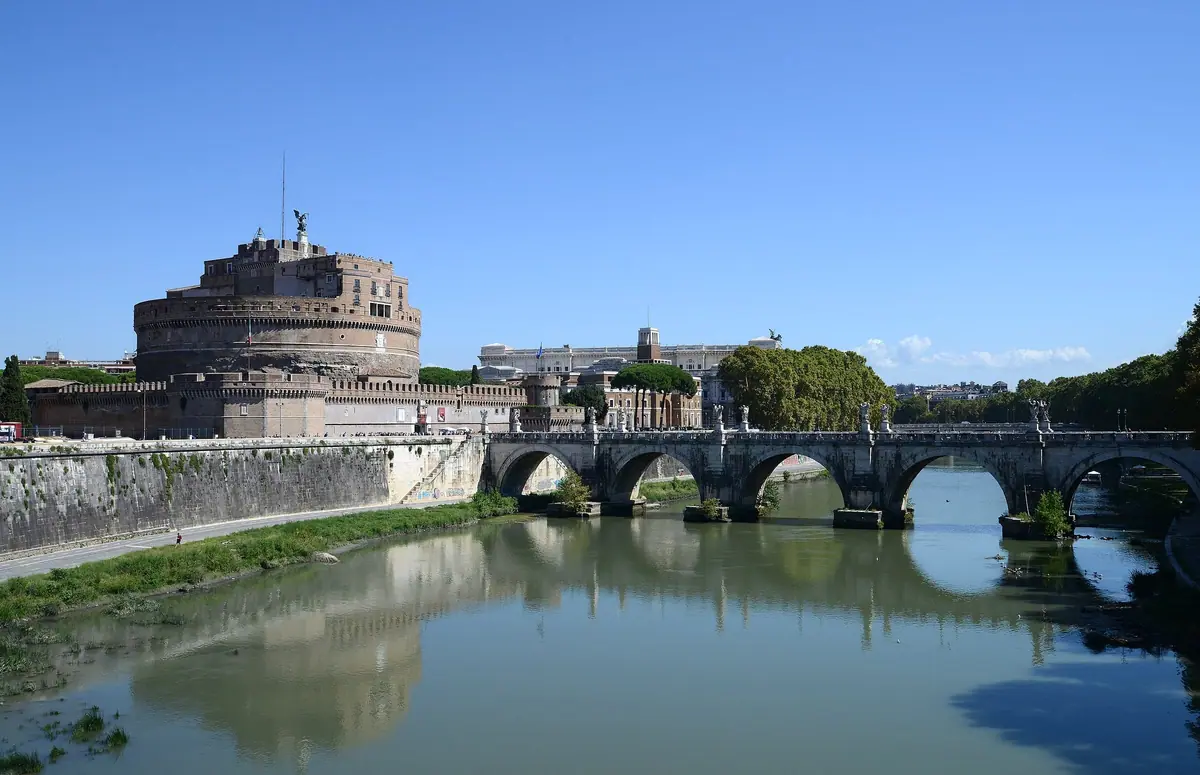
Across the Tiber from Piazza Navona stands the tomb of the emperor Hadrian, which the popes made into a fortress and a home, and later a prison. You cross the Ponte Sant’Angelo, lined with angels designed by the sculptor Bernini, then climb from the spiral ramp of the Roman tomb, through the frescoed papal apartments, to a terrace under a bronze angel, with St Peter’s and the Pantheon in view.
You don’t have to book, though the castle recommends it, especially at weekends, and with the Roma Pass you skip that step: cardholders have a line of their own. The castle closes on Mondays, apart from the afternoon of the first Monday of the month, and tickets carry your name, so bring ID. From Friday to Sunday a guided walk can take you along the Passetto di Borgo, the corridor the popes used to reach safety from the Vatican.
An included entry in the Roma Pass
Vatican Museums and the Sistine Chapel
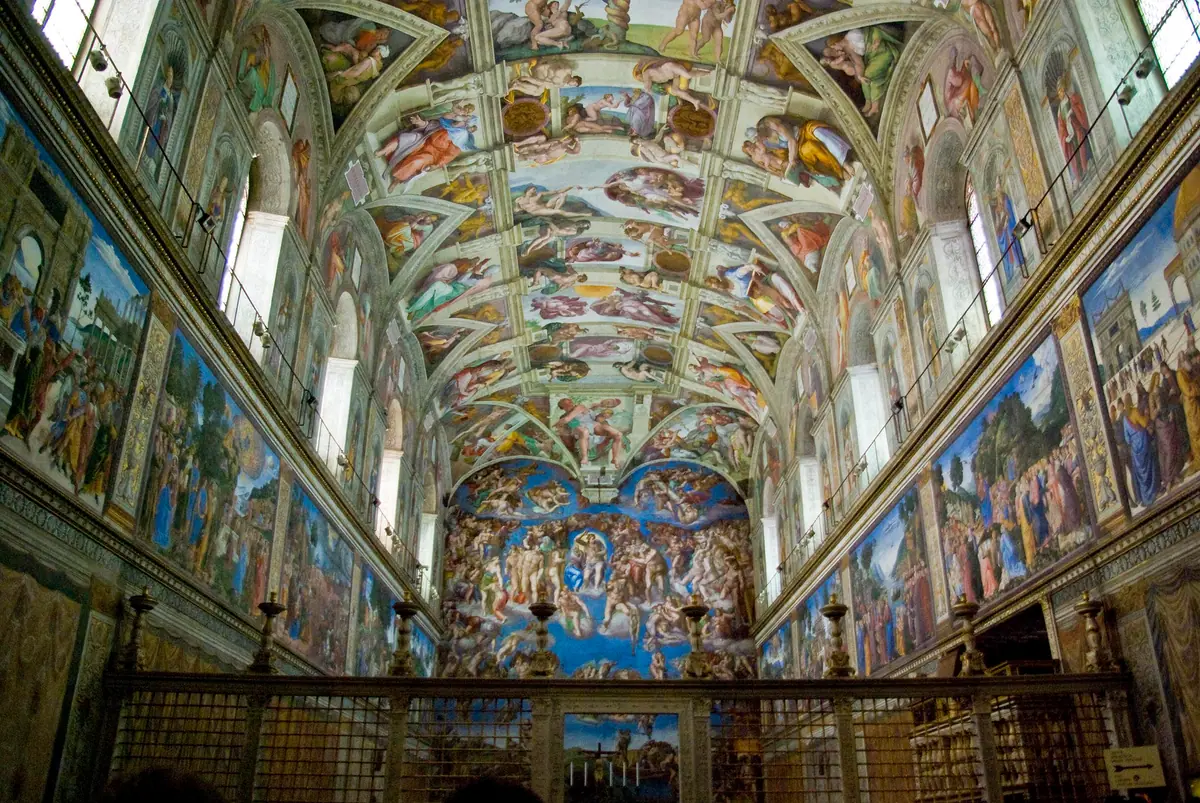
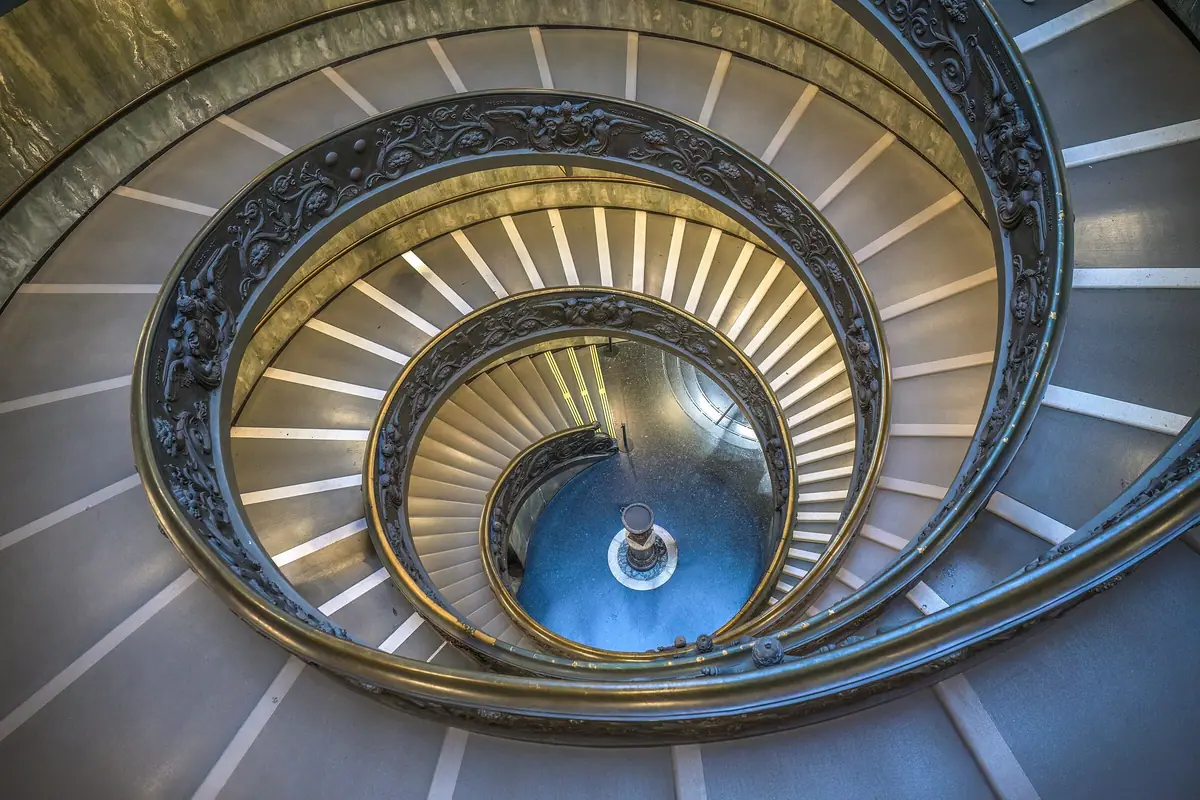
At the other end of that corridor is the Vatican, and its museums are the only way into the Sistine Chapel, where Michelangelo painted the ceiling between 1508 and 1512, and later the Last Judgement on the end wall. On the way you pass the Raphael Rooms, with the School of Athens, and the Laocoön, an ancient sculpture group dug up on the Esquiline Hill in 1506.
One ticket covers the museums and the chapel, with a booked time, and in high season demand is double the number of places, so book early. The museums close on Sundays, except the last Sunday of the month, when entry is free in the morning. Cover shoulders and knees, and keep your phone away in the chapel, where photos are banned. The Roma Pass doesn’t include the museums, but the Omnia Card does.
Included in the Vatican City Pass
St Peter’s Basilica
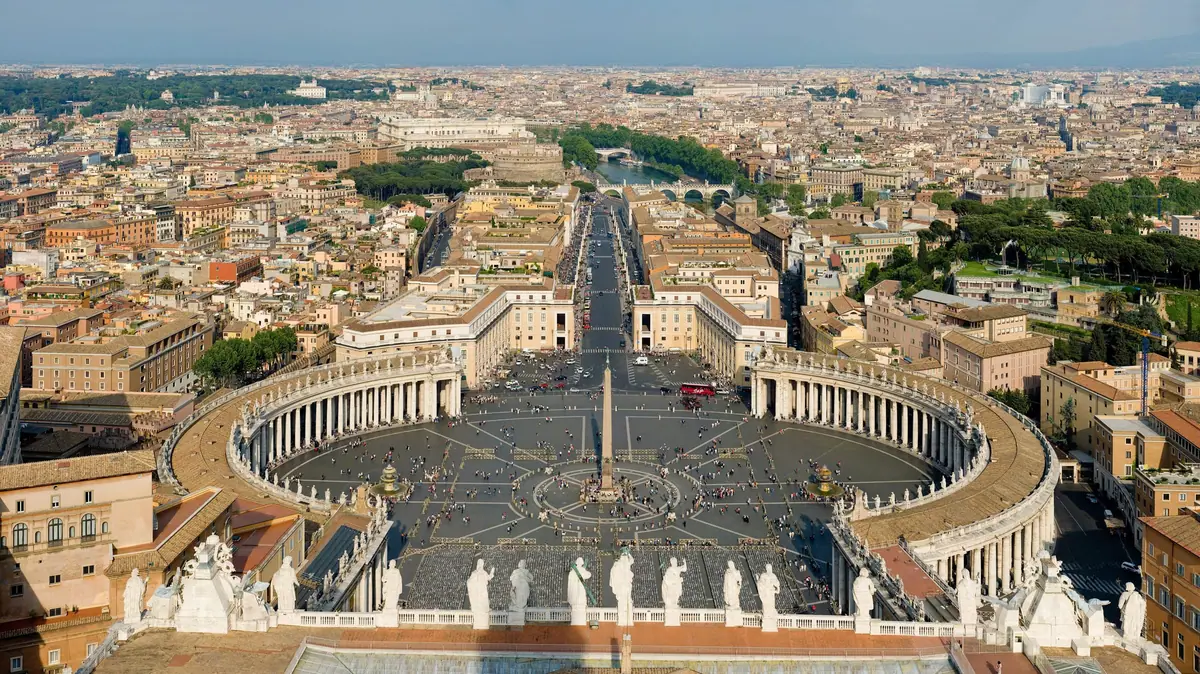
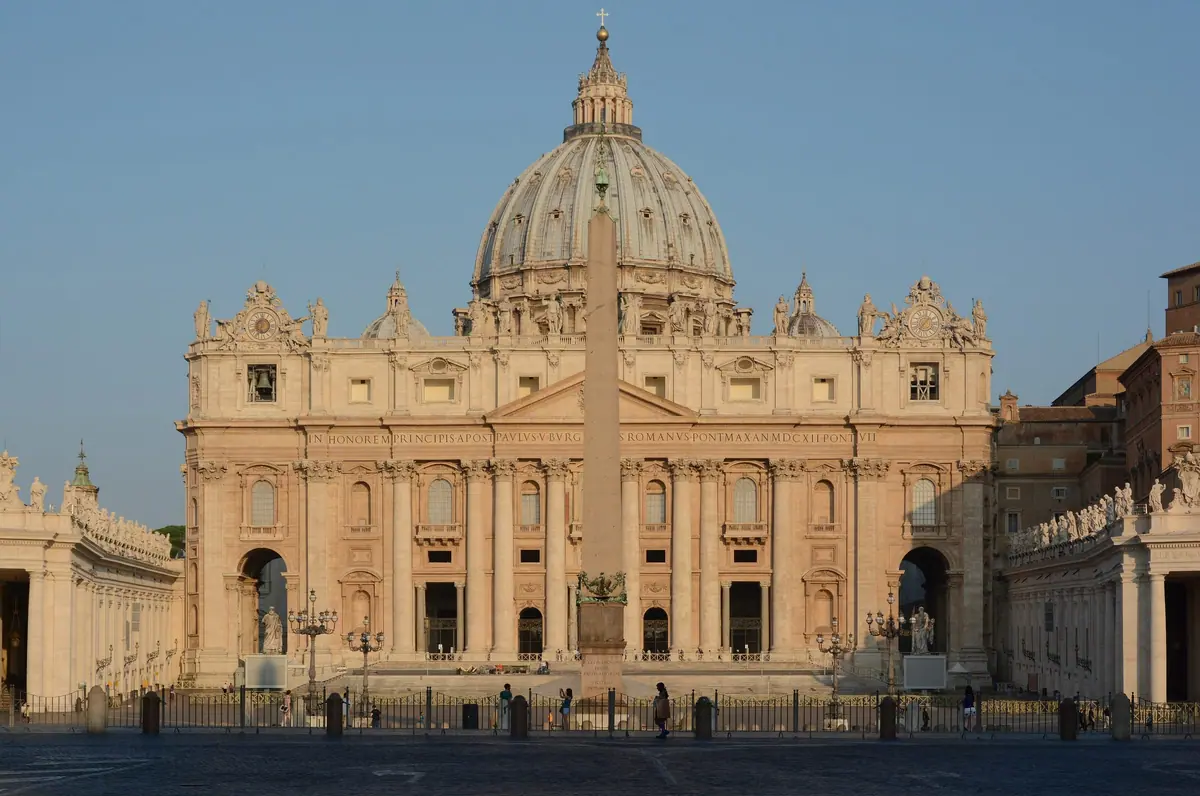
With an ordinary ticket there’s no way through from the Sistine Chapel, so you walk about 1 km round to St Peter’s Square. Entry to the basilica is free, with nothing to book, and inside are Michelangelo’s Pietà and Bernini’s bronze Baldachin over the high altar, where St Peter, the apostle and first pope, is believed to be buried.
Then there’s the climb up the dome Michelangelo designed: 551 steps to the top, or a lift that saves you the first 231. Everyone goes through the same security queue, shoulders covered. The basilica opens at 7:00, an hour before the museums, so it also works first thing, and it turns 400 on 18 November 2026, so expect ceremonies around that date.
Free to enter for everyone
Trastevere
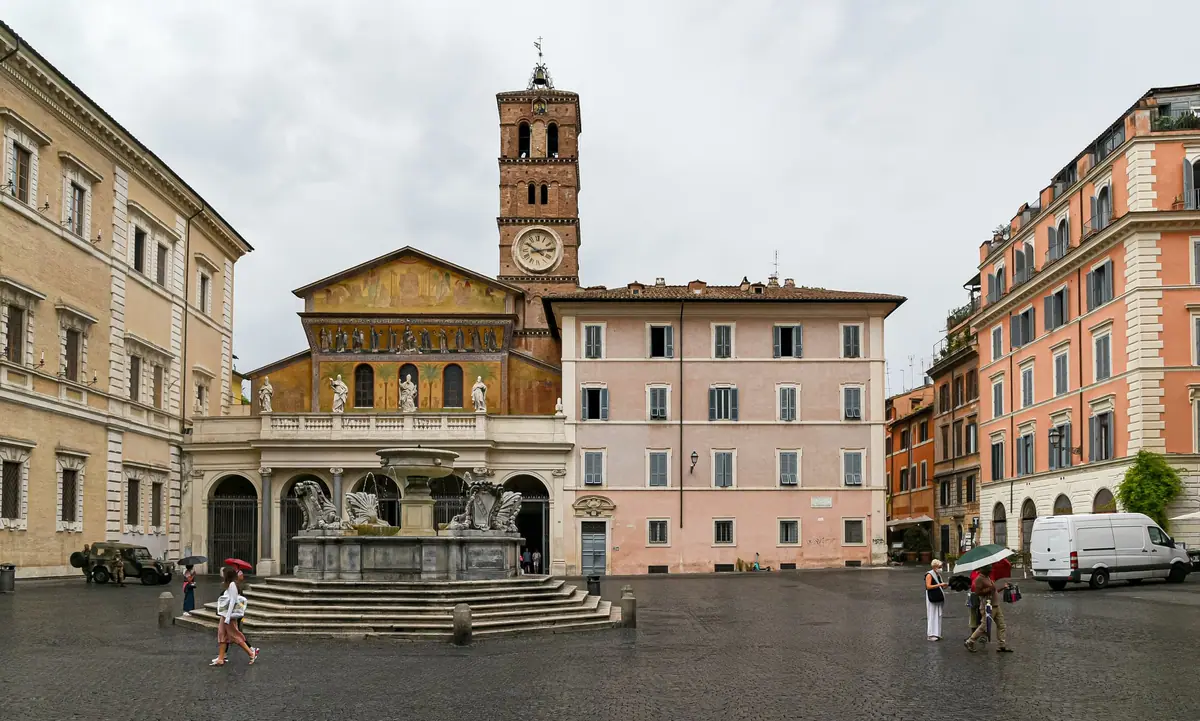
Trastevere, whose name is Latin for “across the Tiber”, lies south of the Vatican on the same side of the river. It’s a neighbourhood of cobbled lanes and one of the centres of Rome’s nightlife, so it comes into its own in the evening, when the restaurants and bars fill up.
The square to head for is Piazza di Santa Maria in Trastevere, with cafés round its edges and street musicians playing. By tradition, the basilica it’s named after was the first church in Rome officially opened for worship, in the 3rd century, and its bell tower and apse mosaics come from a rebuilding in the 12th. The fountain in front of it was already on a map of the city in 1471, which makes it one of Rome’s oldest.
Tram 8 crosses the river from Largo Argentina, close to the Pantheon, though from the centre Trastevere is near enough to walk to. On Sunday mornings the Porta Portese flea market spreads through the streets towards Viale di Trastevere. Next to Piazza di Santa Maria, the Museum of Rome in Trastevere hangs watercolours by Ettore Roesler Franz, a painter who recorded the streets Rome lost when it became Italy’s capital.
Trevi Fountain
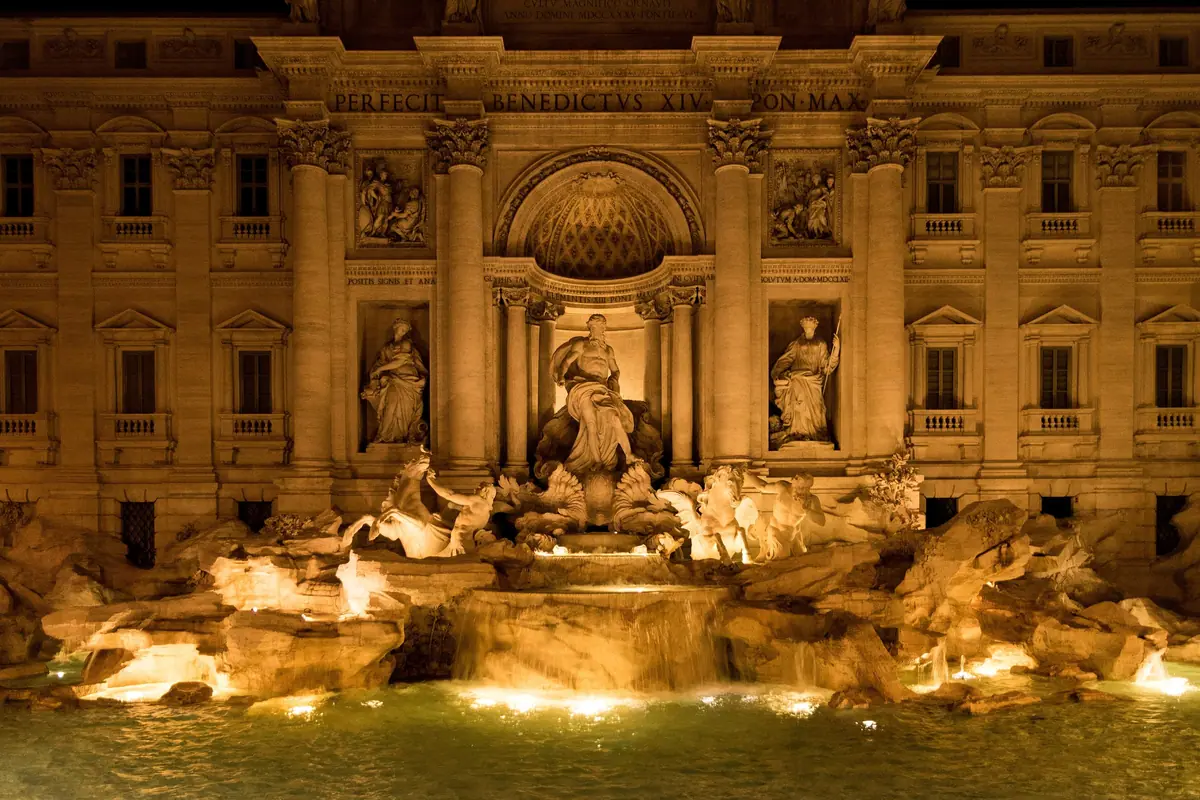
Back across the river, about 10 minutes’ walk from the Pantheon, the Trevi Fountain runs on water from the Aqua Virgo, an aqueduct the Romans built in 19 BC and still in use, though the fountain itself was only finished in 1762. It’s built against the back of the Palazzo Poli, and in its central niche the sea god Oceanus stands on a shell-shaped chariot while tritons lead his two sea horses, one wild and one calm.
From the square you can look at it for nothing, day or night. The €2 that visitors have paid since February 2026 is only for going down the steps to the basin, from 9:00 to 22:00. Outside those hours the basin is free, and that’s also when the crowd thins out.
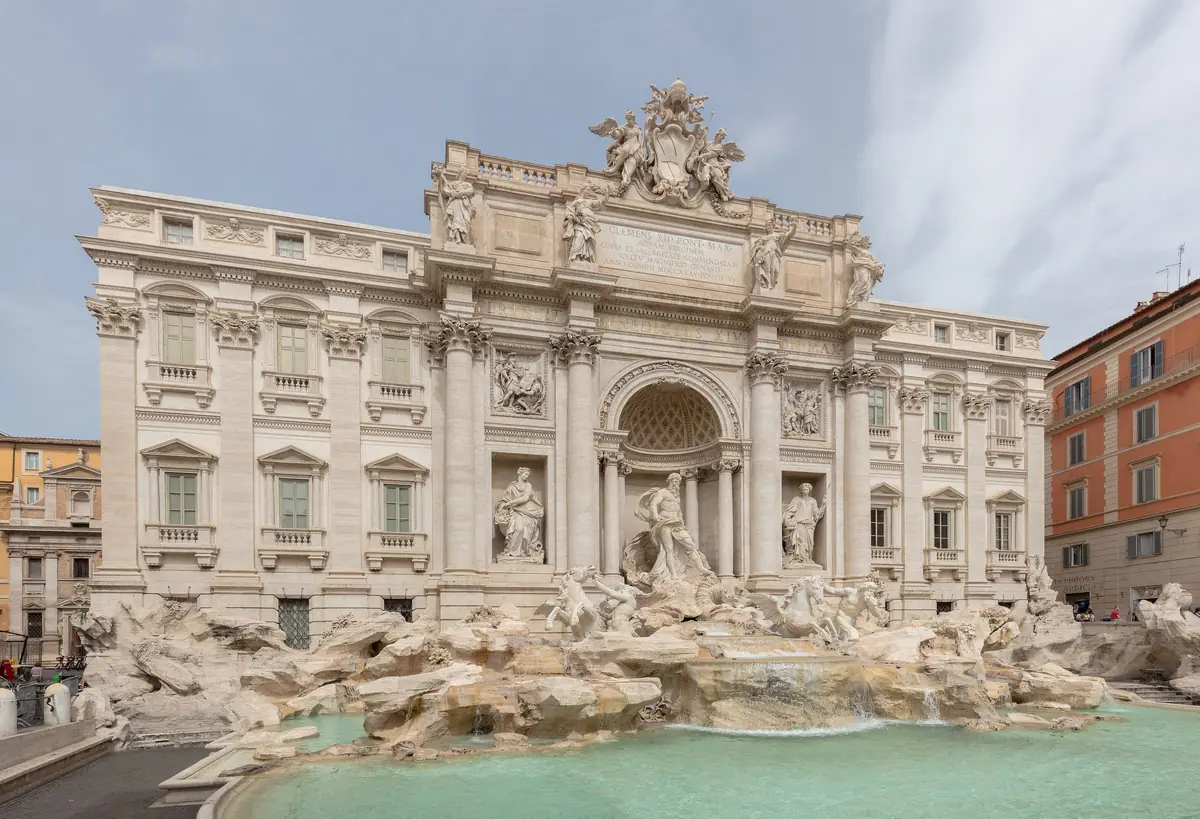
Down at the water, the custom is to stand with your back to the fountain and throw a coin over your left shoulder with your right hand, which is meant to bring you back to Rome. The coins add up to about €3,000 a day, and they go to Caritas, the Catholic charity.
Barberini, on metro line A, is the nearest station. A few metres away, a 40-minute guided tour takes you under the street into the Vicus Caprarius, the excavated remains of a Roman house. A 90-minute guided walk links Trevi with Piazza Navona, the Pantheon and the Spanish Steps. Neither gets you down to the basin: that takes the separate €2 ticket, which the Roma Pass doesn’t cover.
Spanish Steps and Piazza di Spagna
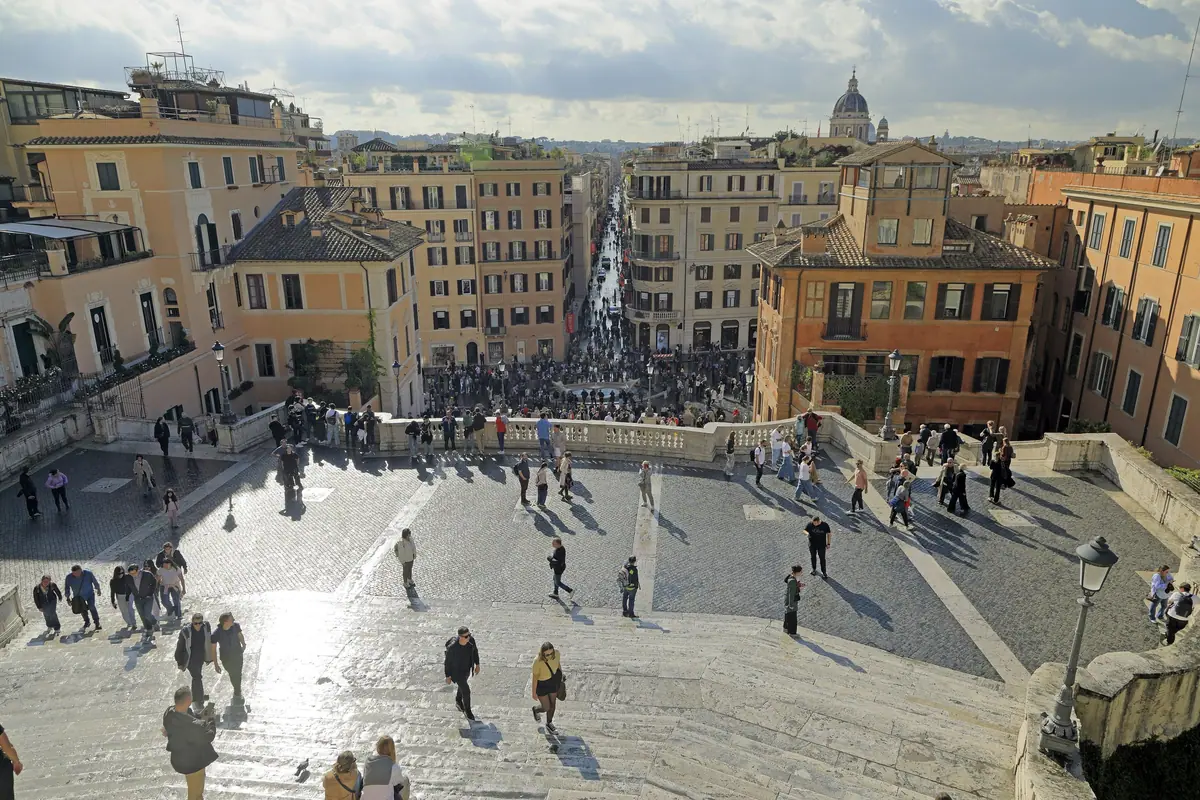
From Trevi it’s a short walk north to Piazza di Spagna, where the Spanish Steps climb to Trinità dei Monti. The church at the top, with its twin bell towers, was founded in 1495 and is one of Rome’s five French-language Catholic churches. The steps went up in the 1720s, and the square is named after Spain’s embassy to the Vatican.
At the foot of the steps is the Barcaccia, a marble boat half sunk in its basin, which Pietro Bernini, father of the more famous Gian Lorenzo, finished in 1629. It’s set below street level for a practical reason: it runs on the Aqua Virgo, the aqueduct that feeds the Trevi Fountain, and the water reaches this spot with little pressure.
Climb to the top for the view straight down Via dei Condotti, Rome’s street of luxury shops, and come first thing in the morning, before the crowds. You can’t sit on the steps: city rules have banned it since 2019, and the police can fine you. By metro, get off at Spagna, on line A.
Borghese Gallery
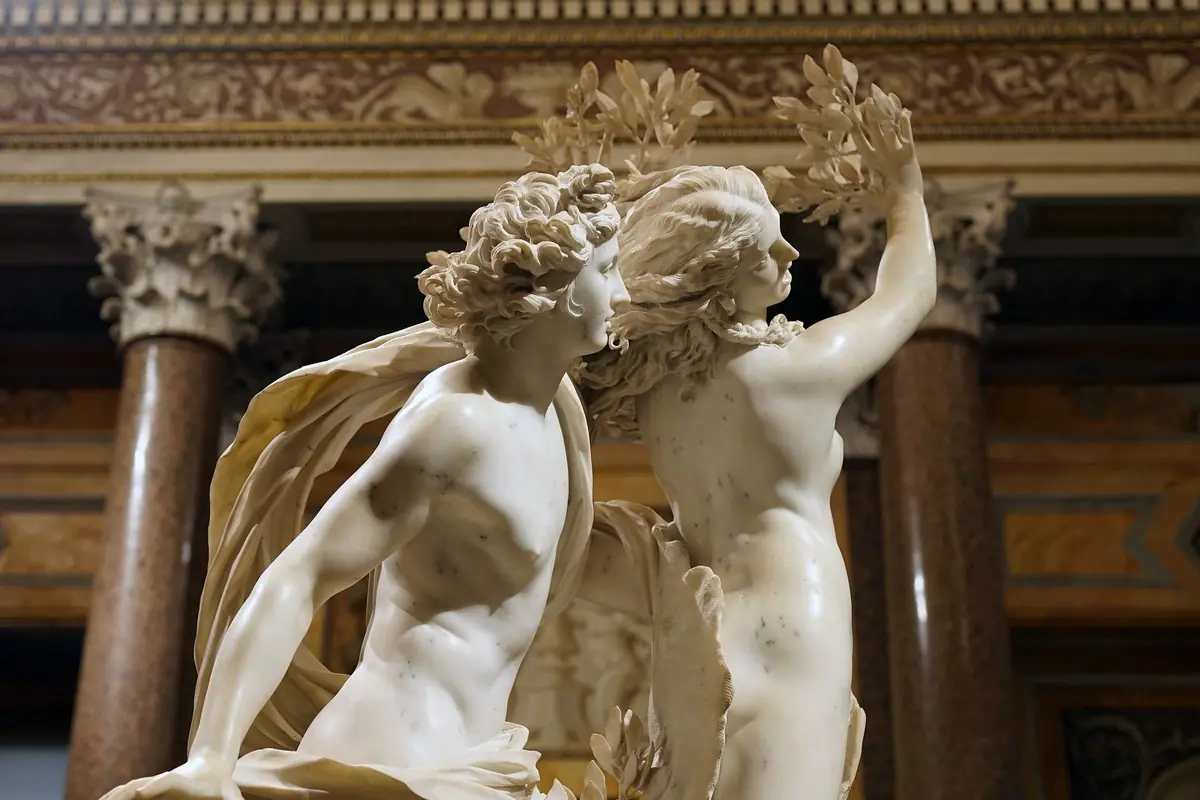
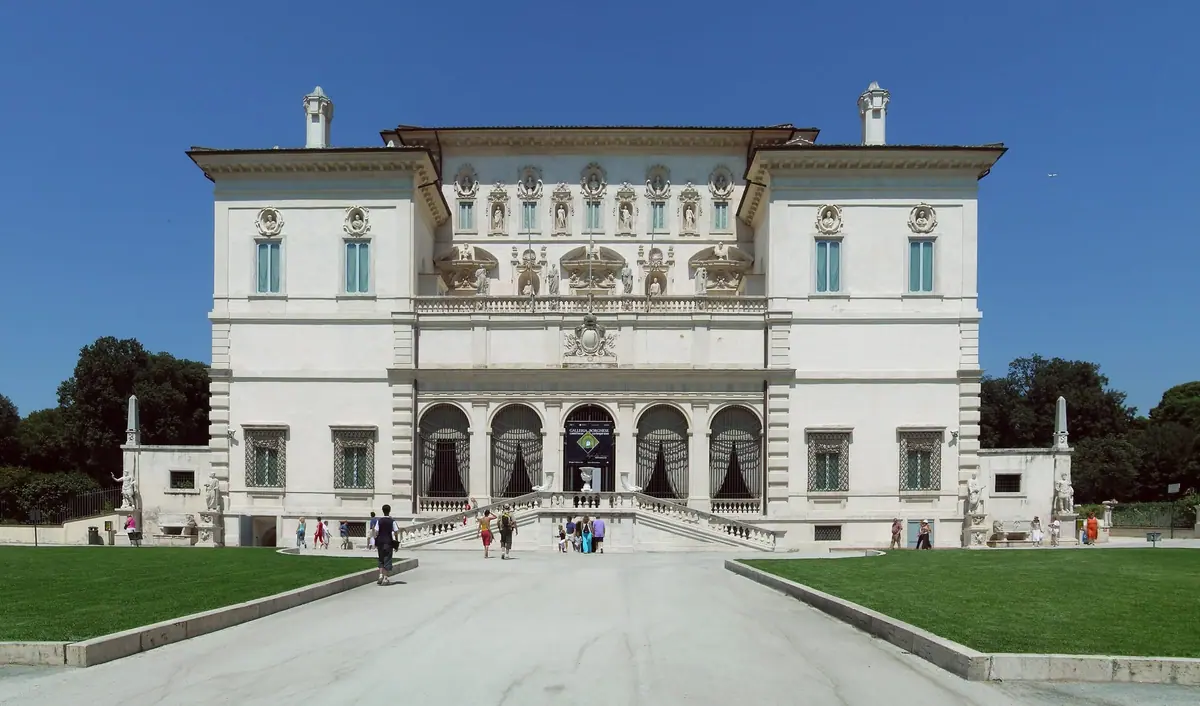
The Spanish Steps lead on towards the Villa Borghese park. The villa itself belonged to Cardinal Scipione Borghese, nephew of Pope Paul V, and it keeps the marble statues Gian Lorenzo Bernini carved in the 1620s, Apollo and Daphne among them. The sculptor Canova’s statue of Napoleon’s sister Paolina is here too, along with six paintings by Caravaggio.
Everyone needs a booked time, Roma Pass holders included, and the gallery lets in 180 people at the start of each two-hour slot. It’s closed on Mondays, so settle your Borghese day before the others and plan the rest around it. From Spagna metro station it’s a walk of 15 to 20 minutes through the park.
An included entry in the Roma Pass
St John Lateran
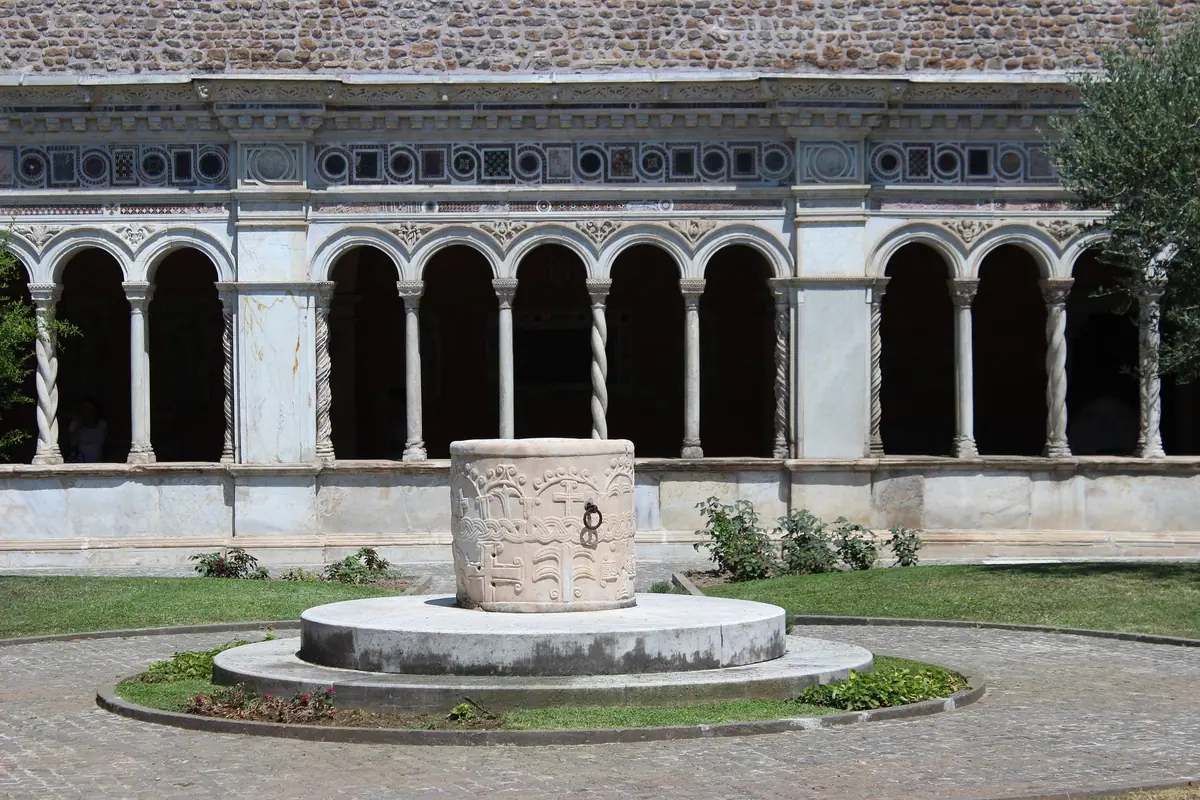
Rome’s cathedral isn’t St Peter’s but St John Lateran, because the Pope is the city’s bishop and his chair stands in the apse here. The basilica goes back to Constantine, the first Christian emperor, who gave the popes this land in the 4th century, and entry is free every day.
What you pay for are the visits around it: the 13th-century cloister, with its twisted columns inlaid with mosaic, and the Lateran Palace next door, whose papal rooms opened to visitors in 2021 and need a booked time. Both close on Sundays. The Holy Stairs, climbed only on your knees, are free, and metro line A stops at San Giovanni.
Free to enter for everyone
Catacombs and the Appian Way
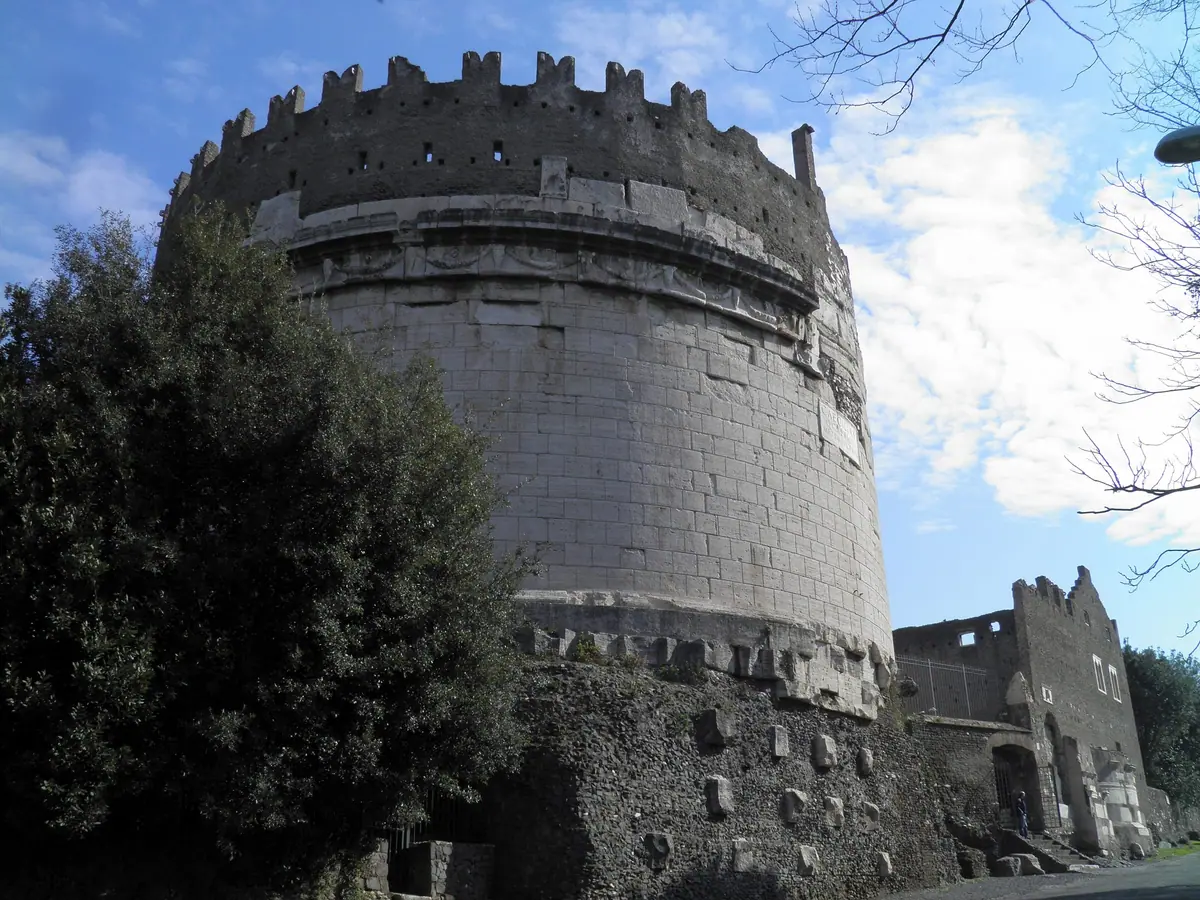
From San Giovanni, bus 218 stops 300 metres from San Sebastiano, on the Appian Way, the road the Romans began building in 312 BC and now a UNESCO World Heritage Site, free to walk at any time. Two catacombs, the tunnels where the city’s early Christians buried their dead, stand on it a short walk apart: St Callixtus, with the Crypt of the Popes, and San Sebastiano, whose galleries go down three levels.
You only go down with a guide, and the ticket includes the tour. St Callixtus closes on Wednesdays and San Sebastiano on Mondays, so one of the two is always open, and underground it’s 16 to 17 °C, so bring a layer. The Roma Pass leaves the catacombs out, but covers the archaeological park along the road, the round tomb of Cecilia Metella included.
Partly covered by the Roma Pass
Ostia Antica, a day out by train
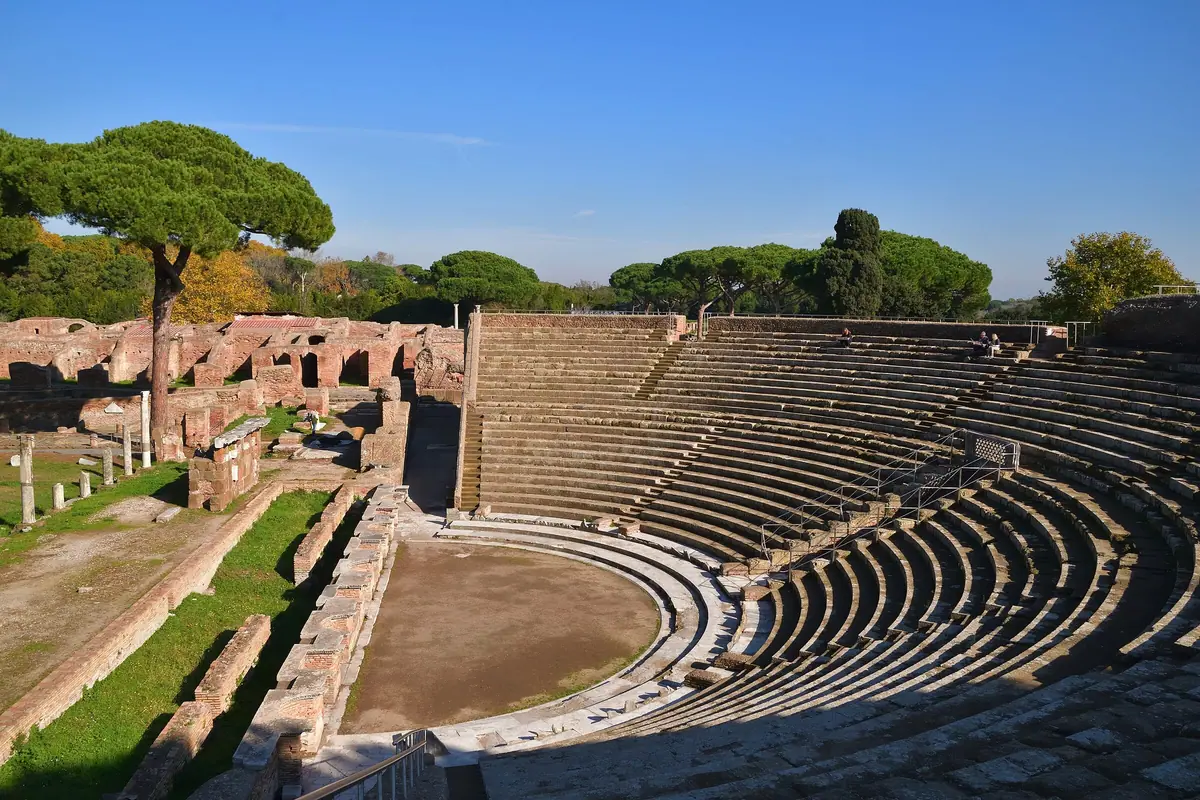
For a day out of the city, Ostia Antica, ancient Rome’s port at the mouth of the Tiber, is half an hour away by train. You walk its streets past baths with mosaic floors, a theatre, blocks of flats, a Roman bar with its counter still in place and a marble latrine with 20 seats.
Take metro line B to Piramide and change to the Metromare train next door. The Roma Pass covers the ride and can count the entry as an included one, and a single ticket opens every site in the park for eight days. It’s closed on Mondays and in winter the last entry is at 15:30, so set off in the morning, and check the line first, as it has had closures this autumn.
An included entry in the Roma Pass
Planning your days by area
The sights above fit into three days on foot: ancient Rome with the Capitoline, the Vatican with Trastevere for the evening, and the centre from Piazza Navona to the Borghese, with a fourth for the Lateran and the catacombs. The three sights to book ahead, the Colosseum, the Vatican Museums and the Borghese Gallery, sit in different areas, so each can anchor a day of its own, and our 3 days in Rome itinerary orders them around the weekly closing days.
Rome by area
- Ancient Rome
- The Colosseum, Forum and Palatine on one ticket, about half a day, then the Capitoline Museums, and none of them closes on Mondays; Caracalla, a walk south, does
- The Vatican side
- Castel Sant'Angelo, the Vatican Museums and St Peter's, then Trastevere in the evening; the museums close on Sundays except the last one of the month
- The centre
- The Pantheon, Piazza Navona and Trevi on foot, then up the Spanish Steps to the Borghese Gallery's two-hour booked slot; the gallery closes on Mondays
- Lateran and the Appian Way
- St John Lateran, then bus 218 out to the catacombs
- Day trip
- Ostia Antica, half an hour by Metromare train, closed on Mondays
Whether a pass saves you money depends on which of these you’d pay for. Our page on Roma Pass and Rome’s other city passes puts them side by side, with a calculator that tells you if one pays off for your list.
Rome
All 44 sights in Rome on our list
With the ticket price where we sell one, and the pass that covers each.
-
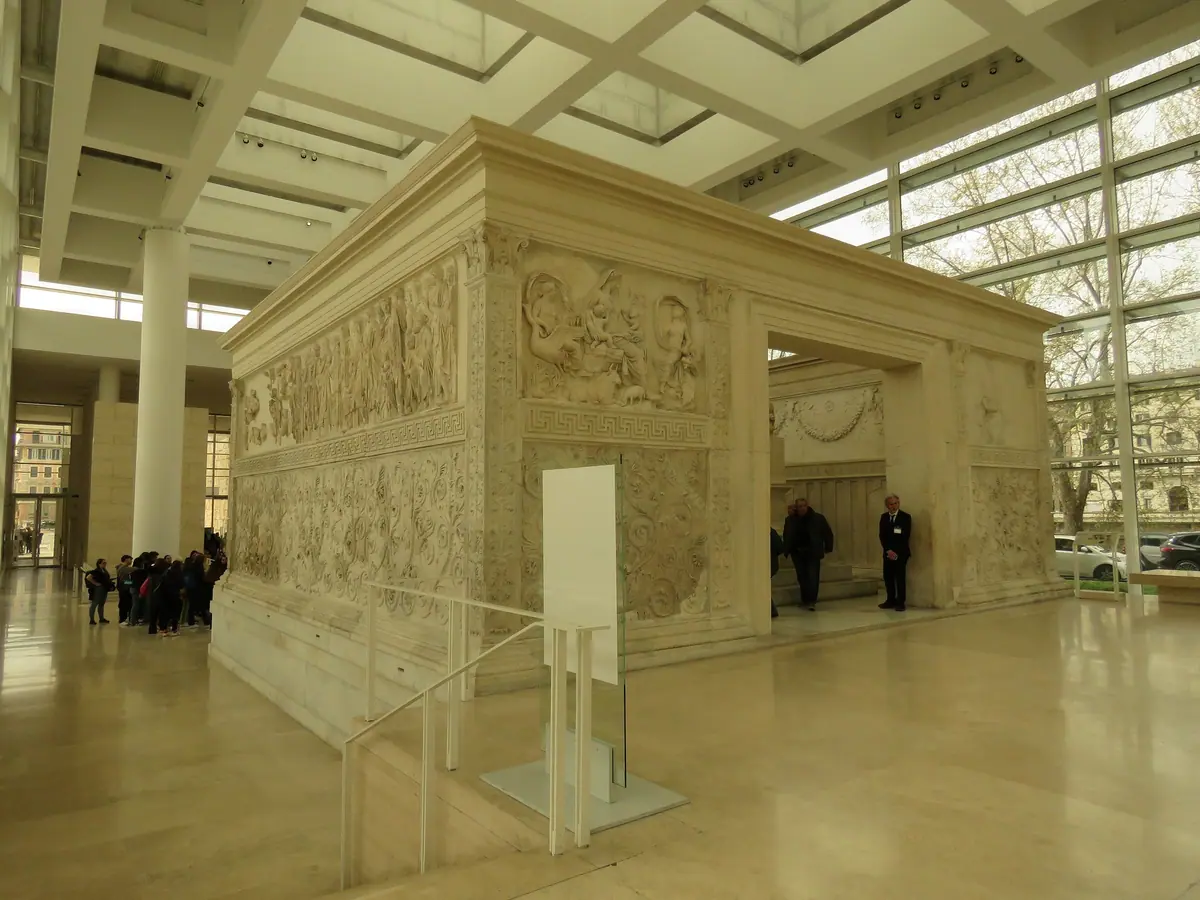 Ara Pacis Museum One of the included entries with the Roma Pass €15
-
 Baths of Caracalla One of the included entries with the Roma Pass €20.50
-
 Bioparco, Rome's zoo In the Turbopass Rome City Pass €26
-
 Borghese Gallery One of the included entries with the Roma Pass €35
-
 Capitoline Museums One of the included entries with the Roma Pass €32
-
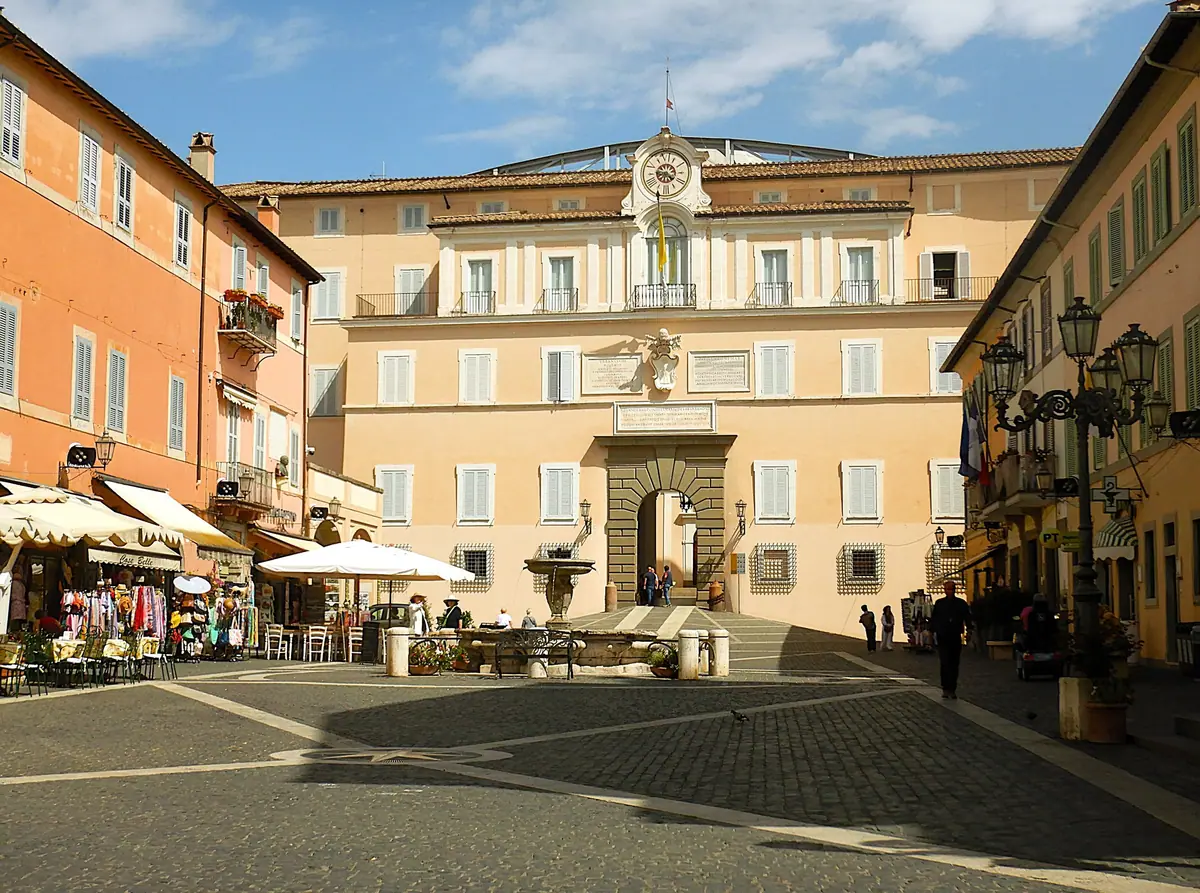 Castel Gandolfo Papal Palace and Gardens In the Go City Rome Explorer Pass
- Castel Sant'Angelo One of the included entries with the Roma Pass €22
-
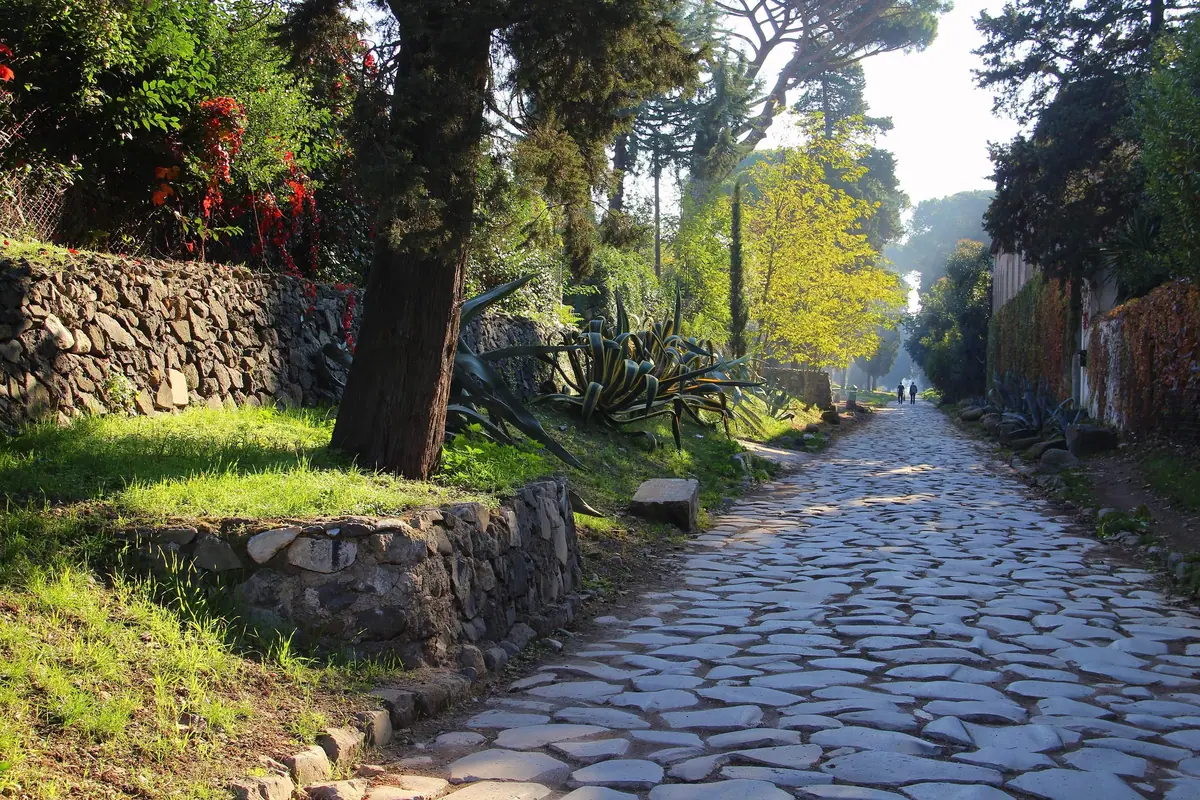 Catacombs of Rome Partly covered by the Roma Pass
-
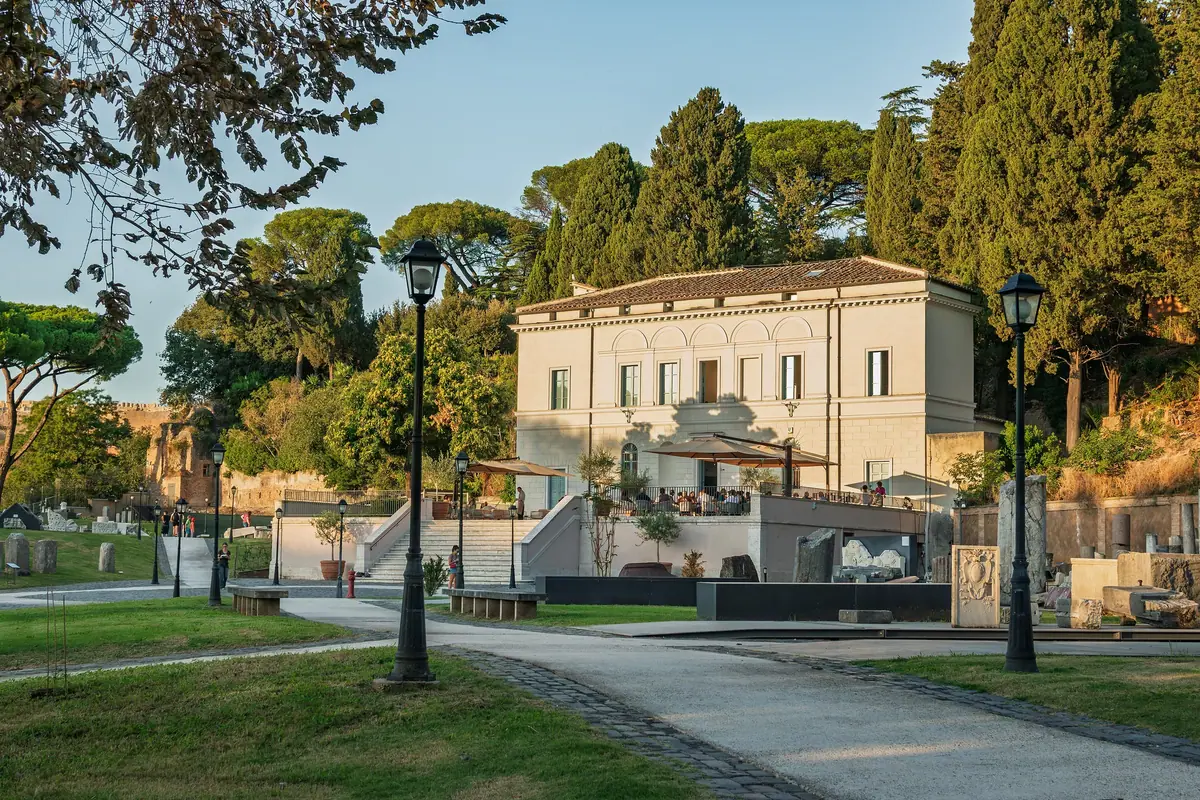 Celio Archaeological Park and Forma Urbis Museum One of the included entries with the Roma Pass
-
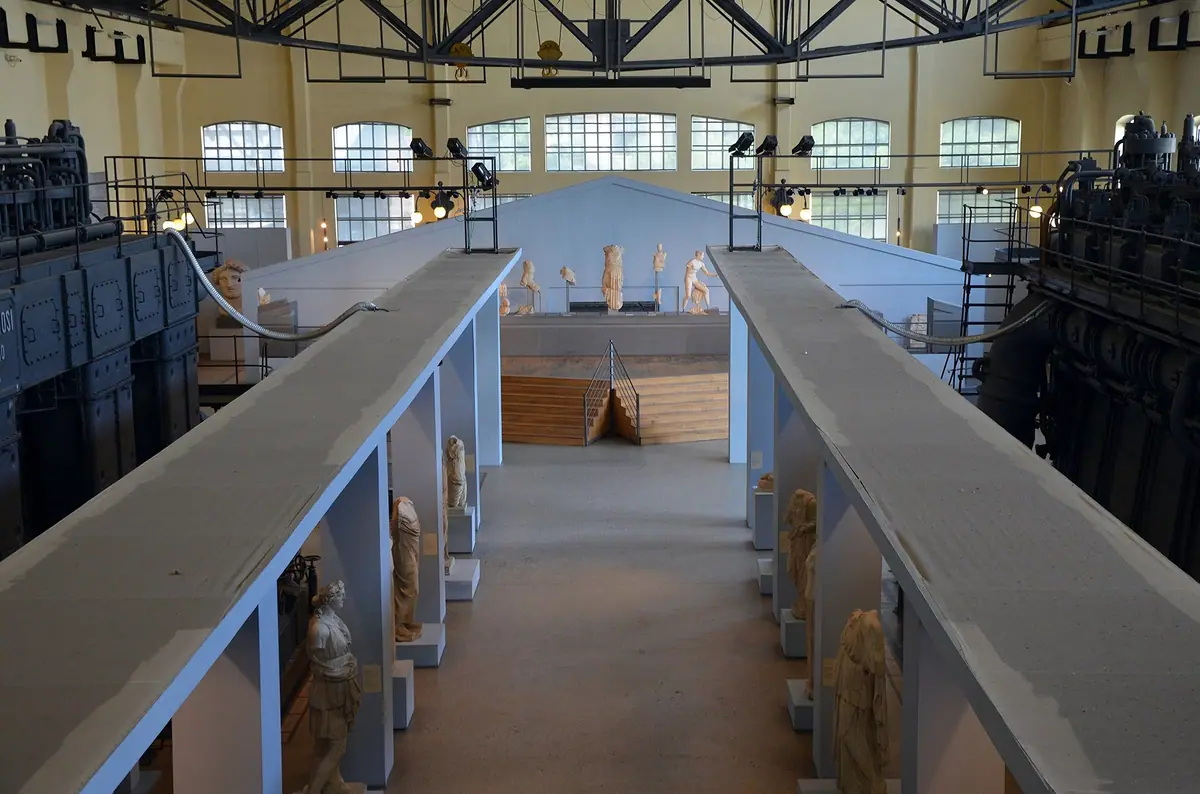 Centrale Montemartini One of the included entries with the Roma Pass
-
 Circus Maximus One of the included entries with the Roma Pass
-
 Civic Zoology Museum One of the included entries with the Roma Pass
-
 Colosseum One of the included entries with the Roma Pass €25
-
 Domus Aurea
-
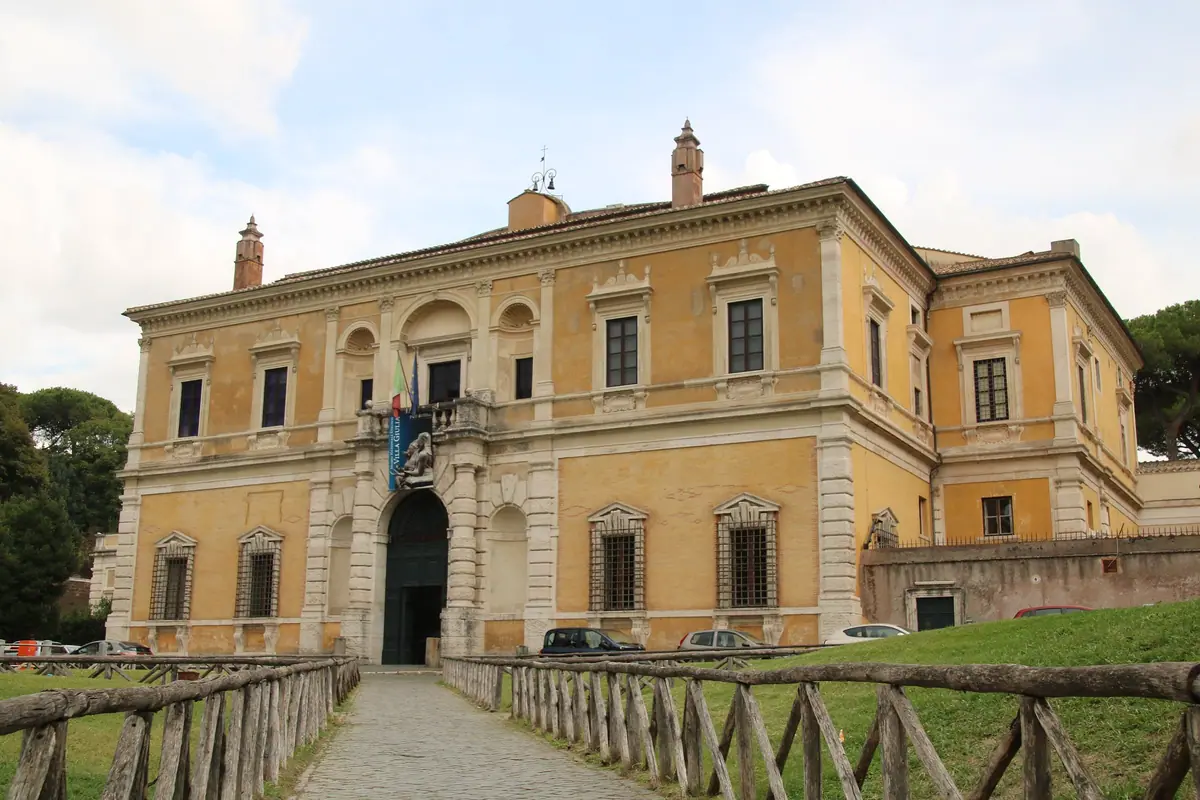 Etruscan Museum of Villa Giulia One of the included entries with the Roma Pass €20
-
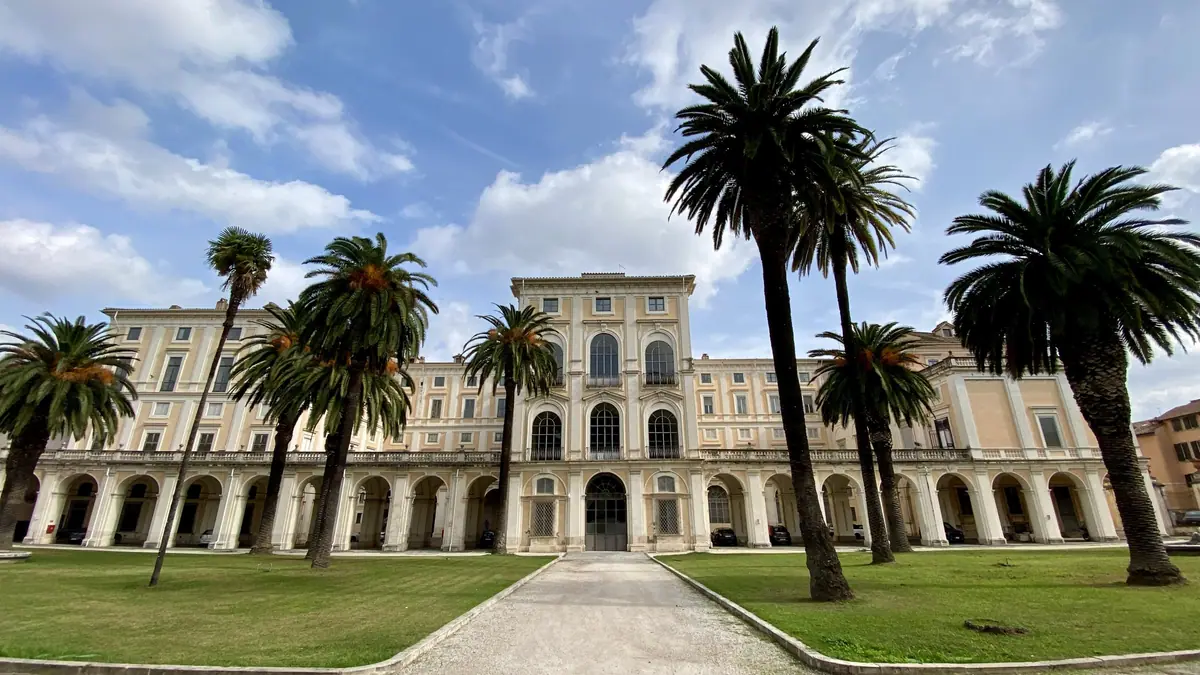 Galleria Corsini One of the included entries with the Roma Pass
-
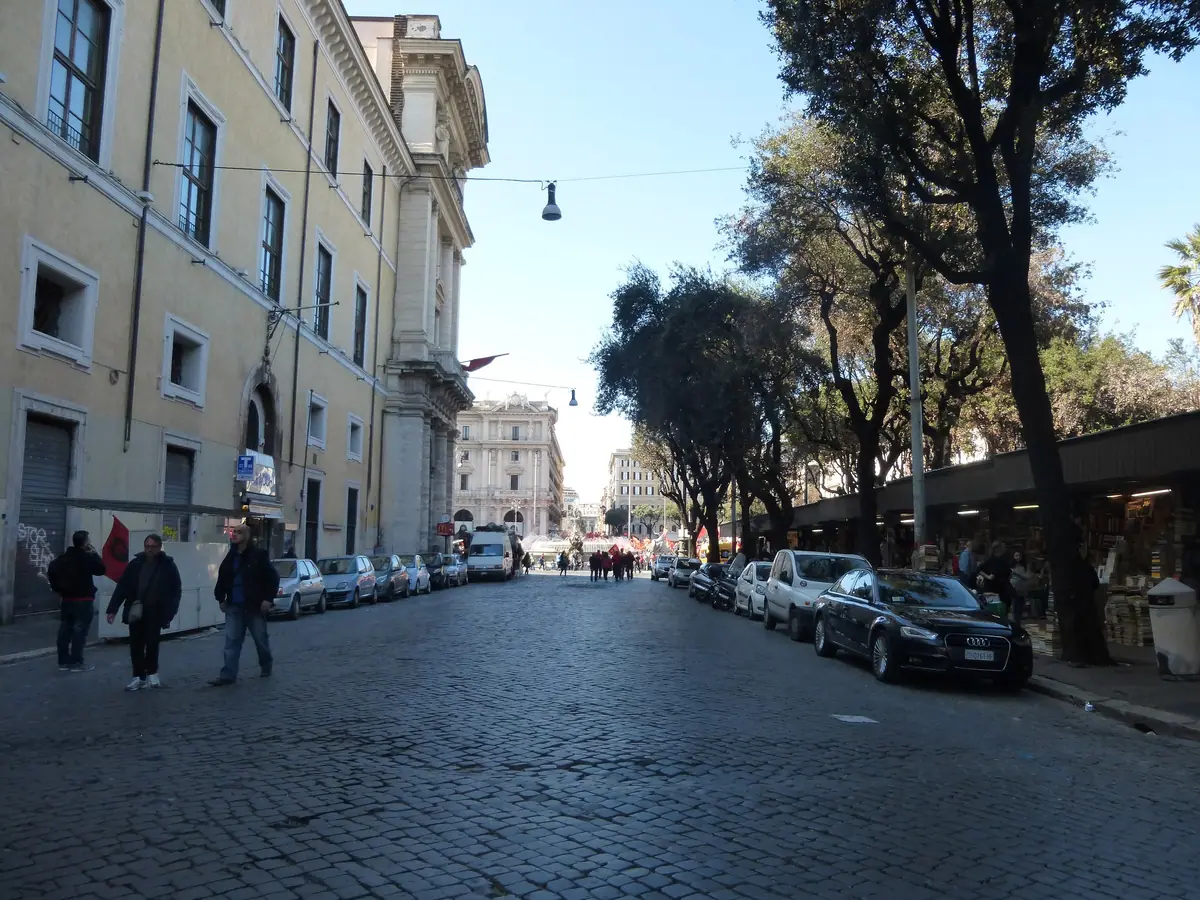 GAMM - The Video Game Museum of Rome In the Turbopass Rome City Pass
-
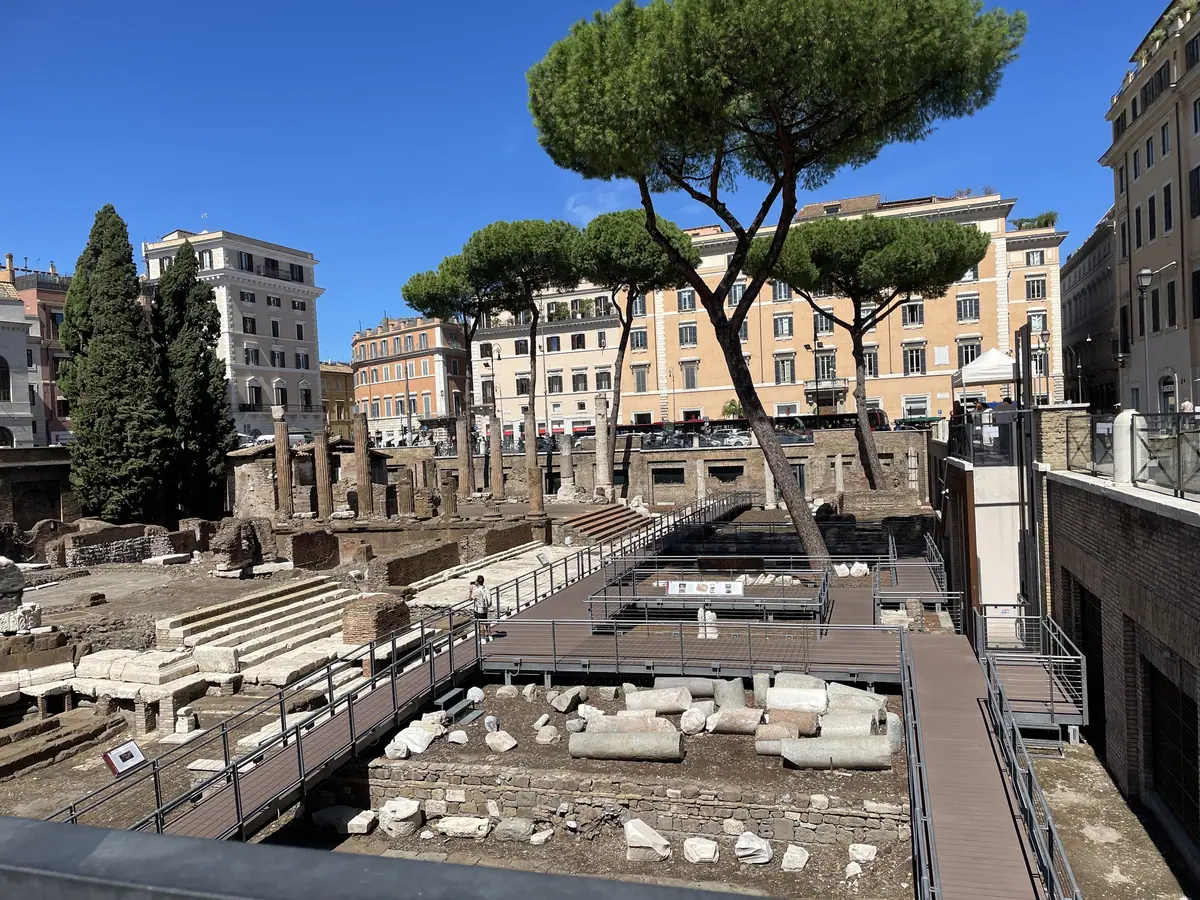 Largo Argentina Sacred Area One of the included entries with the Roma Pass
-
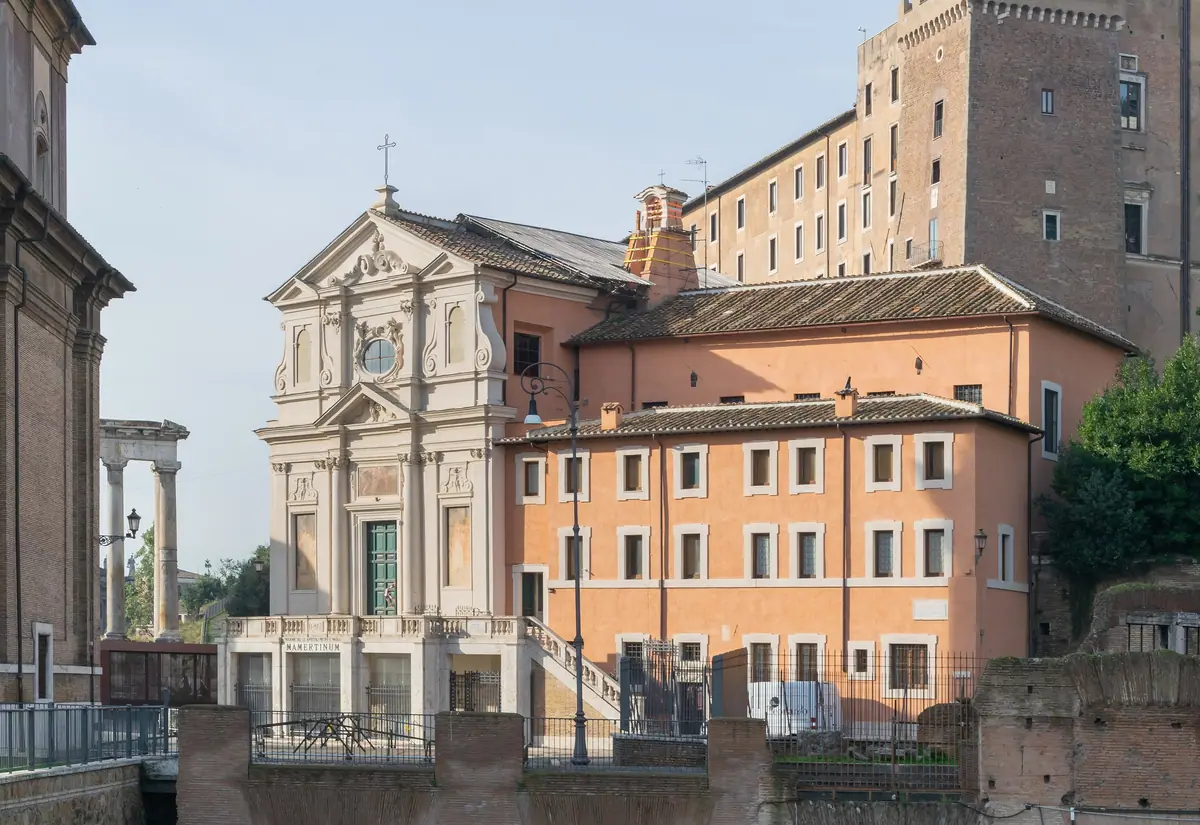 Mamertine Prison In the Omnia Card 24h €11
-
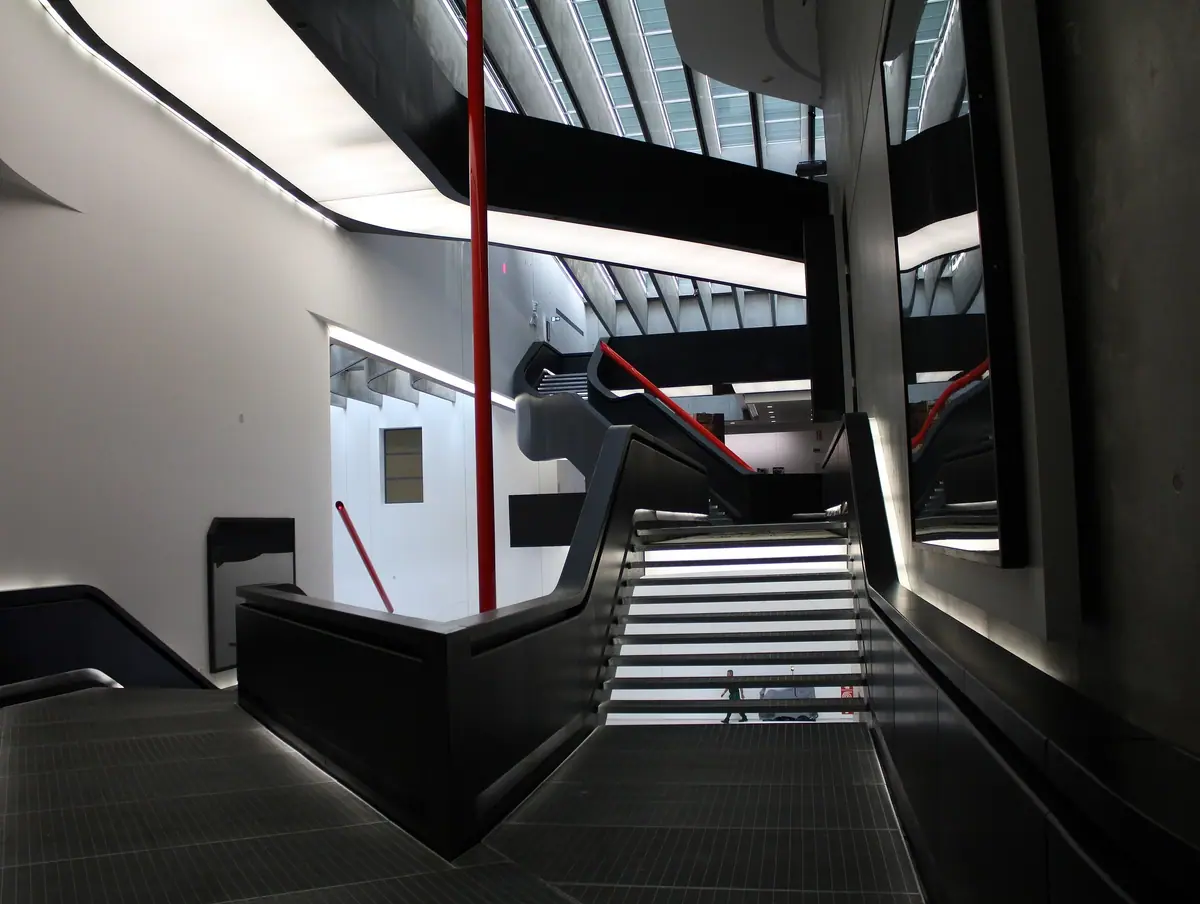 MAXXI One of the included entries with the Roma Pass
-
 Museum Leonardo da Vinci Experience In the Go City Rome Explorer Pass
-
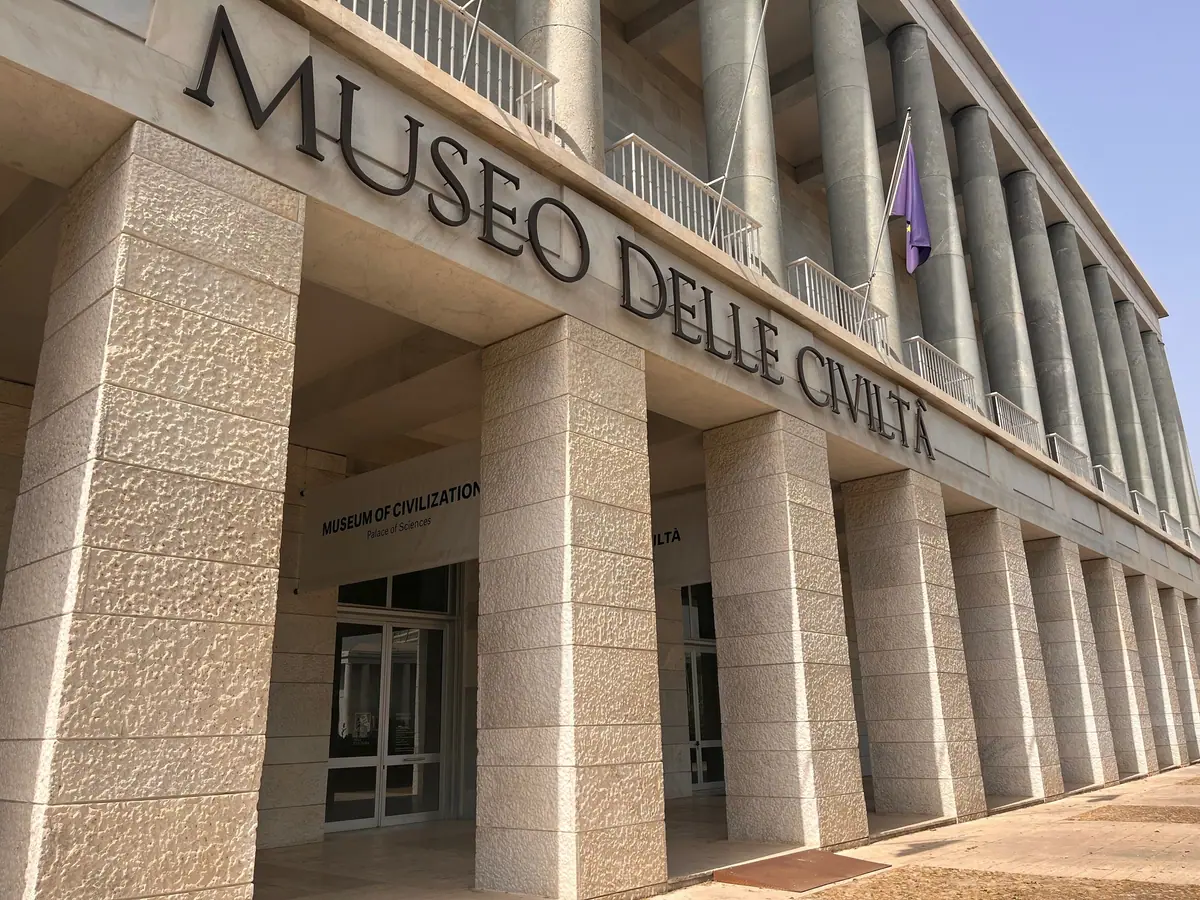 Museum of Civilisations One of the included entries with the Roma Pass
-
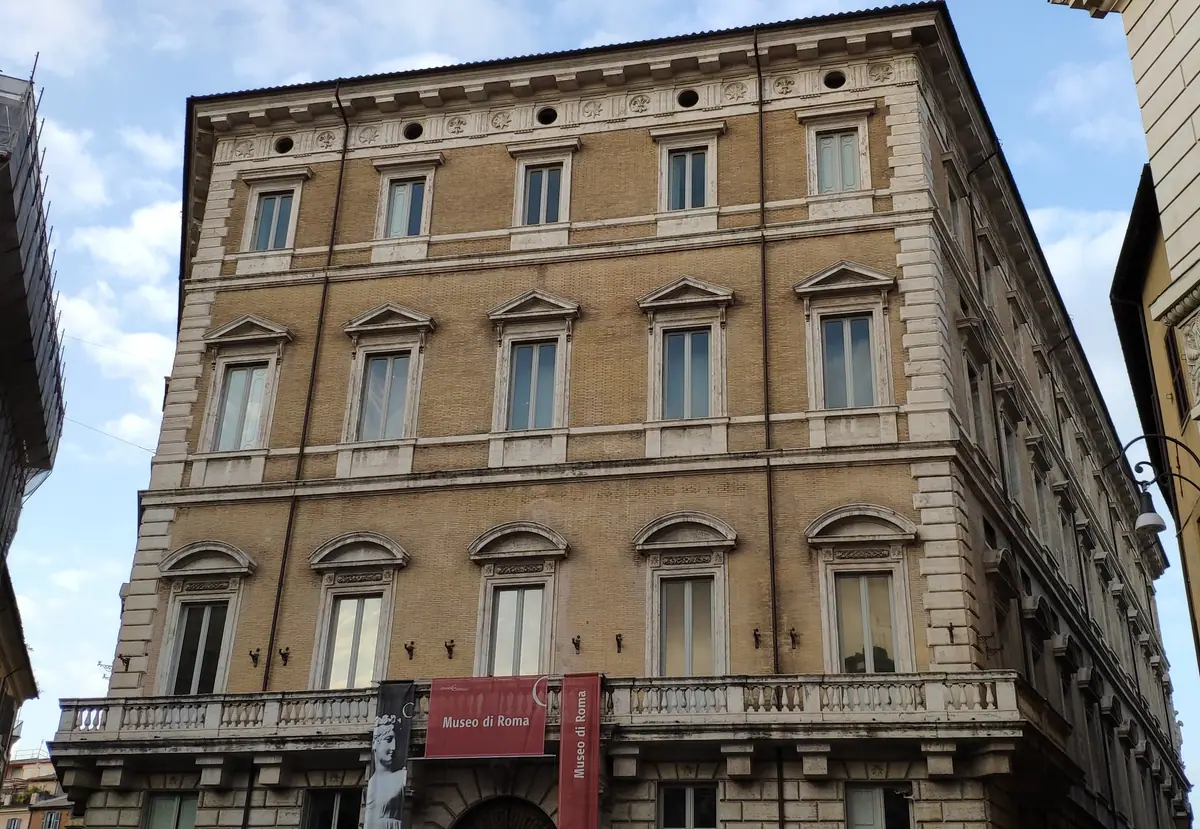 Museum of Rome - Palazzo Braschi One of the included entries with the Roma Pass
-
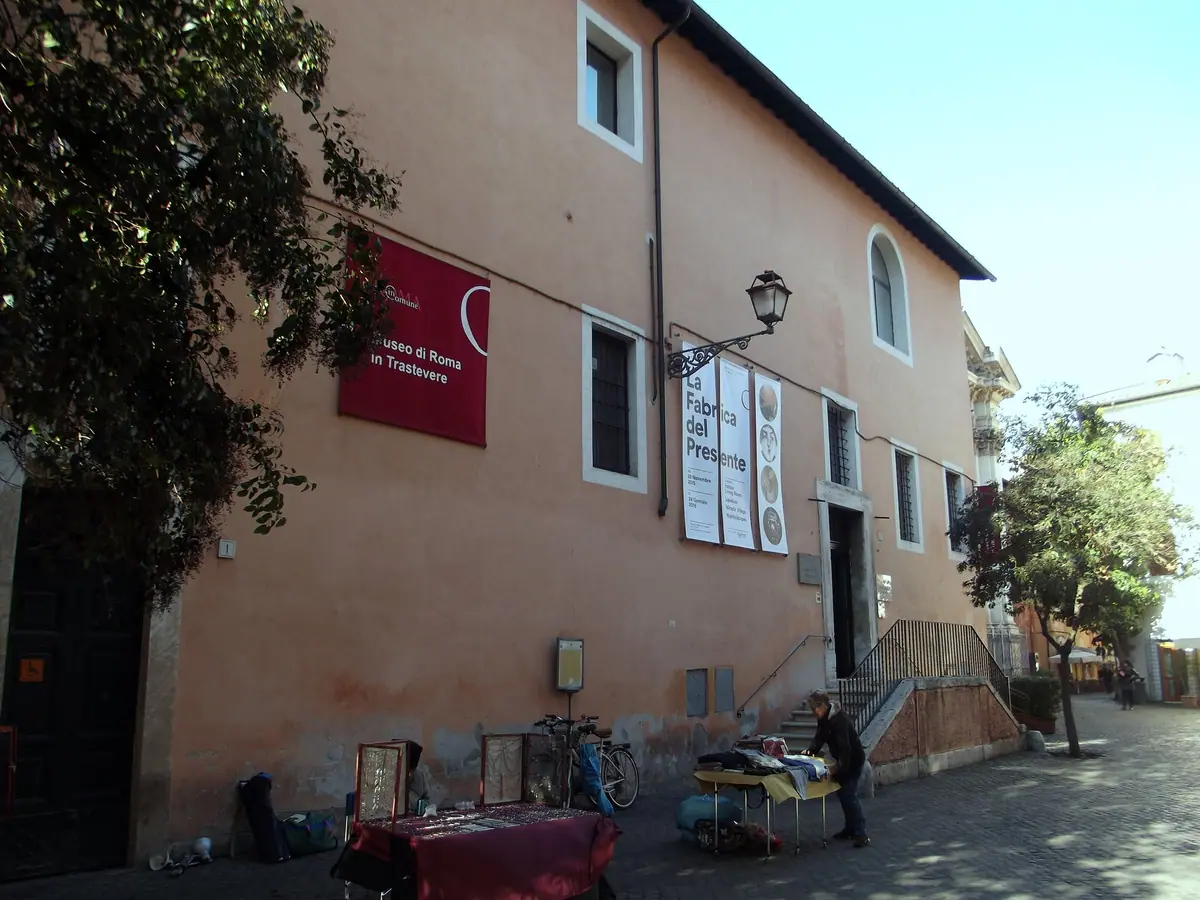 Museum of Rome in Trastevere One of the included entries with the Roma Pass
-
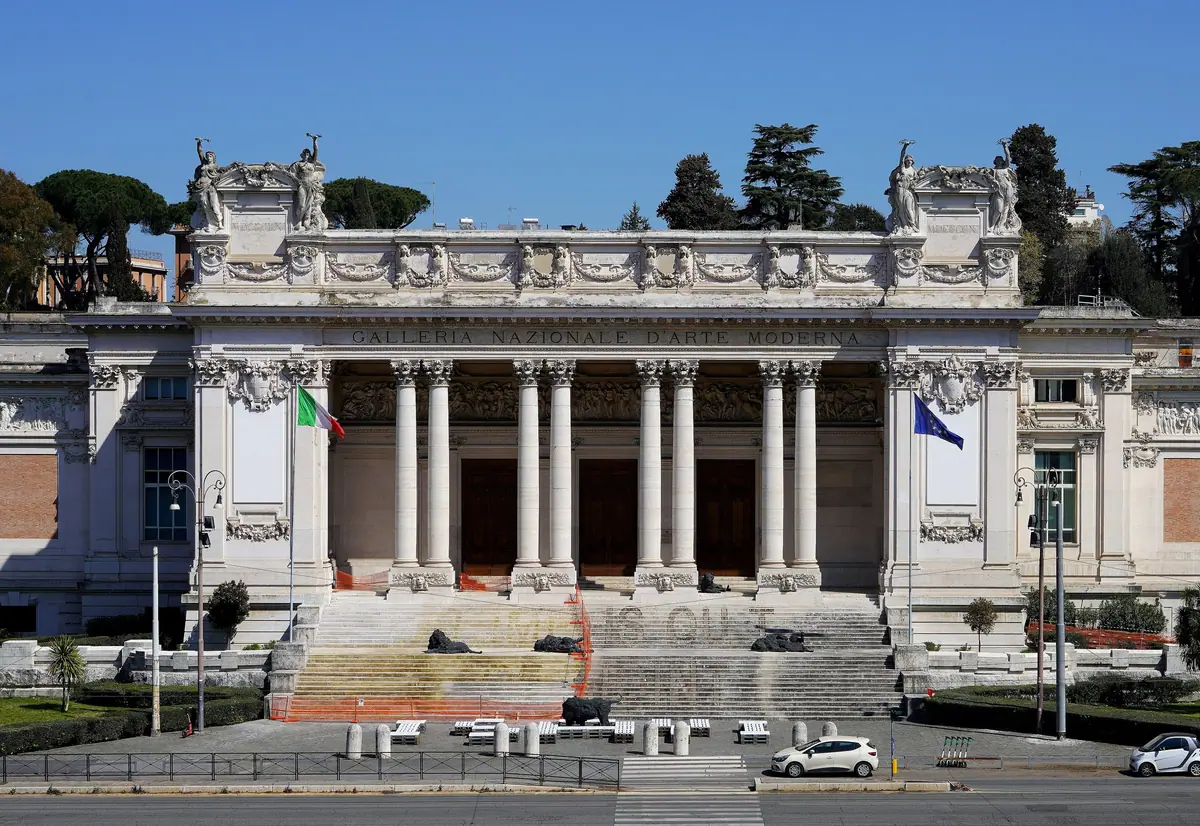 National Gallery of Modern Art One of the included entries with the Roma Pass
-
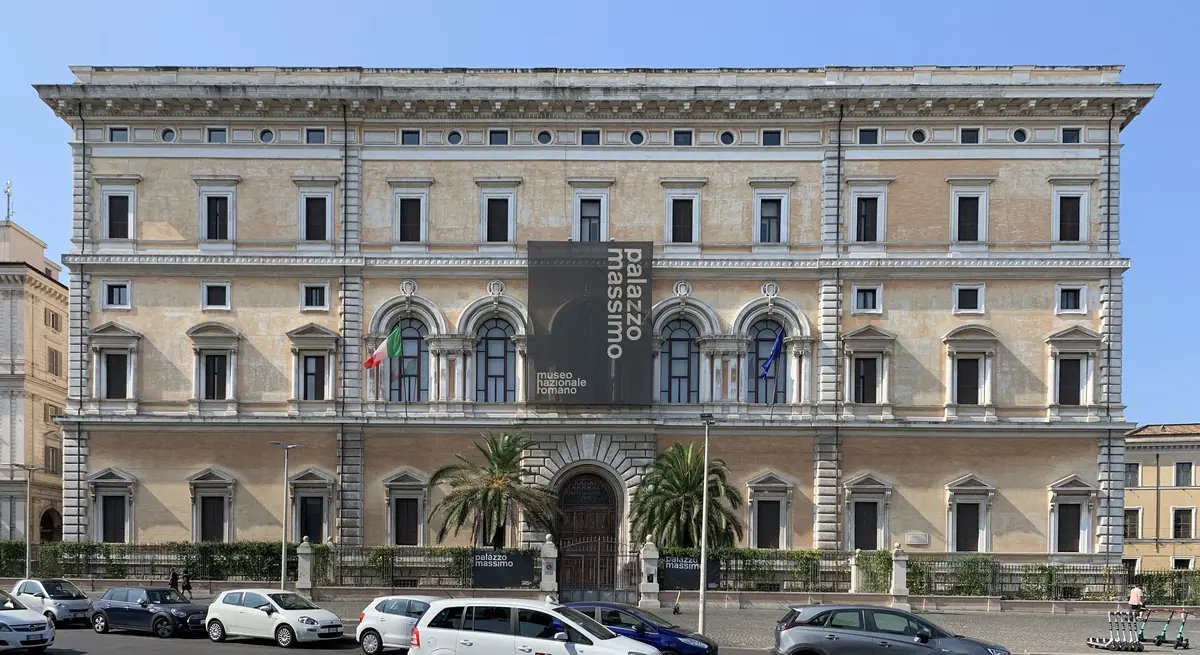 National Roman Museum One of the included entries with the Roma Pass €28
- Ostia Antica One of the included entries with the Roma Pass €18
-
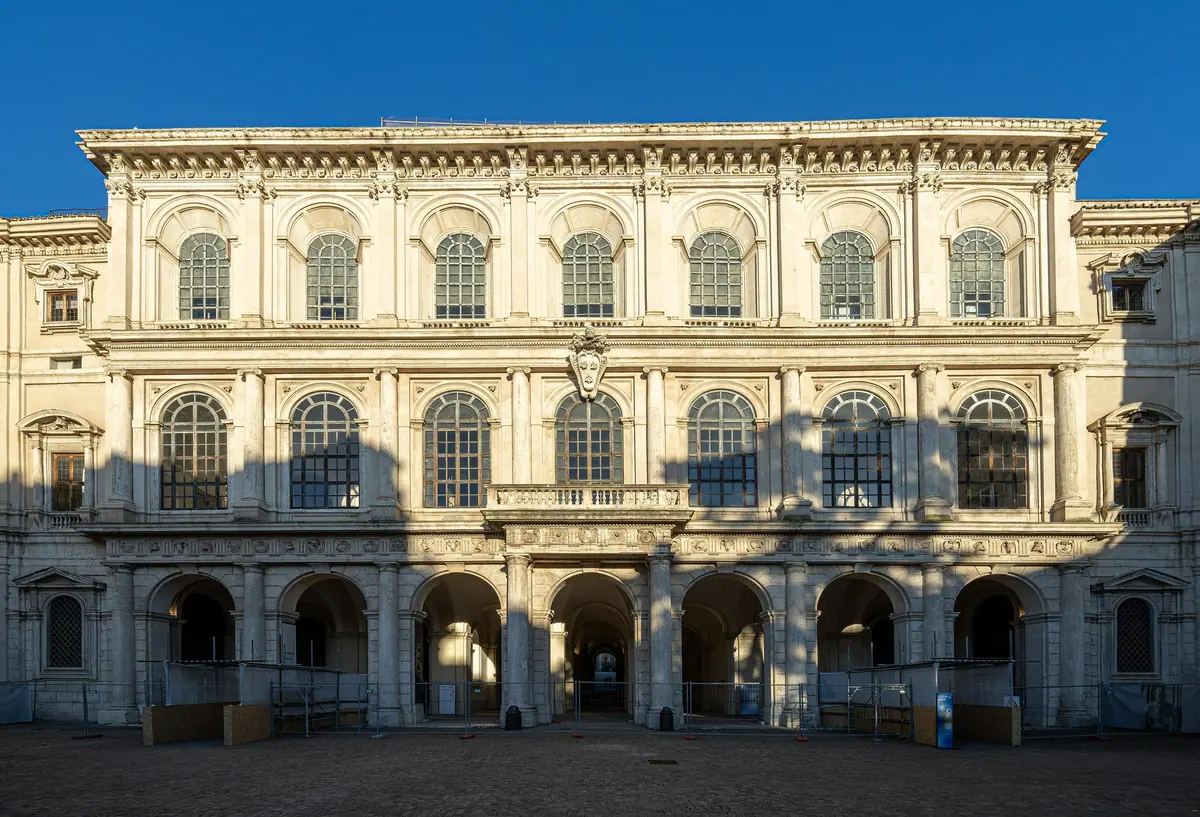 Palazzo Barberini One of the included entries with the Roma Pass
-
 Palazzo Merulana In the Turbopass Rome City Pass €15
-
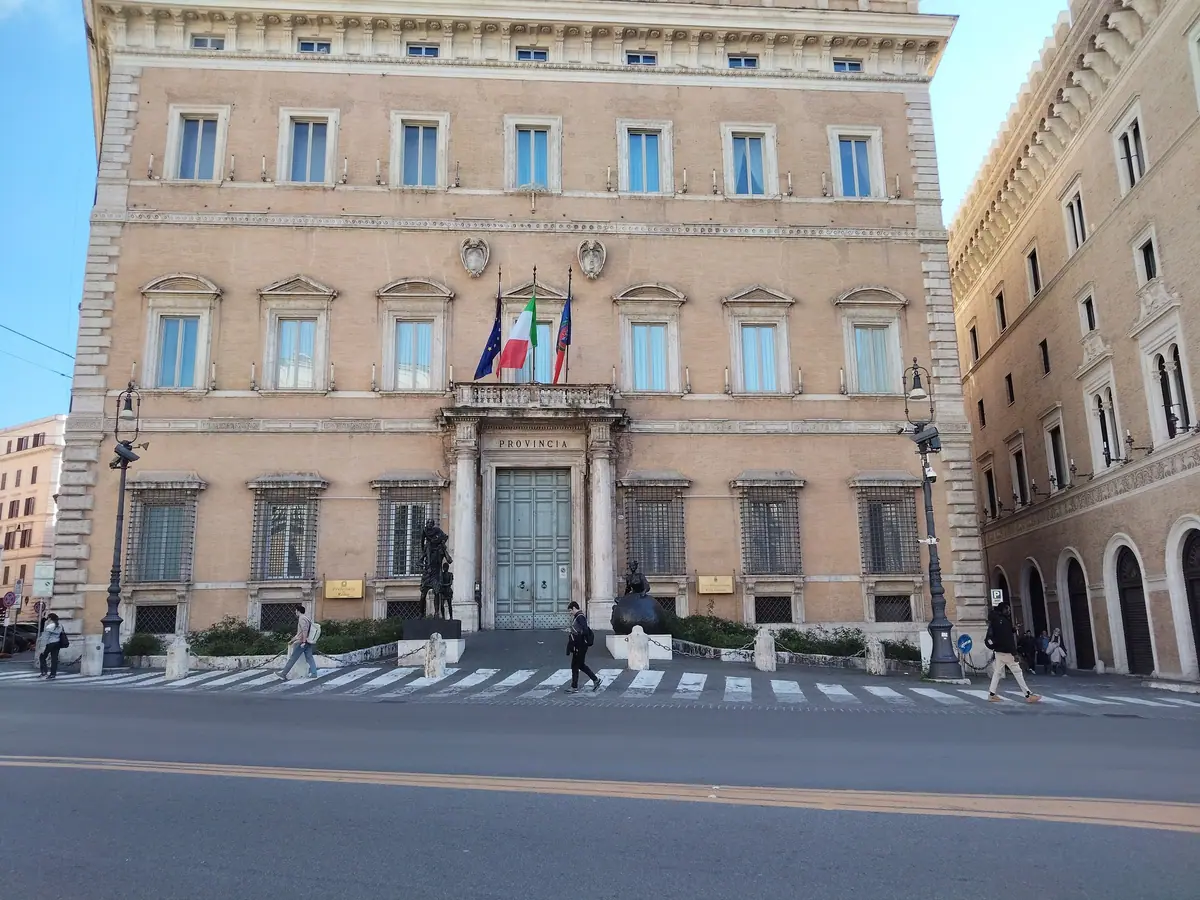 Palazzo Valentini and Domus Romane One of the included entries with the Roma Pass
-
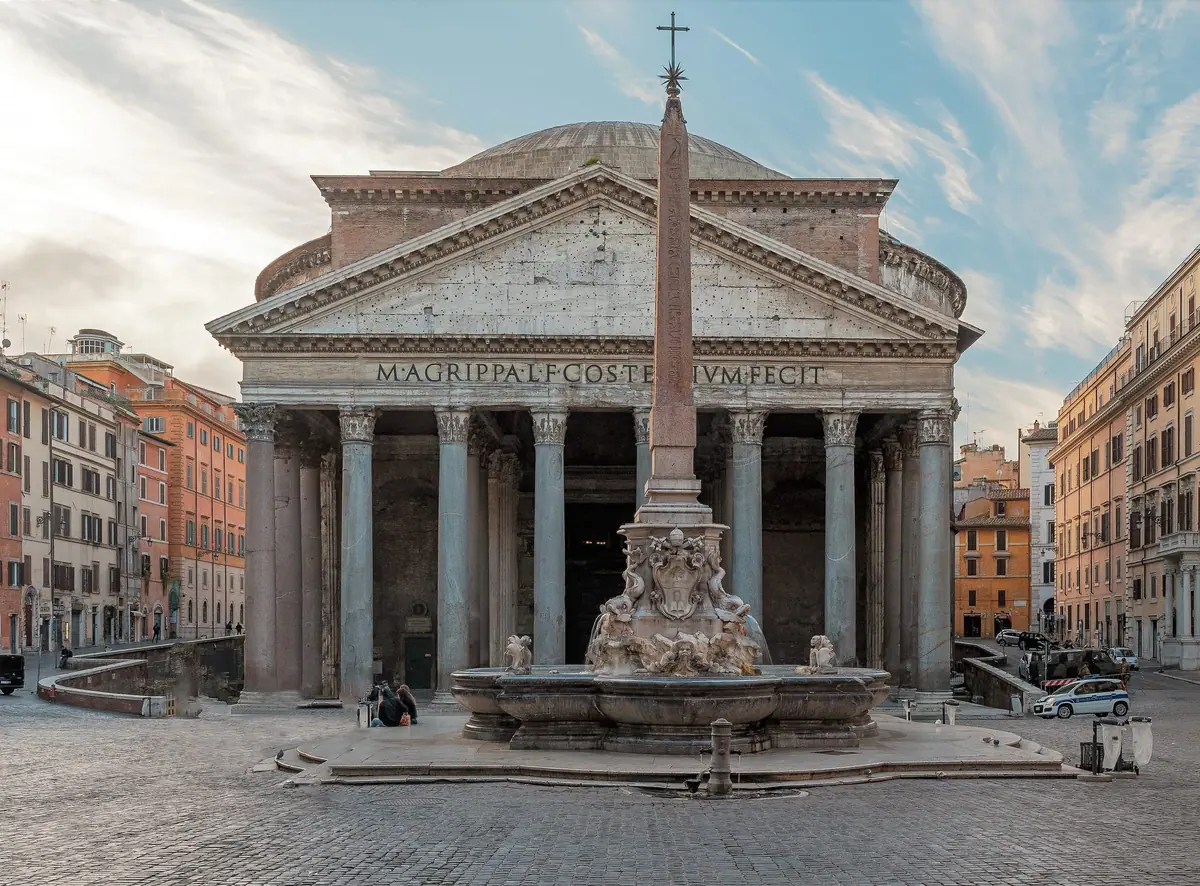 Pantheon In the Rome Tourist Card €11.80
- Roman Forum and Palatine Hill One of the included entries with the Roma Pass €25
-
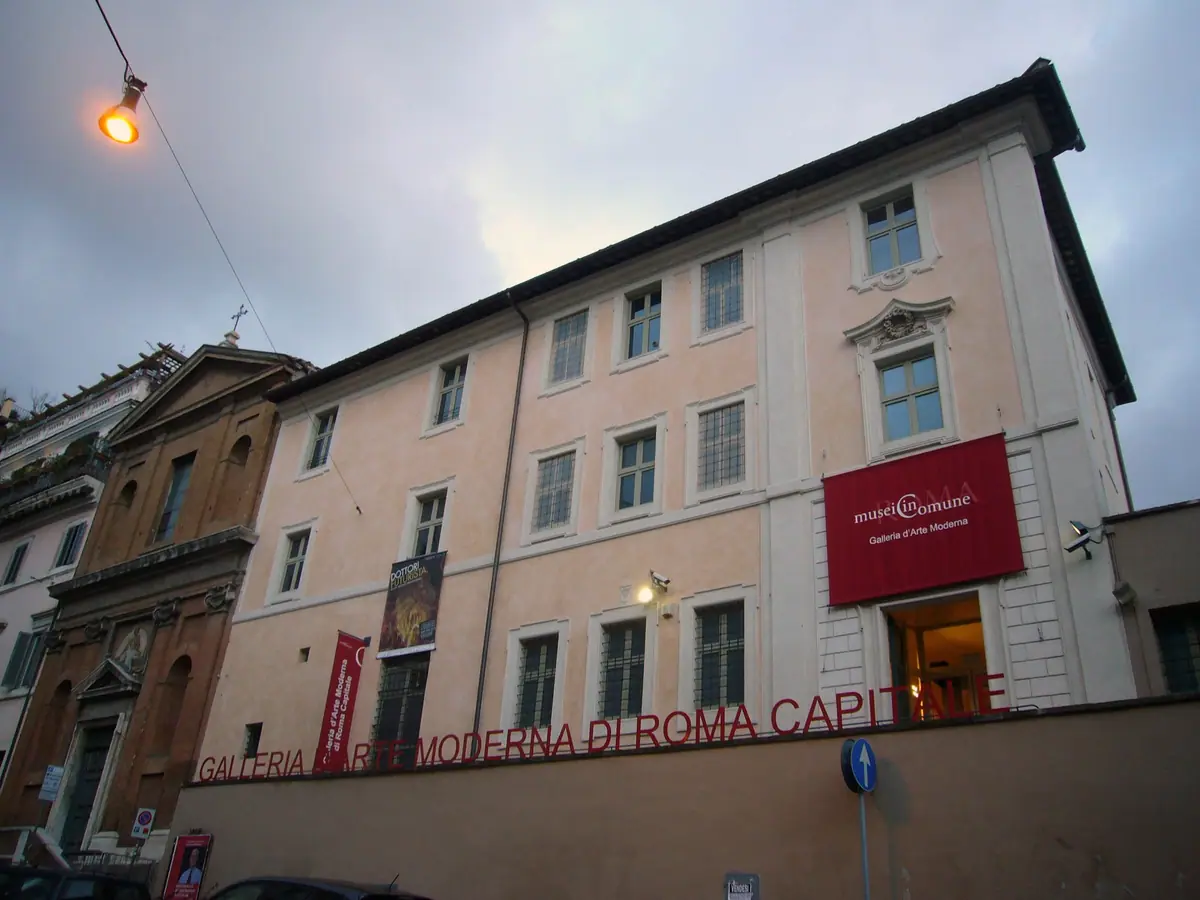 Rome Gallery of Modern Art One of the included entries with the Roma Pass
-
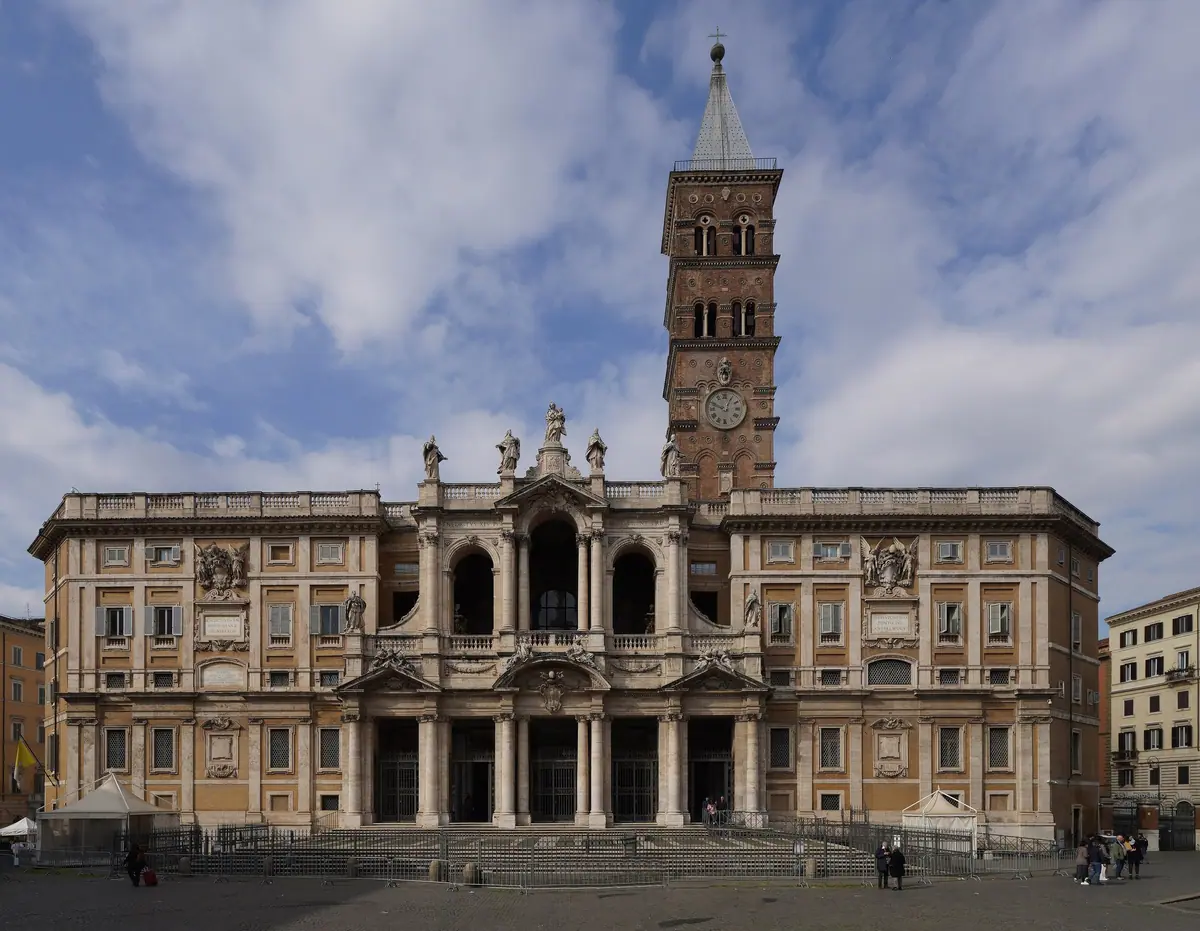 Santa Maria Maggiore In the Vatican City Pass
-
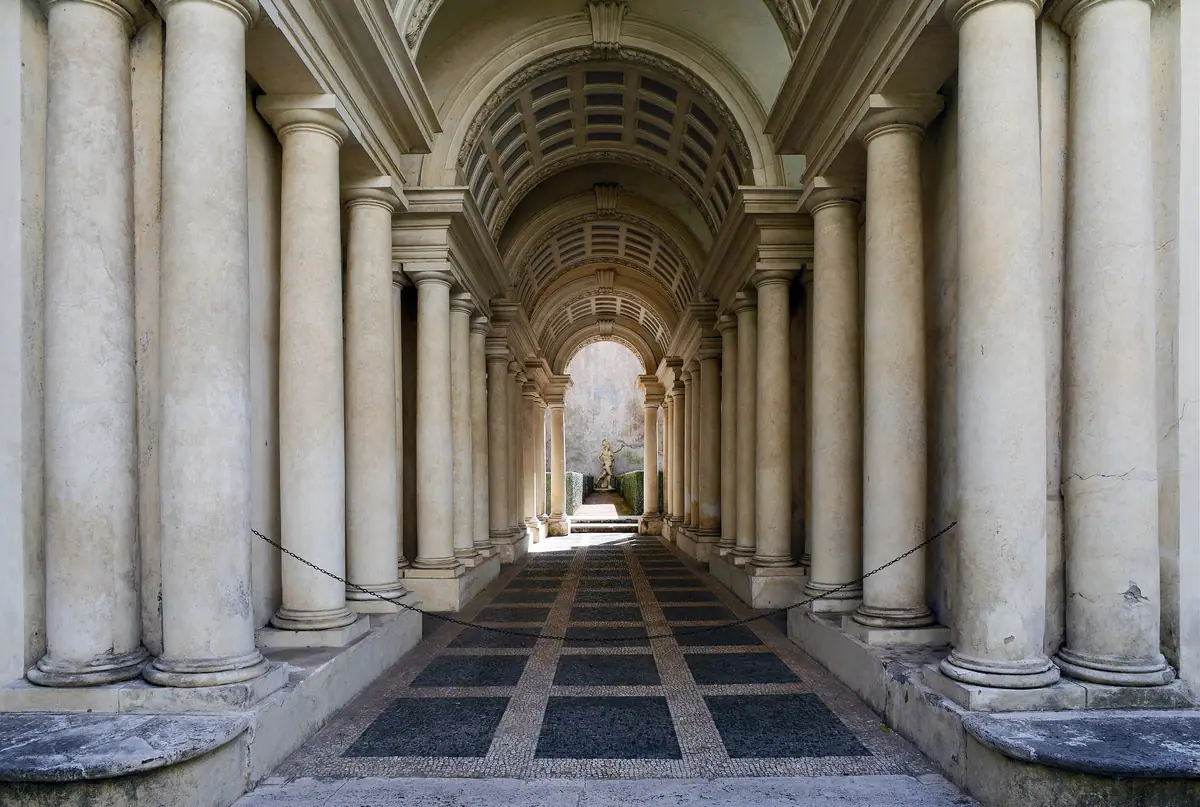 Spada Gallery One of the included entries with the Roma Pass
-
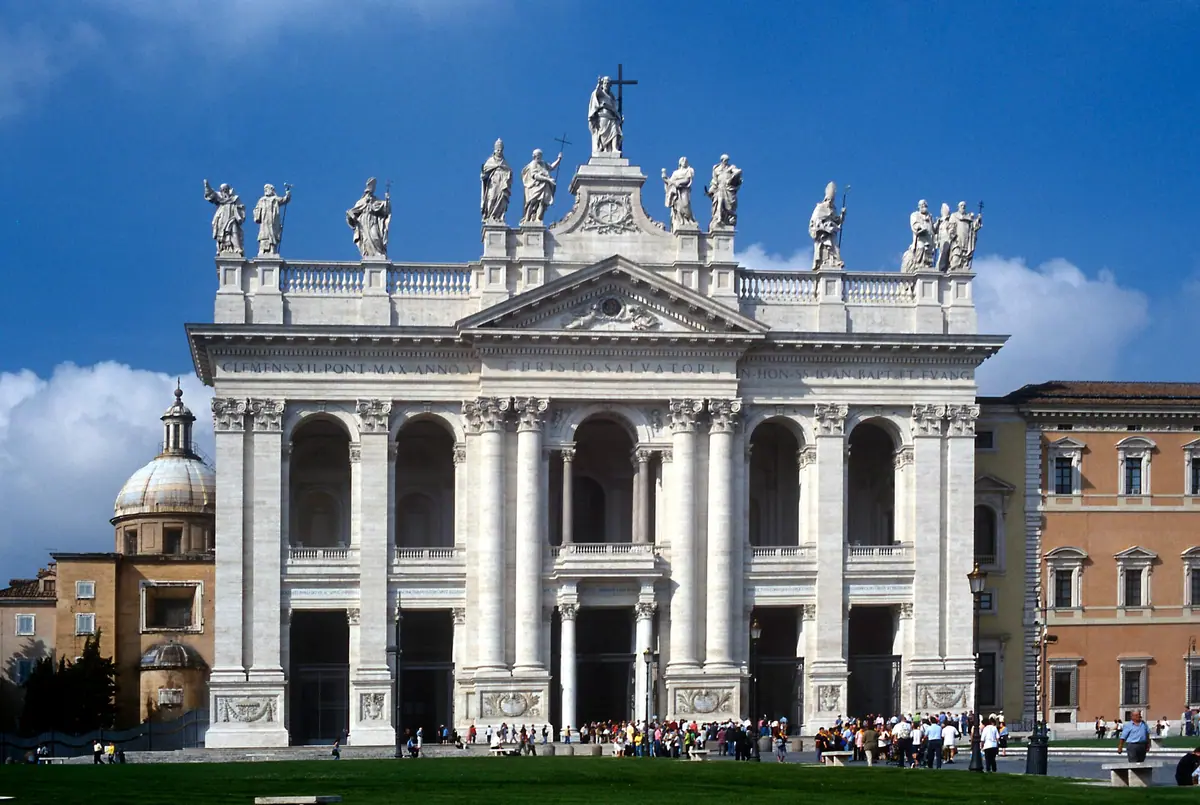 St John Lateran Free to enter for everyone
-
 St Peter's Basilica Free to enter for everyone
-
 Stadium of Domitian In the Turbopass Rome City Pass
-
 Trajan's Markets One of the included entries with the Roma Pass
- Trevi Fountain
-
 Vatican Museums and Sistine Chapel In the Vatican City Pass €35
-
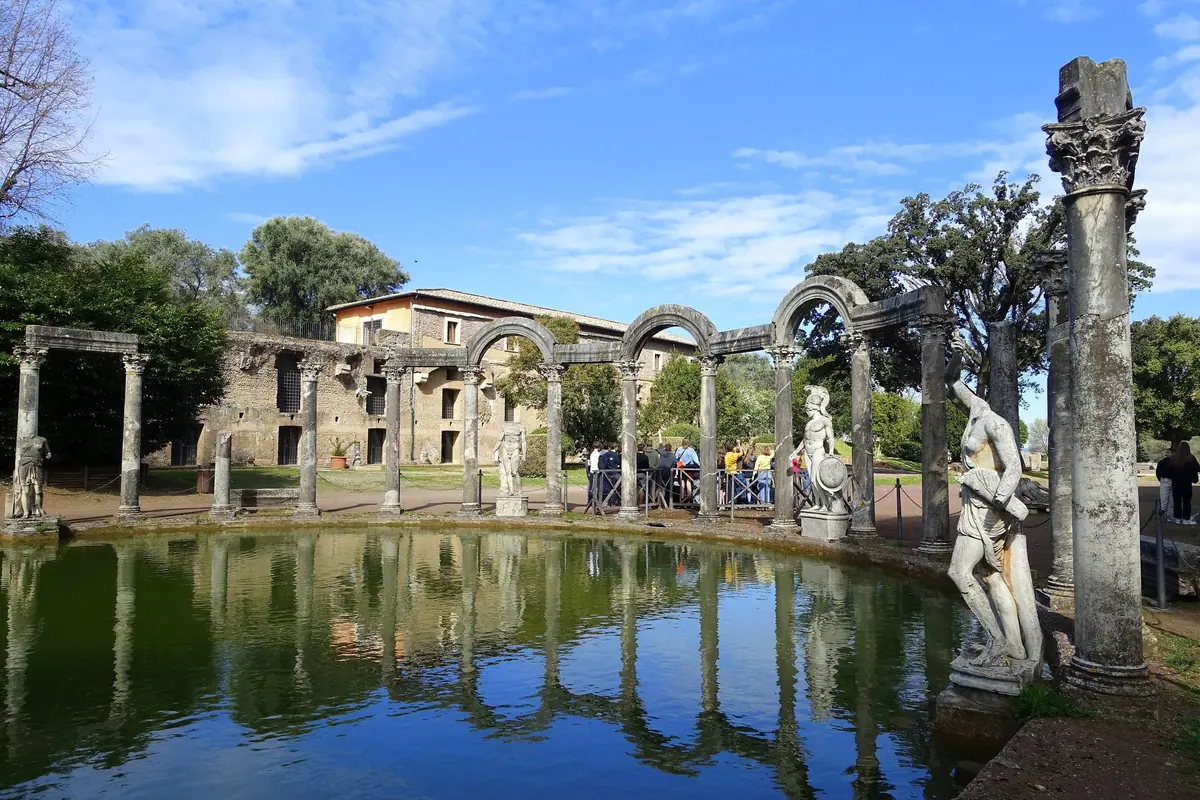 Villa d'Este and Hadrian's Villa
-
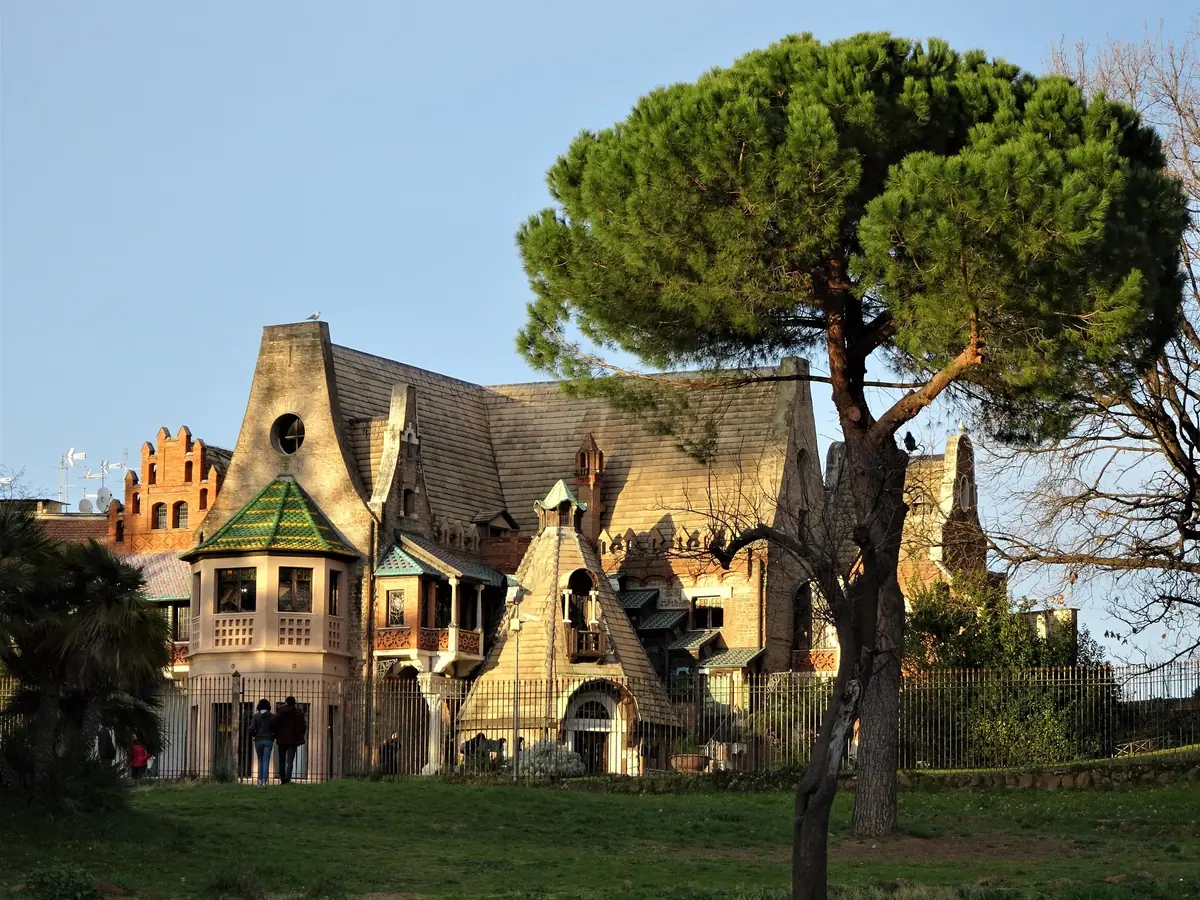 Villa Torlonia Museums One of the included entries with the Roma Pass
-
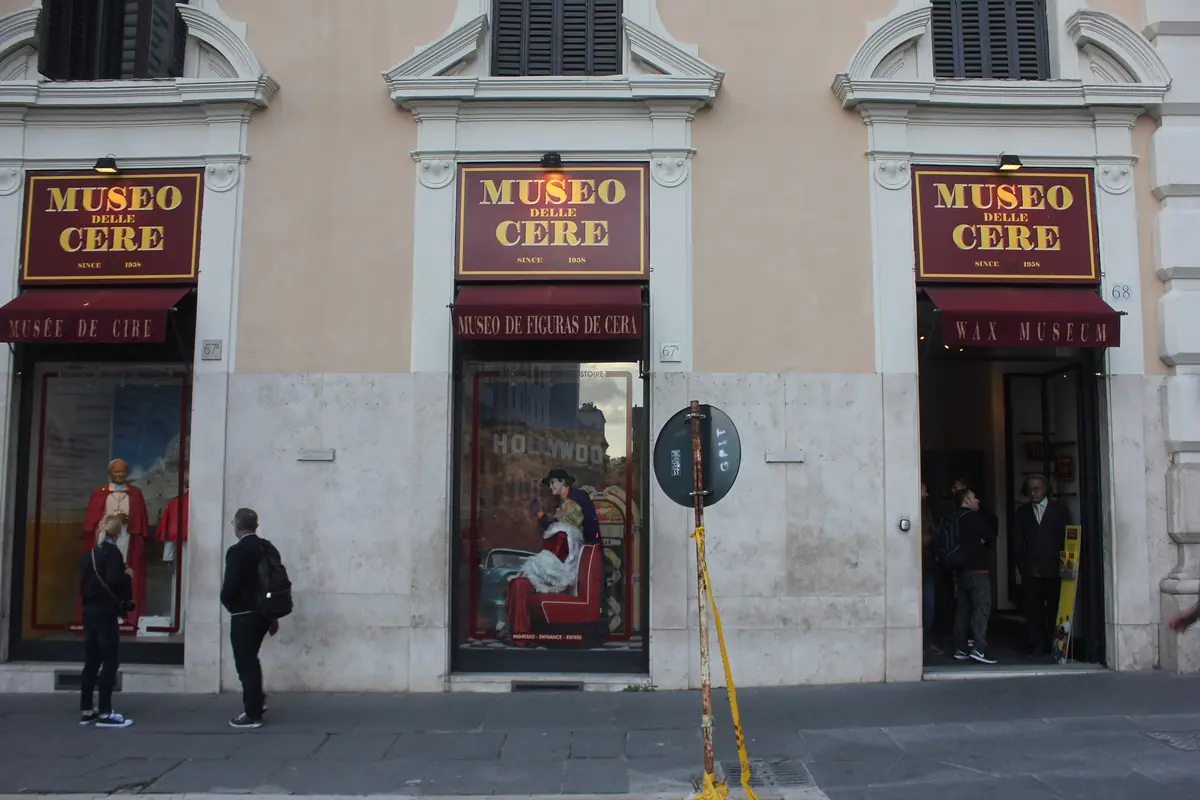 Wax Museum Rome In the Turbopass Rome City Pass
City cards
Rome city cards and passes
Pick the one that fits your trip. Prices are per adult, and you choose your dates on the next page.


People also ask
Frequently asked questions
What is the number one thing to do in Rome?
The Colosseum, the largest amphitheatre in the world, and its ticket also covers the Roman Forum and the Palatine Hill next door. The other big one is the Vatican Museums, the only way into the Sistine Chapel, with about 7 million visitors in 2025.
How many days do you need in Rome?
Three days covers the three big areas: ancient Rome, the Vatican, and the historic centre with the Borghese Gallery. The Colosseum, Forum and Palatine alone take about half a day. A fourth day adds St John Lateran and the catacombs on the Appian Way, and Ostia Antica, half an hour out by train, needs three to four hours on site.
What can you do for free in Rome?
Looking at the Trevi Fountain from its square costs nothing, and only the steps down to the basin cost €2, from 9:00 to 22:00. Piazza Navona, the Spanish Steps and Trastevere are free to walk, and so are the Circus Maximus valley and the Appian Way, while St Peter's Basilica and St John Lateran are free to enter. On the first Sunday of the month the Colosseum, the Capitoline Museums, the Pantheon, Castel Sant'Angelo and Ostia Antica are free for everyone, and so is the Borghese Gallery, though you still book it and pay the €2 booking fee. The Vatican Museums are free on the morning of the last Sunday.
Is the Roma Pass worth it?
It depends on your list. The 48-hour card has one included entry and the 72-hour card two, plus public transport, and an included entry saves you more at dearer sites such as the Colosseum or Castel Sant'Angelo; elsewhere the card gets you the reduced ticket. It doesn't cover the Vatican Museums, the Pantheon or the catacombs, and for the Colosseum alone the ticket costs less than the card. Our Roma Pass page runs the sums for your own plans.
What's closed in Rome on Mondays?
The Borghese Gallery, the Baths of Caracalla, the paid area of the Circus Maximus, Ostia Antica and Castel Sant'Angelo, which opens only on the afternoon of the first Monday of the month. The Colosseum, the Forum, the Capitoline Museums, the Pantheon, the Vatican Museums and St Peter's are all open, and so are the St Callixtus and Domitilla catacombs.
