
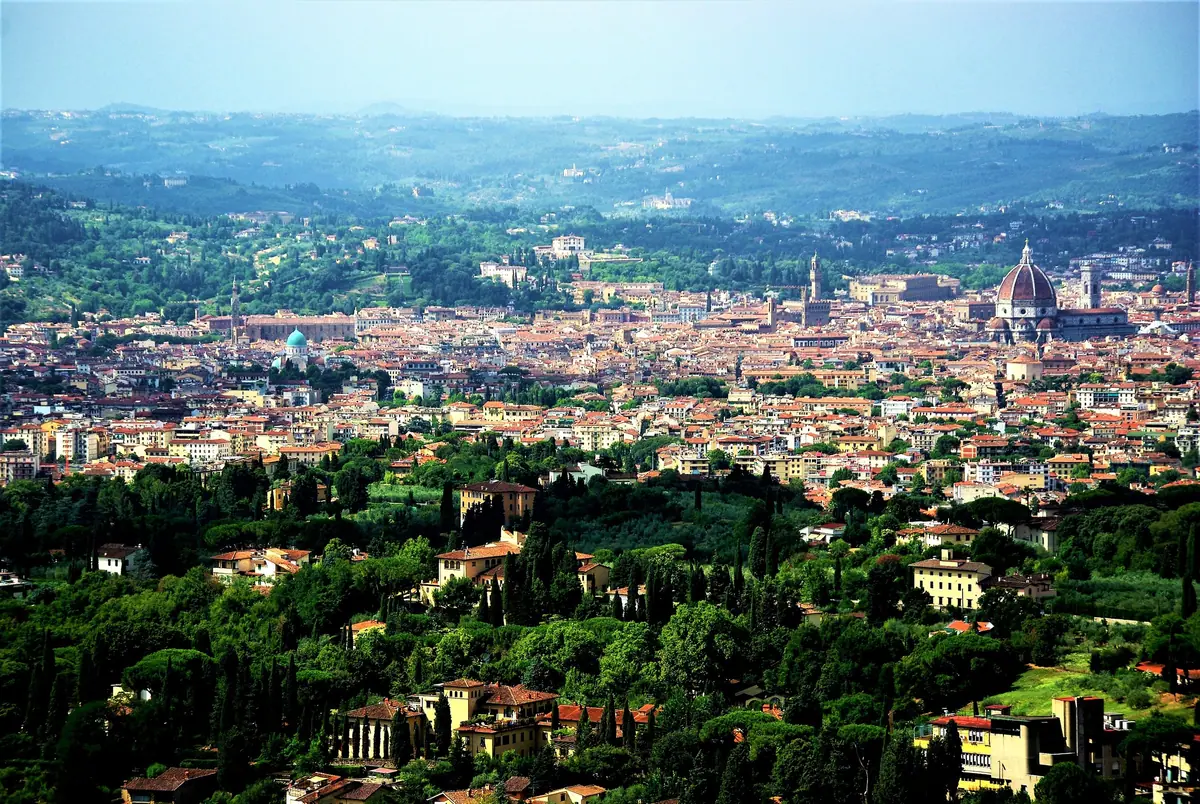
Florence
Things to do in Florence
Florence has Michelangelo's David, the tombs he carved for the Medici and, in Santa Croce, the man himself.
Of all the things to do in Florence, the Duomo comes first: the cathedral costs nothing to enter, and the paid ticket takes you up the 463 steps inside Brunelleschi's dome. Then book a time at the Uffizi, for Botticelli and Leonardo, and at the Accademia, where Michelangelo's David stands. The Firenze Card includes about 60 museums over 72 hours, those two among them once you've made a free booking, but not the Duomo, and it pays off from four of the big museums: the Uffizi, the Accademia, Palazzo Vecchio and Palazzo Pitti.
Florence's centre is small enough to cross on foot, with the Duomo in the middle, Piazza della Signoria, the Uffizi, the Bargello and Santa Croce between it and the river, and San Lorenzo, San Marco, the Accademia and Santa Maria Novella to the north and west. Across the Ponte Vecchio, the Oltrarno has the Brancacci Chapel, Palazzo Pitti, the Boboli Gardens and the view from Piazzale Michelangelo. Fiesole, the hill town above the city, is a bus ride up, and Pisa and Siena make day trips an hour or a little more away.
See what you’d save, if anything
Which Florence pass pays off for your trip?
Pick how many days you’ve got and the sights you want to see. The calculator adds up the tickets and rides, sets them against the card and tells you right away whether it pays off, and by how much, at today’s prices. No email, no sign-up.
Step 1 of 3
How long, and who’s going?
Map of things to do in Florence
Described on this pageAlso on our list
Florence Duomo and Brunelleschi’s dome
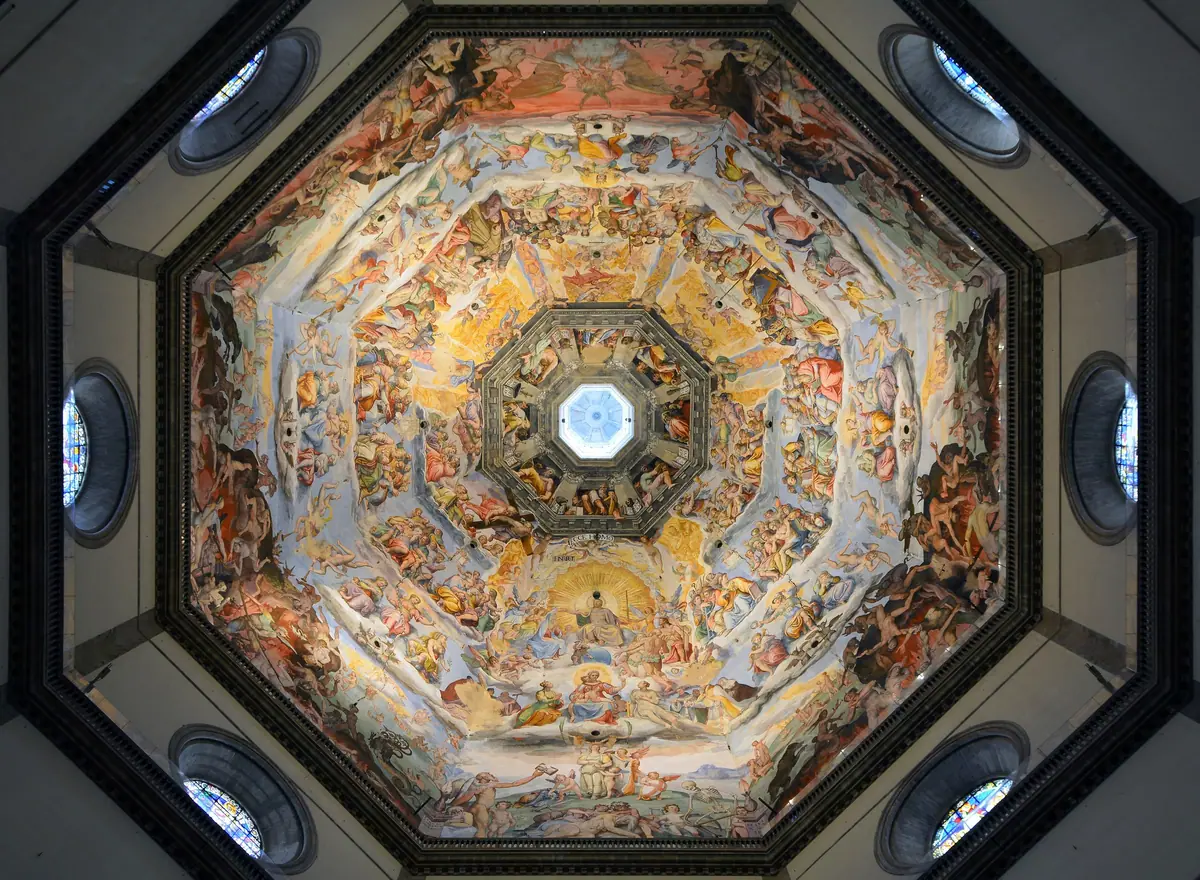
Florence’s red dome crowns the Duomo, the cathedral of Santa Maria del Fiore, and it’s the work of Brunelleschi, one of the architects who started the Renaissance. Walking into the cathedral under it costs nothing, with no ticket to buy, but it keeps short hours, 10:15 to 15:45 from Monday to Saturday, and shoulders and knees have to be covered, for men and women alike.
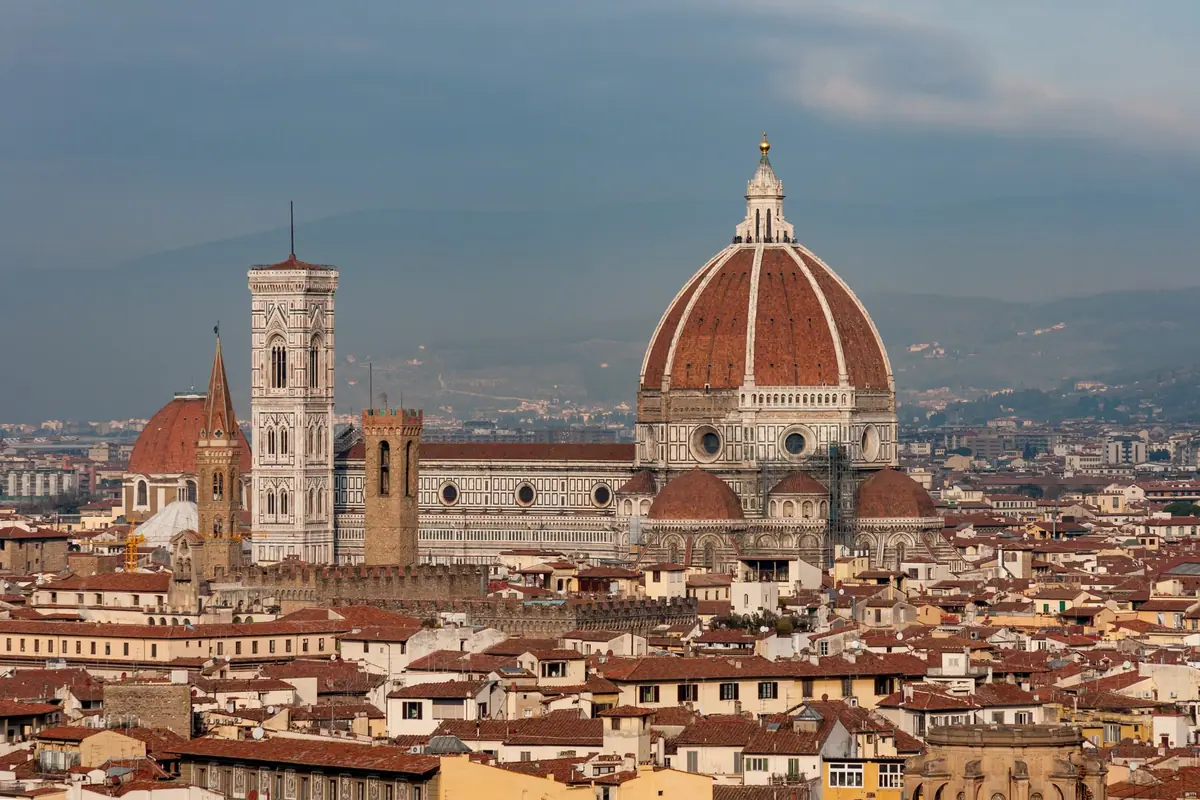
The ticket is for the climb: 463 steps between the dome’s inner and outer shells, with no lift, out to a terrace high over Piazza del Duomo. There’s no ticket for the dome alone, so the climb always comes with Giotto’s Bell Tower, the Baptistery, the cathedral museum and Santa Reparata, the older church under the floor.
Your climbing time is fixed when you book and can’t be moved, and staff check the name on the ticket against your ID before you go up, so bring the document you booked with. The dome itself is shut from 16 to 20 November 2026.
The Firenze Card leaves the Duomo out, and no other pass includes the dome either. Our ticket with the climb costs €58.
Palazzo Vecchio
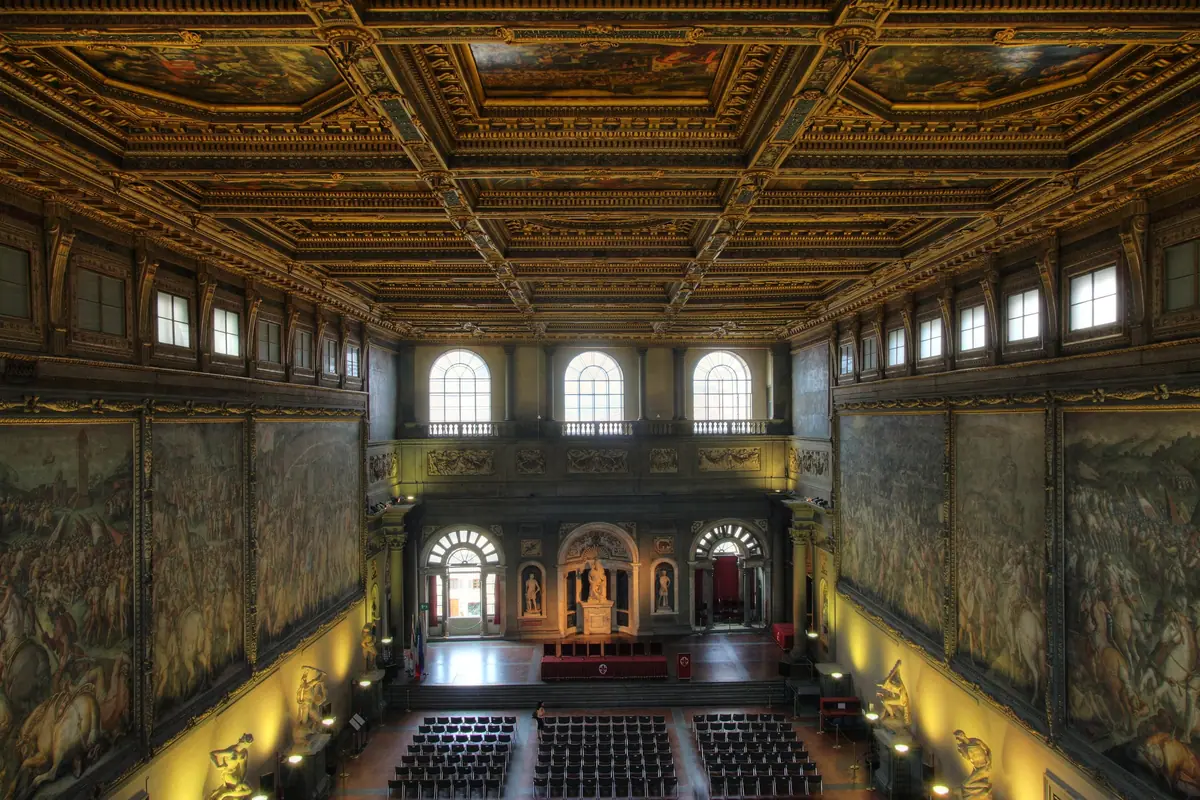
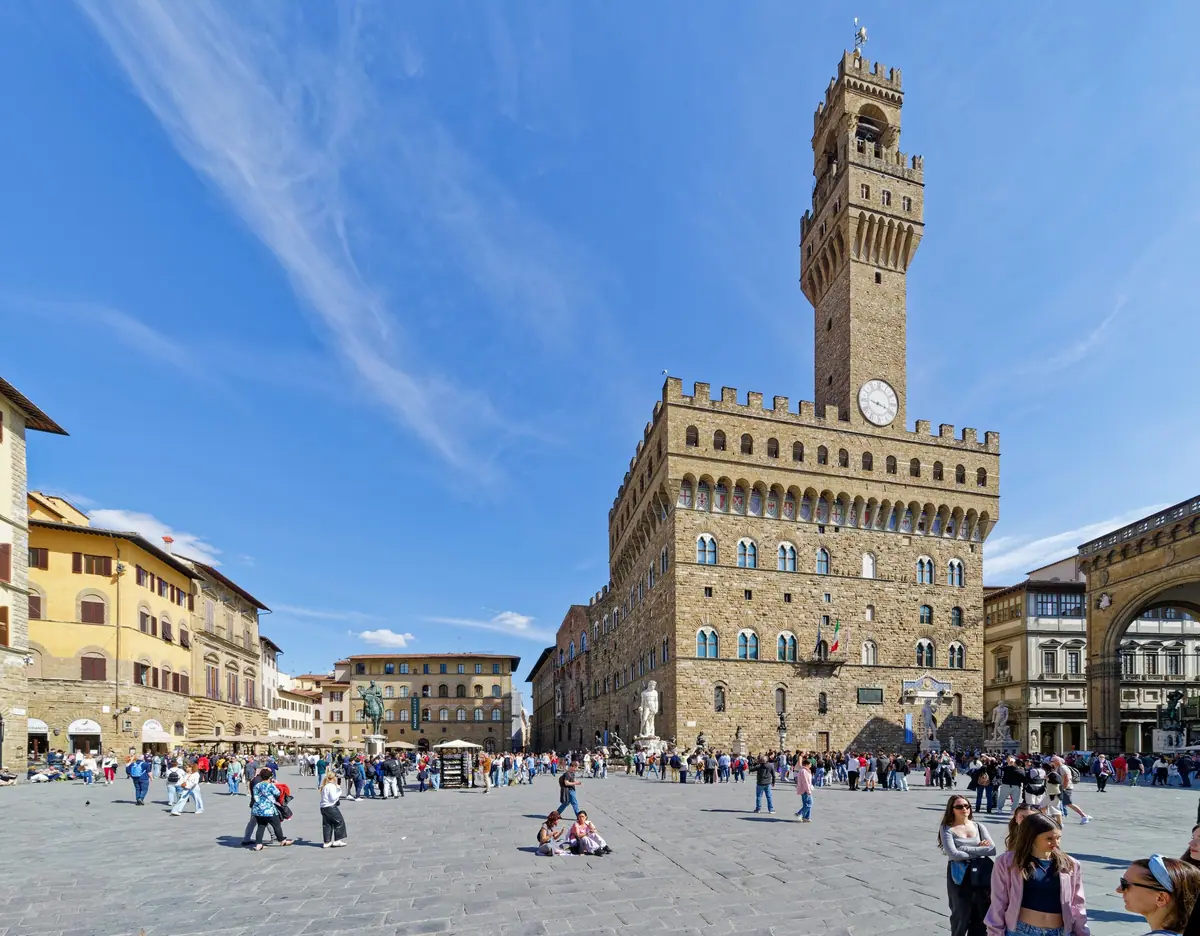
From the Duomo it’s a walk through the pedestrian centre to Piazza della Signoria and Palazzo Vecchio, built from 1299 for the men who governed the medieval city. Florence’s town council still meets inside, and on the first floor is the Salone dei Cinquecento, the hall Leonardo and Michelangelo were both hired to paint, though neither finished.
The Arnolfo Tower rises 95 metres over the square, more than 200 steps up with no lift. Partway up are the cells where Savonarola, the Dominican preacher, waited in 1498 before he was executed in the square below.
The museum and the tower are two tickets, and the tower has a set time and closes when it rains. It’s open seven days a week, but on Thursdays the museum and the tower both shut at 14:00. Under-18s go into the museum free, and with the Firenze Card you book the museum and the tower online before you go, at no cost.
Included in the Firenze Card
Uffizi Gallery
Right by the square stands the long building of the Uffizi Gallery, designed by Giorgio Vasari for the Medici, the banking family who ruled Florence. Vasari, a painter as well as an architect, also remodelled Palazzo Vecchio for Cosimo I, duke of Florence.
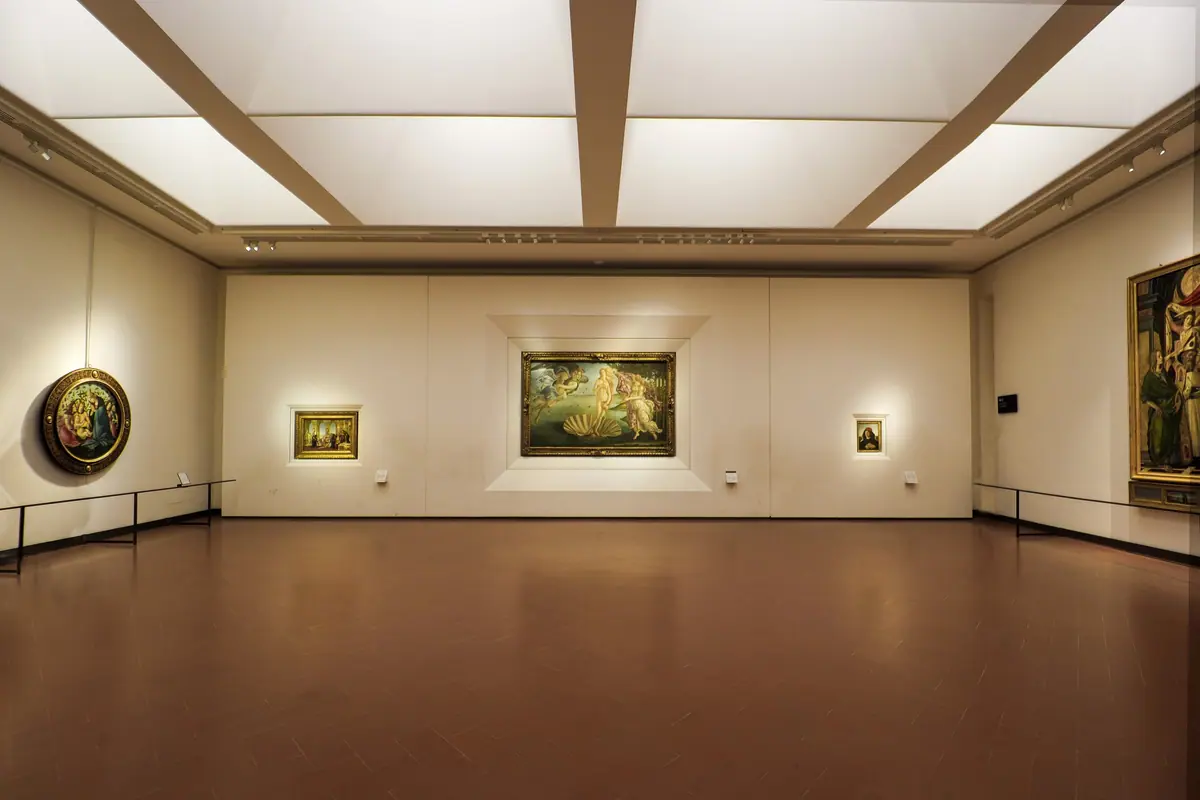
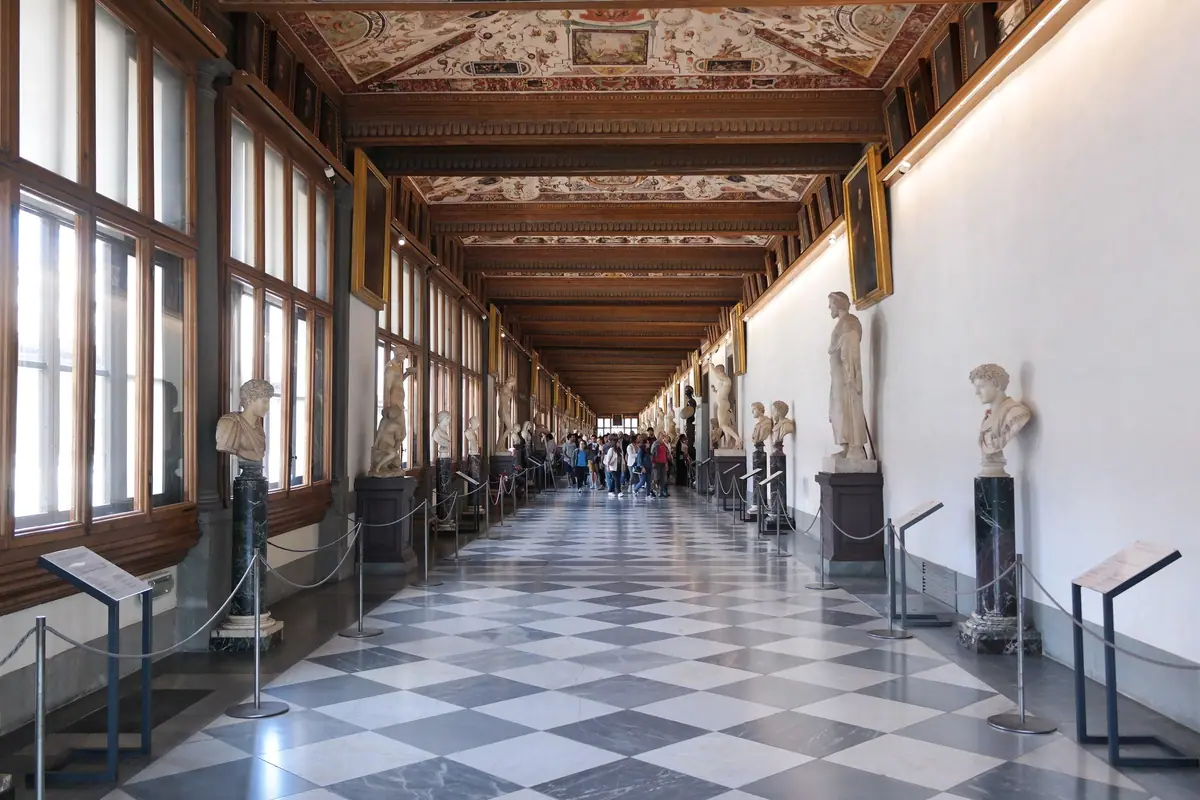
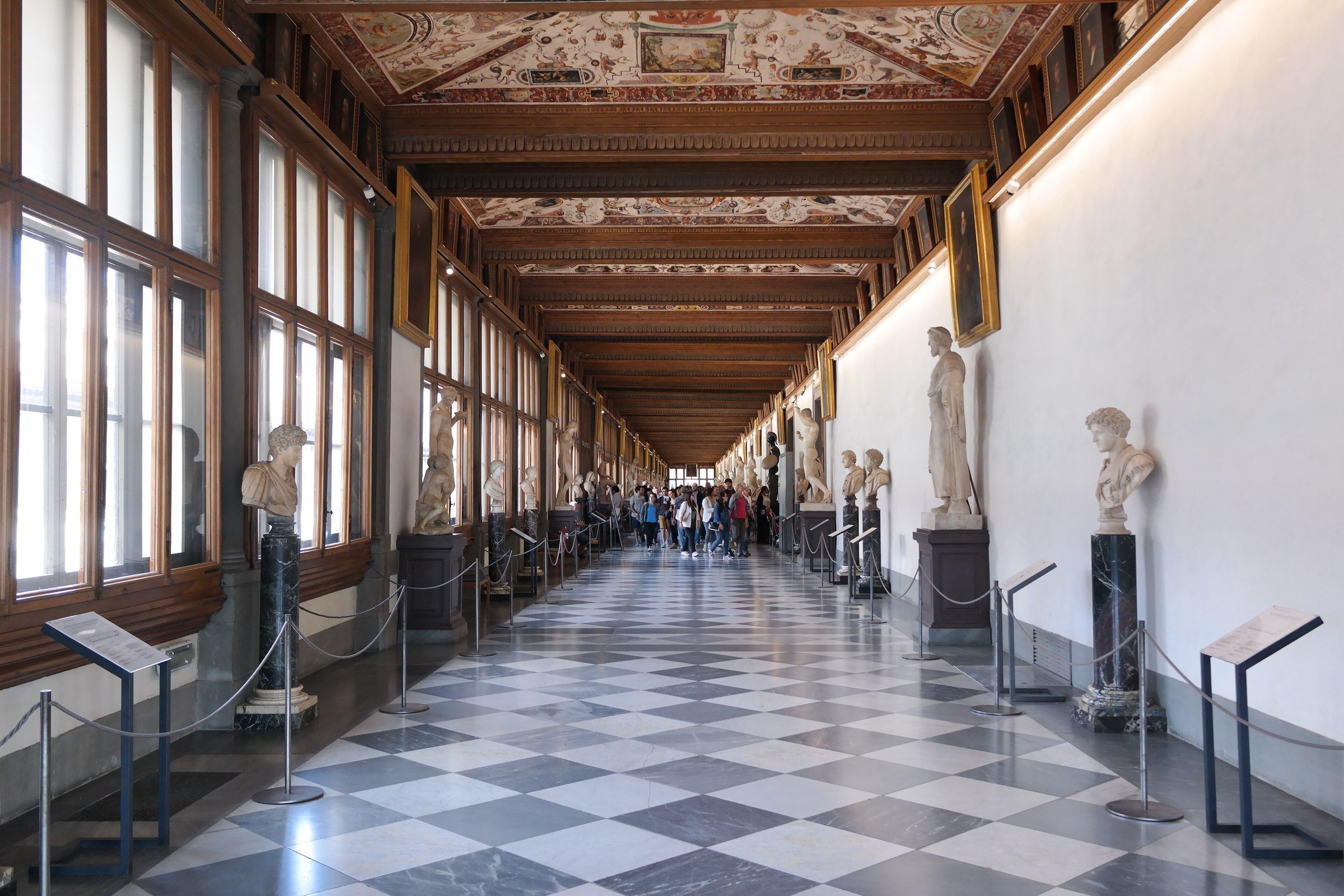
Ancient statues from the Medici collection line the Uffizi’s corridors, and the rooms off them follow Italian painting from Giotto onwards. Botticelli has a room of his own, with The Birth of Venus in a lit recess on the end wall, and Leonardo da Vinci has another, with his unfinished Adoration of the Magi.
Booking ahead fixes your day and time, and each ticket carries the visitor’s name, checked against a passport or ID card. Like all of Italy’s state museums, the Uffizi is free for everyone on the first Sunday of the month, when nobody can book, and for under-18s on any day. Monday is its closing day.
The Firenze Card includes the Uffizi once each cardholder books a free time slot, and that booking takes you through the priority door. Firenze Card and Florence’s other passes works out whether the card beats single tickets for the museums on your list.
Included in the Firenze Card
Ponte Vecchio and the Vasari Corridor
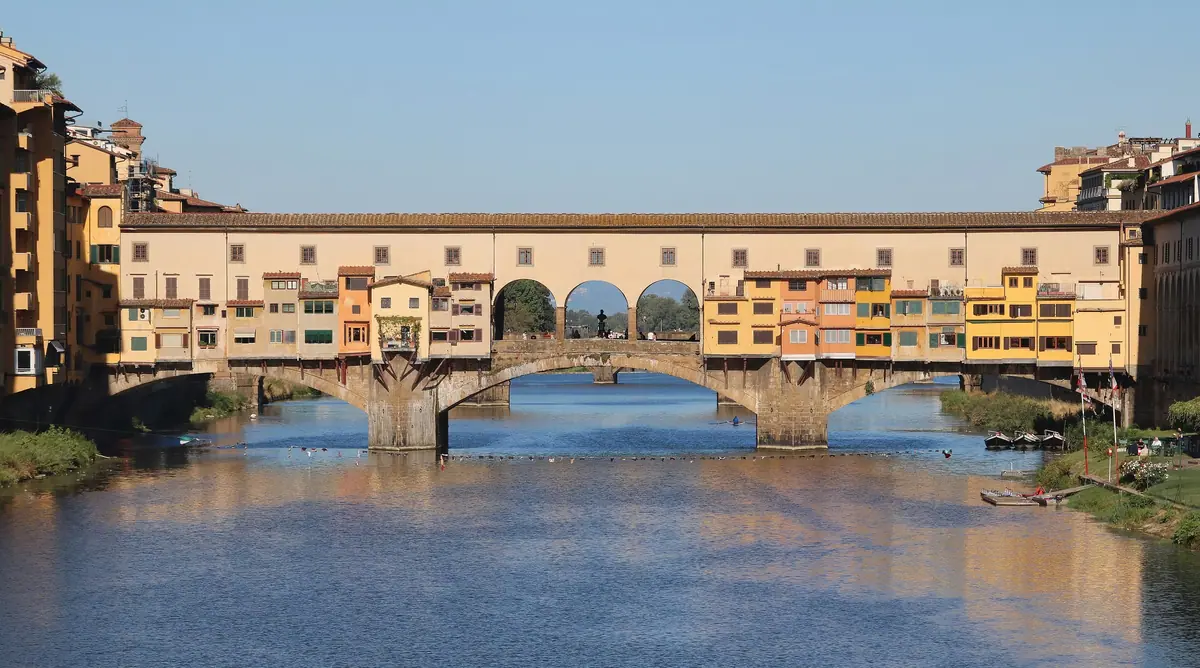
The Ponte Vecchio, a four-minute walk from the Uffizi, carries a row of jewellers’ shops down each side, hanging out over the Arno. When the German army retreated from Florence in August 1944, it blew up every other bridge in the city and spared this one, destroying the medieval buildings at both ends instead to cut the way across. The bridge it left, the oldest in Florence, has stood since 1345, when it was rebuilt after a flood.
Butchers had the first shops and threw their scraps into the river, until Ferdinando I de’ Medici, the grand duke, handed the bridge to goldsmiths and jewellers in 1593. Halfway across, the shops break for an open stretch with a bust of Benvenuto Cellini, the 16th-century goldsmith, and a view up and down the river. The bridge is a street, free and open at all hours, so cross early in the morning, before the day’s crowds, or come back after dark, when the jewellers have pulled their wooden shutters and the shops look like a row of chests.
The row of small windows above the shops on the upstream side is the Vasari Corridor, and Ponte alle Grazie, the next bridge upriver, is where to see it whole. Vasari, the Uffizi’s architect, built it for Cosimo I in 1565, taking about five months so it would be ready for a Medici wedding, and it let the family walk from their home at Palazzo Pitti to Palazzo Vecchio, where they governed.
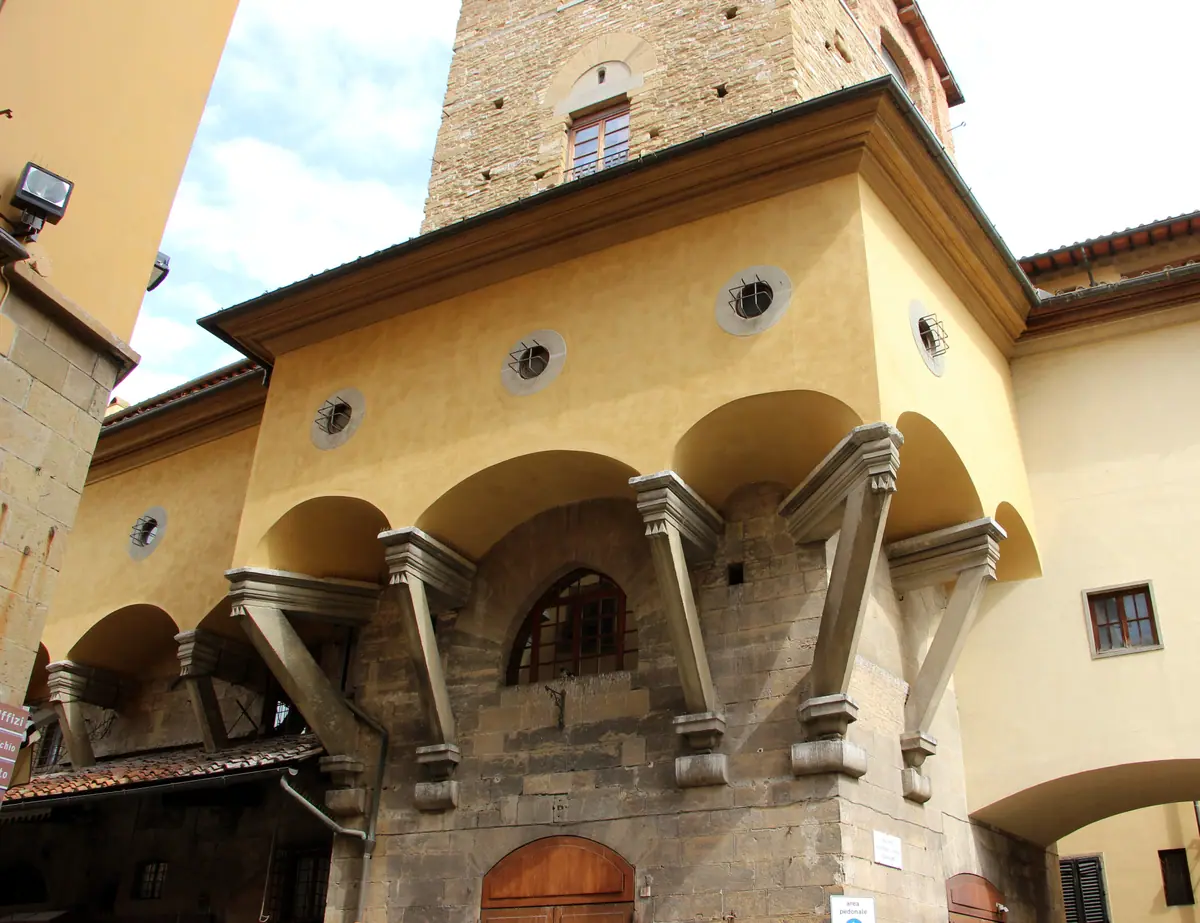
It reopened in December 2024 with nothing hung on its walls. You walk it one way, in a group at a booked time, about 750 metres from the Uffizi’s first floor over the river to the Boboli Gardens, coming out in the courtyard of Palazzo Pitti. The Firenze Card doesn’t include it, and the only way in is a ticket that also covers the Uffizi, since you start in the gallery two hours earlier. Ours costs €79, with an audio guide app on your phone, and can’t be cancelled.
Bargello Museum
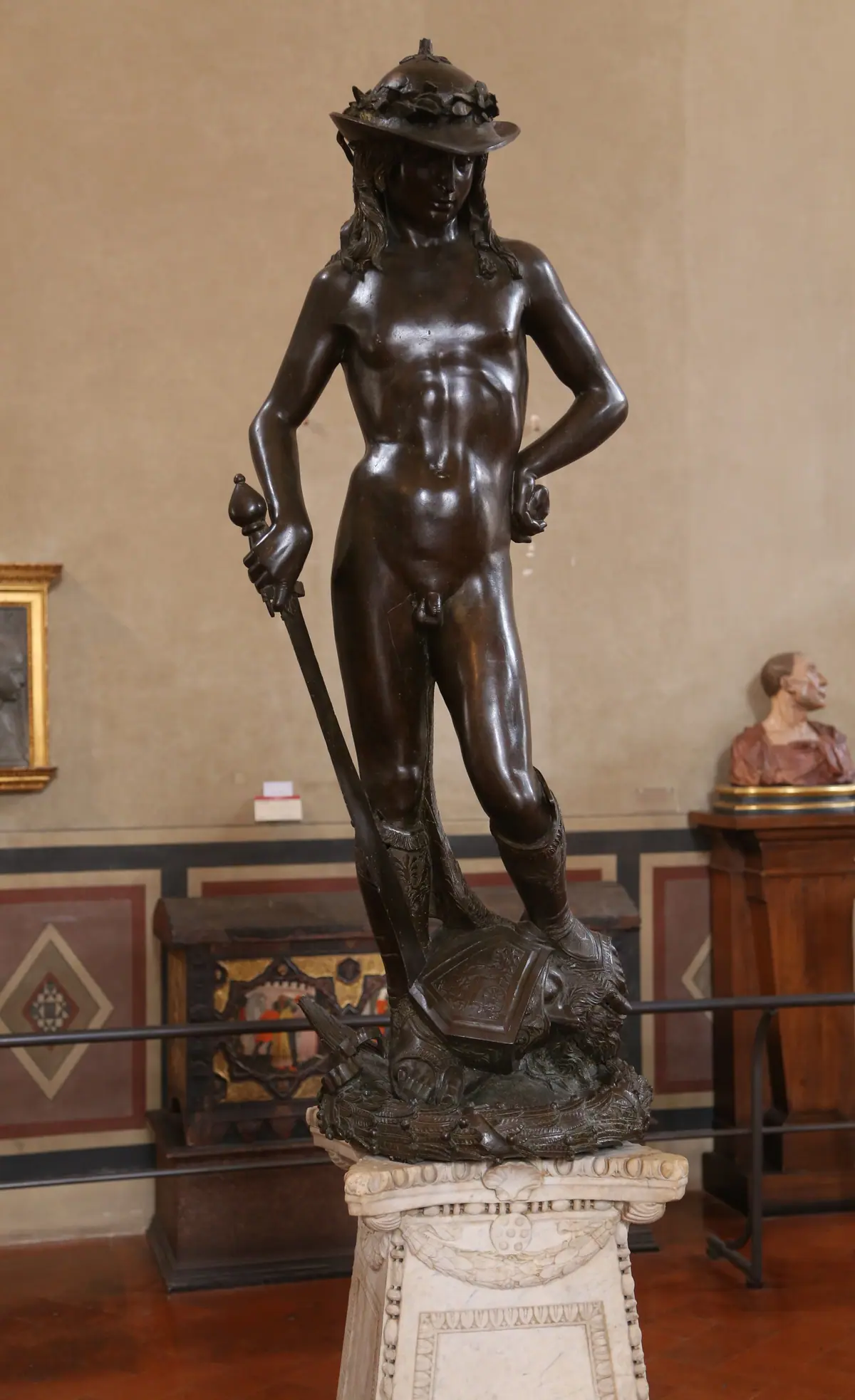
Back on the Uffizi side of the river, close to both Piazza della Signoria and the Duomo, stands the Bargello, the palace that served as the model for Palazzo Vecchio. It was begun in 1255 for the city’s magistrates, later went to the bargello, Florence’s chief of police, who gave it its name, and also served as a prison before its rooms filled with sculpture.
Michelangelo’s Bacchus, the first large statue he made in Rome, raises his cup here, with a small satyr at his side. Donatello, one of the great sculptors of the early Renaissance, has a room of his own, where his bronze David stands on Goliath’s head in a wide-brimmed hat.
You don’t need to book, and the museum closes on Mondays. Since March 2026 the Bargello and the Accademia have been run together, with the same hours, which makes it easy to see Michelangelo’s David and his Bacchus on the same trip.
Included in the Firenze Card
Santa Croce
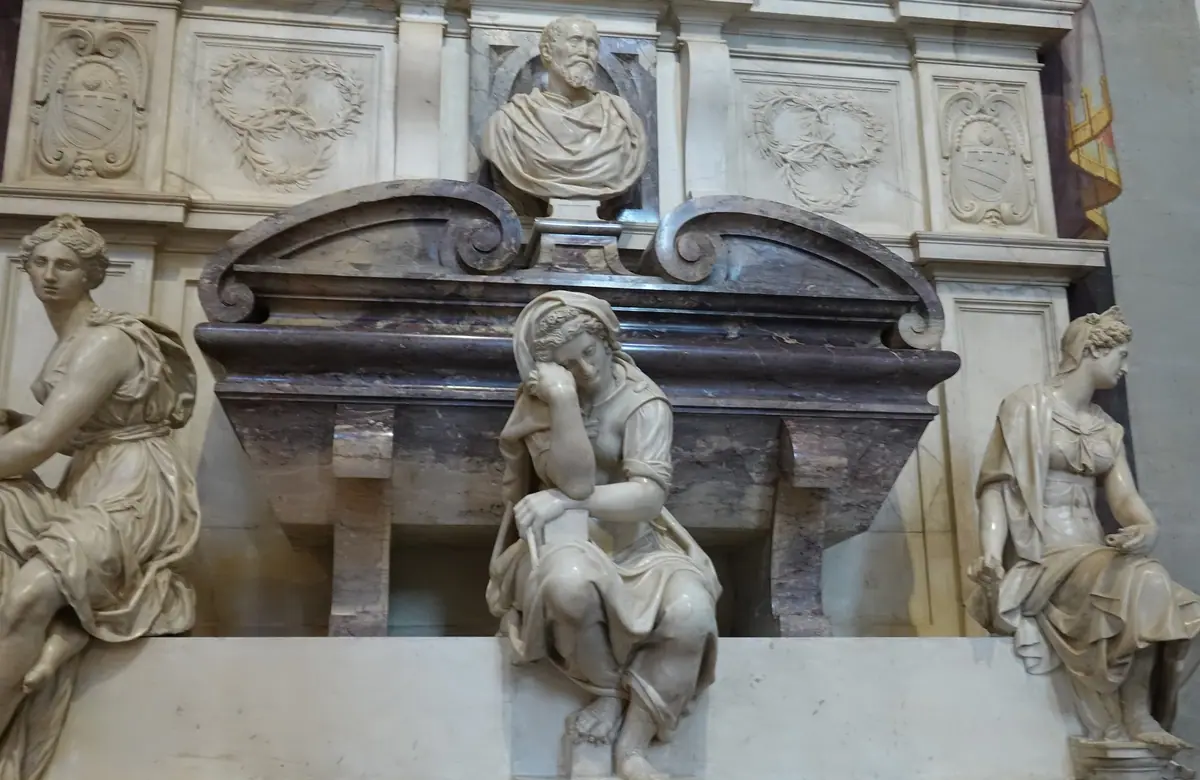
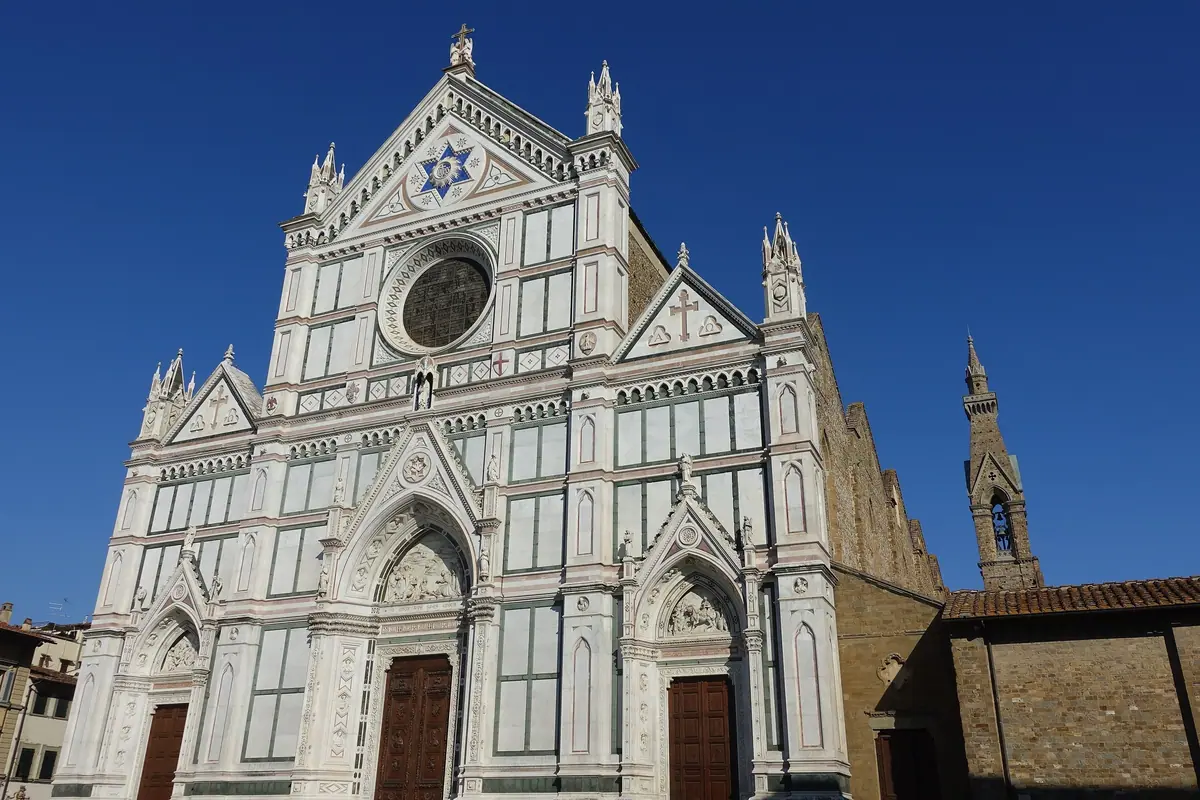
Eight minutes’ walk from the Bargello, at the far end of the long Piazza Santa Croce, is the basilica where Michelangelo and Galileo are buried. Michelangelo died in Rome in 1564 and his body was brought back to Florence to lie here, and Galileo, condemned by the Church in 1633, had to wait until 1737 for his Christian burial in the same church.
Machiavelli and Rossini are buried here too, while Dante’s monument is empty, since he lies in Ravenna. Up by the main altar, Giotto frescoed two of the chapels, and at the end of the first cloister stands Brunelleschi’s Pazzi Chapel.
One ticket covers the basilica, the cloisters, the Pazzi Chapel and the museum, where the Crucifix painted by Cimabue became the symbol of the 1966 flood, and individual visitors don’t have to book. Santa Croce opens at 9:30 from Monday to Saturday, but on Sundays only from 14:00, and staff at the door check that knees and shoulders are covered.
Included in the Firenze Card
San Lorenzo and the Medici Chapels
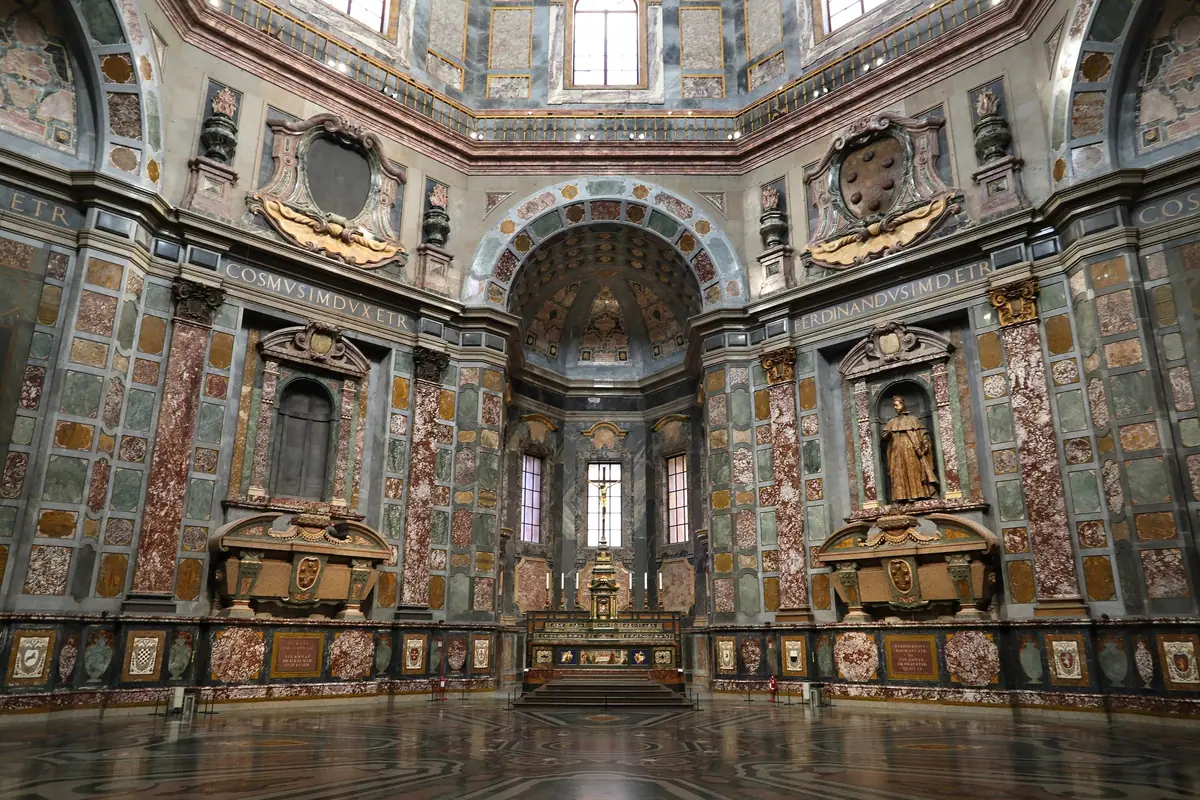
The tombs Michelangelo carved for the Medici are back across the centre, north of the Duomo, at San Lorenzo, the family’s parish church. Behind it, the Medici Chapels are their burial place: the crypt of the grand dukes, the Cappella dei Principi above it, lined with inlaid marble and hard stones, and Michelangelo’s New Sacristy, where his Night, Day, Dawn and Dusk recline on the tombs of two Medici dukes.
The chapels have their own door, on the square behind the basilica, and their own ticket, with booking optional, and they shut on Mondays.
Included in the Firenze Card
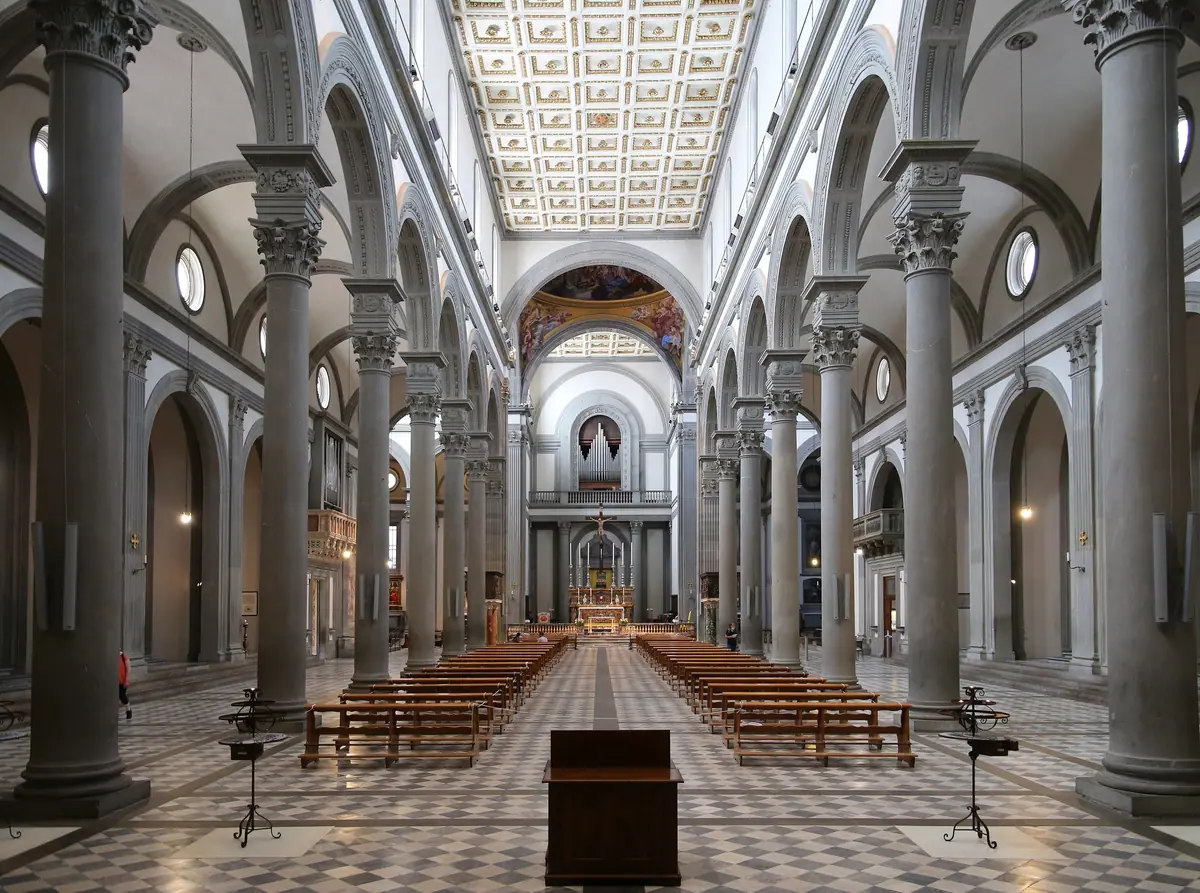
The basilica in front is a separate visit. Brunelleschi laid out its grey stone columns and round arches, and off the church is his Old Sacristy, decorated by Donatello, both on a ticket you buy at the door that also covers the cloisters, the treasury and the crypt.
San Lorenzo opens Monday to Saturday, which makes it a good Monday stop while the chapels are shut. The Laurentian Library next door, with its staircase built to Michelangelo’s design, has a ticket of its own and opens only on weekday mornings.
Included in the Firenze Card
Museo di San Marco
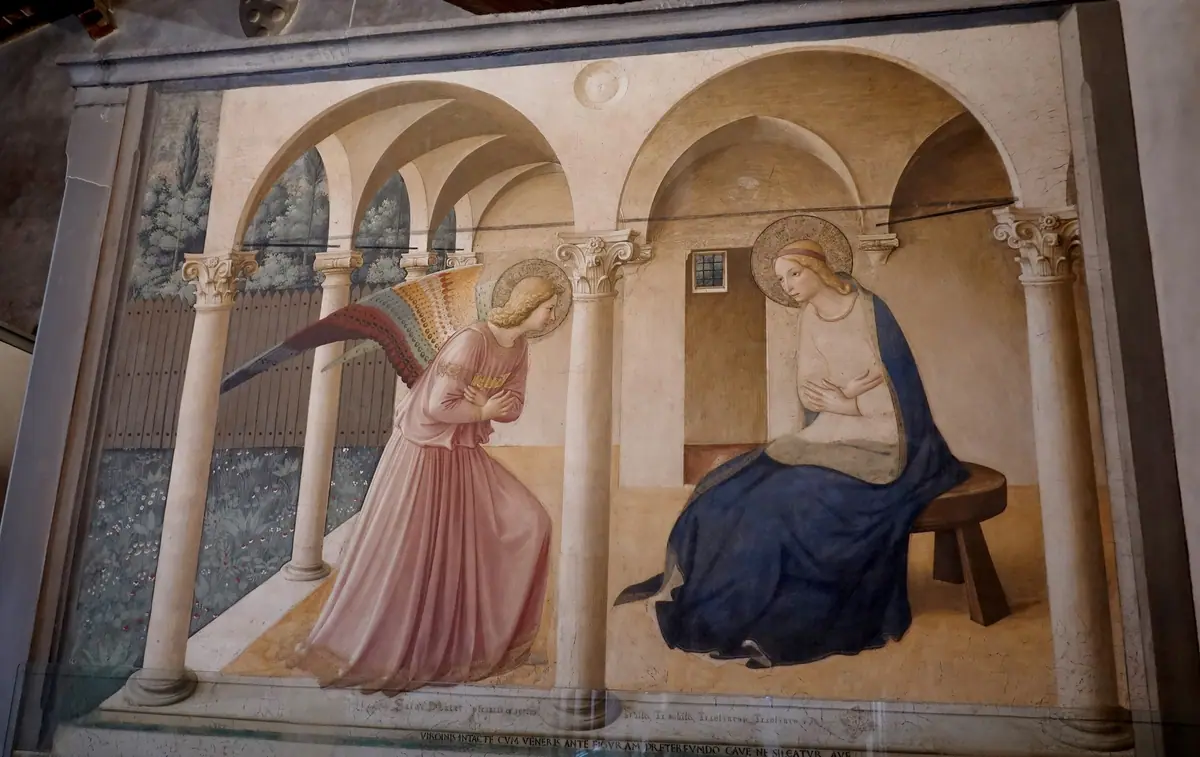
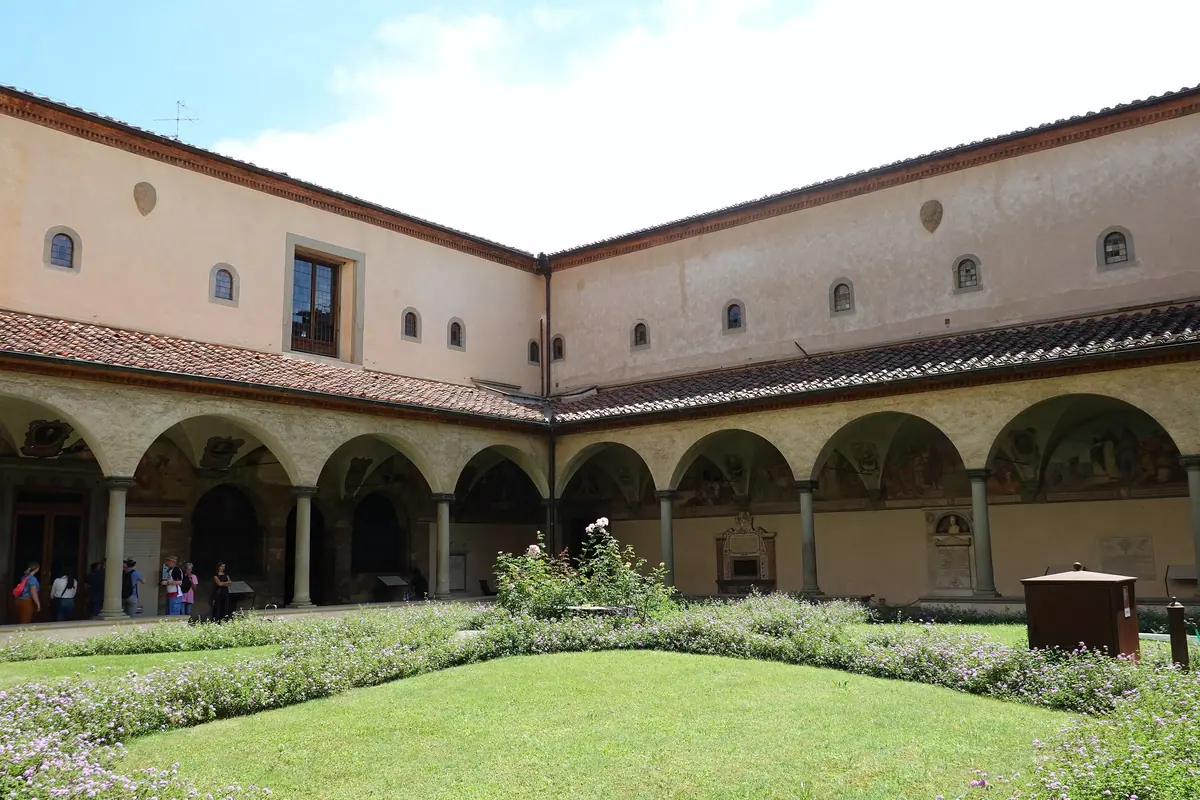
The Medici paid for San Marco too. Cosimo de’ Medici, head of the family, had the architect Michelozzo build the convent between 1437 and 1443, and while it went up the painter Fra Angelico frescoed the cells where the friars slept, on the top floor.
So you see his paintings in the rooms they were made for, and the museum keeps the largest collection of his work anywhere, along with Michelozzo’s library, the first public library of the Renaissance.
San Marco opens only in the mornings, Tuesday to Sunday, with the last entry at 12:45 and the upper floor closing at 13:30, so arrive early and go upstairs first. Booking is optional.
Included in the Firenze Card
Accademia Gallery and Michelangelo’s David
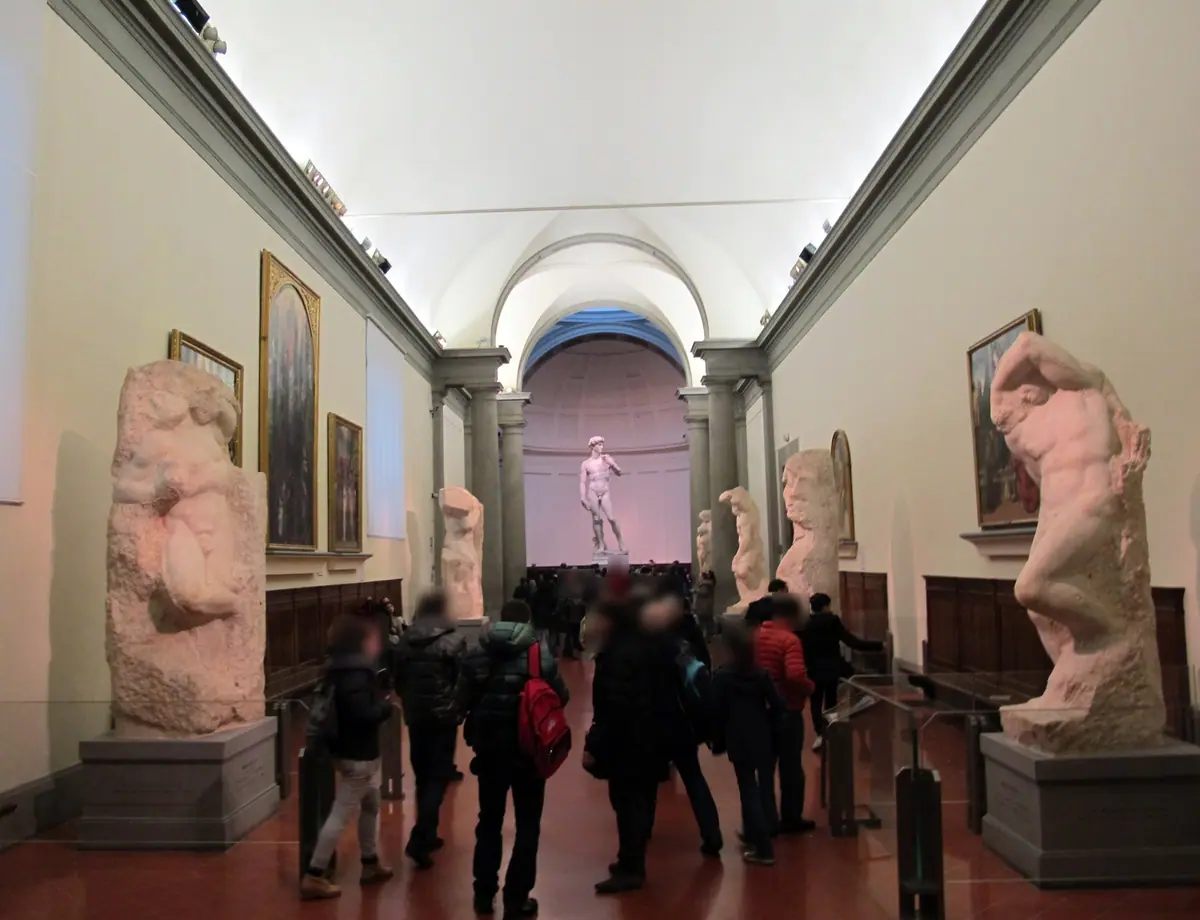
Very close to San Marco is the Accademia Gallery, and the two make an easy morning as long as San Marco comes first: its cells close at 13:30, while the Accademia stays open until 18:50. This is where Michelangelo’s David stands, under a glazed dome that lets in the daylight, at the end of a long hall lined with his Prisoners, figures he left half-freed from the rough marble.
Booking isn’t compulsory, but the gallery warns that without one the wait to get in may be long. Like the Bargello, it’s closed on Mondays, and under-18s go in free, collecting their ticket at the desk with an ID.
The Firenze Card includes the Accademia, but the free booking is compulsory and can’t be made online: you call, or go to one of the card’s ticket offices, such as My Accademia on Via Ricasoli.
Included in the Firenze Card
Santa Maria Novella
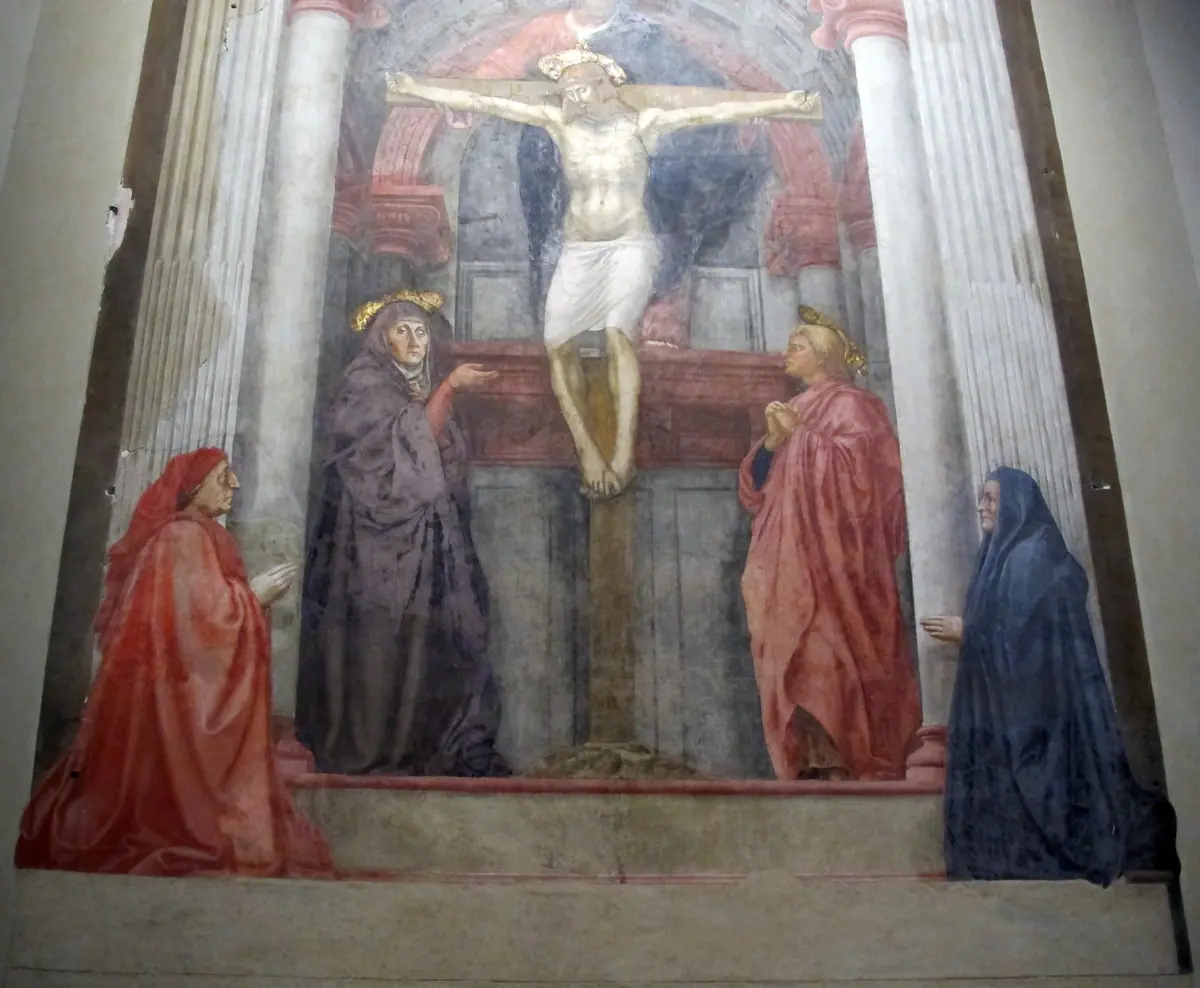
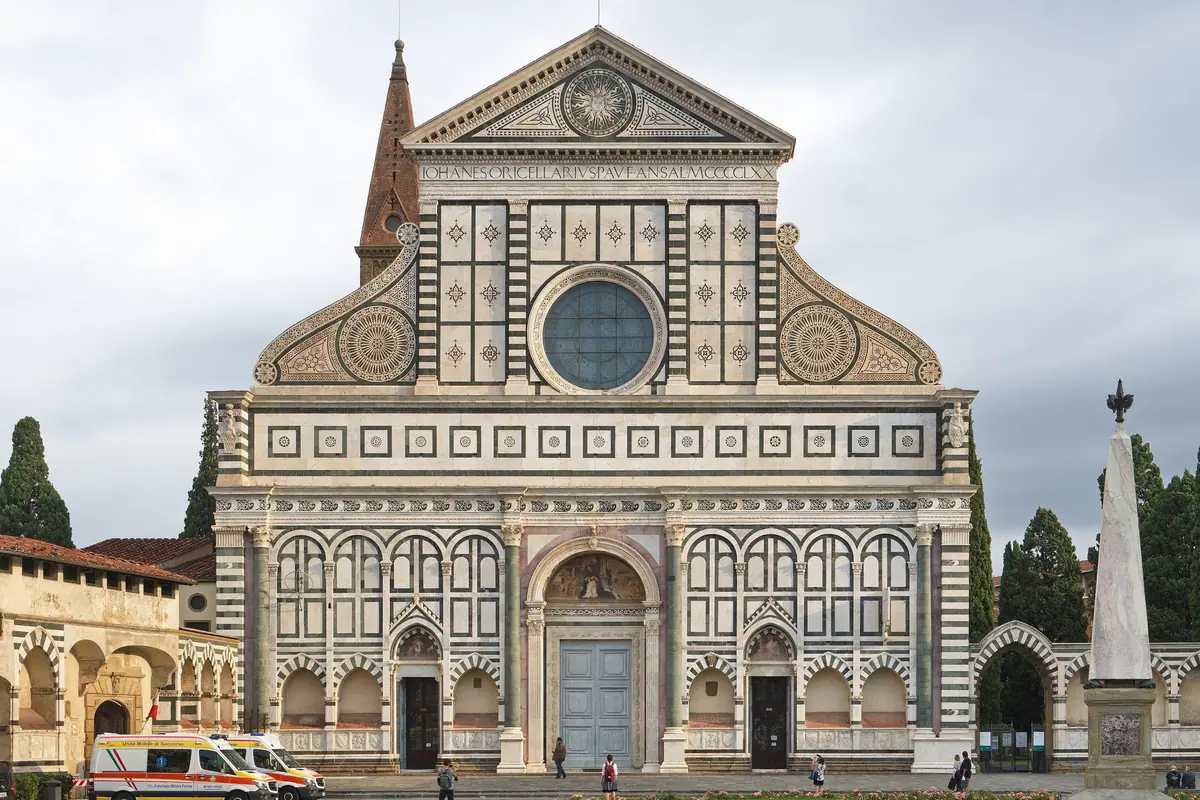
Santa Maria Novella, the Dominican basilica beside the train station, opens on Mondays, so keep it for the day the Accademia and the Uffizi shut. Its green and white marble facade was finished by Leon Battista Alberti, the Renaissance architect.
Inside is the Trinity that the painter Masaccio made around 1427, the first monumental Renaissance painting to use linear perspective, so the vault behind Christ seems to open a chapel in the solid wall. Giotto’s painted crucifix hangs in the nave, and the same ticket carries on into the cloisters and the frescoed Spanish Chapel.
The ticket office opens late on Fridays, at 11:00, and on Sundays at 13:00, and the free first Sunday is for local residents only. Large bags and trolleys stay outside, which catches anyone coming straight off a train.
Included in the Firenze Card
Brancacci Chapel
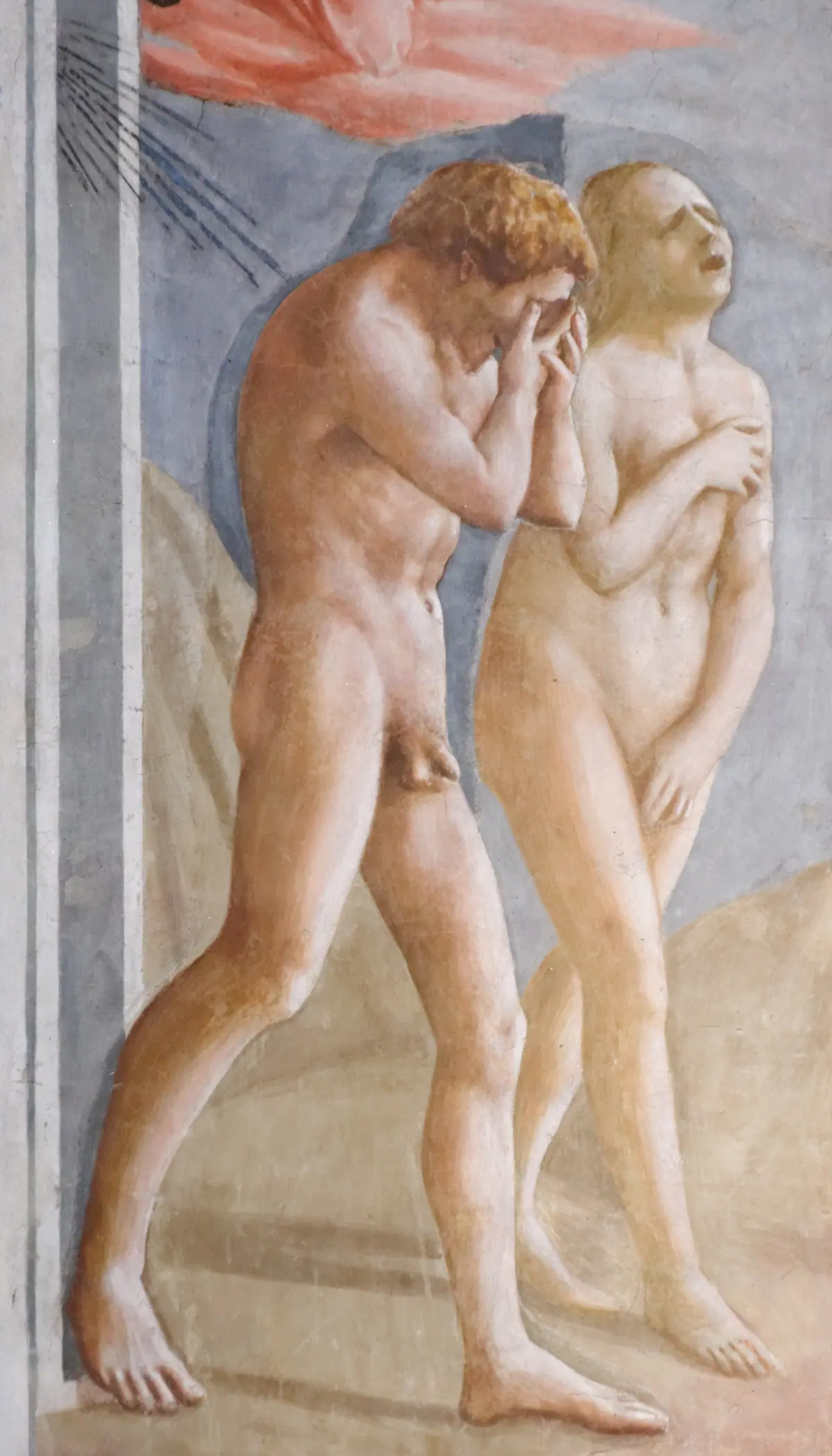
There’s more Masaccio across the Arno, in the Oltrarno. Around 1423 he and another painter, Masolino, began covering the Brancacci Chapel with the life of St Peter, and a third, Filippino Lippi, finished it about sixty years later. Masaccio’s Adam and Eve, walking out of Eden in tears, is the scene to find first.
The chapel belongs to a church but has its own door, with its ticket office at Piazza del Carmine 14, a walk across the river from the centre. It’s small, so you go in with up to ten people for 30 minutes, and booking is how you make sure of a slot.
Its day off is Tuesday, and on Sundays it opens only from 13:00. With the Firenze Card, each cardholder has to book a free slot of their own.
Included in the Firenze Card
Palazzo Pitti and the Boboli Gardens
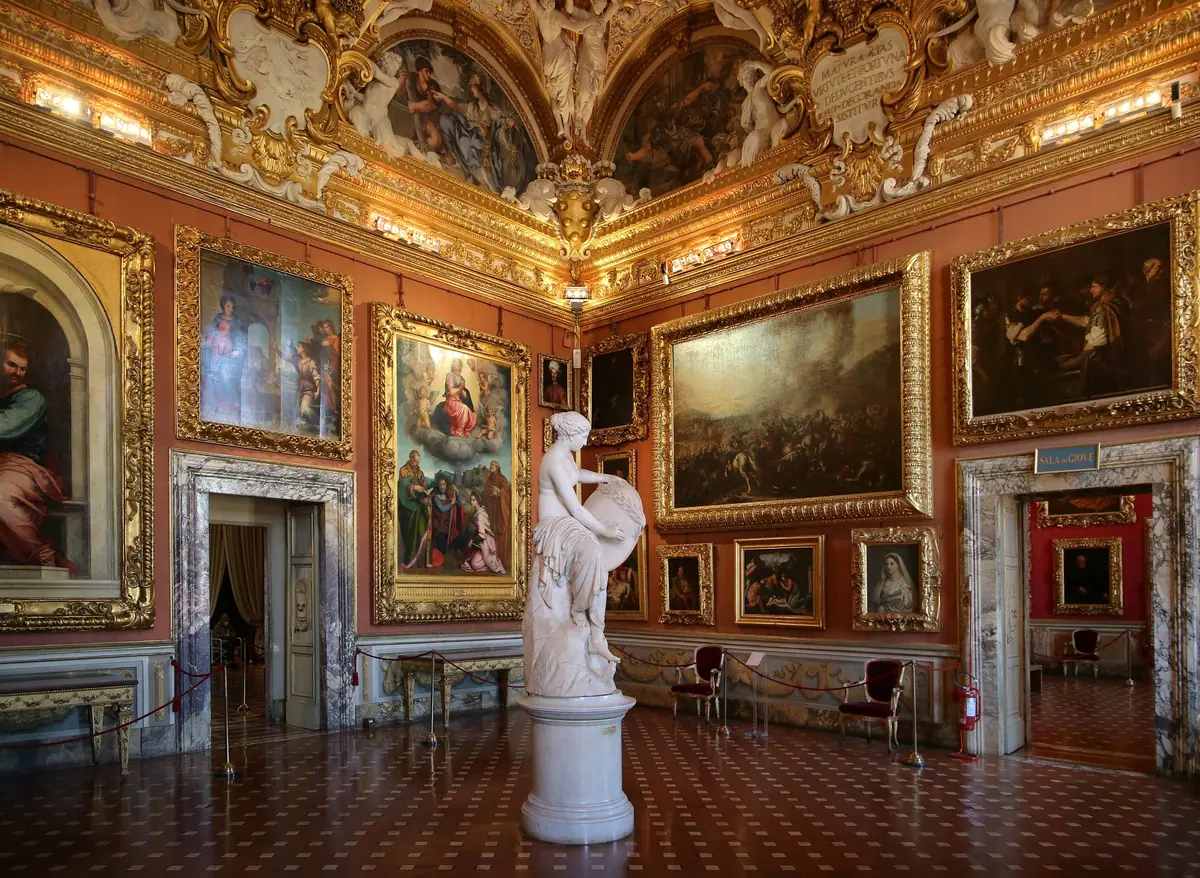
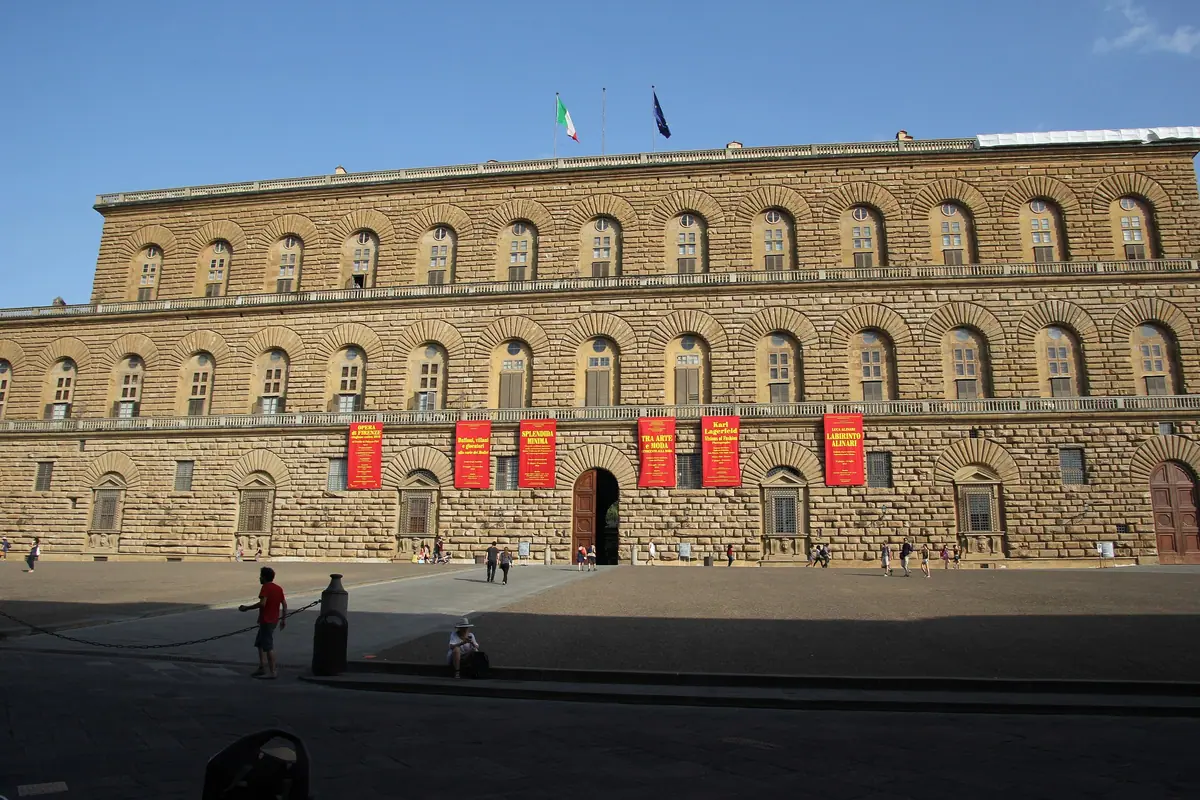
Also in the Oltrarno, Palazzo Pitti holds several museums under one roof. In the Palatine Gallery the paintings hang close together in gilded frames under frescoed vaults, and the Royal Apartments, the Gallery of Modern Art and the Costume Gallery are in the same building.
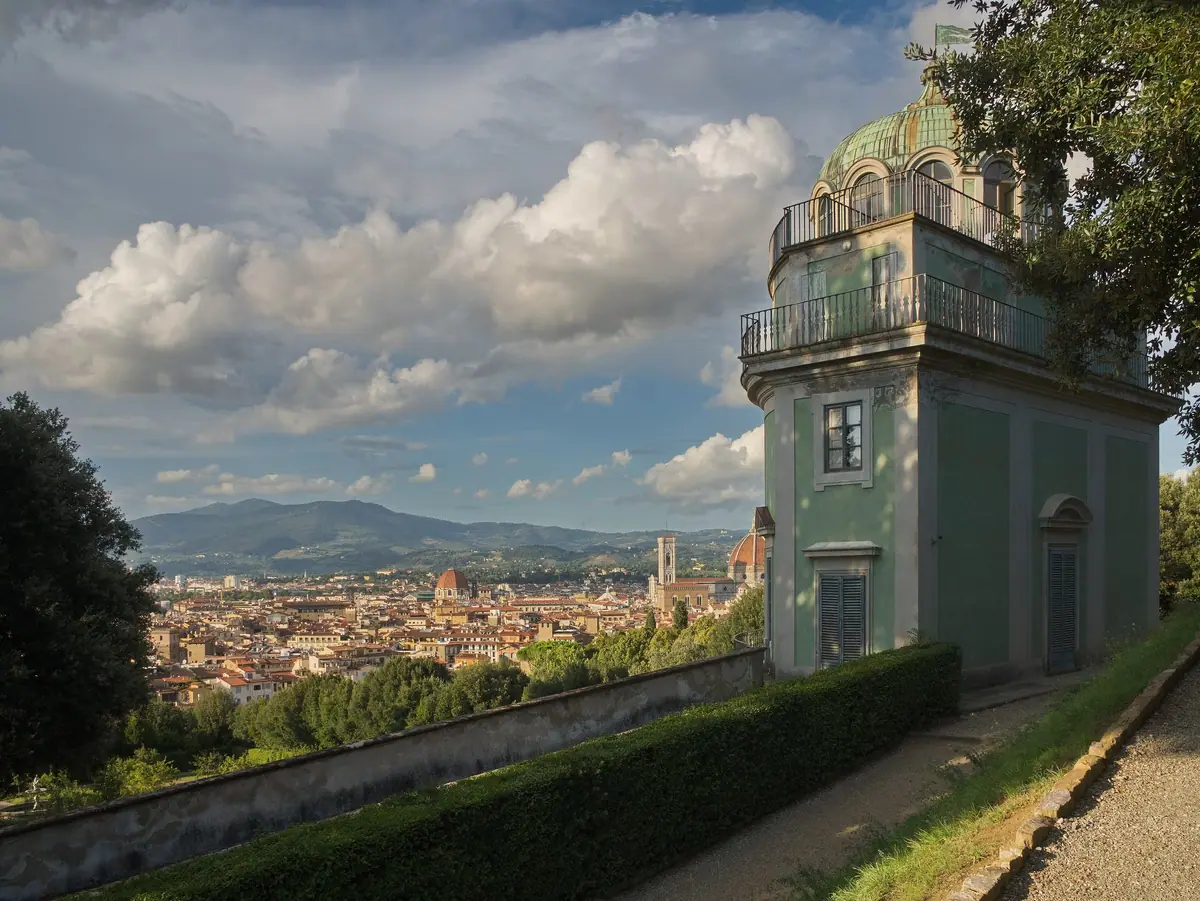
Behind the palace, the Boboli Gardens climb past a stone amphitheatre and the Neptune fountain to the Kaffeehaus, an 18th-century pavilion with the Duomo’s dome in view below.
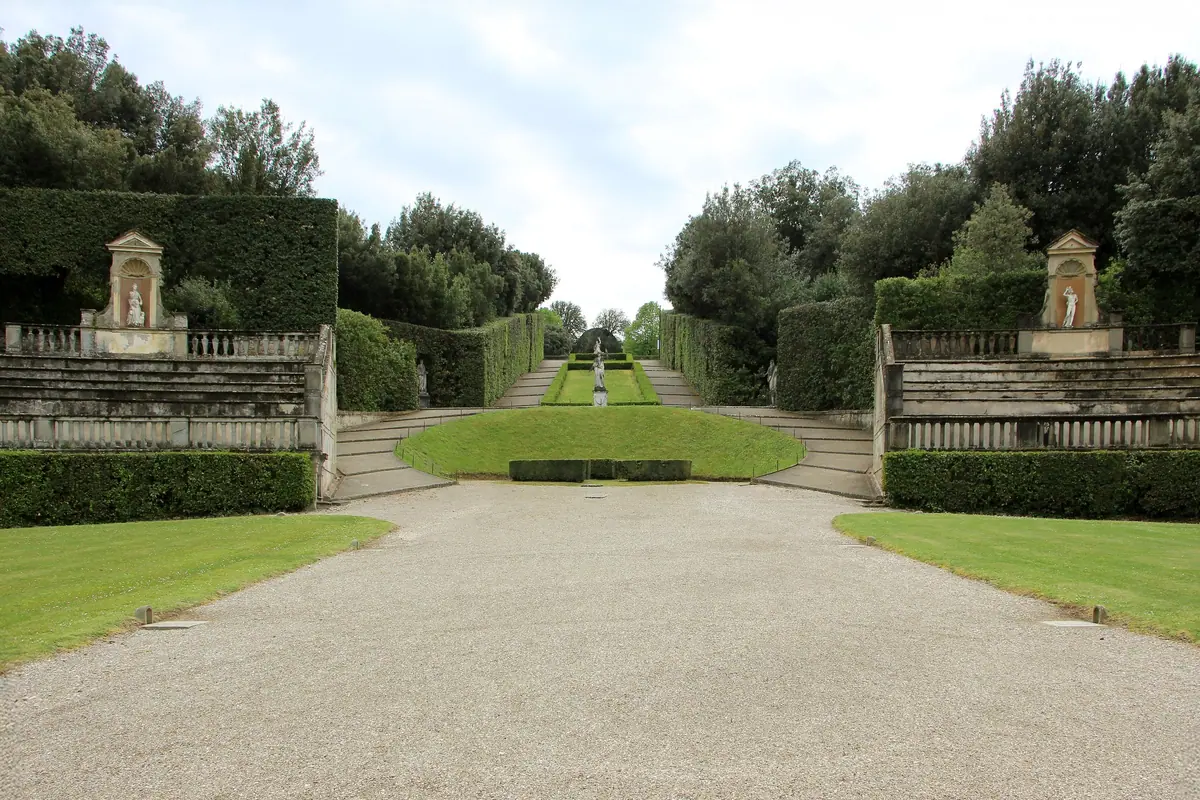
One ticket covers the palace and the garden, with no booking needed. The palace closes on Mondays, while the garden stays open on them except the first and last Monday of the month, and some rooms, the Treasury of the Grand Dukes among them, are shut for works for now.
With the Firenze Card you first collect a ticket for the palace circuit at the Cortile degli Ammannati, the inner courtyard, and book the Royal Apartments online, at no cost. If the Uffizi is on your list too, the Uffizi’s own five-day pass, the Passepartout, covers the Uffizi, Pitti and Boboli for less than the separate tickets, as long as the Uffizi is the first you visit.
Included in the Firenze Card
Piazzale Michelangelo and San Miniato al Monte
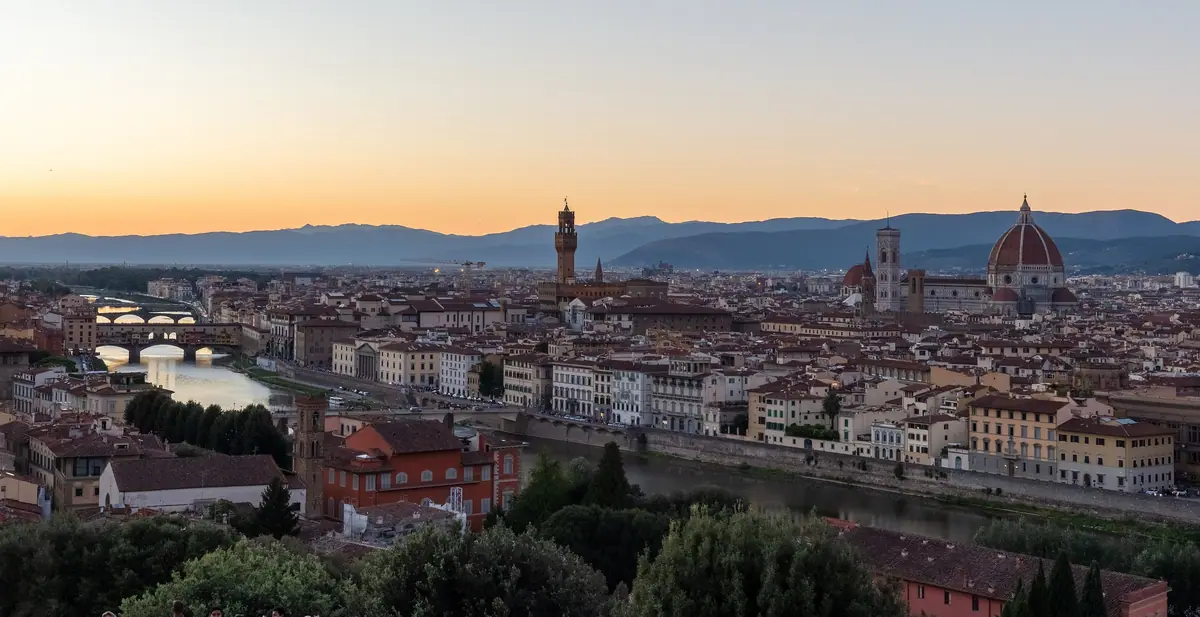
East of the Boboli Gardens, Piazzale Michelangelo is the terrace with Florence’s best-known view: across the Arno, the Ponte Vecchio, Palazzo Vecchio’s tower and the Duomo’s dome all in sight at once. Sunset is the time to be there, and the square is public, so there’s nothing to pay. The David in the middle is a bronze copy, and the four reclining figures with it repeat the Night, Day, Dawn and Dusk of the Medici tombs at San Lorenzo, because Giuseppe Poggi, the architect, planned the whole square as a tribute to Michelangelo.
The sun goes down around 16:40 in December, about 17:00 in early November and in January, around 19:30 in mid-September, close to 20:00 in mid-April and as late as 21:00 at the end of June. From the Ponte Vecchio it’s about 25 minutes on foot: east along the Oltrarno bank to the tower of Porta San Niccolò, then up the Rampe del Poggi, the stairs Poggi built with grottoes and fountains, lit up after dark, between the flights. Bus 13 takes the road up instead, on a €2 city ticket that lasts 90 minutes.
San Miniato al Monte stands about 500 metres further up, by another flight of steps: a Romanesque church with a front of white and green marble and, on top, the bronze eagle of the cloth merchants’ guild, its patrons for centuries. It began in 1018, when a small oratory to Minias, or Miniato, Florence’s first Christian martyr, was rebuilt as a church. By legend he was beheaded on the bank of the Arno and walked up this hill carrying his head. Before you go in, turn round at the top of the steps for the view of the city from higher up than the Piazzale.
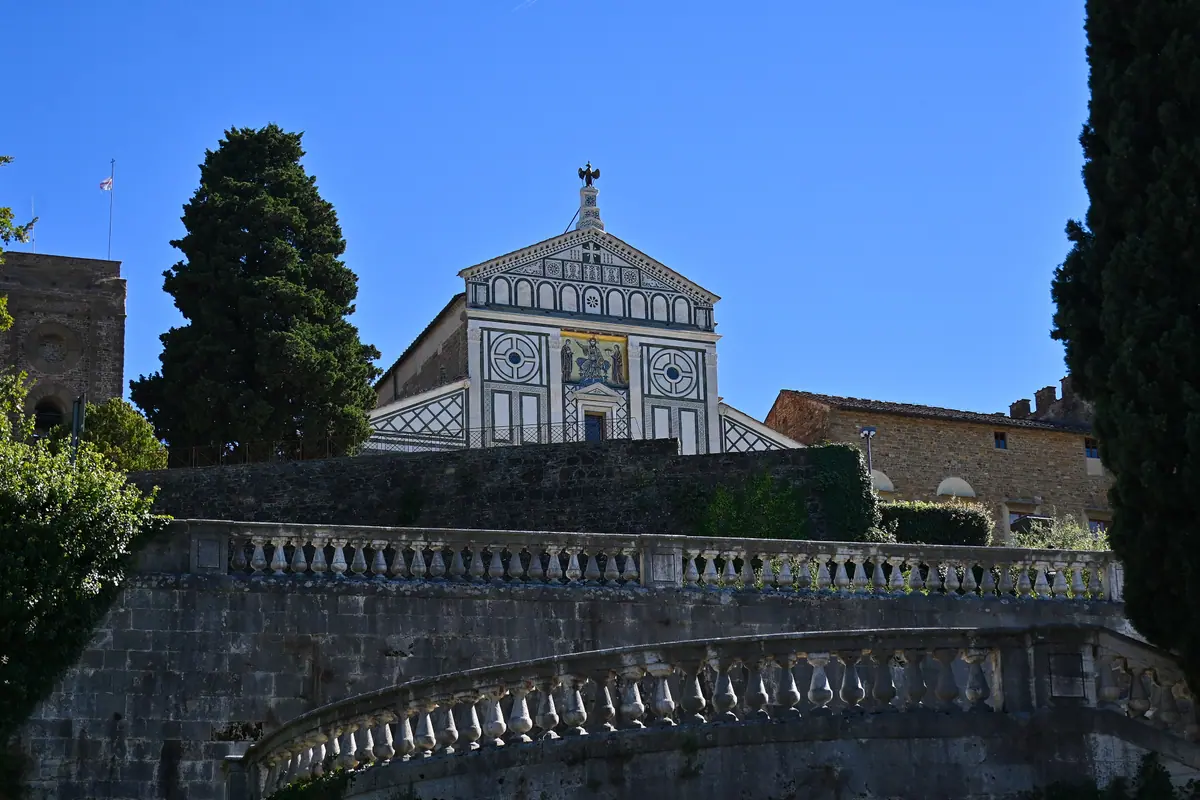
Entry to the church is free, with no booking, from 9:30 (8:15 on Sundays) to 19:00, with a break from 13:00 to 15:30. The church’s monks sing the evening Mass in Latin and Gregorian chant, at 18:00 on weekdays and 17:30 on Sundays, and Vespers follow every day at 18:30. From November to January that leaves time to watch the sunset from the Piazzale and then walk up for the chant, though during a service you can only listen, not look round the church.
Fiesole, on the hill above Florence
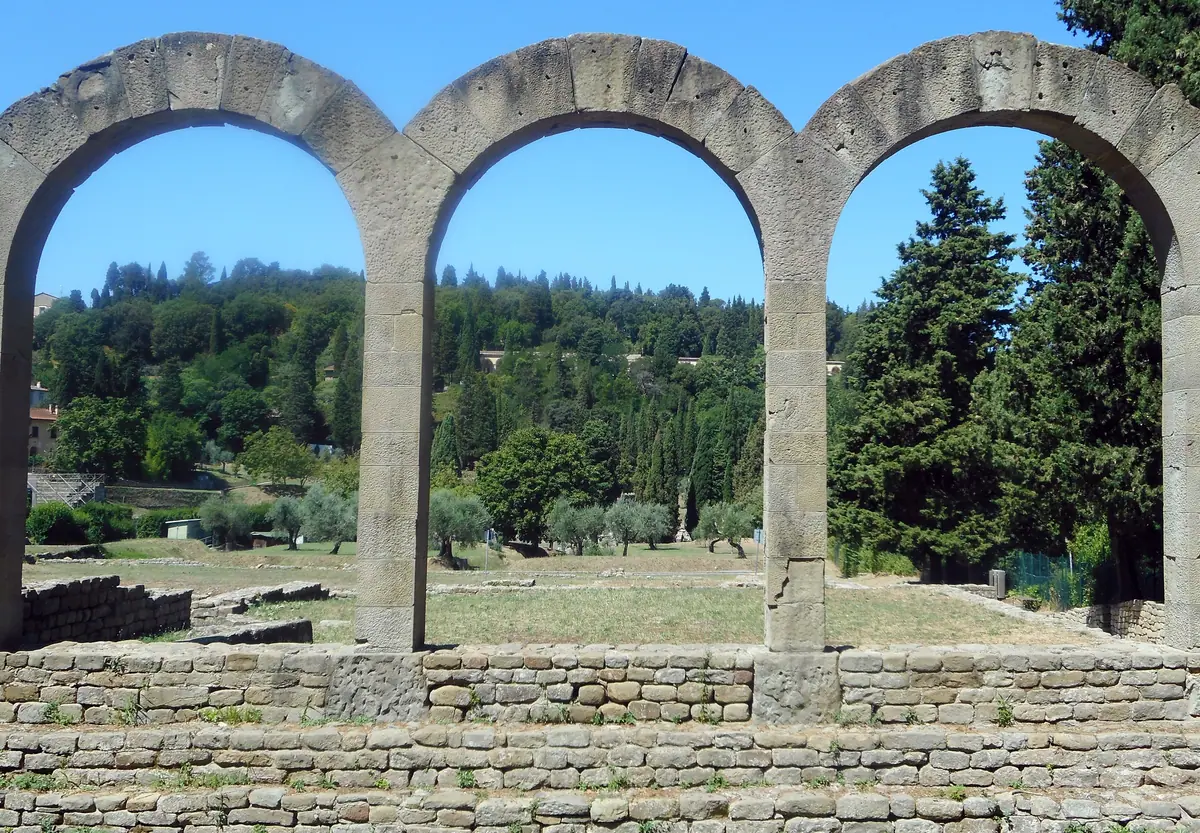
For another view over the city, take bus 7 from Piazza San Marco up to Fiesole, the hill town above Florence, 20 to 25 minutes away. From the top the whole city is spread across the plain, with the cathedral dome in the middle.
The town was Etruscan, then Roman, and its archaeological area keeps the stone tiers of a Roman theatre, still used for shows in summer, with the arches of the baths below it and the foundations of a temple the Romans rebuilt on an Etruscan one.
You buy tickets at the desk, with no slot to book, and leave an ID there while you visit. From November to February it closes at 15:00, with the ticket office shutting at 14:30, and stays closed on Tuesdays, so take a morning bus. The Firenze Card covers the archaeological area, its museum and the Museo Bandini, which opens Friday to Sunday only. The bus isn’t on the card.
Included in the Firenze Card
Day trips from Florence to Pisa and Siena
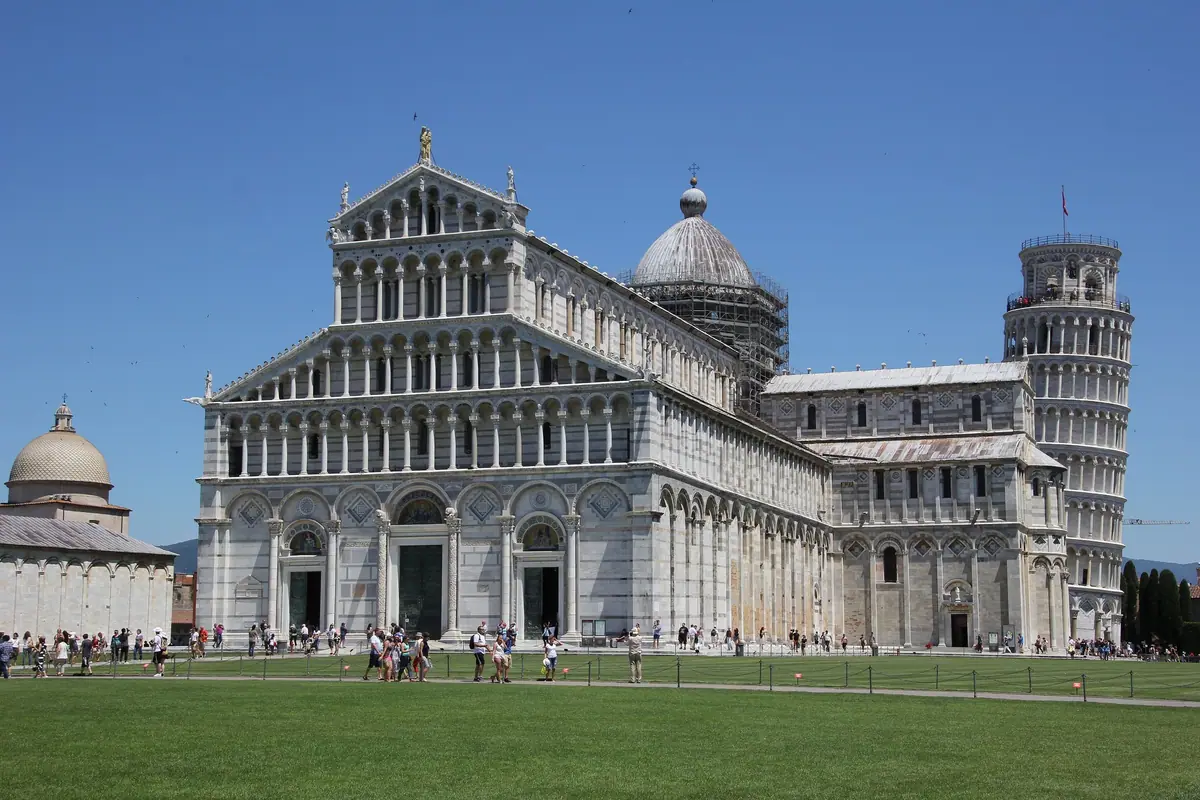
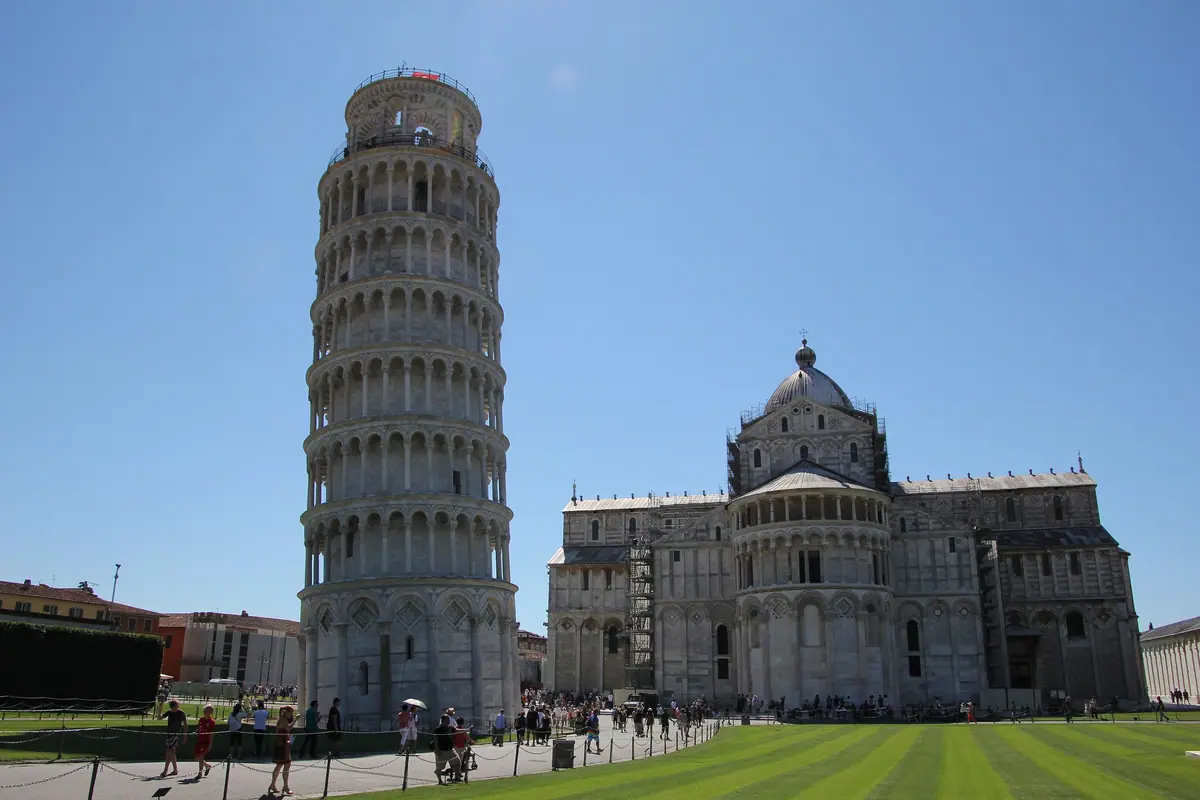
Further out, Pisa and Siena each make a day trip, and neither is on the Firenze Card. Pisa is about an hour by regional train from Santa Maria Novella station, then a 25-minute walk or a bus to the Piazza dei Miracoli, where the Leaning Tower, the cathedral’s bell tower, tilts about five degrees.
The climb has a strict booked time, so leave room after the train, and every bag goes into the free cloakroom first. Children can go up if they turn 8 by the end of the year. The cathedral is free, but you still need a pass to go in, and every Tower ticket includes one.
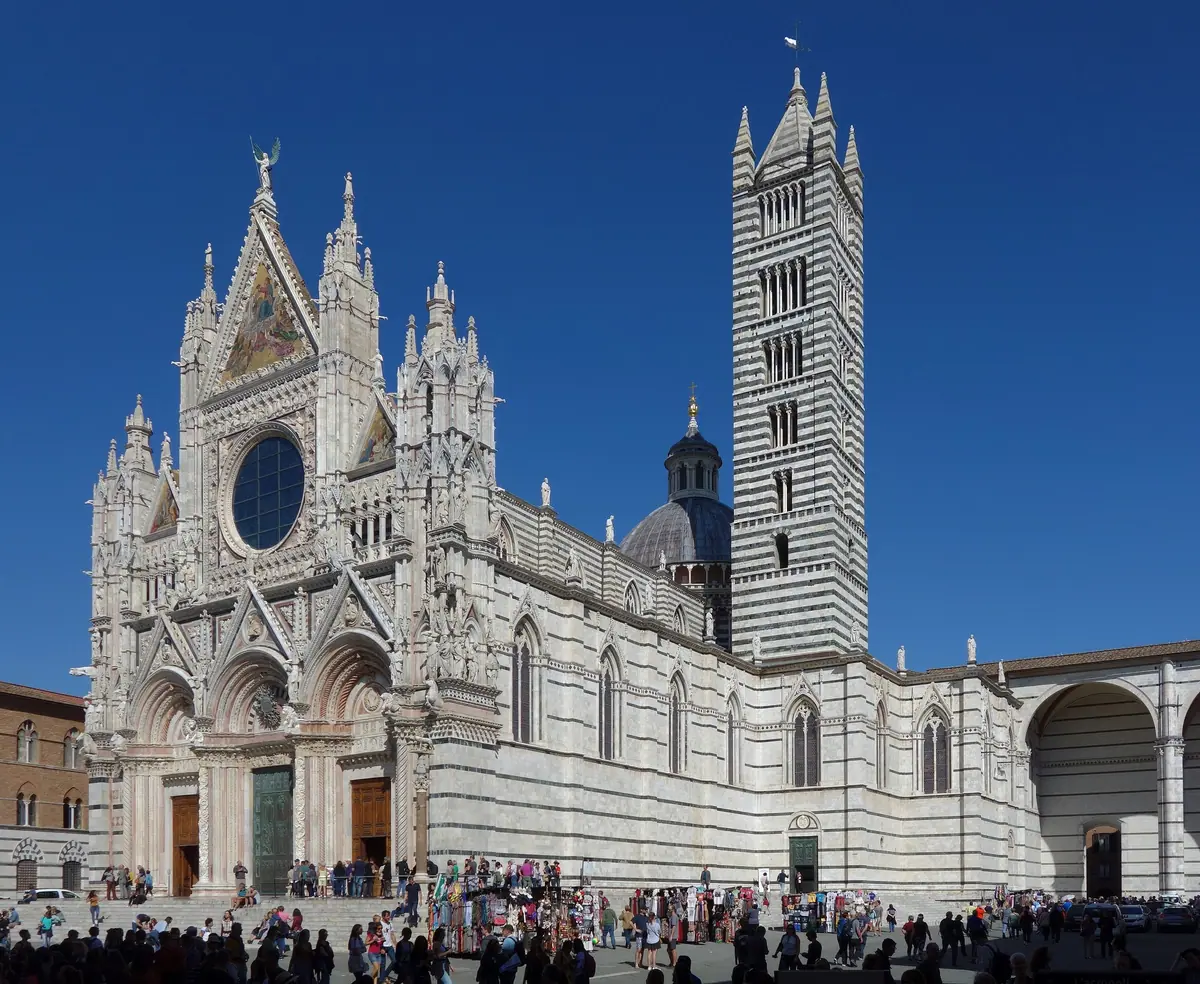
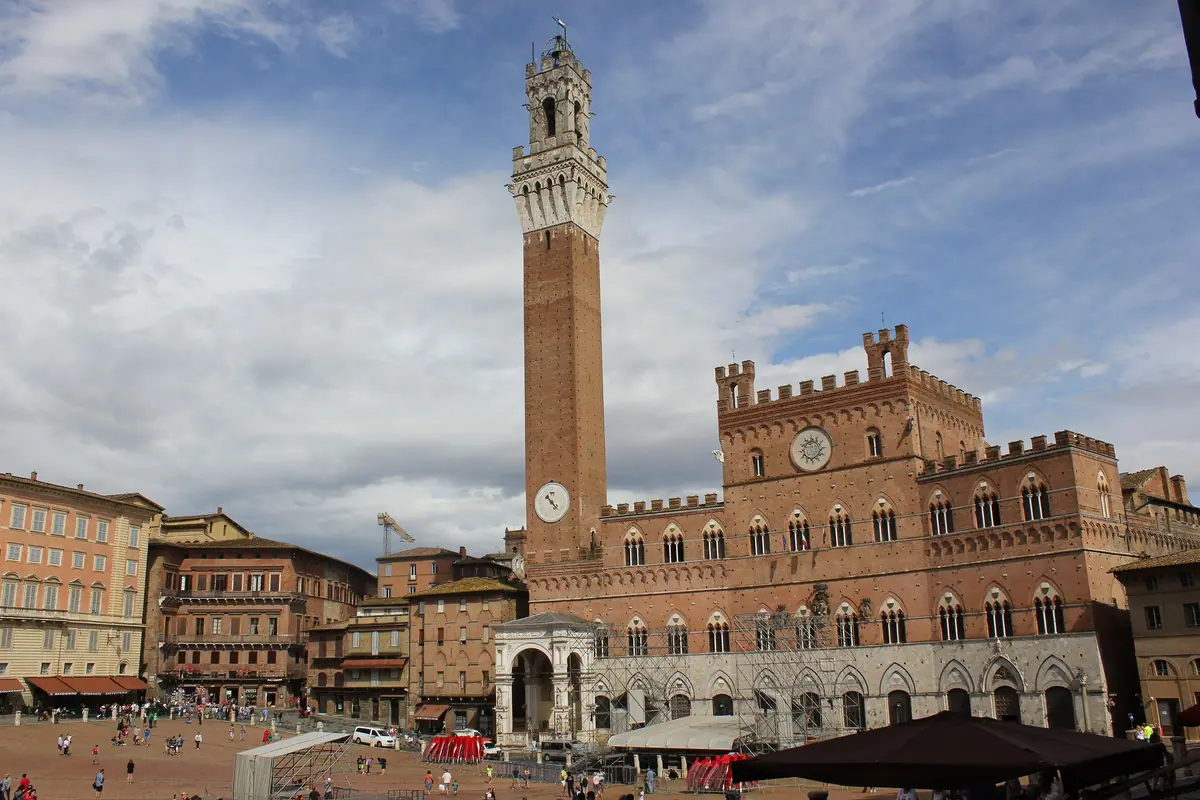
Siena is 65 to 80 minutes from Florence’s bus station on the 131 Rapida, and its cathedral is the reason to time the trip: the floor of inlaid marble pictures is uncovered this year until 15 November. One pass takes in the cathedral, the Piccolomini Library, painted wall to wall by Pinturicchio, the museum and the climb up the Facciatone, a wall left from a bigger cathedral Siena never finished.
On Sundays from 16 November the cathedral itself opens only at 13:30, so start with the museum and the Facciatone. The walk on the cathedral roofs, the Gate of Heaven, is a separate ticket with a set time, worth booking a week or two ahead.
Florence
All 37 sights in Florence on our list
With the ticket price where we sell one, and the pass that covers each.
-
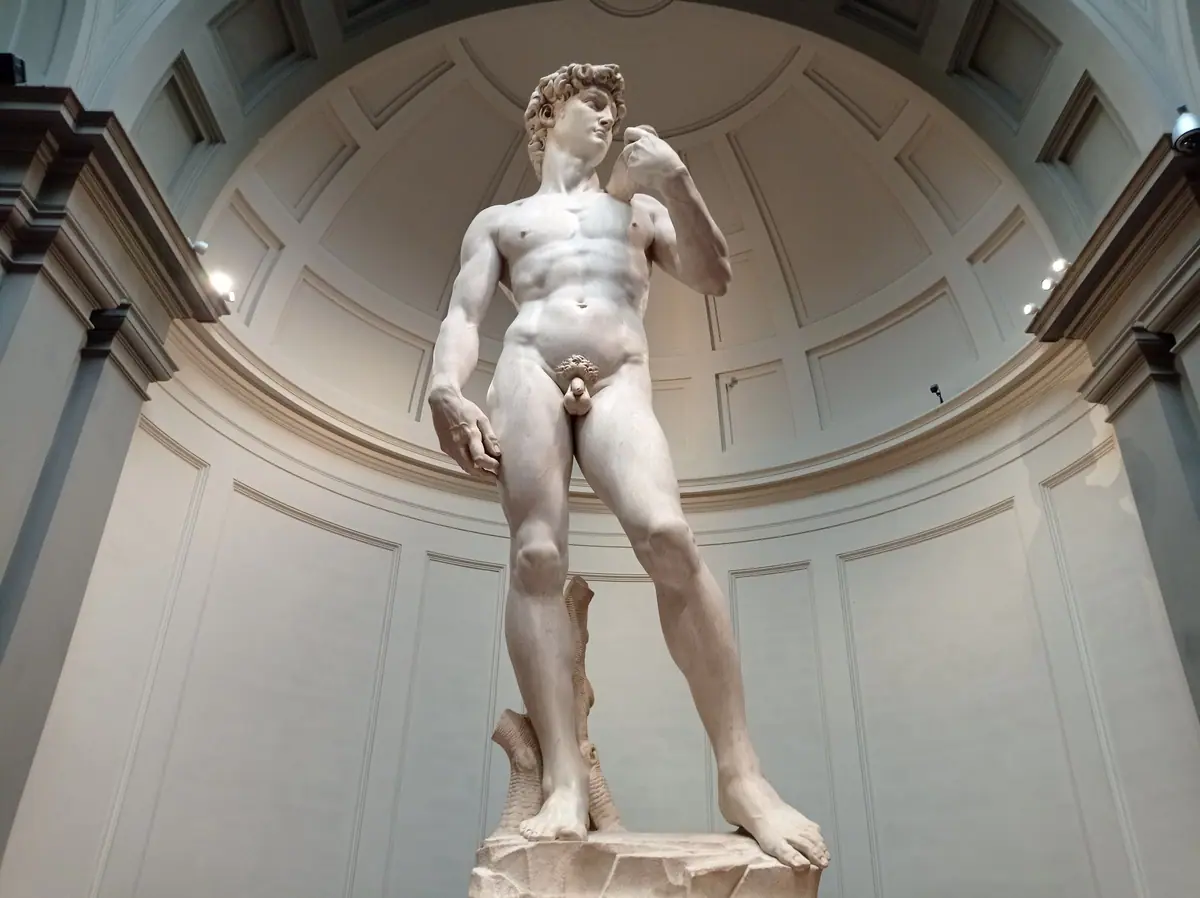 Accademia Gallery (Michelangelo's David) In the Firenze Card €29
-
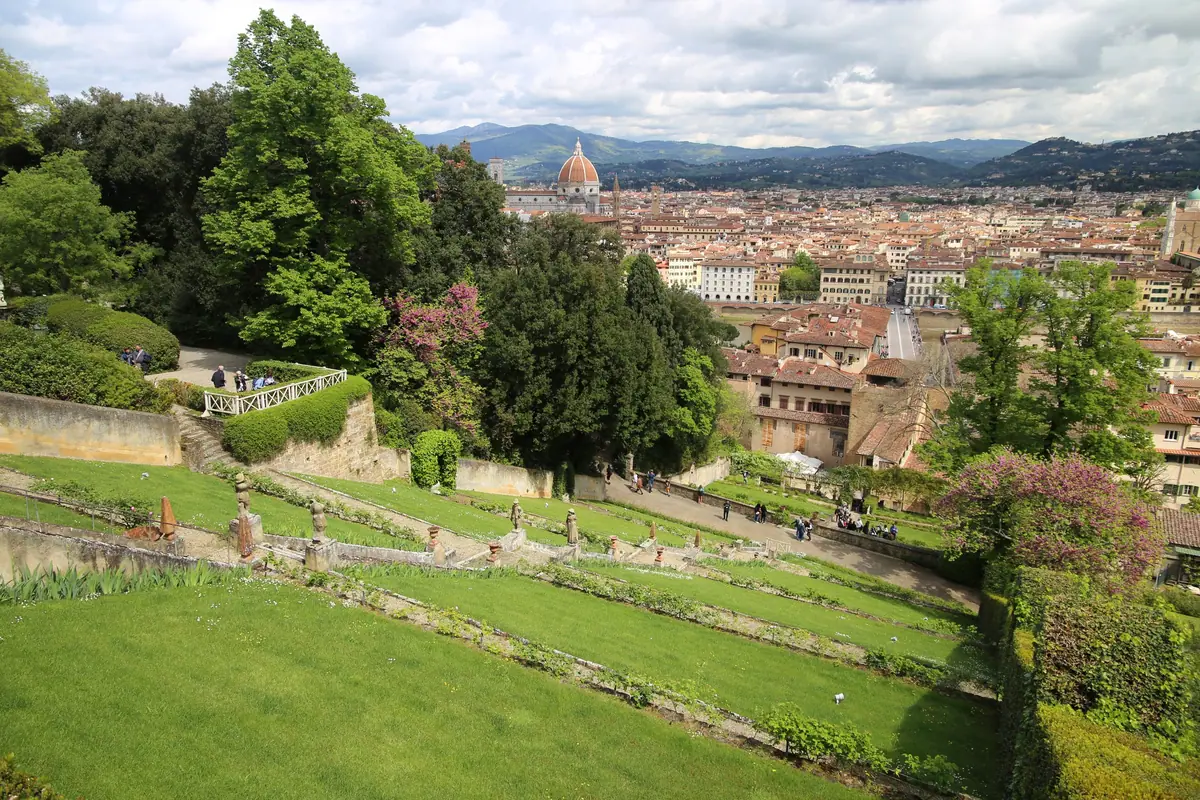 Bardini Gardens In the Firenze Card
-
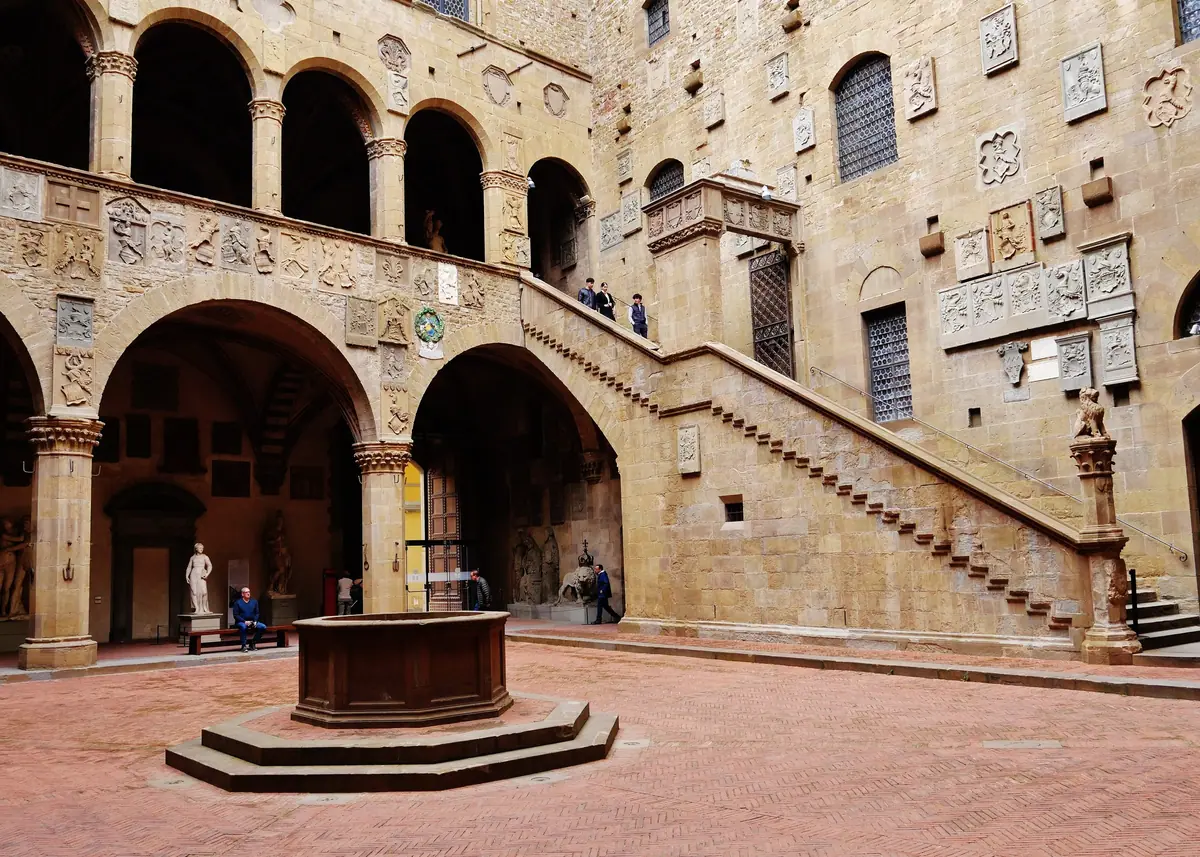 Bargello Museum In the Firenze Card €20
-
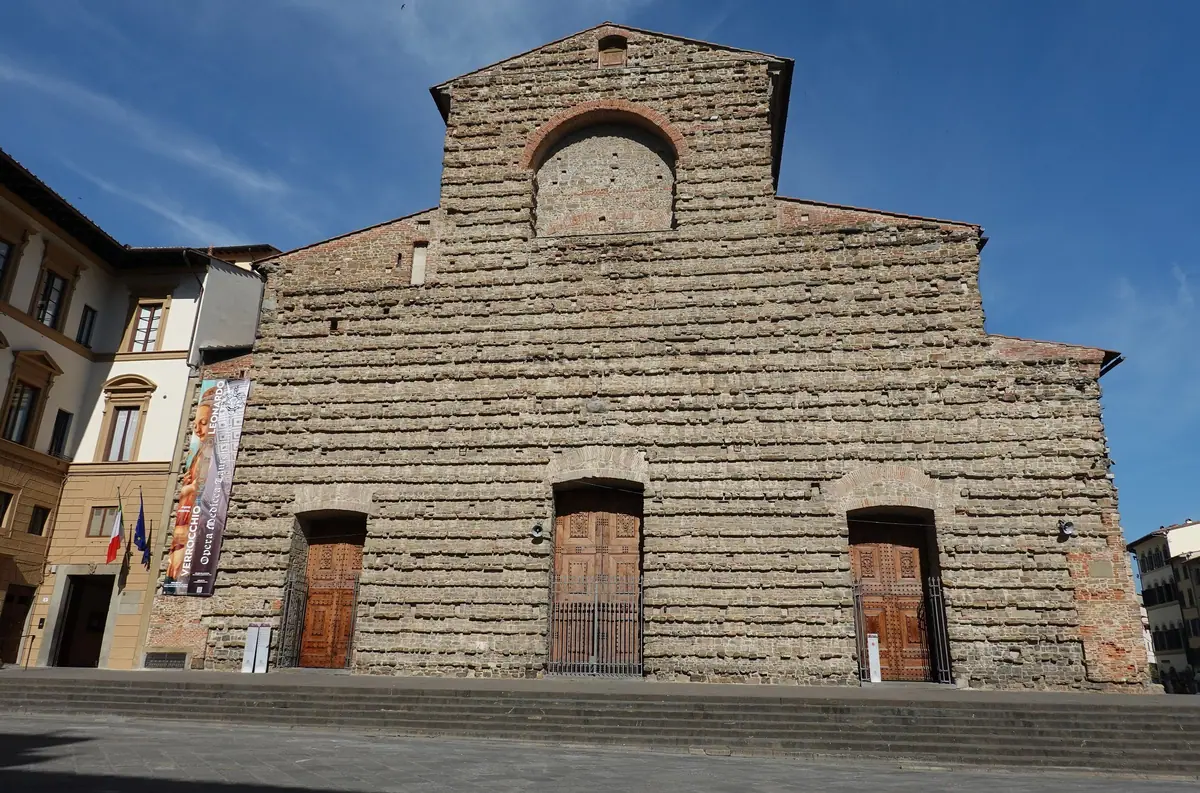 Basilica of San Lorenzo In the Firenze Card
-
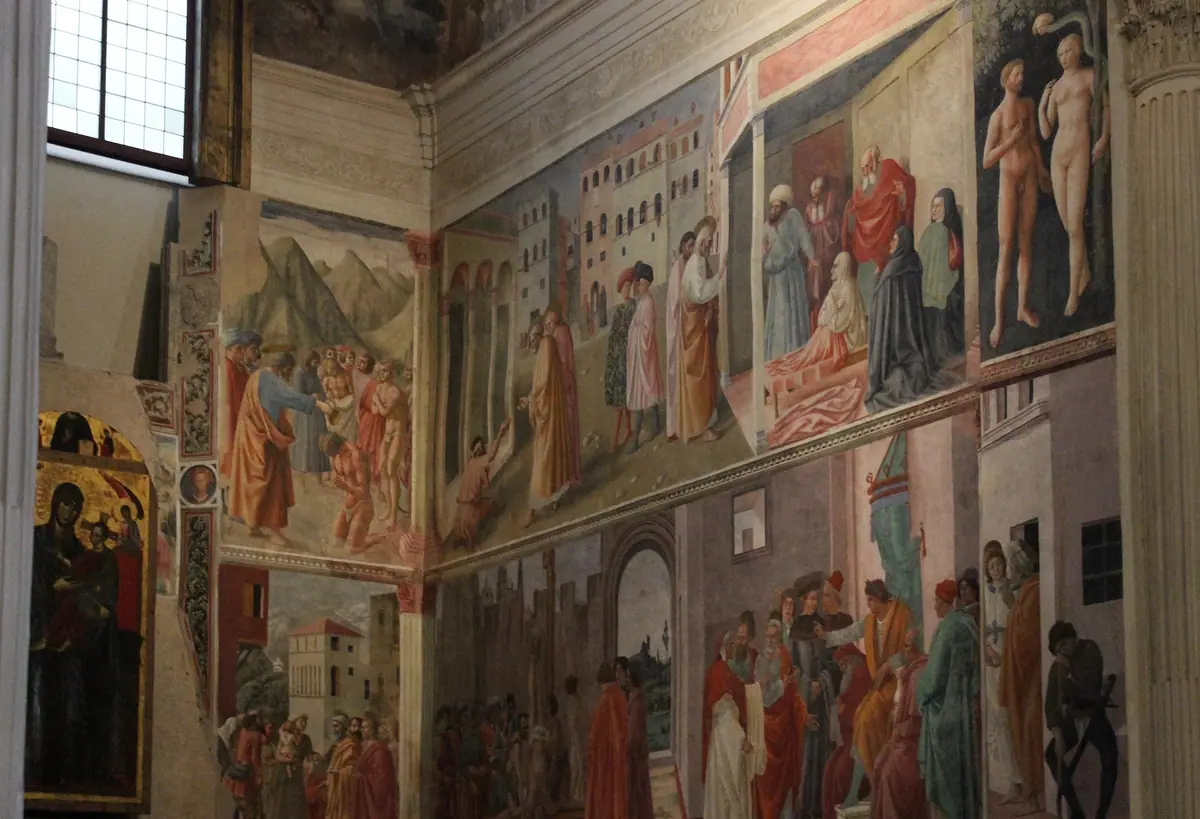 Brancacci Chapel In the Firenze Card
-
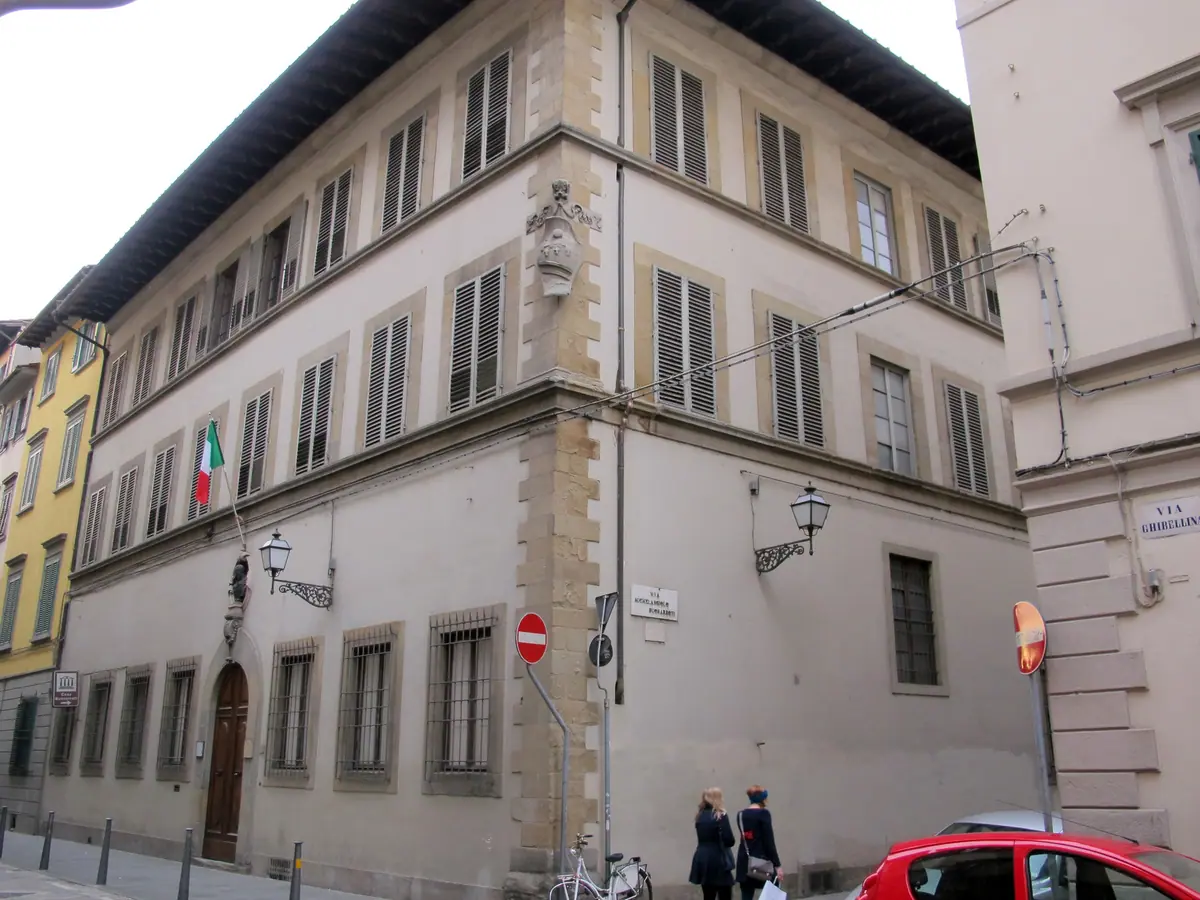 Casa Buonarroti In the Firenze Card
-
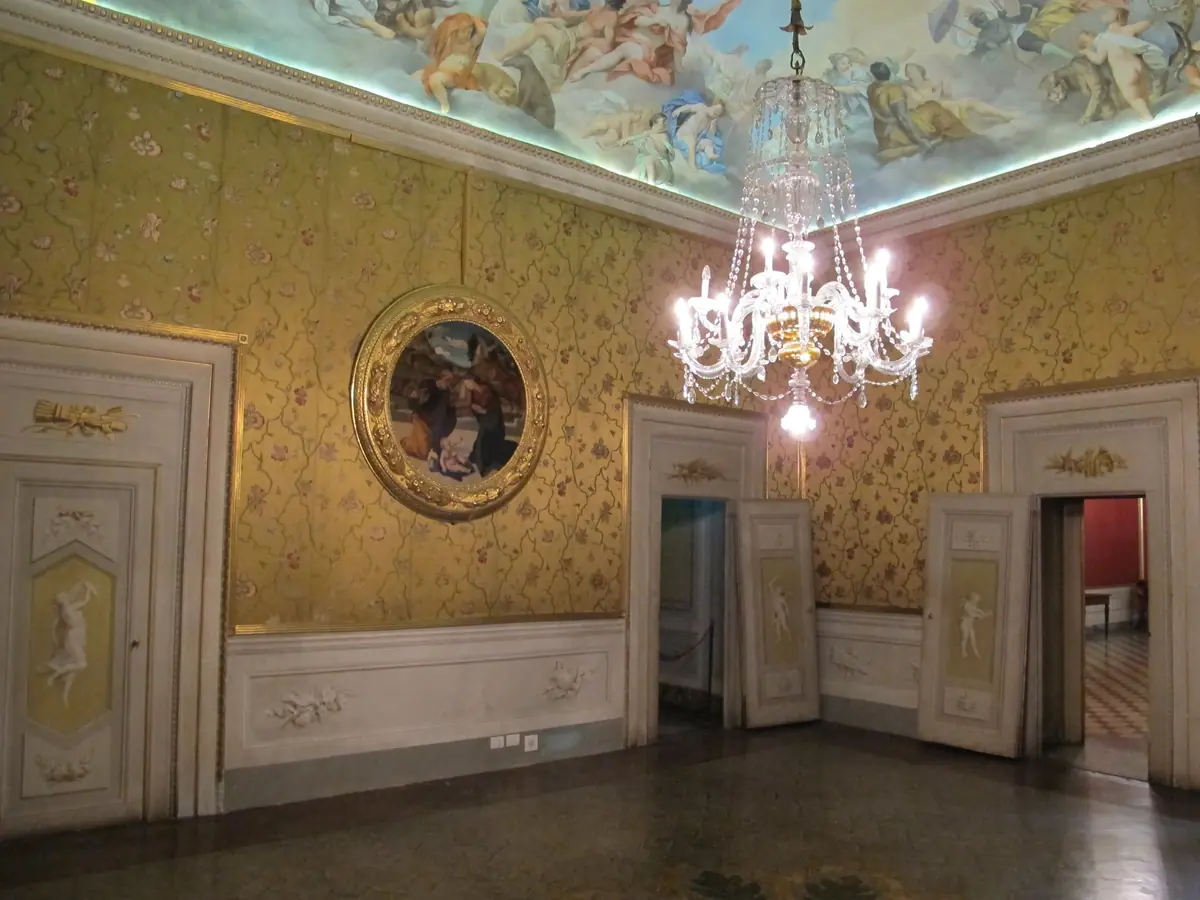 Casa Martelli In the Firenze Card
-
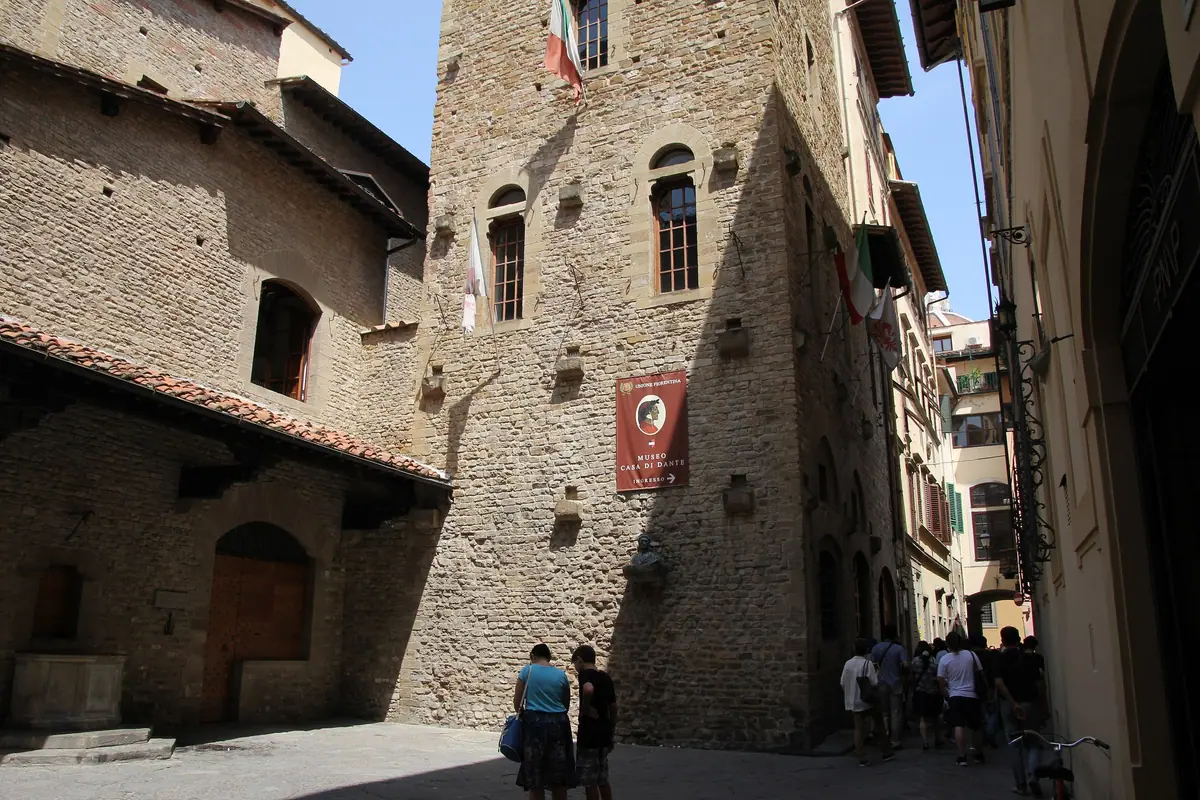 Dante's House In the Firenze Card
-
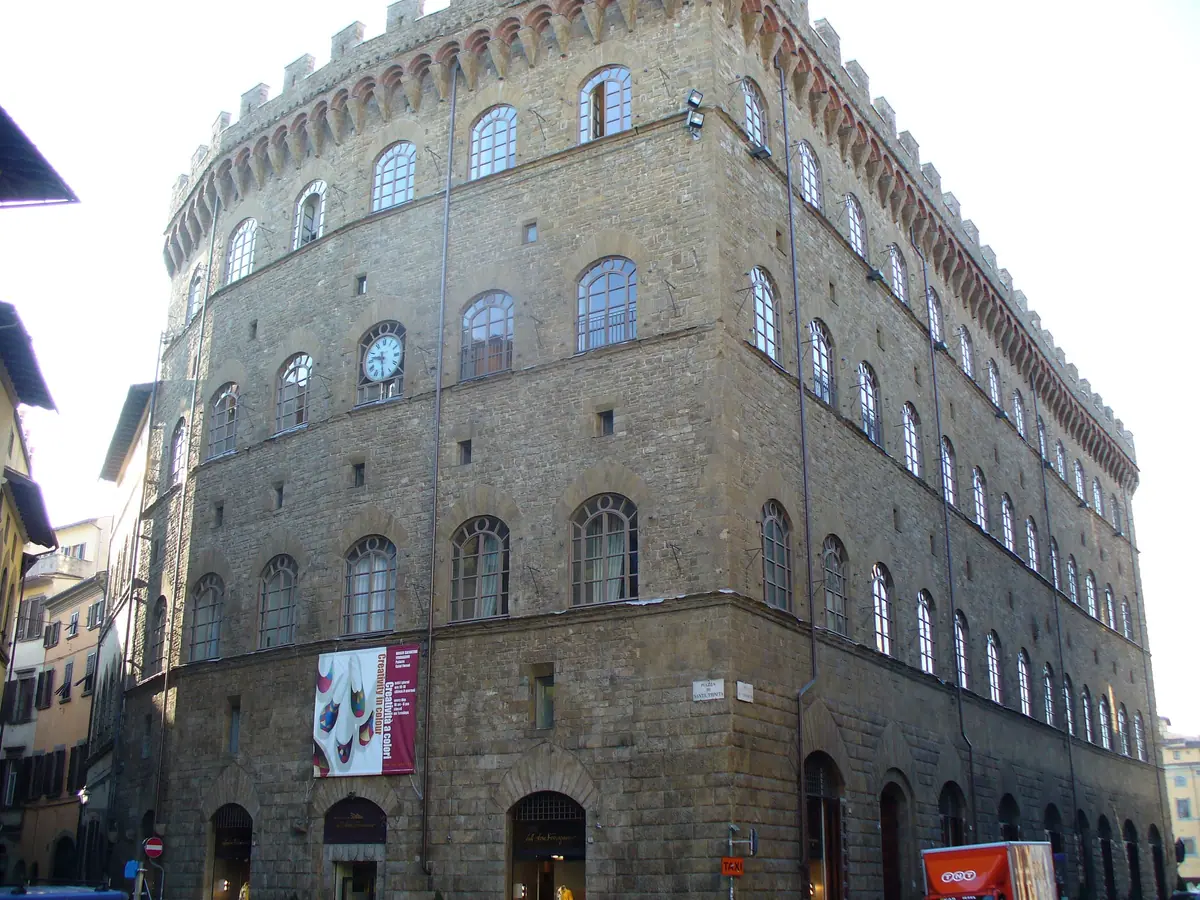 Ferragamo Museum In the Firenze Card €15
-
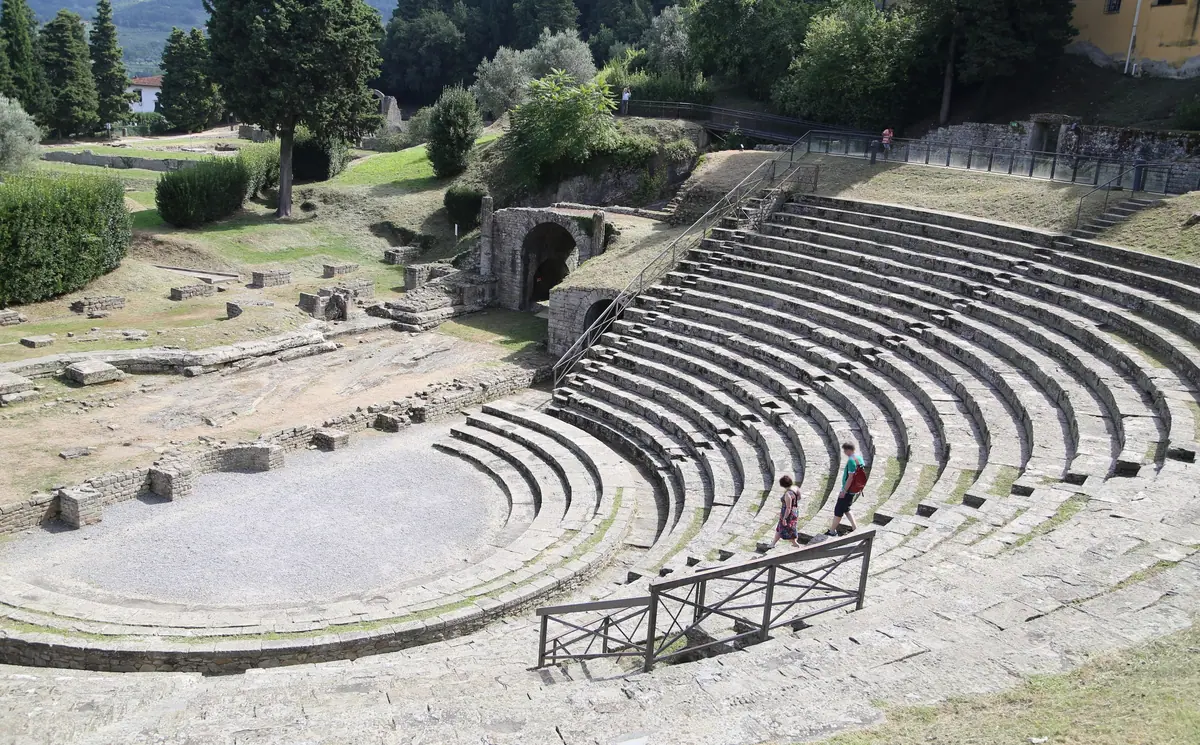 Fiesole In the Firenze Card
- Florence Cathedral and Brunelleschi's Dome €58
-
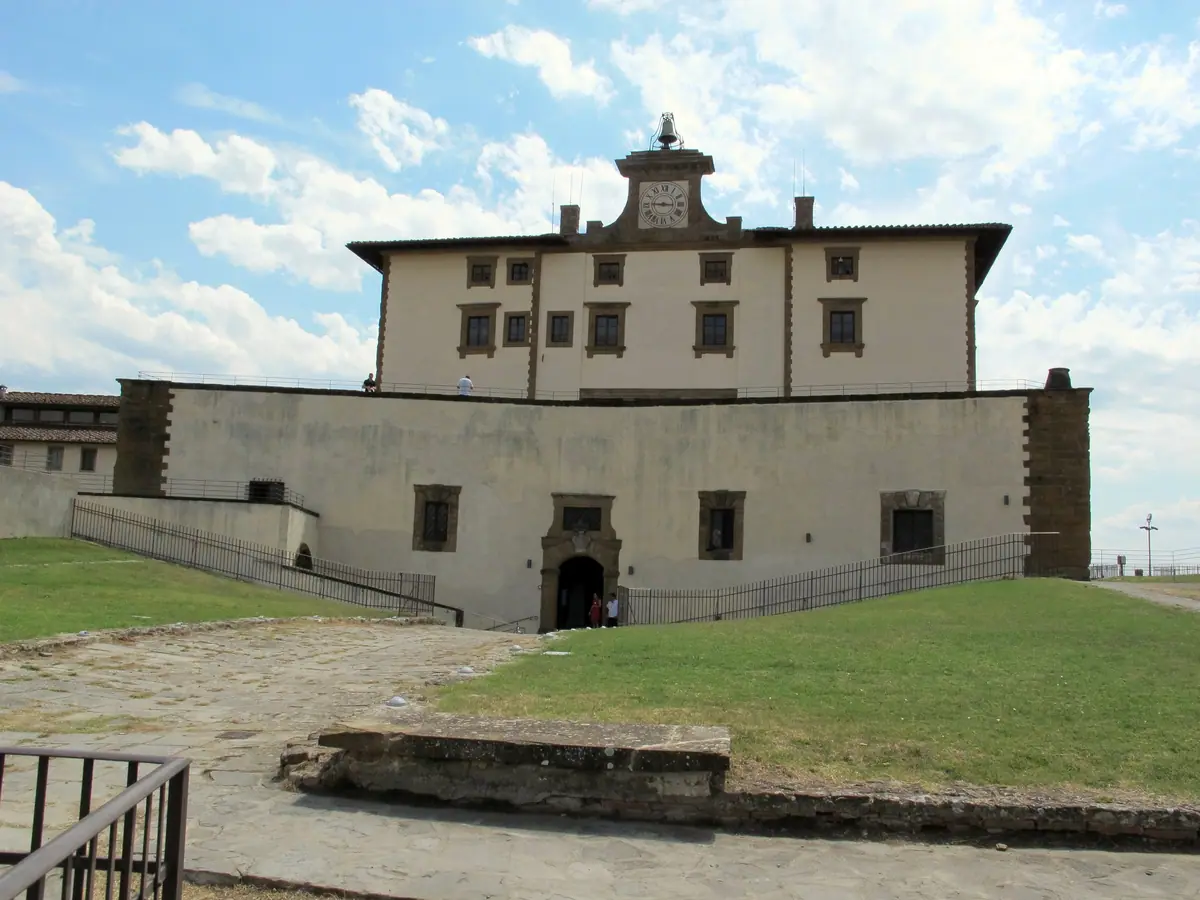 Forte Belvedere In the Firenze Card
-
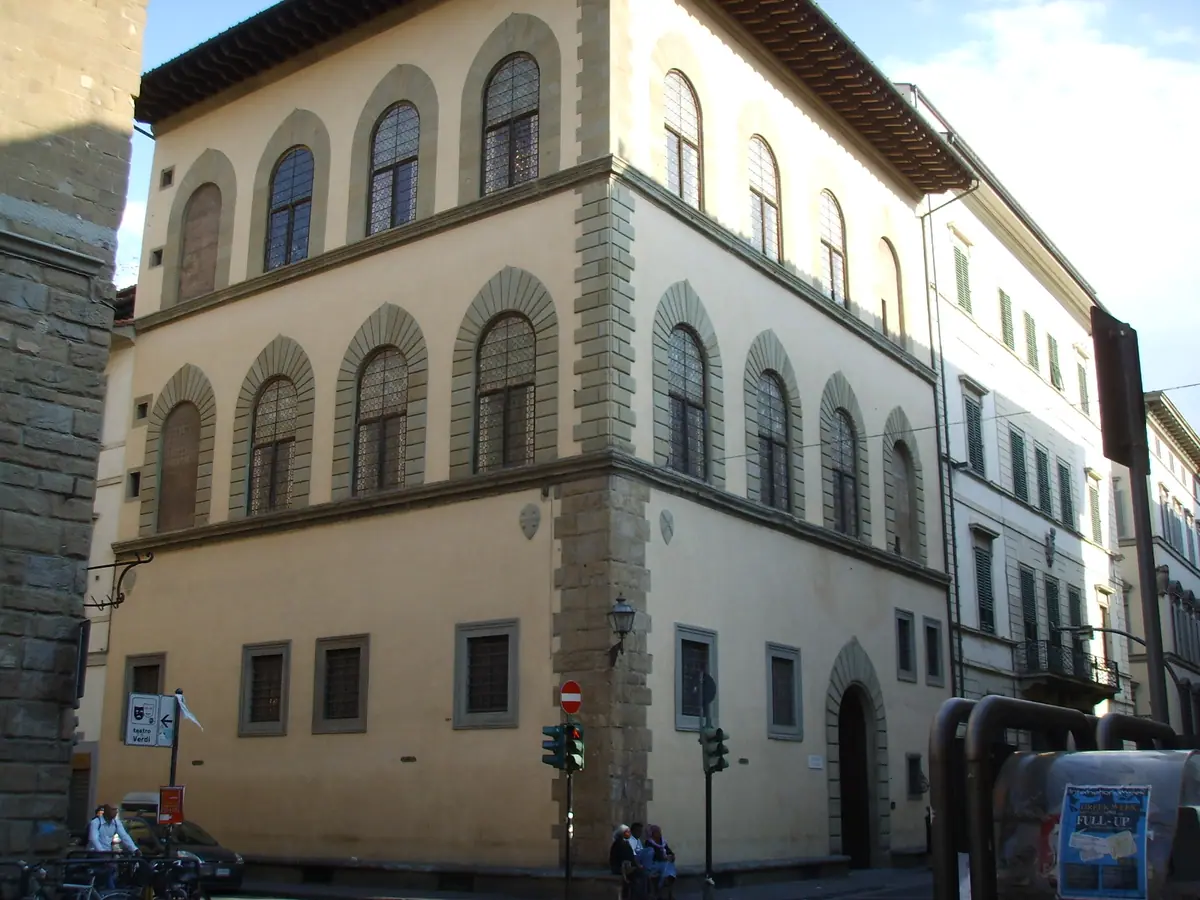 Horne Museum In the Firenze Card
-
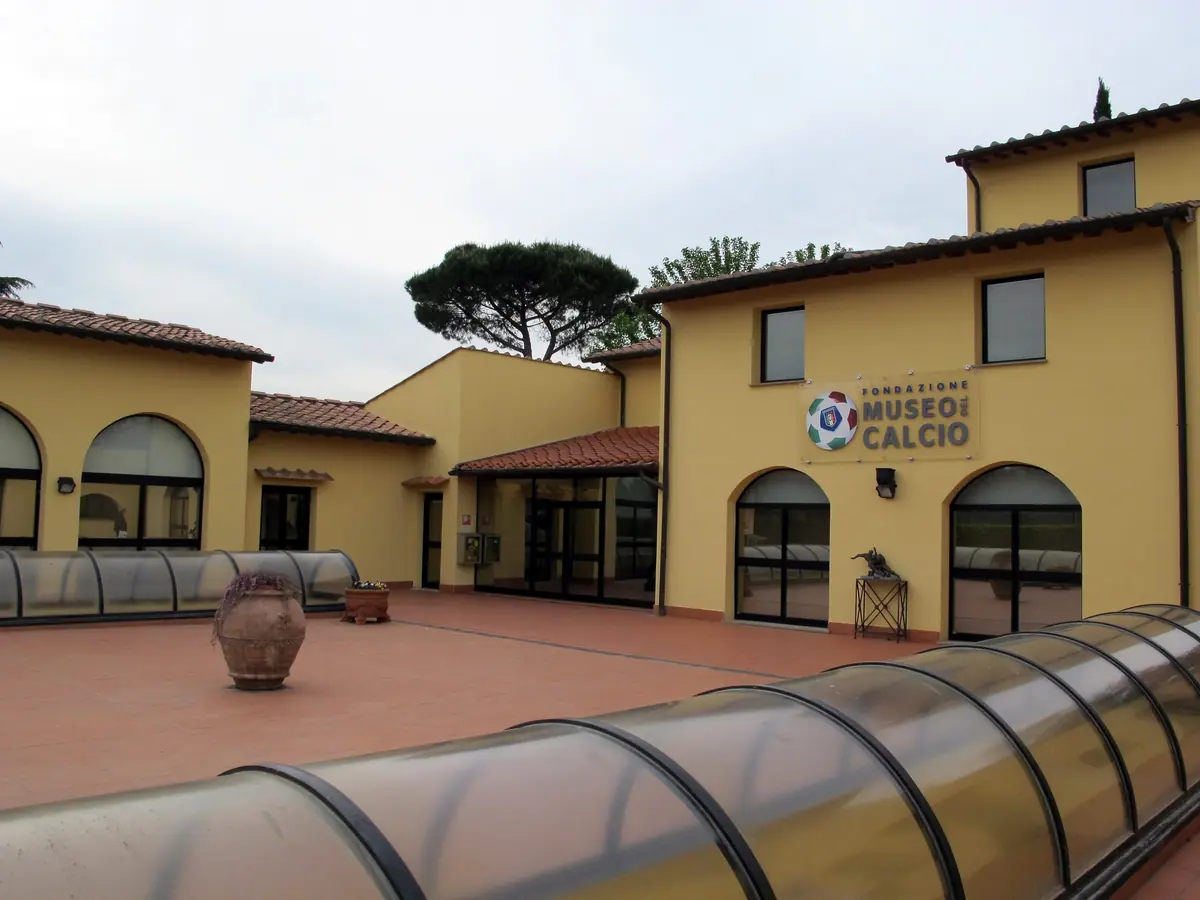 Italian Football Museum In the Firenze Card €12
-
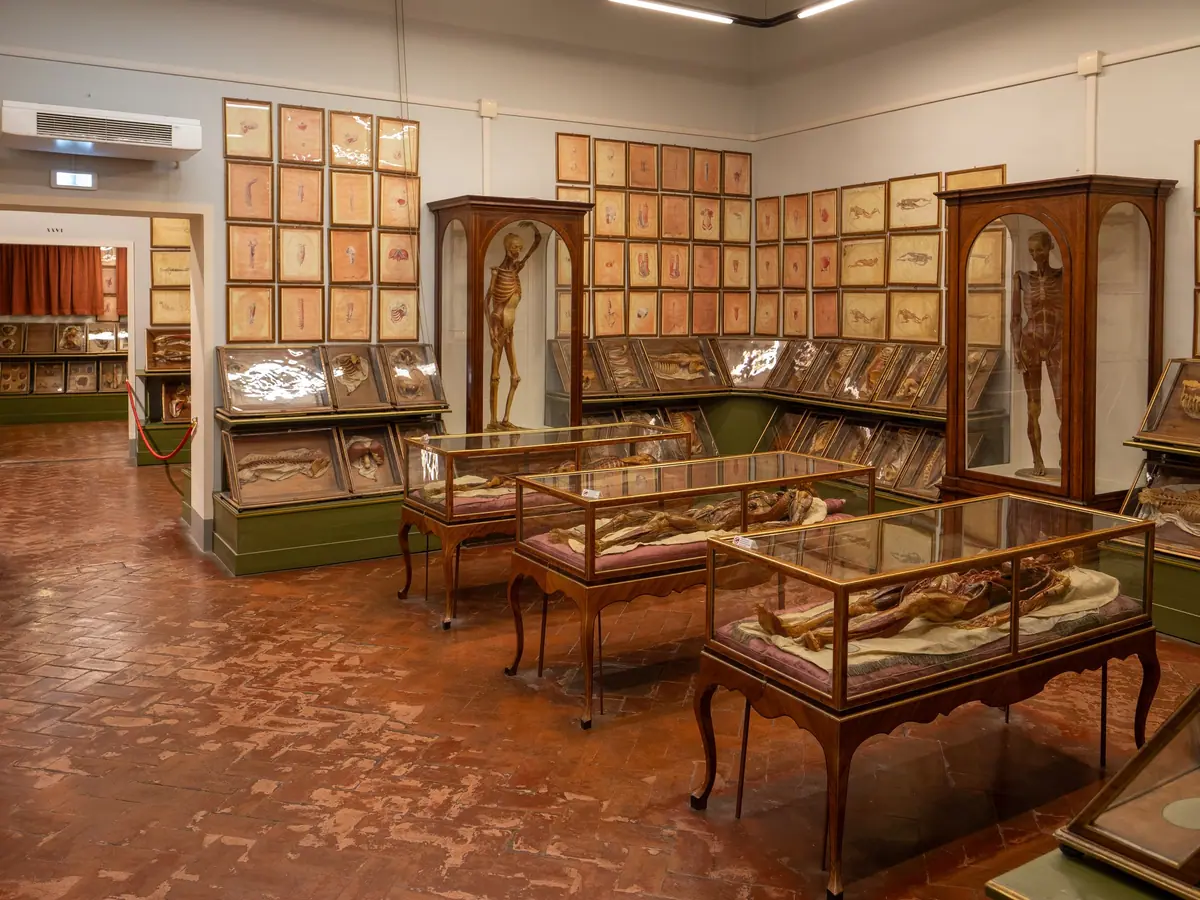 La Specola Natural History Museum In the Firenze Card
-
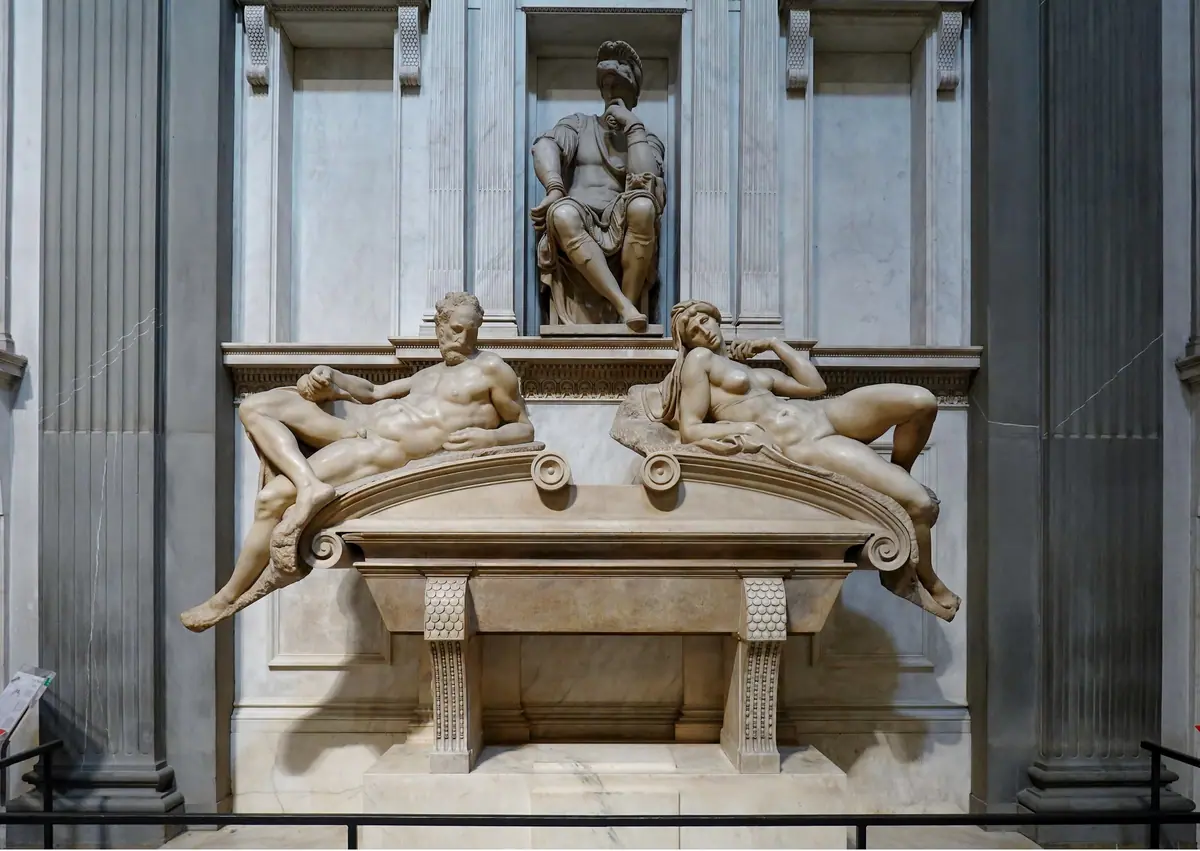 Medici Chapels In the Firenze Card €19
-
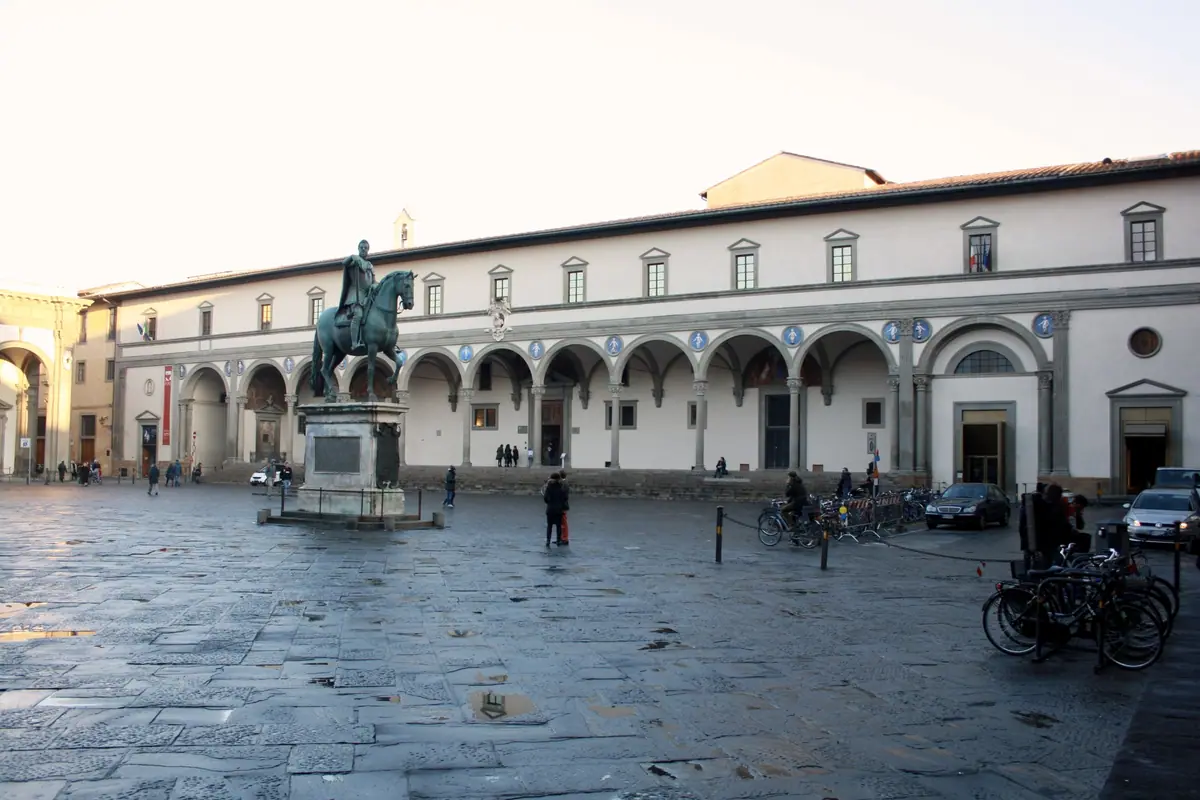 Museo degli Innocenti In the Firenze Card
-
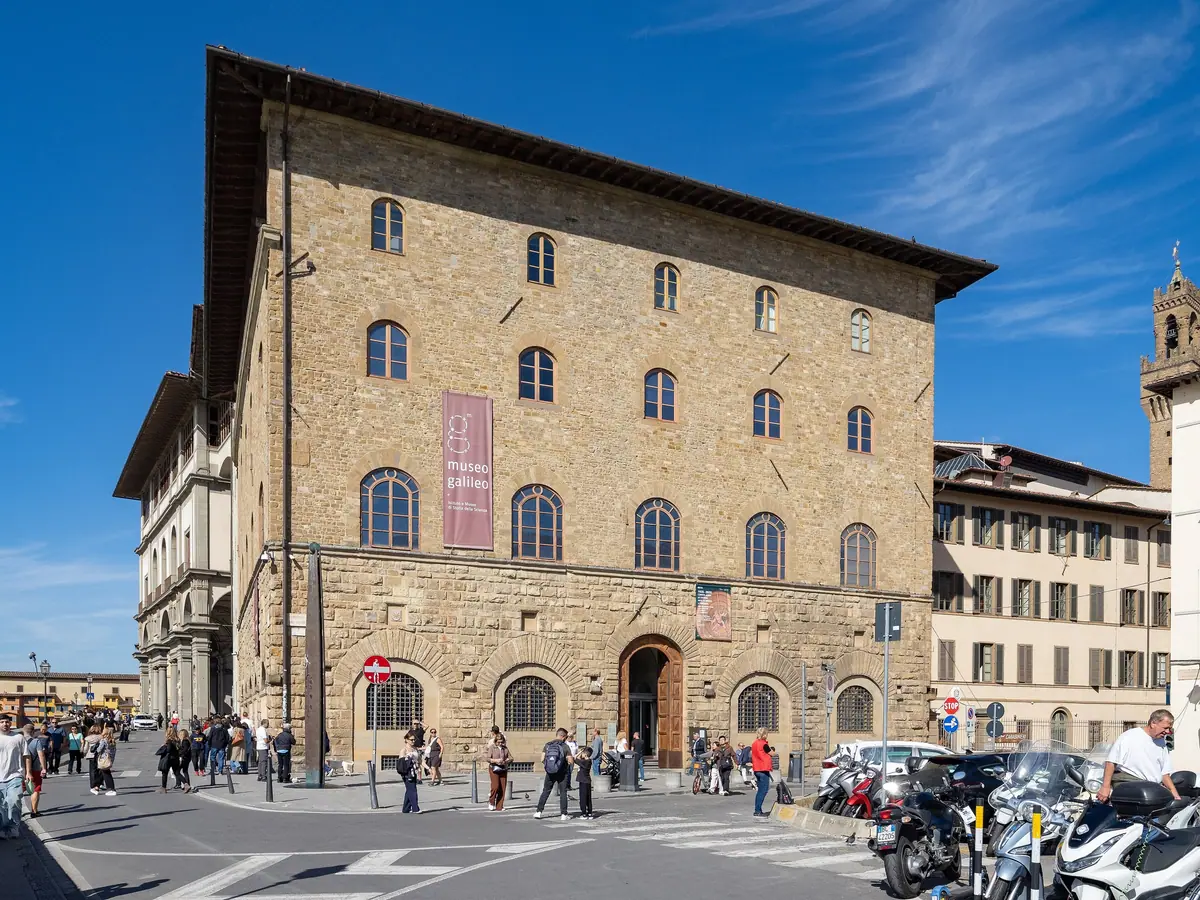 Museo Galileo (Galileo Science Museum) In the Firenze Card
-
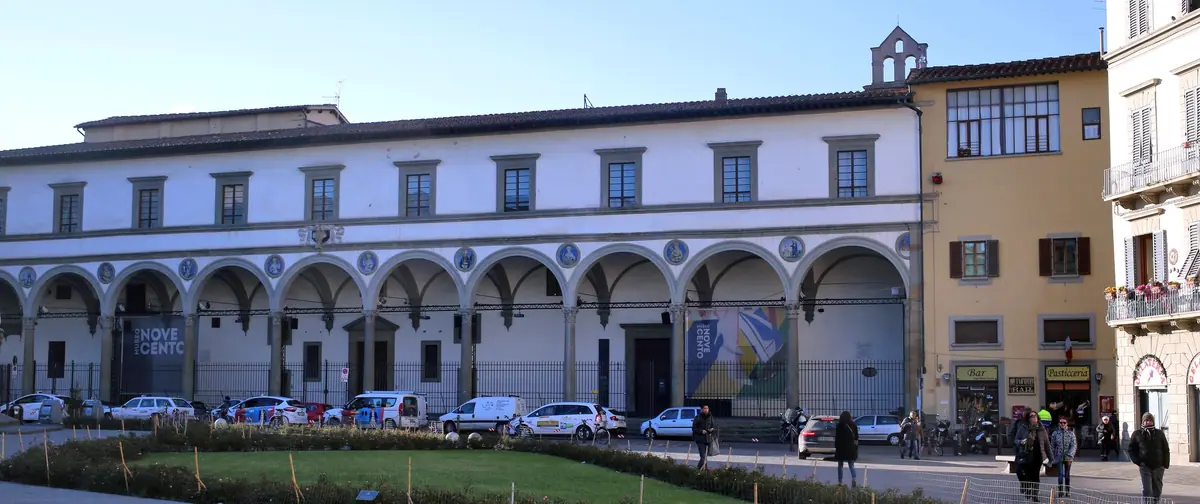 Museo Novecento In the Firenze Card
-
 National Archaeological Museum In the Firenze Card
-
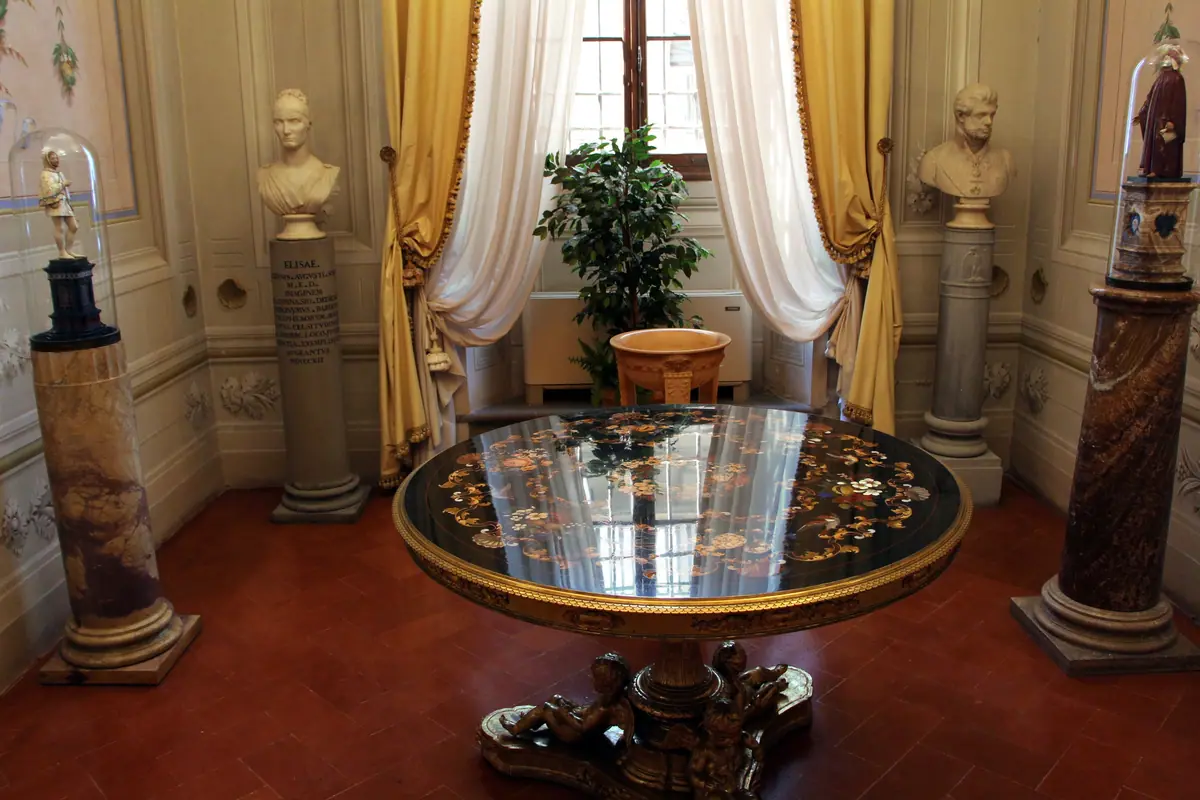 Opificio delle Pietre Dure In the Firenze Card
-
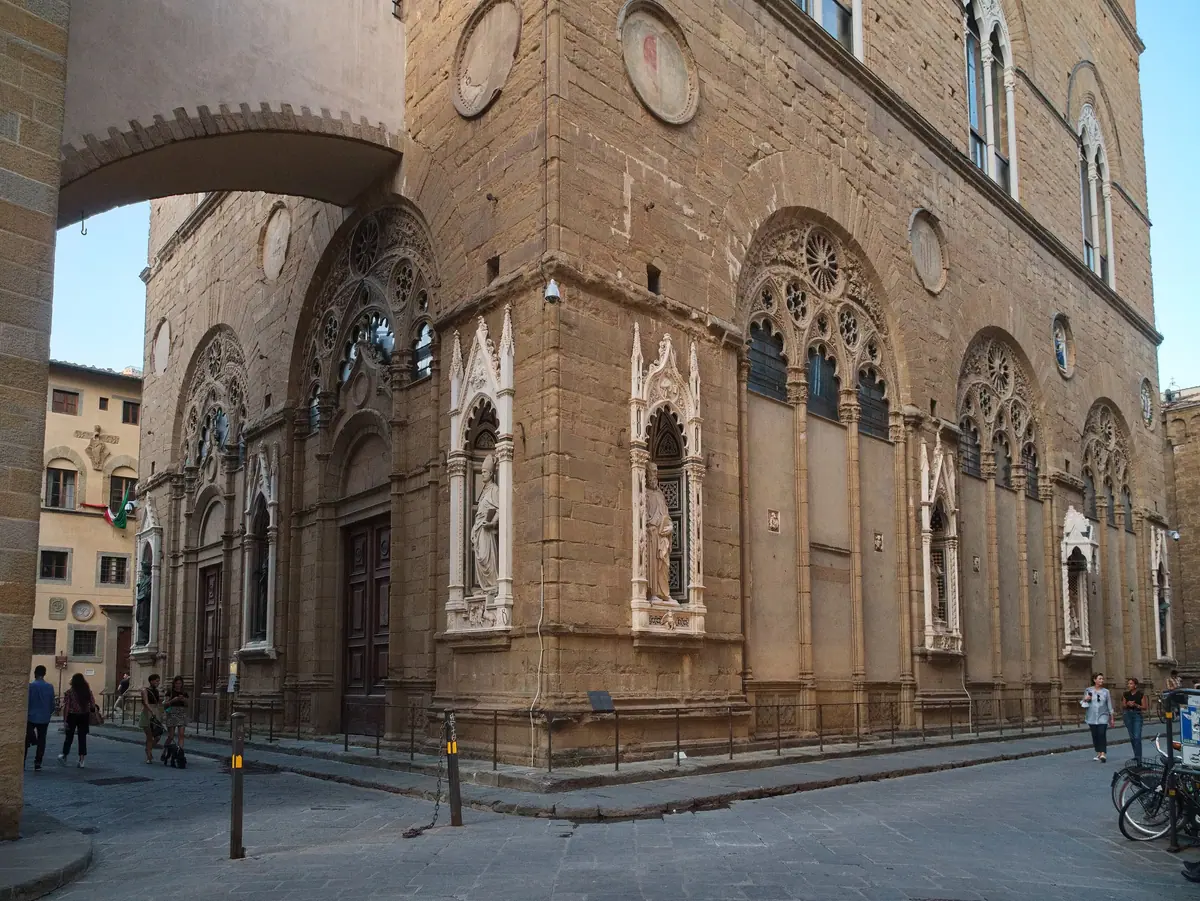 Orsanmichele In the Firenze Card €18
-
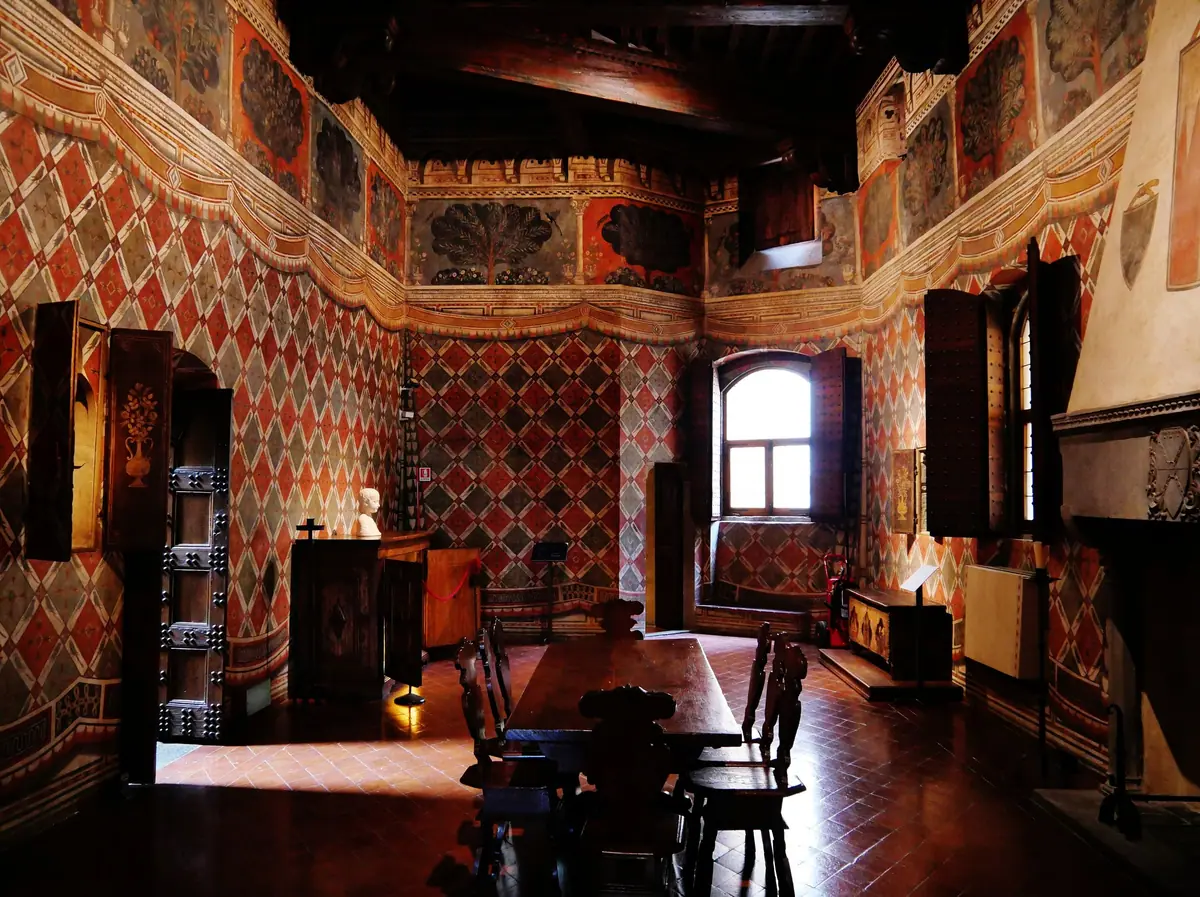 Palazzo Davanzati In the Firenze Card
-
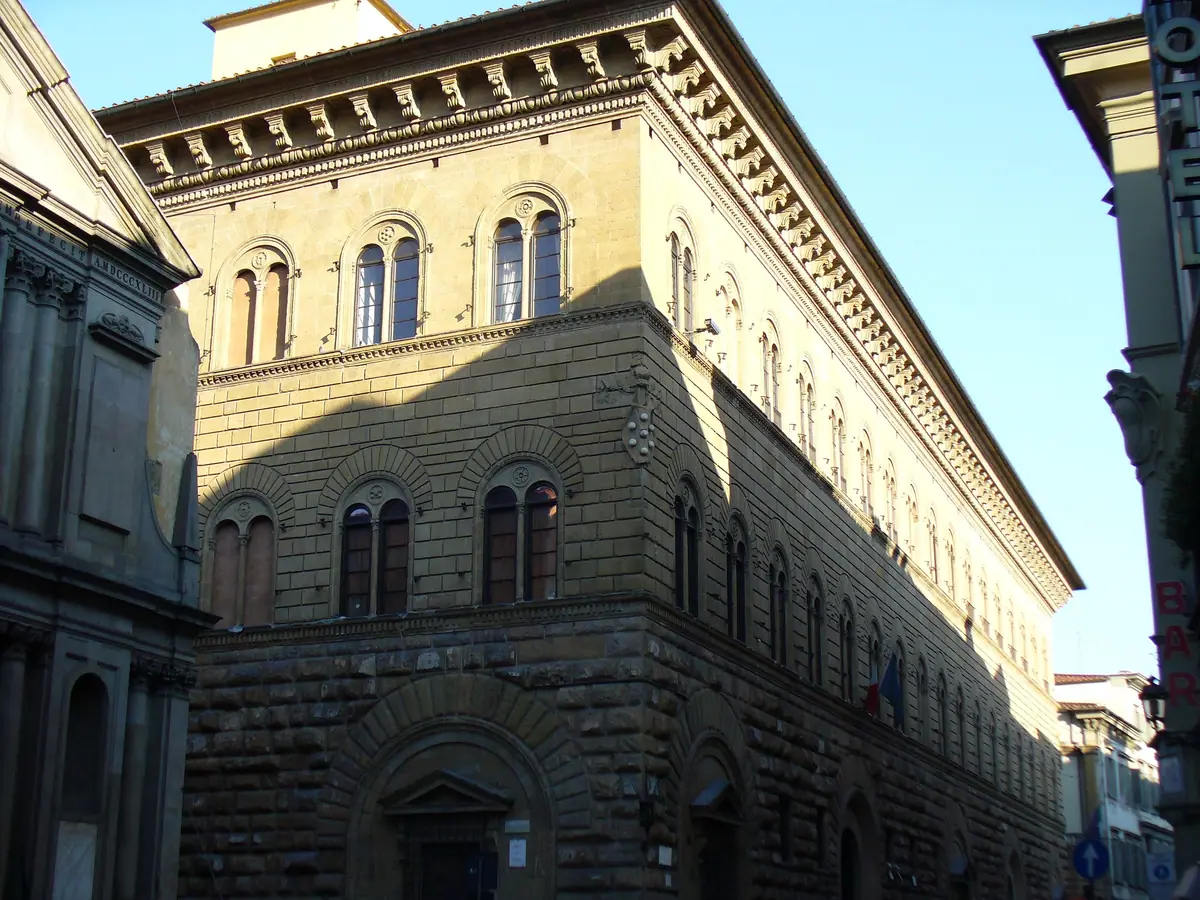 Palazzo Medici Riccardi In the Firenze Card
-
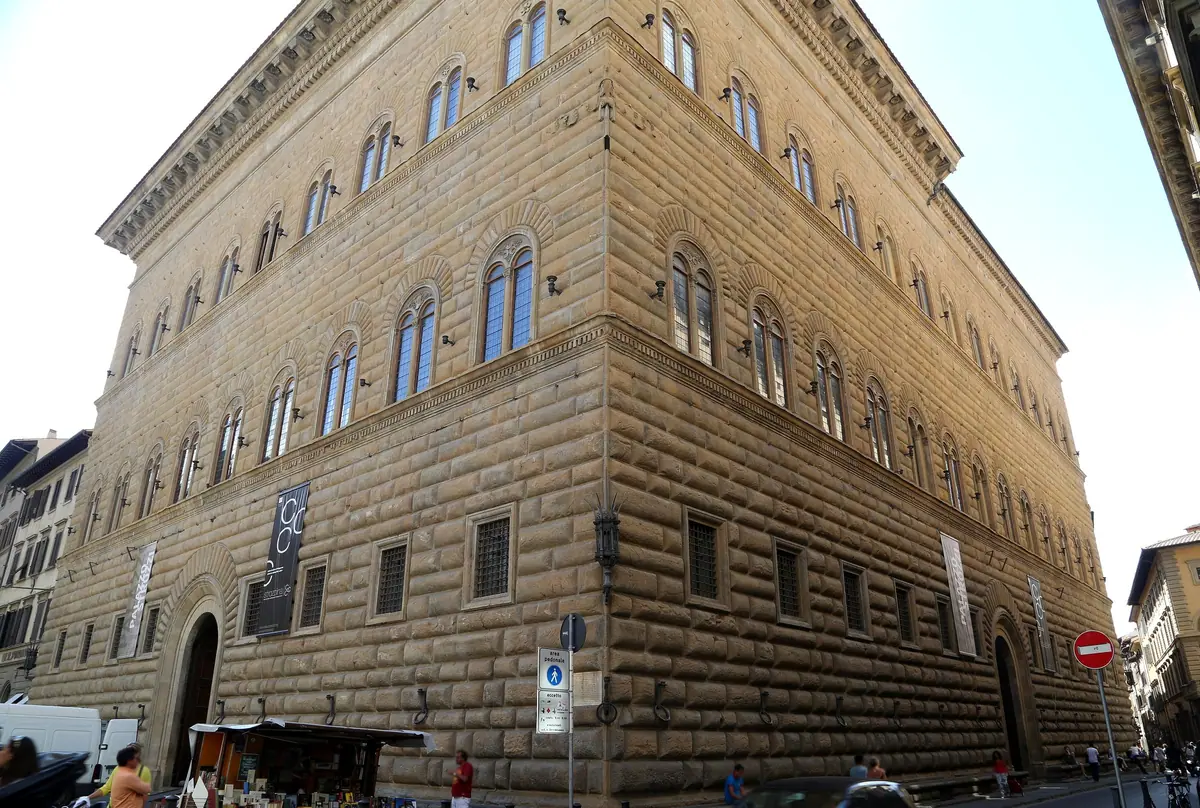 Palazzo Strozzi In the Firenze Card €21
-
 Palazzo Vecchio In the Firenze Card €30.50
-
 Pisa €25
-
 Pitti Palace and Boboli Gardens In the Firenze Card €30
-
 San Marco Museum In the Firenze Card €16
-
 Santa Croce In the Firenze Card
-
 Santa Maria Novella (church and museum complex) In the Firenze Card €17.50
-
 Siena €19.50
-
 Stefano Bardini Museum In the Firenze Card
-
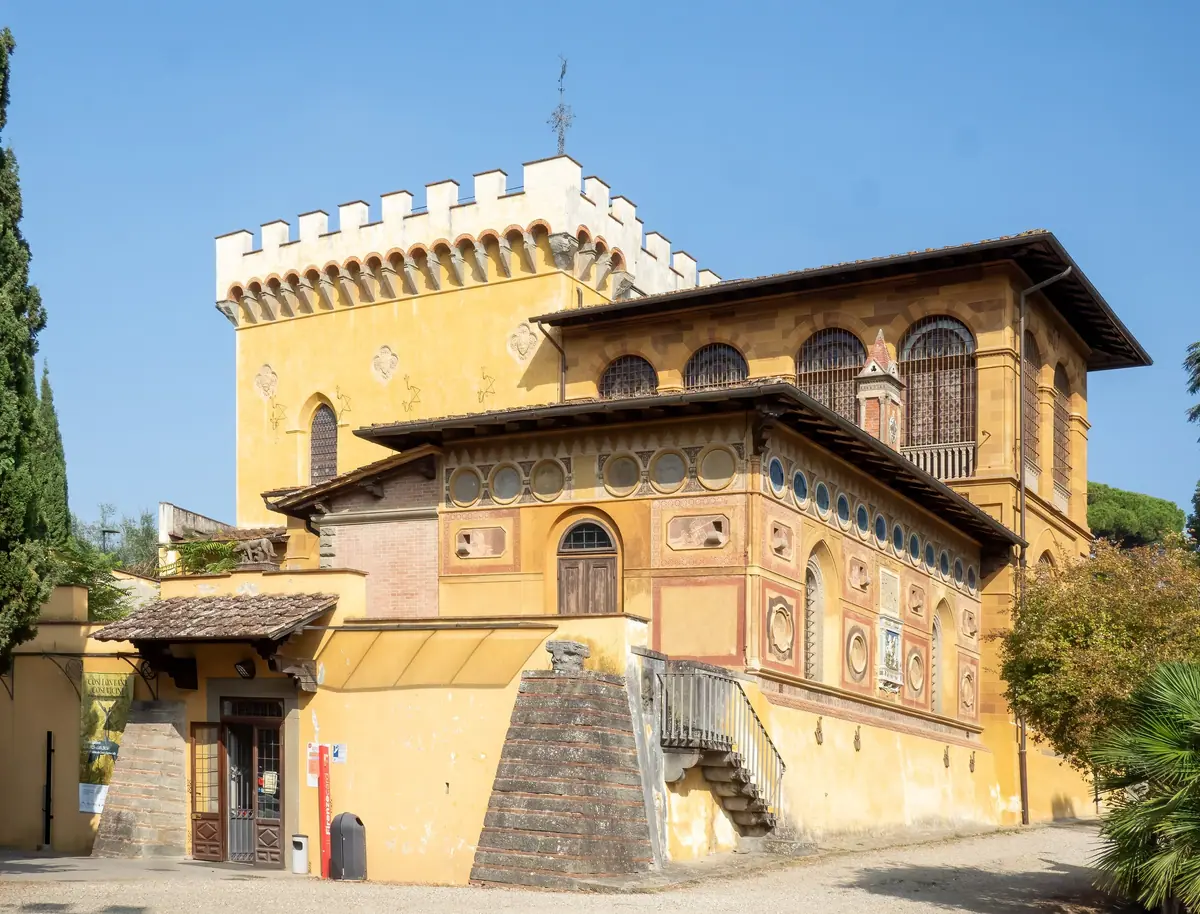 Stibbert Museum In the Firenze Card
-
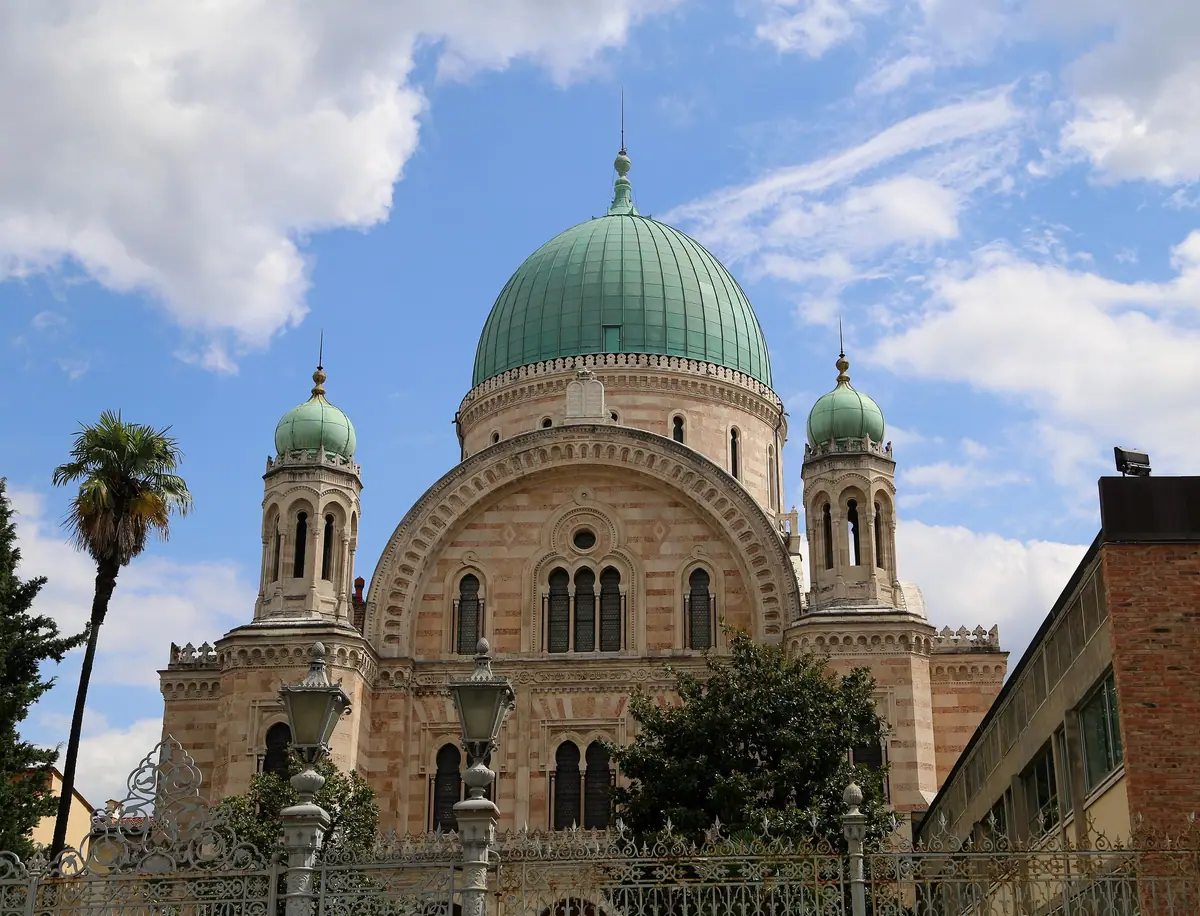 Synagogue and Jewish Museum In the Firenze Card €13
- Uffizi Gallery In the Firenze Card €25
-
 Zeffirelli Museum In the Firenze Card
City cards
Florence city cards and passes
Pick the one that fits your trip. Prices are per adult, and you choose your dates on the next page.


People also ask
Frequently asked questions
What is the number one thing to do in Florence?
Climbing Brunelleschi's dome on the Duomo: 463 steps between its two shells to the terrace at the top, on a ticket that also covers the bell tower, the Baptistery and the cathedral museum. The cathedral below needs no ticket. After the dome come the Uffizi, for Botticelli's Birth of Venus, and the Accademia, for Michelangelo's David.
Is the Firenze Card worth it?
Yes, once you're seeing four of the big museums in its 72 hours. It includes about 60 museums, once each, the Uffizi, the Accademia, Palazzo Vecchio and Palazzo Pitti among them, but not the Duomo, and for the Uffizi and the Accademia alone the two tickets cost less. It doesn't skip queues either: at the Uffizi, the Accademia, Palazzo Vecchio and the Brancacci Chapel you book a free time slot, and that booking is what takes you through the priority door.
What can you do for free in Florence?
Walk across the Ponte Vecchio at any hour, go up to Piazzale Michelangelo for the sunset and carry on to San Miniato al Monte, the Romanesque church above the square, where entry is free. From Monday to Saturday you can also walk into the cathedral without a ticket; on Sundays it's closed to visitors. On the first Sunday of the month Italy's state museums are free for everyone, among them the Uffizi, the Accademia, the Bargello, the Medici Chapels, San Marco and Palazzo Pitti with the Boboli Gardens, and the next one falls on 6 December 2026. Under-18s go into those museums free on any day, and into Palazzo Vecchio too. The free first Sunday doesn't apply at Palazzo Vecchio, Santa Croce or Santa Maria Novella.
What's closed in Florence on Mondays?
The Uffizi, the Accademia, the Bargello, the Medici Chapels, the Museo di San Marco and Palazzo Pitti. On a Monday you can still walk into the cathedral and climb the dome, and Palazzo Vecchio, San Lorenzo, Santa Croce, Santa Maria Novella, the Brancacci Chapel and Fiesole are open, as are the Boboli Gardens, except on the first and last Monday of the month.
Do you need to book the Duomo, the Uffizi and the Accademia?
For the dome, yes: every climb has a set time, the ticket is in your name and the time can't be moved, though the cathedral itself needs nothing booked. At the Uffizi and the Accademia booking isn't compulsory, but it fixes your time, and the Accademia warns that the wait without one may be long. With the Firenze Card you have to book both, free of charge, the Uffizi online or by phone and the Accademia by phone or at a ticket office.