
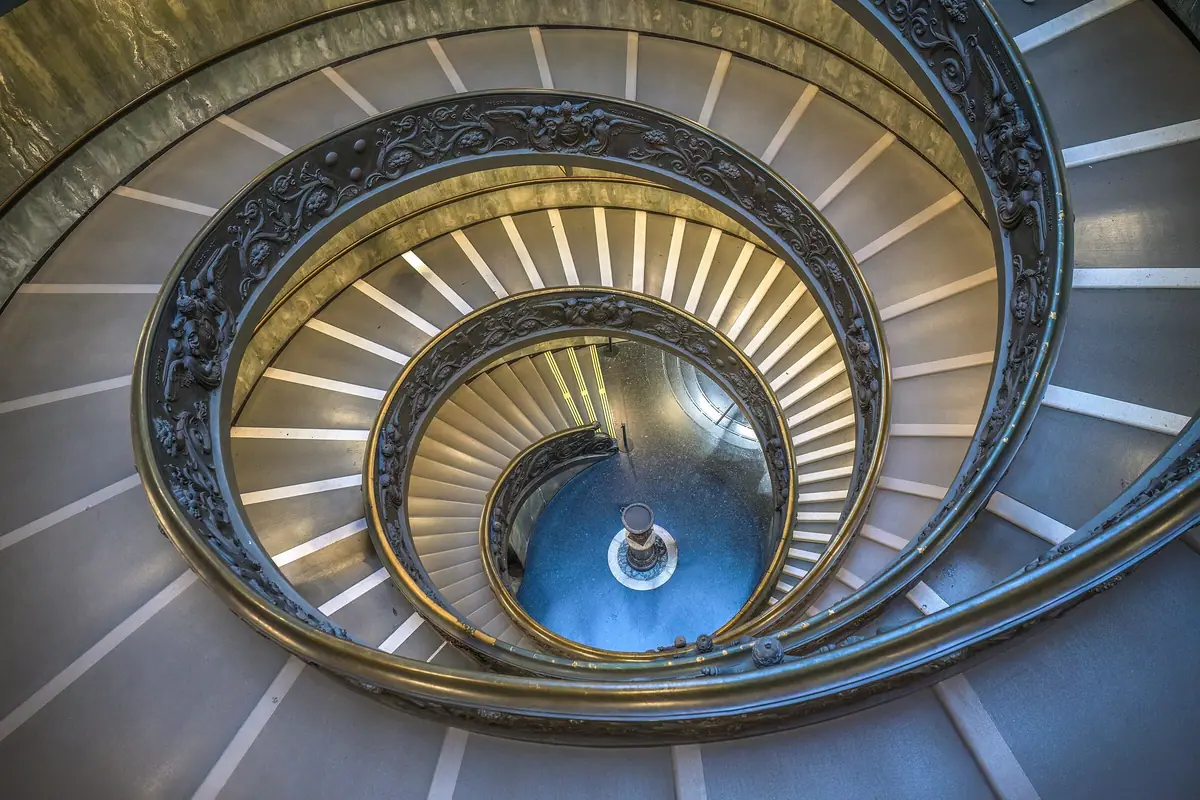
Rome · Vatican City Pass
Vatican Museums and Sistine Chapel
Michelangelo's ceiling, in a chapel where even a whisper is too loud.
Rome's Vatican Museums are the only way into the Sistine Chapel, where Michelangelo painted the ceiling between 1508 and 1512. The same visit takes in the Raphael Rooms, with the School of Athens, and ancient statues such as the Laocoön. One ticket covers the museums and the chapel, and several Rome passes include it, the Omnia Card among them.
Before you go
- Time inside2–3 h
- ClosedSunday
- Best timeLate afternoon
TipTravel guides suggest a late slot, staying until the rooms start clearing 30 minutes before closing; Saturdays, Mondays, rainy days and the free last Sunday are the busiest.


Which Vatican Museums ticket to buy, and what each option gives you
The Sistine Chapel has no ticket of its own: you reach it from inside the museums, and one ticket covers both. Entry to St Peter’s Basilica is free for everyone, so the museums are what you buy a ticket for. Children under 7 go in free, and so does everyone on the last Sunday of the month. From 7, children and students up to 25 pay a reduced price, with proof of age or a student card.
About 7 million people visited in 2025, and the museum’s director says that in high season demand is double the number of places, so book as soon as your dates are fixed. Tickets carry each visitor’s name, and they can’t be refunded or moved to another day.
The ticket we sell is the Vatican Museums and Sistine Chapel fast-track ticket, from €35, with an entry time you book up to about two months ahead. At checkout you choose one of three options, and that starting price is the Fast Track’s:
The three options on the fast-track ticket
- Fast Track
- Fast-track entry to the museums and the Sistine Chapel, with the Rome City audio guide app; the version with the museum's official audio guide costs more
- Hosted Entry
- Fast-track entry with a host who meets you, no guide or audio guide, and a price that changes with the time you pick
- Fast Track + Sightseeing Bus
- Fast-track entry to the museums and the Sistine Chapel, and a day on a hop-on hop-off sightseeing bus
On your own, the Fast Track does the job, and the version with the museum’s official audio guide costs more. The hosted entry is for when you’d like someone to meet you and take you in. You meet your host 15 minutes before, and its times run later into the afternoon than the Fast Track’s. The bus version makes sense if you’d spend the rest of the day on a hop-on hop-off bus anyway.
With a guide, there’s a tour that takes in St Peter’s as well. The three-hour guided tour of the museums, the Sistine Chapel and St Peter’s Basilica starts at €68.40, and the price depends on the operator and the time you pick. It comes with headsets, runs in English, French, German, Italian or Spanish, and promises special access at the basilica, though the basilica’s security check is the same for everyone. You meet the guide outside the museums’ entrance 30 minutes before; everyone needs ID, children too, and wheelchairs aren’t allowed.
The other ticket pairs the Vatican with the Pantheon. You get fast-track entry to the museums and the chapel first, then a booked entry at the Pantheon, with an escort to the Pantheon’s entrance but no guide. It’s from €59. You meet at the Touristation office at Viale Vaticano 97, 15 minutes before, and latecomers aren’t taken.


Vatican Museums and St Peter’s Basilica on the same day
With an ordinary museums ticket there’s no way through from the Sistine Chapel to St Peter’s Basilica: you leave the museums, walk about 1 km, around 13 minutes, to St Peter’s Square and join the basilica’s own security queue. Entry is free. A passage from the chapel does turn up on some guided tours, but it’s irregular: travellers’ reports say not to count on it, and the museums’ only official word on it, from December 2021, says it will stay closed until further notice.
St Peter's after the museums
- 1Security: the basilica has its own check, run by the Italian police, on the right-hand side of the square as you face the church.
- 2Dress: shoulders covered for everyone, long trousers for men, and trousers or a skirt below the knee for women.
- 3Opening hours: 7:00 to 19:00 until 28 March 2027.
The basilica opens an hour before the museums and, in winter, closes an hour before them, so with an afternoon slot at the museums you can see St Peter’s in the morning. The basilica has no cloakroom, so on a day with both, leave big bags at your hotel.
On some Rome passes, St Peter’s comes with something extra: a booked entry with an audio guide, a guided visit or a ticket for the dome.
Rome passes with the Vatican Museums, and how each one books it
The Roma Pass doesn’t include the Vatican Museums. The passes that do each handle it differently, and none of them lets you walk in without a booked time.
-
Omnia Card 24h
Priority entry and a day on the hop-on hop-off bus; you choose your time as you buy
from €70
Buy pass→ -
Omnia Card 72h
Priority entry, the bus and a Roma Pass for adults (which doesn't cover the Vatican); time chosen as you buy
from €149
Buy pass→ -
Rome Tourist Card
One choice: fast-track or hosted entry, or Castel Sant'Angelo instead; each ticket has its own time
from €89
Buy pass→ -
Vatican City Pass
One choice: skip-the-line, hosted entry or a guided tour in English, chosen as you buy
from €64
Buy pass→ -
Go City Rome Explorer Pass
Counts as one of your choices; book ahead, or the pass isn't accepted
from €89
Buy pass→ -
Turbopass Rome City Pass
Included, and Turbopass books your time
from €144.90
Buy pass→


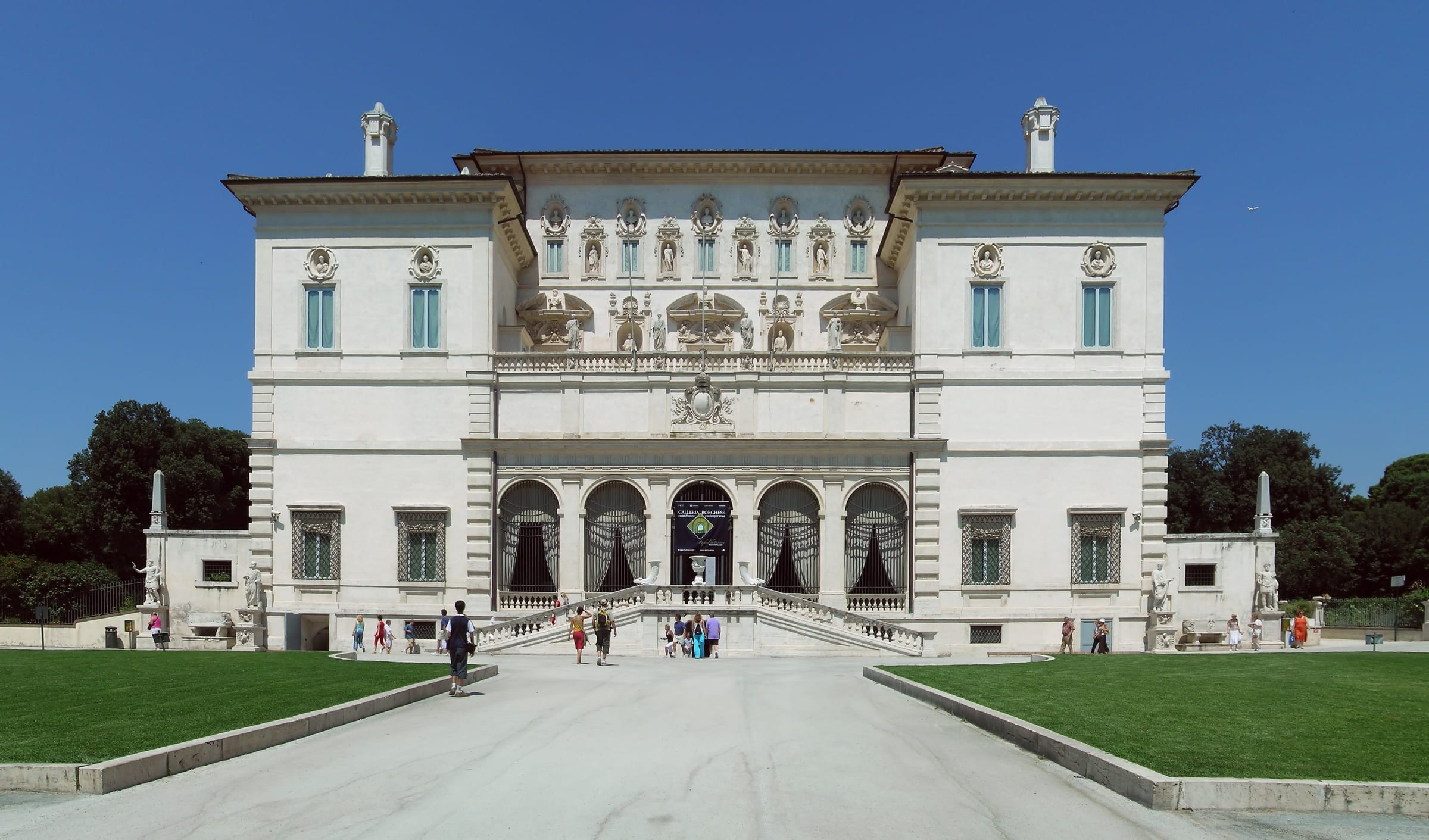
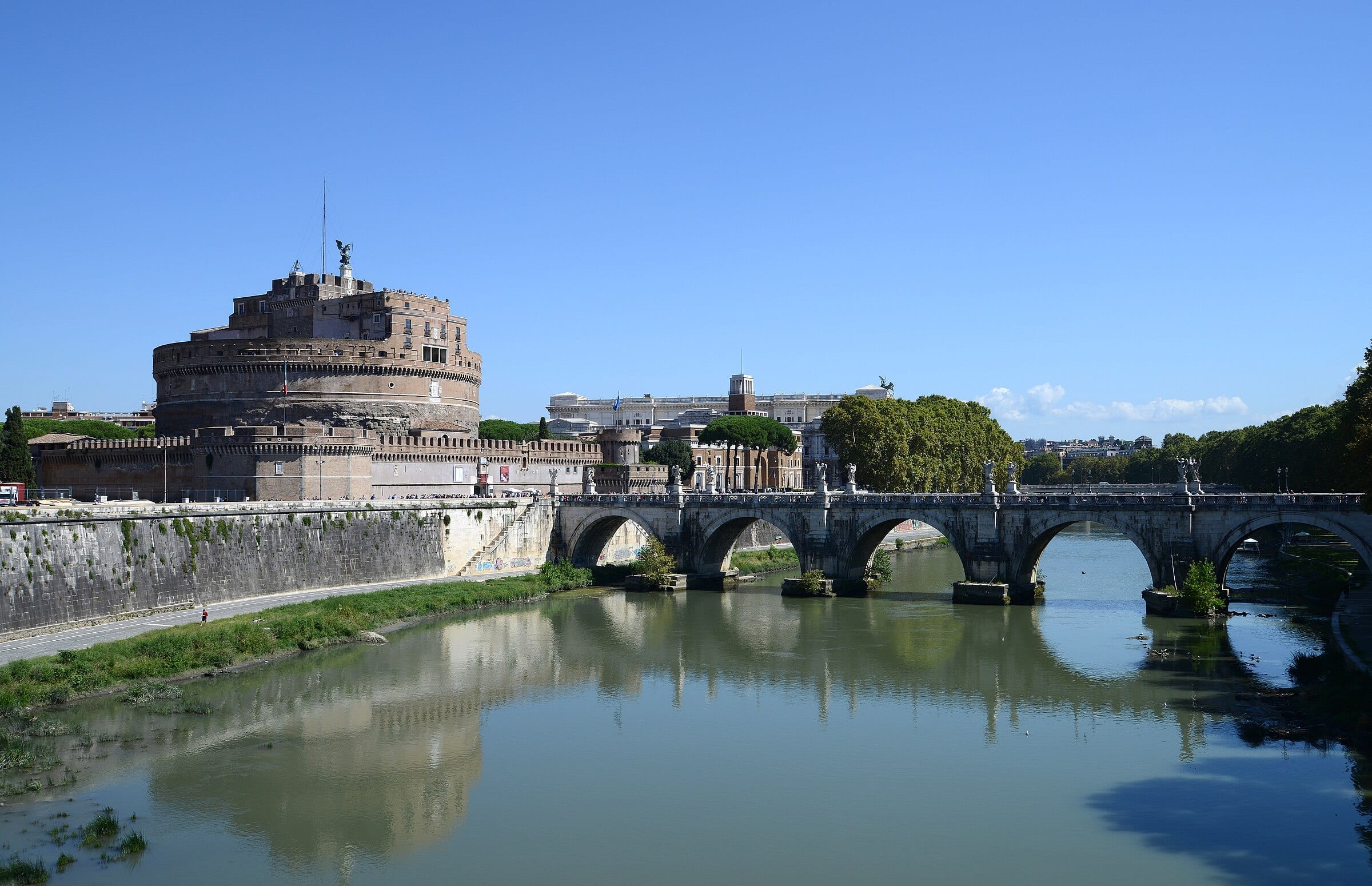
With the Omnia Card you choose your museum time as you buy it, and before your visit the official Vatican voucher arrives by email. That voucher is what you show at the entrance, rather than the booking’s QR code. The Omnia Card page goes through the 24-hour and 72-hour cards.
The Rome Tourist Card and the Vatican City Pass are bundles where you pick one ticket from each of three groups as you buy, and the Vatican Museums are one of the choices in the first. The Turbopass books your time for you: booking opens about six weeks before, the ticket arrives one to two weeks ahead, and if your dates are full you can take the pass without the Vatican.
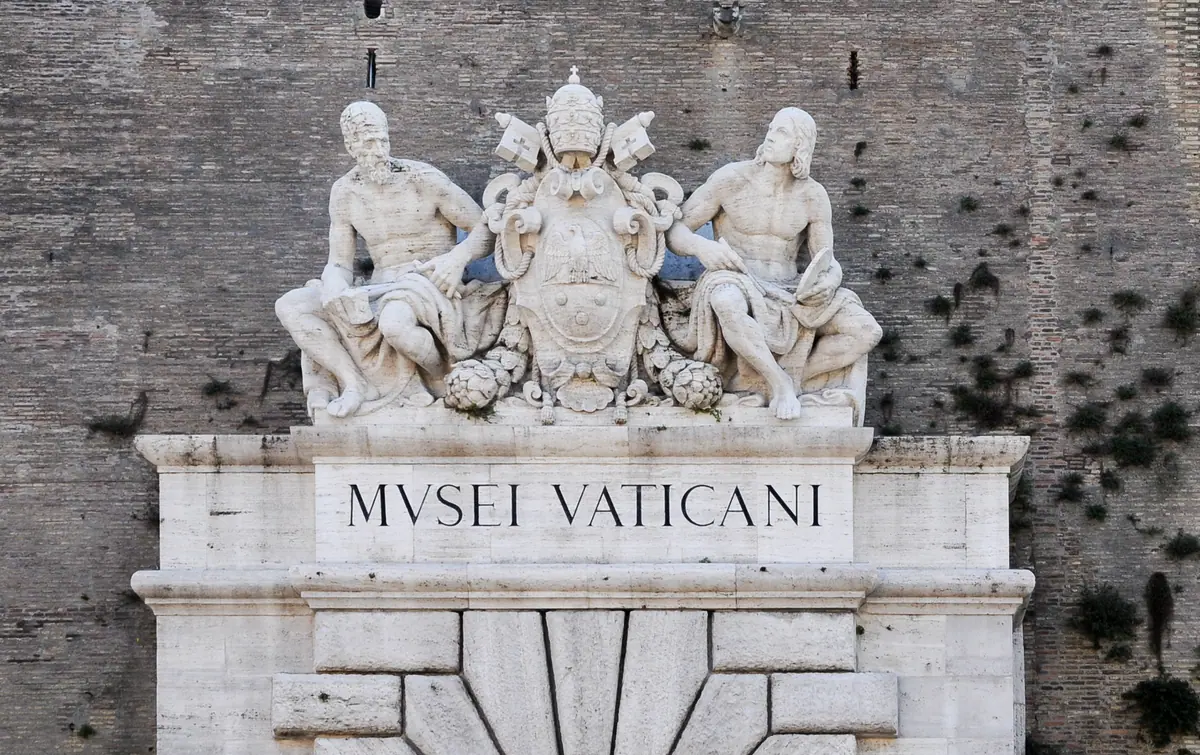
Go City’s Explorer Pass counts the museums as one of your choices. Book them as early as you can: one Go City page says at least three weeks ahead, another up to 3 days. You collect the tickets at its desk on Viale Vaticano on your first day.
For the Vatican Museums alone, the ticket costs less than any pass: €35, against €70 for the 24-hour Omnia, the cheapest of them. On the 24-hour Omnia the difference buys a day on the hop-on hop-off bus and two more sights with audio guides, the Mamertine Prison and St John Lateran, and the Roma Pass page has Rome’s other passes side by side.
Vatican Museums opening hours and the free last Sunday
With a pass or a ticket, the time you book has to fit the museums’ hours, and the rooms start clearing 30 minutes before closing time.
Opening hours
- Monday to Saturday
- 8:00–20:00, last entry 18:00
- Last Sunday of the month
- 9:00–14:00, last entry 12:30, free entry
- Other Sundays
- Closed
- 24 and 31 December
- 8:00–15:00, last entry 13:00
- Also closed
- 1 and 6 January, 11 February, 19 March, Easter Monday, 1 May, 29 June, 14 and 15 August, 1 November, 8, 25 and 26 December
The next free Sundays are 29 November and 27 December 2026; March 2027 has none, because its last Sunday is Easter. The ticket we sell has no Sunday times.
For a calmer visit, travel guides suggest booking one of the last slots of the day; the rooms start to close 30 minutes before closing time. They name Saturdays, Mondays, rainy days and the free Sunday as the busiest. The latest times on the ticket we sell are with the hosted entry, which runs later into the afternoon than the Fast Track.
The Sistine Chapel can also close at any time for religious ceremonies, as it did during the 2025 conclave, and the ticket warns you of it.
On the day of your visit
- 1Dress: cover your shoulders and knees. The rules also say no to sleeveless or low-cut tops, shorts above the knee, miniskirts and hats.
- 2Arrive on time for your slot, with ID for everyone named on the tickets. The ticket terms warn that latecomers may not be let in.
- 3At the entrance on Viale Vaticano: show your ticket to security and go through the check. Everyone does, fast track included, so you may queue there. Then scan the ticket again at the turnstiles.
- 4Cloakroom: free. Bags, backpacks and parcels the staff judge too big go there, and so do knives, scissors and metal tools. Tripods, drones, professional camera kit, selfie sticks and laser pointers aren't allowed in.
- 5Inside: photos without flash are fine everywhere but the Sistine Chapel.
Wheelchairs are lent free at the cloakroom, against ID and a deposit, while they last. Electric wheelchairs and scooters can come in, though in some sections you swap to a manual chair, and there are adapted toilets along the route. Visitors with a certified disability of at least 67% go in free with priority entry, with a companion if they need one; they don’t book online, but collect their ticket at the Special Permits or Welcome Desk in the entrance hall.
What you see in the Vatican Museums: the Laocoön and Raphael’s rooms
Past the turnstiles, the visit takes you through one collection after another, which is why the museum calls itself a “museum of museums”. It began with the ancient statues that Julius II, pope from 1503 to 1513, gathered in a courtyard called the Cortile delle Statue, today’s Octagonal Court.
The one with the best story is the Laocoön, a sculpture group dug up on Rome’s Esquiline Hill in 1506. It was recognised at once as the group the ancient author Pliny the Elder had described, and Julius bought it straight away. It dates from around 40 to 30 BC, and the Apollo Belvedere, the Belvedere Hermes and Perseus Triumphant belong to the same collection.
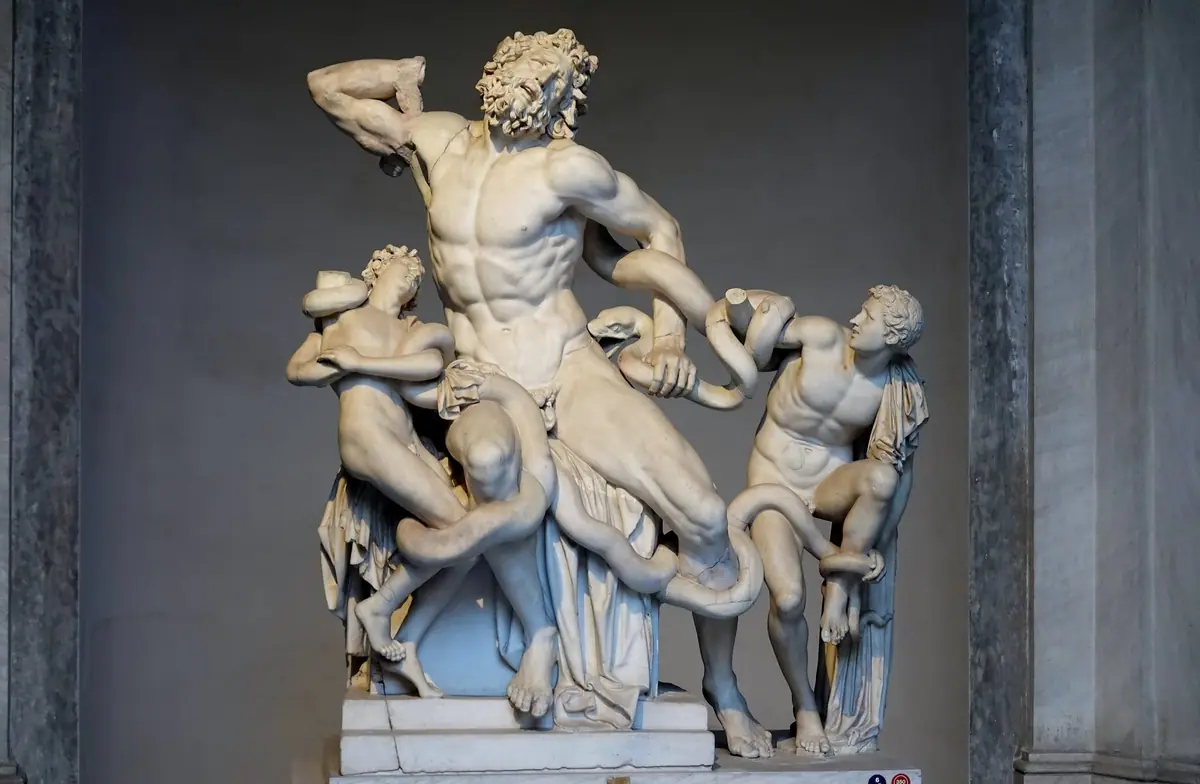
Those statues became the Pio-Clementino Museum, named after Clement XIV and Pius VI, the two popes who opened it as a museum in the modern sense in the late 1700s. In 1797 a treaty sent its main pieces to Paris, and most of them came back after 1815.
Julius II also chose the apartment he would live in, and Raphael and his workshop painted its four rooms between 1508 and 1524. These are the Raphael Rooms, and the School of Athens is in one of them, the Room of the Segnatura.
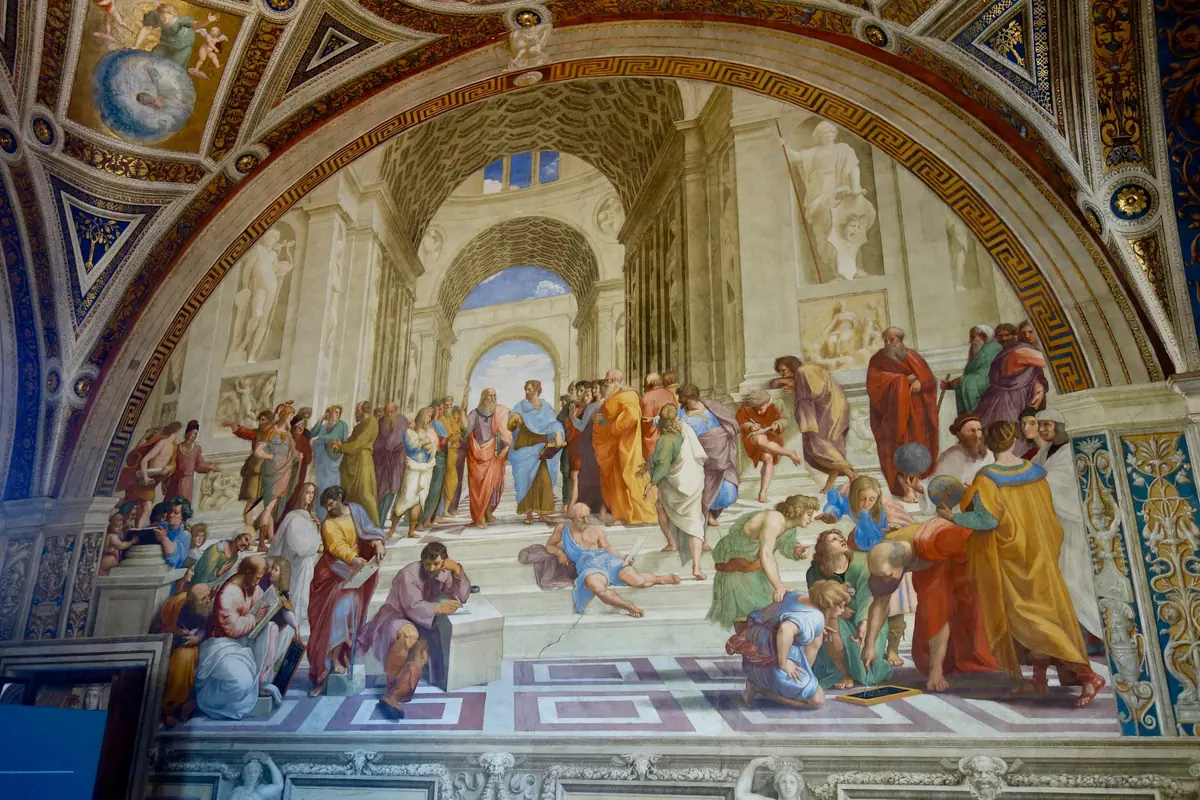
Beyond the Raphael Rooms, the route takes in the Gallery of Maps, the Borgia Apartment that Pinturicchio finished painting in 1494 and the Niccoline Chapel that Fra Angelico painted for Pope Nicholas V. The Pinacoteca, the picture gallery, and the contemporary art collection are there too.
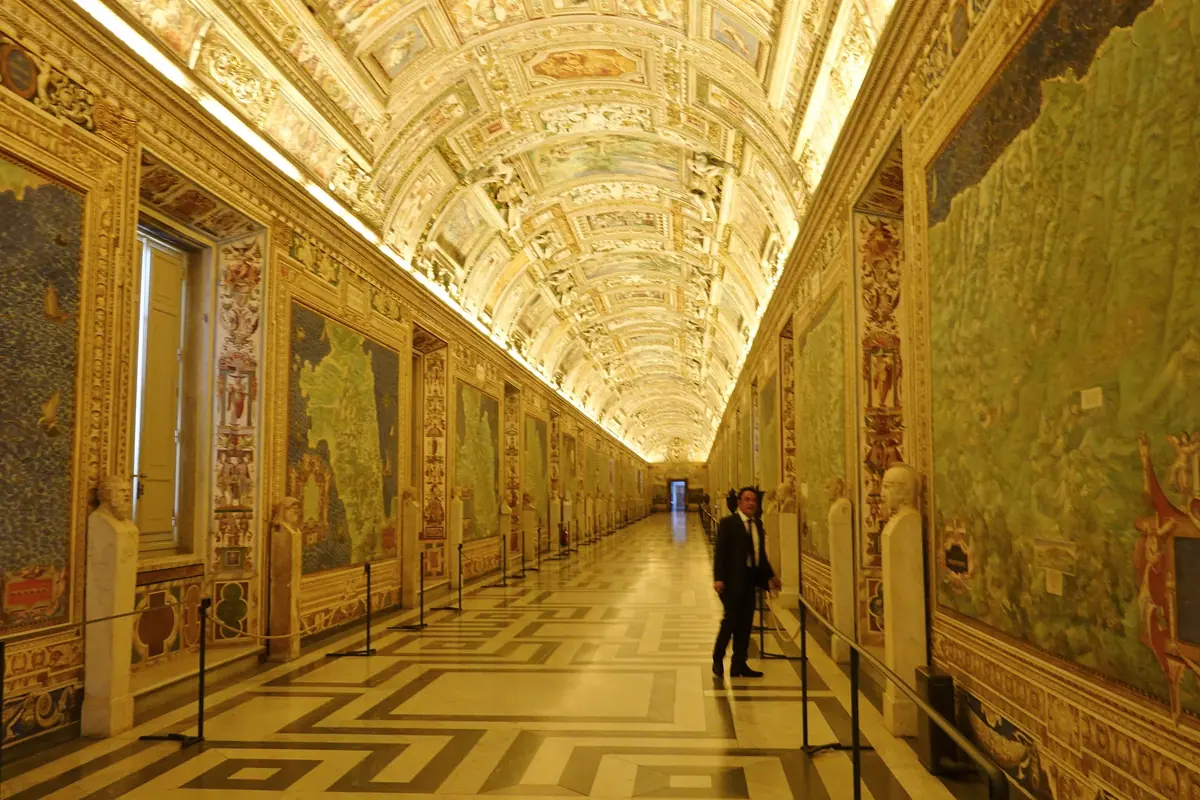
A quick walk through takes two to three hours, and the official audio guide alone runs to more than three hours. The museum says all its visitors mean to see the Raphael Rooms and the Sistine Chapel, so with little time, those are the two to keep. For a break there’s a café, a pizzeria and a restaurant, bistros in the Courtyard of the Pinecone and the Giardino Quadrato, a bar near the Sistine Chapel, and benches in the courtyards.
The Sistine Chapel: Michelangelo’s ceiling and the Last Judgement
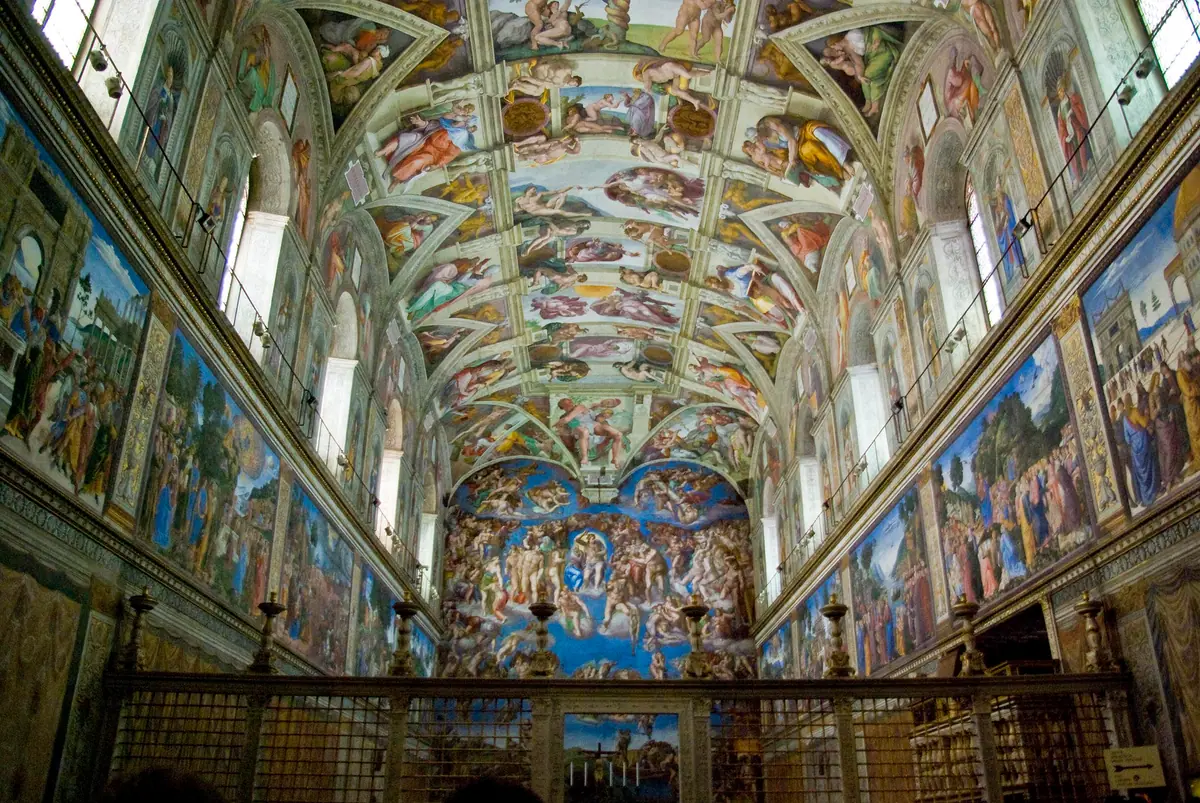
The chapel takes its name from Pope Sixtus IV, who had the old Cappella Magna, the “great chapel”, restored in 1477 to 1480, and Perugino, Botticelli, Ghirlandaio and Rosselli painted its walls in 1481 and 1482. The ceiling came a generation later. A crack opened in May 1504, and the museum thinks that’s probably why Julius II had it repainted. He gave the job to Michelangelo, who signed his contract on 8 May 1508 and finished on 31 October 1512. The centre of the ceiling has nine scenes from Genesis.
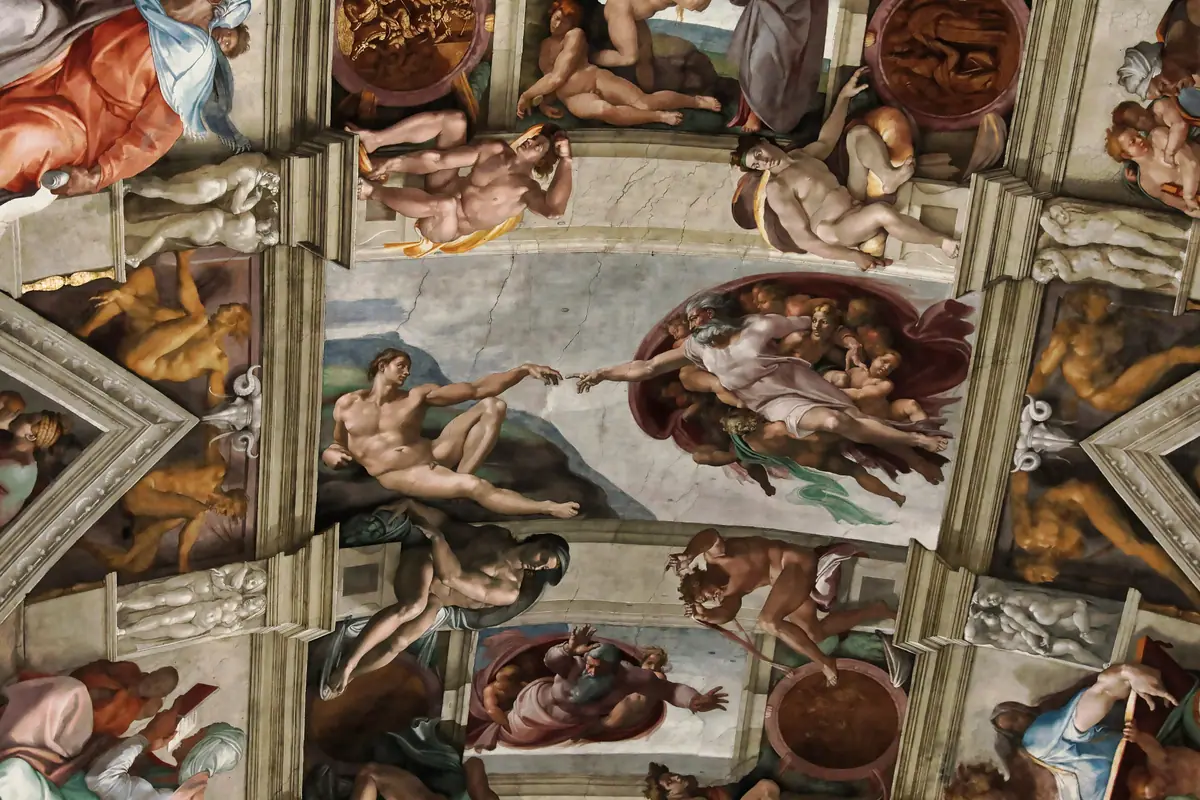
The Last Judgement was commissioned by Pope Clement VII in 1533 and painted between 1536 and 1541, with 391 figures over 180 m². Maintenance in 2026 removed a whitish film of calcium lactate from it, which forms when the lactic acid in visitors’ sweat meets the calcium in the fresco.
Photos and video are banned in the chapel with any device, and the guards can make you delete what you’ve taken while they watch. The chapel also asks for absolute silence, which is why guides give their explanations before you go in.
The Vatican Museums entrance: metro line A, buses and tram 19
The entrance is on Viale Vaticano, and the simplest way there is metro line A and a short walk: about 8 minutes from Ottaviano, some 570 m away, or 9 from Cipro, about 680 m. Bus 49 drops you in the square right in front, where there’s a taxi rank too. Buses 32, 81 and 982 and tram 19 stop in Piazza del Risorgimento, and buses 492 and 990 on Via Leone IV and Via degli Scipioni.
City cards
Vatican Museums and Sistine Chapel with a city card
Pick the one that fits your trip. Prices are per adult, and you choose your dates on the next page.


Tickets
Popular tickets around Rome
The ones other visitors book most.


People also ask
Frequently asked questions
Is the Sistine Chapel included in the Vatican Museums ticket?
Yes. The chapel has no entrance of its own: you reach it through the museums, and one ticket covers both. It can close at short notice for religious ceremonies, and the ticket warns you of that.
Can I buy Vatican Museums tickets at the door?
Yes: the museum has prices for tickets bought without an online booking. In high season, though, the museum's director says demand is double the number of places and visitor numbers are capped, so booking ahead is the safer way to be sure of a time.
When are the Vatican Museums free?
On the last Sunday of the month, from 9:00 to 14:00 with the last entry at 12:30, unless it falls on Easter, 29 June or 25, 26 or 31 December. The next ones are 29 November and 27 December 2026, and March 2027 has none because its last Sunday is Easter. Children under 7 go in free on any day.
Can you take photos in the Sistine Chapel?
No. Photos and video are banned there with any device, and the guards can ask you to delete them while they watch. In the rest of the museums you can take photos without flash.
Is St Peter's Basilica included in the Vatican Museums ticket?
There's nothing to include, because entry to St Peter's is free for everyone. It's a separate visit with its own security check, about 1 km on foot from the museums. A passage from the Sistine Chapel turns up on some guided tours, but not with an ordinary ticket.
What should I wear to the Vatican Museums?
Cover your shoulders and knees. The rules also say no to sleeveless or low-cut tops, shorts above the knee, miniskirts and hats, and the same rules apply at St Peter's, which also asks men for long trousers.
