
Rome · Roma Pass
National Etruscan Museum of Villa Giulia
An Etruscan couple has shared the same terracotta couch since the 6th century BC.
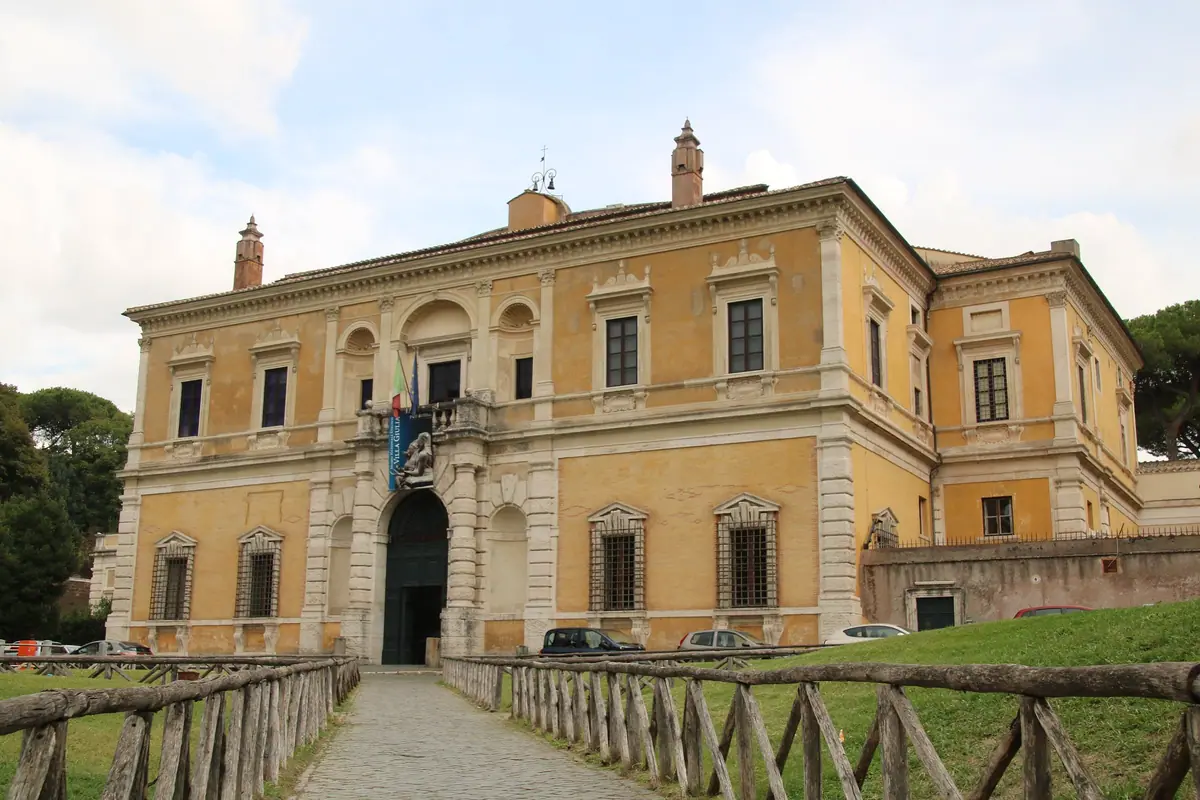
Rome's National Etruscan Museum fills Villa Giulia, the villa Pope Julius III built outside the city in the 1550s, with the art of the Etruscans and the other peoples of central Italy before Rome. Its best-known piece is the Sarcophagus of the Spouses, a terracotta husband and wife reclining together on a banqueting couch, and until 31 December 2026 the painted Tomba François from Vulci is on show as well. The ticket we sell adds an audio guide app, and the Roma Pass counts the museum as an included entry or lets you in for €2.
Before you go
- Time inside1.5–2 h
- ClosedMonday
TipThe François Tomb, open to visitors since 1 July 2026, is included in the ticket but needs a reservation and is closed on free-entry days.


National Etruscan Museum of Villa Giulia tickets and the audio guide app
You don’t have to book the National Etruscan Museum of Villa Giulia for an individual visit: the ticket office at the door sells tickets for the same day. The ticket we sell, at €20, is entry plus Rome City, a downloadable audio guide app in English, Mandarin, French, German, Italian or Spanish, and you can cancel or change it until 23:59 the day before.
Under-18s go in free, from the EU or anywhere else, which means the child’s €7 on our ticket pays for the app alone. The museum also sells its own audio guide in the bookshop, in Italian, English, French, German and Spanish.
EU citizens aged 18 to 25 pay €9 on our ticket, with the app, and need ID that shows their age and citizenship. Visitors with disabilities go in free, and so does one companion.

What’s closed at Villa Giulia this autumn, and what’s back on view
The museum is in the middle of building works, and the route through it changes as they move on. These were the closures when we checked, on 27 October 2026:
Closed or changed for works
- Room 27, the Castellani collection of 19th-century gold
- Closed since 11 August 2026
- Rooms 24 and 25
- Closed since 22 August 2026
- Rooms 13a and 13b, Cerveteri and Pyrgi
- Closed for works
- Rooms 38, 39 and 40, Veii
- Closed for works
- Rooms 11 to 14
- A changed route since 15 September 2026
The museum’s best-known piece is back, though. The Sarcophagus of the Spouses has been in a showcase again since late July 2026, and the restoration of its lower parts goes on in a laboratory you can watch on Tuesdays and Thursdays from 10:00 to 13:00, free with your museum ticket.
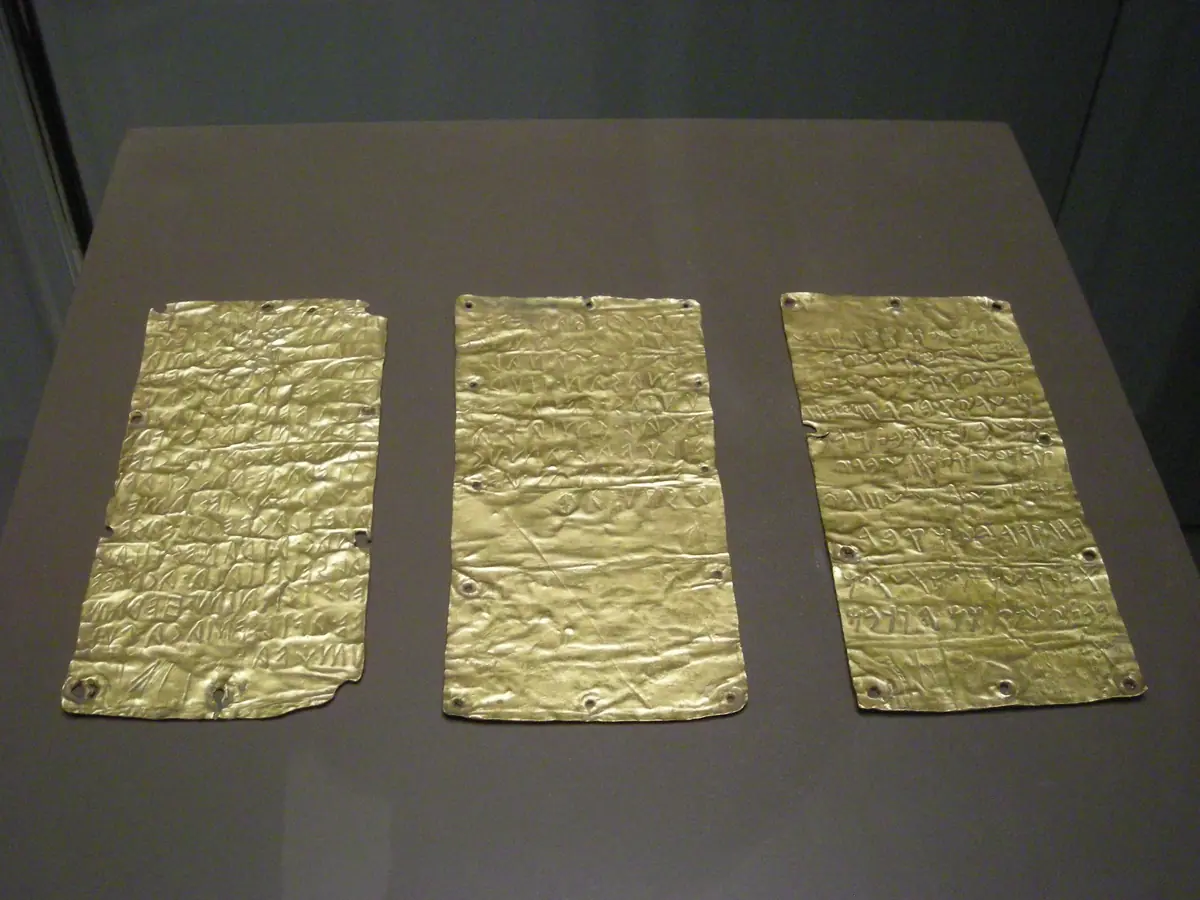
The Pyrgi tablets are another matter. They’re sheets of gold inscribed around 500 BC in Etruscan and Phoenician, and with the Cerveteri and Pyrgi rooms closed, we couldn’t confirm that they’re on show.
The works affect getting around too. The lift in room 13 is out of service, so from the first floor you take the emergency stairs in room 20 or the lift in the right wing, and with the toilets by rooms 39 and 40 unavailable, you use the ones in the left-hand garden. For accessibility questions, the museum’s number is 06 3226571.
Villa Giulia opening hours, and the days it’s free for everyone
Villa Giulia opens six days a week, through its central door, and closes on Mondays. The rooms shut at 19:00, half an hour before the building, so if you come in at the 18:30 last entry you get 30 minutes with the collection.
Opening hours
- Tuesday to Sunday
- 8:30–19:30, last entry 18:30, rooms close at 19:00
- Monday
- Closed
- Free for everyone
- First Sunday of the month, 8 March for women, 25 April, 2 June and 4 November
On the free days there’s nothing to book: you queue at the ticket office. The Tomba François is closed on those days, so if the tomb is what you’re coming for, pick another date. The next free day is Sunday 6 December.
Villa Giulia on the Roma Pass, and where the included entry saves you more
Villa Giulia can be one of your Roma Pass included entries (the 48-hour card has one, the 72-hour card two), and once those are used, the card gets you a €2 reduced ticket. As with any ticket here, there’s nothing to book for an individual visit. We couldn’t confirm whether the card also gets you onto the booked Tomba François visit.
Which way to use it depends on the rest of your list. Villa Giulia’s full ticket costs less than those at the Galleria Barberini and Corsini or Ostia Antica, and those two also drop to €2 with the card, so if either is on your list, spend the included entry there and pay the €2 here. On the museum’s free days you don’t need the card here at all.
-
Roma Pass
An included entry (one on the 48-hour card, two on the 72-hour) or a €2 reduced ticket, with no booking for individual visits
from €44.90
Buy pass→ -
Omnia Card 72h
Through the Roma Pass inside it, for adults only, on the same terms
from €149
Buy pass→ -
Turbopass Rome City Pass
Included on the City Pass; the Essentials pass doesn't list it
from €144.90
Buy pass→


The 24-hour Omnia Card, the Rome Tourist Card and the Vatican City Pass don’t include the museum. The Omnia Card and Turbopass pages show everything else each one covers, and Roma Pass and Rome’s other city passes puts all of them side by side.
The Sarcophagus of the Spouses and the Apollo of Veii at Villa Giulia
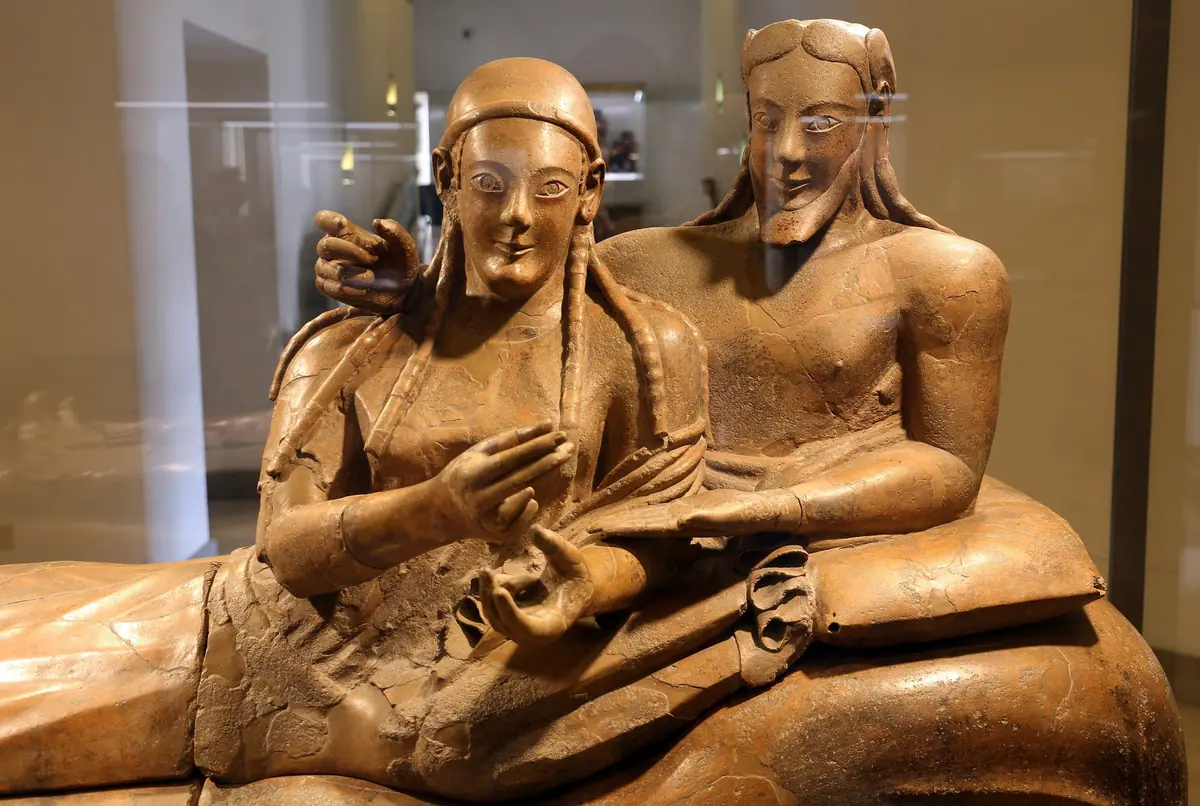
The Sarcophagus of the Spouses is a terracotta coffin from the 6th century BC, and on top of it a married couple recline side by side on a banqueting couch. It was found at Cerveteri in 1881, and it’s the piece to look for first, now that its showcase is open again.
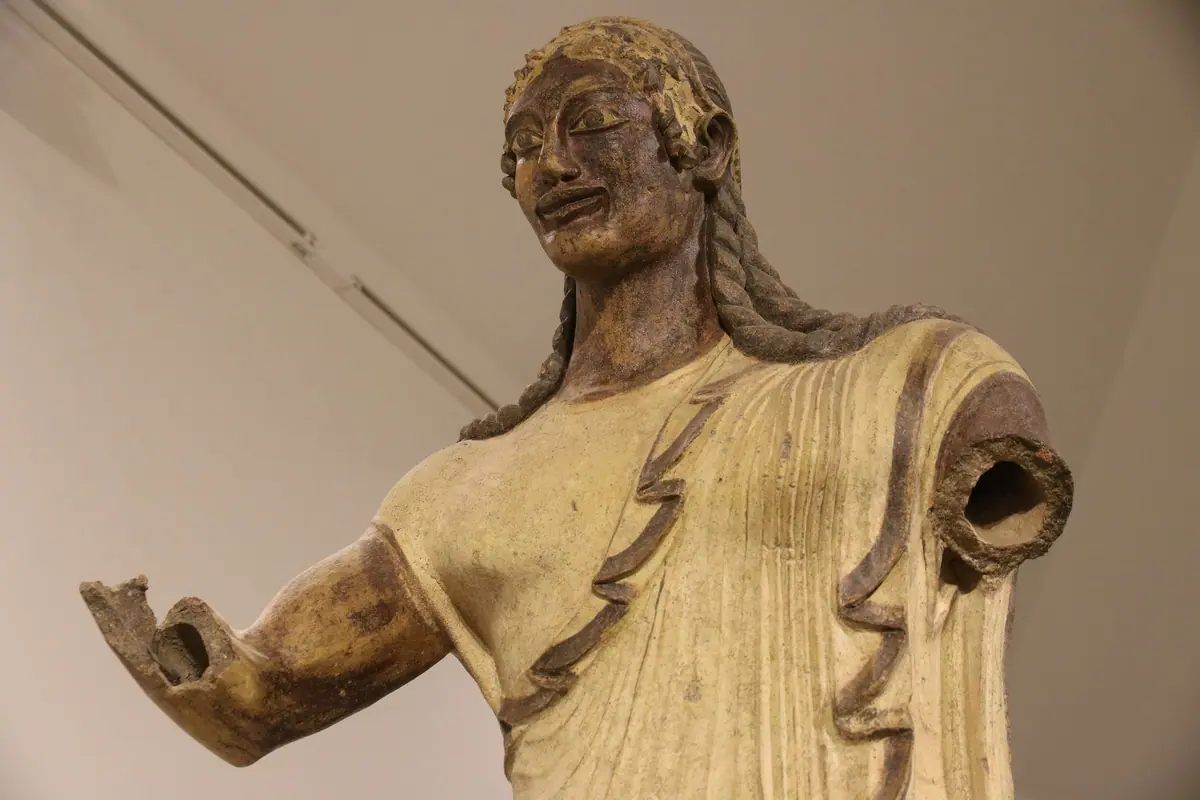
The Apollo of Veii is another terracotta, made around 510 to 500 BC and painted in several colours: the god in a pleated robe, with both forearms lost. It belongs with the finds from Veii, and since the Veii rooms are closed for works, ask at the entrance whether it’s on the route the day you go.
The Tomba François, a painted Etruscan tomb at Villa Giulia until 31 December
The Tomba François is new to the museum this year. It’s a tomb from Vulci, painted between 340 and 320 BC and found on 1 May 1857 by Alessandro François, who gave it his name. Its paintings spent the following century and a half in the Torlonia collection at Villa Albani, until the Italian state bought them in 2026, for €15 million according to the Italian press.
Since 1 July 2026 the tomb has been on show in an immersive showcase of 37 panels, alongside Il Ritorno degli Eroi, The Return of the Heroes, an exhibition with pieces lent by the Louvre, the British Museum and museums in Brussels and Lausanne. Both run until 31 December 2026. The tomb visit is included in the museum ticket, but places are limited and you have to book one. Our ticket’s listing doesn’t say whether it covers that booking, so ask at the ticket office as soon as you arrive.
Pope Julius III’s Villa Giulia and Ammannati’s nymphaeum
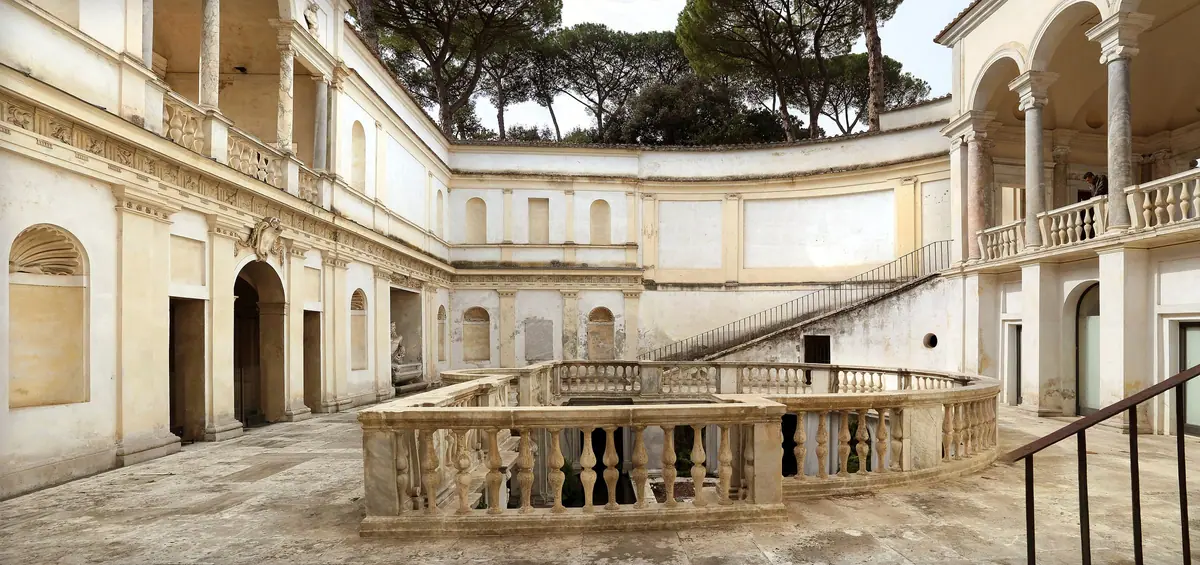
The building came long before the museum. Pope Julius III had Villa Giulia built between 1551 and 1553 as his villa outside the city walls, to a design by the architect Vignola, with Ammannati making the nymphaeum and the gardens and Giorgio Vasari overseeing the work.
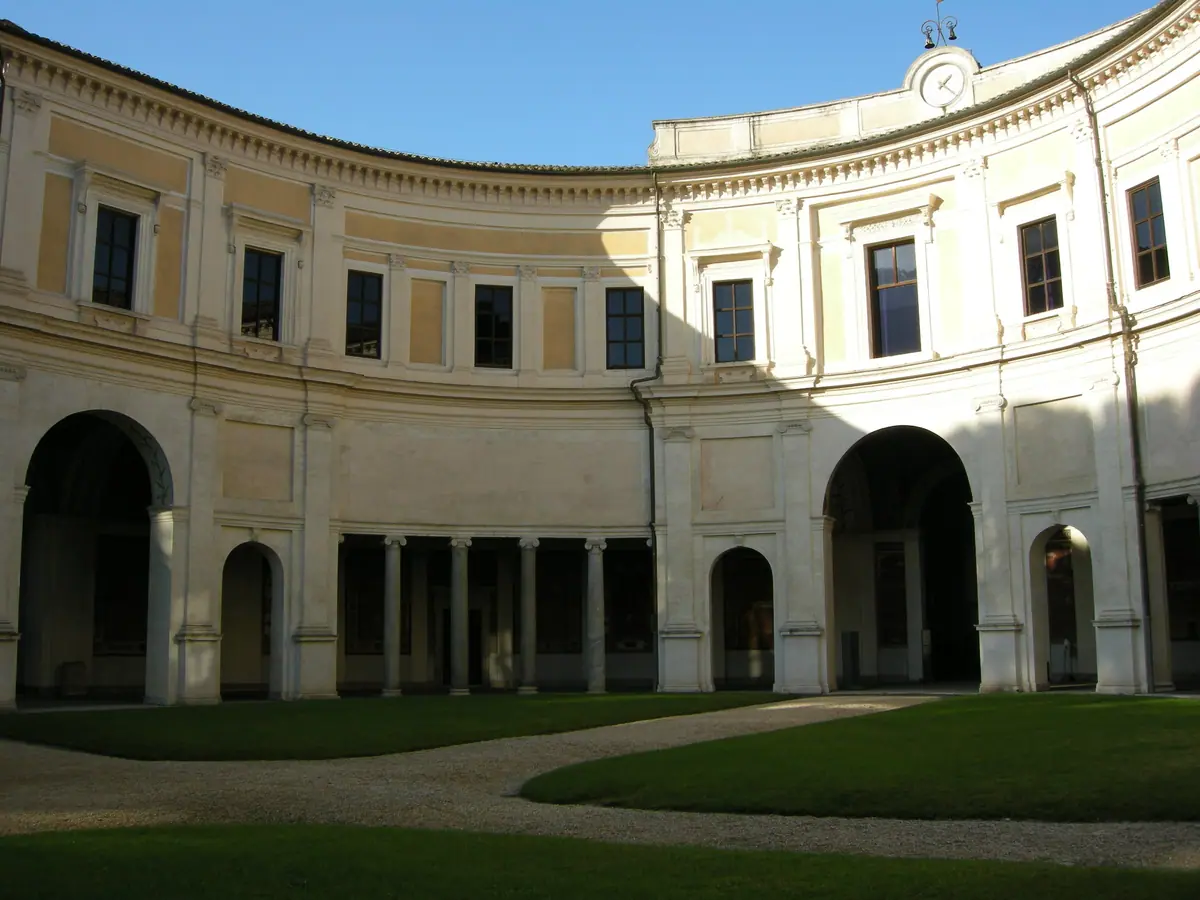
Ammannati’s nymphaeum, now restored, is the sunken court in the second courtyard: a balustraded basin, a staircase leading down to it and loggias all round. Give it and the gardens half an hour on top of the hour and a half or so that the open rooms take this autumn.
The villa belonged to the popes until 1870, when it passed to the Kingdom of Italy, and in 1889 it became the museum for the pre-Roman antiquities of Lazio, southern Etruria and Umbria. Until 29 November 2026 it also hosts L’indovino, an exhibition by Mouna Rebeiz.
Getting to Villa Giulia from Flaminio on foot, or by tram
From the centre, the simplest way is metro line A to Flaminio, then about a kilometre on foot, around 20 minutes, to Piazzale di Villa Giulia 9. Tram 19 stops close to the museum, tram 3 a few hundred metres away at Flaminia/Belle Arti, and bus 982 comes this way too. If you’re pairing it with the National Gallery of Modern Art, the walk between the two takes about 15 minutes.
City cards
Etruscan Museum of Villa Giulia with a city card
Pick the one that fits your trip. Prices are per adult, and you choose your dates on the next page.

Tickets
Popular tickets around Rome
The ones other visitors book most.


People also ask
Frequently asked questions
Do I need to book the National Etruscan Museum of Villa Giulia?
Not for an individual visit: the ticket office at the door sells tickets for the same day. The one part that needs booking is the Tomba François, the painted tomb from Vulci, which has limited places and is on show until 31 December 2026.
Is the Sarcophagus of the Spouses on display at Villa Giulia?
Yes. It has been back in a showcase since late July 2026. The restoration of its lower parts goes on in a laboratory you can watch on Tuesdays and Thursdays from 10:00 to 13:00, free with your museum ticket.
Is Villa Giulia open on Mondays?
No. The museum opens Tuesday to Sunday from 8:30 to 19:30, with last entry at 18:30, and the rooms close at 19:00.
Is the Etruscan Museum of Villa Giulia included in the Roma Pass?
Yes, as one of the card's included entries, or for a €2 reduced ticket once those are used. The full ticket here is cheaper than at the Galleria Barberini and Corsini or Ostia Antica, so an included entry saves you more at those.
When is Villa Giulia free?
For everyone on the first Sunday of the month, on 8 March for women, and on 25 April, 2 June and 4 November. On those days there's no booking, only the ticket office, and the Tomba François is closed. Under-18s go in free on any day.
