
Milan
Things to do in Milan
Milan keeps Leonardo's Last Supper on a convent wall, Michelangelo's last Pietà in a castle and a walkway on the roof of its cathedral.
Things to do in Milan start on Piazza del Duomo, where you can climb onto the cathedral's roof and walk among its spires, then cross the Galleria Vittorio Emanuele II to La Scala. Book Leonardo's Last Supper first: its slots go months ahead, and the guided tours we sell include the entry. The YesMilano City Pass covers the Duomo, the Sforza Castle and Milan's other civic museums, one premium activity such as La Scala's museum, and three days of metro, trams and buses.
The centre is a short walk around Piazza del Duomo, with the cathedral, the Novecento, the Ambrosiana, the Galleria and La Scala, and Brera and the fashion district just beyond. To the west are the Sforza Castle and Parco Sempione, with the Last Supper, the science museum and Sant'Ambrogio a metro stop or two further, and to the east Villa Necchi and the Natural History Museum near Porta Venezia. MUDEC and the Navigli canals, Fondazione Prada, the Cimitero Monumentale and San Siro are out by metro, HangarBicocca by metro and bus, and Lake Como is a day trip by train.
See what you’d save, if anything
Which Milan pass pays off for your trip?
Pick how many days you’ve got and the sights you want to see. The calculator adds up the tickets and rides, sets them against the card and tells you right away whether it pays off, and by how much, at today’s prices. No email, no sign-up.
Step 1 of 3
How long, and who’s going?
Map of things to do in Milan
Described on this page
Milan Duomo and its rooftop terraces
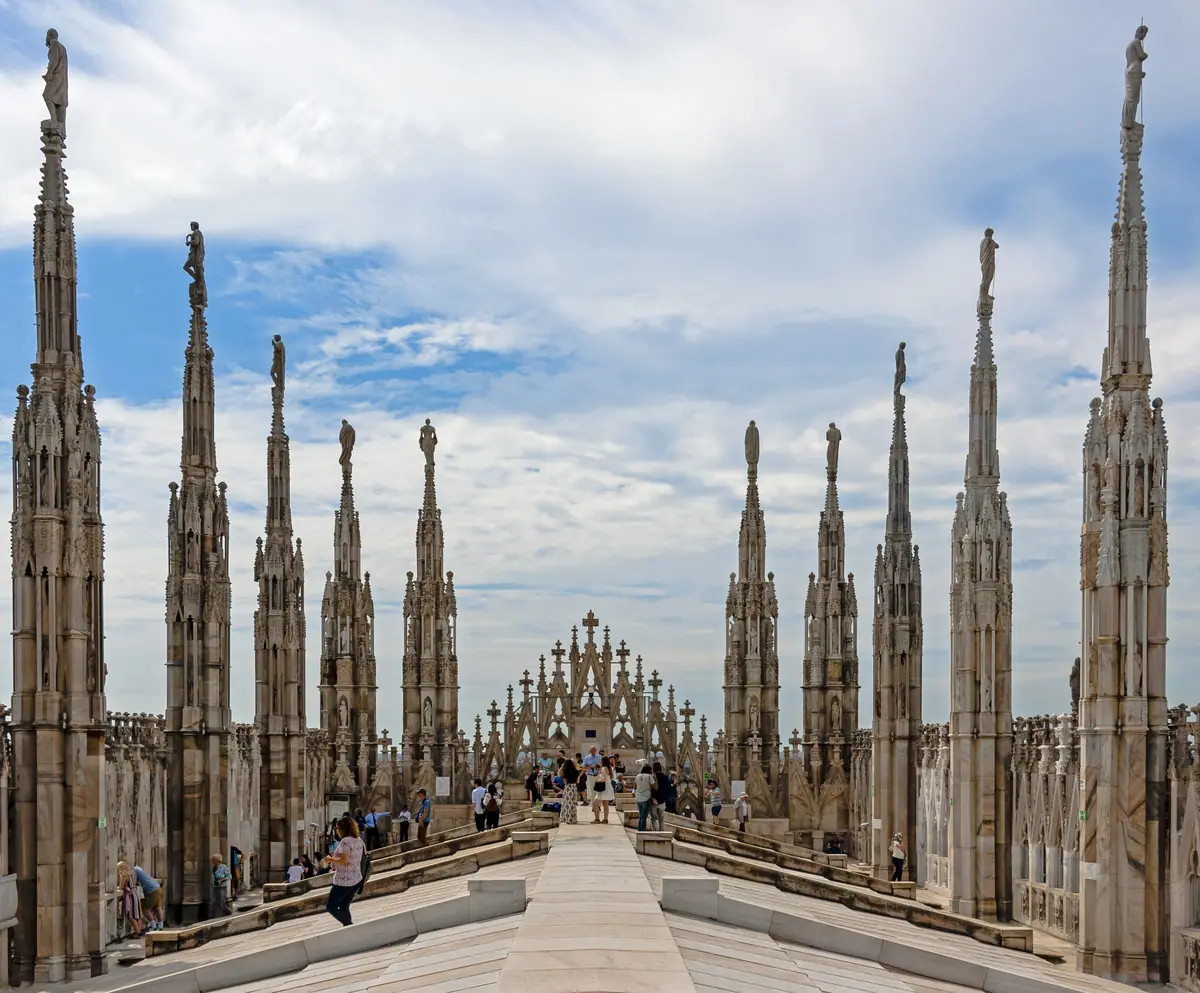
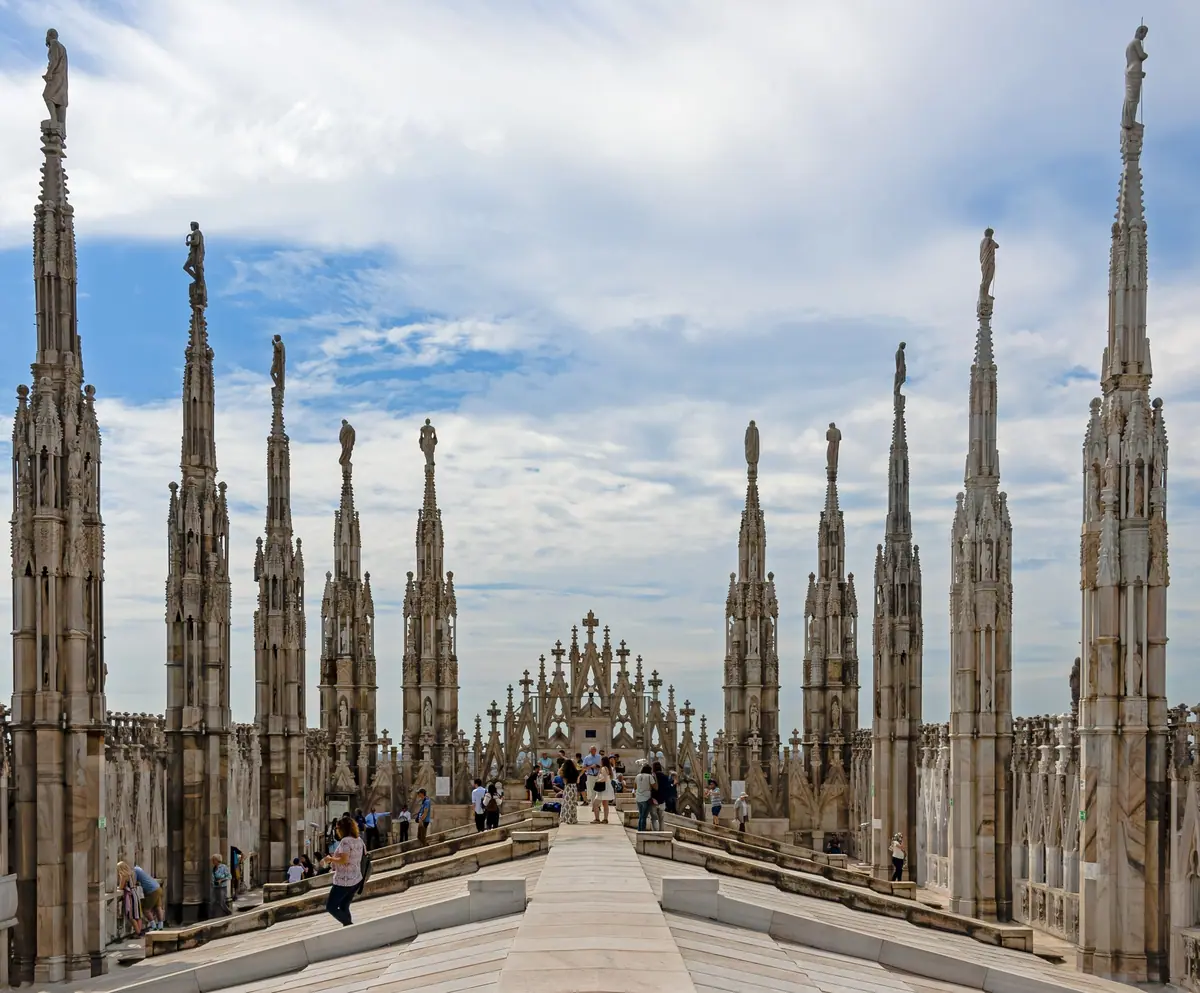
You can walk on the roof of Milan’s Duomo, the largest church in Italy, begun in 1386 and only finished in the 1960s. Up there a marble walkway runs between the spires, with the Madonnina, the gilded statue of the Virgin, on the tallest of them, 108.5 metres up. It’s 251 steps by the stairs; the lift saves you the first level, and everyone walks down.
Inside, the nave and four aisles run 158.6 metres under Gothic vaults, and among the statues is the sculptor Marco d’Agrate’s St Bartholomew Flayed, the apostle stripped of his skin. The cathedral ticket also opens the Duomo Museum in the Palazzo Reale, which closes on Wednesdays. Cover your shoulders and knees, leave big bags at the hotel, since there’s a security check and no cloakroom, and keep your ticket for the way out.
Both YesMilano passes include the cathedral, the museum and the terraces, by the stairs on the Standard and by lift on the All-Inclusive, each booked for a time in the app.
Included in the YesMilano City Pass Standard
Museo del Novecento
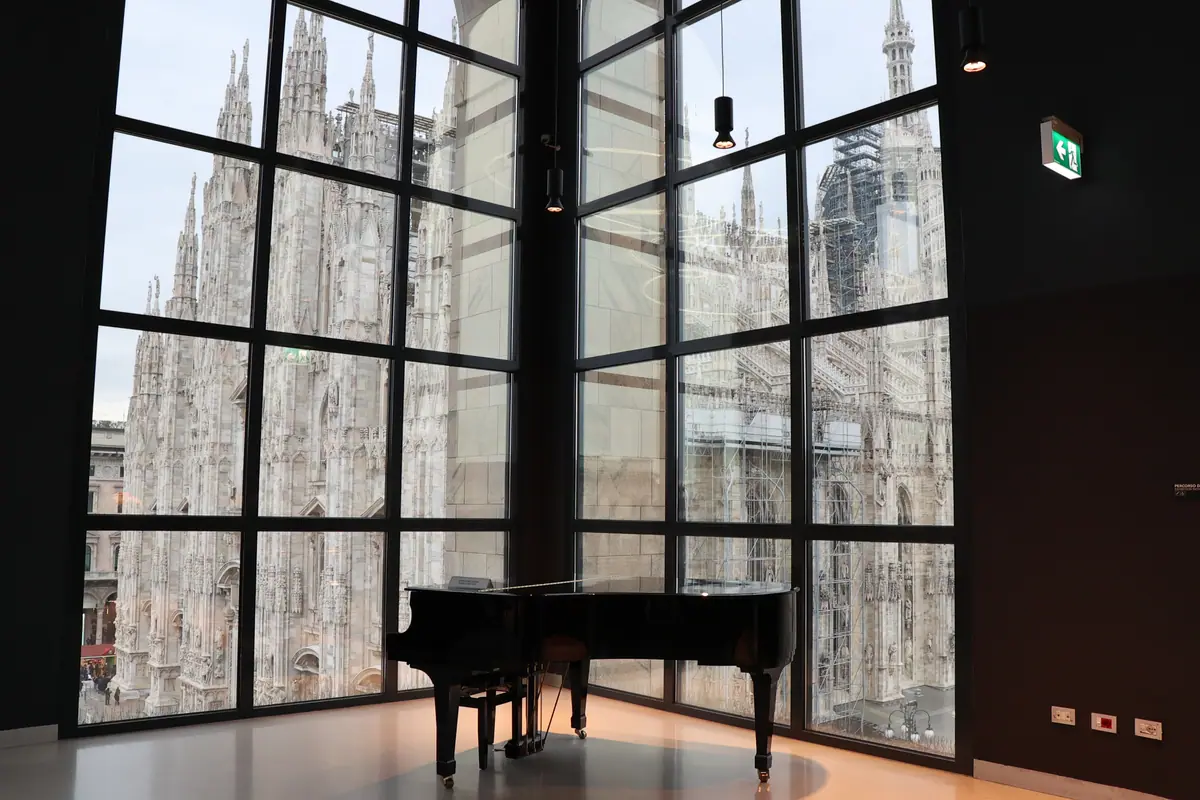
On the same square, the scribble of neon in the window of the Palazzo dell’Arengario is by the artist Lucio Fontana, and it belongs to the Museo del Novecento, Milan’s museum of 20th-century Italian art. A spiral ramp climbs the tower past more than 300 works, from the Futurists Boccioni and Balla to de Chirico and Morandi, and carries on up to a terrace over the Duomo.
It stays open until 22:30 on Thursdays and shuts on Mondays. Under-18s go in free every day, and everyone does on the first Sunday of the month.
Included in the YesMilano City Pass Standard
Pinacoteca Ambrosiana
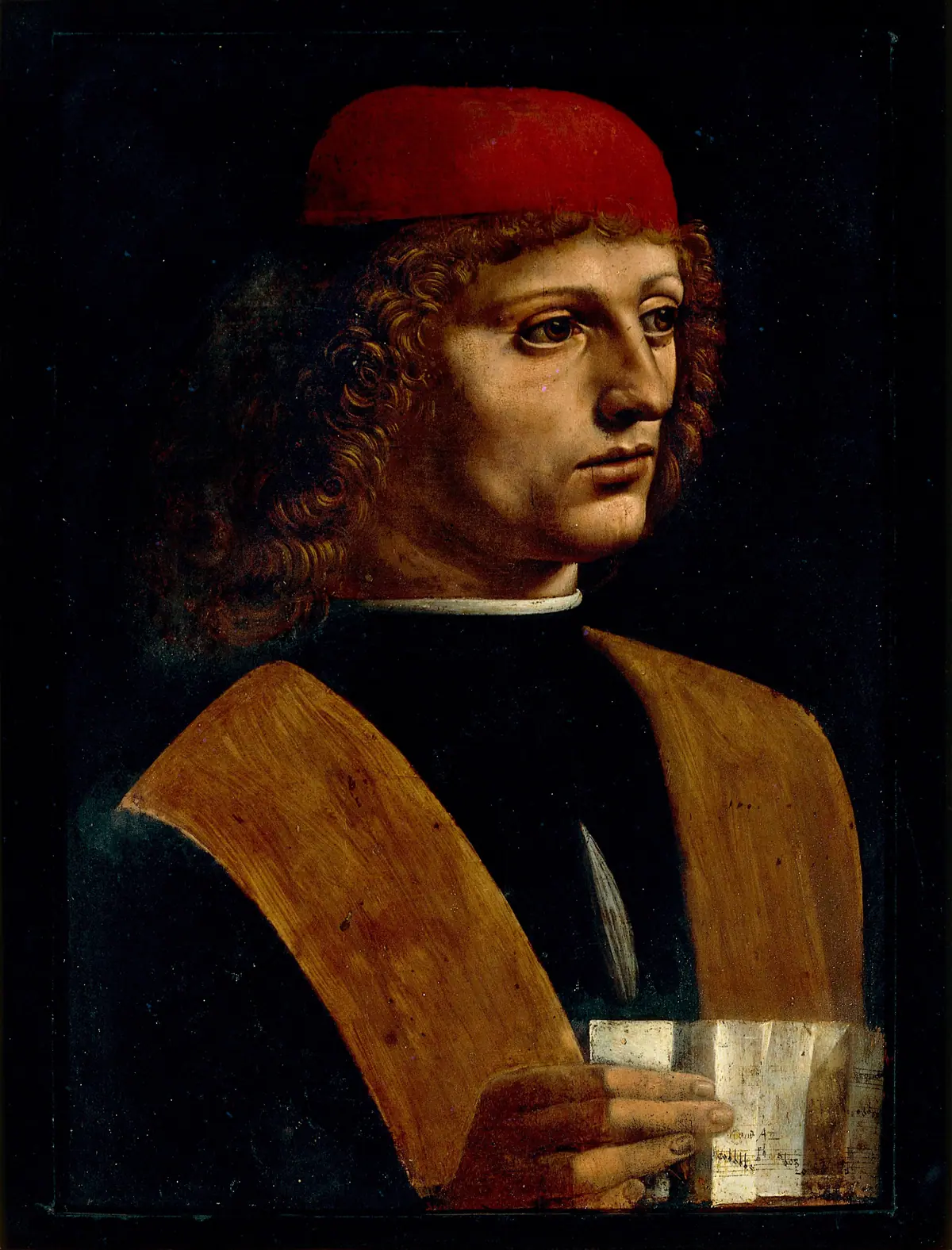
A short way from the square, by the Cordusio and Duomo stations, the Pinacoteca Ambrosiana gives you Leonardo twice. His Portrait of a Musician hangs in the gallery, with Caravaggio’s Basket of Fruit and Raphael’s full-size cartoon for The School of Athens. In the library’s reading room, open to the public since 1609, a few original sheets of his Codex Atlanticus are on show at a time.
The same ticket takes you down into the Crypt of San Sepolcro, a medieval church whose floor is the paving of the forum of Roman Milan. Allow about two hours for both, on any day but Wednesday, when it’s shut. On the YesMilano passes it’s a premium activity, and The Milan Pass includes it.
One of the choices in the YesMilano City Pass Standard
Galleria Vittorio Emanuele II and the Highline on its roof
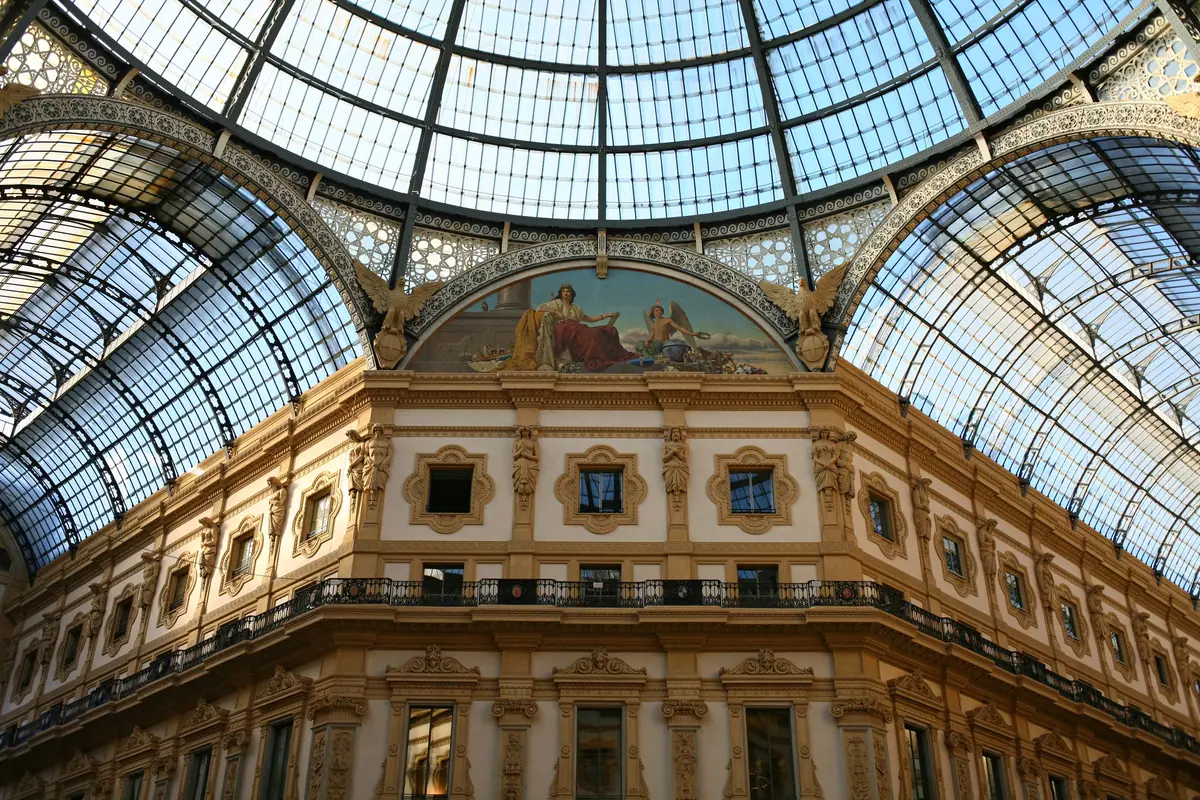
Back on Piazza del Duomo, the triumphal arch leads into the Galleria Vittorio Emanuele II, the glass-roofed arcade that runs through to La Scala, free to walk at any hour. The king it’s named after opened it in 1867, and its architect, Giuseppe Mengoni, fell from the scaffolding the day before the arch was due to open. In the floor, the bull of Turin’s coat of arms is worn through by people turning three times on their right heel for luck.
Since February 2026 you can walk on the roof as well. The Highline runs 250 metres along the vaults, 40 metres above the street, and a glass lift takes you to a terrace on top of the arch, facing the Duomo. Entry to the Highline is by the hour, with at most 150 people an hour, so whole hours sell out at weekends. It’s shut on Mondays, and on the YesMilano passes it counts as a premium activity.
One of the choices in the YesMilano City Pass Standard
Leonardo3 Museum
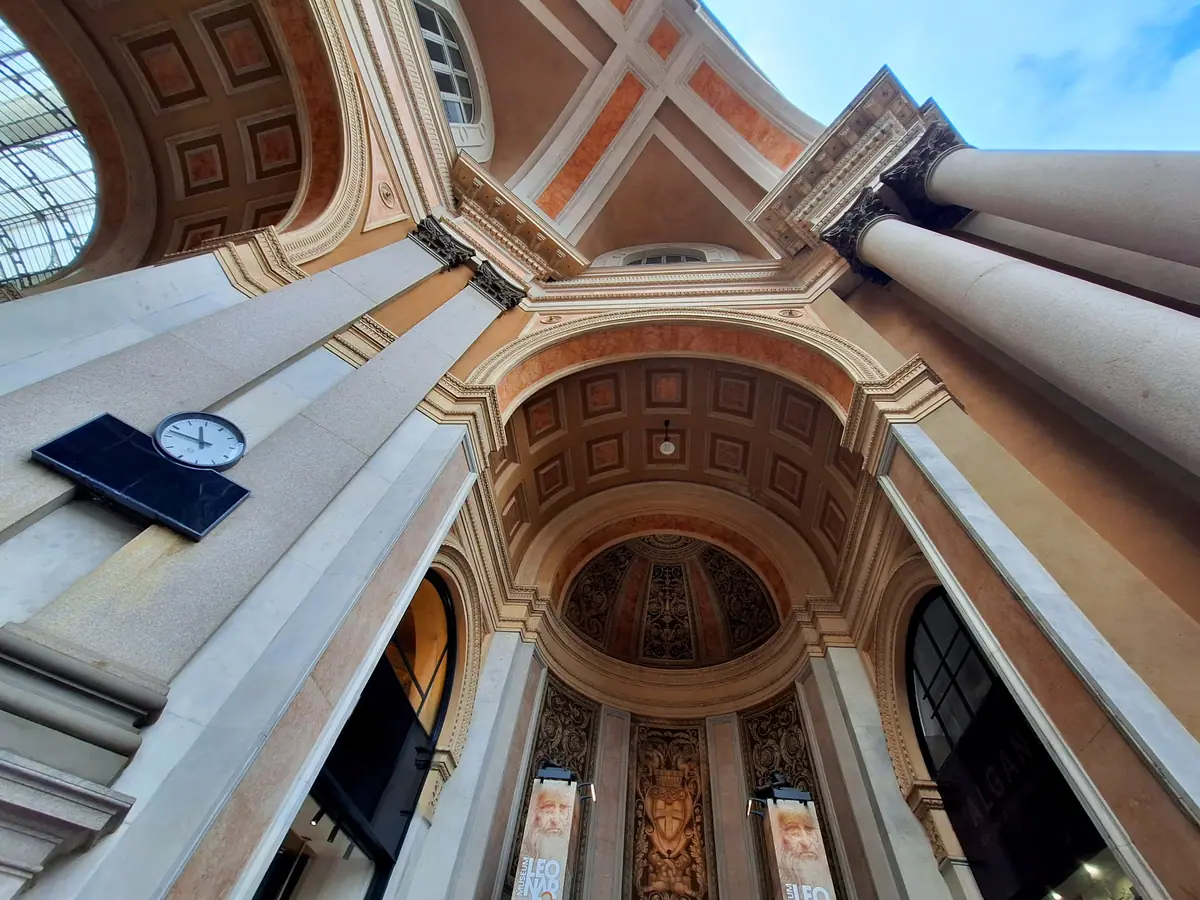
Inside the Galleria, at the La Scala end, Leonardo3 builds Leonardo’s machines from the drawings in his notebooks: more than 200 interactive reconstructions, from a mechanical lion to the Flying Machine of Milan, plenty of them there to be handled. It also rebuilds the refectory of Santa Maria delle Grazie as it looked in his time, Last Supper included, though everything here is a model or a reconstruction, never an original.
It opens every day of the year except Christmas Day, which makes it a Monday plan while the civic museums are shut. On the YesMilano passes it’s a premium activity, and The Milan Pass and the Milan City Card include it.
One of the choices in the YesMilano City Pass Standard
Teatro alla Scala and its museum
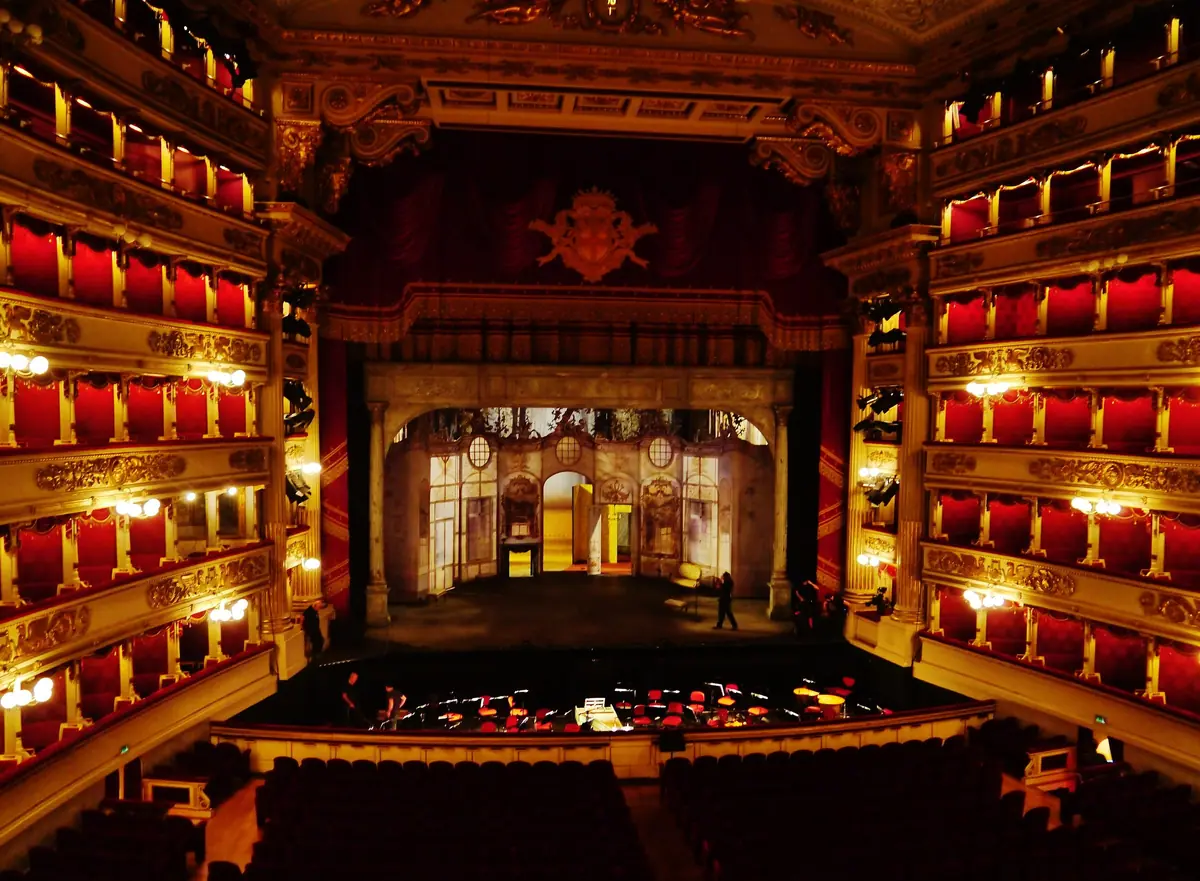
Out the far end of the Galleria is La Scala, the opera house that opened in 1778 on the site of the church of Santa Maria della Scala, which gave it its name. Its museum shows costumes, autograph scores and historic instruments, and when there’s no rehearsal or event you look into the auditorium from the boxes on the third tier, six people at a time.
The museum opens every day, and it closes on 7 December, the night the opera season opens; this year the opening opera is Otello. Our tour takes you into the theatre itself and the museum with a guide, on days without rehearsals. The museum is a premium activity on the YesMilano passes and The Milan Pass includes it, though no pass covers the theatre visit.
Partly covered by the YesMilano City Pass Standard
Pinacoteca di Brera
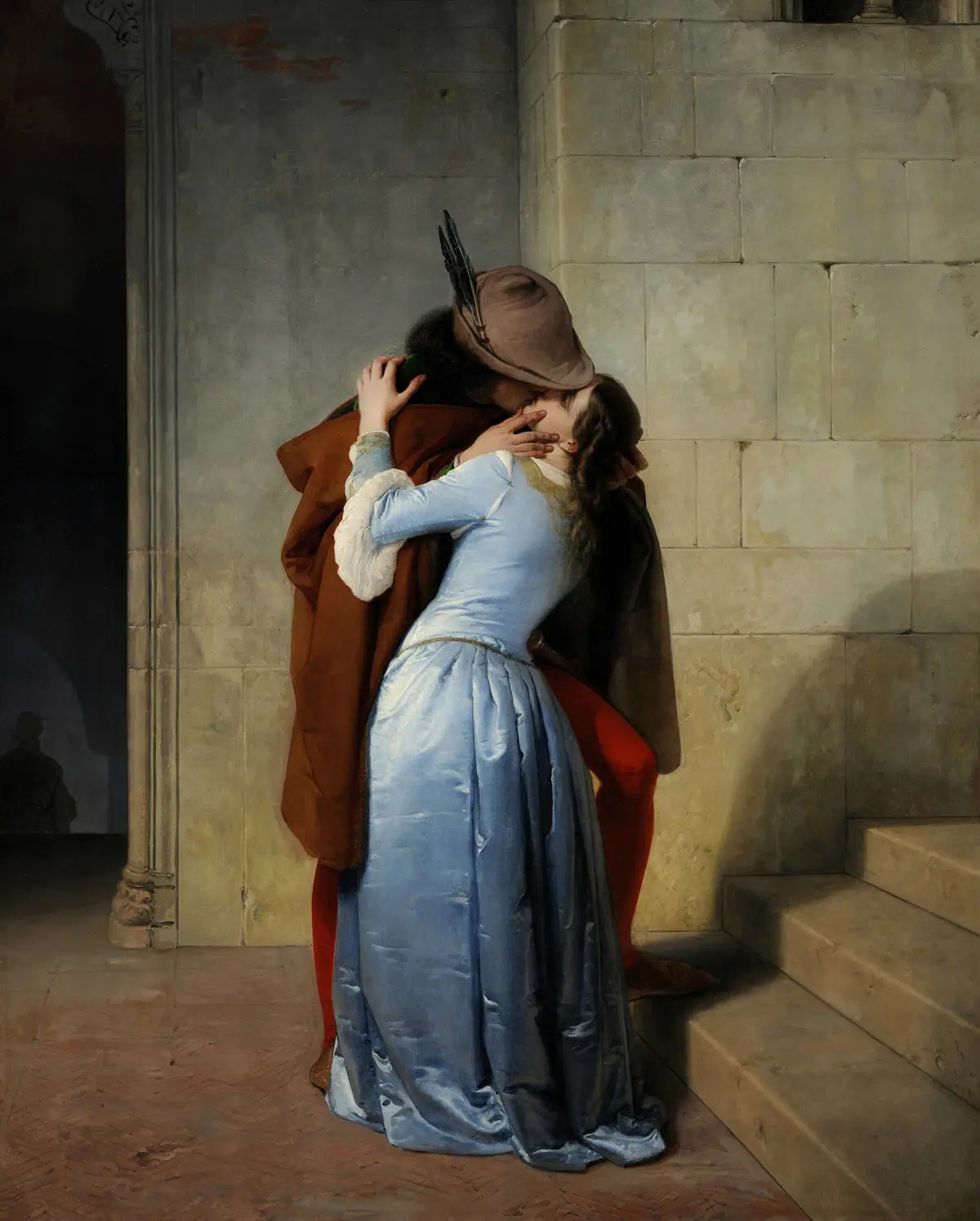
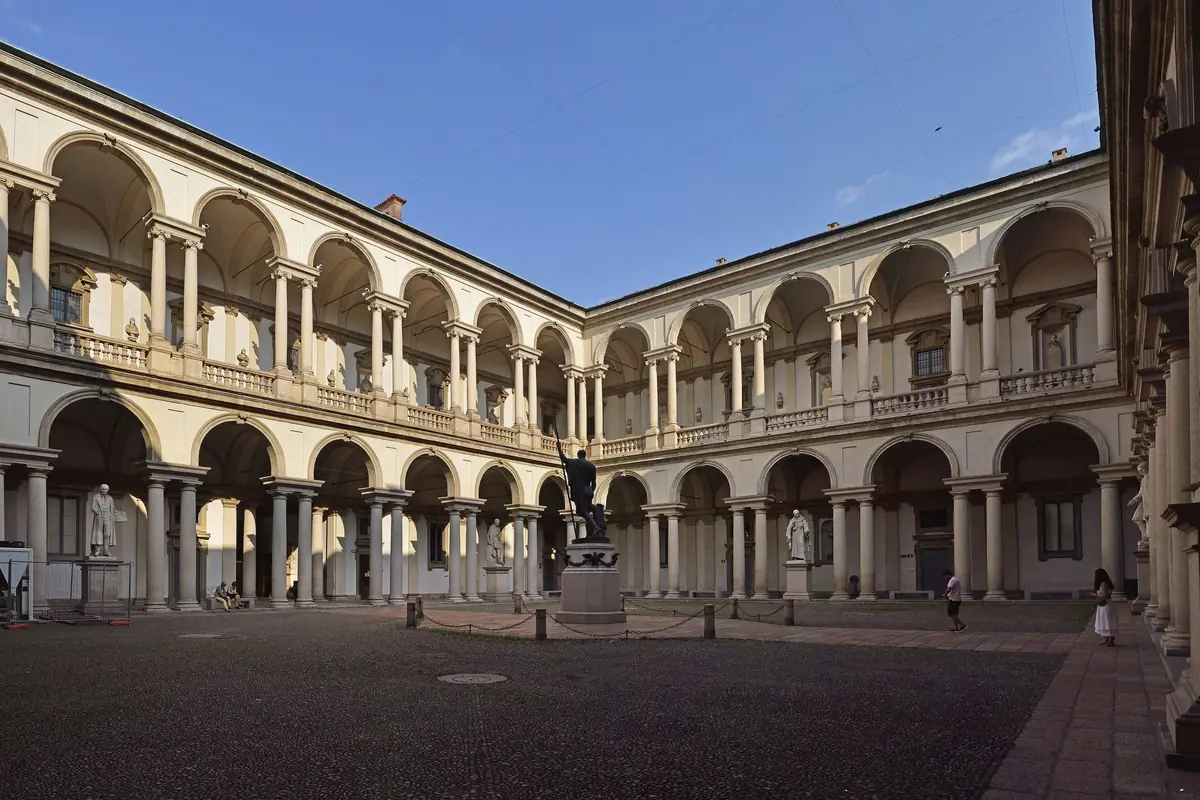
Next comes the Brera district, where the Pinacoteca di Brera, in a former Jesuit college, is the Italian state’s picture gallery in Milan. It picks out eight paintings as its masterpieces, among them Mantegna’s Dead Christ, seen from the feet, Raphael’s Marriage of the Virgin, Caravaggio’s Supper at Emmaus and Hayez’s The Kiss.
Every visit is booked for a day and time, even on the first Sunday of the month, when entry is free. Brera shuts on Mondays and isn’t on any Milan pass. Our small-group tour starts in the streets outside, along Via dei Fiori Chiari and Via dei Fiori Oscuri, before it takes you in.
Sforza Castle
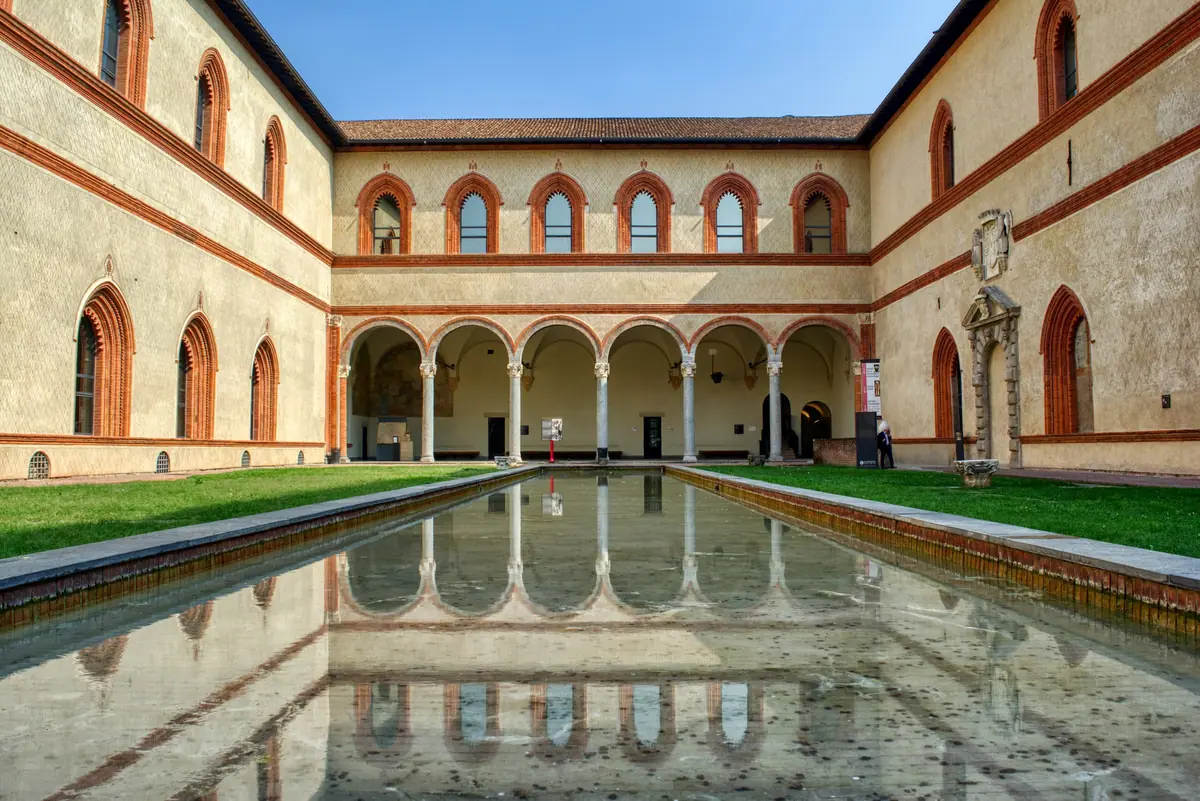
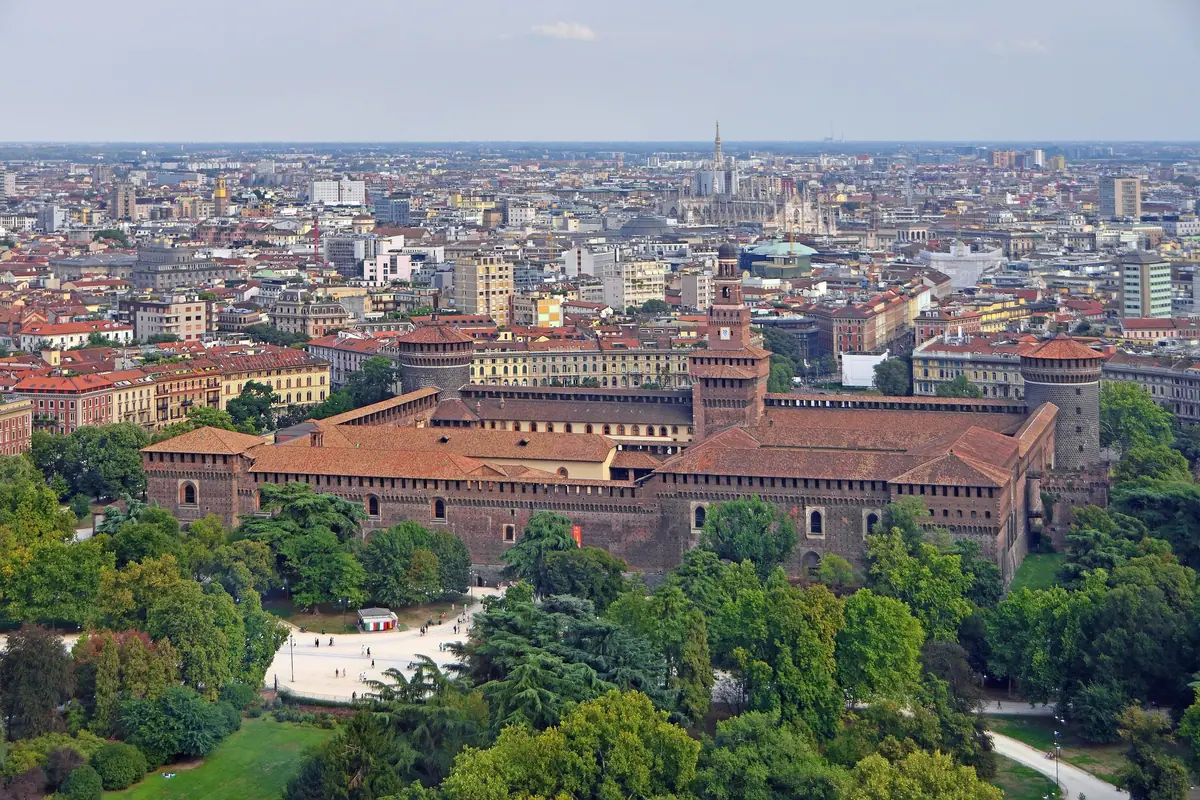
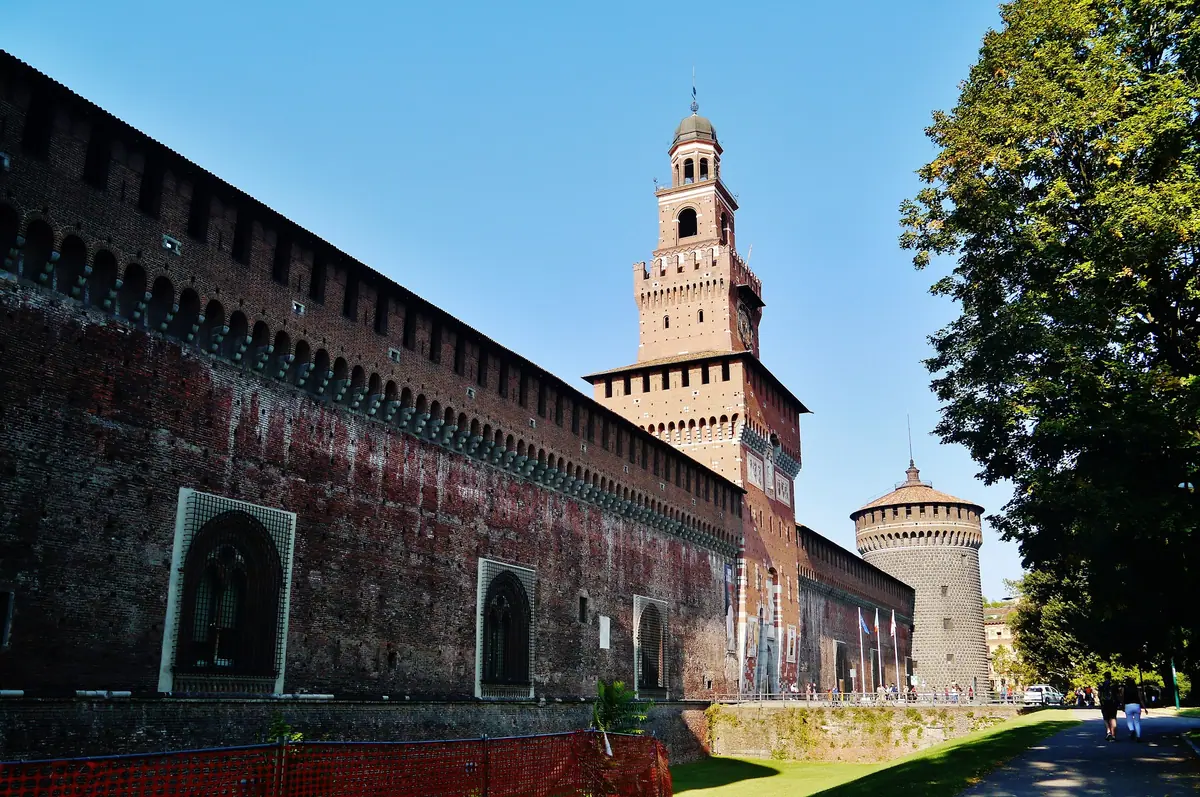
From Brera, the Lanza stop on the M2 serves the Sforza Castle too, the fortress built by the Visconti and rebuilt by the Sforza, the two families that ruled Milan from the 1300s to the 1500s. The Sforza court drew Leonardo and the architect Bramante. Its courtyards are open to walk into every day from 7:00 to 19:30. The museums inside hold Michelangelo’s last work, the Pietà Rondanini, which he left unfinished when he died in 1564, and you can walk all the way round it. Mantegna’s altarpiece of 1497, an armoury and an Egyptian gallery are in there too.
The museums open from Tuesday to Sunday, with the last entry at 16:30, and under-18s go in free. The castle’s own Leonardo, the painted room called the Sala delle Asse, is closed for restoration, and the city expects it to reopen in April 2027. Both YesMilano passes include the museums, and the rest of what each Milan pass covers is on Milan Pass and Milan’s city passes.
Included in the YesMilano City Pass Standard
Milan Aquarium, the Branca Tower and the Triennale in Parco Sempione
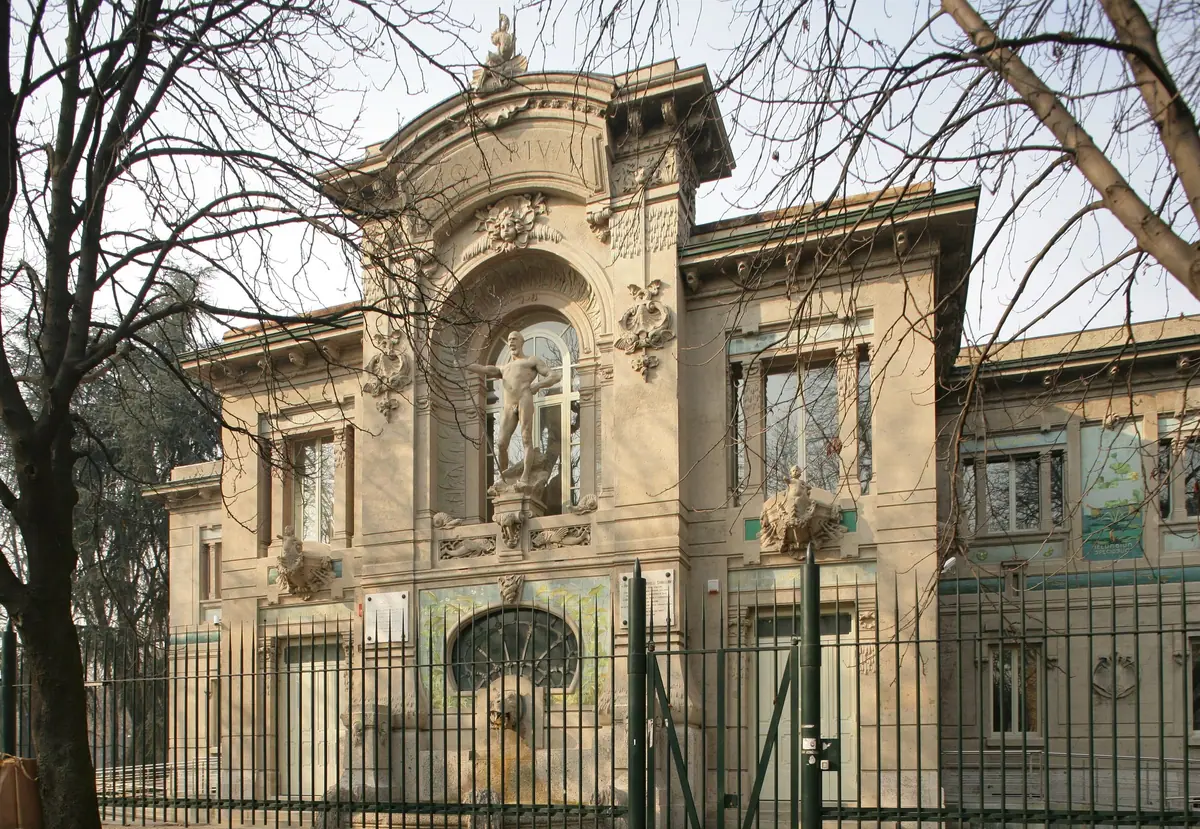
Behind the castle, Parco Sempione holds three more visits. The first, on the edge of the park, is the Aquarium, the only pavilion left from Milan’s 1906 International Exposition. Its 22 tanks follow Italy’s waters from Alpine streams to the open sea, where catsharks and rays swim in a tank over your head. The Aquarium is shut on Mondays, and under-18s go in free.
Included in the YesMilano City Pass Standard
About five minutes’ walk across the park, the architect Gio Ponti’s steel Branca Tower went up in 68 working days for the 1933 Triennale. A lift for five takes you to the glazed lookout near the top in about a minute, and from there you see the Duomo, the castle and the skyscrapers of Porta Nuova, with the Alps behind on a clear day. You get about five minutes up there. The tower keeps short hours, published a month at a time: last winter it opened on Wednesdays, Fridays and weekends, with Saturday nights from 20:30 to midnight, and it shuts in wind or bad weather.
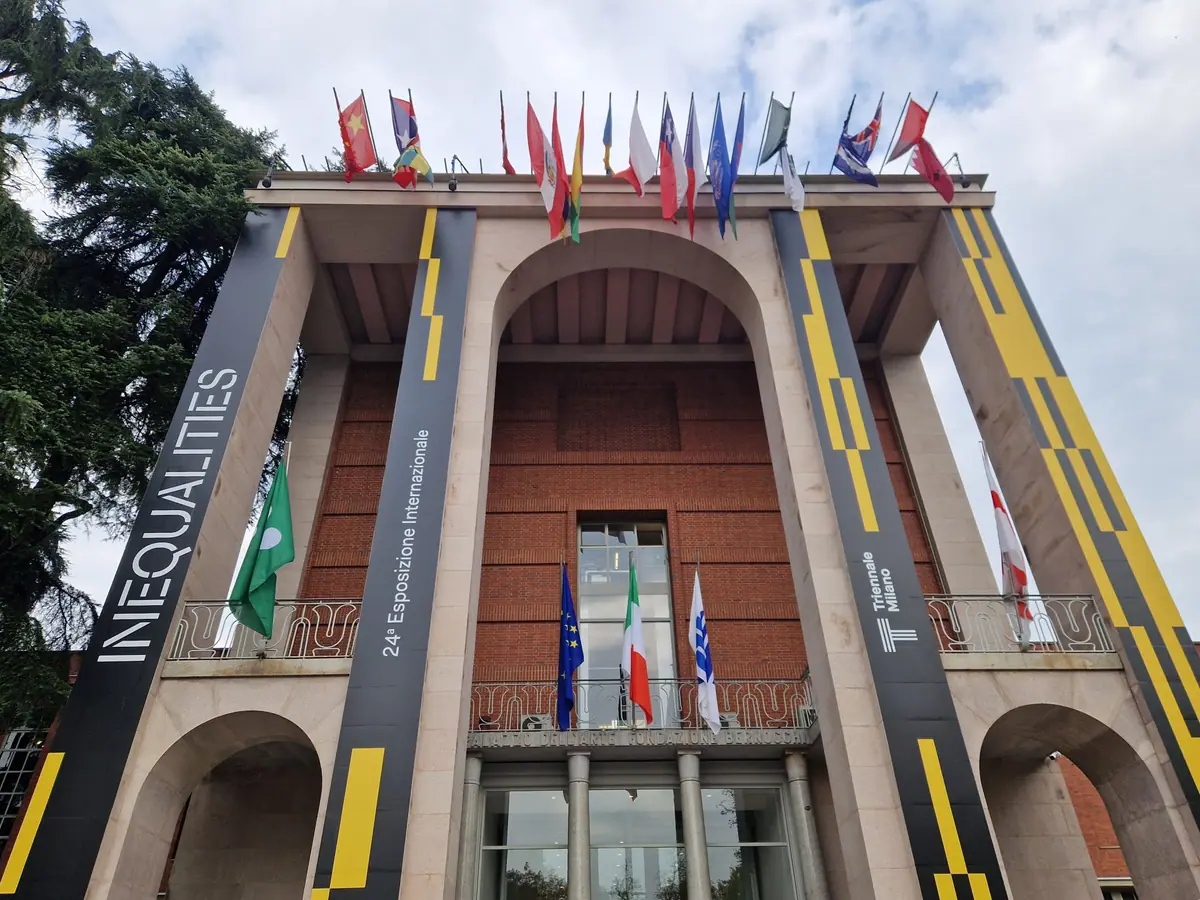
The tower was built for the Triennale, and the Triennale’s 1930s Palazzo dell’Arte is in the park too. You can walk into the building, the garden and the restaurants without a ticket; the ticket is for the Museo del Design Italiano, about 400 objects of Italian design from the 1920s to the 2000s, a premium activity on the YesMilano passes. The whole building shuts on Mondays.
One of the choices in the YesMilano City Pass Standard
The Last Supper
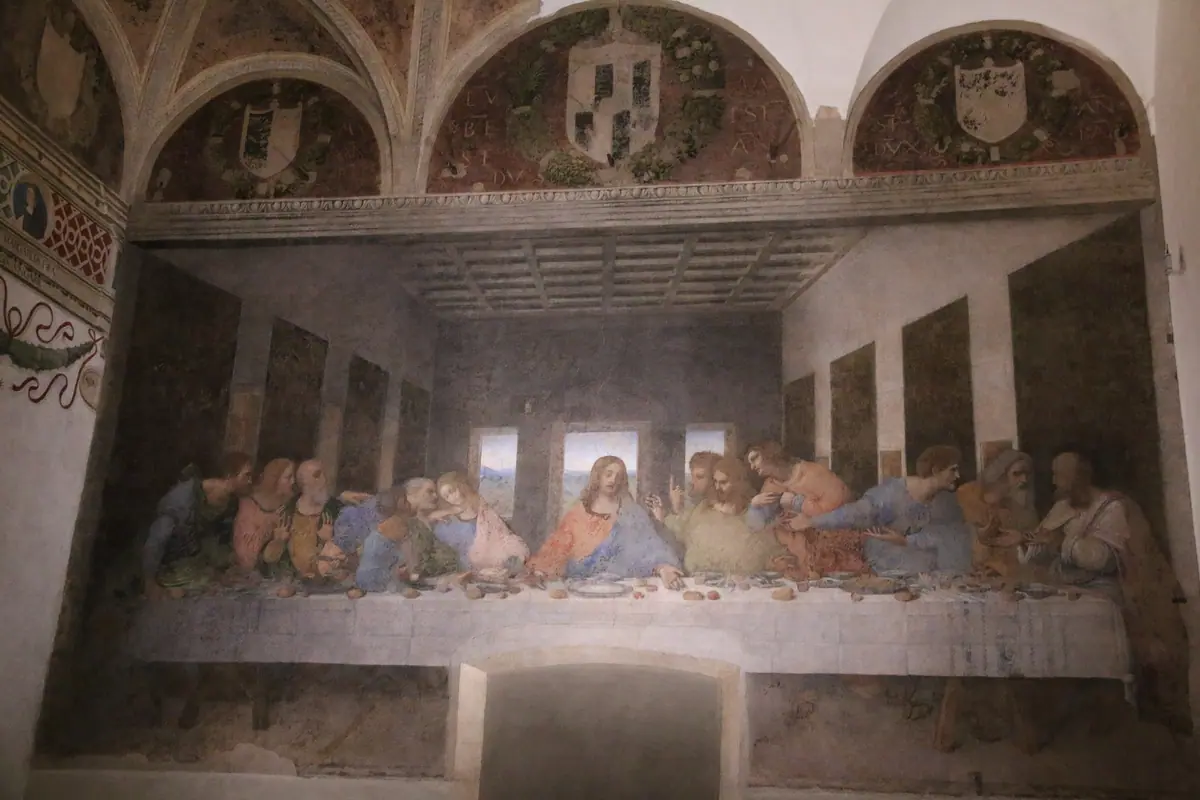
Cadorna, the metro stop at the edge of the park that also serves the castle, is the one for Leonardo’s Last Supper, on the end wall of the old refectory of Santa Maria delle Grazie. Leonardo painted the moment Jesus says one of the twelve will betray him, with Judas in shadow, holding the purse. He painted it in tempera on a dry wall rather than as a fresco, so the colour began to come away within years, and it has been through nine recorded restorations.
You see it in a group of up to 40, for 15 minutes, with your name on the ticket and nothing sold at the door. The museum releases its tickets in batches a few months at a time and they sell out, so the tickets we sell are guided tours with the entry included. It’s closed on Mondays, and no Milan pass includes it. The church of Santa Maria delle Grazie beside it is free to enter.
Science and Technology Museum
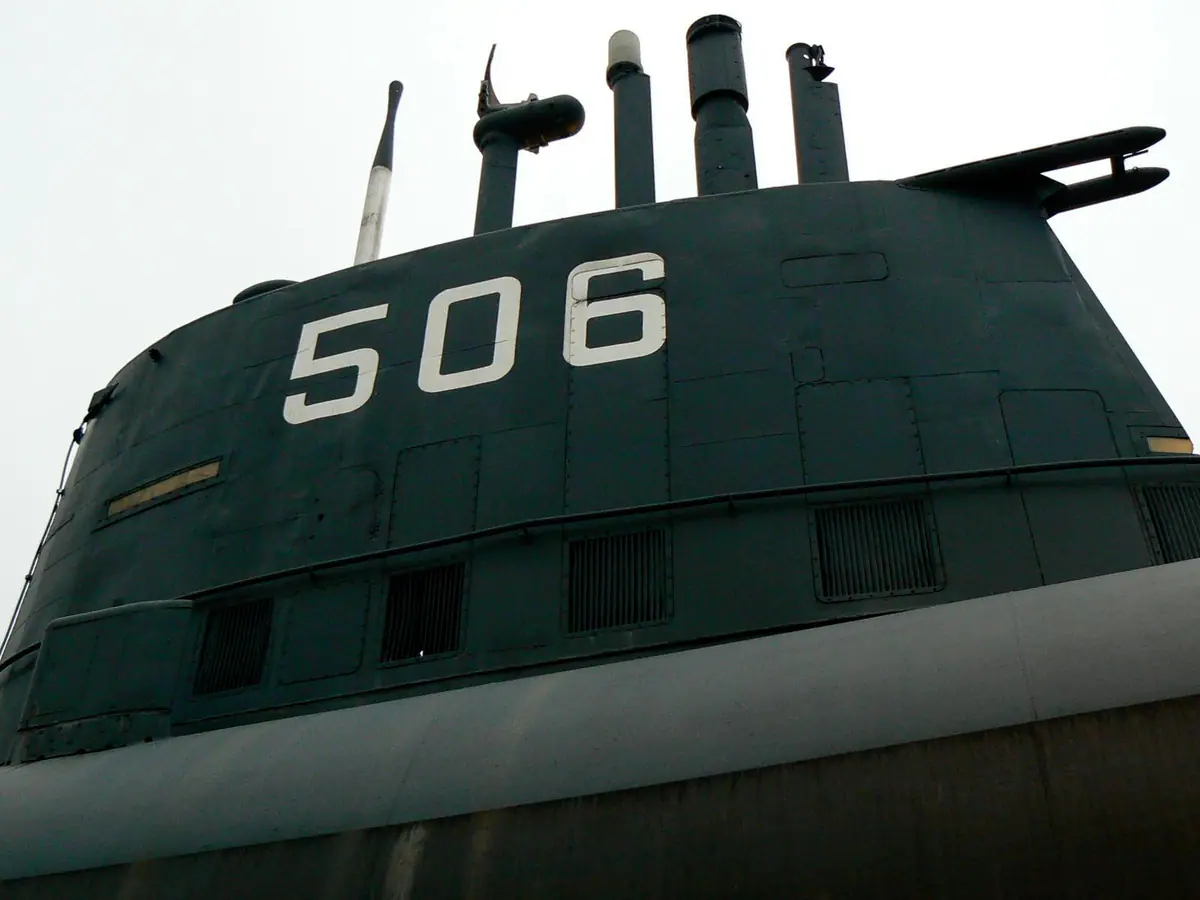
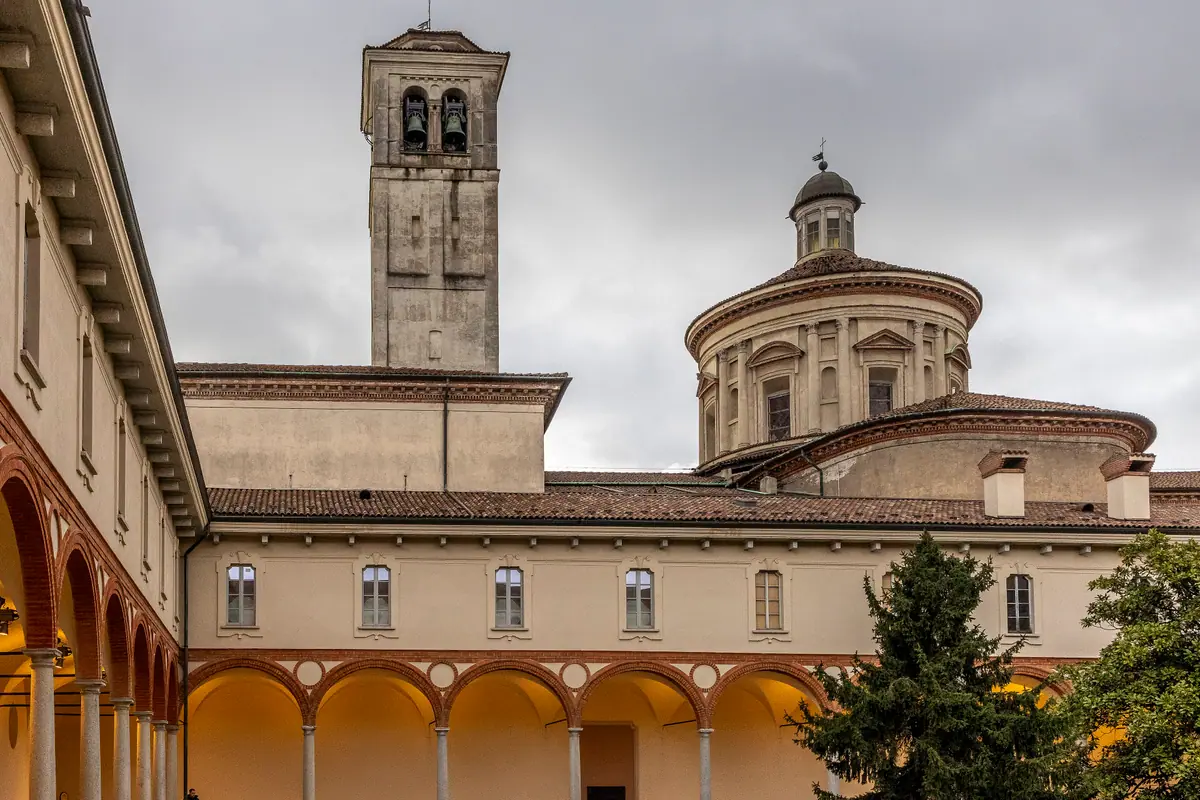
One stop on from Cadorna on the M2, at Sant’Ambrogio, Italy’s largest museum of science and technology fills a 16th-century monastery and its pavilions. Its Leonardo da Vinci Galleries hold models built from his drawings, and beyond them are moon rocks, the bridge of an ocean liner, locomotives, planes and, in the grounds, the Toti, a whole navy submarine.
On weekdays it closes at 17:00, so an afternoon visit is a short one, while at weekends it stays open until 18:30. On Mondays it’s shut.
One of the choices in the YesMilano City Pass Standard
Basilica of Sant’Ambrogio
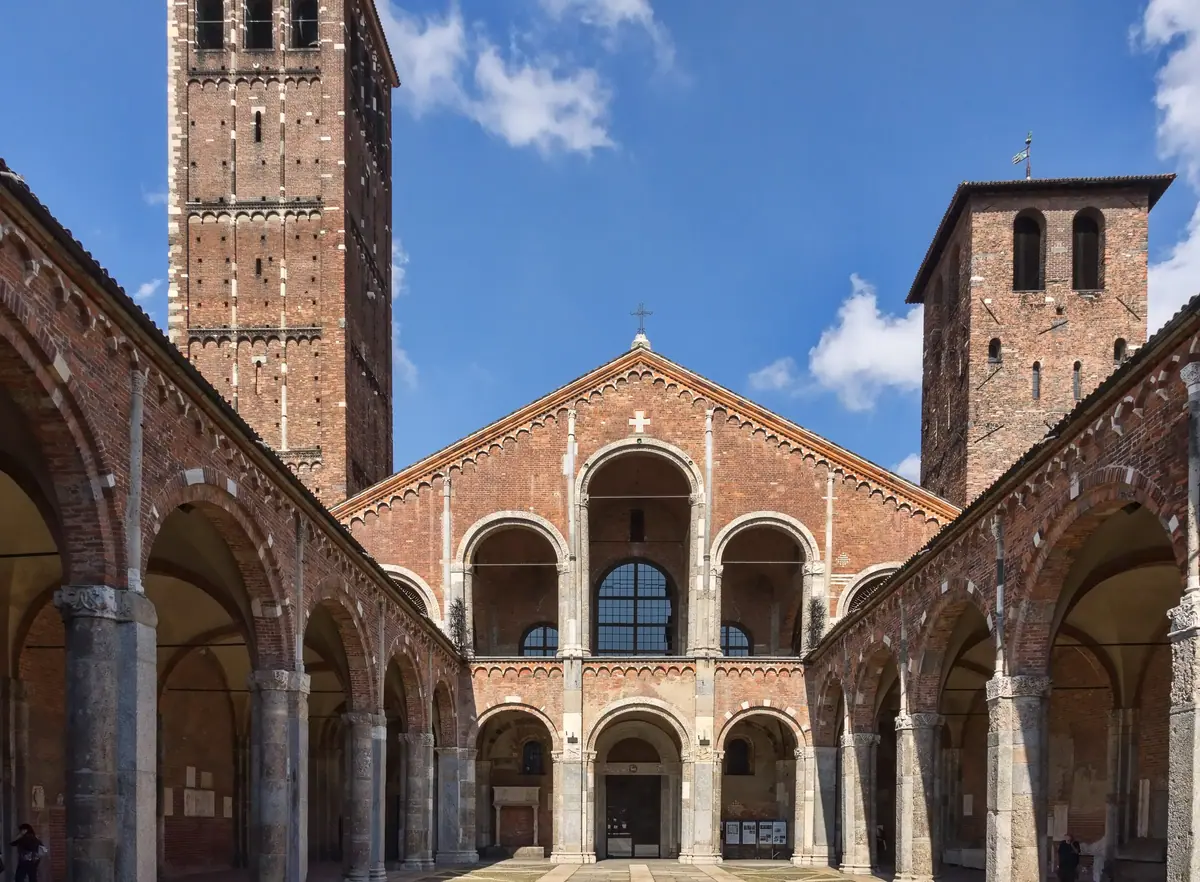
The stop is named after the basilica of Sant’Ambrogio, five minutes from the museum. Ambrose, Ambrogio in Italian, was the Roman governor based in Milan when he was acclaimed bishop in 374, before he’d even been baptised. He became the city’s patron saint and lies in the crypt of this church, begun in 379.
Through the atrium, the arcaded courtyard in the photo, you reach a Romanesque church rebuilt around 1100. Its ninth-century golden altar tells the life of Christ on the front and Ambrose’s on the back. On a column in the nave, a bronze serpent waits to come down, legend says, at the end of the world.
Entry is free: 10:00 to 12:00 and 14:30 to 18:00 from Monday to Saturday, 15:00 to 17:00 on Sundays, with no visits during Mass. A €5 route called Ambrosius, new in 2025, opens the treasury and the chapel of San Vittore, whose gold mosaic vault holds the oldest known portrait of Ambrose.
Poldi Pezzoli and Bagatti Valsecchi, two collectors’ houses
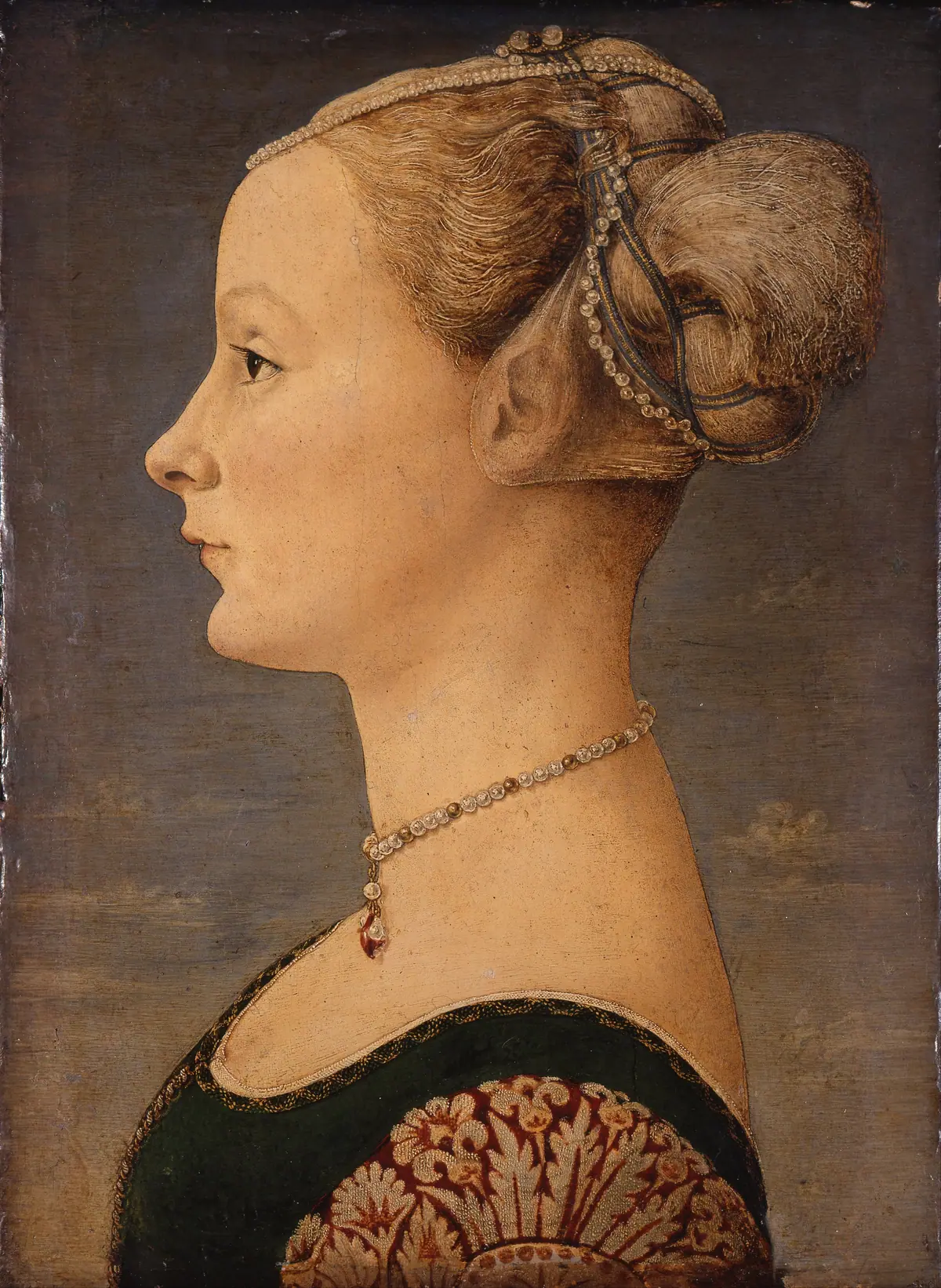
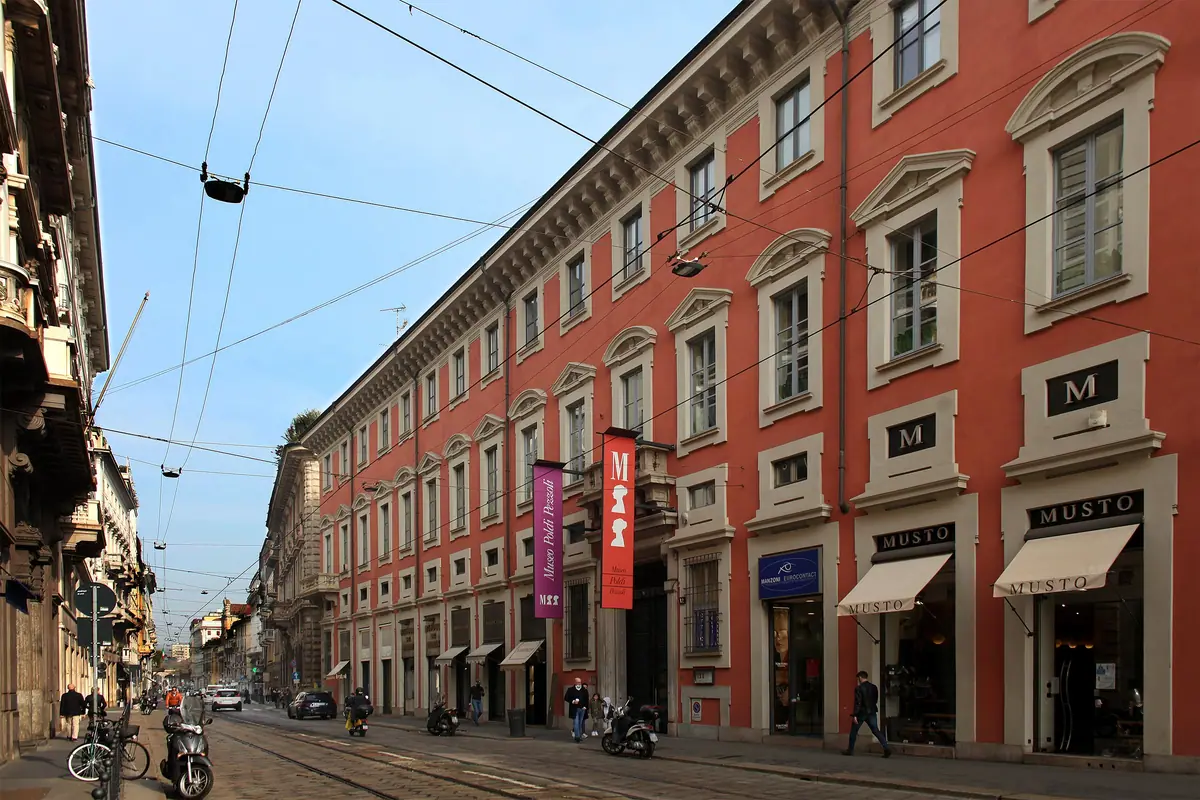
Back in the centre, a short walk up Via Manzoni from La Scala, the Poldi Pezzoli is the house a 19th-century nobleman, Gian Giacomo Poldi Pezzoli, filled with Renaissance paintings, armour, clocks and carpets. Its emblem is a young woman in profile attributed to the Pollaiolo brothers of Florence, and there are two Botticellis and works by Piero della Francesca, Bellini and Mantegna. It’s the one house museum open on Mondays, and it closes on Tuesdays.
One of the choices in the YesMilano City Pass Standard
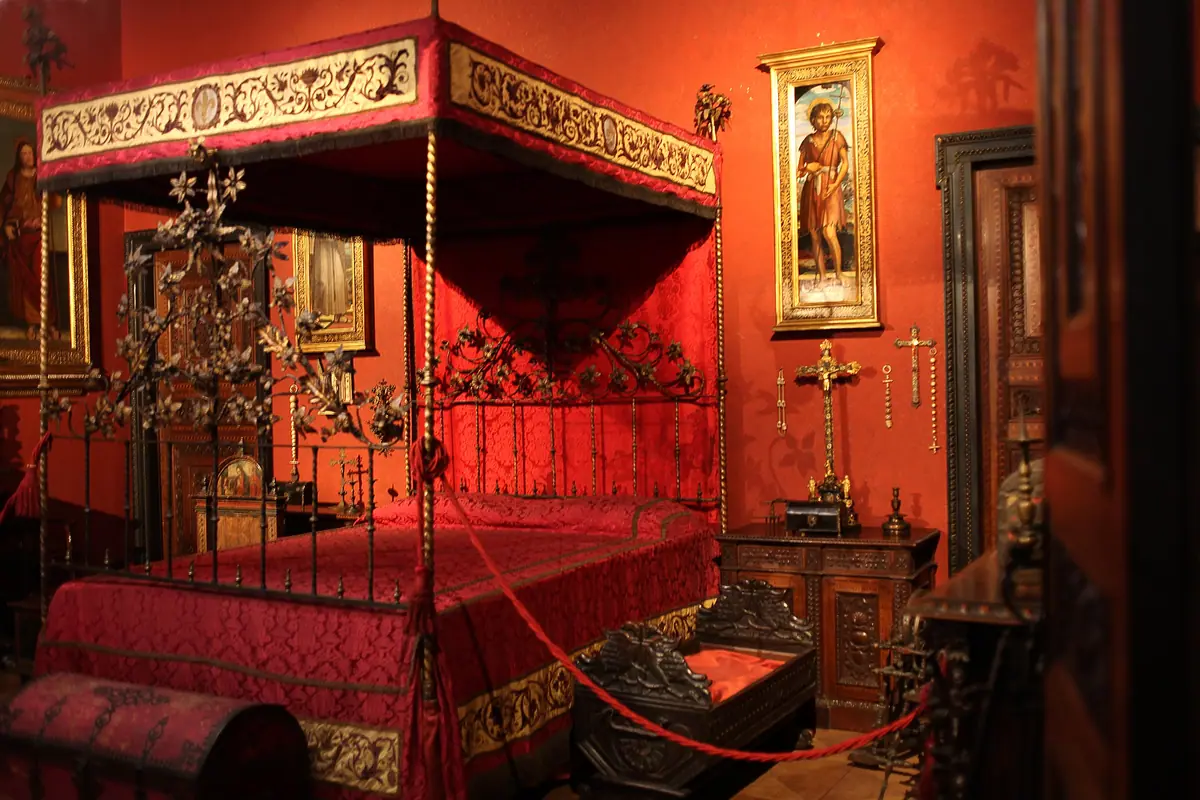
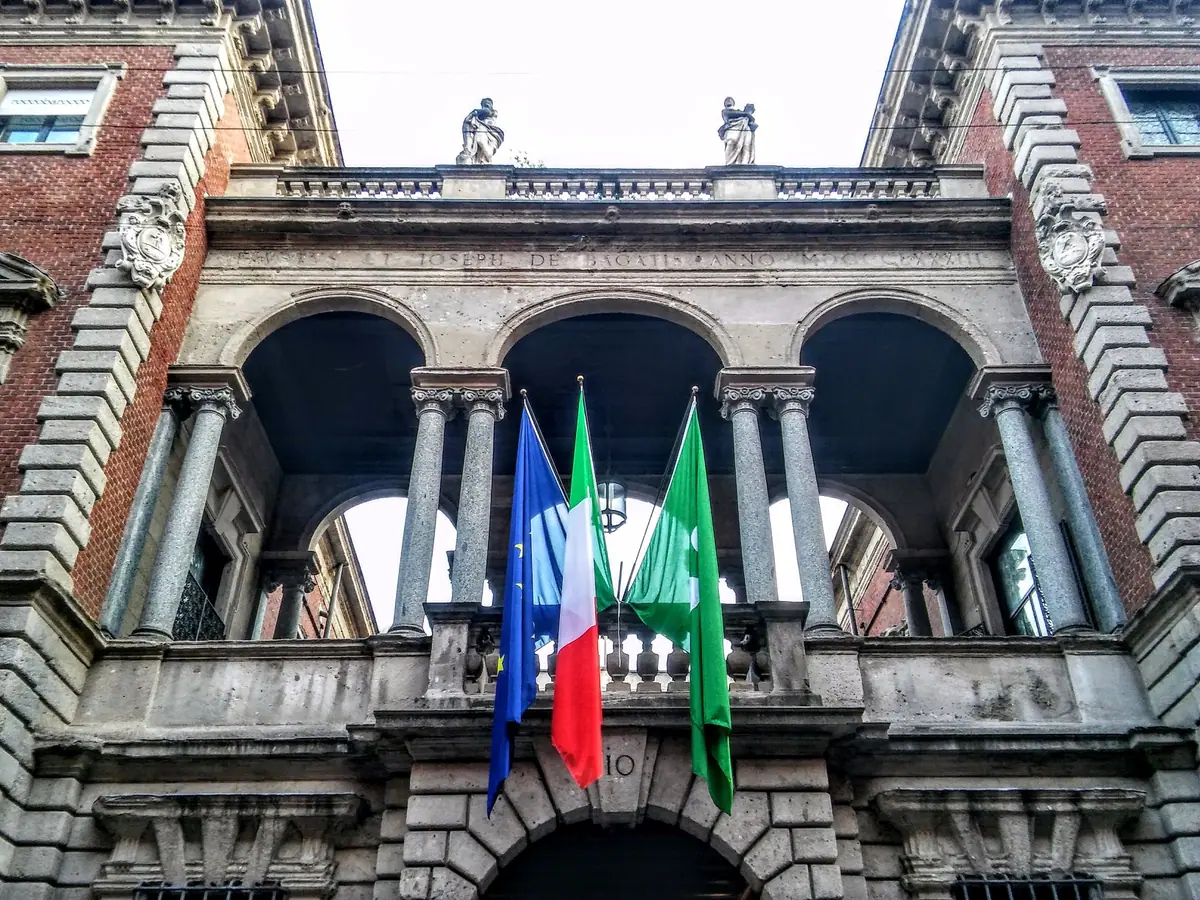
A few streets away, on Via Gesù in the fashion district, two barons, Fausto and Giuseppe Bagatti Valsecchi, built a palace between 1883 and 1894 and filled it with 15th and 16th-century paintings, armour and furniture, while fitting it with central heating, running water and electric light. It’s still arranged as they had it, and it opens only from Wednesday to Sunday. The Case Museo Card covers both houses, with Villa Necchi and the Boschi Di Stefano flat, and both are premium activities on the YesMilano passes.
One of the choices in the YesMilano City Pass Standard
Palazzo Morando
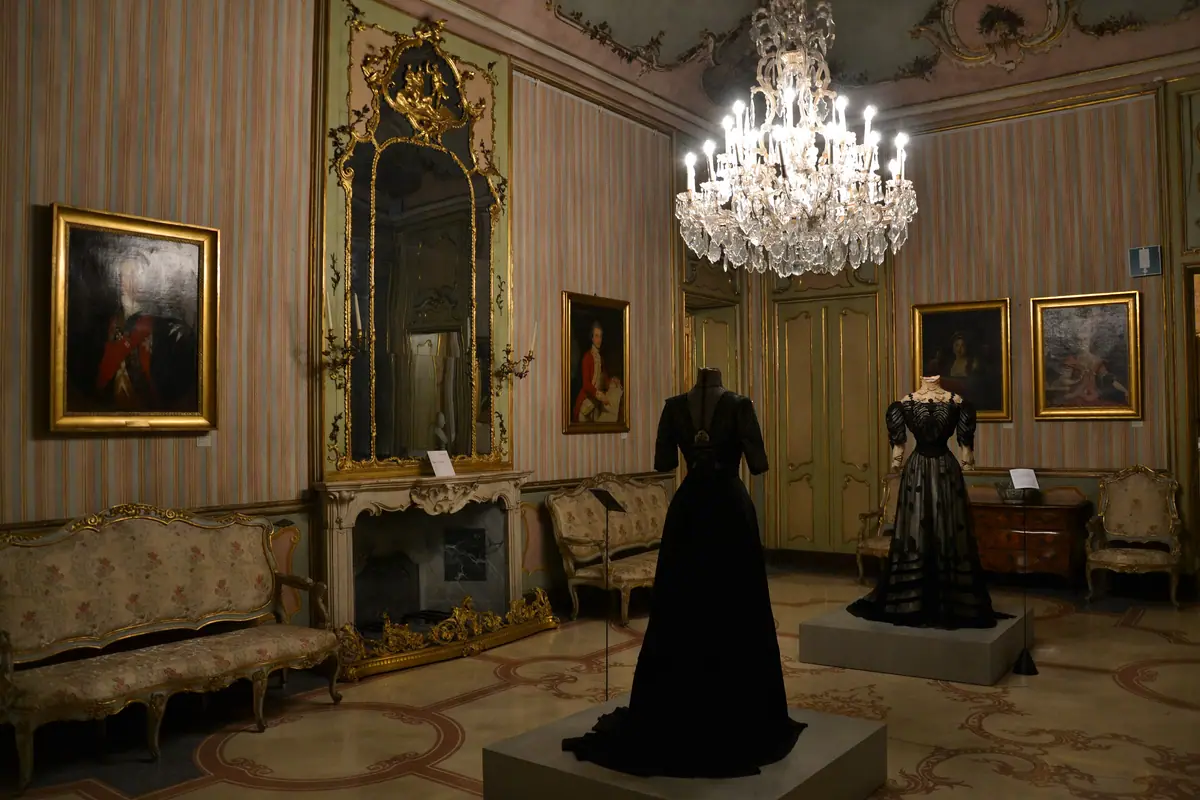
Also in the fashion district, on Via Sant’Andrea, Palazzo Morando came to the city in 1945 from a countess who left it on condition that it become a museum. Its painted and stuccoed 18th-century rooms face the street, the picture gallery shows how Milan looked from the 17th century to the early 20th, and the city’s clothes collection goes on show in some rooms at certain times of the year.
Entry is free for now, though the city plans a €5 ticket with no date set. It closes on Mondays, and the last entry is at 17:00.
Villa Necchi Campiglio
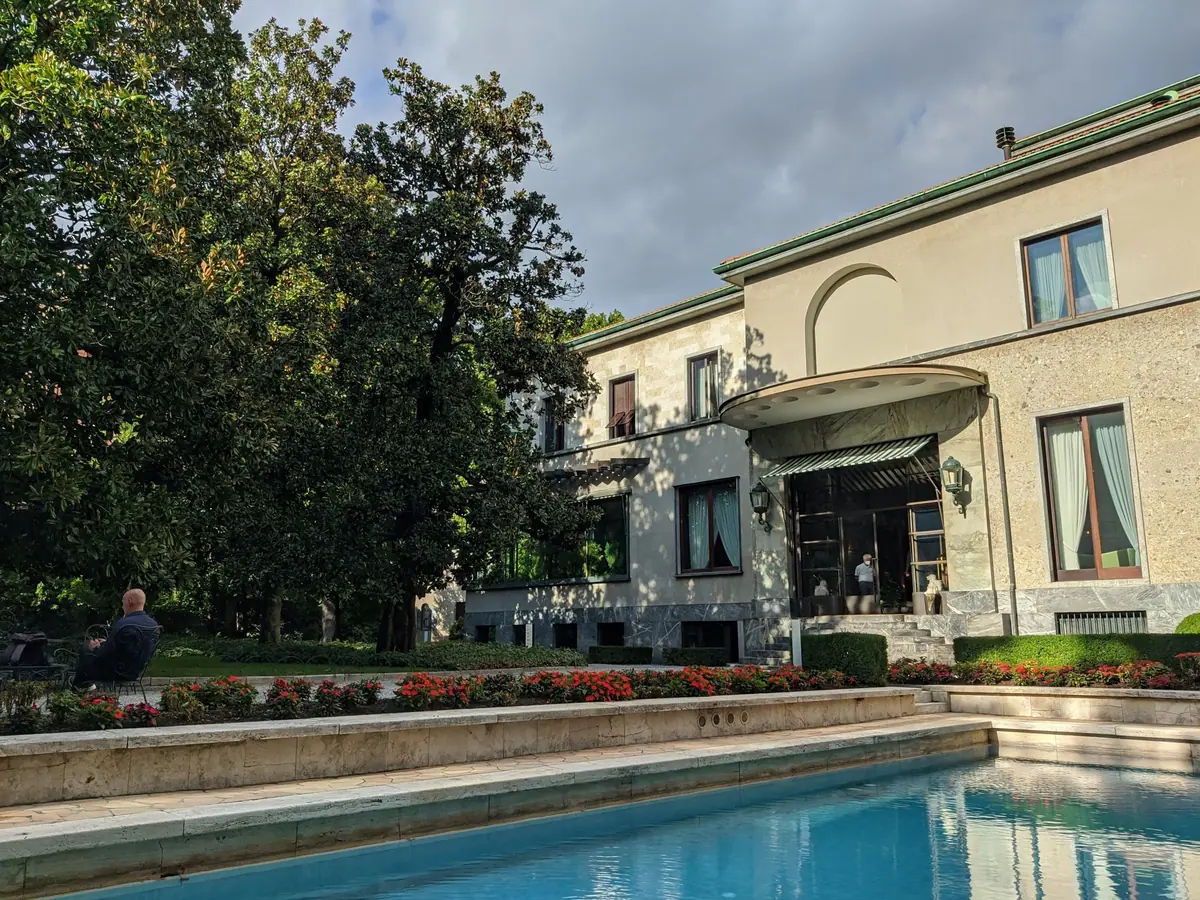
Five minutes from Palestro on the M1, Villa Necchi Campiglio is the house the architect Piero Portaluppi built in 1932–35 for a family of industrialists from Pavia, with a lift, a pool and a tennis court, and the film directors Luca Guadagnino and Ridley Scott have both shot scenes in it. It belongs to the FAI, Italy’s heritage trust, and the ticket covers the house and the garden, with texts and videos on your phone.
The villa opens from Wednesday to Sunday and has no air conditioning, which you’ll feel on a July or August afternoon.
One of the choices in the YesMilano City Pass Standard
Natural History Museum
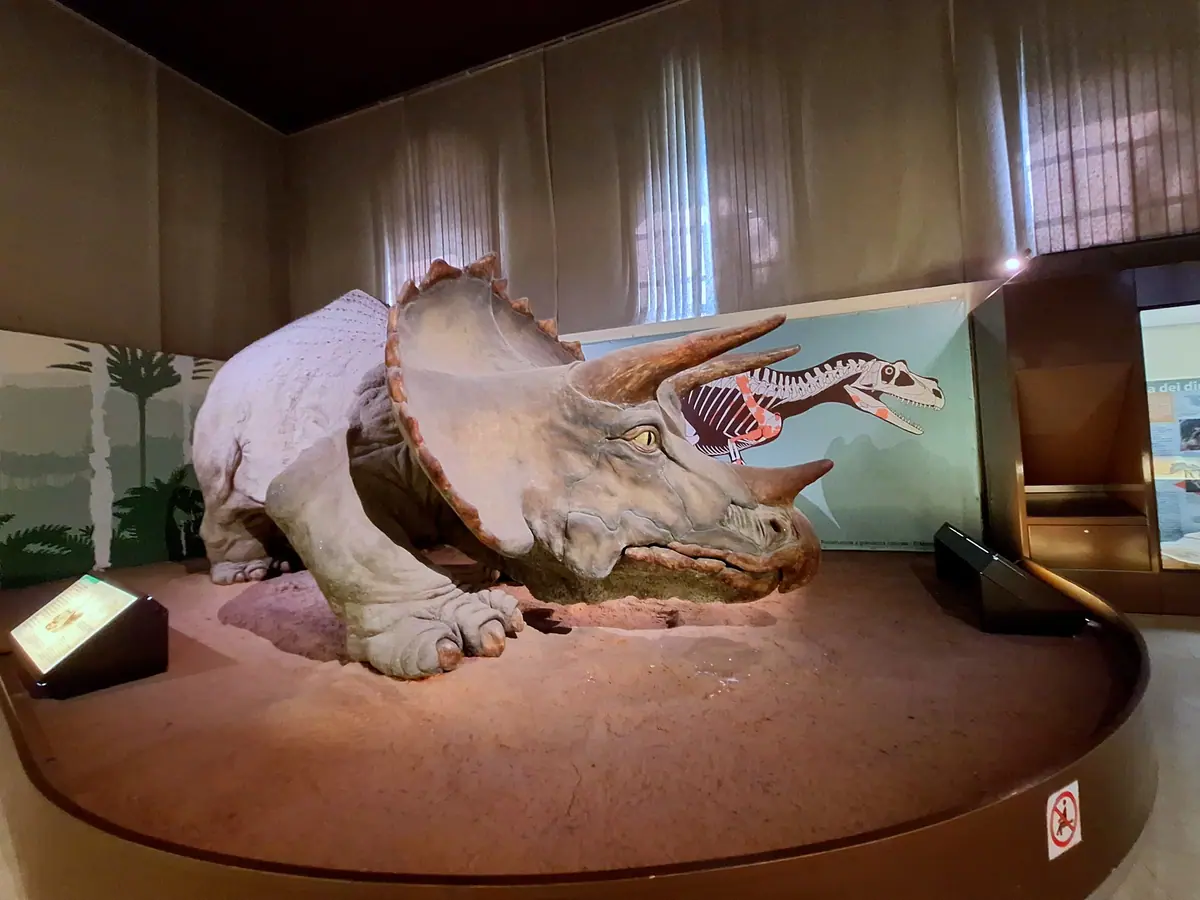
Palestro also serves the Giardini Pubblici, where the Natural History Museum, founded in 1838, is the oldest of the civic museums. Its 23 rooms take in minerals, fossils, animals and plants, four dinosaur models stand on the ground floor, and its dioramas, habitats rebuilt in three dimensions, are the largest collection of them in Italy.
Like the Aquarium, it shuts on Mondays and lets under-18s in free.
Included in the YesMilano City Pass Standard
Casa Museo Boschi Di Stefano
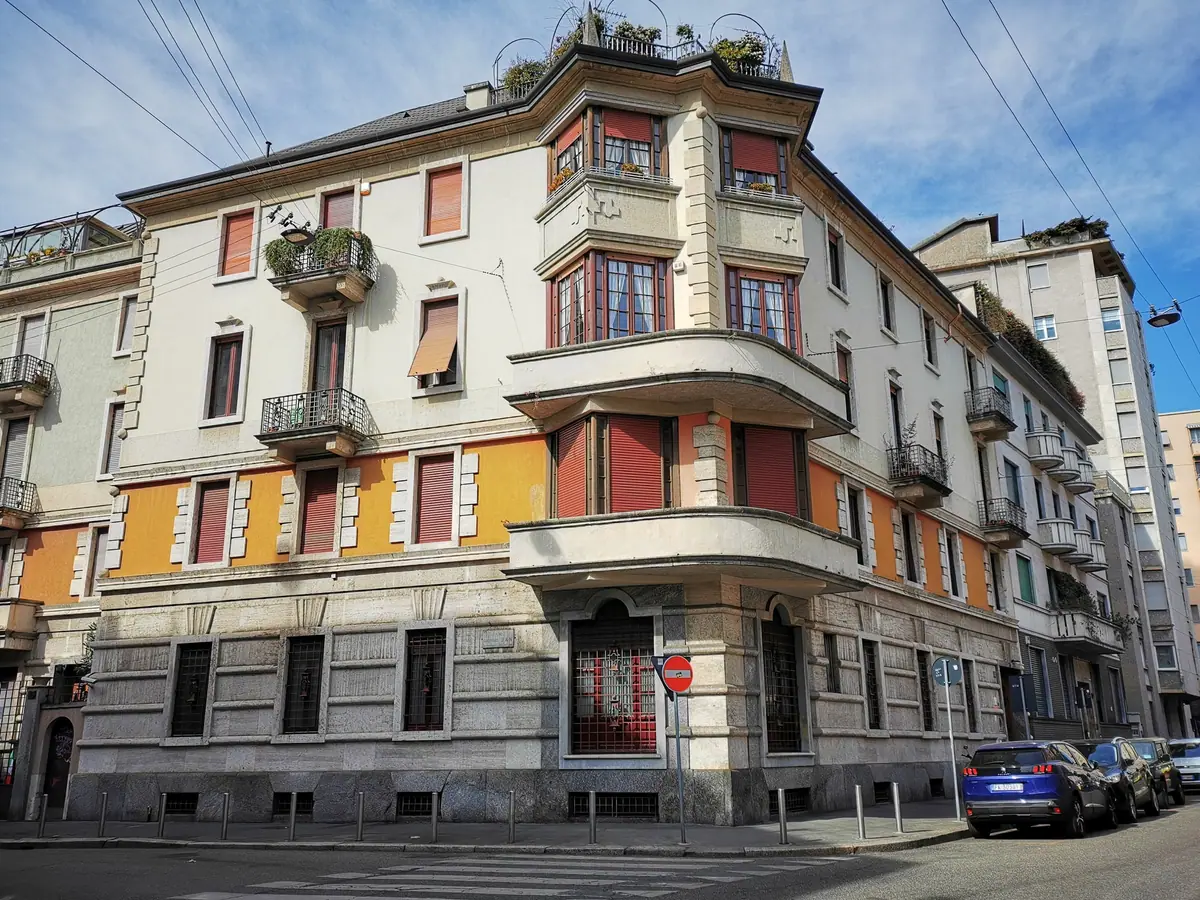
Further out along the same M1, at Lima, the Casa Museo Boschi Di Stefano is the flat where Antonio Boschi, a Pirelli engineer, and his wife Marieda Di Stefano, a ceramist, lived with their collection of 20th-century Italian art. About 300 works hang in eleven rooms, still without labels, as when the couple lived there.
Entry is free, and since the flat is small, reserving a time online saves you a queue at the door. It’s closed on Mondays.
MUDEC, the Museum of Cultures
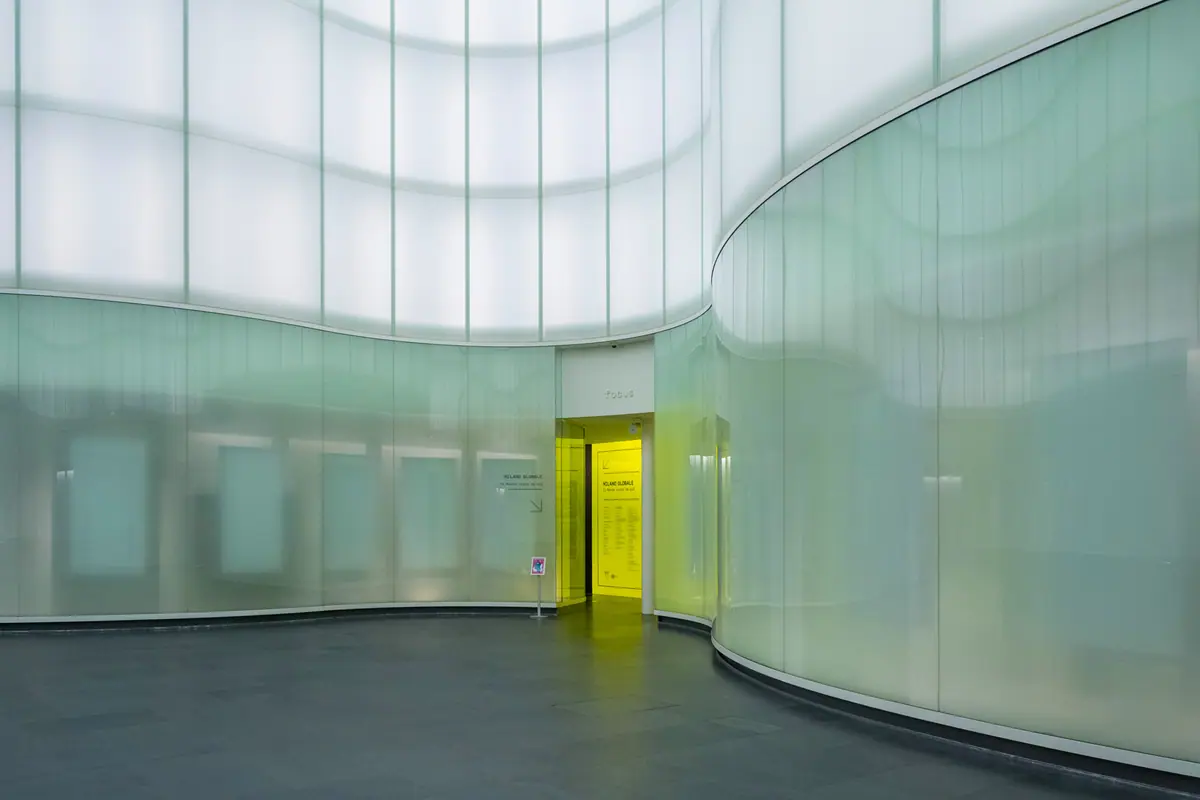
South-west of the centre, in Zona Tortona, MUDEC fills a former Ansaldo factory. Its permanent collection, Milano globale, uses objects from the city’s ethnographic collections to show how Milan has been tied to the rest of the world since the early modern age. It’s free for now. The big exhibitions are paid, and Matisse runs until 21 February 2027.
The permanent collection closes on Mondays, while the exhibitions open on Monday afternoons. MUDEC is about a kilometre from Porta Genova on the M2.
The Navigli, Milan’s canals
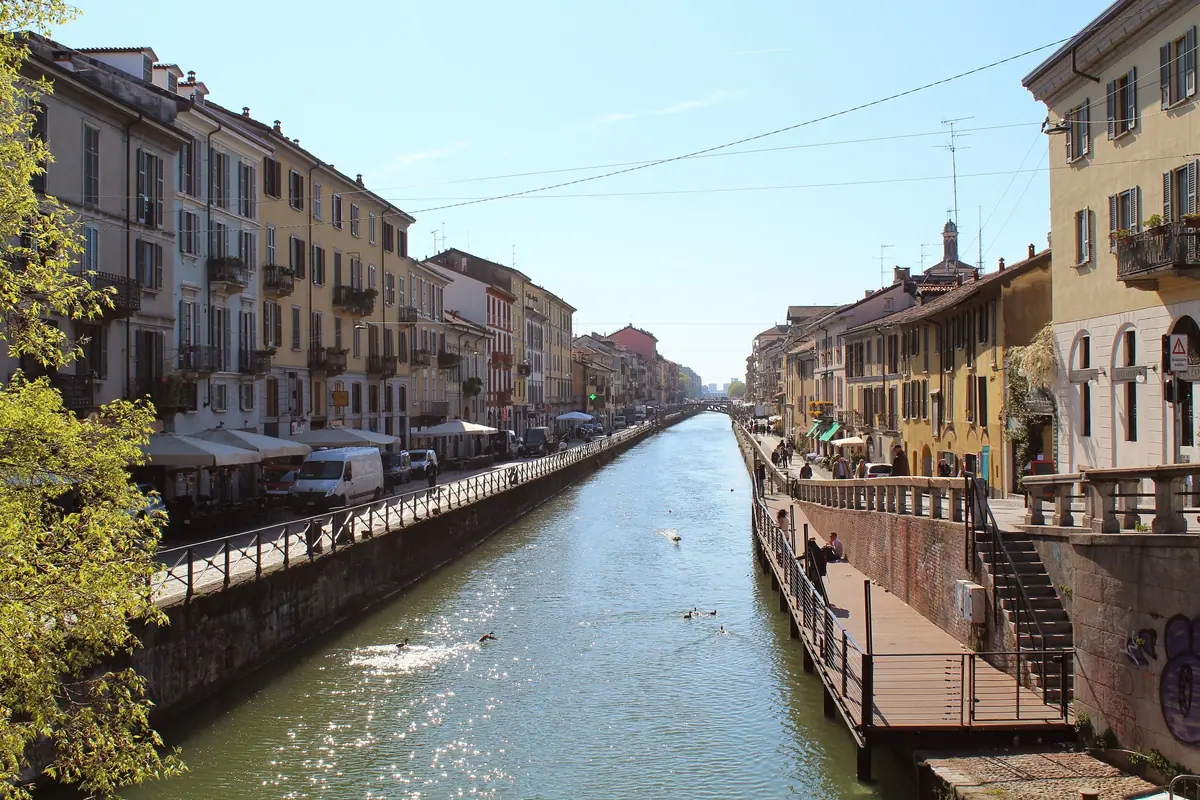
Porta Genova is also the stop for the Navigli, the canal quarter south of the centre, where the Naviglio Grande and the Naviglio Pavese meet in the Darsena, the old port. A naviglio is a hand-dug canal, and the Naviglio Grande, begun in the 12th century, carried the marble for the Duomo.
Walking along the canals costs nothing, and from early evening their bars fill up for aperitivo, a drink with snacks before dinner, above all in summer. On the last Sunday of the month antique stalls line almost two kilometres of the Naviglio Grande, next on 29 November and, brought forward, on 20 December.
Our two boat trips leave from the Scodellino landing stage, at Alzaia Naviglio Grande 4. The canal tour runs to the church of San Cristoforo and back, past the Vicolo dei Lavandai, where Milan’s laundry was scrubbed on sloping stones in canal water. The aperitif cruise comes with a drink and canapés.


Fondazione Prada
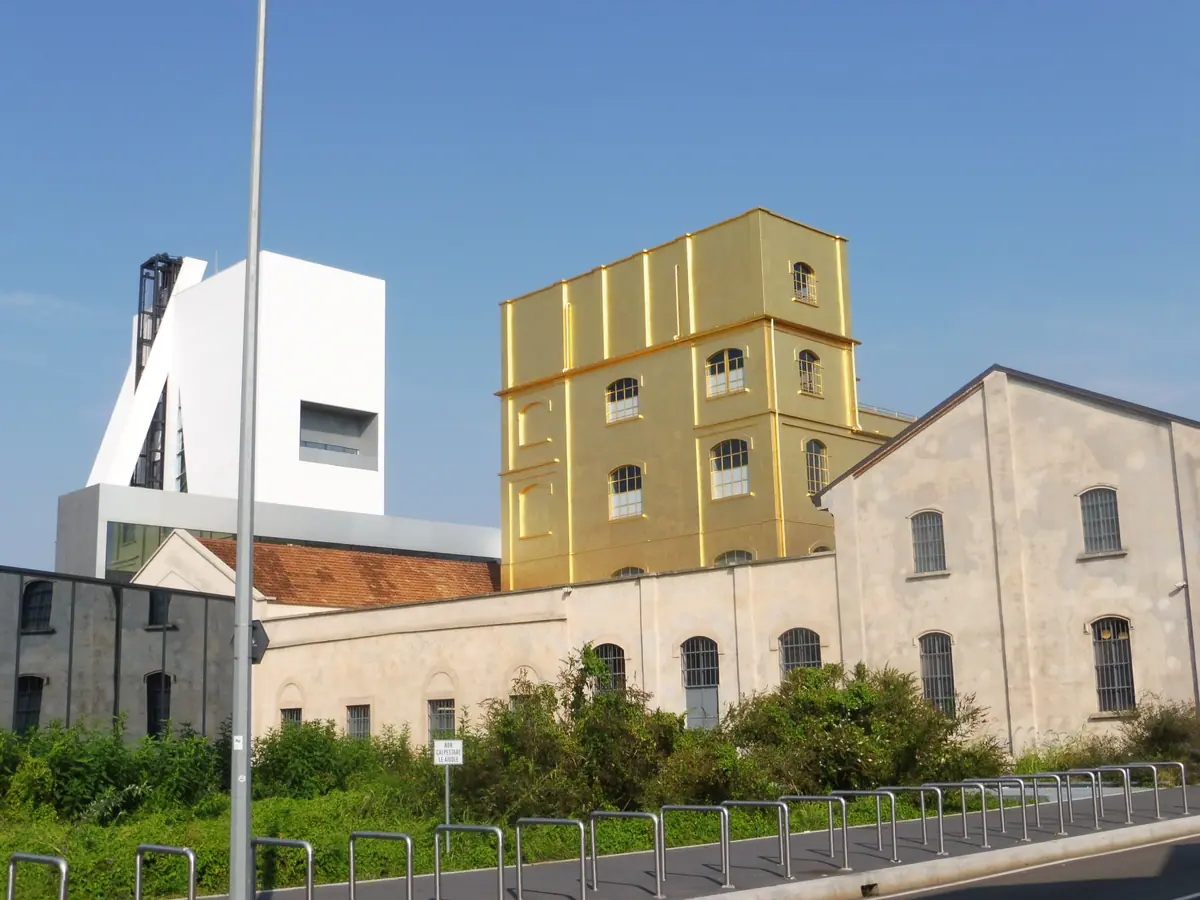
In the south of the city, at Lodi T.I.B.B. on the M3, Fondazione Prada is a 1910s distillery that the Dutch architect Rem Koolhaas’s office rebuilt as galleries, with one old building covered in 24-carat gold leaf and a white tower rising 60 metres beside it. One ticket covers every exhibition on the site, and the Bar Luce, the café, was designed by the film director Wes Anderson.
Give it at least two hours, on any day but Tuesday. Under-18s go in free, and no Milan pass covers it.
Pirelli HangarBicocca
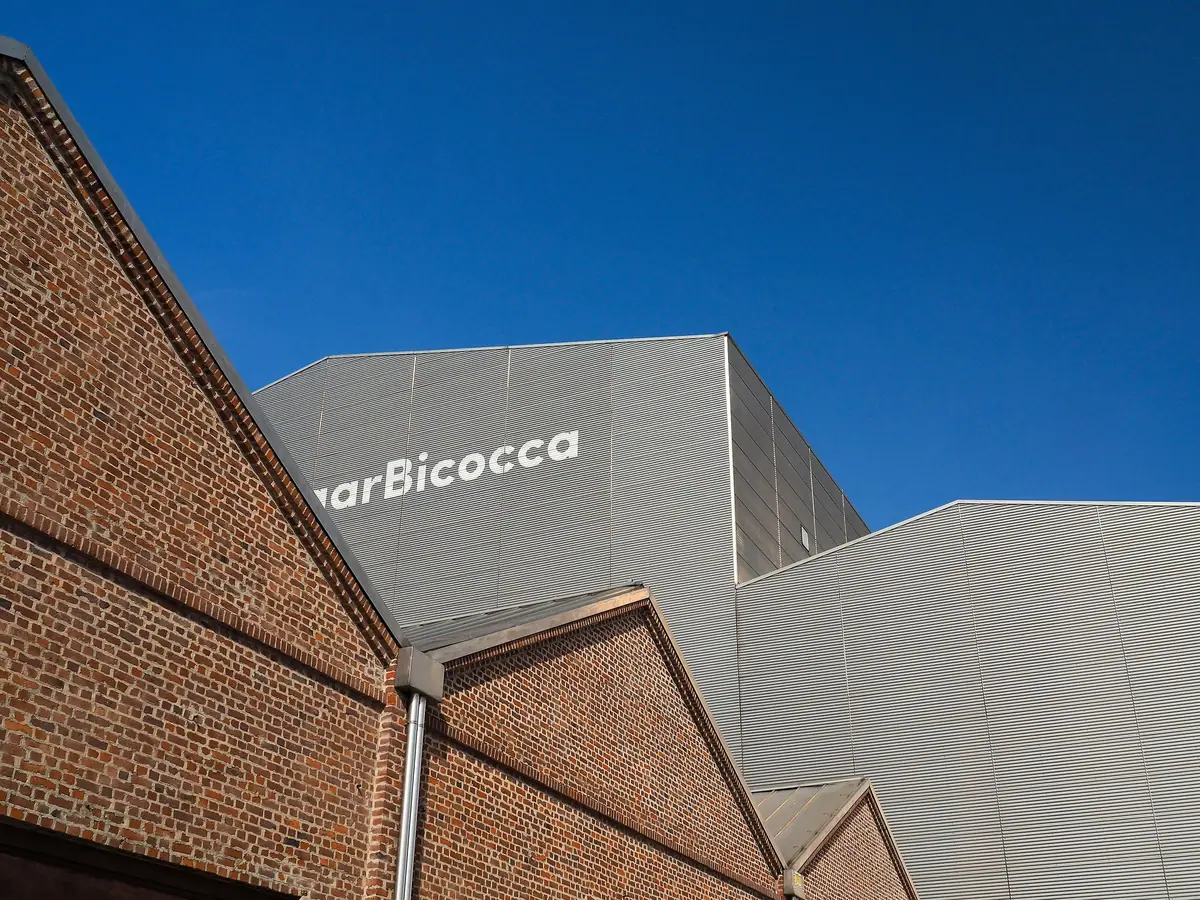
To the north, in Bicocca, Pirelli HangarBicocca shows contemporary art in the halls of the old Breda train and locomotive factory, free to enter. The work that stays is the German artist Anselm Kiefer’s Seven Heavenly Palaces, seven concrete towers 13 to 19 metres high, and the other halls change their shows through the year.
The exhibitions open only from Thursday to Sunday, until 20:30. There’s no metro at the door: buses 51 and 87 run there from Sesto Marelli on the M1 and Ponale on the M5.
Galleria Campari
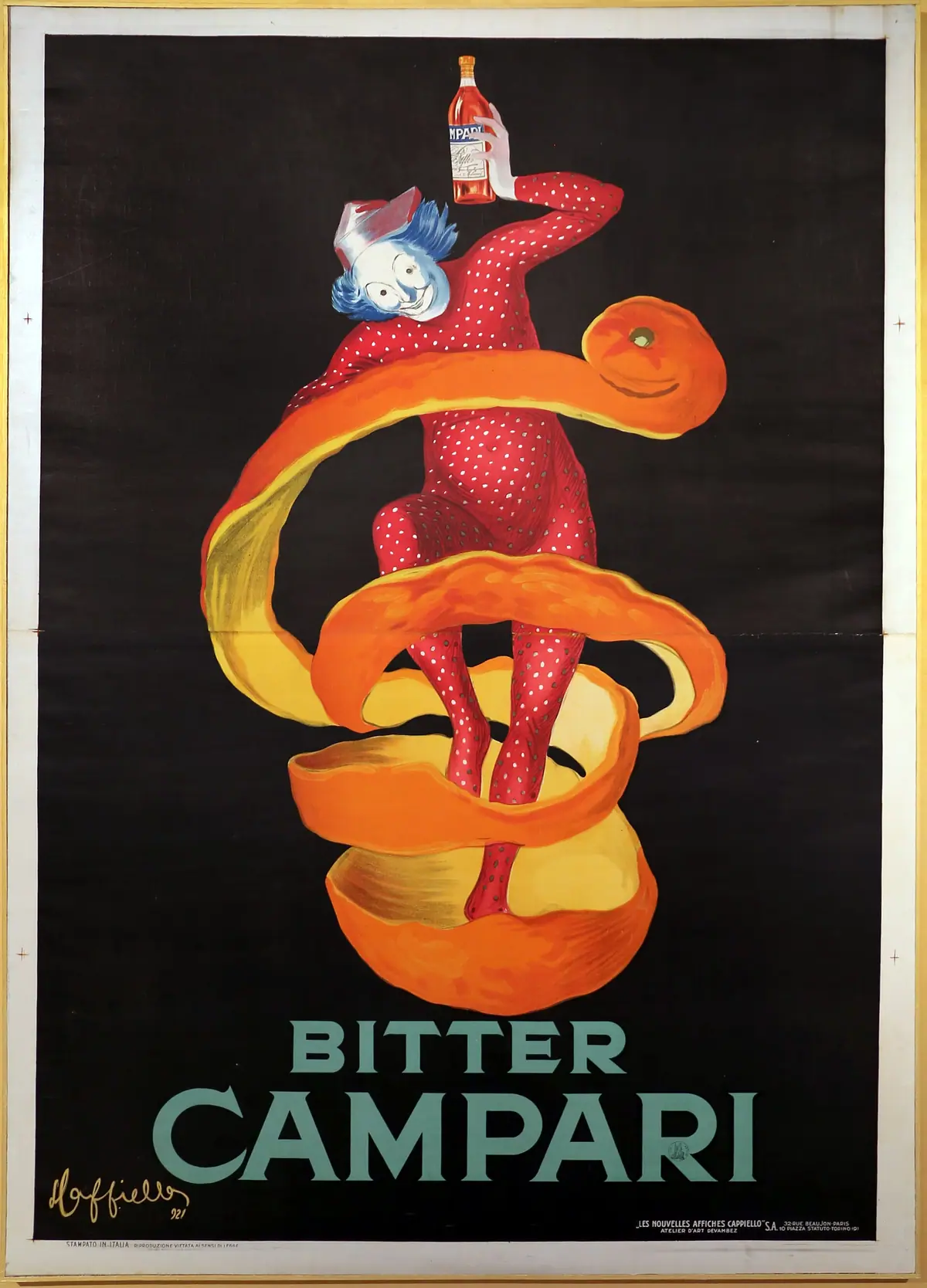
Further up the M1, in Sesto San Giovanni, the Galleria Campari keeps more than a century of the red aperitif’s posters and adverts in its first factory, from 1904. Italian poster artists and designers such as Depero, Cappiello, Dudovich and Munari all drew for the brand, and the gallery also shows Campari’s Carosello adverts from Italian television.
Campari announces building work until 30 November and publishes no opening hours, so confirm it’s open before you head out. It’s a premium activity on the YesMilano passes, and Sesto is inside the zone their transport covers.
One of the choices in the YesMilano City Pass Standard
ADI Design Museum
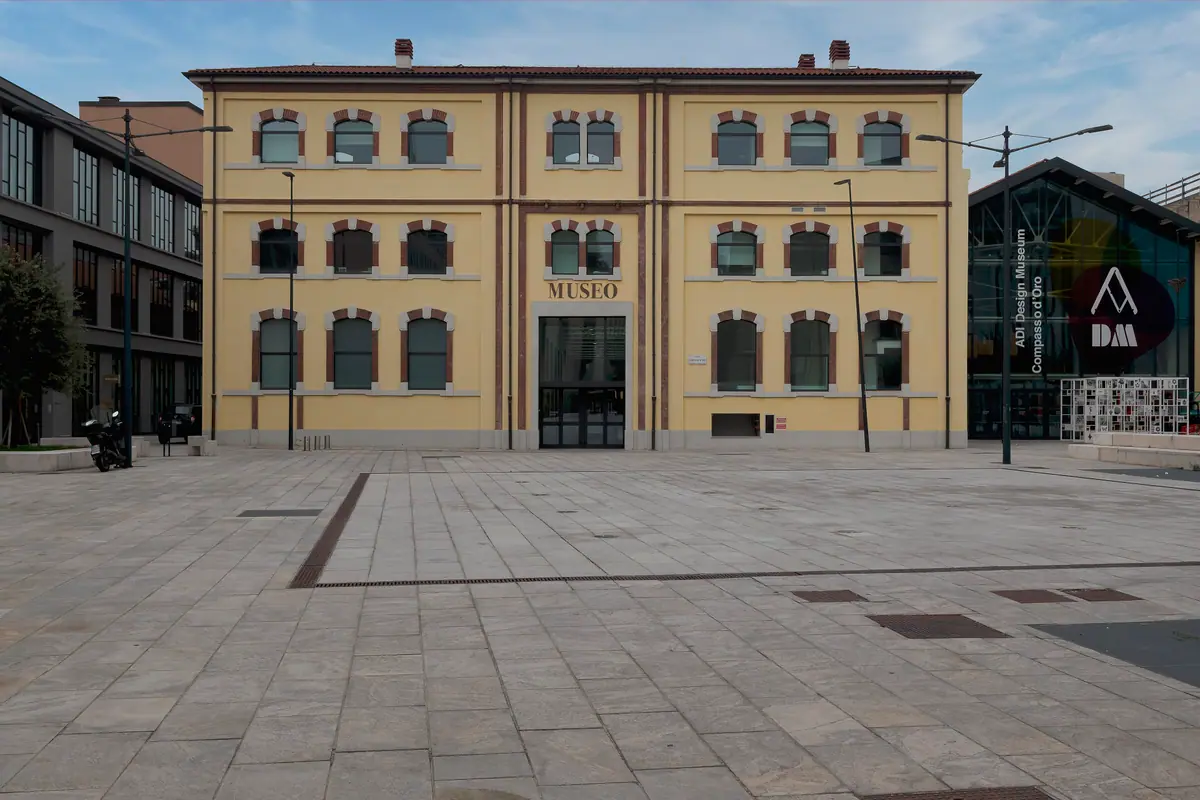
The M5 is the line out to San Siro, and on the way the Monumentale stop serves the ADI Design Museum near Porta Volta, which keeps the collection of the Compasso d’Oro, Italy’s industrial design prize since 1954. It’s things you’d use at home or pass in the street, from a 1957 bathtub to a bus shelter, shown in a restored 1930s tram depot. It opens on Mondays and closes on Fridays instead, and the desk takes cards only.
One of the choices in the YesMilano City Pass Standard
Cimitero Monumentale
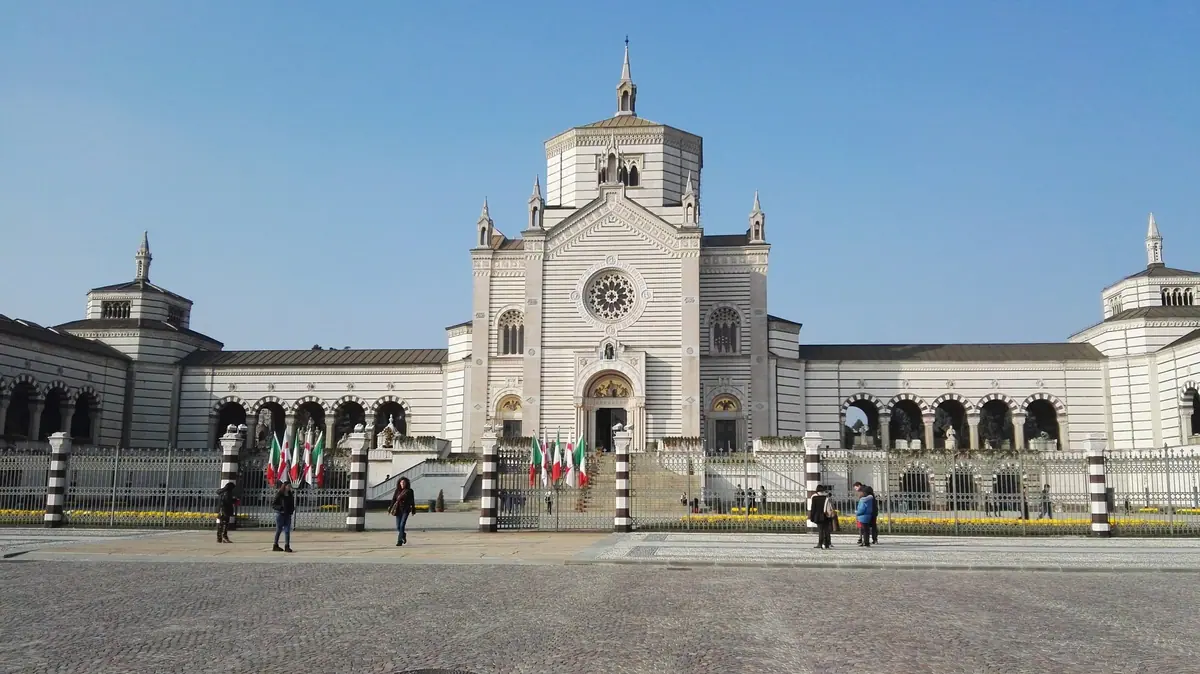
Walk 220 metres from the design museum and you reach the Cimitero Monumentale, which Milan opened in 1866 to replace its small, unhealthy graveyards. Its tombs make an open-air museum of sculpture, from late 19th-century realism through Liberty, Italy’s Art Nouveau, to the 1930s. The Campari tomb is a Last Supper in bronze.
At the entrance, the Famedio, the “temple of fame”, holds just eight graves. Alessandro Manzoni, author of The Betrothed, lies at its centre, and in 2021 the La Scala ballerina Carla Fracci became the first woman there. Verdi, the opera composer, has only a plaque: he lies in the rest home for musicians he founded.
Entry is free from Tuesday to Sunday, 8:00 to 18:00, with the last entry at 17:30. The city’s guided tours are off for November, but at the Infopoint, by the entrance, you can join a 20-minute walk without booking, from 9:00 to 16:00. Dress respectfully, and wear comfortable shoes for the gravel.
San Siro stadium tour
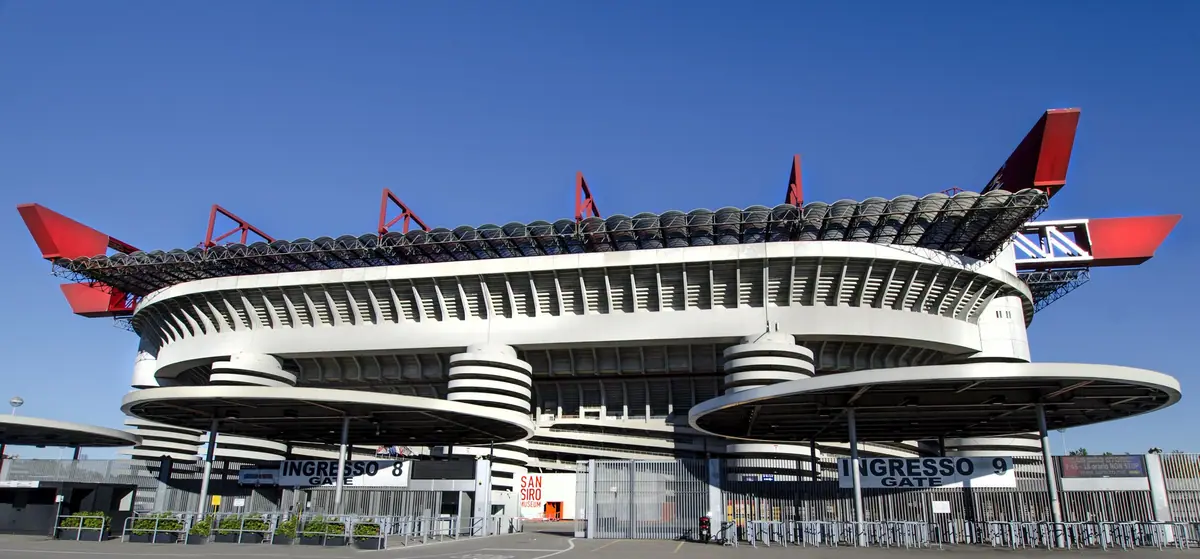
At the end of the M5, the San Siro Stadio stop is at the gates of Italy’s biggest stadium, home to both AC Milan and Inter. The tour takes you through both dressing rooms and down the tunnel to the benches at the edge of the pitch, then round the San Siro Museum, in about an hour.
Our ticket isn’t valid on match days, and the stadium shuts or shortens the tour around matches, so check the fixtures before you pick a date. The clubs plan a new stadium next door, but not before December 2030, and the tour carries on until then.
Lake Como, a day trip from Milan
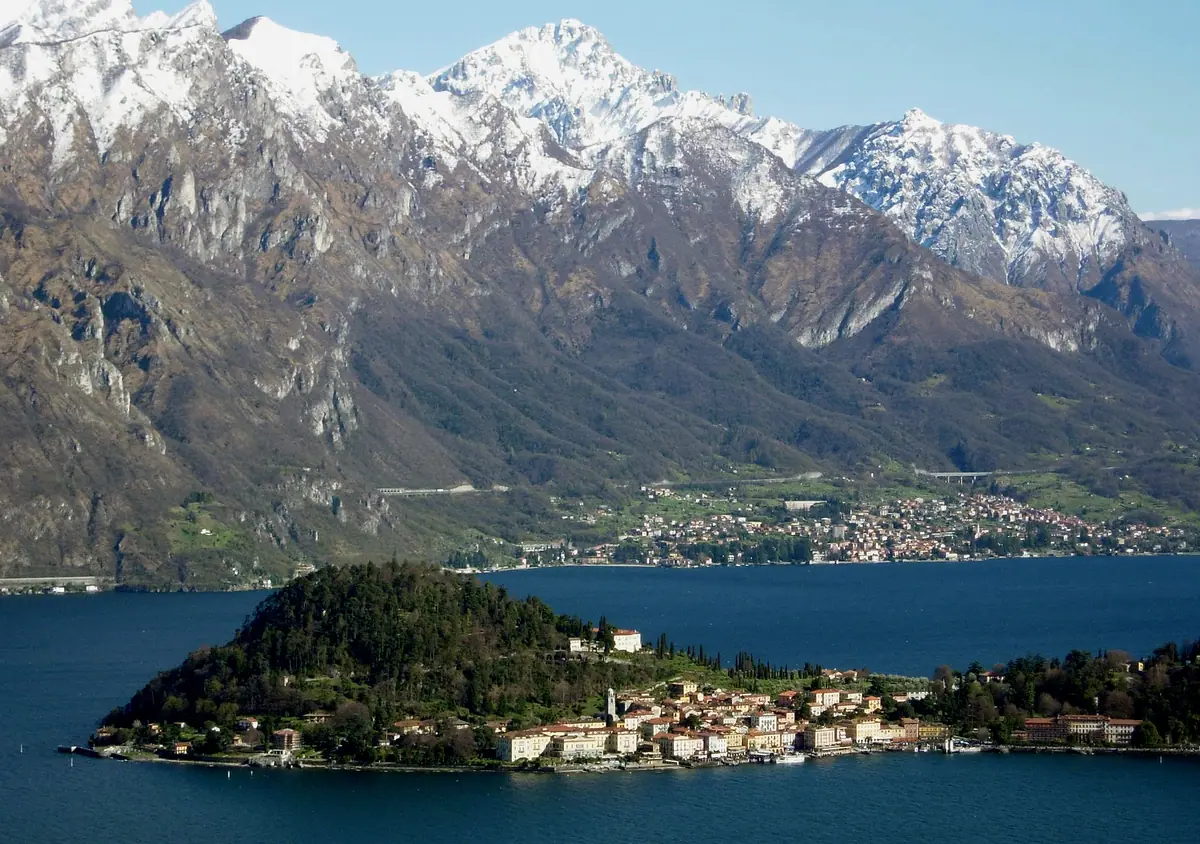
Direct trains from Milano Centrale reach Como, where the lake ends, in about 40 minutes, and Varenna, halfway up the eastern shore, in about an hour, with boats linking the towns on the water. Como and Varenna are outside Milan’s transport zones, so the train is a separate ticket even with a YesMilano pass.
From 2 November the lake runs on its winter timetable, with two slow boats a day from Como to Bellagio, and the funicular up to Brunate is shut from 9 to 27 November 2026. The day trips we sell go by coach, with a boat ride and a guided walk in Como, and two of them add Bellagio and Lugano, across the Swiss border.
Getting around Milan by metro, and in from the airports
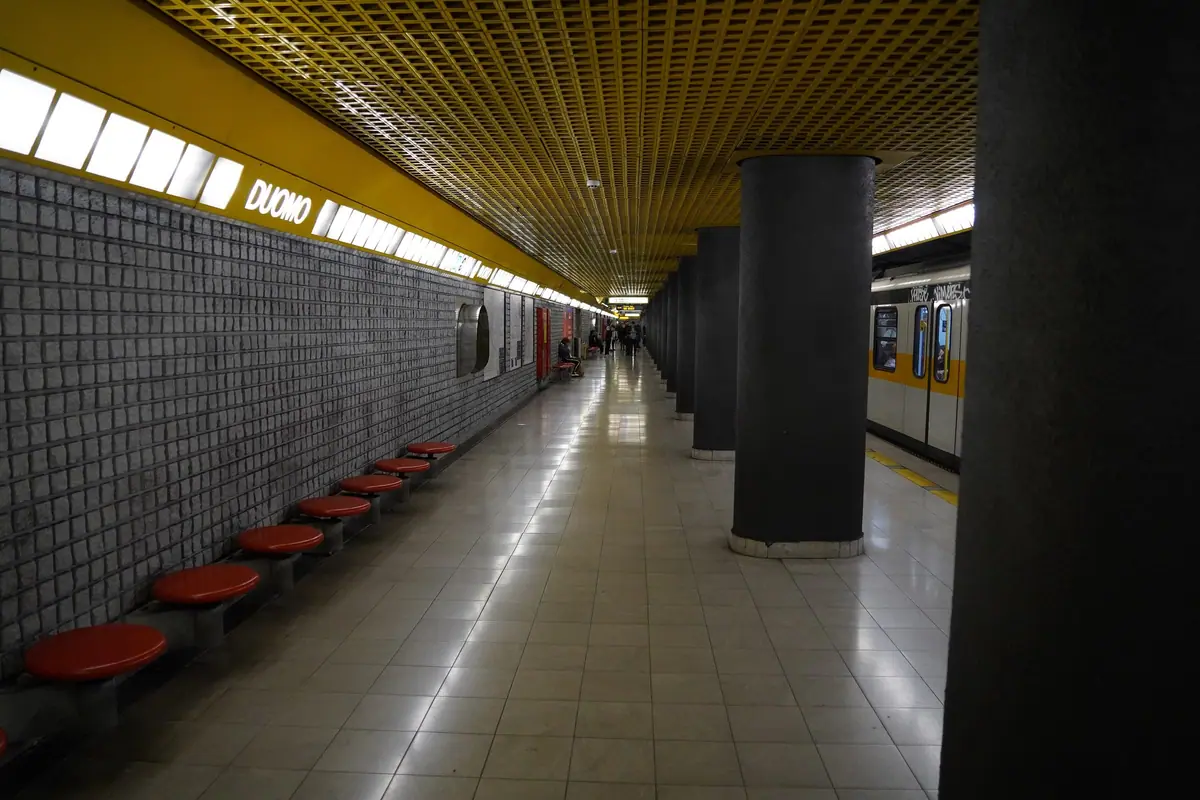
The metro joins up nearly every stop on this page: five lines, M1 to M5, with Duomo station, on the M1 and M3, coming up right on the cathedral square. Paper tickets have been gone since the start of 2026: you tap a contactless bank card or phone at the gates on the way in and again on the way out. One ride costs €2.20 for up to 90 minutes, and a day’s taps never come to more than €7.60 (ATM fares, October 2026); children under 14 ride free.
From Malpensa, the Malpensa Express reaches Milano Centrale in about 51 minutes, on a ticket we sell for €15, and Linate is 12 minutes from San Babila on the M4. The YesMilano passes include three days of metro, trams and buses, Linate but not Malpensa. The rest is on getting from Milan’s airports into the city and Milan’s metro and public transport.
Milan
All 26 sights in Milan on our list
With the ticket price where we sell one, and the pass that covers each.
- ADI Design Museum In the YesMilano City Pass Standard
-
 Bagatti Valsecchi Museum In the YesMilano City Pass Standard
-
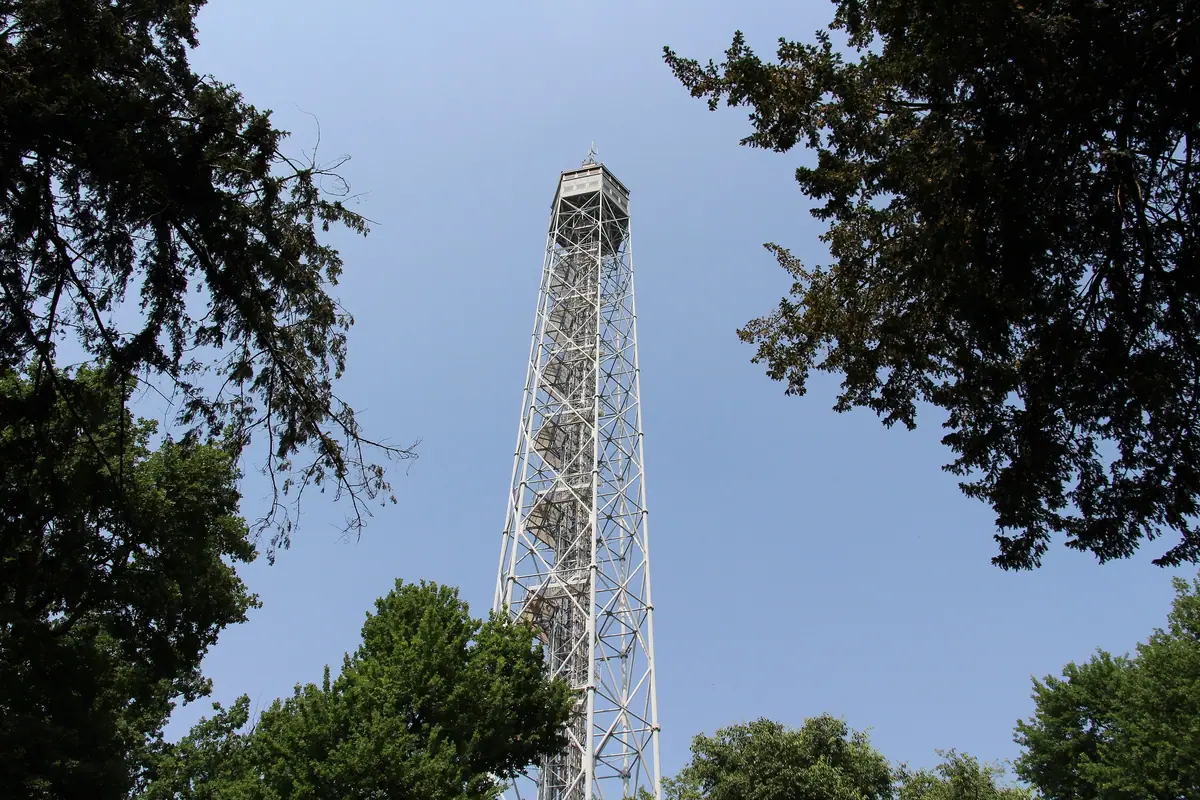 Branca Tower €9
- Casa Museo Boschi Di Stefano Free to enter for everyone
- Fondazione Prada €19
-
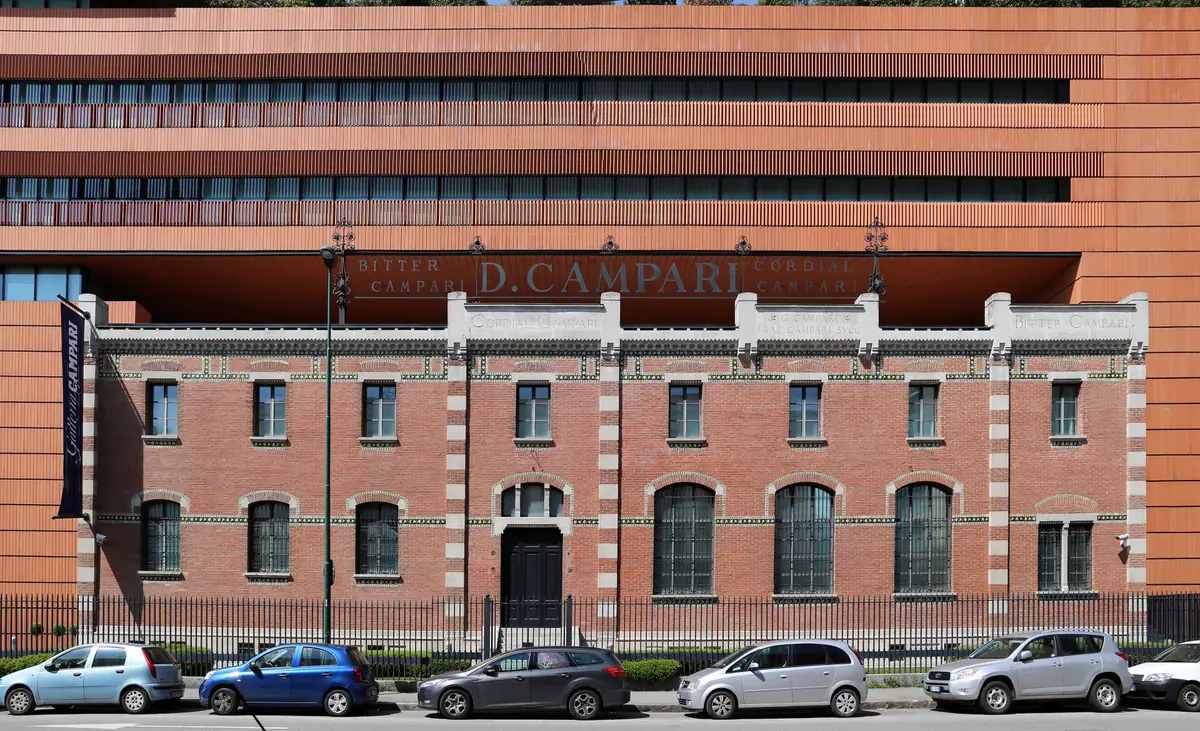 Galleria Campari In the YesMilano City Pass Standard
-
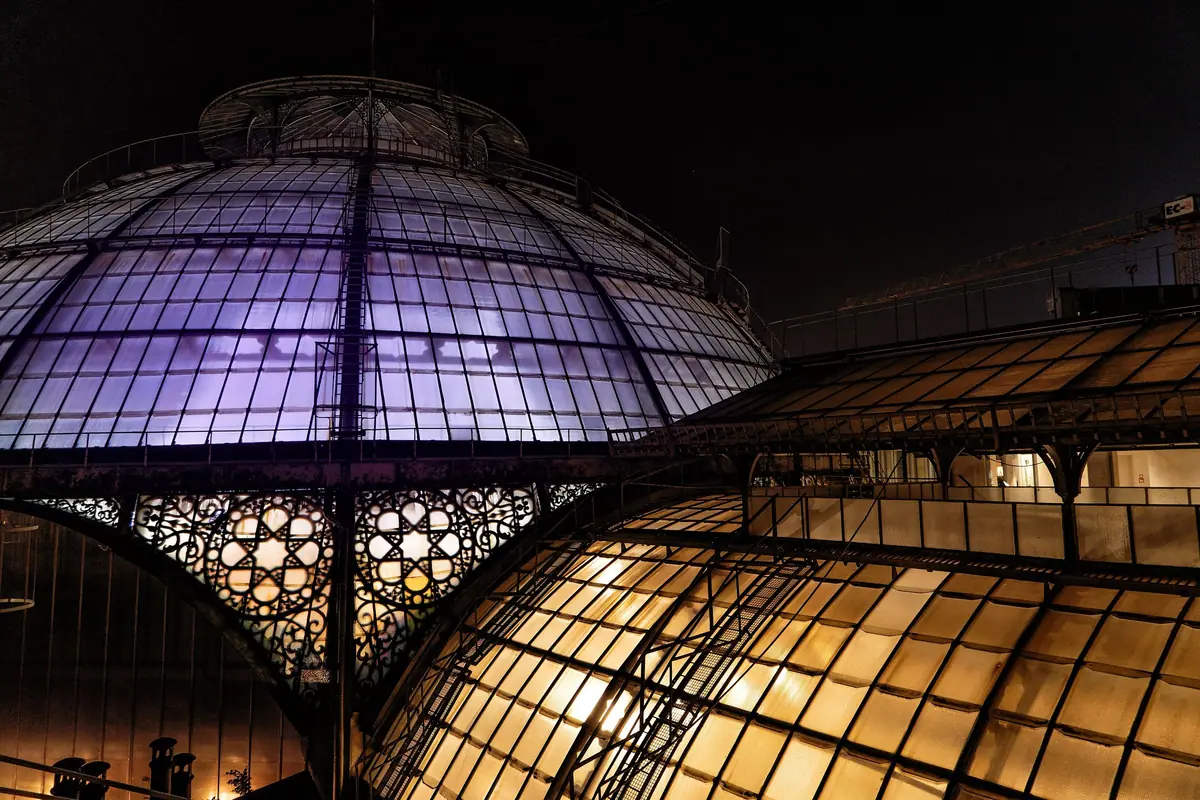 Highline Milano In the YesMilano City Pass Standard
- Lake Como €60
- Leonardo3 Museum In the YesMilano City Pass Standard €16
- Milan Aquarium In the YesMilano City Pass Standard
-
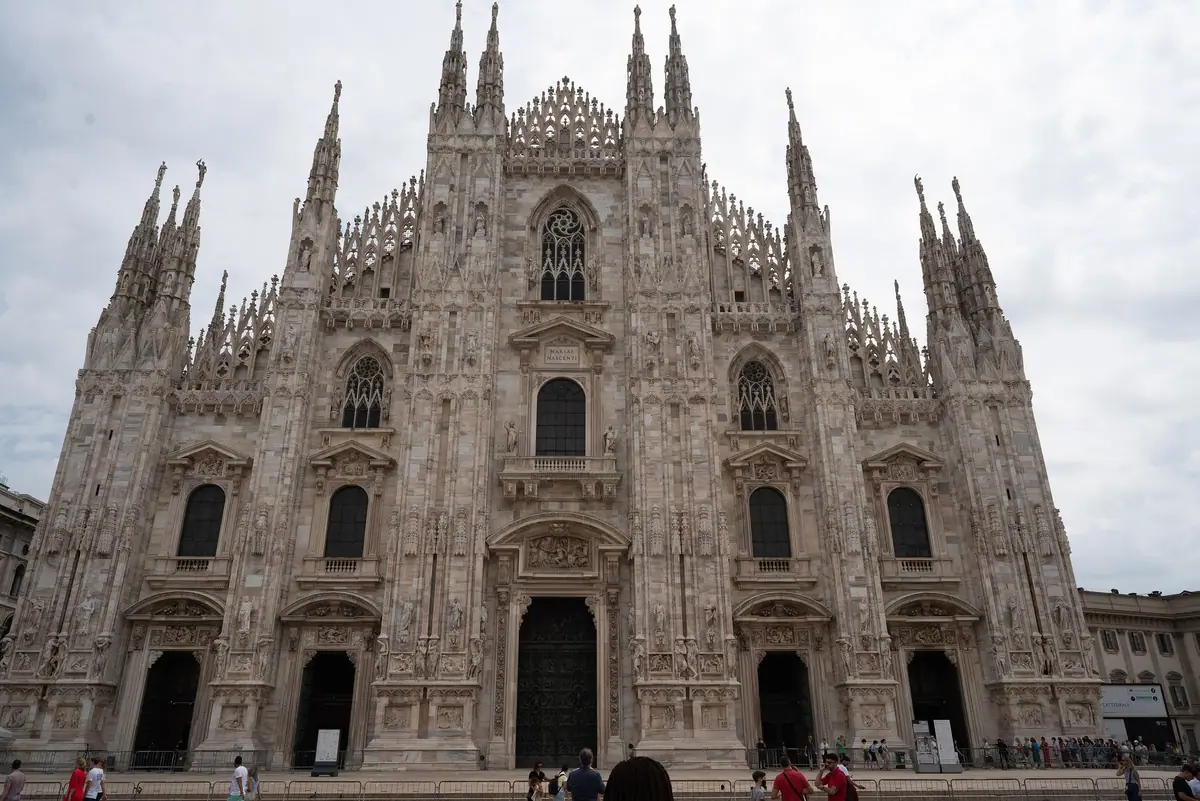 Milan Duomo In the YesMilano City Pass Standard €12.50
- MUDEC Museum of Cultures Free to enter for everyone
-
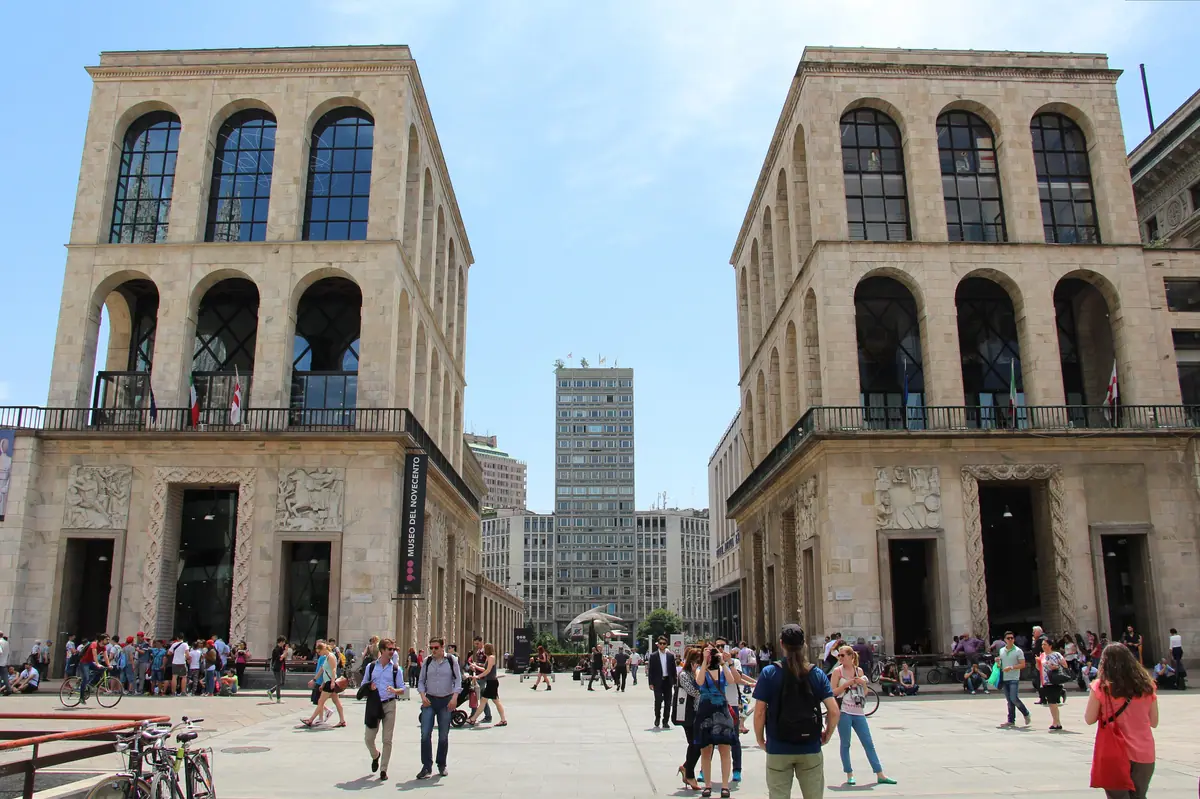 Museo del Novecento In the YesMilano City Pass Standard €18.50
-
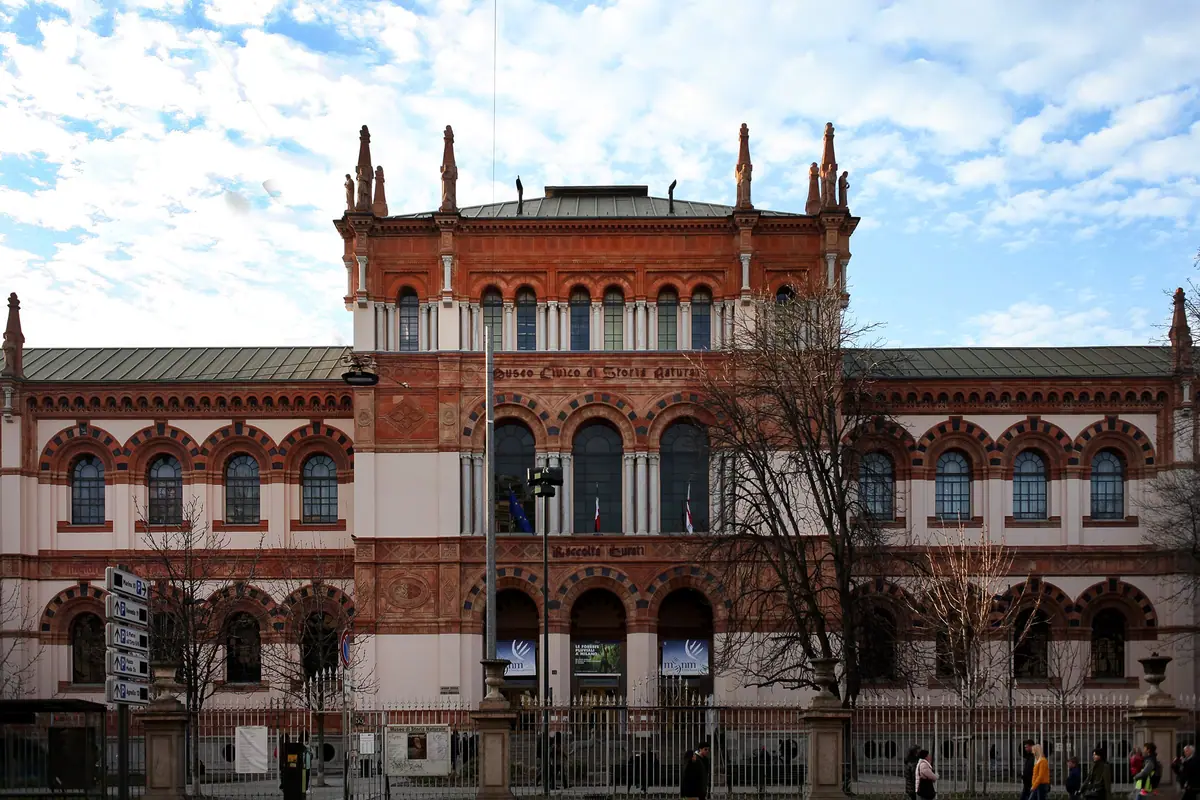 Natural History Museum In the YesMilano City Pass Standard €16.50
-
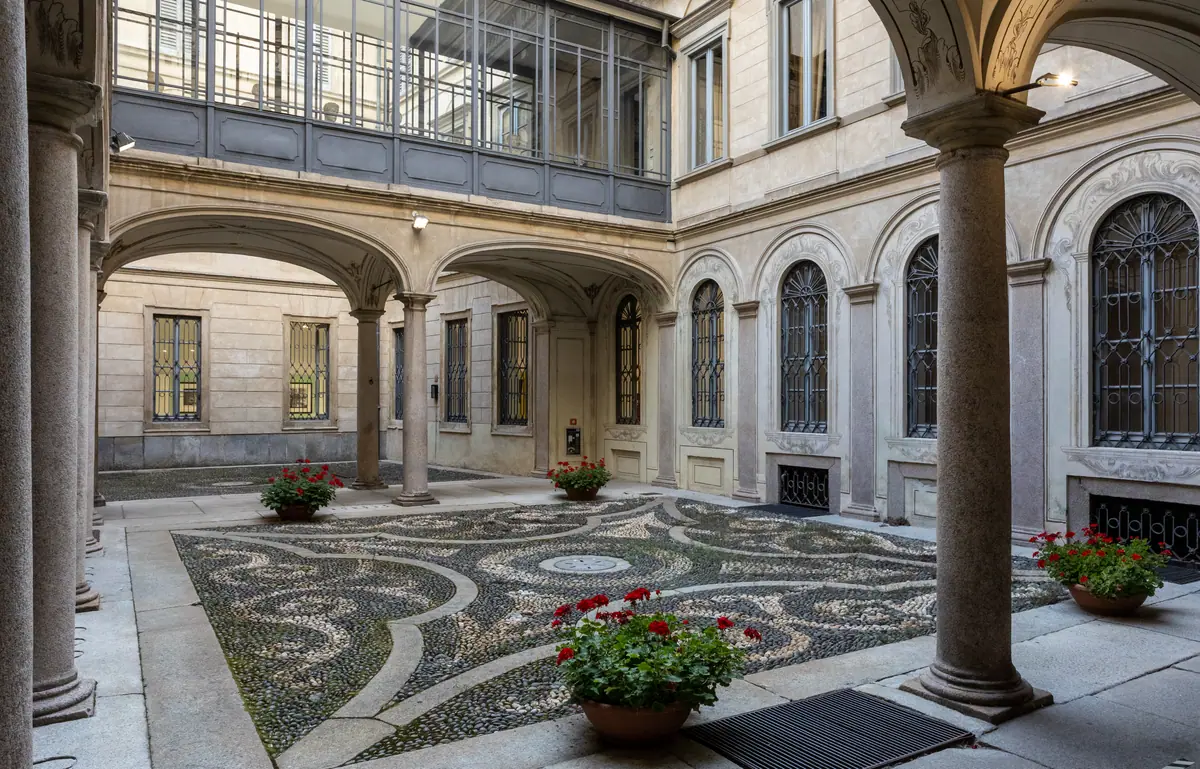 Palazzo Morando Free to enter for everyone
-
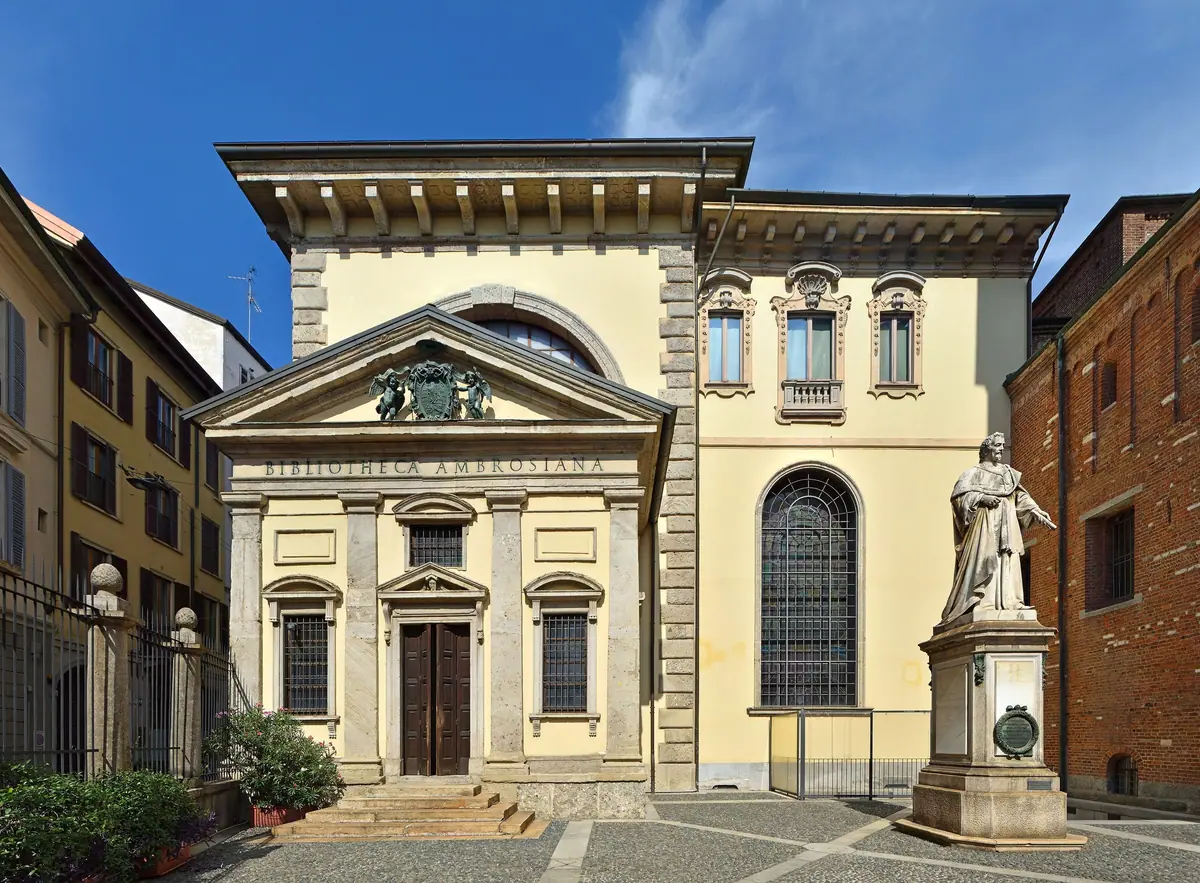 Pinacoteca Ambrosiana In the YesMilano City Pass Standard €21.50
-
 Pinacoteca di Brera
- Pirelli HangarBicocca Free to enter for everyone
-
 Poldi Pezzoli Museum In the YesMilano City Pass Standard
- San Siro Stadium €20
-
 Science and Technology Museum In the YesMilano City Pass Standard €13
-
 Sforza Castle In the YesMilano City Pass Standard €20
-
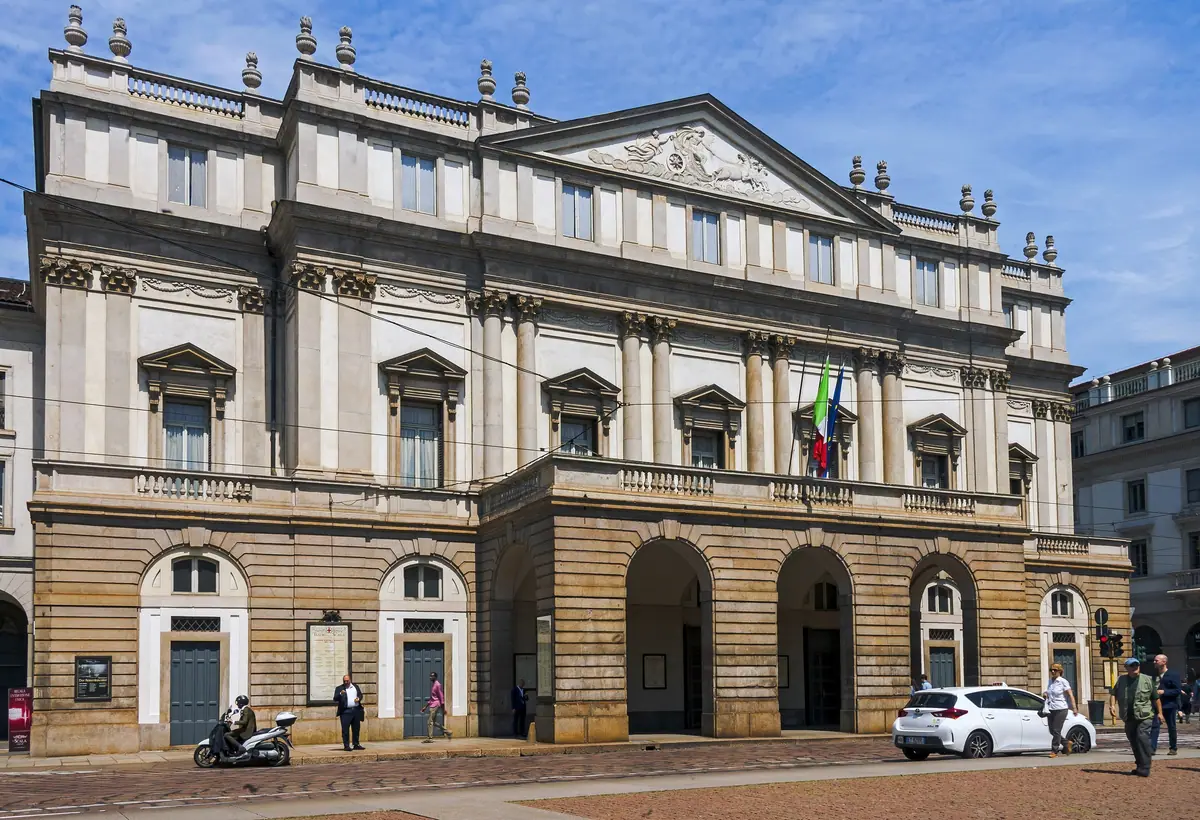 Teatro alla Scala Partly covered by the YesMilano City Pass Standard
-
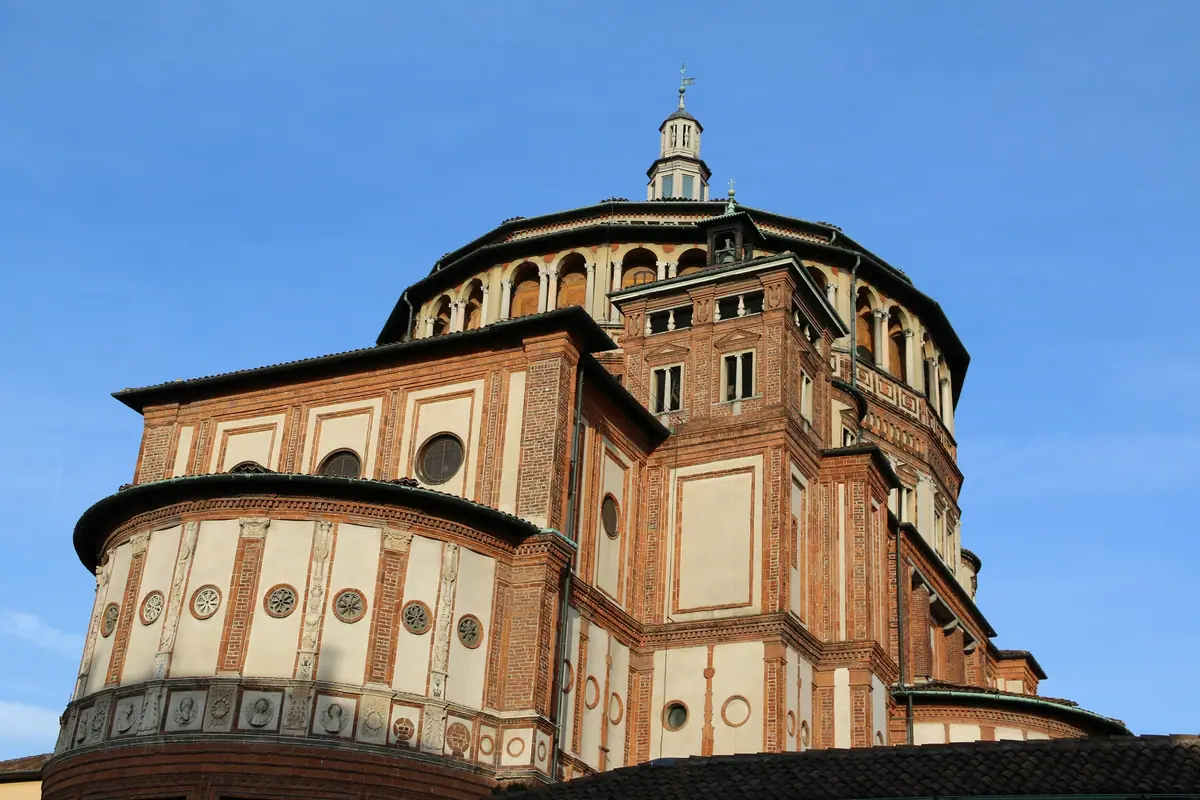 The Last Supper
- Triennale Design Museum In the YesMilano City Pass Standard
- Villa Necchi Campiglio In the YesMilano City Pass Standard €18
City cards
Milan city cards and passes
Pick the one that fits your trip. Prices are per adult, and you choose your dates on the next page.


People also ask
Frequently asked questions
What is the number one thing to do in Milan?
Climbing onto the roof of the Duomo, the largest church in Italy, where a marble walkway runs between the spires and the Madonnina, the gilded statue of the Virgin, stands on the tallest of them. Our ticket for the cathedral with the terraces costs €27. After the Duomo come Leonardo's Last Supper, seen in 15-minute slots, and La Scala.
What can I do in Milan for 3 days?
Give the first day to Piazza del Duomo: the cathedral and its roof, the Novecento, the Ambrosiana, the Galleria and La Scala. On the second, take the metro west to the Sforza Castle and the Last Supper, with the science museum one stop on. The third can go to Brera and the house museums, or to Lake Como by train. The YesMilano City Pass runs for three calendar days, and the plan works from Tuesday to Sunday, since Monday shuts the castle, the Last Supper and Brera.
What can you do for free in Milan?
Walk through the Galleria Vittorio Emanuele II at any hour, into the Sforza Castle's courtyards, open every day from 7:00 to 19:30, and along the Navigli canals. The basilica of Sant'Ambrogio, the Cimitero Monumentale and the Casa Museo Boschi Di Stefano are free to enter, and for now so are MUDEC's permanent collection and Palazzo Morando. HangarBicocca's exhibitions are free from Thursday to Sunday. On the first Sunday of the month the civic museums, the castle and the Novecento among them, are free for everyone, and under-18s go into them free on any day.
Is the YesMilano City Pass worth it?
Yes, once your list goes beyond the Duomo and the Sforza Castle: with a third paid visit, such as the Novecento or the Ambrosiana as your premium pick, our tickets come to more than the Standard's €60, and the metro comes on top. It doesn't include the Last Supper or Brera, and the sums for every pass are on our Milan Pass page.
What's closed in Milan on Mondays?
The civic museums, the Sforza Castle and the Novecento among them, the Last Supper, the Pinacoteca di Brera, the science museum, the Triennale, the Highline, the Bagatti Valsecchi, Villa Necchi and the Cimitero Monumentale. On a Monday the Duomo, La Scala's museum, Leonardo3, the Poldi Pezzoli and the ADI Design Museum stay open, and so does Fondazione Prada, which closes on Tuesdays instead.
