
Naples
Things to do in Naples
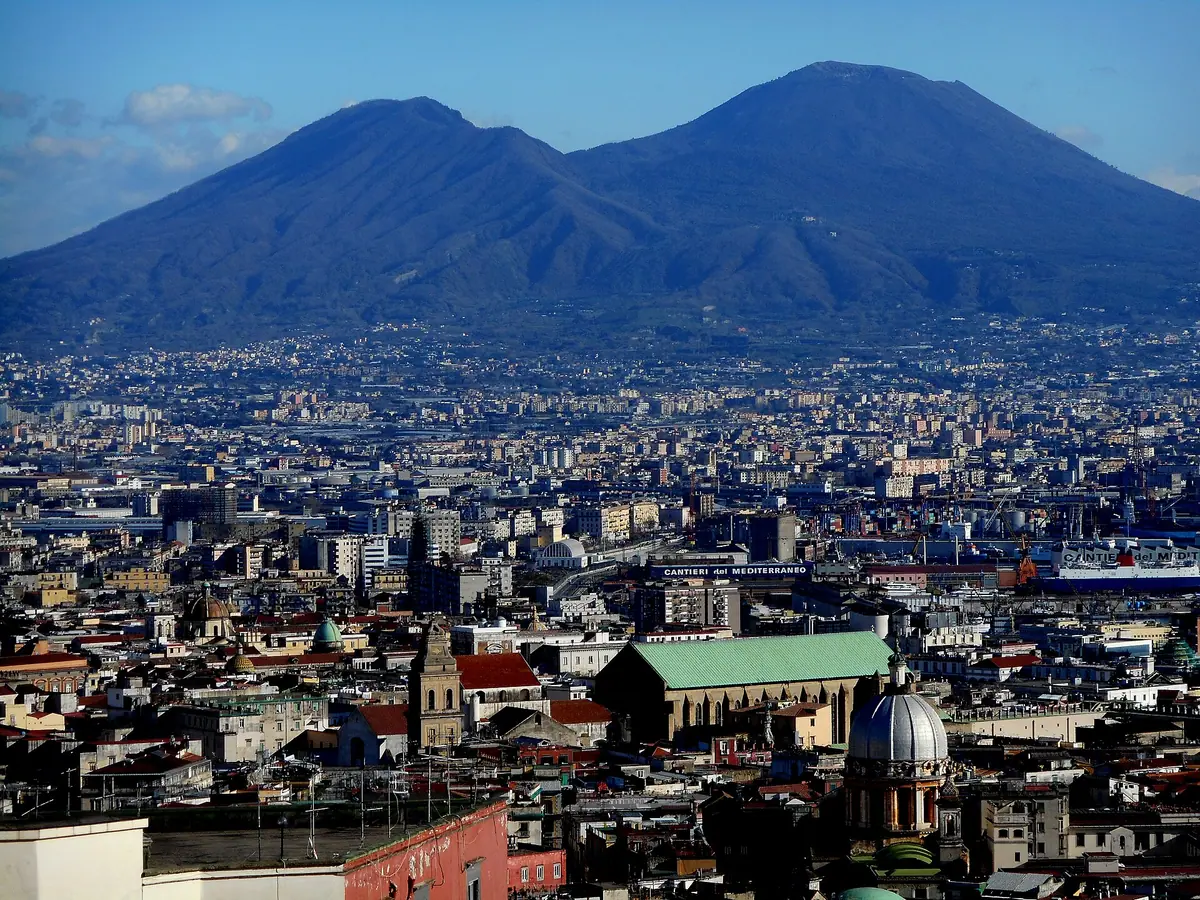
Naples is built on soft volcanic rock it has been digging into since Greek times, and across the bay stands the volcano that buried Pompeii.
Things to do in Naples start in the old town, where the Sansevero Chapel keeps the Veiled Christ, the Napoli Sotterranea tour goes 40 metres down into Greek quarries and cisterns, and Caravaggio's Seven Works of Mercy hangs on Via dei Tribunali. Book the Sansevero first, since every visit has a set time. The Archaeological Museum holds what came out of Pompeii and Herculaneum, both a short ride away on the Circumvesuviana, and the Campania Artecard 365 Lite includes the museum, the two towns and the region's other state sites for a year.
The old town runs along Spaccanapoli and Via dei Tribunali, with the Sansevero, Santa Chiara, the Napoli Sotterranea and the cathedral, and the Archaeological Museum is at Museo station. Above it, the Sanità district leads up past the catacombs to the hill of Capodimonte. By the bay are the Royal Palace, Castel Nuovo and the Galleria Borbonica, with Castel Sant'Elmo and the Certosa on the Vomero hill above them. Herculaneum, Pompeii, Vesuvius, Caserta and Capri are day trips by train, bus or boat.
See what you’d save, if anything
Which Naples pass pays off for your trip?
Pick how many days you’ve got and the sights you want to see. The calculator adds up the tickets and rides, sets them against the card and tells you right away whether it pays off, and by how much, at today’s prices. No email, no sign-up.
Step 1 of 3
How long, and who’s going?
Map of things to do in Naples
Described on this page
Sansevero Chapel and the Veiled Christ
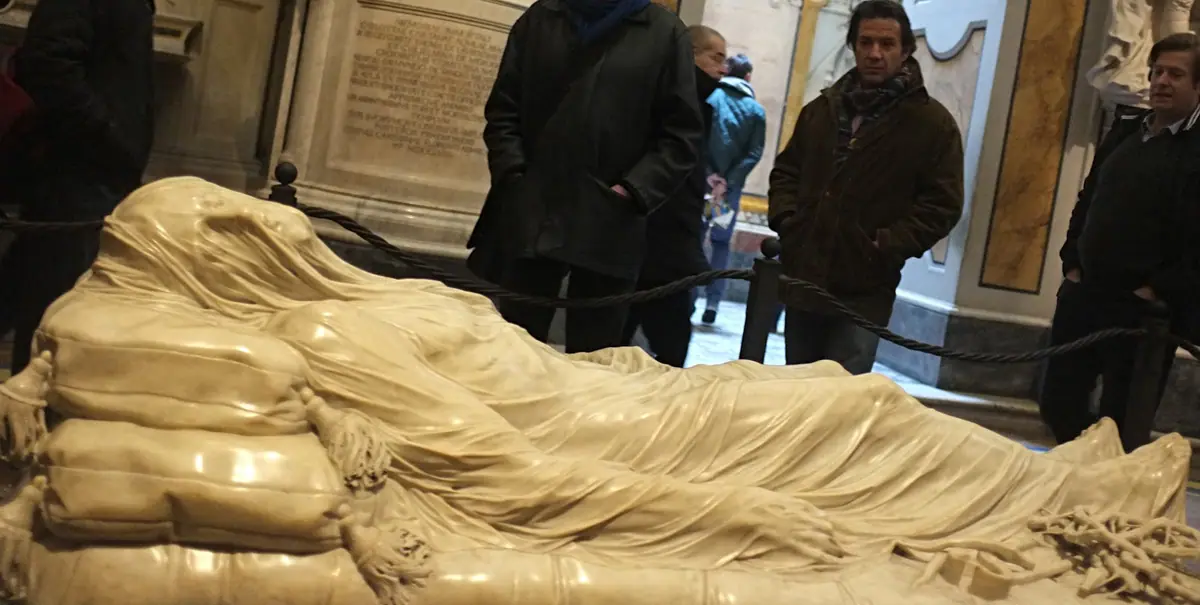
In a small chapel behind Piazza San Domenico Maggiore, the Veiled Christ that the young Neapolitan sculptor Giuseppe Sanmartino finished in 1753 lies under a marble shroud so fine that for more than 250 years visitors believed an alchemist had turned real cloth to stone. Two more marbles stand beside it, Modesty behind her veil and Disillusion working free of a net, and down a spiral stair the crypt keeps the anatomical machines of Prince Raimondo di Sangro, who rebuilt the chapel. The machines are two skeletons whose blood vessels were reconstructed in wax.
Every visit has a booked time, with slots on sale 60 days ahead, and photos are banned inside. The chapel closes on Tuesdays, and of the passes we sell only the Naples City Card includes it.
Included in the Naples City Card
Santa Chiara and its majolica cloister
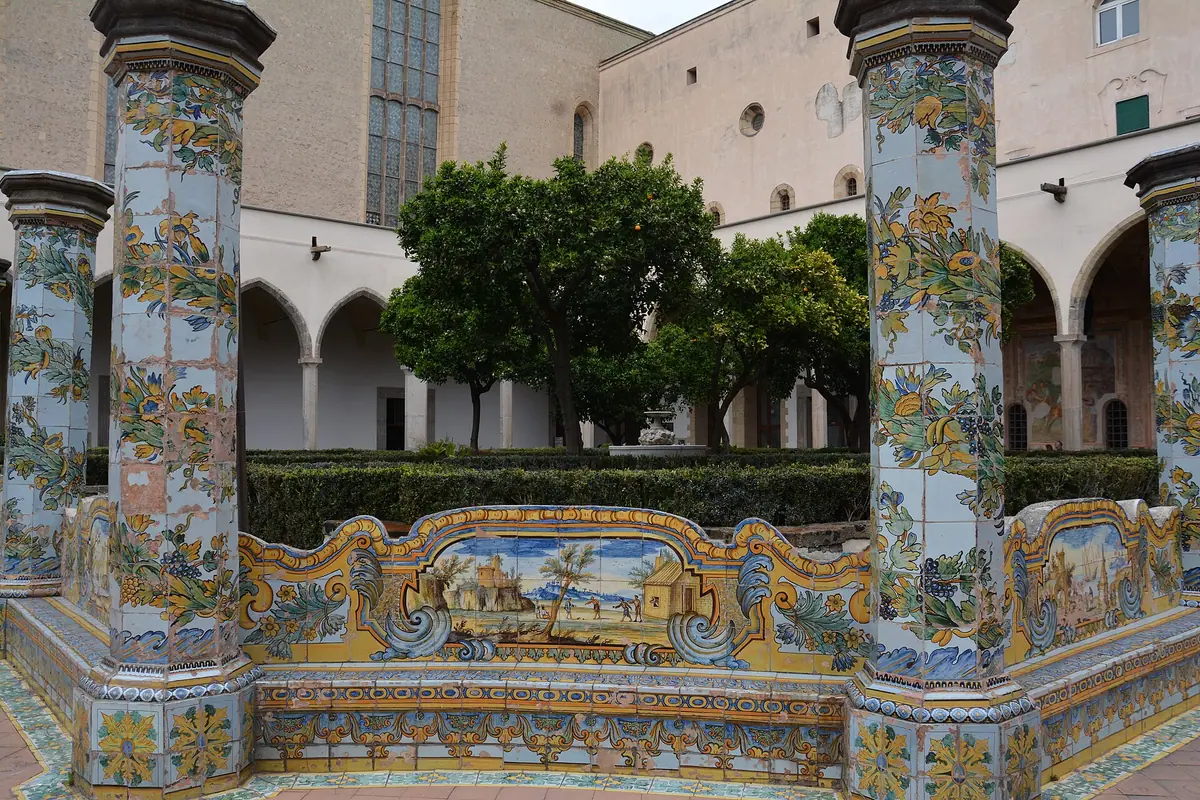
A few minutes’ walk from the chapel, just behind Piazza del Gesù, stands the Gothic basilica of Santa Chiara, built in the 14th century for the Poor Clare nuns. Behind it, their cloister became a garden of painted tiles in the 18th century, with 64 pillars joined by majolica benches in yellow, orange and blue among orange trees and a vine pergola.
The basilica is free to walk into. The cloister, its museum and the remains of Roman baths share a ticket sold only at the office on Via Santa Chiara, and no pass includes them; the guided walk we sell starts in the cloister and ends at the Sansevero.
Naples Underground (Napoli Sotterranea)
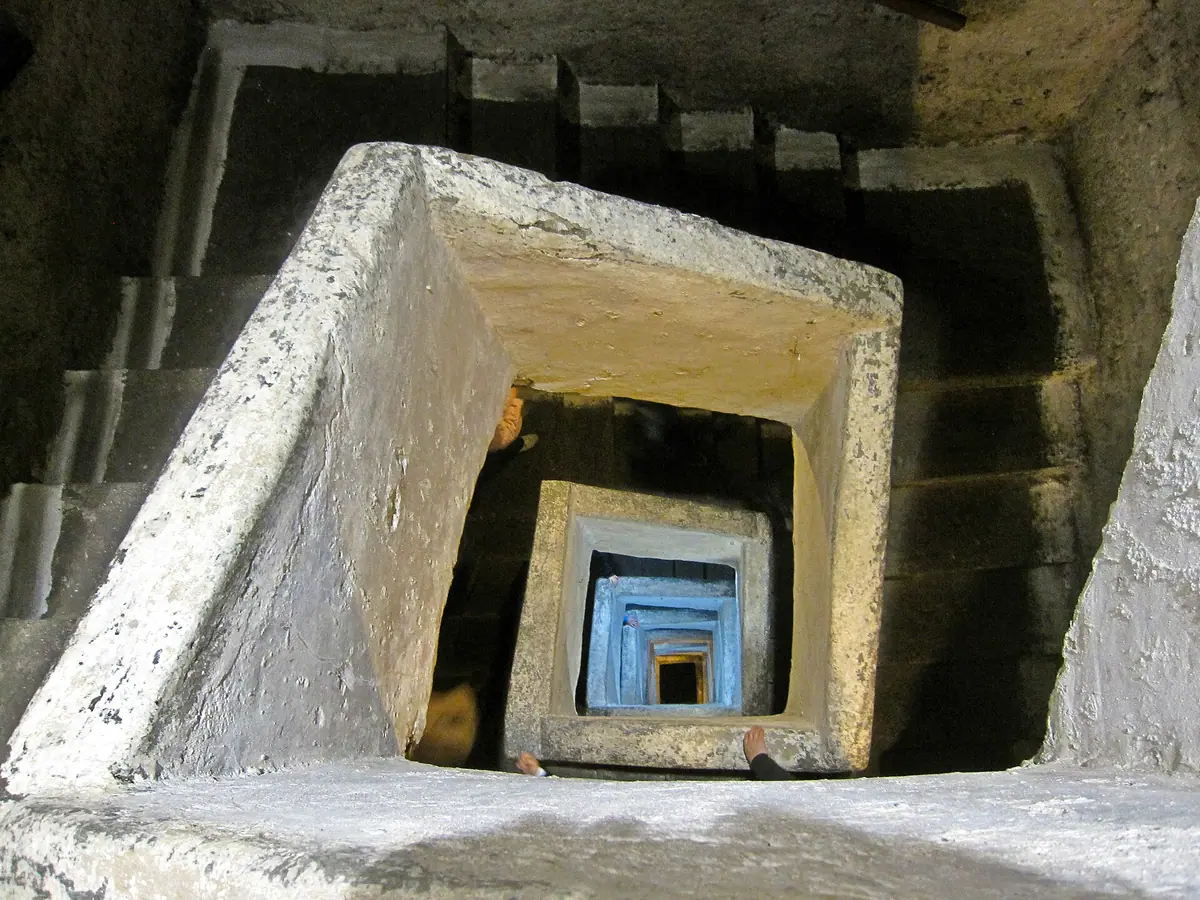
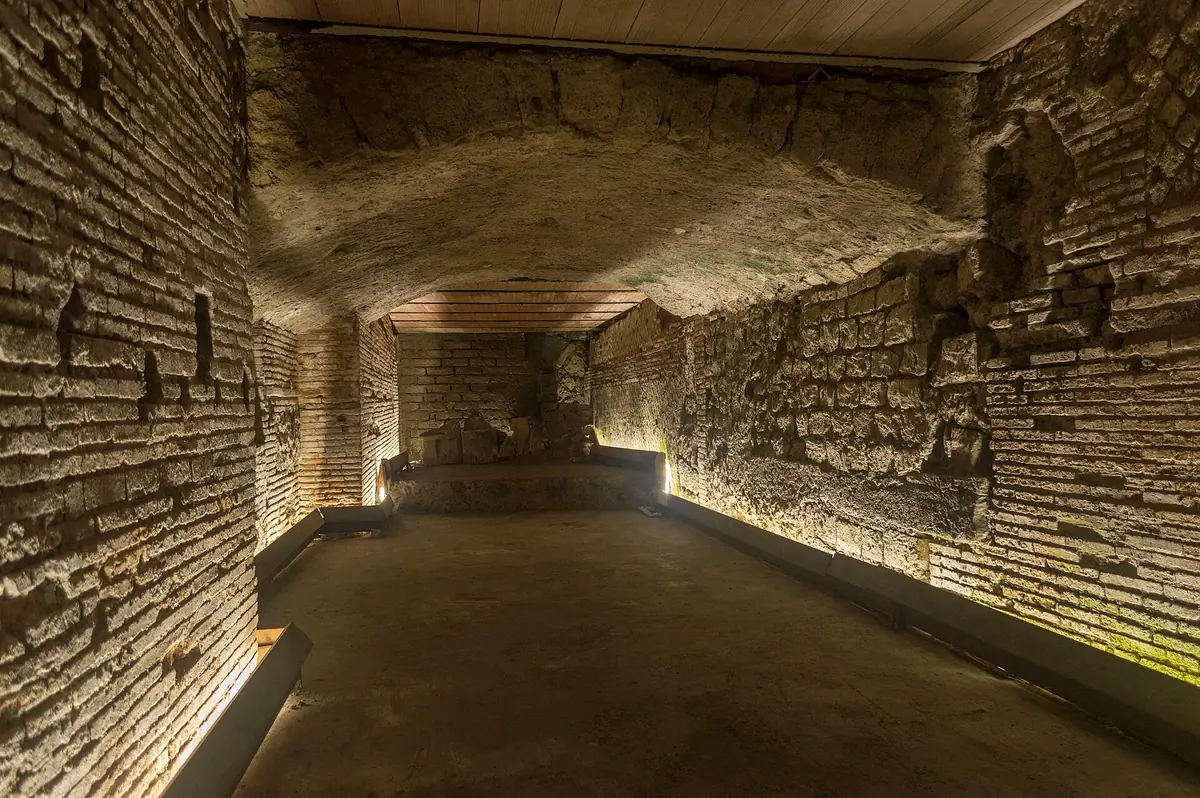
Under the same streets, the Napoli Sotterranea tour goes down 136 steps from Piazza San Gaetano, on Via dei Tribunali, into the quarries the Greeks cut in the tuff, the soft volcanic rock under the city. The caves became cisterns that held Naples’s water until 1885, then shelters from the bombing of the Second World War, and the same ticket ends in the remains of a Roman theatre, reached through a ground-floor home on Via Anticaglia.
Every visit is guided, English tours leave every hour or two between 10:00 and 18:00, and there’s no closing day. Of the passes, only the Naples City Card has it, as one of three underground options.
One of the choices in the Naples City Card
Pio Monte della Misericordia and Caravaggio’s Seven Works of Mercy
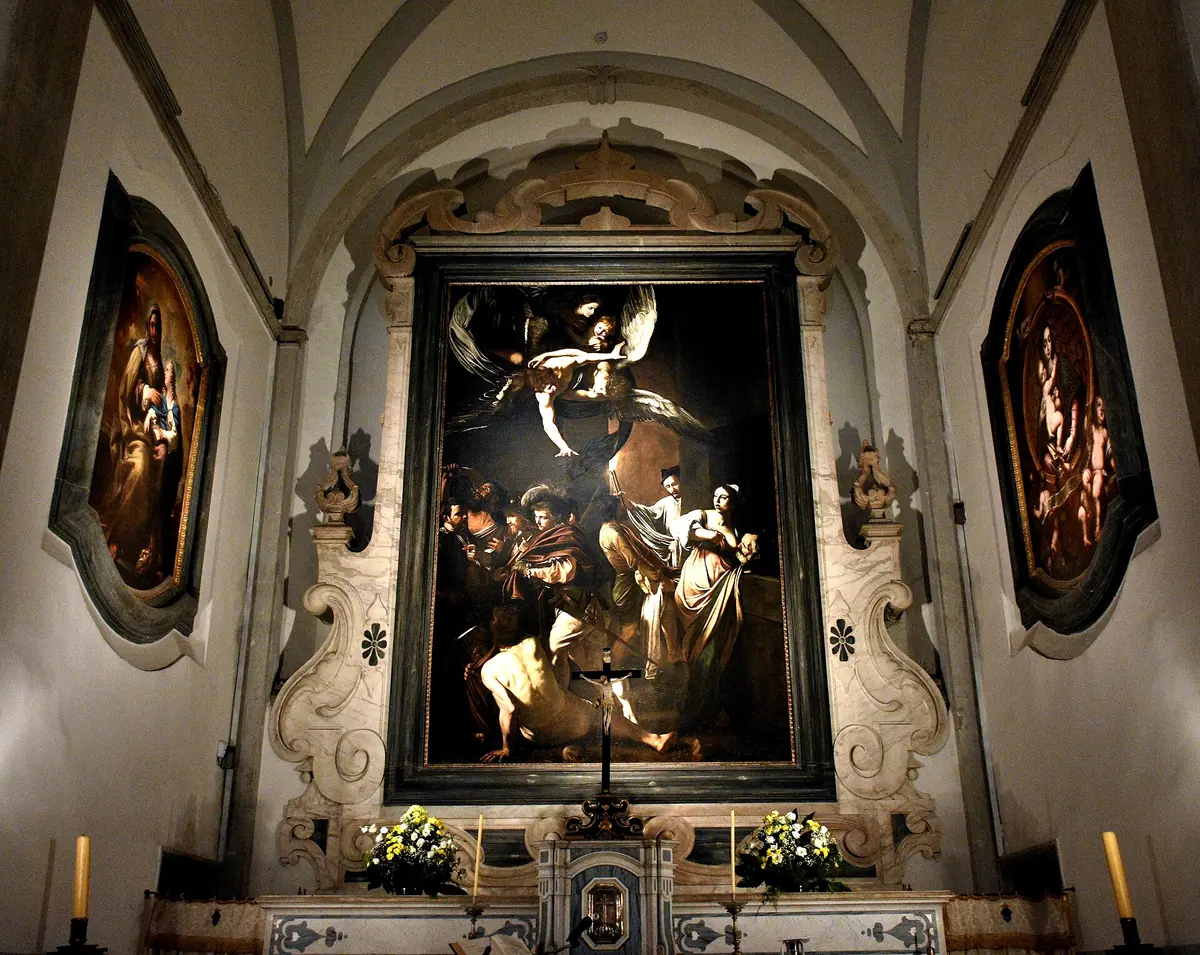
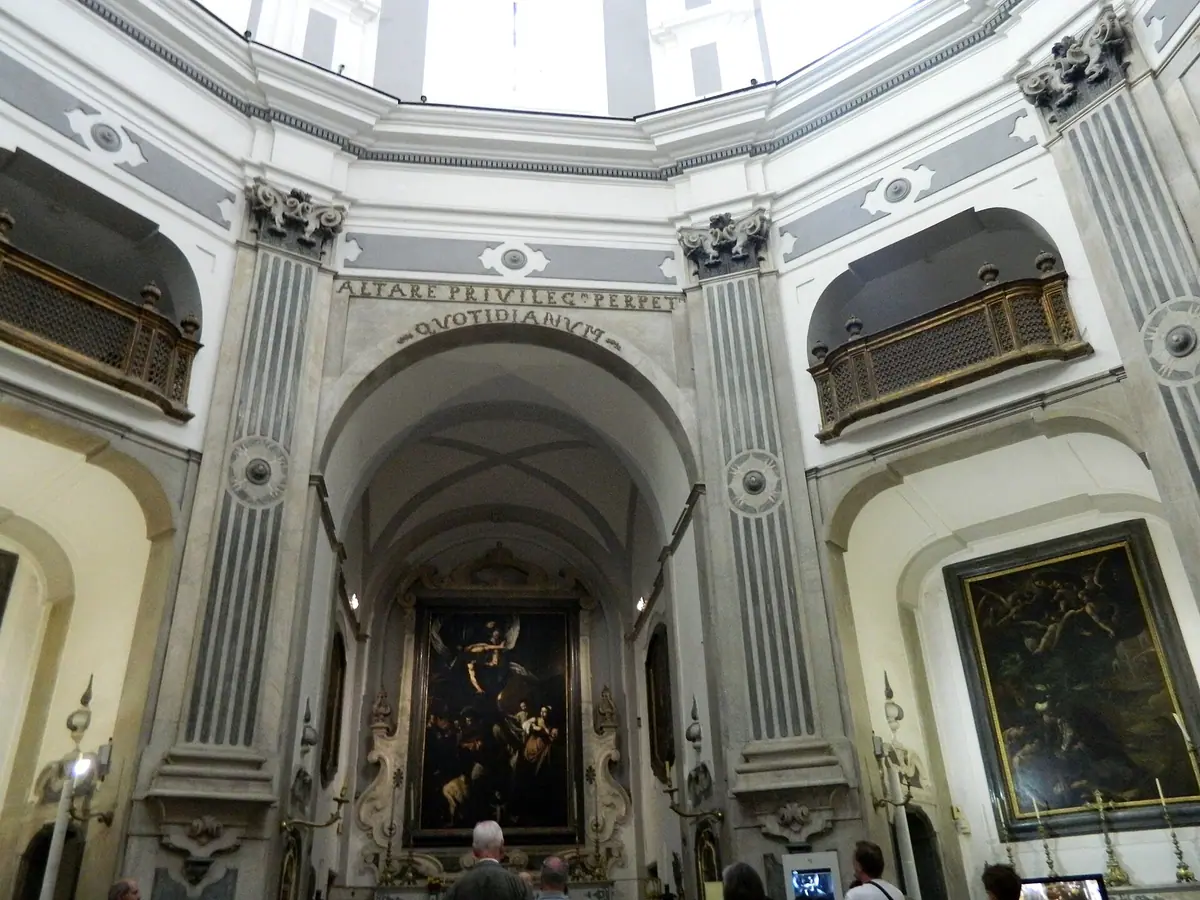
Further along Via dei Tribunali, next to the cathedral, the Pio Monte della Misericordia is the charity that commissioned Caravaggio’s Seven Works of Mercy while he was on the run from a murder sentence in Rome, and the painting still hangs over its altar. All seven works are acted out on one Neapolitan street corner, beneath the Virgin and Child, and upstairs the charity’s old rooms hold a gallery of Neapolitan painting.
It opens every day, on Sundays until 14:30, which makes it a plan for a Tuesday, when the Archaeological Museum and the Sansevero are shut. No pass includes it; the 7-day Artecard and the 365 Gold get you a discount.
Treasure of San Gennaro and the cathedral
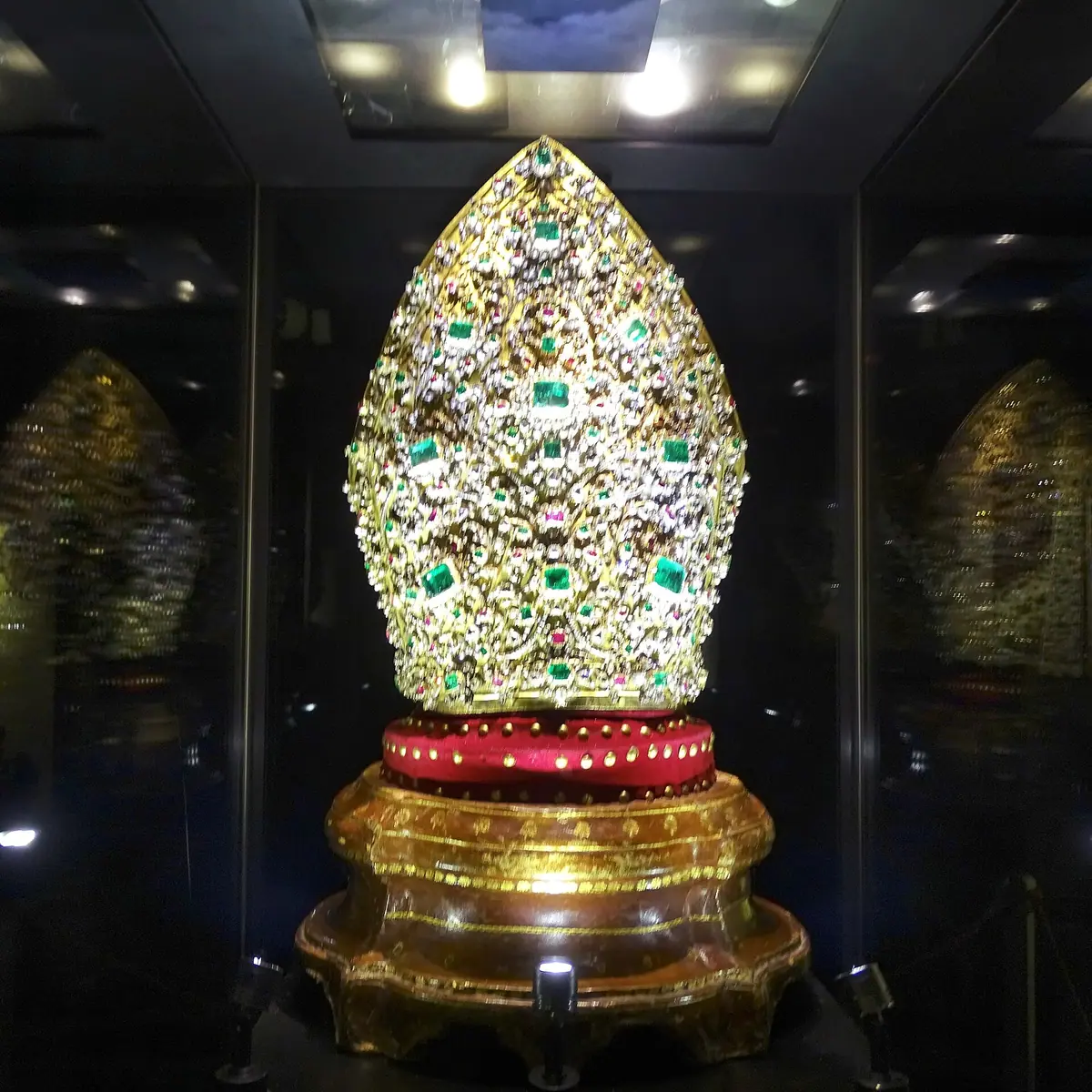
Beside the cathedral, on Via Duomo, the Treasure of San Gennaro Museum shows what Naples has given its patron saint, a bishop beheaded in 305: a mitre set with 3,326 diamonds, 198 emeralds and 168 rubies, a gold necklace hung with gifts from kings and queens, and 54 silver busts of the city’s co-patron saints. The ticket’s audio guide carries on into the Chapel of the Treasure in the cathedral, free to walk into, where the saint’s blood is kept and is expected to turn liquid three times a year.
The museum opens every day from 9:30 to 18:00, so it fits around your time slot at the Sansevero.
An included entry in the Campania Artecard 7
National Archaeological Museum of Naples
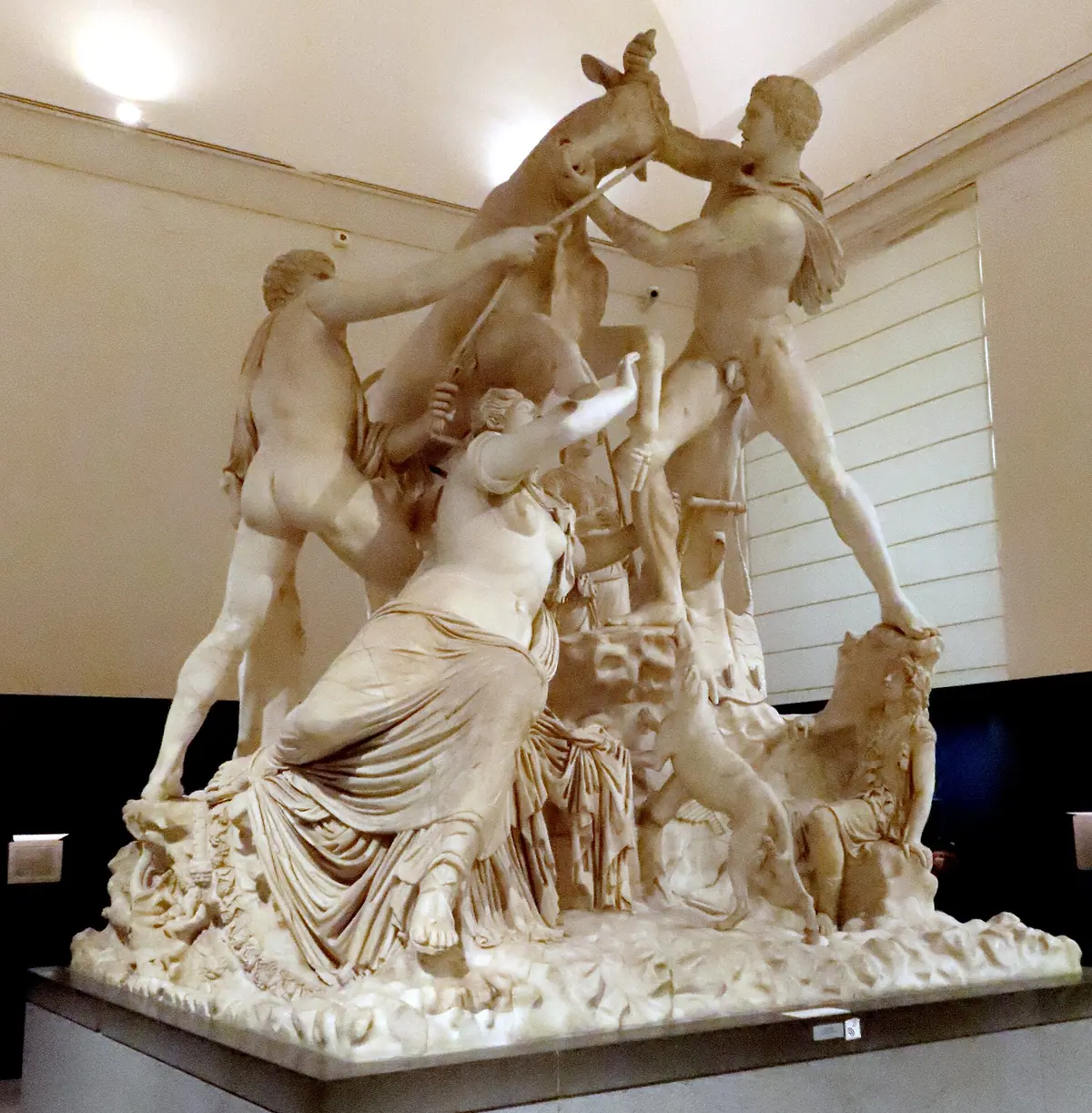
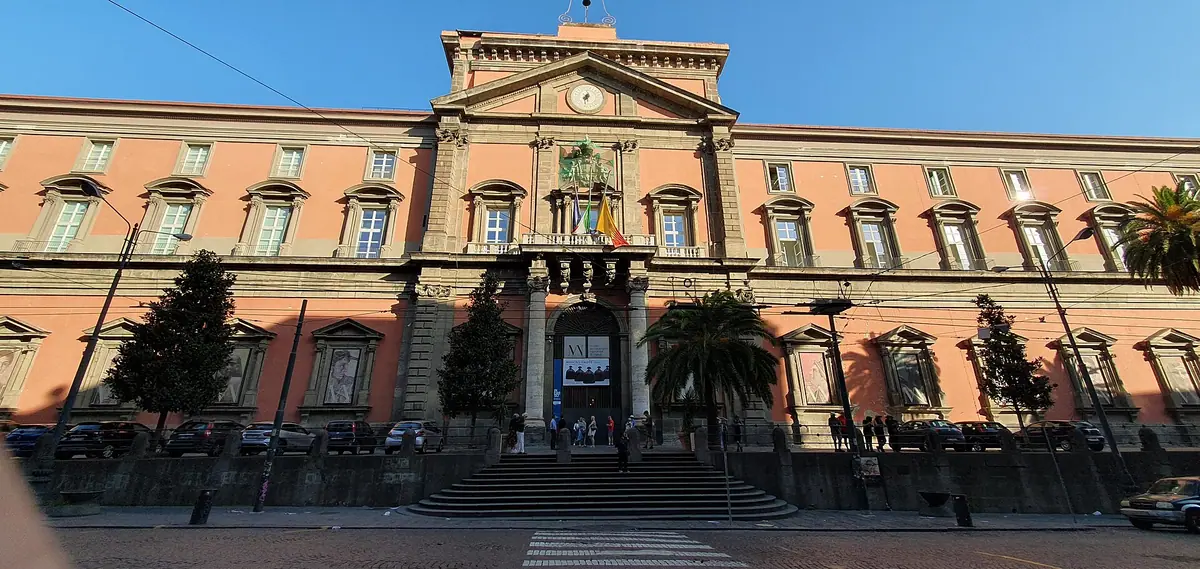
From the cathedral’s Duomo station, metro line 1 runs to Museo, which comes up beside the Archaeological Museum. This is where the finds of Pompeii and Herculaneum ended up, from their frescoes to the bronzes of the Villa of the Papyri and a cork model of Pompeii made in 1879, and on the ground floor stand the Farnese Hercules and the Farnese Bull, both dug out of the Baths of Caracalla in Rome. The Egyptian collection is the second in Italy, after Turin’s.
Until 30 November 2026 the mosaics and the Gabinetto Segreto, the museum’s cabinet of erotic finds, are closed, and the Alexander Mosaic is off view while it’s restored. Under-18s go in free, four of the passes include it, and on Tuesdays it’s shut.
Included in the Campania Artecard 365 Lite
Ipogeo dei Cristallini, Greek tombs in the Sanità
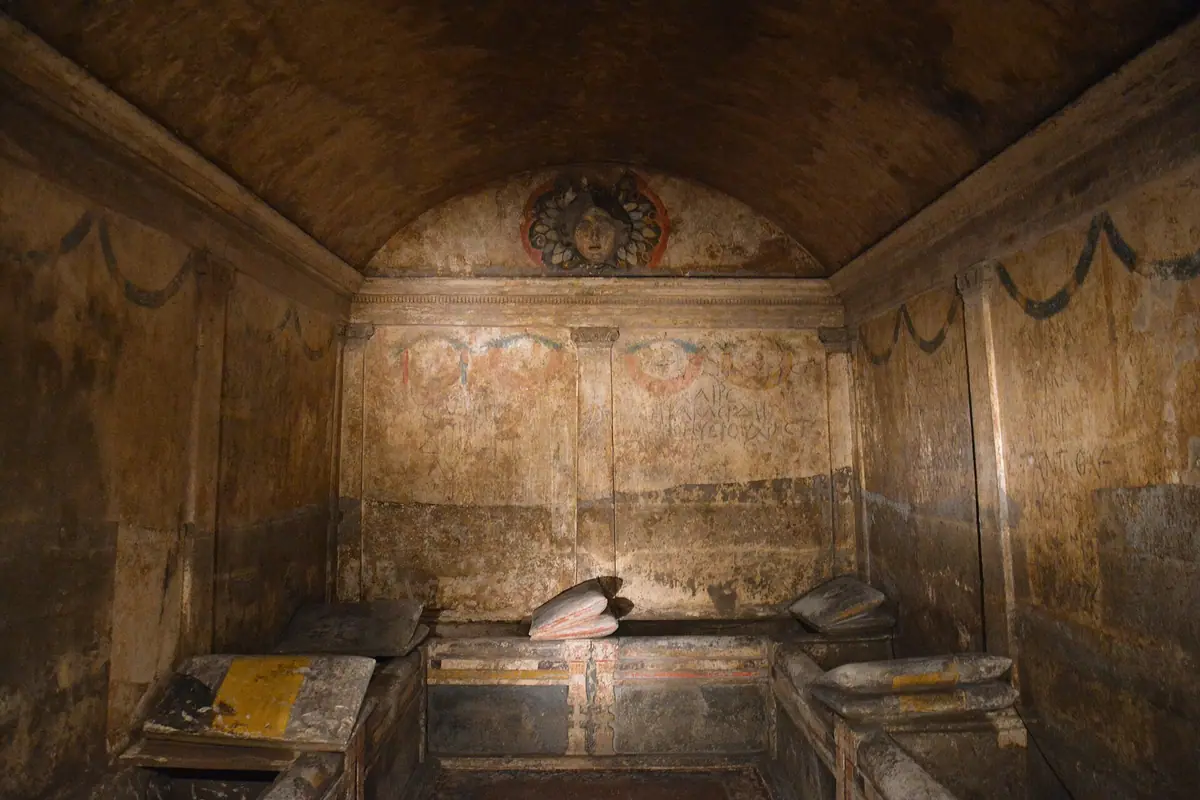
Between the museum and the hill of Capodimonte lies the Rione Sanità, and under a palazzo there, at Via dei Cristallini 133, four Greek tombs were cut into the rock about 2,300 years ago. Their walls are still painted with garlands and a Medusa head, and the stone funeral couches keep their painted mattresses and cushions.
A baron found the first tomb in 1889, digging under his family’s palace, and the tombs opened to the public only in 2022. You go down in a small group, from Tuesday to Sunday, with an audio guide or a guide in English, and children under 8 can’t go down.
Jago Museum
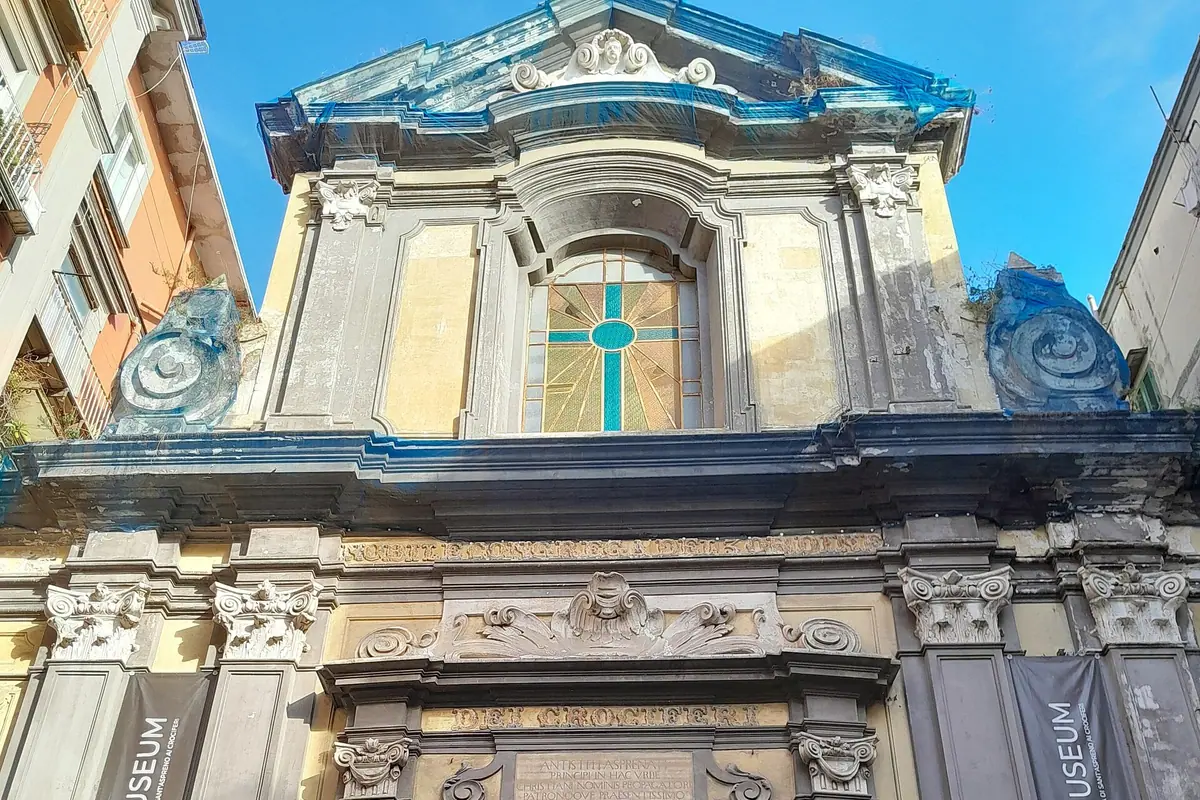
Also in the Sanità, the baroque church of Sant’Aspreno ai Crociferi was neglected for forty years, and since 2023 it has shown the work of the contemporary sculptor Jago: his marble self-portrait, a Pietà and a female David in plaster. His Veiled Son, a marble child under a veil inspired by Sanmartino’s Christ, lies in the Cappella dei Bianchi, about ten minutes’ walk away, on a visit of its own.
Entry is a guided visit at a time you book, and the museum is closed from 3 to 12 November 2026.
Fontanelle Cemetery
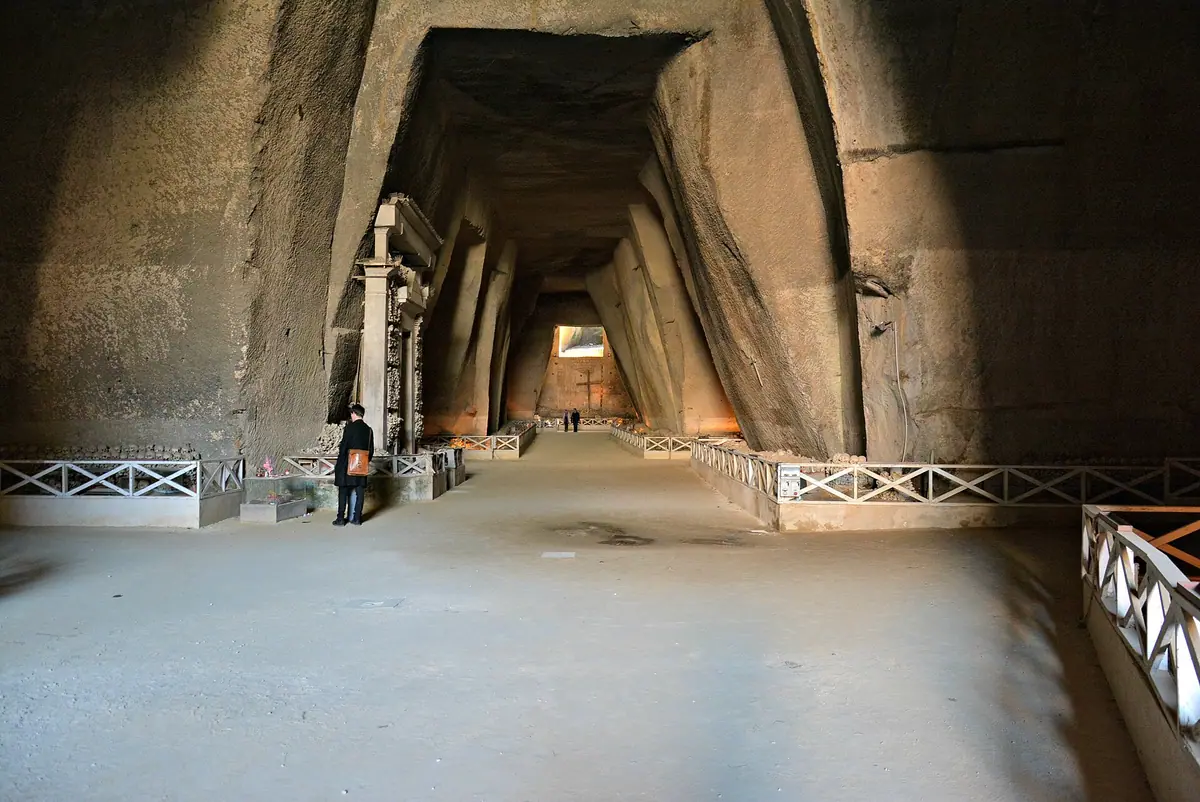
The Sanità has a second underground visit, the Fontanelle Cemetery, an old tuff quarry whose three galleries are lined with thousands of skulls and bones, many of them from victims of the plague of 1656. Until the Church banned it in 1969, Neapolitans adopted a skull here, cleaned it and prayed for its soul in return for favours.
It reopened on 18 April 2026 after years shut, with entry at a booked time on its own website, and it closes on Wednesdays. The nearest metro is Materdei, on line 1.
Catacombs of San Gennaro and San Gaudioso
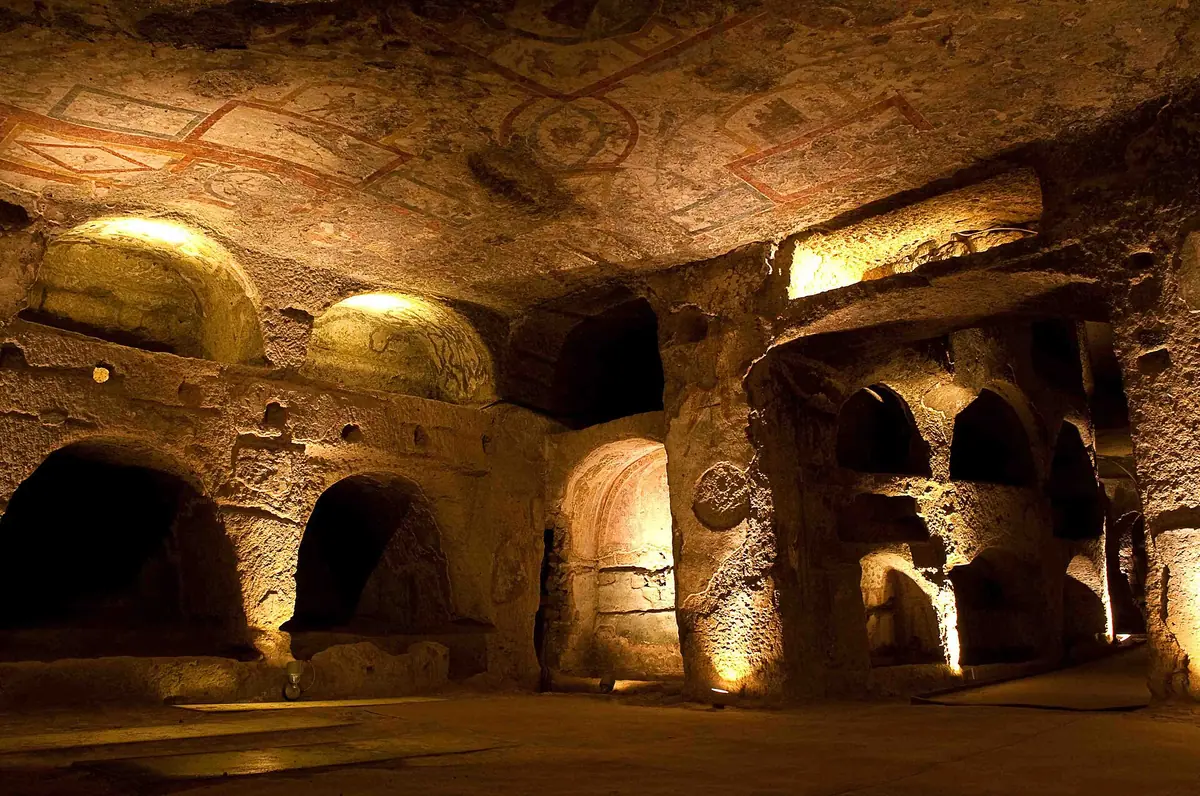
A short bus ride up from the Archaeological Museum, on Via Capodimonte, the Catacombs of San Gennaro hold the earliest Christian paintings in southern Italy, from the start of the 3rd century, and 5th-century mosaic portraits of bishops around the tomb where the city’s patron saint lay until 831. The second catacomb, San Gaudioso, down in the Sanità, has 17th-century skulls set into its walls above painted bodies.
Every visit is a guided tour in English or Italian, run by a cooperative of young people from the Sanità, and both catacombs close on Wednesdays. The Museum Card and the Museums & Underground Card include the San Gennaro tour and the City Card has it as an underground option, but with any of them you still book a time.
Included in the Naples Museums & Underground Card
Capodimonte Museum and the Real Bosco
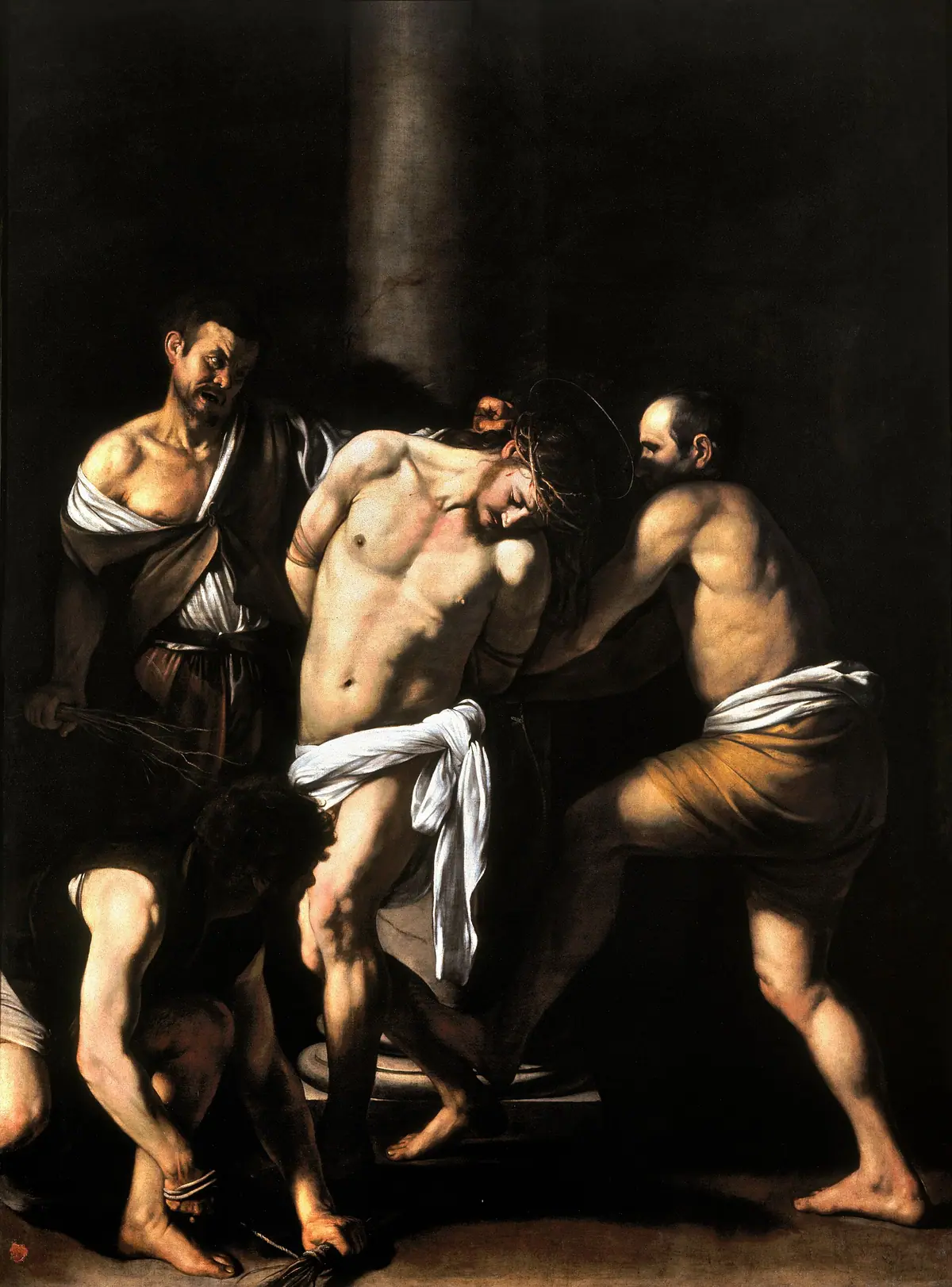
At the top of the hill, a Bourbon hunting palace holds the Capodimonte Museum’s picture gallery, with the Farnese paintings that Charles of Bourbon, king of Naples, inherited from his mother, Caravaggio’s Flagellation, Antea, a portrait by the Renaissance painter Parmigianino, and Judith by the Baroque painter Artemisia Gentileschi. Around the palace, the Real Bosco is a royal park of 134 hectares, free every day.
Buses 168 and 178 stop at the Porta Piccola, by the museum entrance. Wednesday is the museum’s closing day, and its third floor, with the 19th and 20th-century art, is shut for works.
Included in the Campania Artecard 365 Lite
Royal Palace of Naples
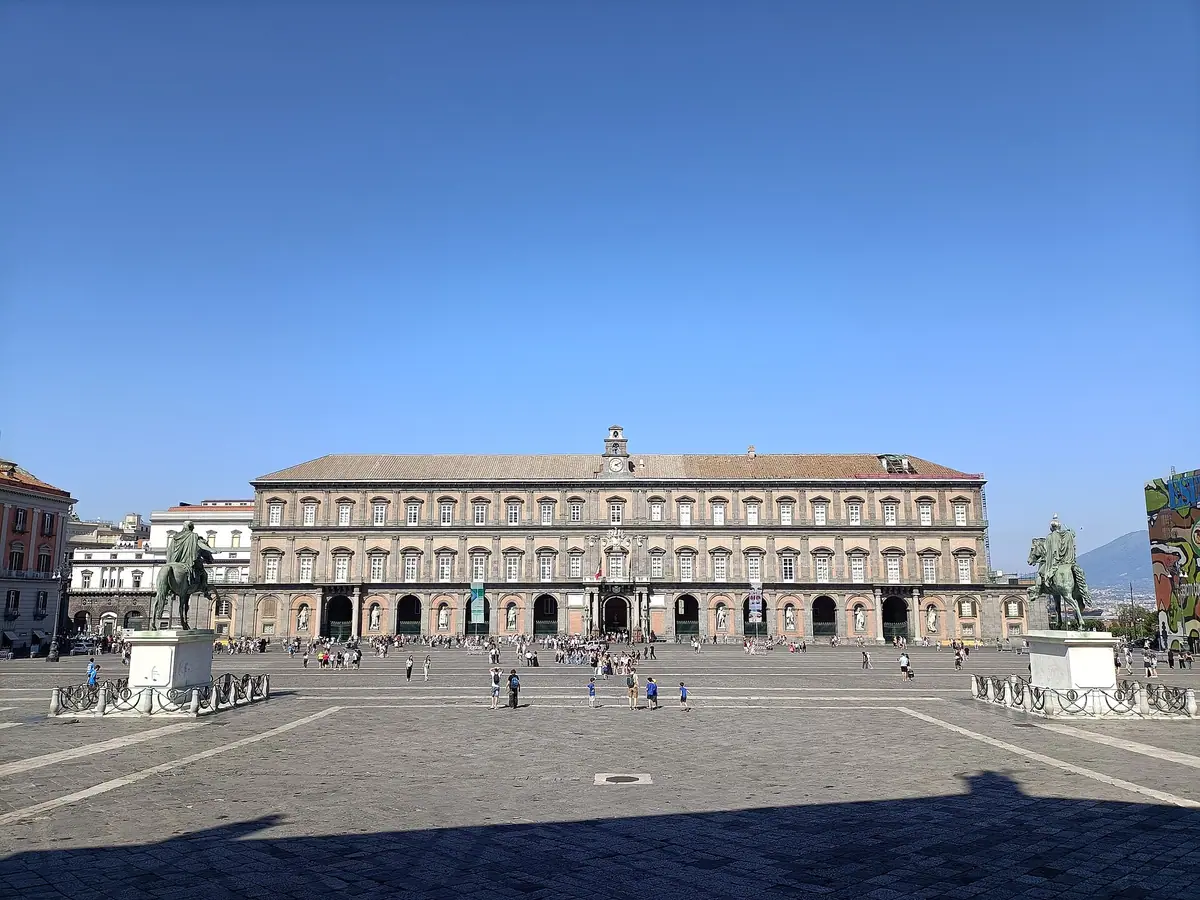
Back down in the centre, the Royal Palace fills one side of Piazza del Plebiscito, with statues of eight kings of Naples along its front. Spanish viceroys built it from 1600, and it was home to the Bourbon kings, to Joachim Murat, the French king Napoleon gave Naples, and to the Savoys. Inside, a grand staircase climbs to the court theatre and the Throne Room, which has had its restored throne back since February 2026.
Wednesday is the day to skip it, and since 1 October 2026 the Hall of Mirrors and the Hall of Hercules have been shut for restoration.
Included in the Campania Artecard 365 Lite
Galleria Borbonica, the Bourbon Tunnel
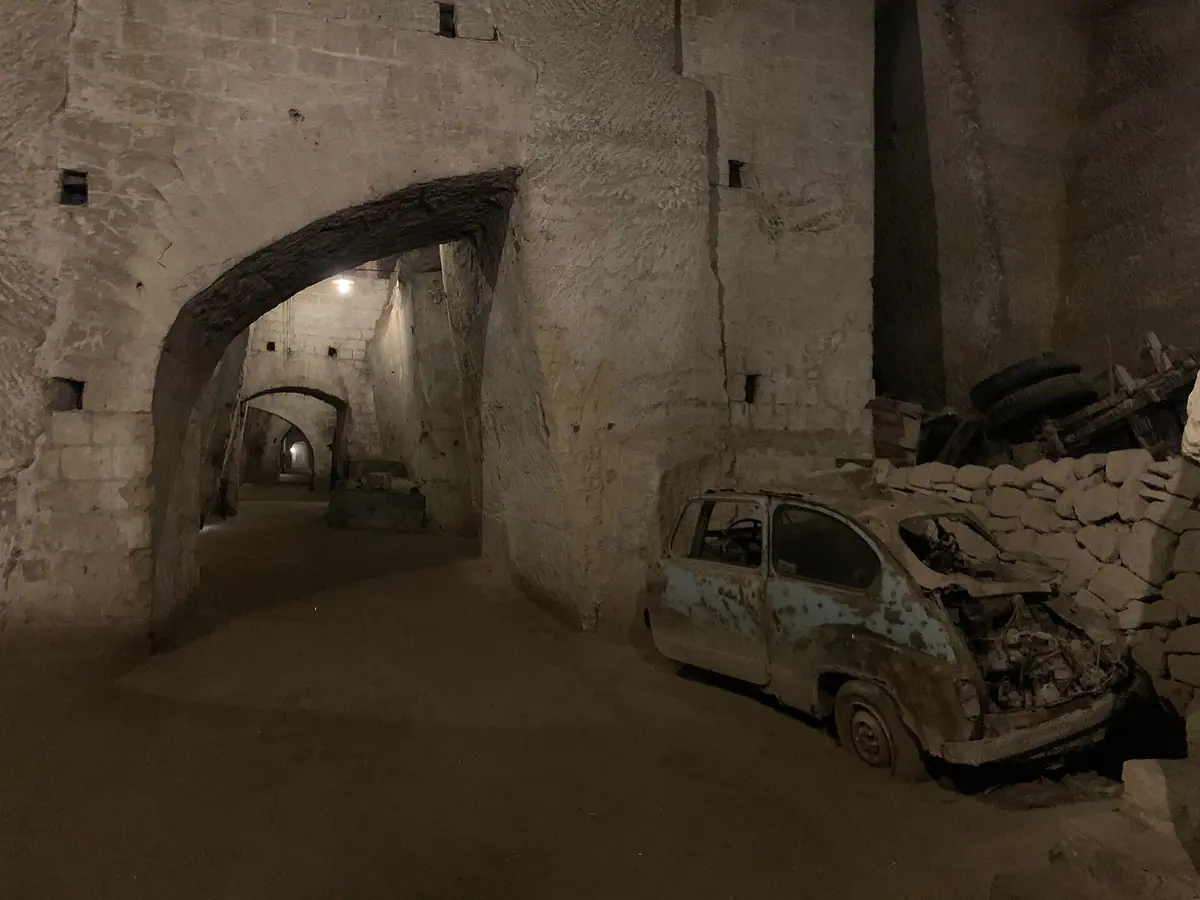
Under the Pizzofalcone hill, between Piazza del Plebiscito and Chiaia, runs the tunnel King Ferdinand II had dug from 1853 to link his palace with Piazza Vittoria, and never finished. The guided tour follows a Renaissance aqueduct and its cisterns into the shelters where thousands of Neapolitans sat out the bombing of the Second World War, past the cars and motorbikes left down there when the tunnel was the city’s pound.
With the Museum Card or the Museums & Underground Card the standard tour is included, booked by email, and either way it runs only from Friday to Sunday and on holidays.
Included in the Naples Museums & Underground Card
Castel Nuovo (Maschio Angioino)
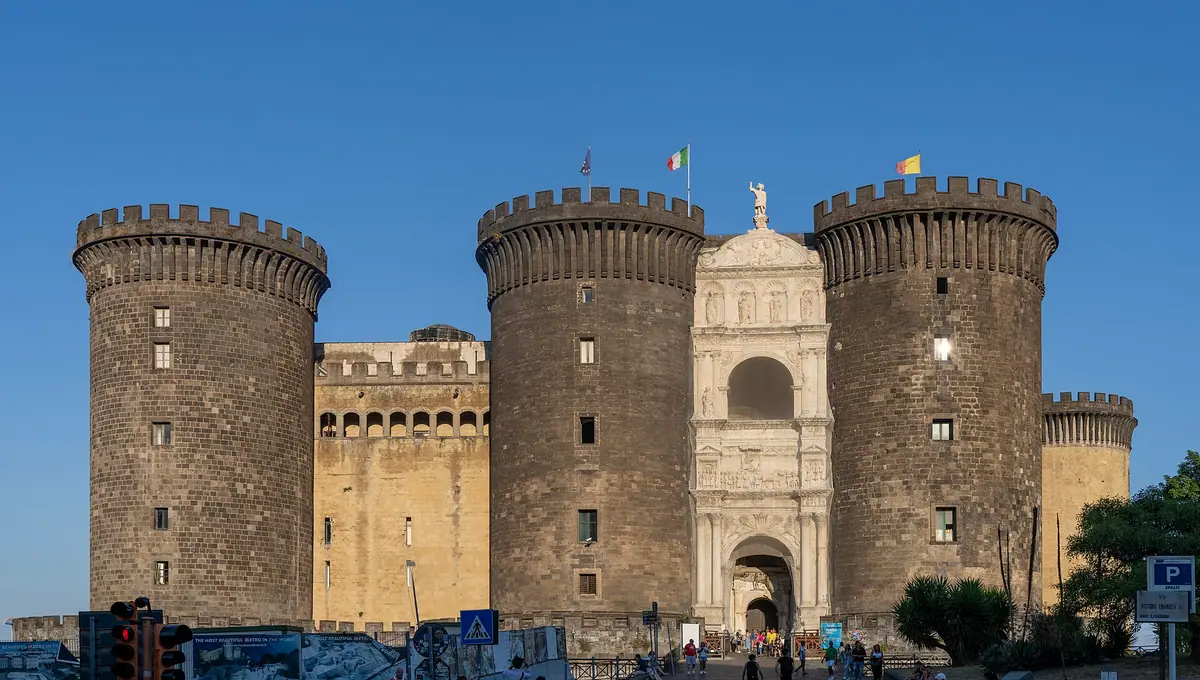
The castle on Piazza Municipio, Castel Nuovo, also called the Maschio Angioino, has five round towers and a triumphal arch for Alfonso V of Aragon’s entry into Naples, which he took in 1443. Inside are the Sala dei Baroni, the great vaulted hall where a pope gave up the papacy in 1294, the Palatine Chapel and Roman ruins under a glass floor.
It’s open from Monday to Saturday, 9:00 to 18:00, and shut on Sundays and public holidays.
Included in the Campania Artecard 365 Lite
Gallerie d’Italia and Caravaggio’s last painting
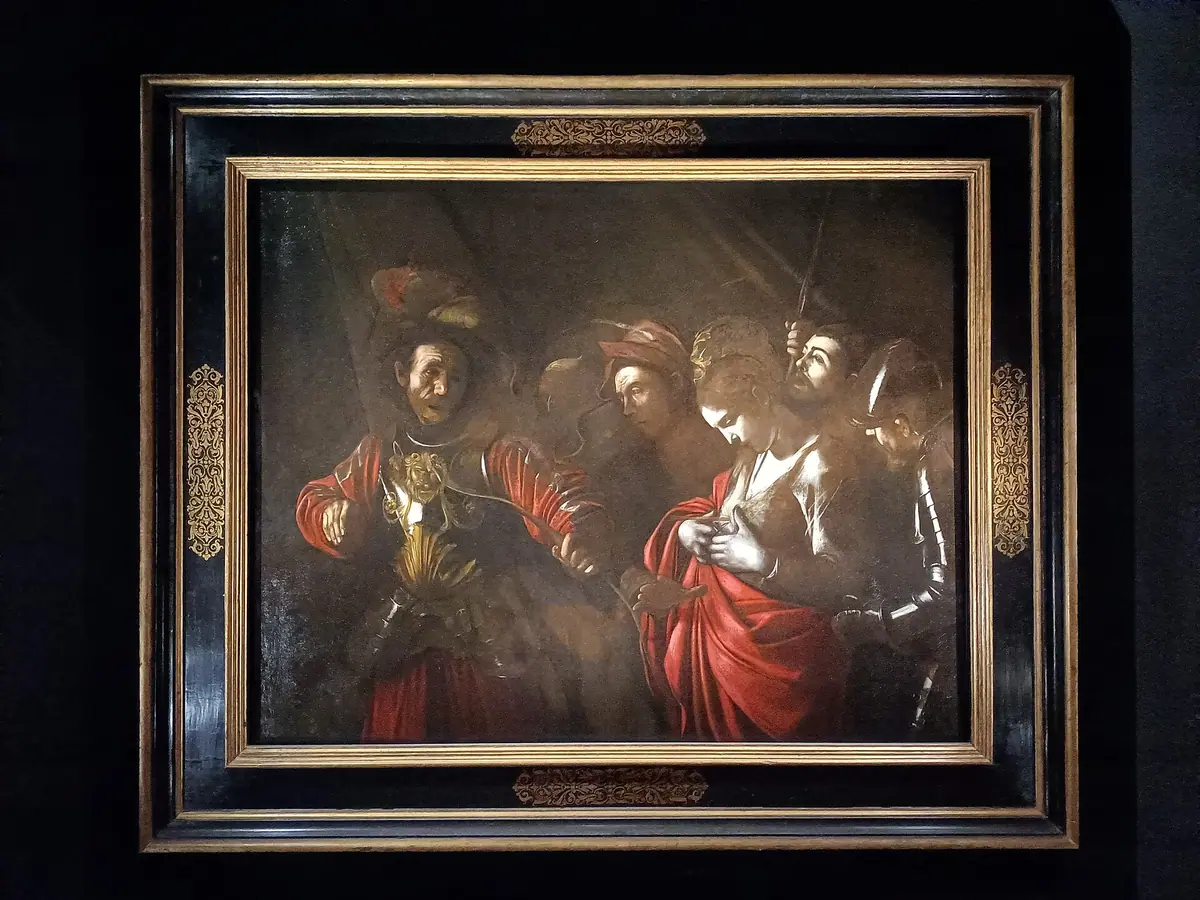
At Via Toledo 177, near the Toledo and Municipio metro stations, the former Banco di Napoli is now Gallerie d’Italia, the museum of the Intesa Sanpaolo banking group. Its route opens with Caravaggio’s Martyrdom of Saint Ursula of 1610, the last canvas he painted, and runs on through three centuries of painting in Naples and the south.
If you’re under 26 you go in free; otherwise the 7-day Artecard counts it as one of its five picks. It’s shut on Mondays.
An included entry in the Campania Artecard 7
Castel Sant’Elmo and the view over Naples
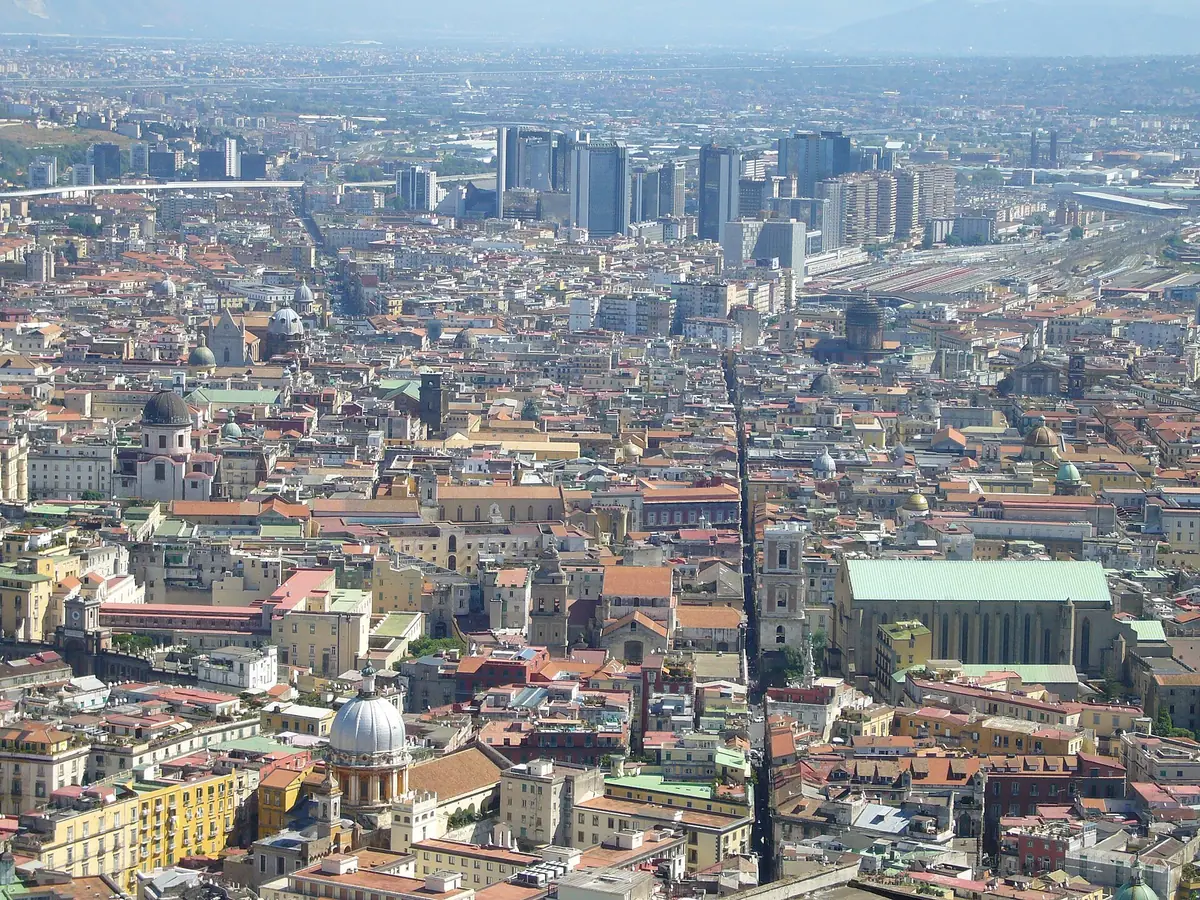
From Via Toledo, the Funicolare Centrale climbs to Piazza Fuga on the Vomero hill, and at the top stands Castel Sant’Elmo, the star-shaped fortress the Spanish viceroy Pedro de Toledo had rebuilt in 1537-47. From its ramparts you see Vesuvius, the bay, the islands and the domes of the old town, and the same entry takes in the Museo Novecento, 20th-century art from Naples.
The late afternoon is the time to be up there: from November to January the sun sets behind Ischia and Procida between about 16:40 and 17:20, and the last entry is at 18:30. Tuesday is the closing day.
Included in the Campania Artecard 365 Lite
Certosa di San Martino
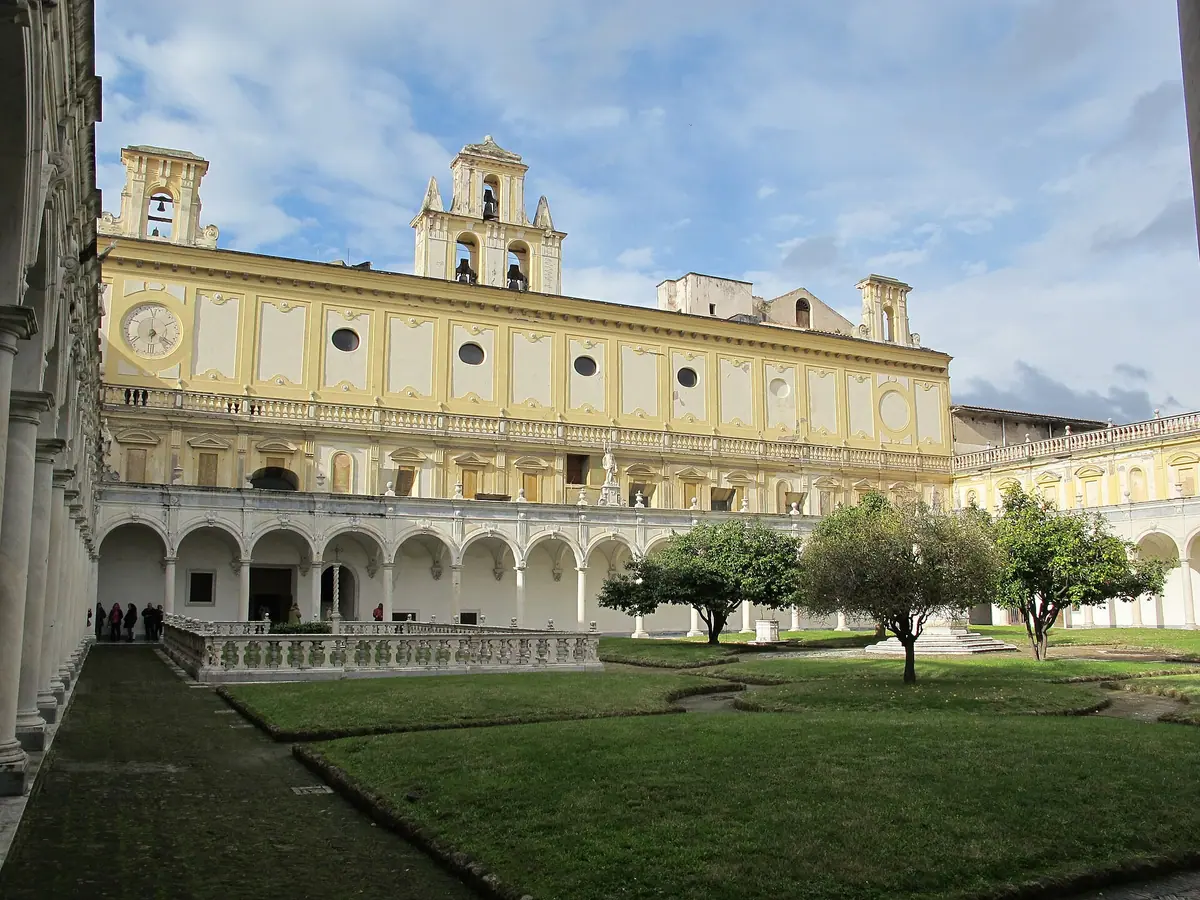
Next to the castle, the Certosa di San Martino was a monastery of Carthusian monks founded in 1325, and it has been the museum of the city since 1867. Its church is painted by the Baroque painter Lanfranco and by Jusepe de Ribera, the Spanish painter who worked in Naples, the Prior’s loggia looks out over Naples and the bay, and the museum keeps the Presepe Cuciniello, a nativity scene with some 800 figures, and the Tavola Strozzi, the first painted view of Naples from the sea.
Its entry is separate from the castle’s, though the Campania Artecard covers both, and like the castle it shuts on Tuesdays.
Included in the Campania Artecard 365 Lite
Villa Floridiana and the Duca di Martina Museum
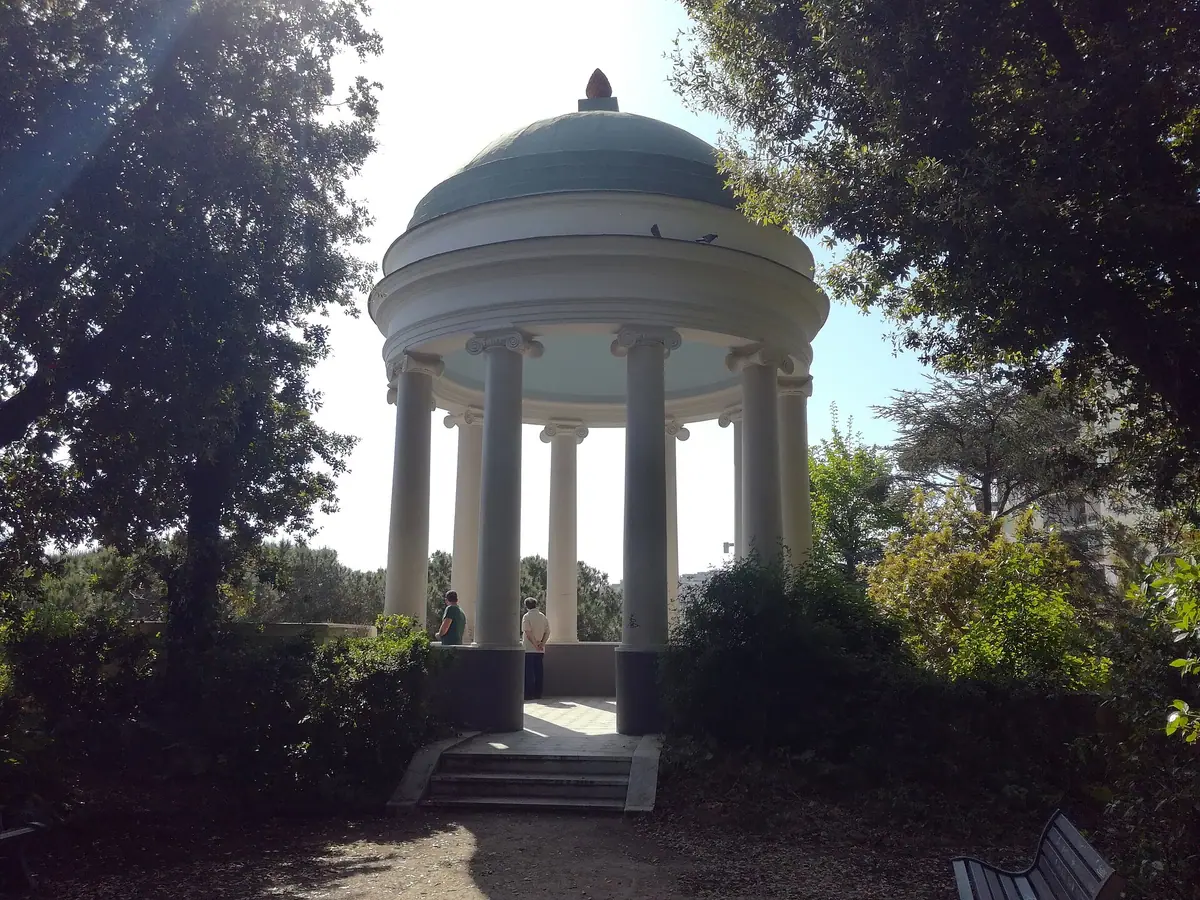
Also on the Vomero, the park of Villa Floridiana is free to walk into and looks out over Chiaia and Mergellina on the bay. A Bourbon king bought the villa in 1817 for the duchess he had married but couldn’t make queen, and inside it the Duca di Martina Museum shows more than 6,000 pieces of decorative art, with ceramics at its heart, from Renaissance majolica to 18th-century Meissen and Capodimonte porcelain and Chinese porcelain of the Ming and Qing.
On Tuesdays the museum shuts but the park stays open.
Included in the Campania Artecard 365 Lite
Villa Pignatelli on the Riviera di Chiaia
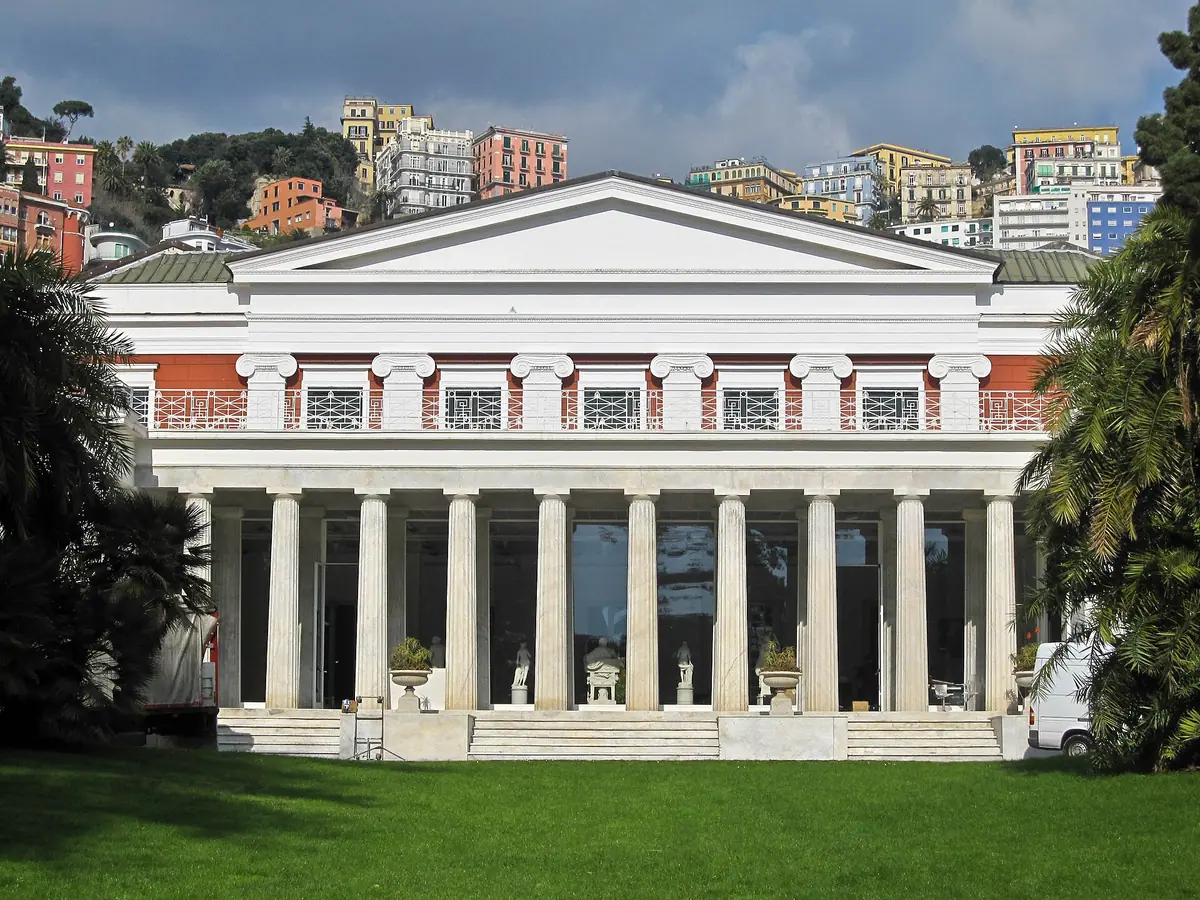
Down at the foot of the hill, on the Riviera di Chiaia, Villa Pignatelli keeps the rooms the Rothschild bankers remodelled and the Pignatelli princes lived in, until Princess Rosina gave the house to the state in 1955. You walk through blue, red and green drawing rooms, a library lined with gold-tooled leather and a dining room with the table still laid, then out into an English garden of 1830.
Its carriage museum is closed for now, and the villa shuts on Tuesdays.
Included in the Campania Artecard 365 Lite
Aquarium of Naples
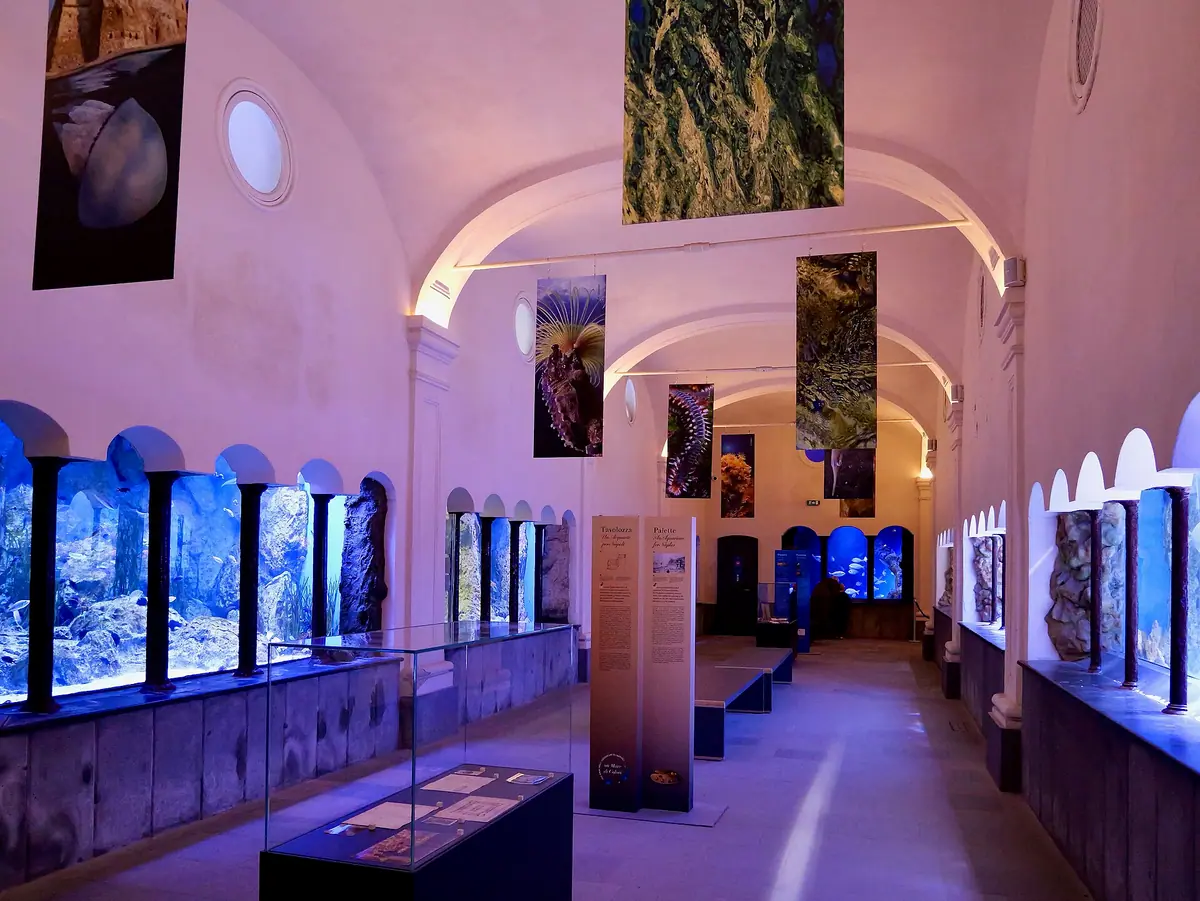
A different kind of collection is in the Villa Comunale park: the Aquarium of Naples, which opened in 1874 in a marine research station, the Stazione Zoologica Anton Dohrn, and it’s one of the oldest public aquariums still open. The tanks keep their original layout, from the rocky shore to the open sea, and an underground channel still links them to the sea.
The ticket includes the Darwin-Dohrn Museum nearby. Both close on Mondays, and no pass includes them.
Day trips from Naples on the Circumvesuviana and the regional trains
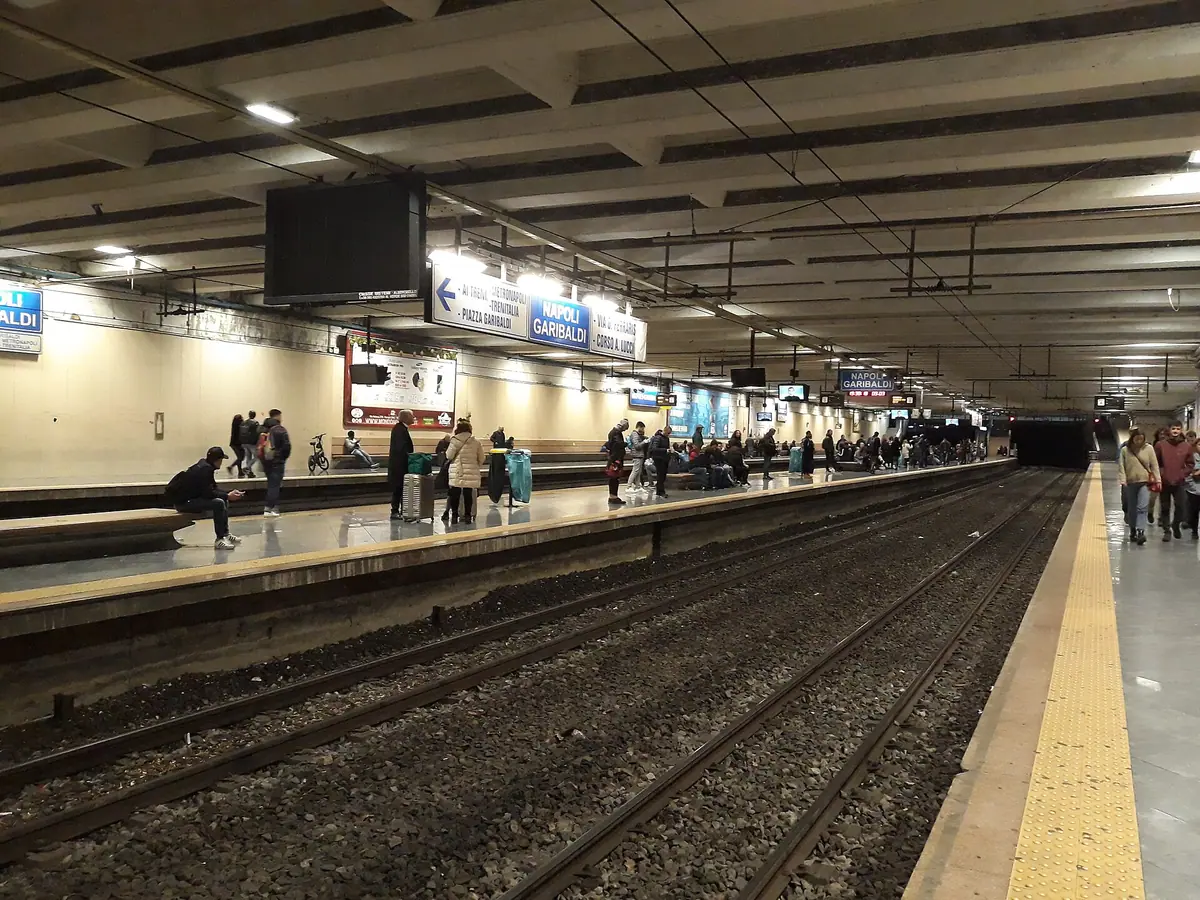
Beyond the city, Herculaneum, Pompeii and Sorrento are on the Circumvesuviana, the local railway round the bay. Since 17 October 2026 a Sorrento train has left Napoli Garibaldi, below the central station, every 30 minutes, stopping at Ercolano Scavi and Pompei Scavi on the way. Caserta and Paestum are on the regional trains from Napoli Centrale, and Capri is a hydrofoil ride from Molo Beverello.
In winter the ruins let in their last visitors at 15:30, so start these days in the morning.
Herculaneum
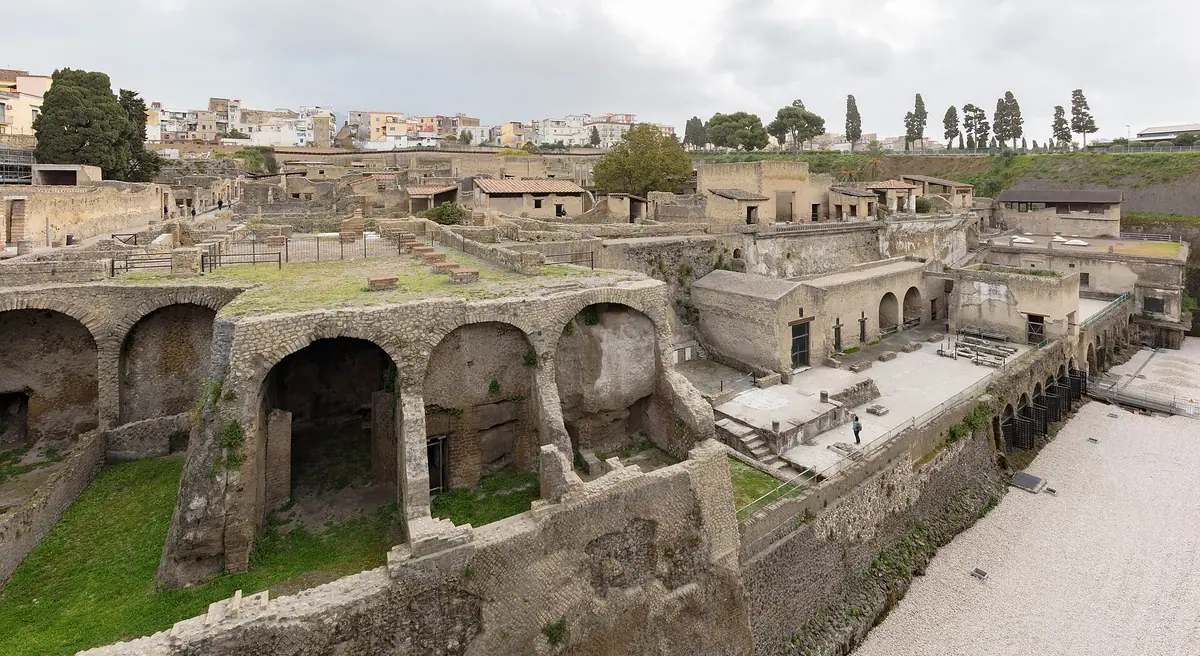
About 15 minutes out on the train, Herculaneum is the smaller of the towns Vesuvius buried in AD 79, and the hot gas that killed it turned its wood to charcoal, so houses still have their upper floors, beams and furniture. Down on the ancient beach are the arches where about 300 skeletons were found in 1980.
There’s nothing to book, it opens every day, and two to three hours is enough.
Included in the Campania Artecard 365 Lite
Mount Vesuvius
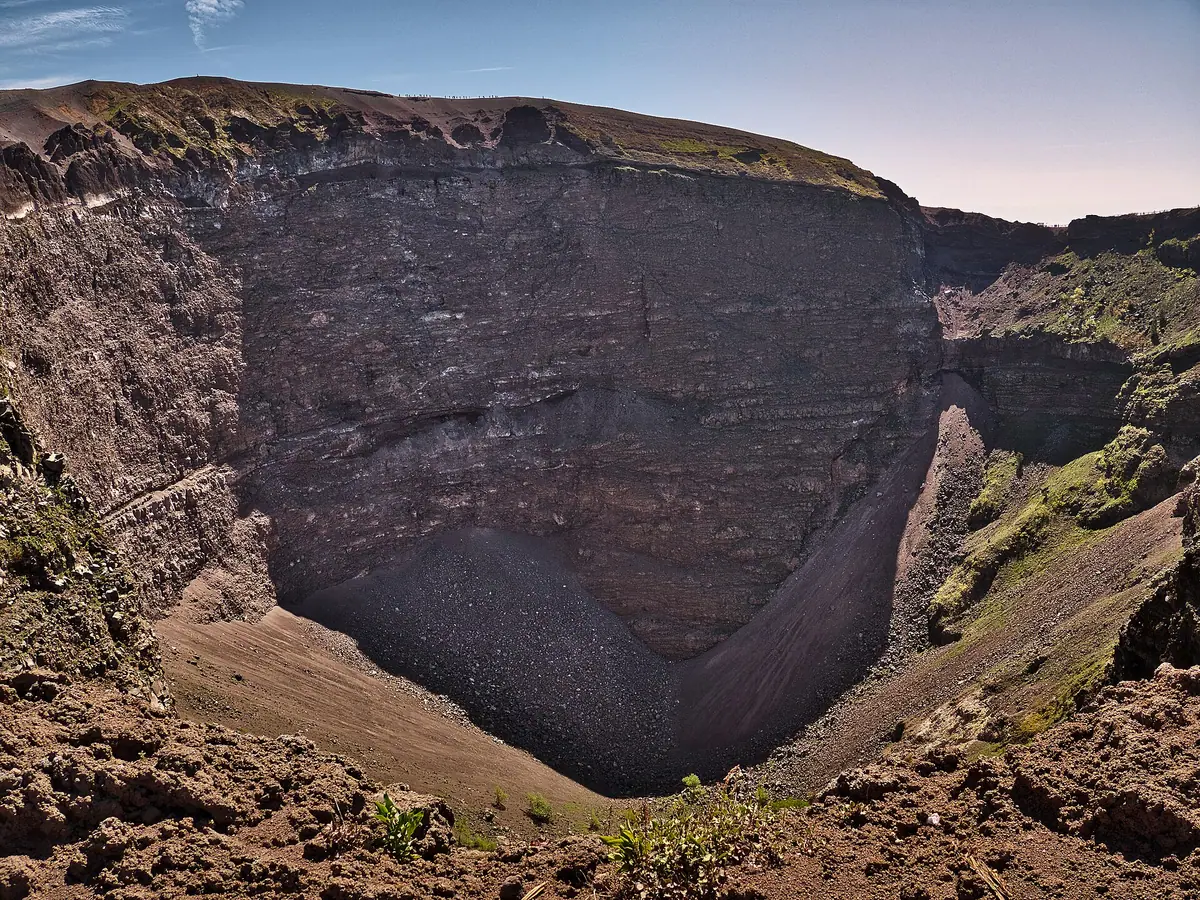
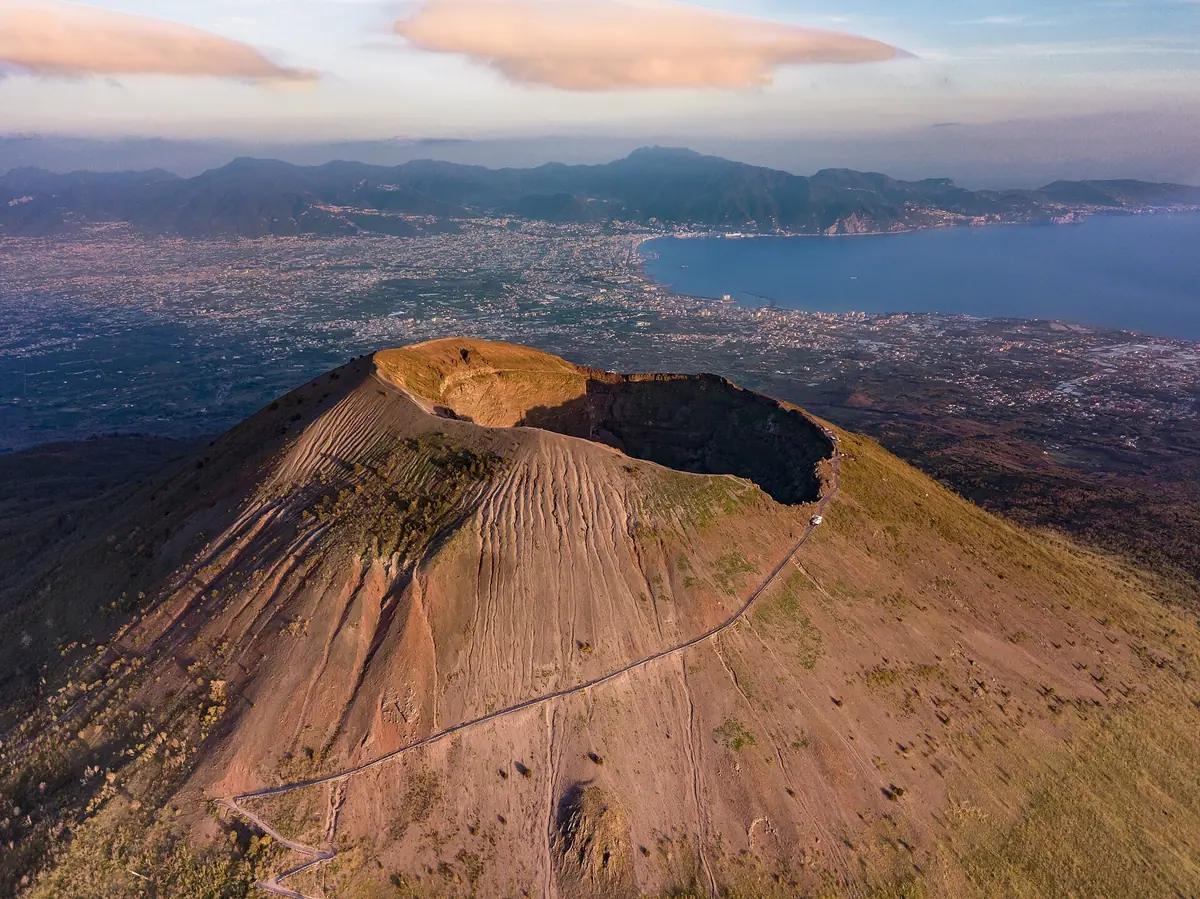
Ercolano Scavi, the station for Herculaneum, is also where the taxis and shuttles leave for Vesuvius. Up there, a trail of 4 kilometres there and back climbs to the crater at 1,175 metres, 580 metres across with fumaroles on its walls, and from the rim you see as far as Sorrento and Capri.
Every ticket is for a 10-minute slot bought before you go, as there’s no ticket office on the mountain. From November to February the last access is at 15:00, the trail shuts on days with an orange weather alert, and no pass includes it.
Pompeii
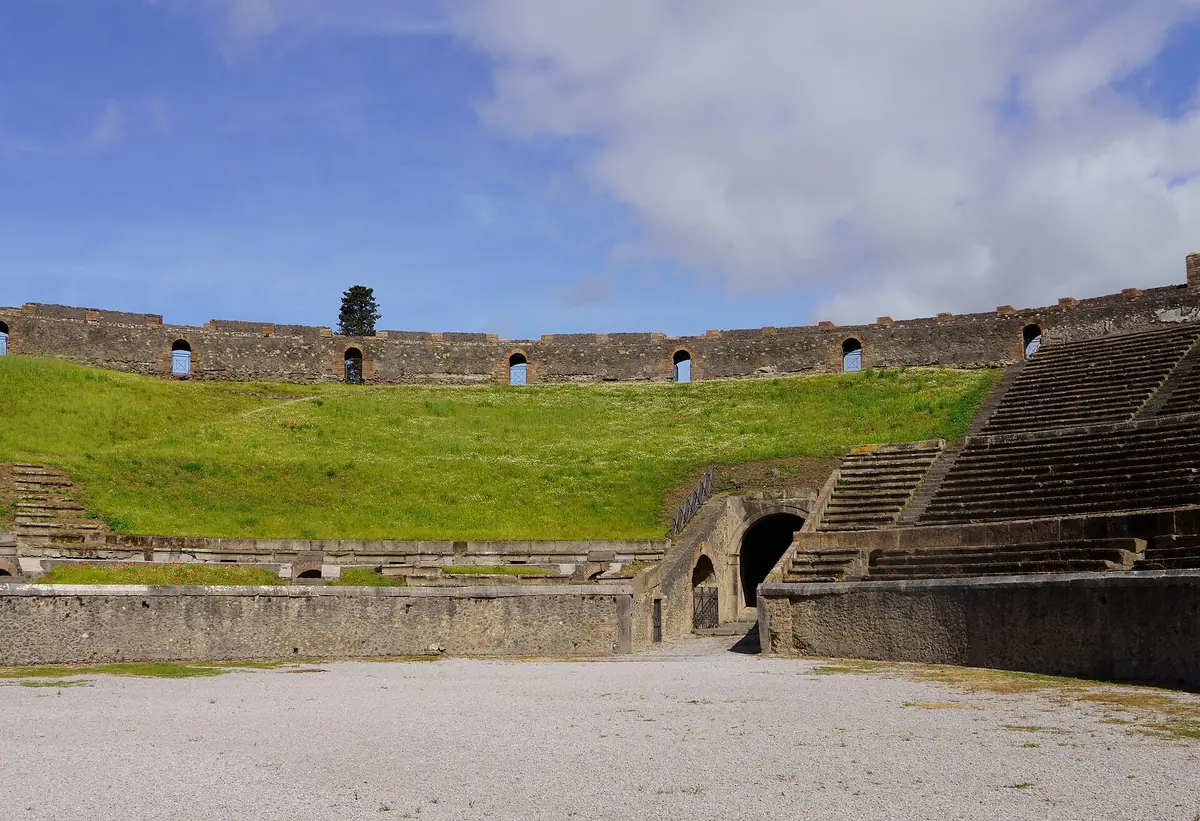
Thirty-six minutes from Naples on the Sorrento train, Pompei Scavi station is about 50 metres from the gate of the Roman town Vesuvius buried in AD 79. Its streets take you from the Forum past a bakery, a street-food bar, baths, a brothel and painted houses, out to an amphitheatre for about 20,000 spectators, the oldest permanent one surviving in Italy.
Every ticket carries your name, and the park lets in up to 20,000 people a day. Our Express ticket, the Campania Artecard and the Naples Museum Card cover the ancient city inside the walls, and the Villa of the Mysteries, outside them, costs €8 more with any of the three.
Included in the Campania Artecard 365 Lite
Oplontis, the Villa of Poppaea
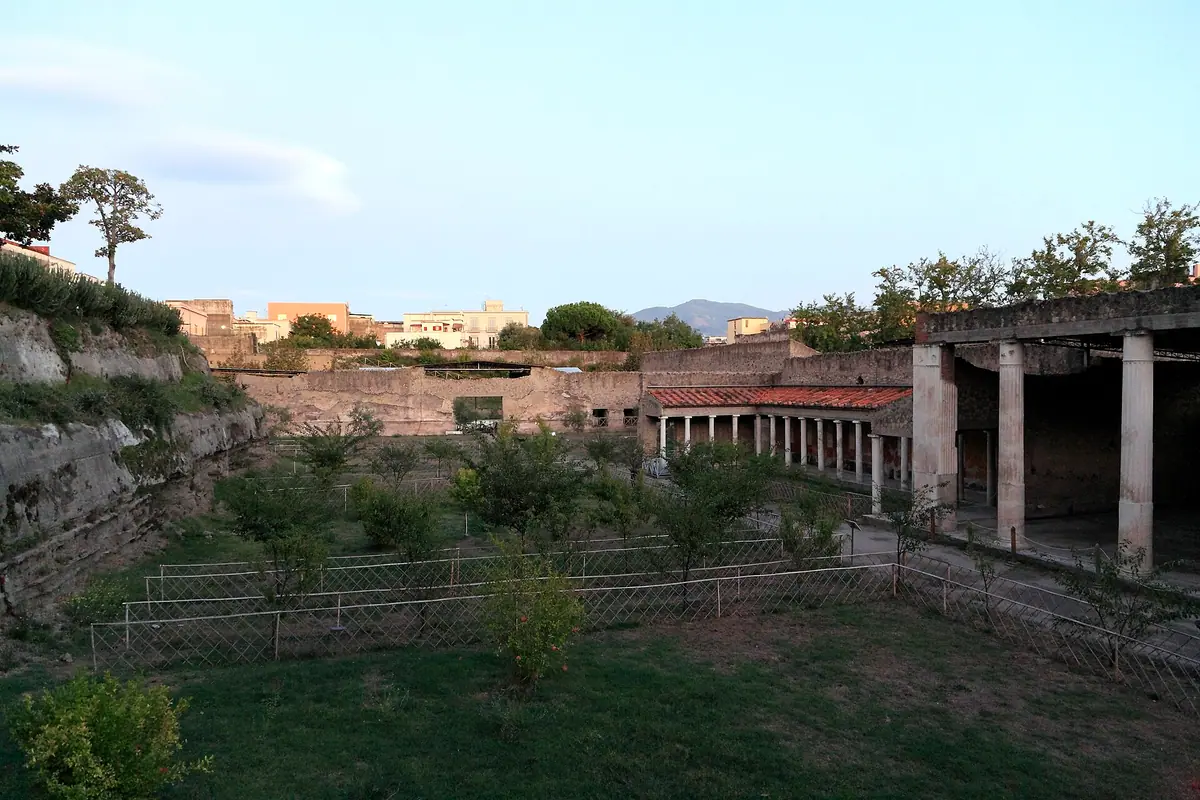
Oplontis is a Roman seaside villa that Vesuvius buried in AD 79, now under the town of Torre Annunziata, a shuttle ride from Pompeii, with frescoes UNESCO counts among the best-preserved Roman wall paintings anywhere and a swimming pool 61 metres long. An inscription painted on an amphora links it to Poppaea, Nero’s second wife.
The park’s free shuttle for ticket holders takes about half an hour from Pompeii and doesn’t run on Tuesdays, when Oplontis is shut anyway.
Included in the Campania Artecard 365 Lite
Sorrento
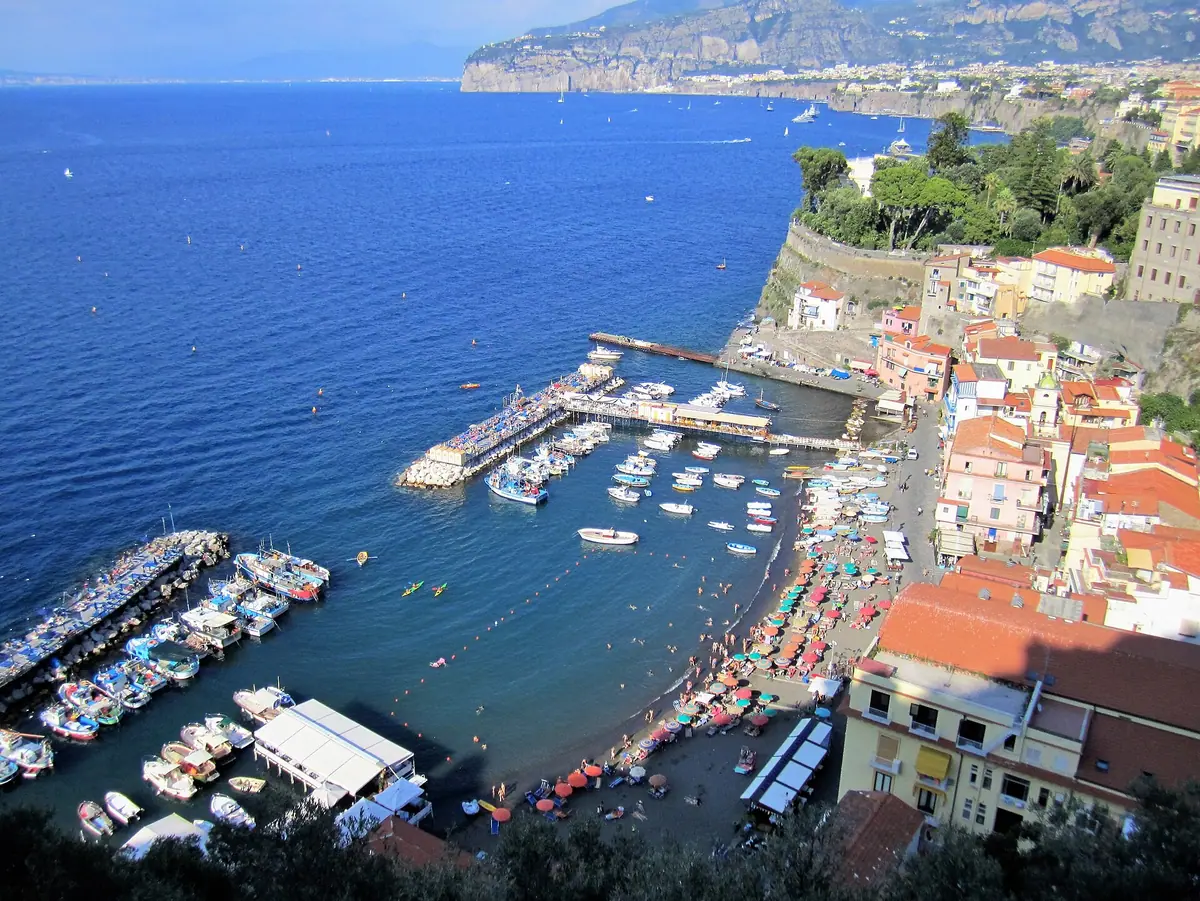
At the end of the same line, about 1 h 15 from Naples, Sorrento’s old centre runs from Piazza Tasso to a 14th-century cloister, and Marina Grande is its fishing harbour. Pompeii is on the way, so the two fit in one day: the ruins first, Sorrento for the evening, and the last train back to Naples at 22:00.
Amalfi Coast
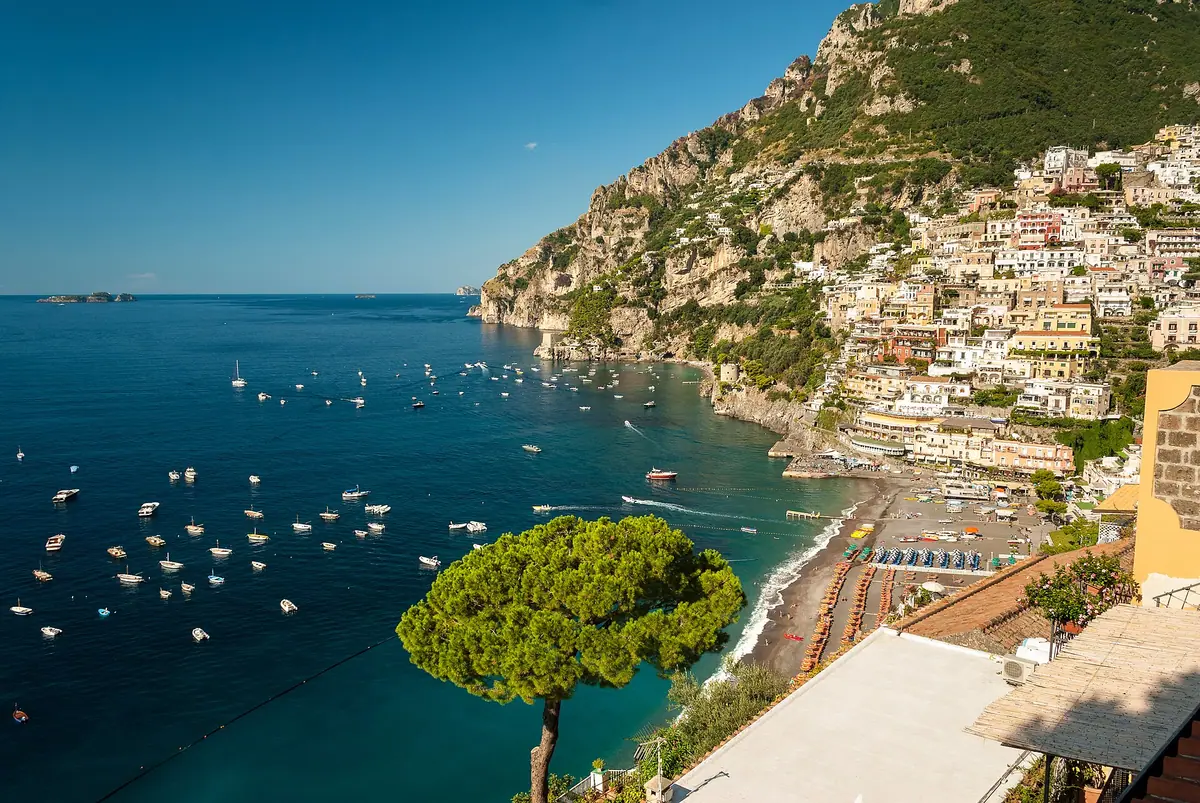
No railway reaches the Amalfi Coast, where Positano, Amalfi and Ravello sit among terraces of lemon groves and vineyards between the Lattari mountains and the sea. From Naples it’s a full day out, and our minivan day trips go straight there.
The direct boats from Naples to Amalfi and Positano stop in November, so in winter you take the train to Salerno and the Travelmar boat to Amalfi, which sails all year.
Capri
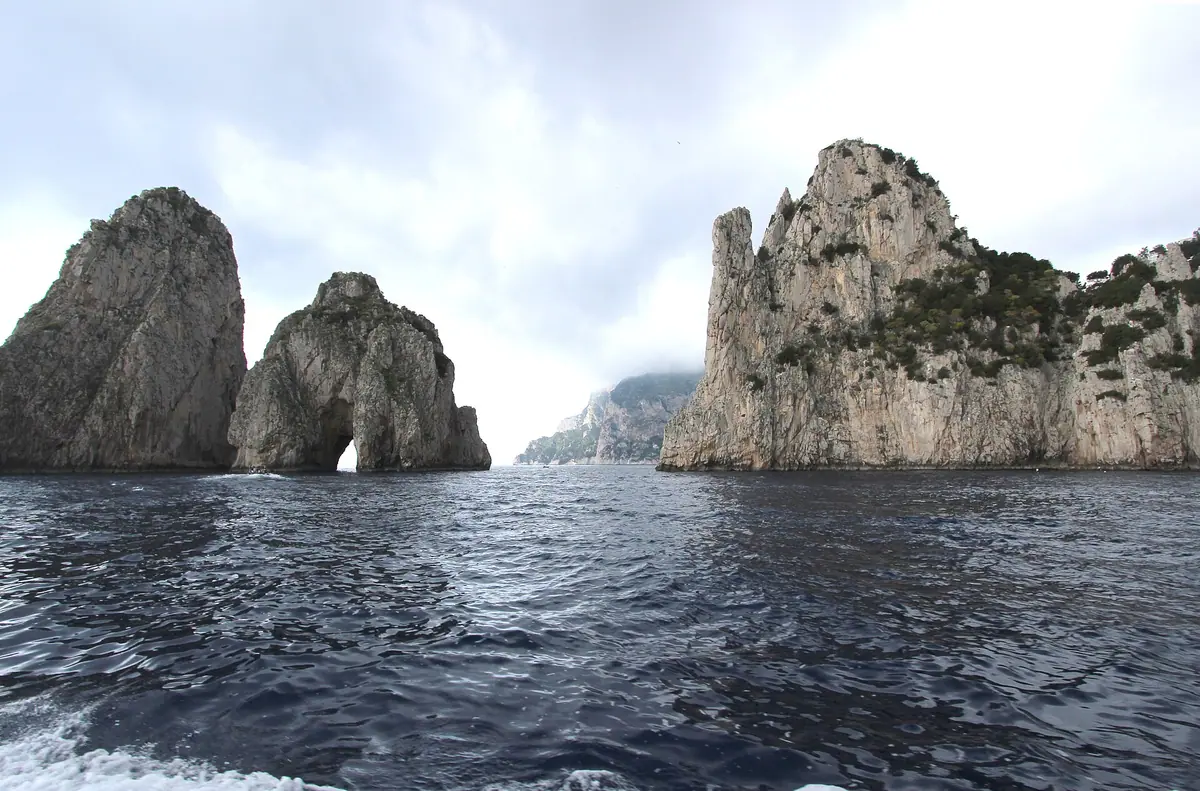
Capri is about 50 minutes from Naples by hydrofoil, with boats all year from Molo Beverello to Marina Grande. The Blue Grotto, the Faraglioni rock stacks, the Piazzetta and Villa Jovis, where the emperor Tiberius ruled Rome for the last ten years of his life, are all on the island.
In winter the Blue Grotto opens only on calm mornings, until 14:00, and everyone who lands pays a tax added to the ferry ticket.
Royal Palace of Caserta
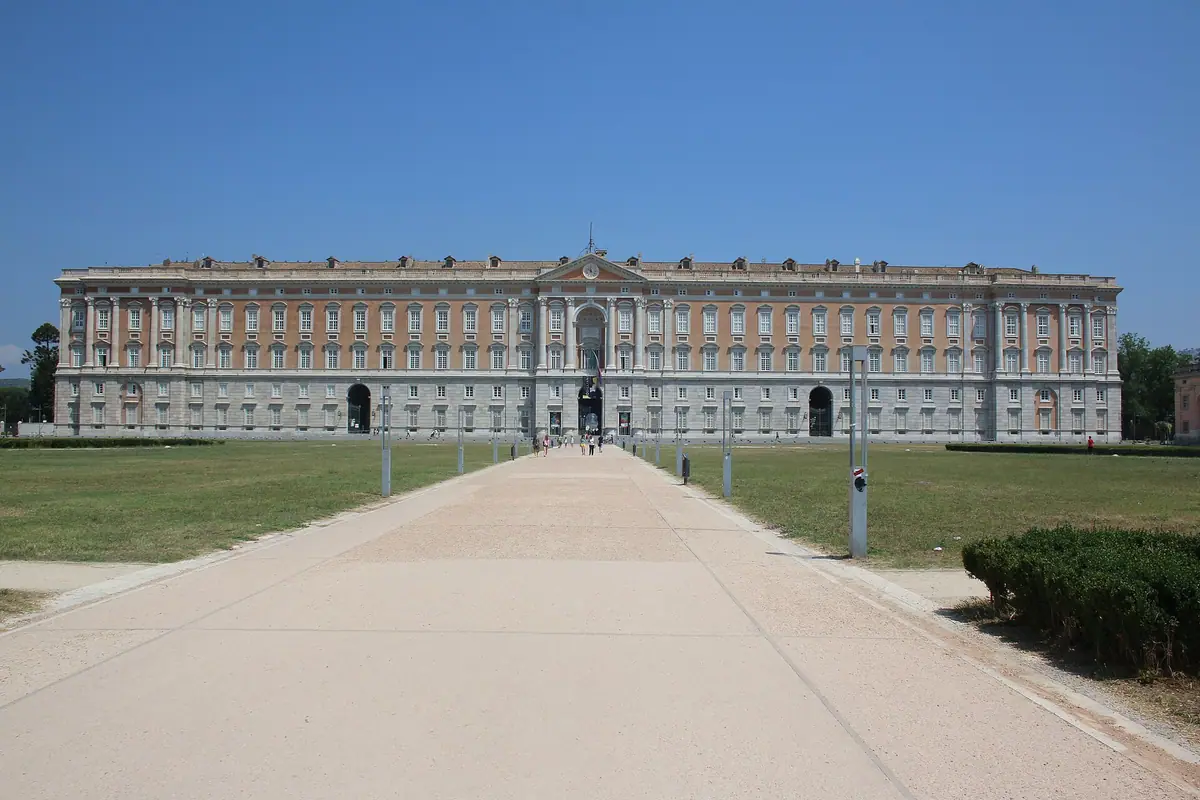
Charles of Bourbon, king of Naples, began the Royal Palace of Caserta in 1752 as the seat of a new capital. Caserta station is right opposite, 36 to 50 minutes from Napoli Centrale by regional train. Inside are the royal apartments, the Palatine Chapel and the Throne Room; behind, a park of 123 hectares climbs three kilometres to a cascade and an English Garden.
In November and December the park shuts at 15:30, so walk it first and leave the rooms for the afternoon; Tuesday is the palace’s closing day.
Included in the Campania Artecard 365 Lite
Paestum
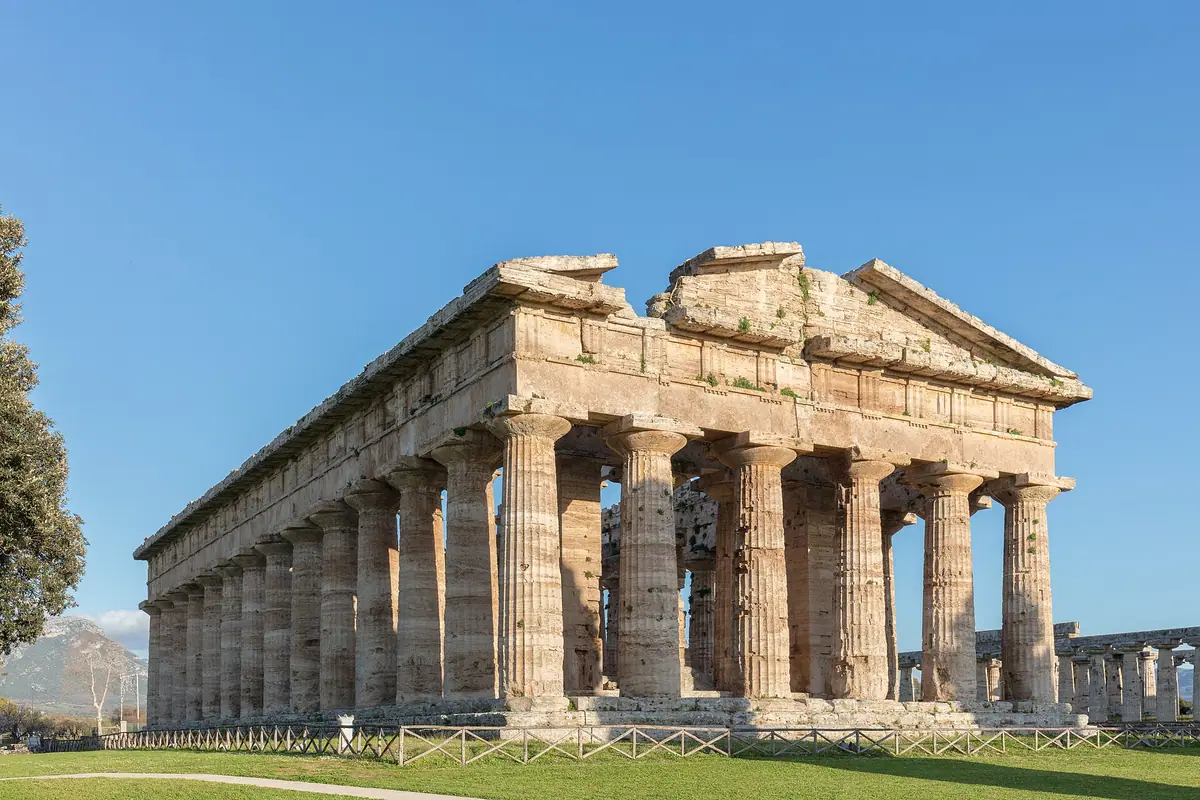
An hour and a half south of Naples by regional train, Paestum has three Greek temples built between about 550 and 450 BC, among the best-preserved Doric temples in the Greek world, inside the walls of a city founded as a Greek colony. The museum by the entrance keeps the Tomb of the Diver, a painted Greek tomb.
It opens every day, though until 28 March 2027 the Porta Cerere gate shuts in the afternoon. Paestum station sells no tickets, so buy the return before you leave.
Included in the Campania Artecard 365 Lite
Getting around Naples by metro, and in from the airport
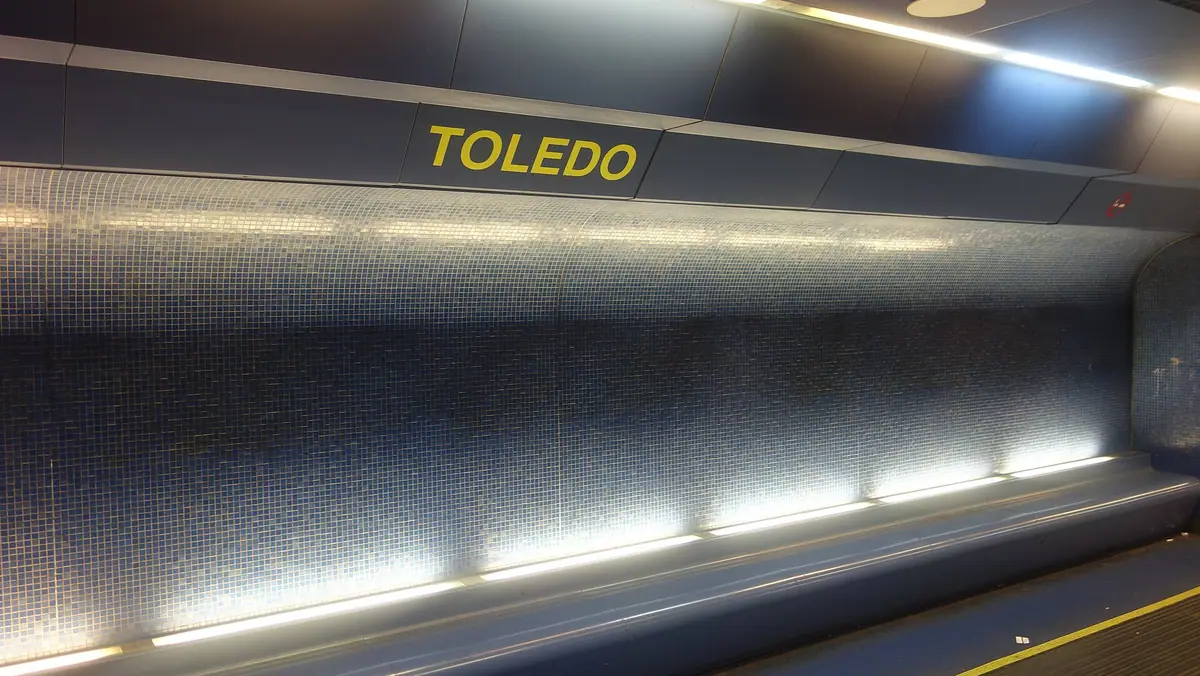
Metro line 1 runs from the central station through the old town and Toledo to the Archaeological Museum and up to the Vomero, and eleven of its stations are on the Ministry of Culture’s list of station art. A ride costs €1.50, a 90-minute ticket for buses and trains €1.90, or you tap a contactless card at the gates on the way in and out; the funiculars to the Vomero take the same tickets, though the Montesanto line is closed until around February 2027.
None of the passes we sell includes transport. Capodichino airport is closed for runway works from 1 to 30 November 2026, with about a third of its flights moved to Salerno and the rest to Rome; when it’s open, the Alibus reaches Piazza Garibaldi, by the central station, in about 15 minutes. The rest is on Naples public transport and getting from Naples airport into the city, and what each pass covers on Naples Pass and Naples city passes.
Naples
All 29 sights in Naples on our list
With the ticket price where we sell one, and the pass that covers each.
- Amalfi Coast €76.50
-
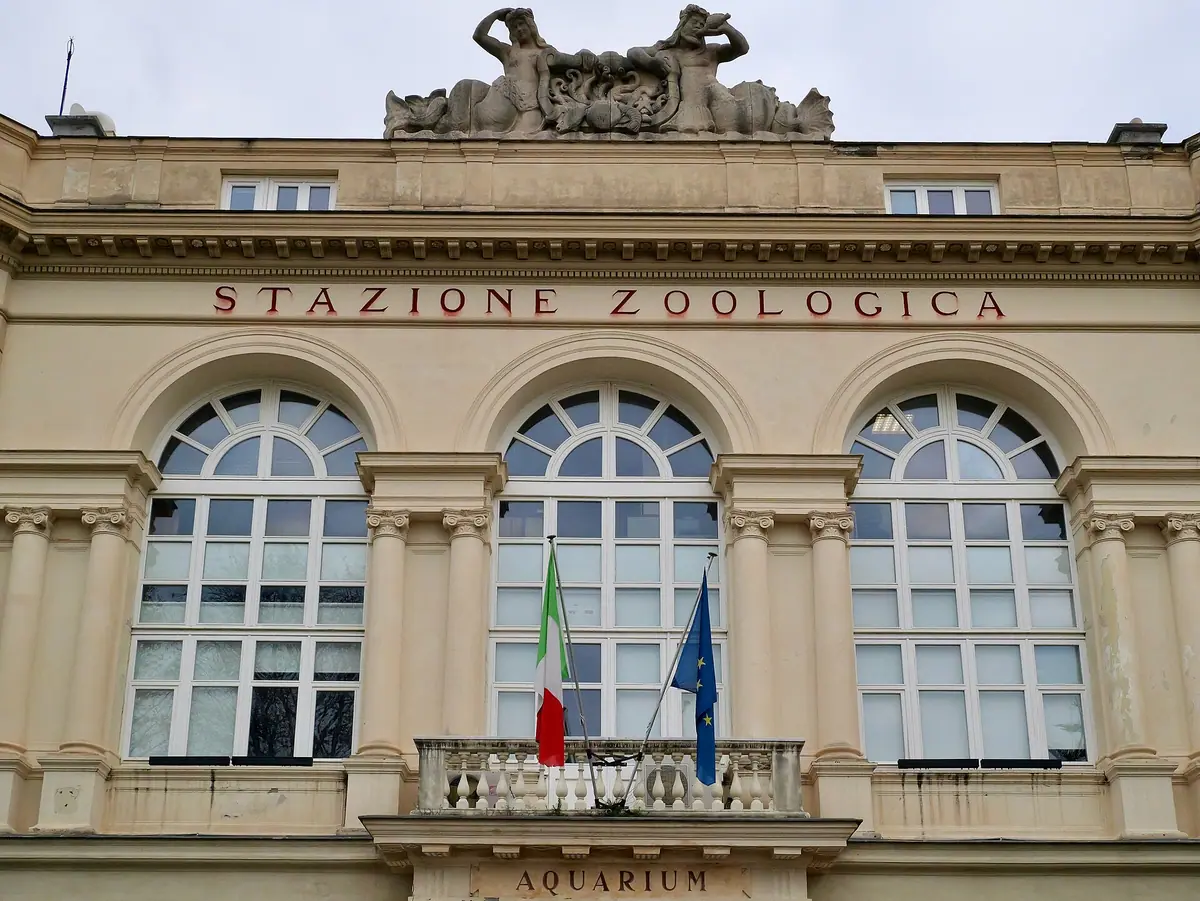 Aquarium of Naples €10
-
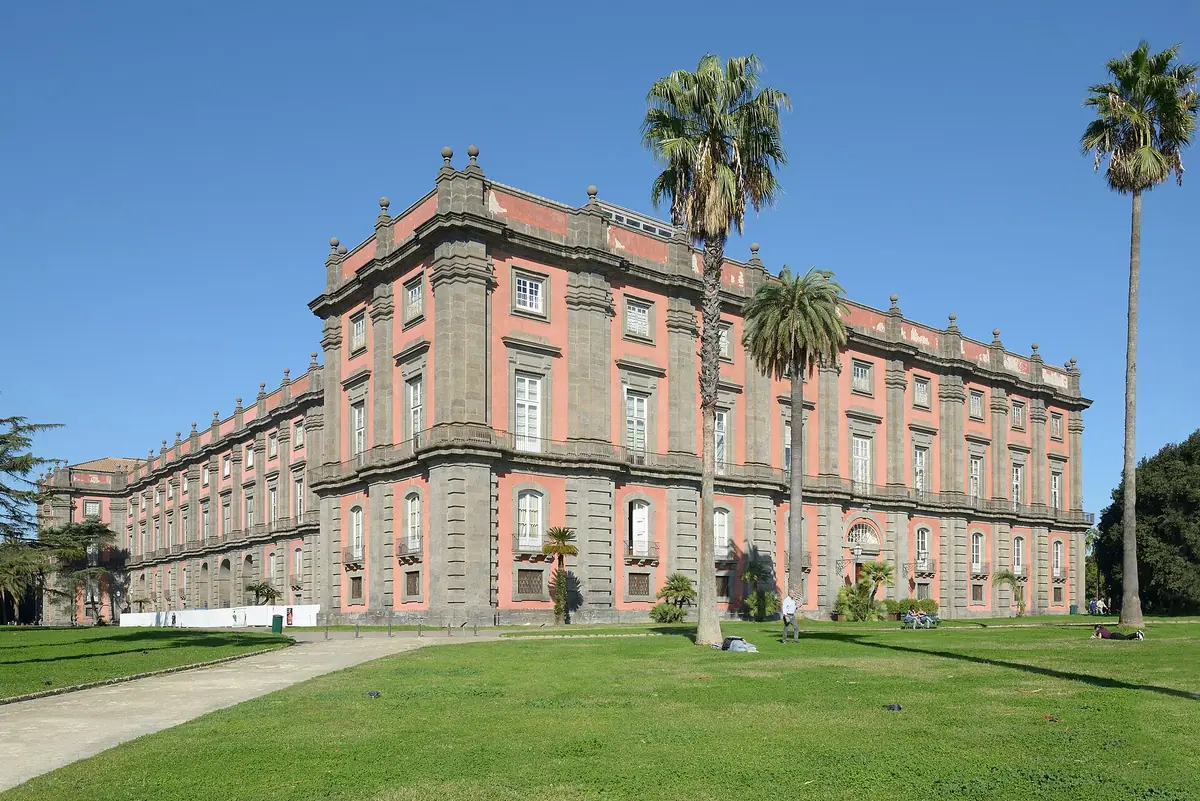 Capodimonte Museum In the Campania Artecard
- Capri
- Castel Nuovo (Maschio Angioino) In the Campania Artecard
-
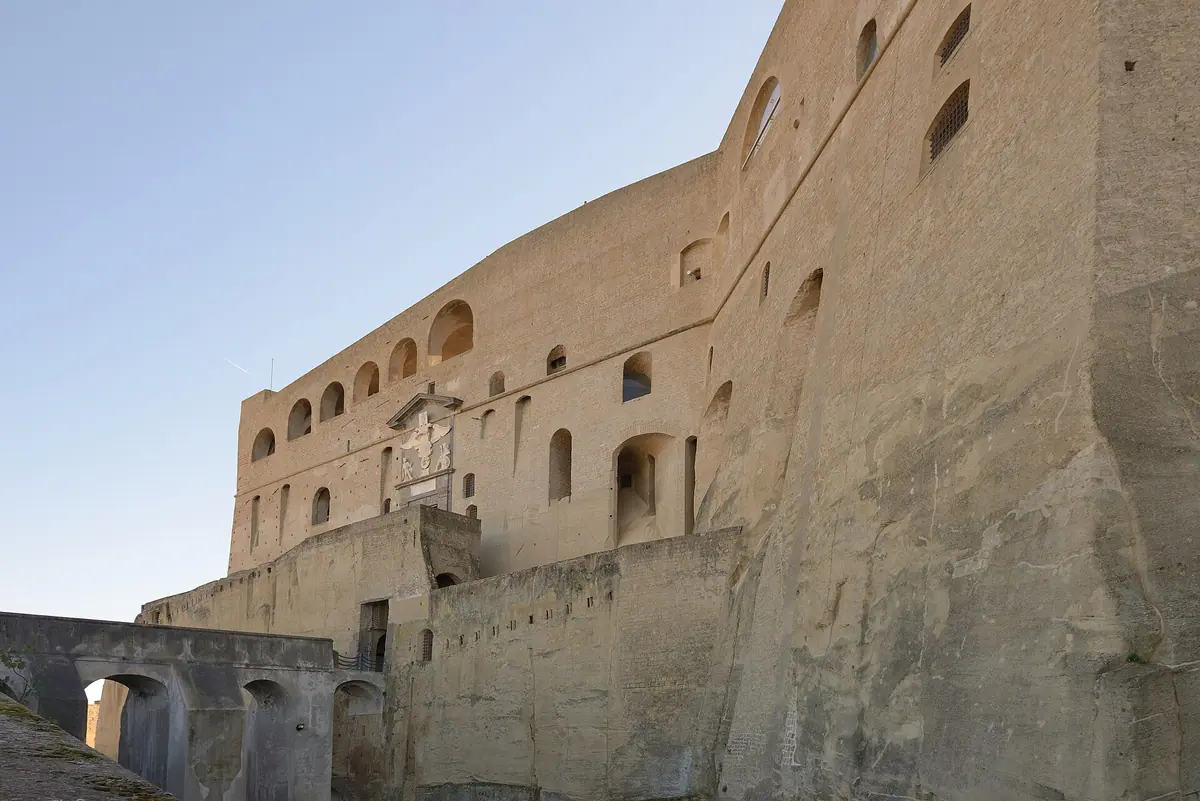 Castel Sant'Elmo In the Campania Artecard
- Catacombs of Naples In the Naples Museums & Underground Card
- Certosa di San Martino In the Campania Artecard
- Fontanelle Cemetery
- Galleria Borbonica In the Naples Museums & Underground Card
-
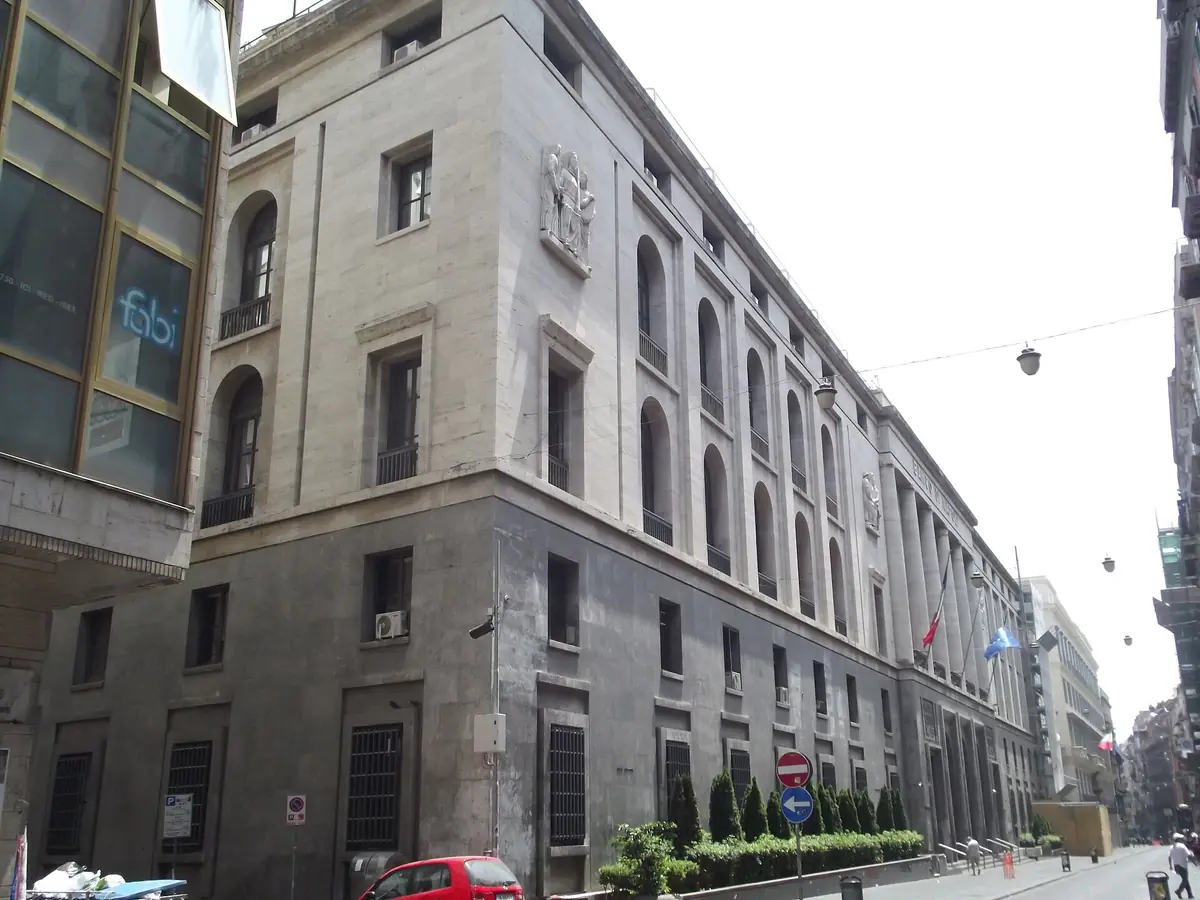 Gallerie d'Italia Naples One of the included entries with the Campania Artecard
- Herculaneum In the Campania Artecard €19.50
- Ipogeo dei Cristallini €12
- Jago Museum
-
 Mount Vesuvius €21.60
-
 Naples Underground In the Naples City Card
-
 National Archaeological Museum of Naples In the Campania Artecard €24
- Oplontis, Villa of Poppaea In the Campania Artecard €21
- Paestum In the Campania Artecard €44
-
 Pio Monte della Misericordia
-
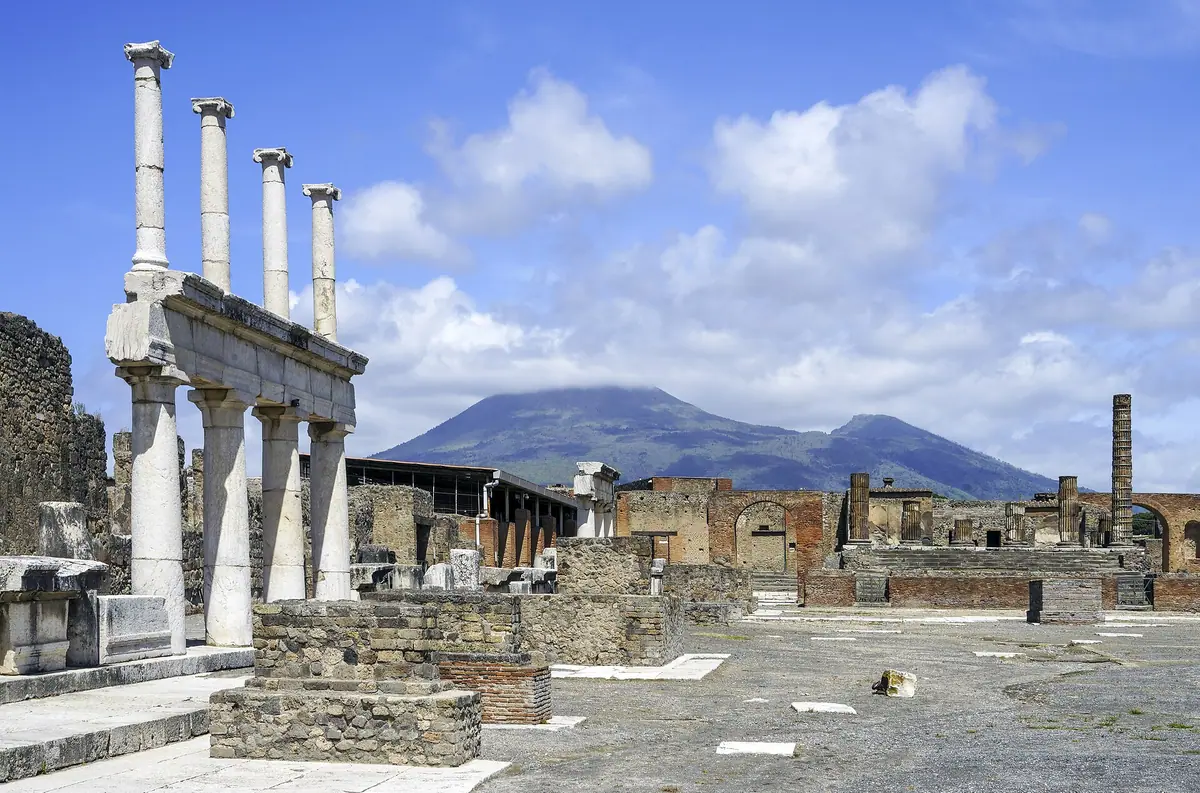 Pompeii In the Campania Artecard €27.50
- Royal Palace of Caserta In the Campania Artecard €35
- Royal Palace of Naples In the Campania Artecard
- Sansevero Chapel In the Naples City Card €25.18
- Santa Chiara Monastery
- Sorrento €76.50
-
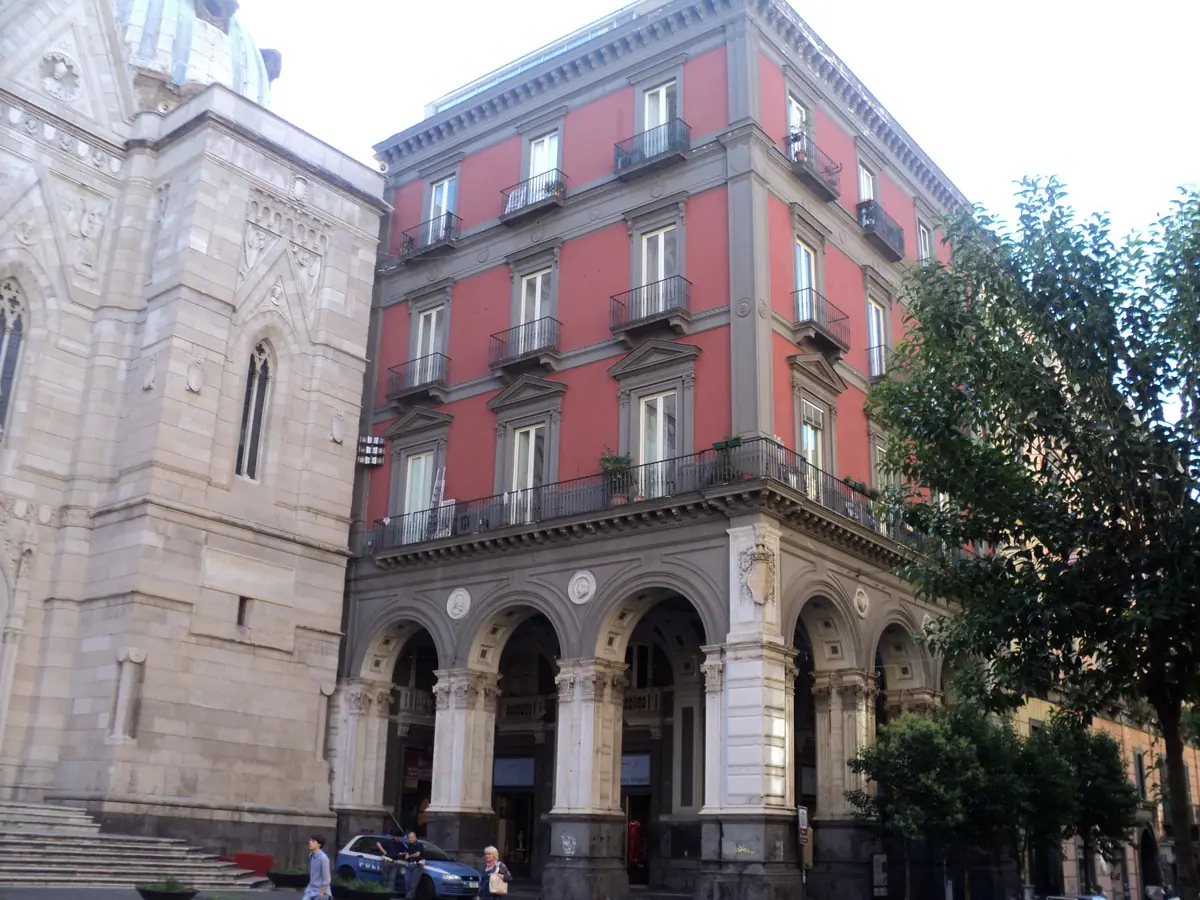 Treasure of San Gennaro Museum One of the included entries with the Campania Artecard €15
-
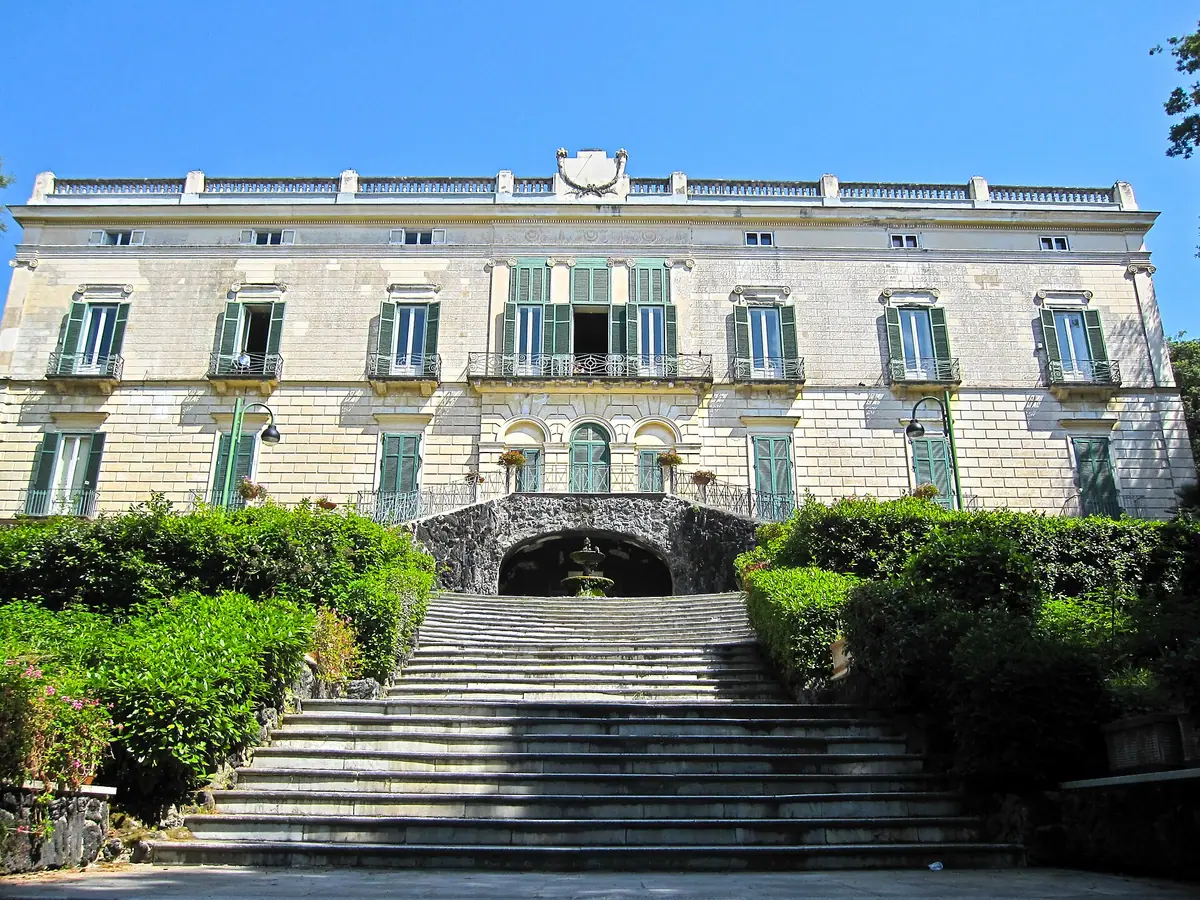 Villa Floridiana In the Campania Artecard
- Villa Pignatelli In the Campania Artecard
City cards
Naples city cards and passes
Pick the one that fits your trip. Prices are per adult, and you choose your dates on the next page.


People also ask
Frequently asked questions
What is the number one thing to do in Naples?
In the city, seeing the Veiled Christ in the Sansevero Chapel, a marble Christ under a marble shroud by the Neapolitan sculptor Giuseppe Sanmartino, which Antonio Canova, the great neoclassical sculptor, tried to buy. Out of town it's Pompeii, which had more than four million visitors in 2024, 36 minutes from Napoli Garibaldi on the Circumvesuviana.
How many days in Naples is enough?
Three days cover the city and the ruins, as long as you fit them around the closing days: put Herculaneum and Pompeii on a Tuesday, when the Archaeological Museum and the Sansevero are shut. Vesuvius, Capodimonte, Caserta, Capri and the Amalfi Coast each take a day of their own, so a week lets you add four of the five.
What can you do for free in Naples?
Walk into the basilica of Santa Chiara, the Chapel of the Treasure of San Gennaro in the cathedral, the Real Bosco, the royal park around Capodimonte, and the park of Villa Floridiana on the Vomero. On the first Sunday of the month the state sites are free for everyone, among them Pompeii, Herculaneum, the Archaeological Museum and the Royal Palace, and under-18s go into them free every day.
Is the Campania Artecard worth it?
Yes, once two of the big state sites are on your list: our tickets for Pompeii, at €27.50, and the Archaeological Museum, at €24, come to more than the 365 Lite's €31, which also includes Herculaneum, Caserta, Capodimonte and the Royal Palace. It doesn't include Vesuvius, the Sansevero Chapel or the Napoli Sotterranea.
What's closed in Naples on Tuesdays and Wednesdays?
On Tuesdays, the Archaeological Museum, the Sansevero Chapel, Caserta, Oplontis, Castel Sant'Elmo, the Certosa di San Martino, Villa Pignatelli and the museum at Villa Floridiana. On Wednesdays, Capodimonte, the Royal Palace, the Catacombs of San Gennaro and the Fontanelle Cemetery. Pompeii and Herculaneum open every day, so a Tuesday is the day for the ruins.
