Rome
Rome metro and public transport
Three lines, a tap of your bank card, and the Colosseum now has two stations of its own.
Rome's metro has three lines, A, B and C, and a single ticket costs €1.50 for 100 minutes, or you skip the ticket and tap a contactless card at the turnstile. Line A takes you to the Spanish Steps and the Vatican, and lines B and C both stop at the Colosseum. The Roma Pass covers the metro, buses and trams for 48 or 72 hours from the moment you switch on its transport ticket.
Rome metro lines and the stations for the sights
Rome’s metro has three lines, and between them they reach the Spanish Steps, the Vatican and the Colosseum. Line A runs from Battistini to Anagnina, line B from Laurentina to Rebibbia, with a branch called B1 out to Jonio, and line C comes in from Pantano in the eastern suburbs. Lines A and B cross at Termini, the main railway station.
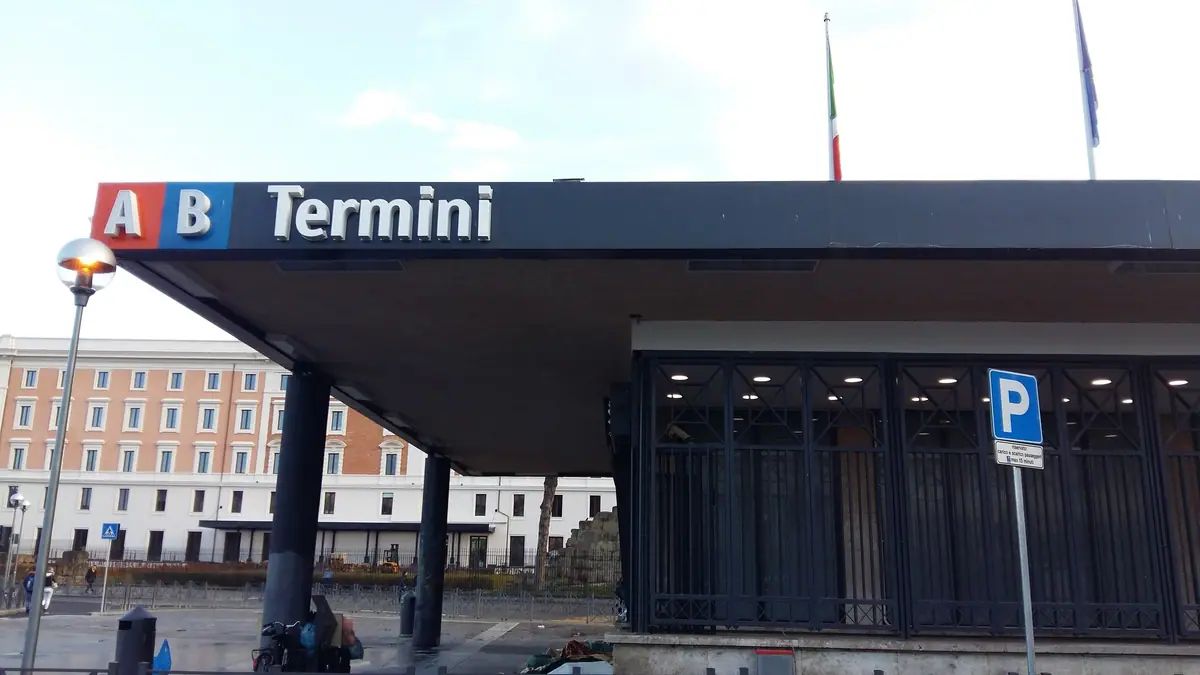
That crossing matters, because no single line runs from the Vatican to the Colosseum. Ottaviano, the stop for the Vatican, is on line A and Colosseo is on line B, so you change at Termini. Line C now reaches the centre too: its Colosseo–Fori Imperiali station, along the Via dei Fori Imperiali, connects straight to line B, and finds from the excavations are on show inside, curated by the Colosseum’s archaeological park. Plenty of older guides still say line C stops short of the centre.
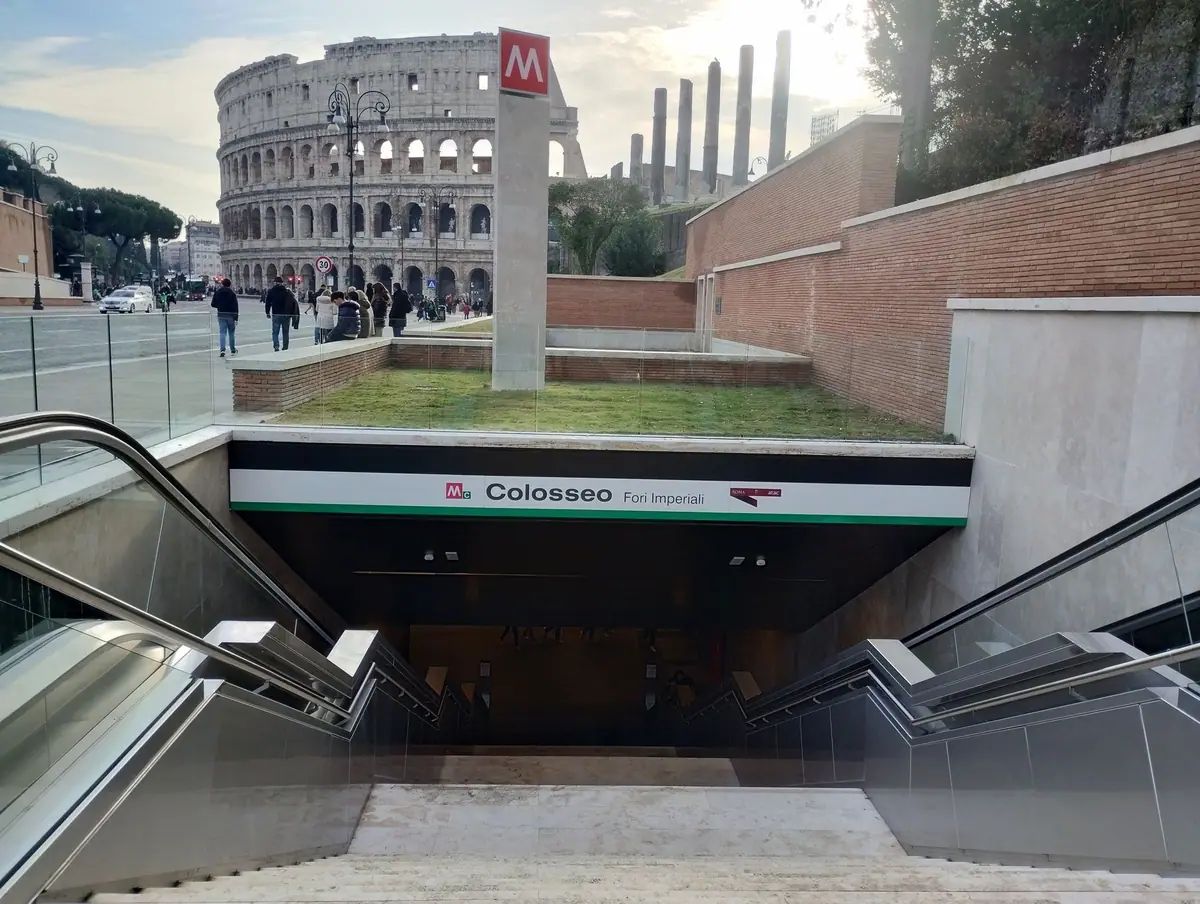
Both Colosseo stations, on lines B and C, serve the Roman Forum and the Palatine as well as the Colosseum, and from Ottaviano the Vatican Museums and St Peter’s are a walk away. Line A also takes you to Spagna, for the Spanish Steps, to Barberini, the nearest stop for the Trevi Fountain and Via Veneto, and to San Giovanni, for St John Lateran. On line B, Circo Massimo is the stop for the Circus Maximus and the Baths of Caracalla, and Piramide is where you change for the train to Ostia Antica.
The gap is the historic centre. Trastevere, the Pantheon, Piazza Navona and the Borghese Gallery have no station of their own, and the stretch between the Pantheon, Navona and Trevi is close enough to walk. Buses and trams fill in the rest on the same tickets. Line C’s next stretch, from the Colosseum to Piazza Venezia, is planned for 2033.
Rome metro ticket prices in 2026
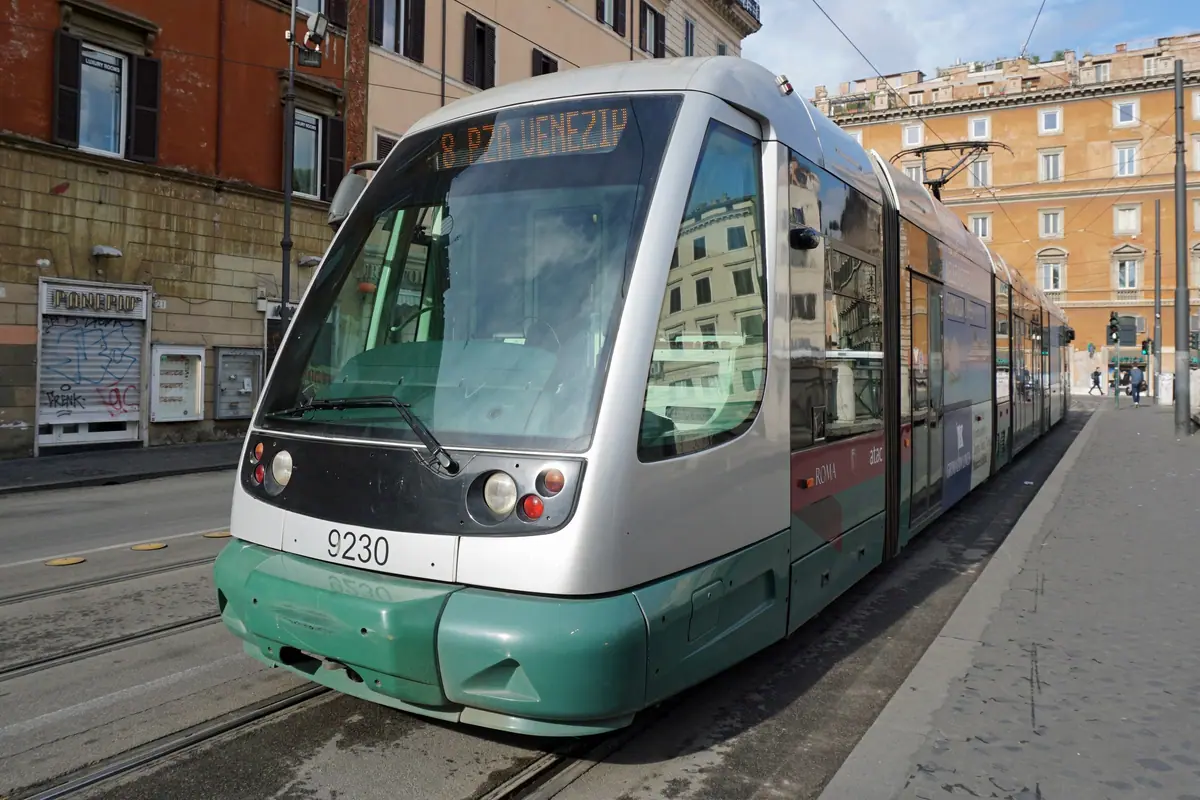
The basic ticket is the BIT, €1.50, valid for 100 minutes from when you validate it. Inside those 100 minutes it covers one metro ride and as many buses and trams as you like, so a ride to Colosseo followed by a bus back to your hotel is one ticket.
For whole days there are timed tickets. Their prices went up on 1 July 2025, and some guides still quote the old ones, such as €7 for a day, so trust the figures below.
ATAC fares (October 2026)
- BIT, single ticket
- €1.50, 100 minutes: one metro ride, unlimited buses and trams
- ROMA 24h
- €8.50
- ROMA 48h
- €15
- ROMA 72h
- €22
- CIS, seven days
- €29
- Children under 10
- Free with a paying adult
A rise of the single ticket to €2 has been reported as a plan, but in October 2026 ATAC still charged €1.50. Monthly (€35) and annual (€250) passes exist too, though they’re meant for people who live here.
If you buy at a machine or ticket office, your ticket goes onto a paper card with a chip. The card is free when you spend €4.50 or more and costs €0.50 below that. It holds one timed ticket at a time, or up to 12 single BITs.
Paying by contactless card on the Rome metro and buses
You can skip buying a ticket altogether. With tap&go you tap a contactless credit, debit or prepaid card, or a phone or watch with the card loaded, on the turnstile at any station on lines A, B/B1 and C, or on the reader on ATAC buses and trams. Visa, Mastercard, American Express, JCB, UnionPay, Maestro and V Pay all work, and each tap is charged as a BIT.
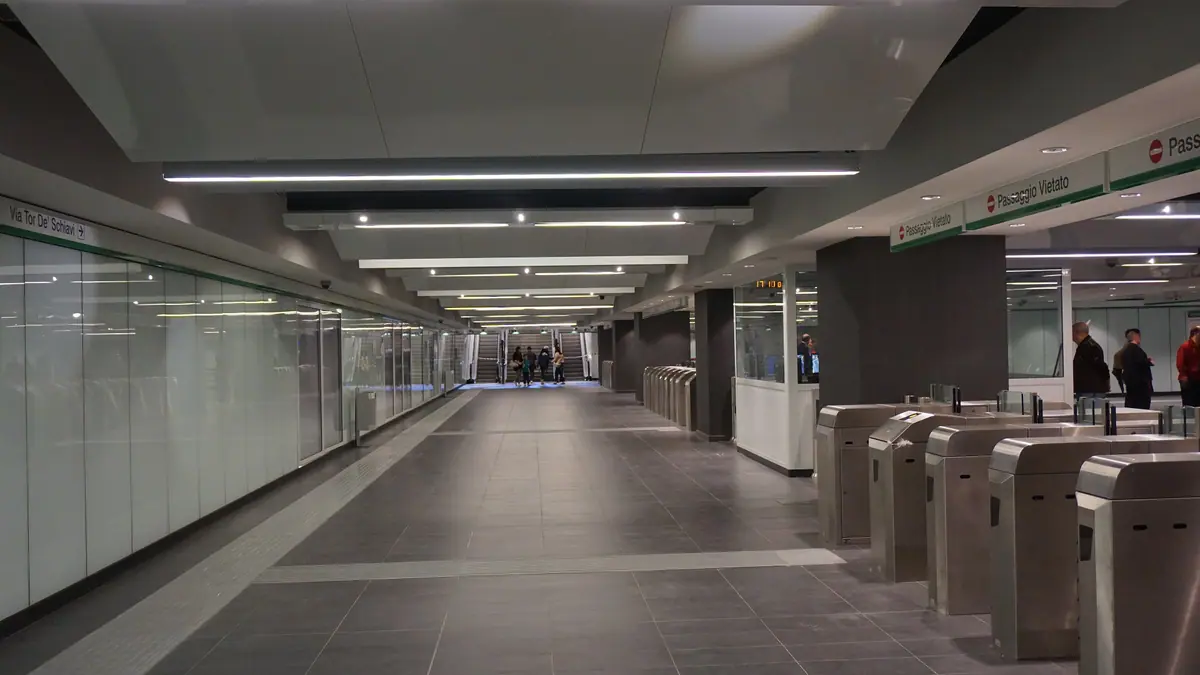
Tap&go also caps a busy day. Once you reach a sixth single ticket within 24 hours, it charges you a ROMA 24h at €8.50. The catch is a handful of rules that the turnstiles enforce:
Tapping in with tap&go
- 1Take the card out of your wallet. If the reader picks up two cards, the tap fails and the gate stays shut.
- 2One card or phone per person. You can't tap twice to pay for a friend.
- 3Stick to the same card or the same phone for every tap within the 100 minutes. The plastic card and the card on your phone count as two different things.
- 4Tap again on every bus or tram you board. Within the 100 minutes the change isn't charged again.
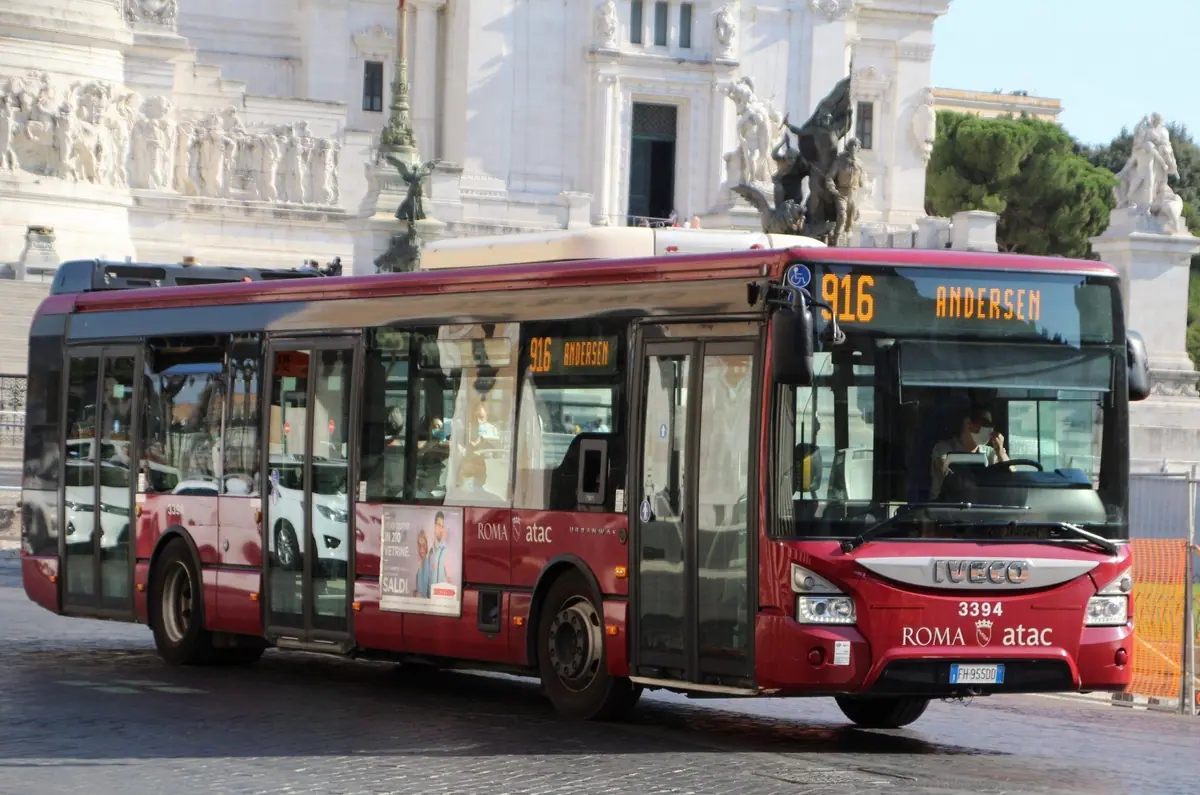
Tap&go only ever charges single tickets and the daily cap, so for 48 or 72 hours at a fixed price we’d buy the ROMA 48h or 72h at a machine or ticket office instead. It also works beyond the metro, at the turnstiles of the Roma-Lido line, the train from Piramide to Ostia Antica.
One warning from ATAC itself: text messages about an “incomplete Tap&Go validation” are phishing. ATAC doesn’t send texts asking you to confirm anything.
Where to buy Rome metro tickets and how to validate them
If you’d rather hold a ticket, there’s always somewhere to buy one, starting with the station you’re standing in.
Where to buy ATAC tickets
- 1In the station: every metro station has ticket machines. FULL machines take cash and cards, LIGHT machines only cards, and the ATAC ticket offices on the metro lines open from 7:00 to 20:00 every day.
- 2Around the city: about 2,200 tobacconists, bars and kiosks sell them too.
- 3On your phone: Trenitalia, MooneyGo, Telepass, Wetaxi and other apps sell the BIT and the 24, 48 and 72-hour tickets.
- 4Online at myAtac: the timed and seven-day tickets, which you then collect at an ATAC ticket office with your voucher.
A paper ticket only counts once you’ve validated it as you go in. An unvalidated ticket is treated the same as no ticket: the fine is €100 to €500 plus the fare, halved if you pay within five days. Keep the ticket until you’re out, because inspectors check at the exit turnstiles as well as on the way in. There are plenty of them: more than 2.2 million checks in the first eight months of 2026.
Rome metro hours and night buses
All three lines open at 5:30. The difference is at night, when Friday and Saturday give you two more hours.
The night buses follow the metro routes, so after a late dinner you ride above the line you’d have taken underground. On Saturday nights they’ve run every 8 to 10 minutes since July 2026, twice as often as before, and on Thursday to Saturday nights there are staff on board.
Rome metro hours
- First trains
- 5:30 every day
- Last trains, Sunday to Thursday
- About 23:30
- Last trains, Friday and Saturday
- About 1:30
- After the last train
- Night buses NMA (line A), NMB (line B), NMB1 (Termini to Viale Ionio) and NMC (Piazza Venezia to Pantano)
Strikes and closures on the Rome metro
The one thing that can knock out that timetable is a strike. Strikes on the ATAC network are announced ahead, in the “Tempo reale” notice on ATAC’s website, and the local press repeats them. Even then part of the service is guaranteed: in the 24-hour strike of Friday 30 October 2026 it ran from the start of service to 8:29 and from 17:00 to 19:59, and nothing else was guaranteed, night buses included.
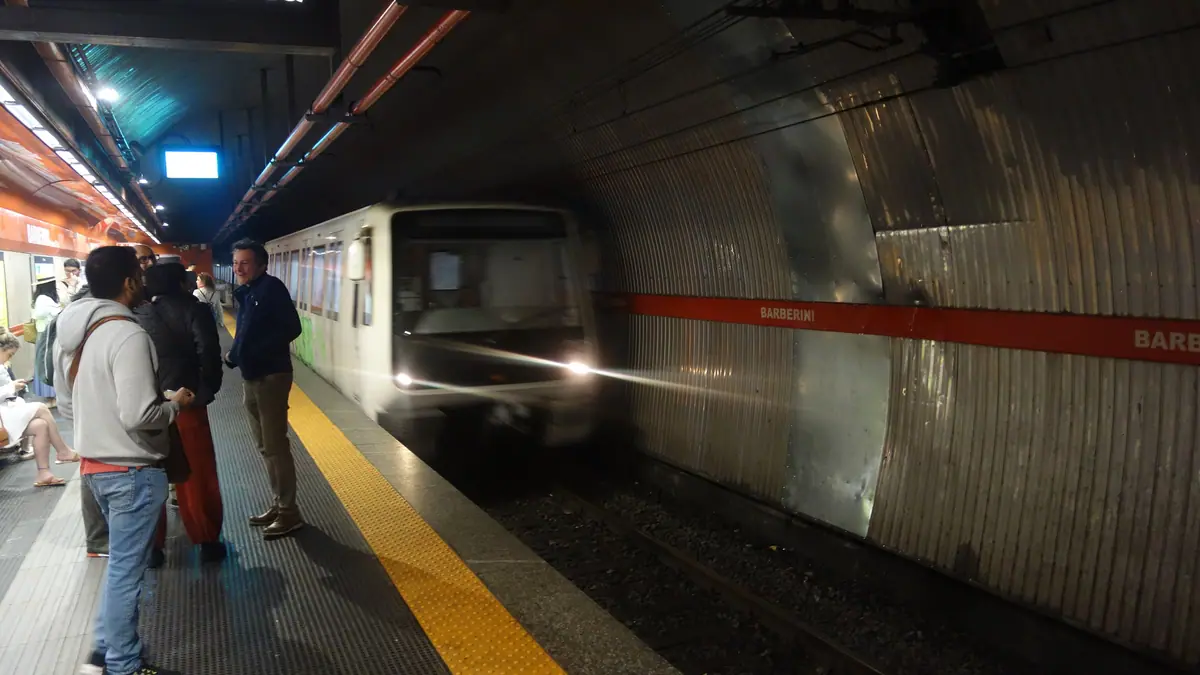
The two 24-hour strikes of November 2025, on the 14th and the 28th, were also on Fridays, so if your trip has a Friday, check the notices the day before. Stations can also close at short notice: on 29 June 2026, smoke at Barberini shut line A between Ottaviano and Termini, with replacement buses until it reopened.
Is public transport included in the Roma Pass?
Yes. The Roma Pass includes 48 or 72 hours on the metro, buses and trams, plus the Roma-Lido train to Ostia, the Roma–Viterbo line as far as Sacrofano, the Roma–Giardinetti line and buses 720 and 520 to Ciampino airport. The transport has a clock of its own: it starts when you activate the “Public Transport” ticket by hand in the app, so you can save it for the days you’ll ride most.
It leaves out the Leonardo Express, the FL1 train, Cotral buses and regional trains. Of the other passes, the Omnia Card 72h includes a Roma Pass 72h for adults, transport and all, while the 24-hour Omnia Card has no public transport, just the hop-on hop-off bus. On the Turbopass, transport is a paid extra, and the Go City pass, the Rome Tourist Card and the Vatican City Pass don’t include it.


For transport alone, the ROMA 72h at €22 is the cheaper ticket, and the Roma Pass makes sense when you’ll also use its included entries at sites like the Colosseum. Give your list to the Roma Pass calculator and it tells you whether it pays off. If you fancy the hop-on hop-off buses, the Roma Pass gets you 15% off Big Bus and City Sightseeing.
Leonardo Express: the train from Fiumicino
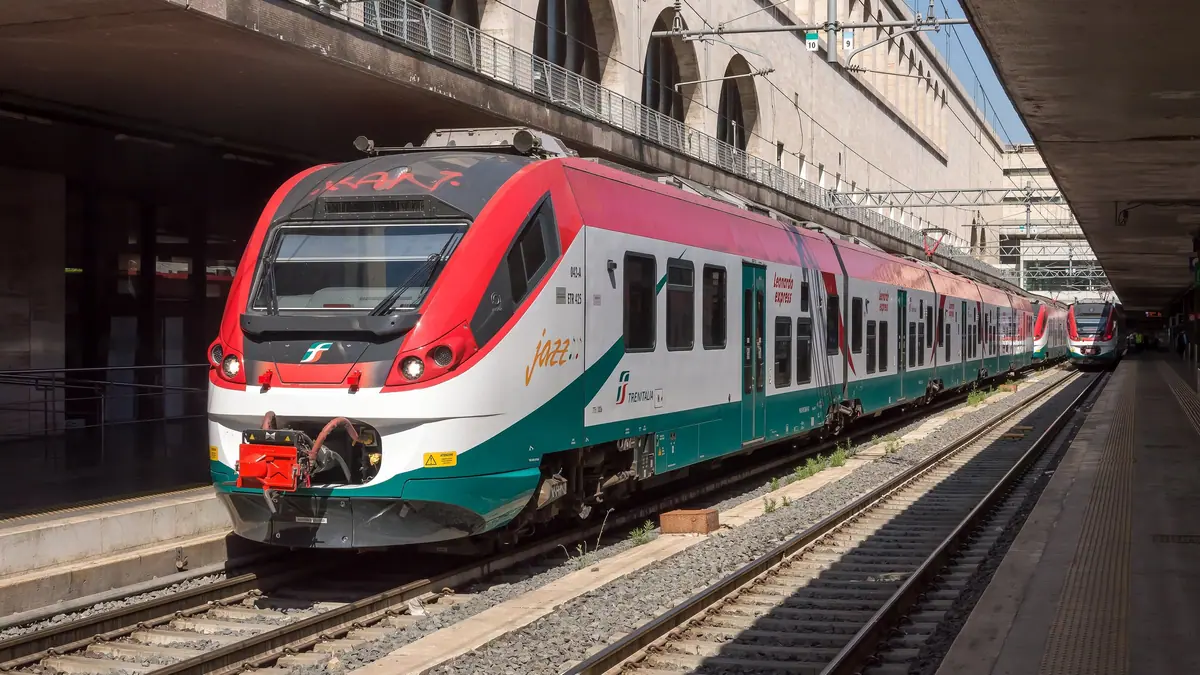
The Leonardo Express runs from Fiumicino airport to Termini, where you step straight onto metro line A or B. It isn’t an ATAC service, so the Roma Pass doesn’t cover it and you buy it separately; times, prices and the other ways in are on our page on getting from FCO airport to Rome city centre. If you land at Ciampino instead, buses 720 and 520 are the way in, and those the Roma Pass does cover.
City cards
Rome city cards and passes
Pick the one that fits your trip. Prices are per adult, and you choose your dates on the next page.


See what you’d save, if anything
Which Rome card pays off for your trip?
Pick how many days you’ve got and the sights you want to see. The calculator adds up the tickets and rides, sets them against the card and tells you right away whether it pays off, and by how much, at today’s prices. No email, no sign-up.
Step 1 of 3
How long, and who’s going?
People also ask
Frequently asked questions
How much does a metro ticket cost in Rome?
A single ticket, the BIT, costs €1.50 and lasts 100 minutes from validation: one metro ride, plus as many buses and trams as you like in that time. A 24-hour ticket costs €8.50, 48 hours €15, 72 hours €22 and seven days €29 (ATAC fares, October 2026).
How do you pay for public transport in Rome?
The easiest way is tap&go: tap a contactless bank card, phone or watch on the metro turnstile or the reader on buses and trams, one card per person. You can also buy tickets from machines in every metro station, from ATAC ticket offices (7:00 to 20:00 every day), from tobacconists and kiosks, or in partner apps.
Is there a 3-day public transport pass for Rome?
Yes. ATAC's ROMA 72h costs €22 and covers the metro, buses and trams for 72 hours. The Roma Pass 72h also includes 72 hours of transport, counted from when you activate its transport ticket in the app, along with two included museum entries.
How much is a monthly metro pass in Rome?
The monthly Metrebus Roma pass costs €35 and the annual one €250, plus €3 for the 'è Roma' card they're loaded on. They're designed for residents; visitors are better off with the 24, 48 or 72-hour tickets or the seven-day CIS at €29.
What time does the Rome metro close?
From Sunday to Thursday the last trains leave at about 23:30; on Friday and Saturday nights they run until about 1:30. After that, night buses NMA, NMB, NMB1 and NMC follow the metro routes.
Does the Roma Pass cover the Leonardo Express?
No. The Roma Pass leaves out the Leonardo Express and the FL1 train from Fiumicino. It does cover buses 720 and 520 to Ciampino airport, along with the metro, city buses and trams.
Read more