
Venice
Things to do in Venice
St Mark's Basilica, the Doge's Palace and the bell tower Venice rebuilt in 1912 share one square, and the rest of the city is a walk or a boat ride away.
Piazza San Marco holds three of the big things to do in Venice: St Mark's Basilica with its gold mosaics, the Doge's Palace where the old Republic was governed, and the bell tower in front, which has a lift to the top. From the square you walk to the Rialto Bridge and its market, ride vaporetto line 1 down the Grand Canal and take a boat out to Murano and Burano. The Venezia Unica City Pass, in its All Venice version, includes the Doge's Palace, the Querini Stampalia and the museums the city runs, from Ca' Rezzonico to the Glass Museum on Murano.
The Grand Canal winds through Venice from the railway station to St Mark's, and the sights sit along both banks, spread over the old districts, the sestieri. Around Piazza San Marco are the basilica, the campanile and the Doge's Palace, with La Fenice and the Fortuny a short walk west and the Querini Stampalia to the east, in Castello. Over the Rialto Bridge, San Polo and Santa Croce have the market, three civic museums and Goldoni's house, and Dorsoduro, further down the same bank, has Ca' Rezzonico and the Peggy Guggenheim. Murano and Burano are islands in the lagoon, a boat ride from Fondamente Nove on the north shore.
See what you’d save, if anything
Which Venice pass pays off for your trip?
Pick how many days you’ve got and the sights you want to see. The calculator adds up the tickets and rides, sets them against the card and tells you right away whether it pays off, and by how much, at today’s prices. No email, no sign-up.
Step 1 of 3
How long, and who’s going?
Map of things to do in Venice
Described on this page
The Grand Canal on vaporetto line 1
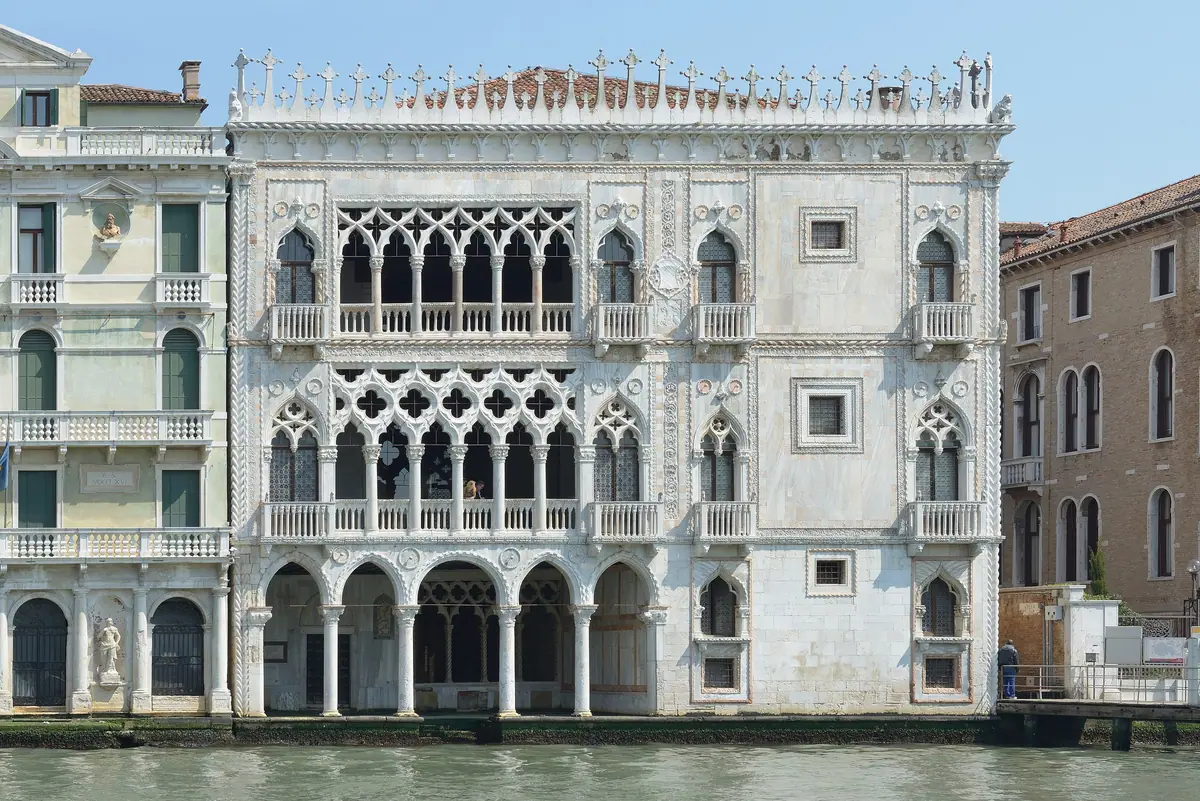
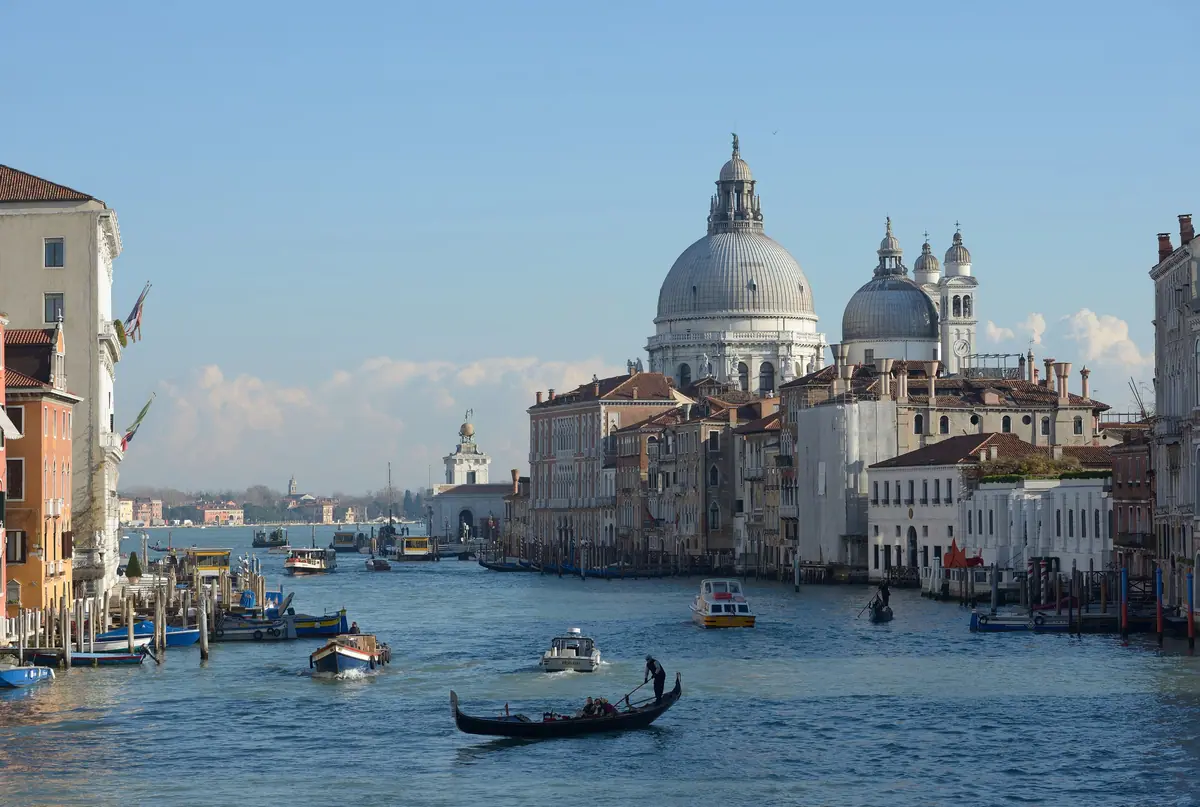
Buses from the airport and the mainland stop at Piazzale Roma, and from there Venice is on foot or by boat. The boat to take first is line 1 of the vaporetto, the waterbus, which runs the whole Grand Canal from Piazzale Roma and the railway station to San Marco, calling at a stop on one bank and then the other. The ride takes up to 45 minutes, with palaces down both sides and the Rialto Bridge to pass under on the way.
By day a boat comes about every 10 minutes, and they fill up. Rick Steves, the American guidebook writer, suggests catching an empty one from the station at the end of the day. None of the sightseeing passes covers the vaporetto, so it needs a ticket of its own: our 1-day ACTV pass costs €30 and only starts counting when you first validate it. For the other lines, the longer passes and the luggage rule, see how the vaporetto works.
If you’re coming just for the day next spring or summer, read up on Venice’s access fee: it isn’t charged now, returns on 72 days between 26 March and 15 August 2027, and anyone sleeping in Venice doesn’t pay it.
St Mark’s Square (Piazza San Marco)
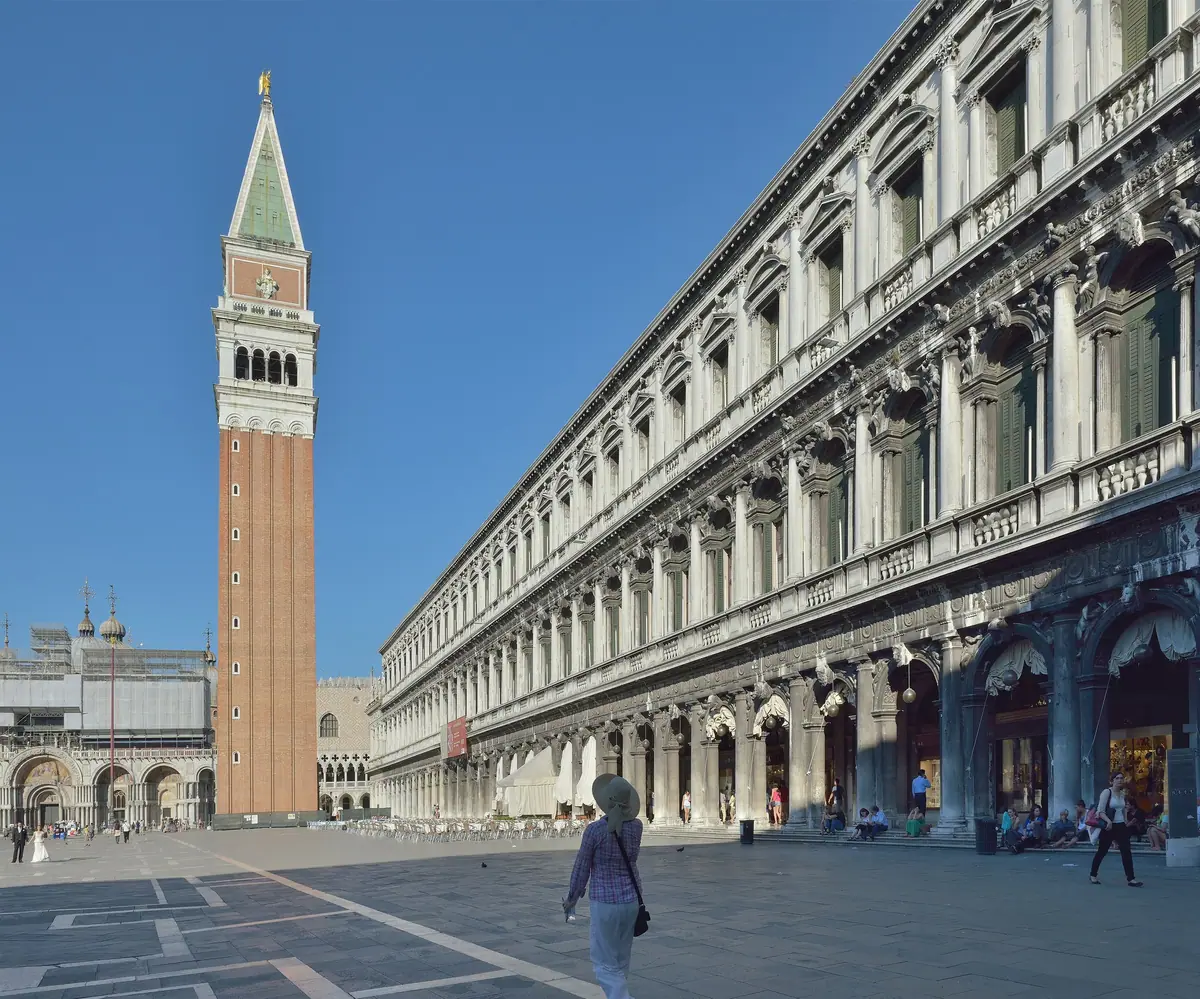
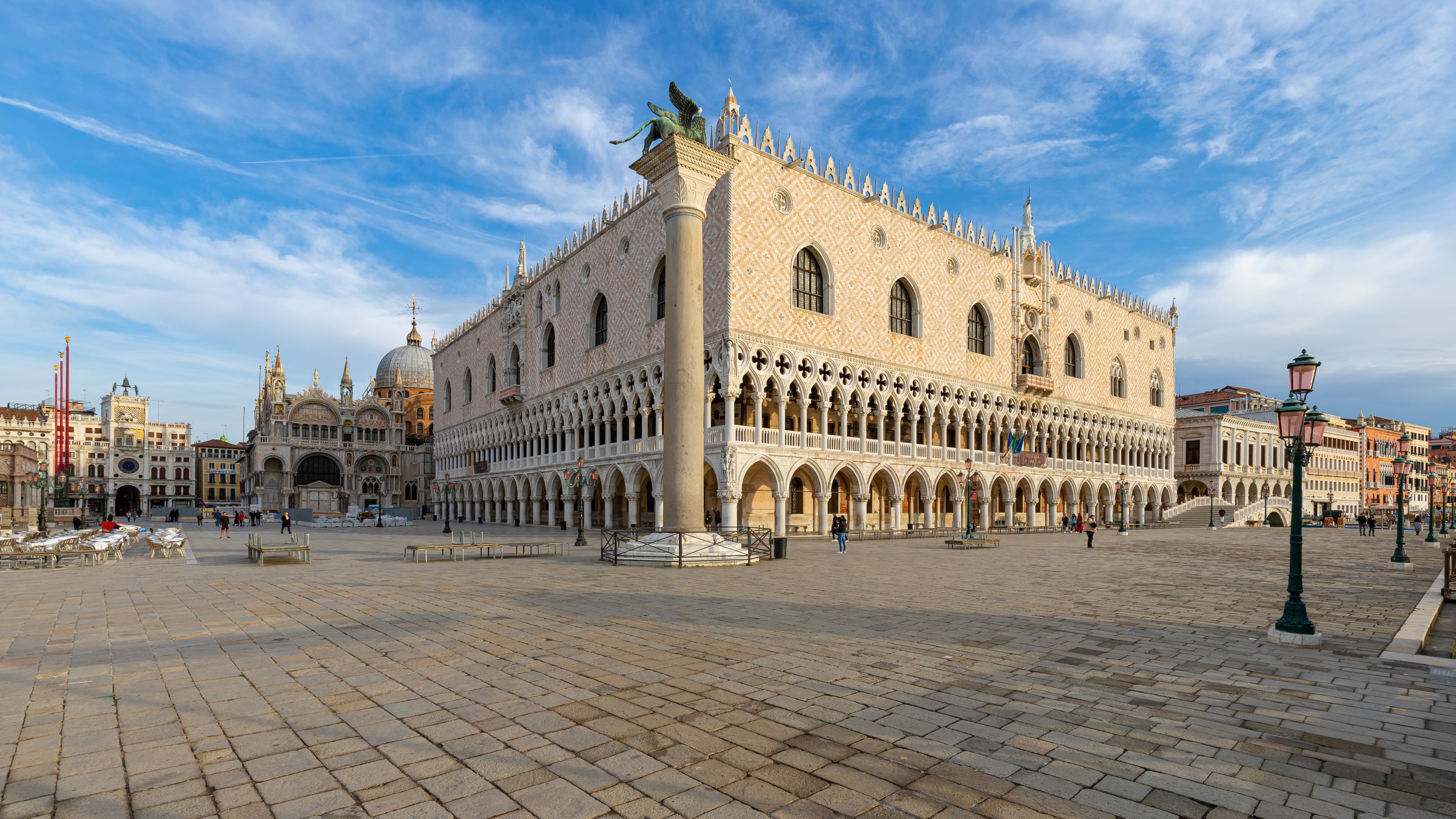
Get off line 1 at San Marco and the square is a few steps away. St Mark’s Basilica fills its east end with the campanile in front, and the Doge’s Palace runs down the Piazzetta, the smaller square that opens onto the water. The arcaded buildings down its two long sides are the Procuratie, and under the arches of the Procuratie Nuove, Caffè Florian has served coffee since 1720. The Napoleonic Wing closes the far end.
The square is free and open at all hours, and it’s quietest at dawn and on winter days. Venice’s rules ask you not to sit on the ground to eat: a picnic in a public place can cost a fine of €100 to €200, and feeding the pigeons up to €500.
When the acqua alta, the high tide, floods the square, raised walkways go up, and a panel at the foot of the campanile shows the water level live, with the forecast for the hours ahead.
St Mark’s Basilica
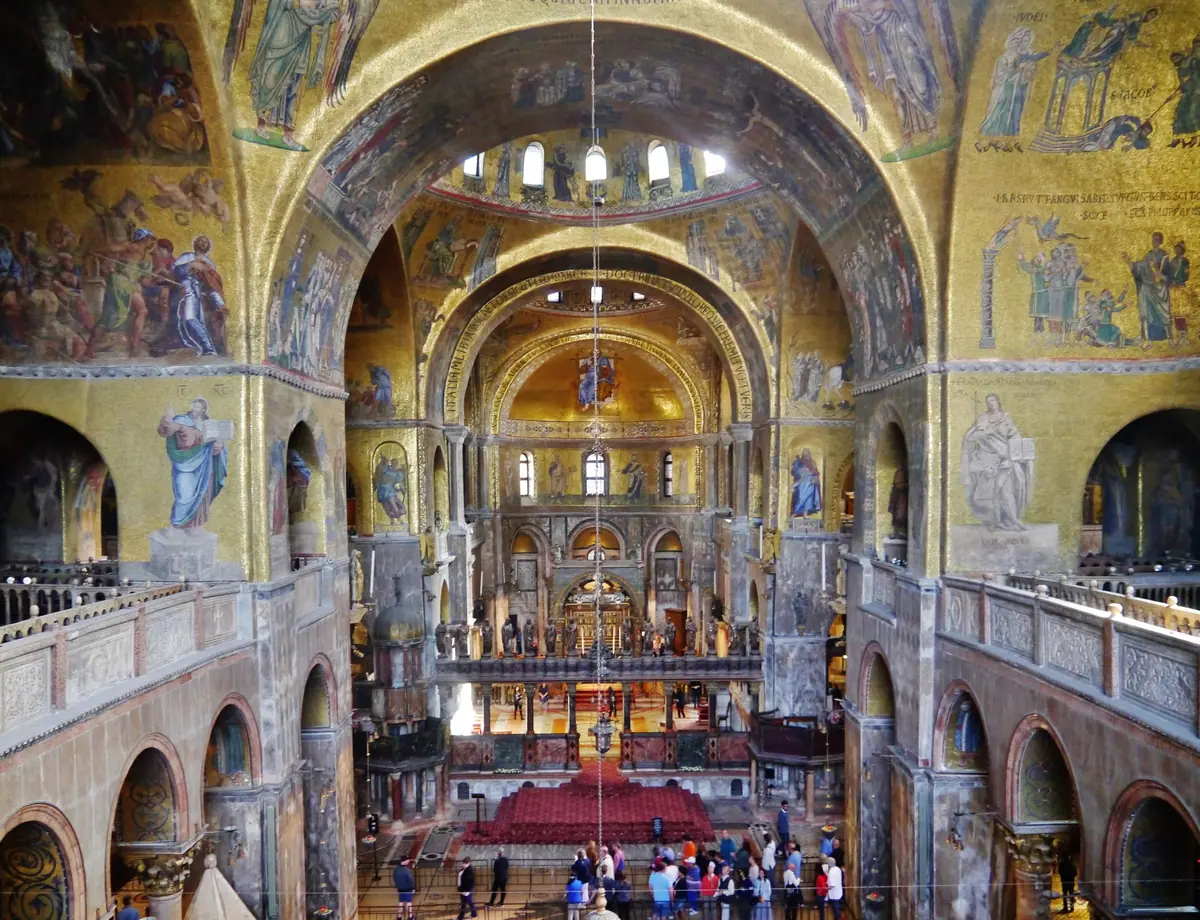
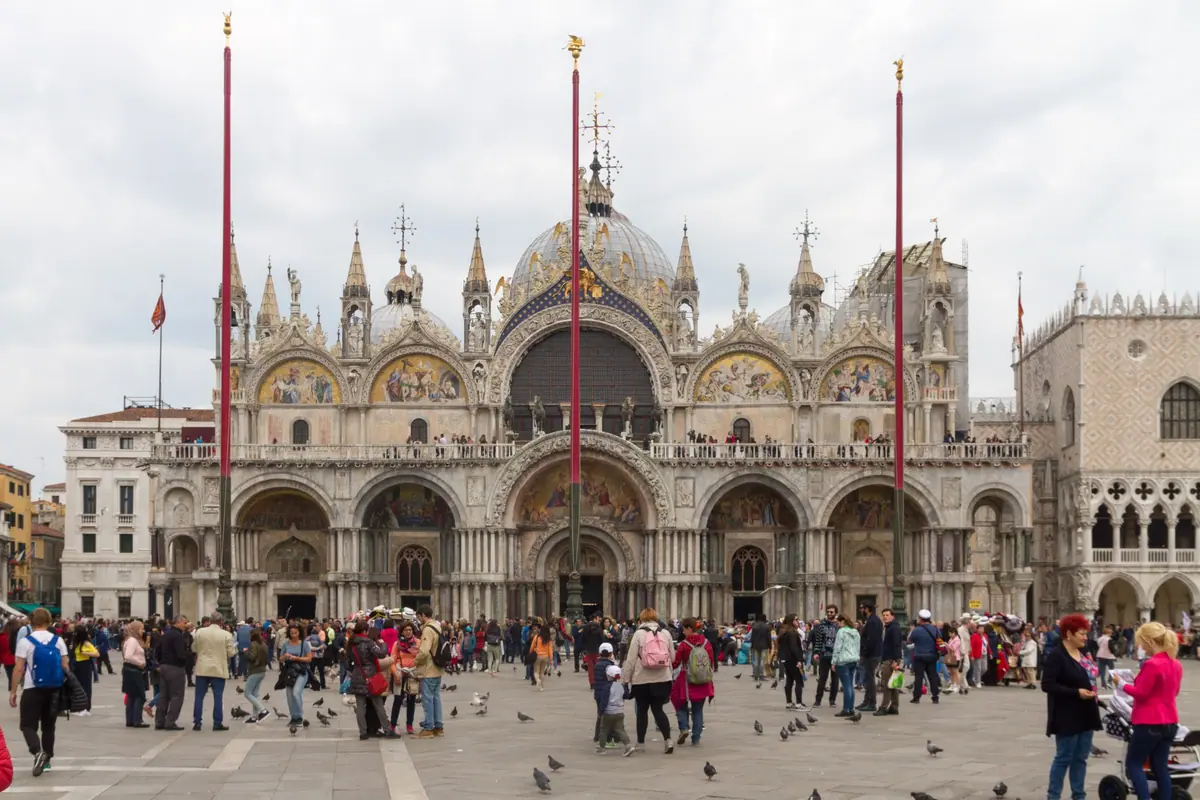
St Mark’s was the doges’ private chapel, built next to their palace, and it only became Venice’s cathedral in 1807. Its mosaics, begun in the 1070s, cover the domes, the arches and the walls on a ground of gold. Behind the high altar stands the Pala d’Oro, a Gothic altarpiece of gilded silver set with 1,927 gems, and upstairs the museum keeps the four original bronze horses brought from Constantinople in 1204, beside the terrace over the square.
Every visit has a ticket with your name and a half-hour slot, and on the route between ropes you have up to 20 minutes in the church and 10 at the Pala d’Oro. On Sundays and holidays the basilica opens to visitors only from 14:00. Staff at the door turn people away for bare shoulders or shorts, and for bags bigger than 40 × 30 × 20 cm; trolley cases never go in.
The basilica doesn’t allow its plain ticket to be resold, so ours come with a service added: a host who takes you in, or a guide who explains what you see. The two passes for Venice’s museums, the Venezia Unica City Pass and the Venice Museum Pass, leave the basilica out. Two bundles from Tiqets, the company that issues our tickets, put it together with the Doge’s Palace, and their names differ by a single word: the Venice Pass, with three tickets, and The Venice Pass, with four parts.
Included in the Venice Pass
St Mark’s Campanile
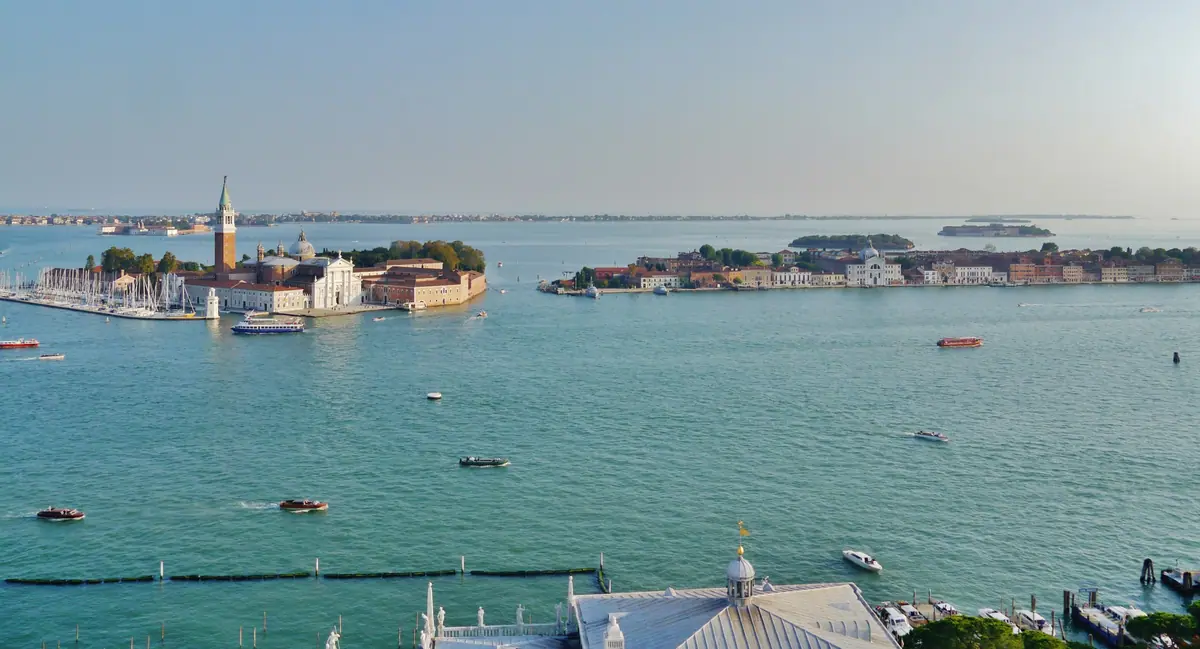
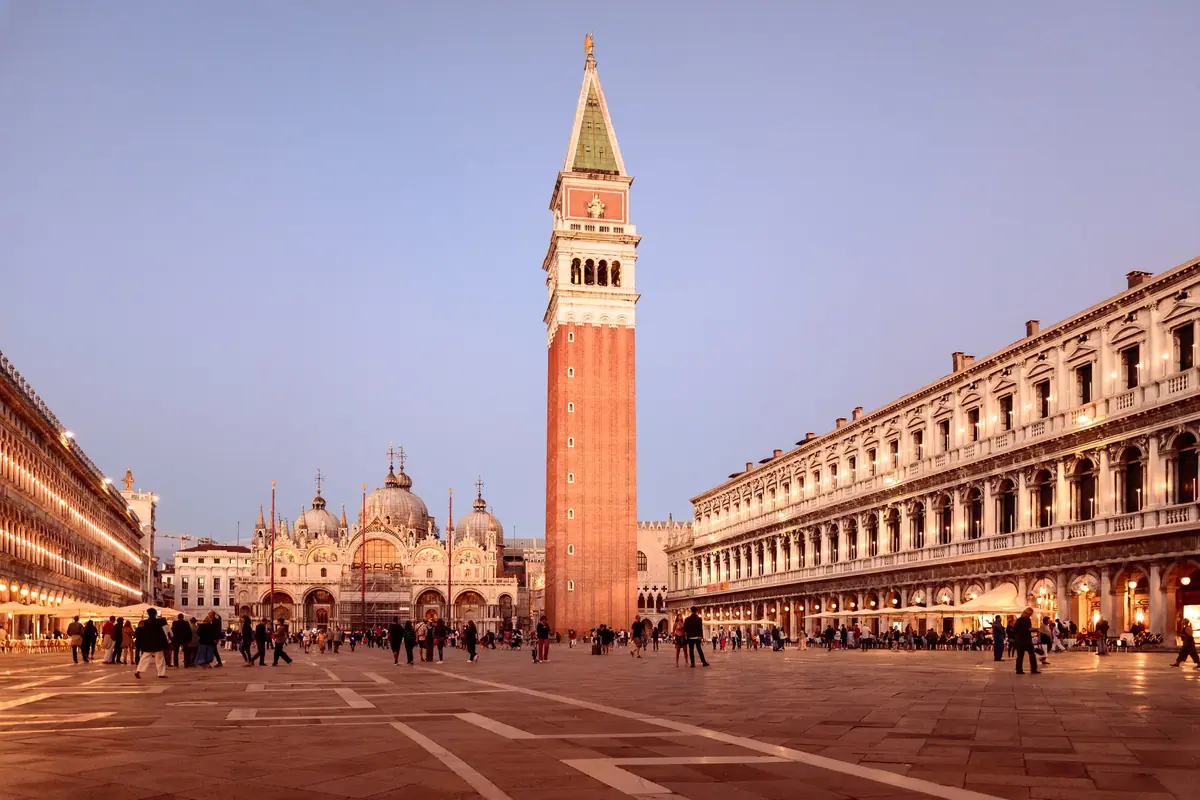
The bell tower in front of the basilica stands 98.6 metres to the tip of its angel, and a lift takes you to the top in about 30 seconds. You step out into the bell chamber, among the five bells, with the basilica and the square straight below and the lagoon all round, across to the island of San Giorgio Maggiore.
The tower you go up isn’t the old one. That collapsed on itself on 14 July 1902, with the square cleared and no one hurt, and Venice rebuilt it “as it was and where it was”, reopening it on St Mark’s Day in 1912. It opens every day from 9:30, and since the lift is small a queue builds in high season, so go first thing. The tower has a ticket of its own, separate from the basilica’s, and neither the two passes nor the two bundles include it.
Doge’s Palace and the Bridge of Sighs
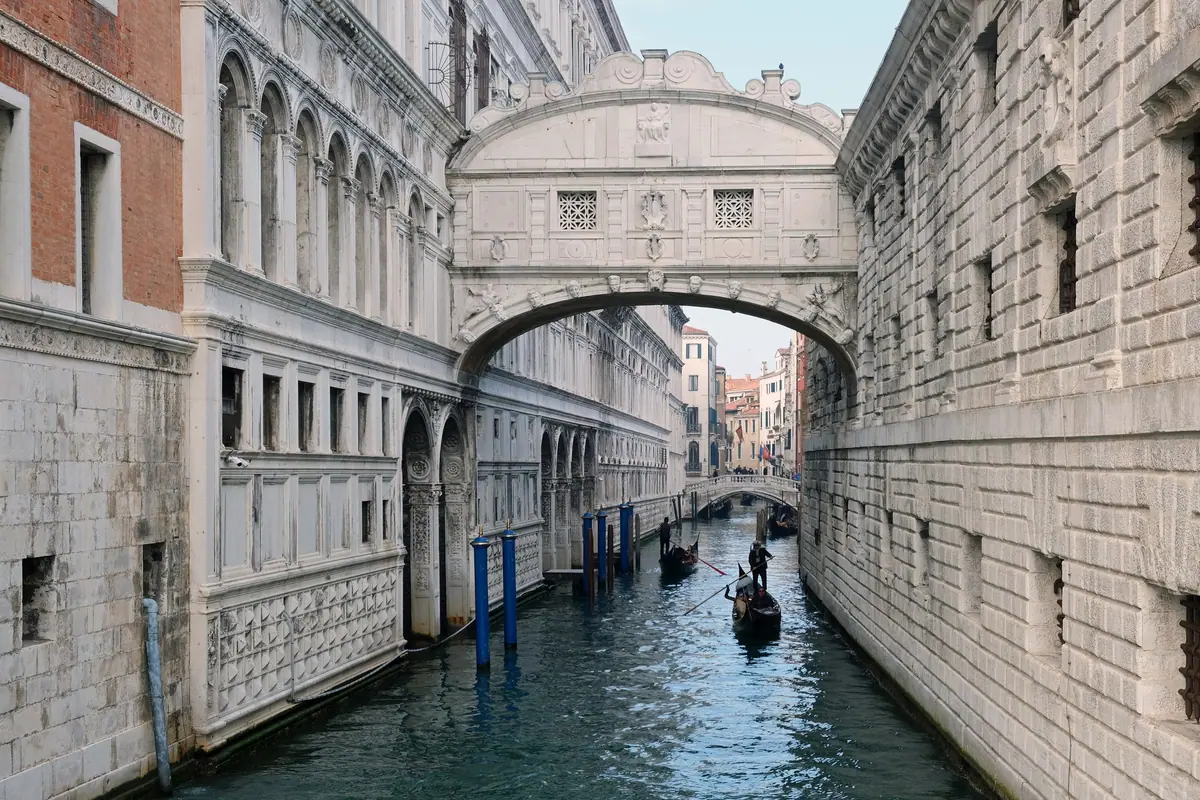
The Doge’s Palace, beside the basilica on the Piazzetta, was the seat of the Venetian Republic. The doge, its ruler elected for life, lived here, and its councils and courts met here. The route takes you into the Hall of the Great Council, 53 metres long, where Tintoretto’s Paradise covers the wall behind the throne, and across the Bridge of Sighs into the New Prisons. The bridge got its name in the Romantic period, from the prisoners’ last look at the lagoon through its small barred windows, and from outside you can see it free from the Ponte della Paglia, on the waterfront.
With a booked time on your ticket you can go in from 9:00, when the palace opens; a ticket with no time on it lets you in only from 12:00. The palace is open every day. The same entry takes you across the square into the Napoleonic Wing, where the Correr Museum holds a Pietà by Antonello da Messina, the only work of his left in the city. From there the route carries on through the Archaeological Museum to the Marciana Library, which the architect Jacopo Sansovino built from 1537 for the thousand-odd manuscripts a cardinal had given the city.
All four passes include the palace, and the Museum Pass and the All Venice City Pass also cover every civic museum further down this page, from the Fortuny to Ca’ Rezzonico. How the four compare, and which suits your list, is on Venice Pass and Venice’s museum passes.
Included in the Venice Museum Pass
Gondola ride
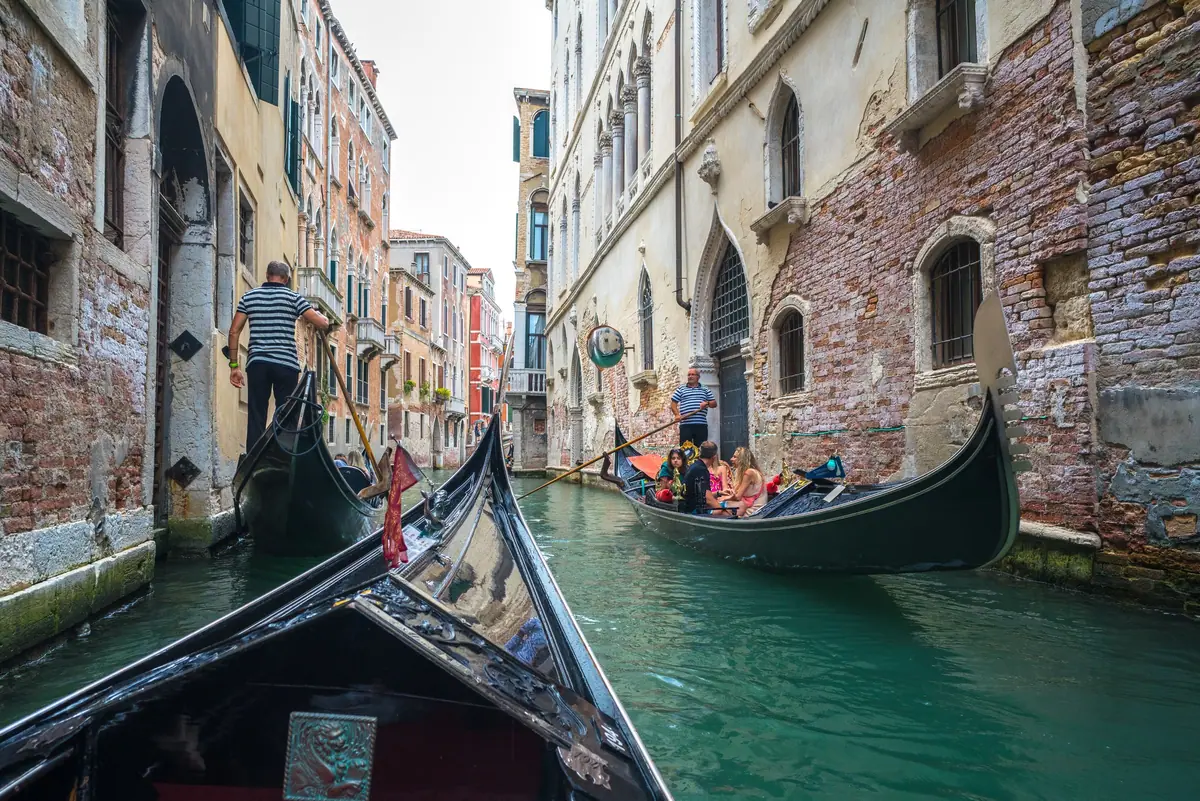
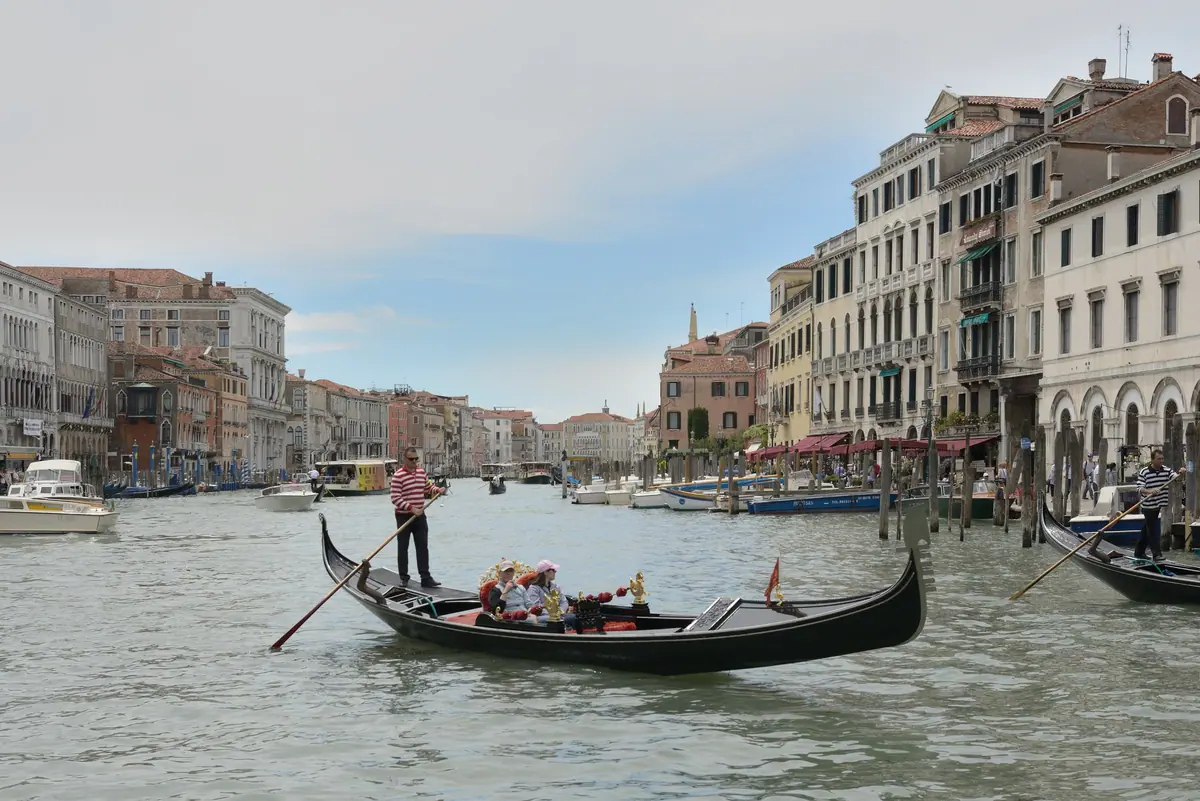
Gondolas pass under the Bridge of Sighs, and one of our rides goes that way. Our shared rides start a short walk from Piazza San Marco with 15 to 20 minutes on land, an introduction to the gondola and a visit to the Gondola Gallery. Then you take a seat beside up to four other passengers for 30 minutes on the water, and on the classic ride the gondolier works through the narrow canals before coming out on the Grand Canal.
The Bridge of Sighs ride heads out instead onto St Mark’s Basin, in front of the Doge’s Palace, and comes back under the bridge. For a couple or a family, a private gondola takes up to five people from the stand at Santa Maria del Giglio, opposite the Gritti Palace hotel, with no introduction on land. In the two Tiqets bundles, a gondola ride is one of the choices, in place of the boat to the islands.
Whichever you pick, the boat is black, as gondolas have been since a law against luxury in 1562, and built 23 centimetres wider on the left, because the gondolier rows on the right with a single oar.
One of the choices in the Venice Pass
Fondazione Querini Stampalia
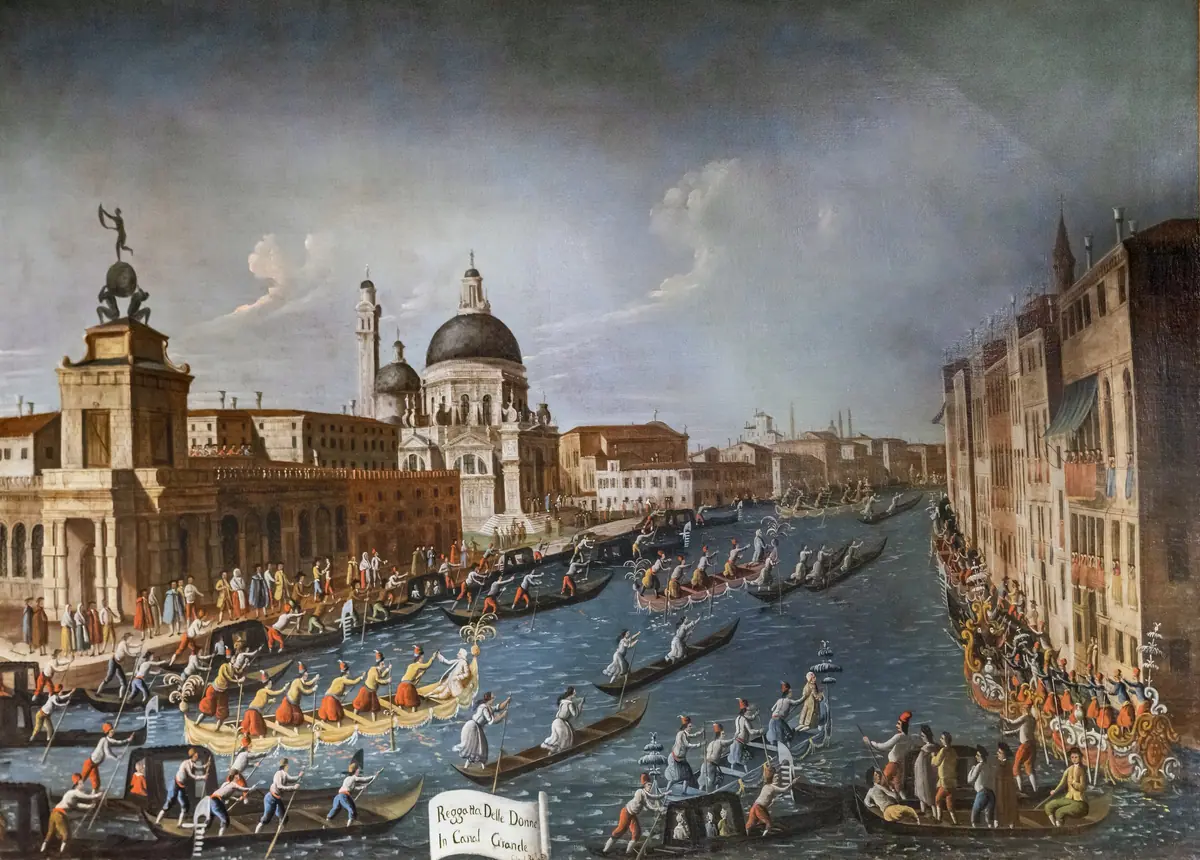
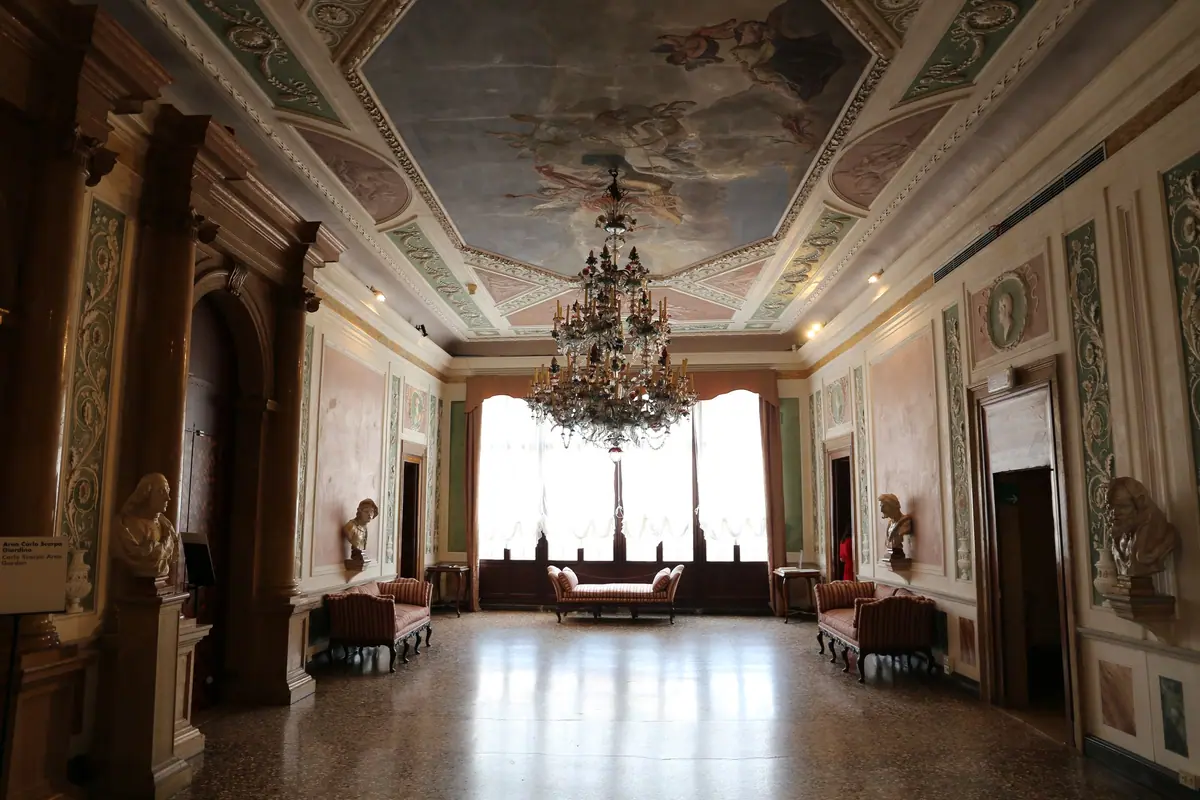
East of the square, by Campo Santa Maria Formosa and near the San Zaccaria stop, the Querini Stampalia is the palace that the last Count Querini Stampalia left for public use in 1869. Upstairs, the family’s rooms are kept as a house museum, with Giovanni Bellini’s Presentation at the Temple, thirty pictures of Venetian life by Pietro Longhi and a whole room of Gabriel Bella’s processions and festivals.
On the ground floor, the architect Carlo Scarpa redesigned the entrance and the garden between 1959 and 1963, and he let the high tide in on purpose, through grilles in the water gate into channels inside. Under-18s go in free, the ticket is good for the whole day, and the museum shuts on Mondays.
This is the one place on the page that splits the two museum passes: the City Pass includes it, in its All Venice and San Marco versions alike, and the Museum Pass doesn’t.
Included in the Venezia Unica City Pass
Teatro La Fenice
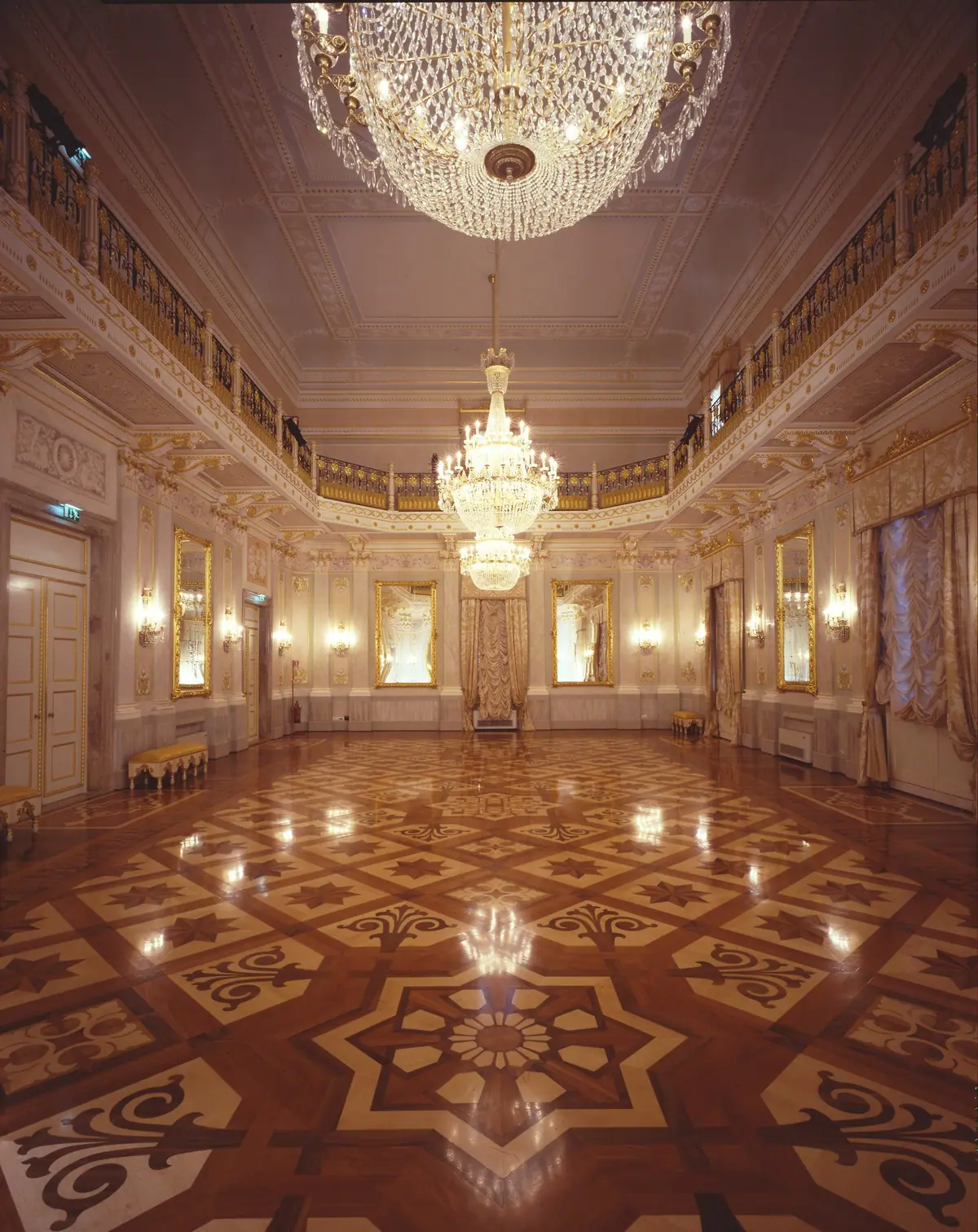
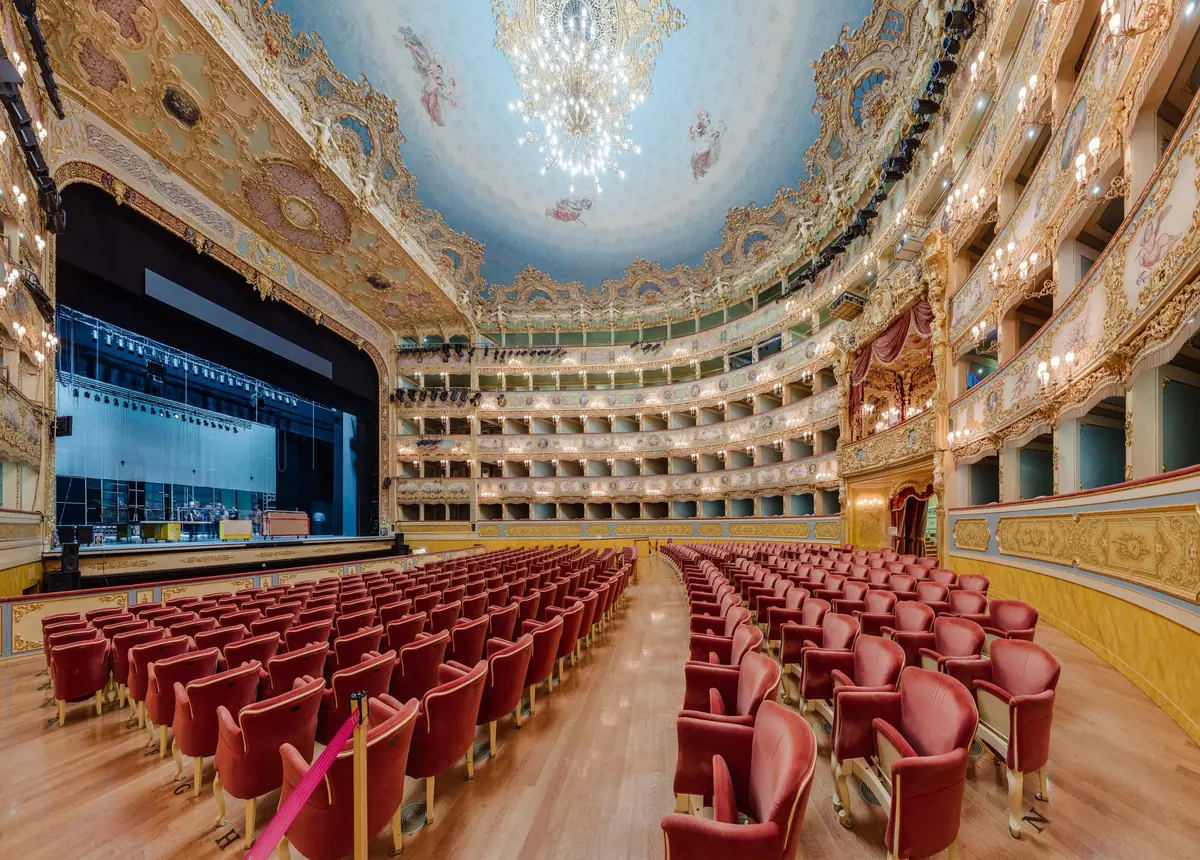
On the other side of the square, about 300 metres west on Campo San Fantin, Teatro La Fenice is the opera house where Verdi’s Rigoletto and La traviata had their first nights. Fenice means phoenix, and it has burned and risen twice: in 1836, and in 1996, when two electricians set the fire to avoid a penalty for falling behind on the building work.
By day you walk round it with an audio guide on your phone, through the foyer, the auditorium, the royal box first built for Napoleon and the Sale Apollinee, the reception rooms. It opens to visitors every day around rehearsals and shows, but on some afternoons it shuts as early as 13:00, so go in the morning. None of the Venice passes we sell includes it.
If you’d rather hear an opera there, the 2026–27 season opens with Fedora on 13 November, and every opera has surtitles in English.
Museo Fortuny
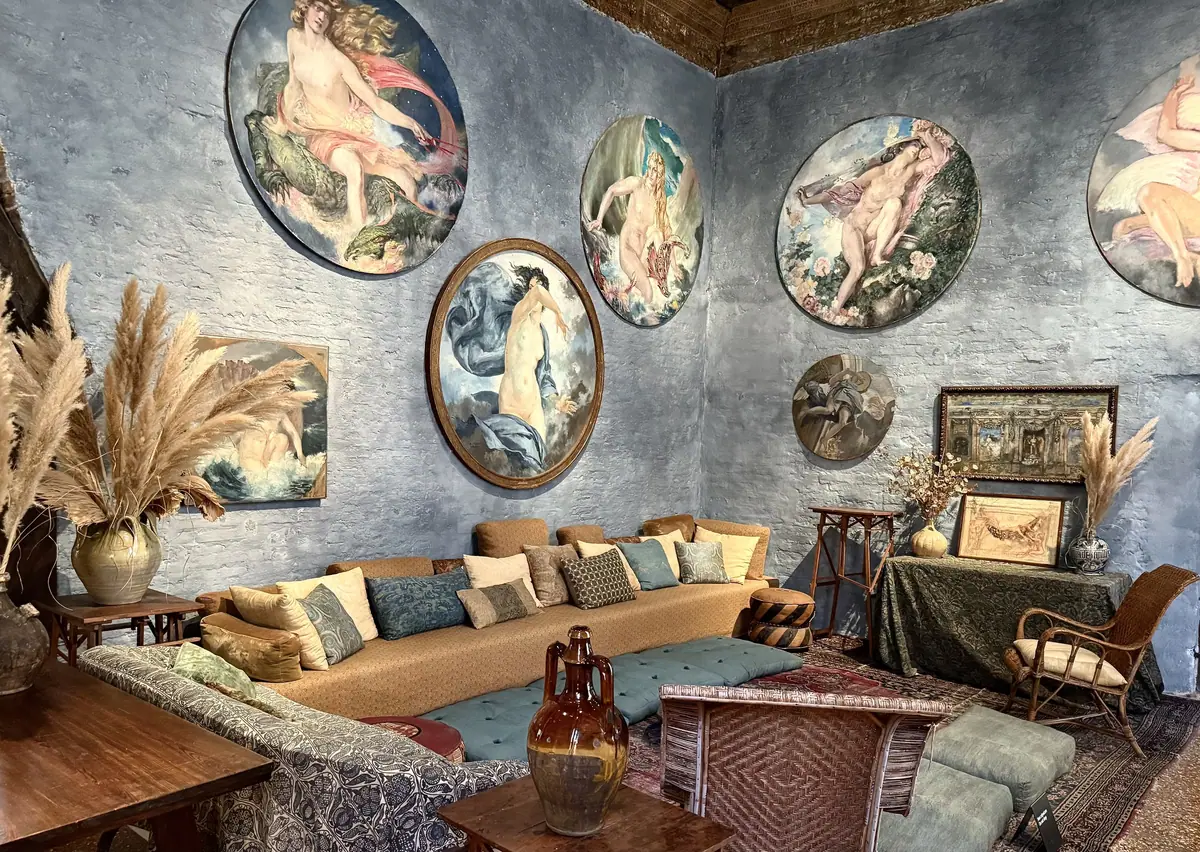
Round the corner from La Fenice, on Campo San Beneto, is the Gothic palace where Mariano Fortuny lived and ran his workshop. Fortuny, a painter, designer and inventor born in Granada, printed his fabrics here and, with Henriette Nigrin, later his wife, created the Delphos, a finely pleated silk dress. The first floor is his home, with walls he painted himself, and on the second each atelier still has its tools, down to the first versions of his lamps.
It stays open on Mondays, when the civic museums across the canal in Santa Croce are shut, and closes on Tuesdays instead. Until 22 November its ticket takes you into Dreamers, the Austrian sculptor Erwin Wurm’s show on the ground floor.
Included in the Venice Museum Pass
Rialto Bridge
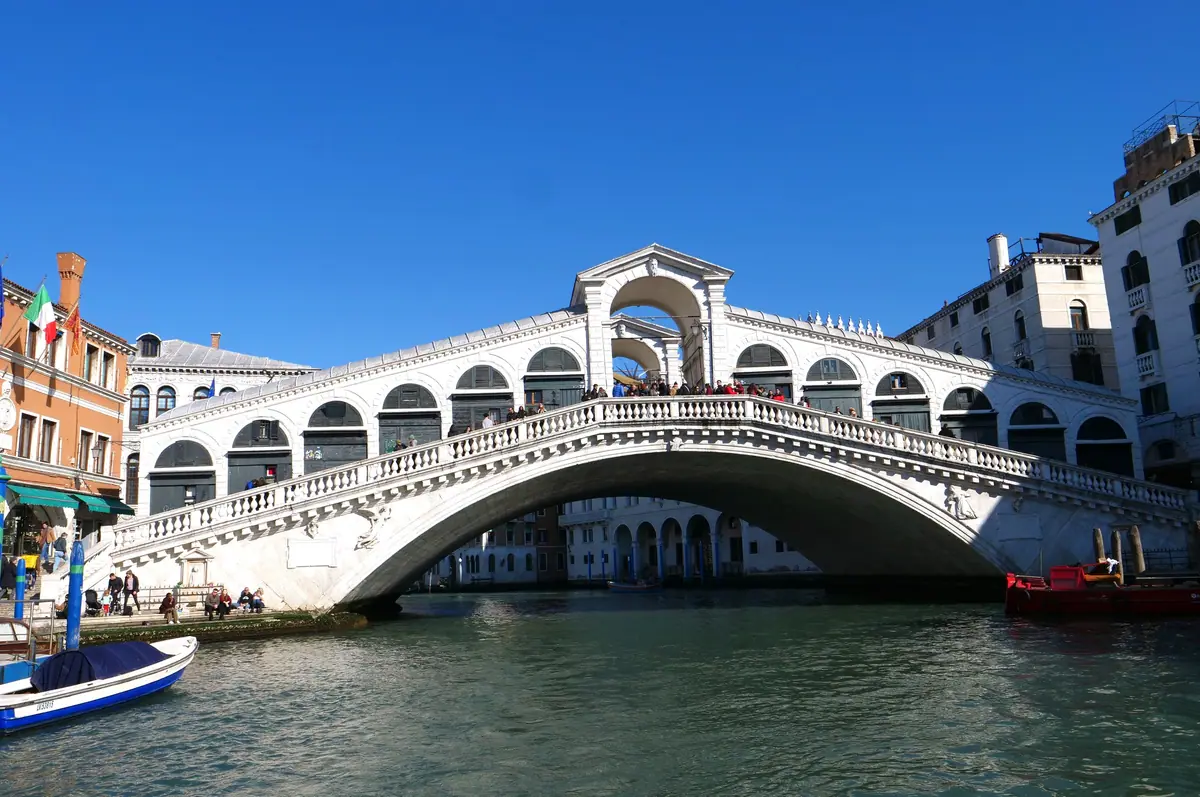
From the Fortuny it’s about 400 metres to the Rialto Bridge, the oldest of the four bridges over the Grand Canal. Antonio da Ponte built it in stone between 1588 and 1591, as a single arch across the water, where wooden bridges had stood before. Two ramps of steps climb to a portico at the top, with three passageways between rows of small shops.
Crossing costs nothing, and by day the bridge is crowded, so the view up and down the canal is easier to enjoy early or late. Lines 1 and 2 stop at its foot, and back to St Mark’s is 5 to 10 minutes on foot.
Rialto Market
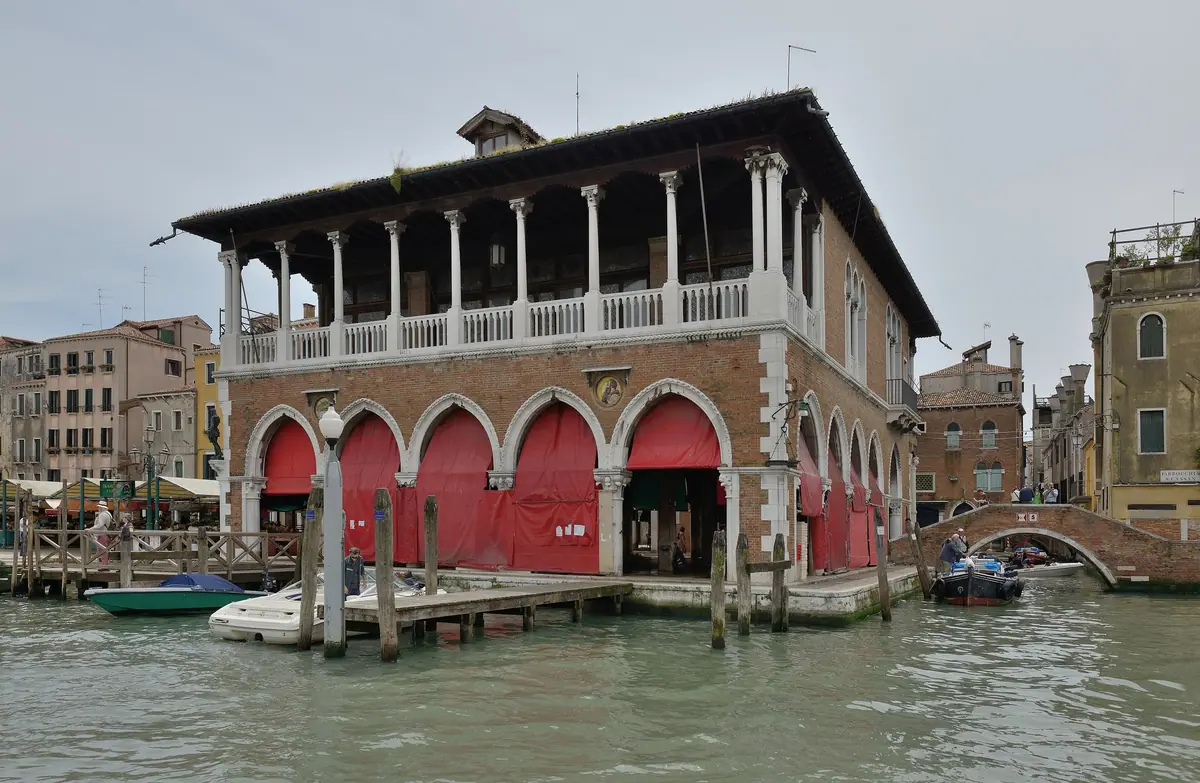
Across the bridge, on the San Polo side, the stalls of the Rialto Market spread round the small church of San Giacometto, where Venetians have been buying and selling for close to a thousand years. Fruit and vegetables are sold from Monday to Saturday, and fish, much of it from the lagoon, from Tuesday to Saturday under the arches of the Pescaria, the market hall on the water. Come by about 8:00, when the morning’s catch is laid out.
Around the market, the bacari, Venice’s small wine bars, serve cicchetti, little snacks to eat with a glass. Line 1 has its own stop here, Rialto Mercato, and from the Ca’ d’Oro on the other bank the traghetto, a gondola ferry rowed by two gondoliers, crosses straight to the market for €2.
Natural History Museum, Palazzo Mocenigo and Ca’ Pesaro
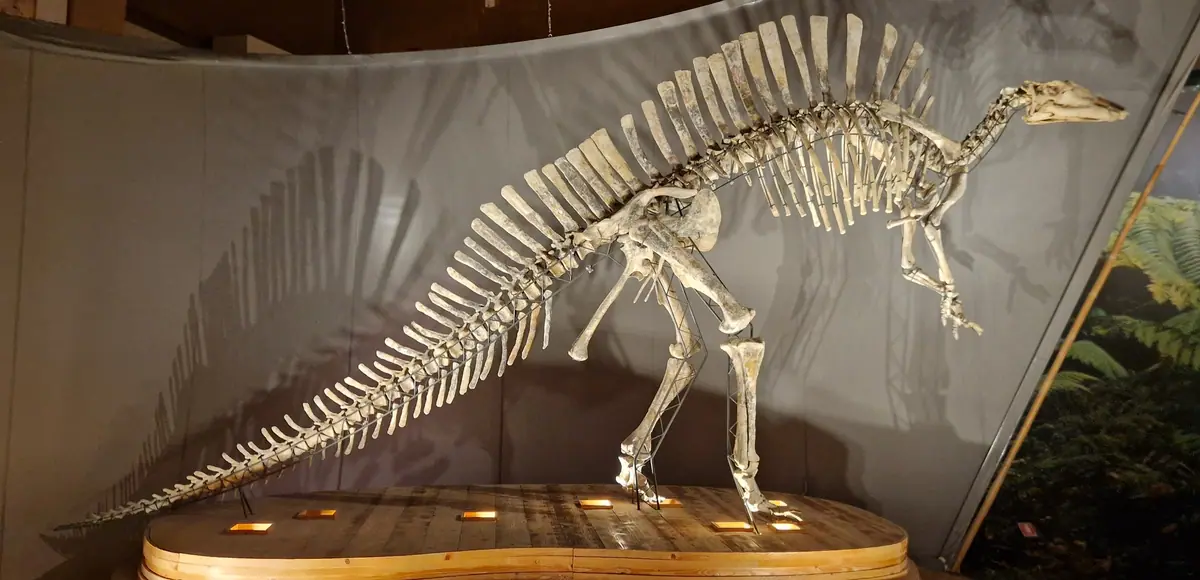
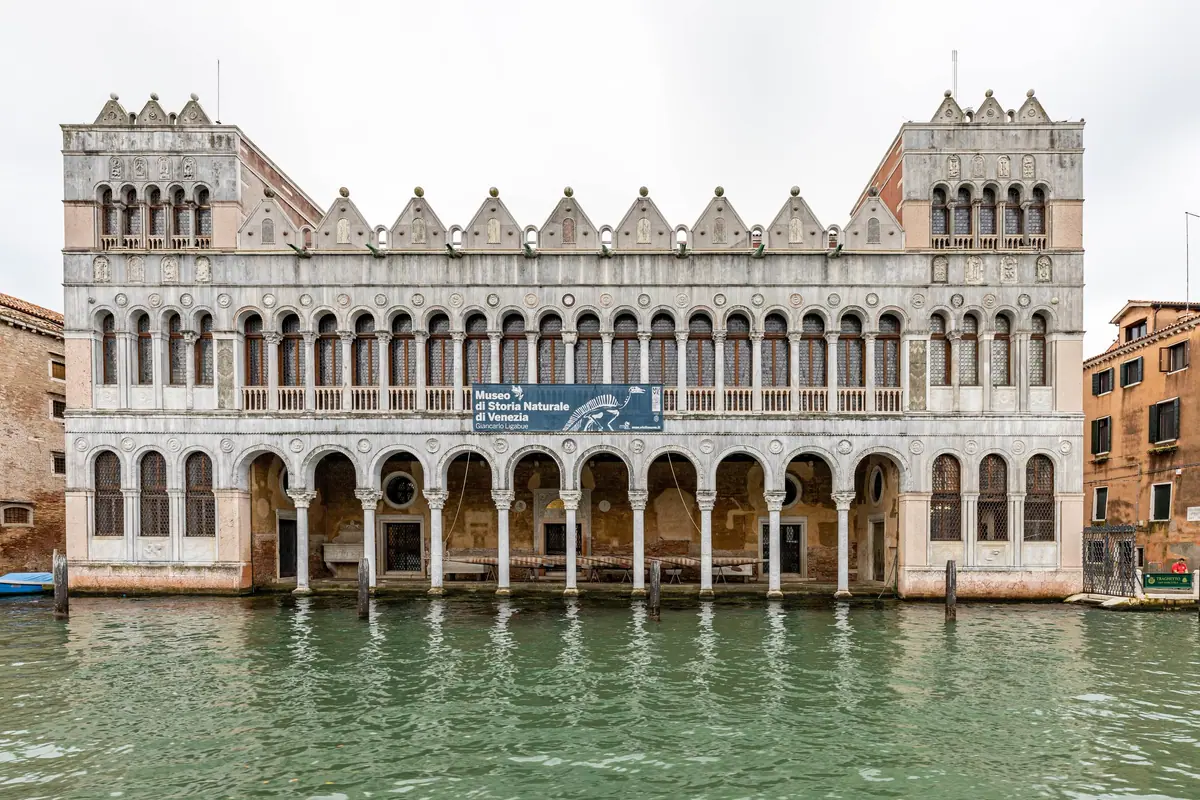
Further along the same bank, by the San Stae stop on line 1, three of the city’s civic museums stand within about 250 metres of each other in Santa Croce, and all three shut on Mondays. From October to May the Natural History Museum opens at 9:00, an hour before the other two, so on a morning here start with it.
It fills the Fontego dei Turchi, a 13th-century palace where Turkish merchants were required to live and trade from 1621 to 1838. A fin whale almost 20 metres long hangs over the ground floor, and two floors up stands an Ouranosaurus, a dinosaur more than seven metres long that a Venetian expedition brought back from the Sahara.
Included in the Venice Museum Pass
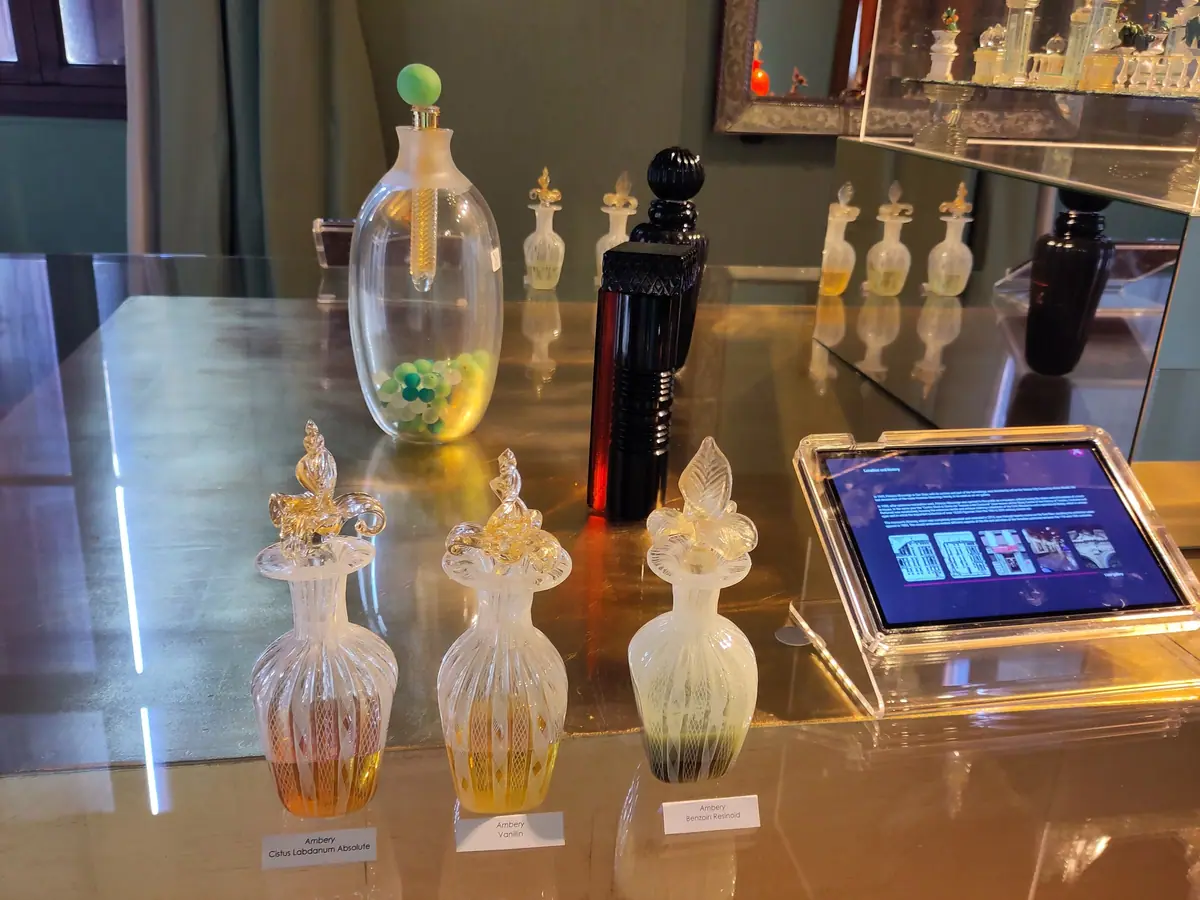
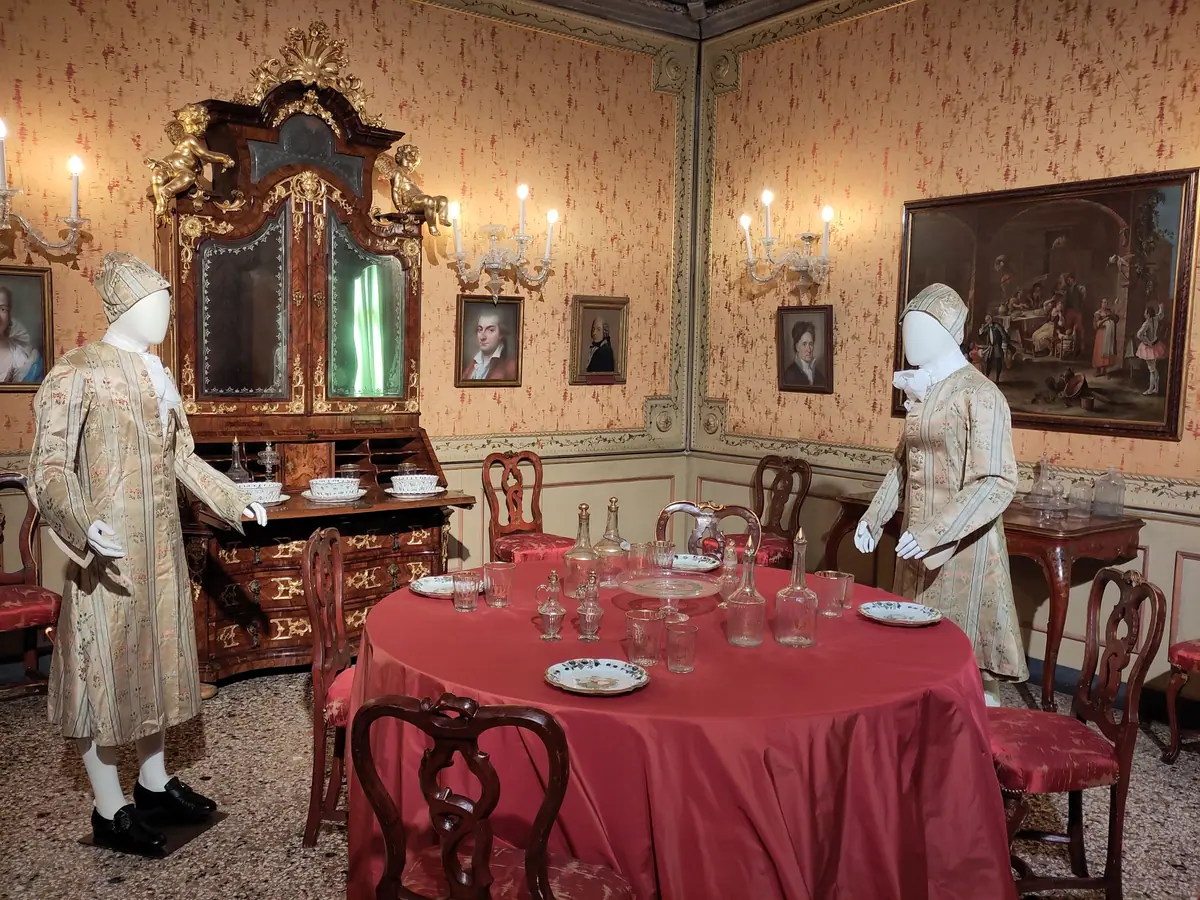
A short walk on, Palazzo Mocenigo, the city’s museum of textiles, costume and perfume, belonged to one branch of the Mocenigo, a family that gave Venice seven doges. Its main floor shows how a patrician family lived, with mannequins in 18th-century coats and gowns under ceilings frescoed in 1787 for a Mocenigo wedding, and with Venetian glass laid on the dining table. Six more rooms are given over to perfume.
Included in the Venice Museum Pass
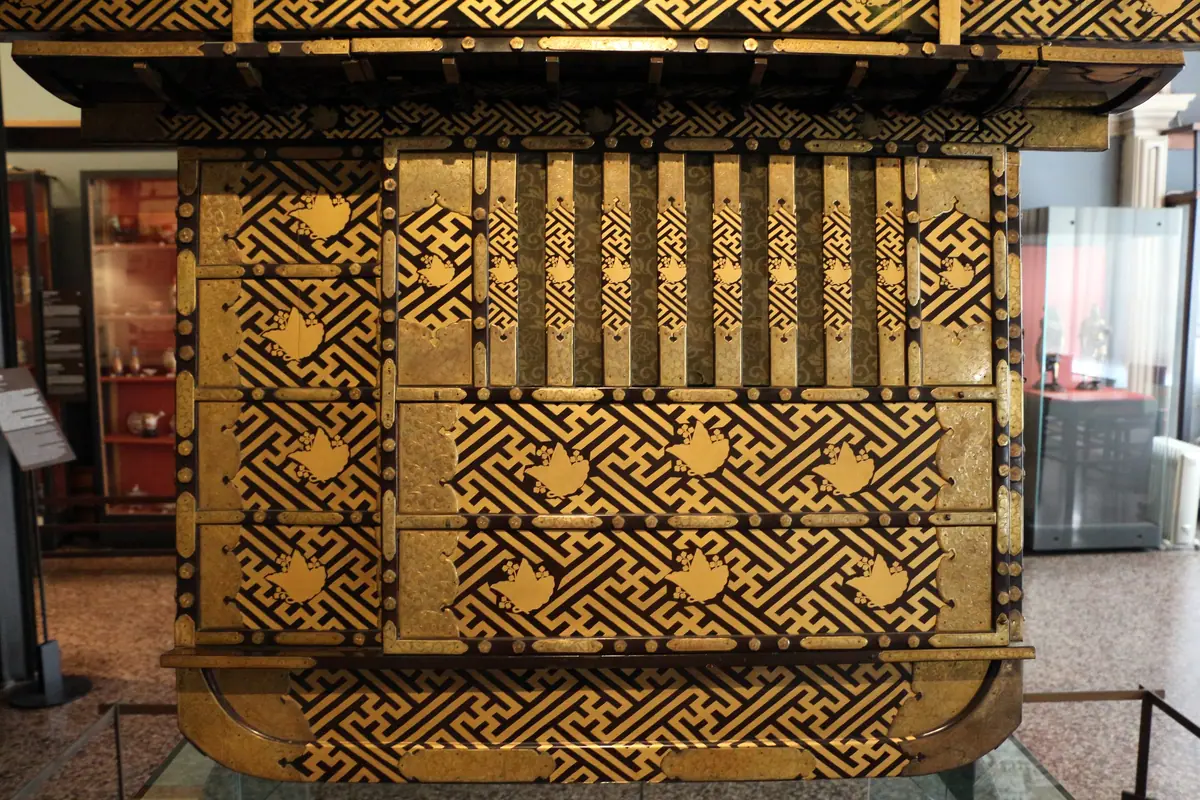
Just beyond, on the Grand Canal, stands Ca’ Pesaro, a Baroque palace by Baldassare Longhena, the architect of the Salute church, with two museums inside. The gallery of modern art has Rodin’s Thinker and Chagall’s Rabbi of Vitebsk, and the Museum of Oriental Art on the top floor opens with samurai armour and lacquer from Edo Japan. For now the second floor has Jenny Saville’s paintings, at no extra cost, until the show closes on 22 November.
Included in the Venice Museum Pass
Carlo Goldoni’s House
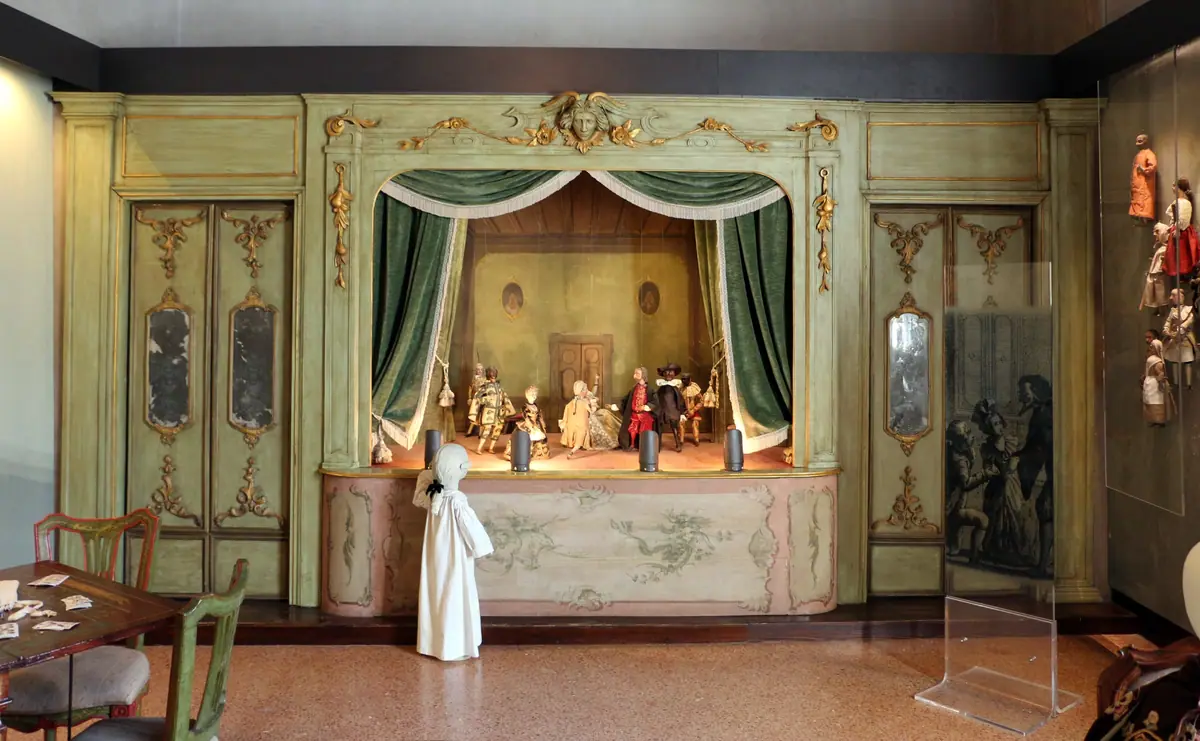
Deeper into San Polo, by the San Tomà stop on line 1, Casa Goldoni is the Gothic house where Carlo Goldoni, the Venetian who wrote The Servant of Two Masters, was born in 1707. An open staircase climbs the courtyard wall to rooms set with scenes from his comedies, and the last of them holds the puppet theatre of the Grimani ai Servi, which the museum calls the most famous in 18th-century Venice, with its original marionettes.
It’s a short visit, half an hour to 45 minutes, open from 10:00 to 16:00 on every day but Wednesday.
Included in the Venice Museum Pass
Ca’ Rezzonico
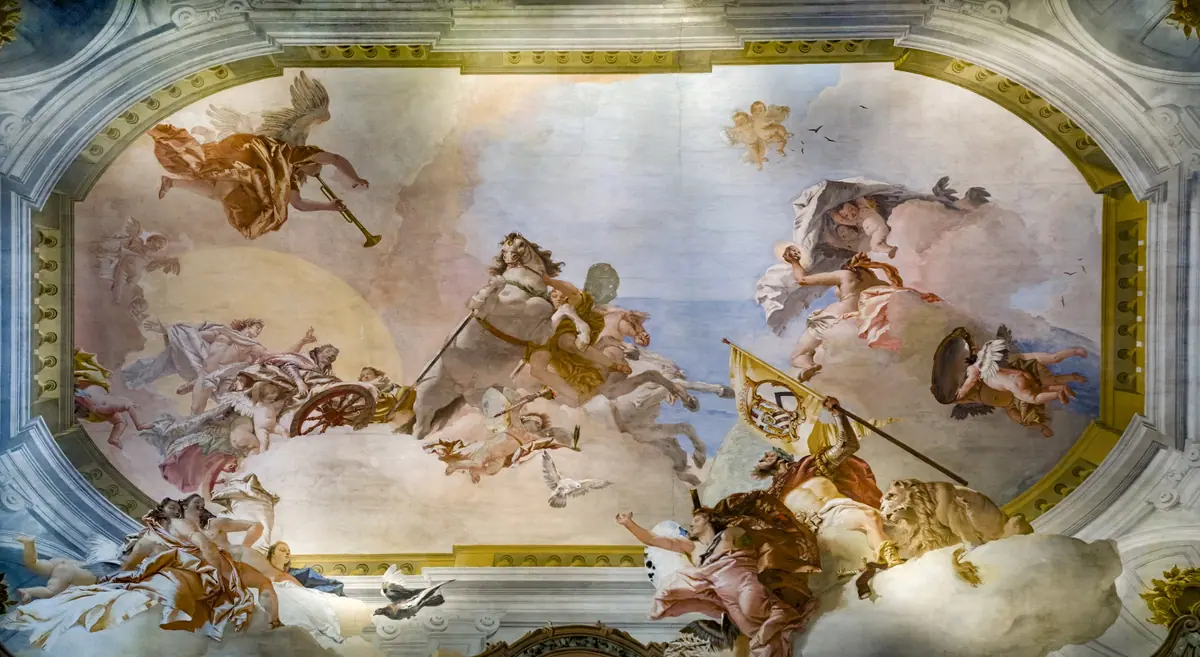
A few minutes’ walk from Goldoni’s house, still on the same bank, Ca’ Rezzonico is the Museum of 18th-century Venice, a palace on the Grand Canal that the city furnished with pieces from other palaces. Giambattista Tiepolo’s ceilings are over your head, the long central hall on the second floor holds the only two Canaletto views in the city’s public collections, and the Longhi Room has more of Pietro Longhi’s scenes of Venetians at home and out on the town.
For now the ballroom is under scaffolding: you cross it along a corridor without seeing the frescoes, and no end date has been given. The rest of the museum is open every day but Tuesday. Line 1 has a stop named after it.
Included in the Venice Museum Pass
Peggy Guggenheim Collection
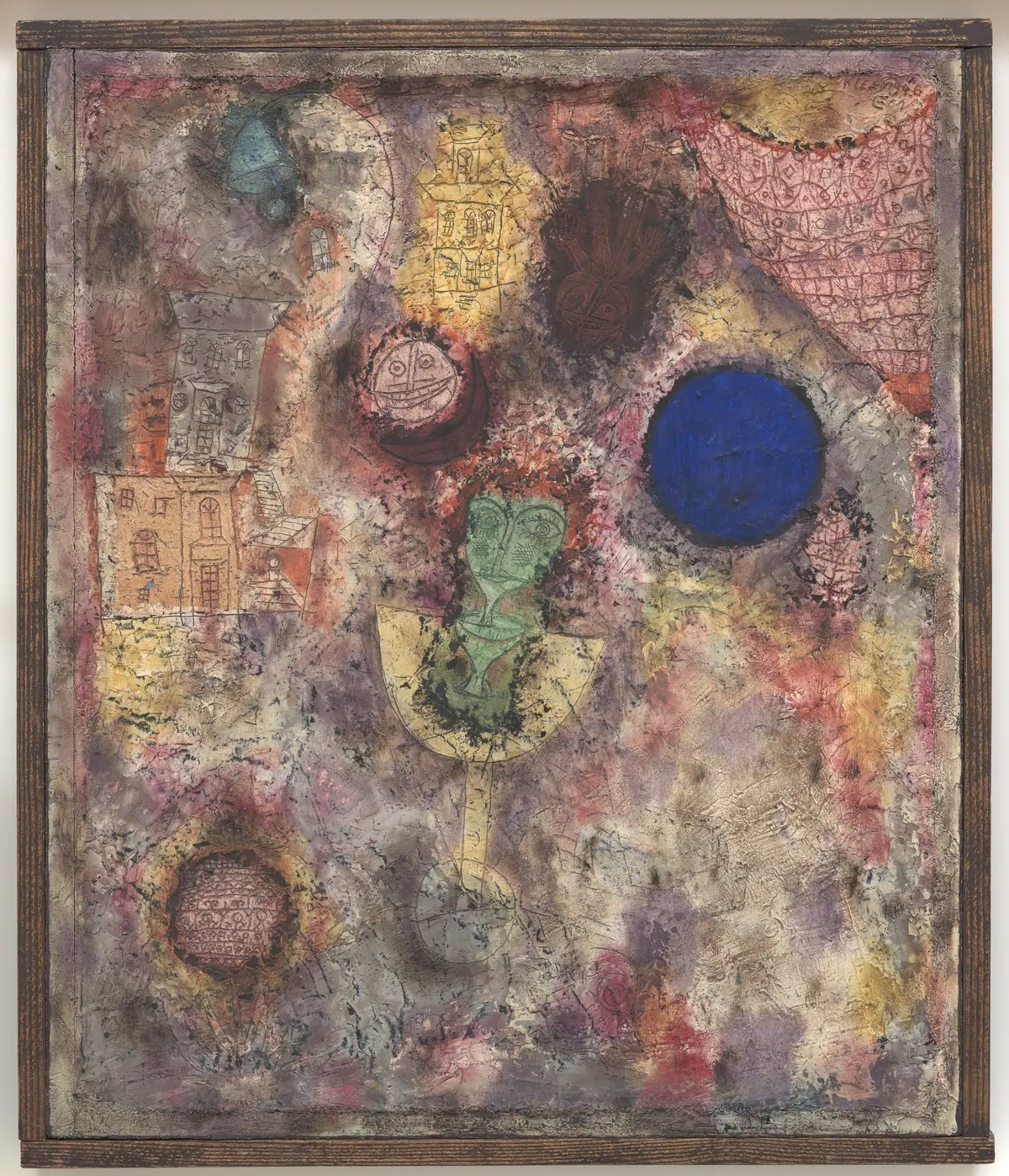
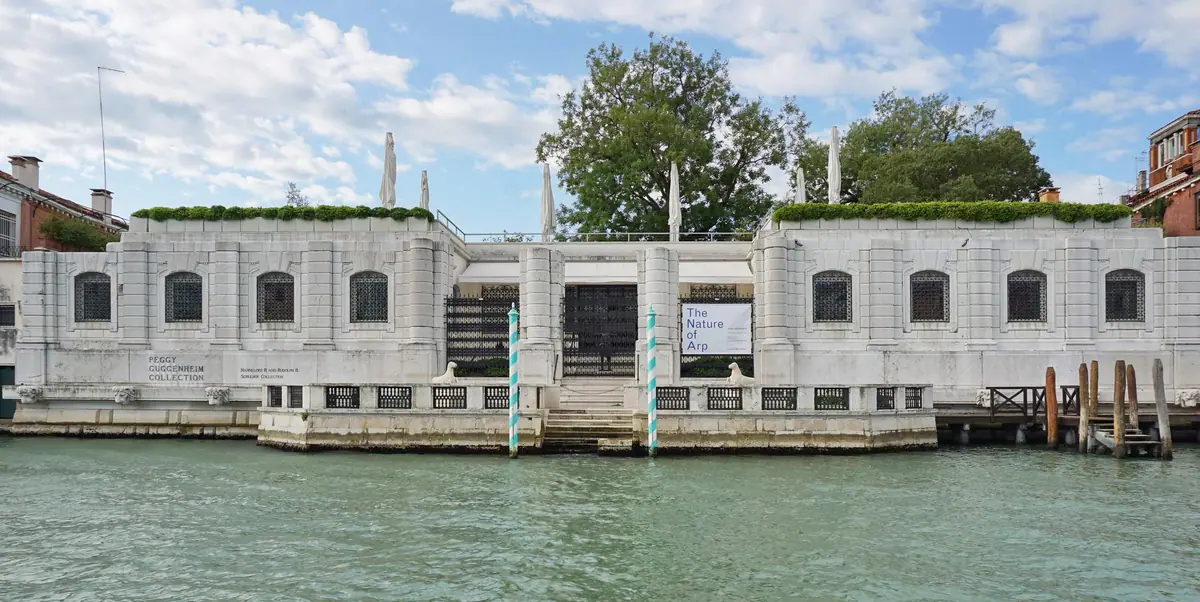
Past the Accademia bridge, between it and the Salute church, Peggy Guggenheim’s modern art hangs in the house where she lived, Palazzo Venier dei Leoni, a palace on the Grand Canal that stopped at the first of its five planned floors. Peggy, an American collector who gave Jackson Pollock his first solo show in New York, filled it with Picasso, Pollock, Magritte, Max Ernst, Brancusi and Kandinsky. Marino Marini’s Angel of the City stands on the terrace over the canal, and her ashes lie in the sculpture garden.
It’s a private museum, so neither the City Pass nor the Museum Pass covers it. Entry times can sell out, so it’s safer to arrive with a ticket. Like Ca’ Rezzonico, it closes on Tuesdays. From the water, line 1 stops at Accademia and at Salute, but the way in is on land, at Dorsoduro 701.
Murano and Burano
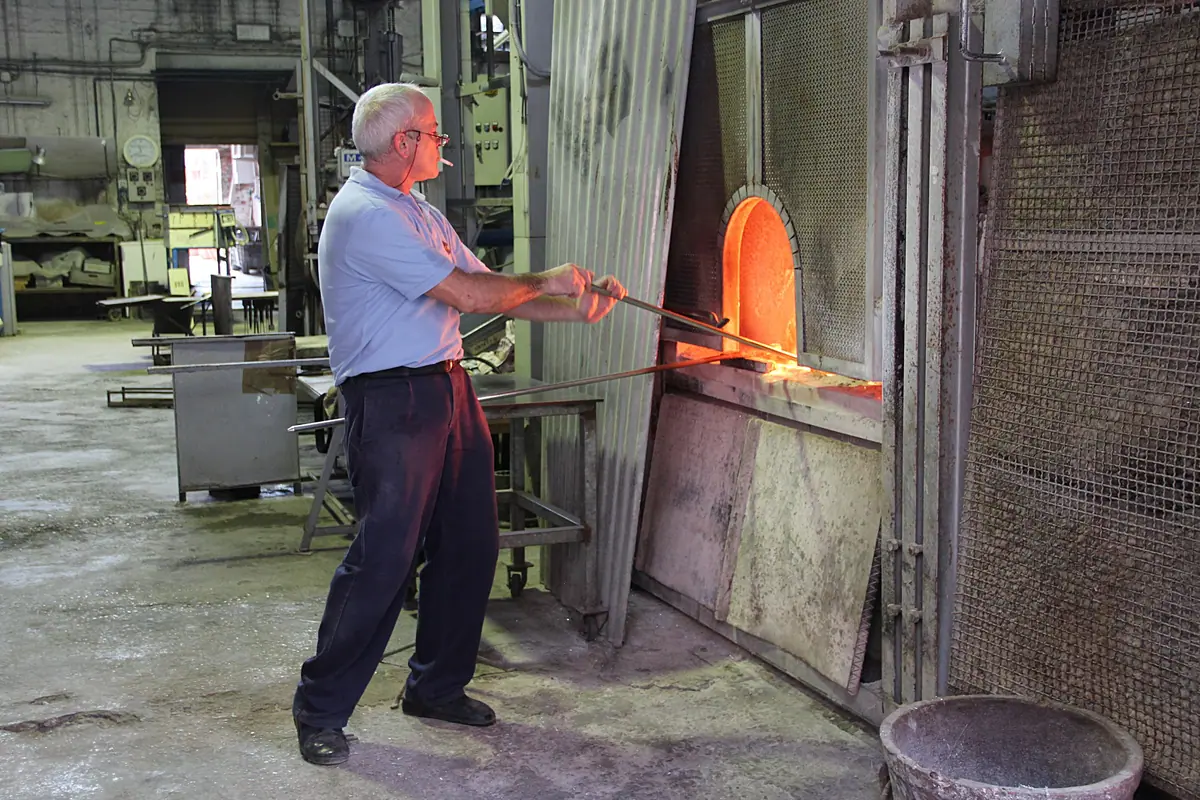
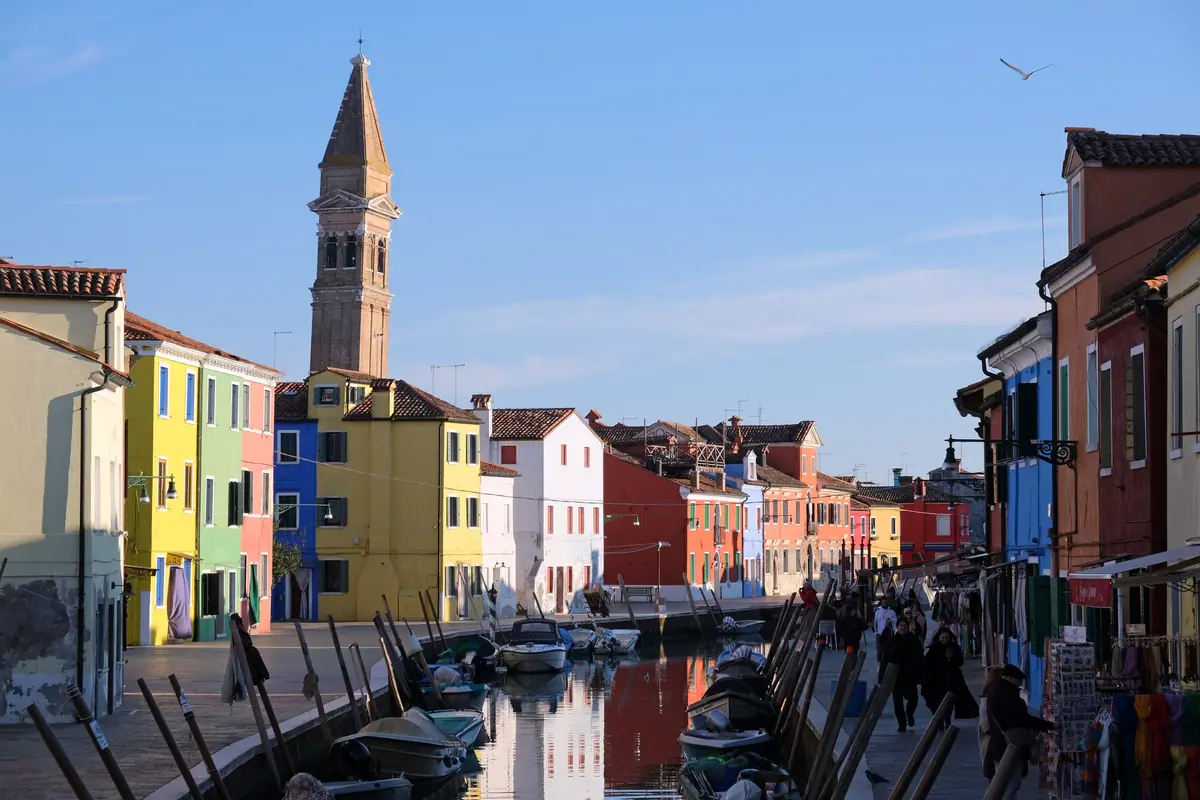
The last trip is out on the lagoon, north of the city, where Murano and Burano each kept a craft. Glass has been made on Murano since a 13th-century law moved Venice’s furnaces there, and on Burano, the island of painted houses, lace is made with nothing but a needle and thread. Torcello, five minutes on from Burano by line 9, has a cathedral founded in 639, with a Last Judgement in mosaic.
Our boat tours take 4 to 4½ hours, with a glass-blowing demonstration at one of Murano’s private furnaces, not at the Glass Museum, and one of them goes on to Torcello. Time ashore is short on that one: about 20 minutes on Murano, 50 on Burano and 30 on Torcello. On your own, line 12 of the vaporetto leaves Fondamente Nove, on the city’s north shore, for Murano and then Burano, which it reaches in 41 minutes, and the 1-day ACTV pass covers it.
The Glass Museum on Murano opens every day and the Lace Museum on Burano shuts on Mondays. The museum passes cover both museums, and the two Tiqets bundles include one of the boat tours.
Partly covered by the Venice Museum Pass
Venice
All 14 sights in Venice on our list
With the ticket price where we sell one, and the pass that covers each.
-
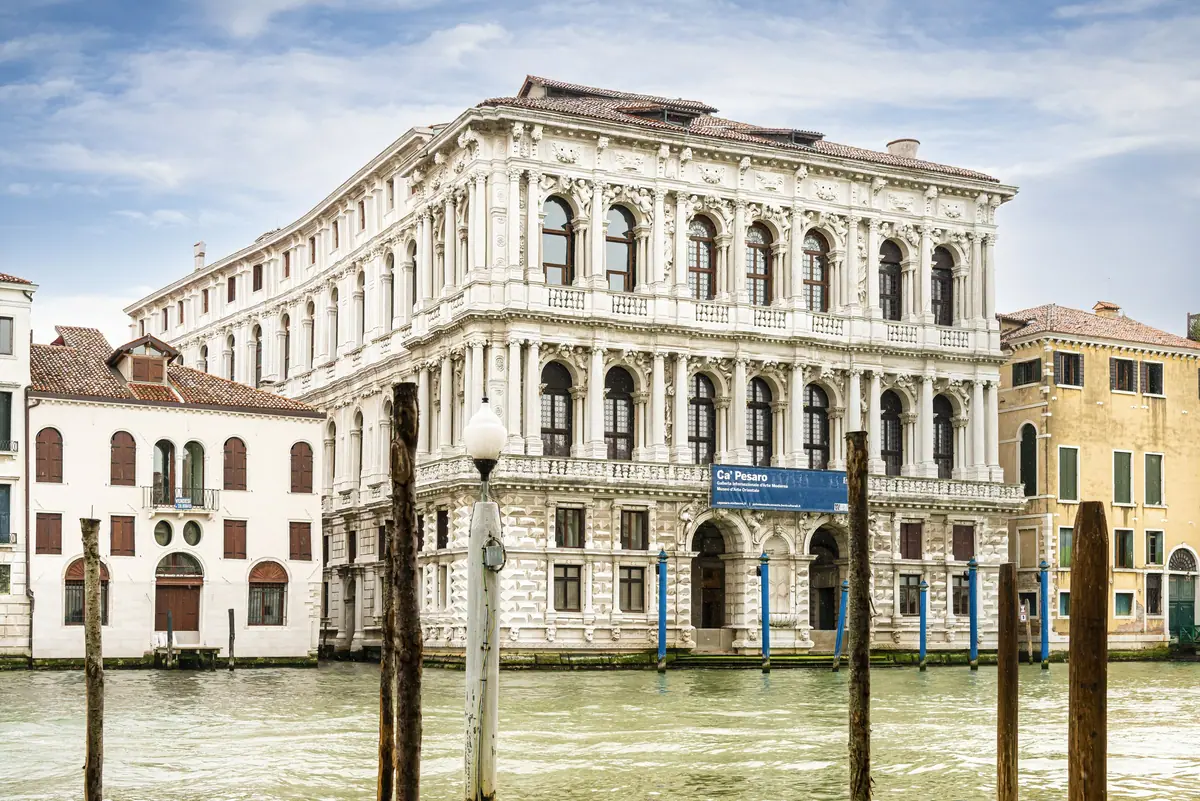 Ca' Pesaro In the Venice Museum Pass €15
-
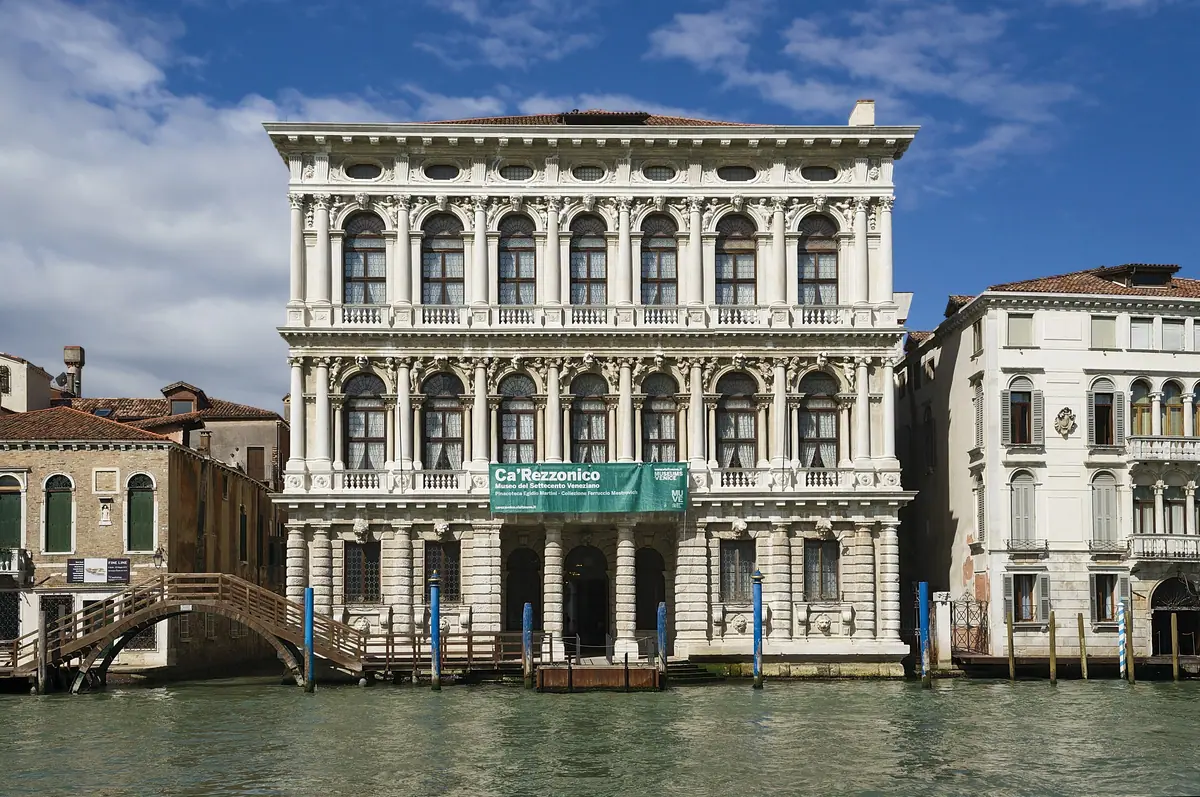 Ca' Rezzonico In the Venice Museum Pass €15
-
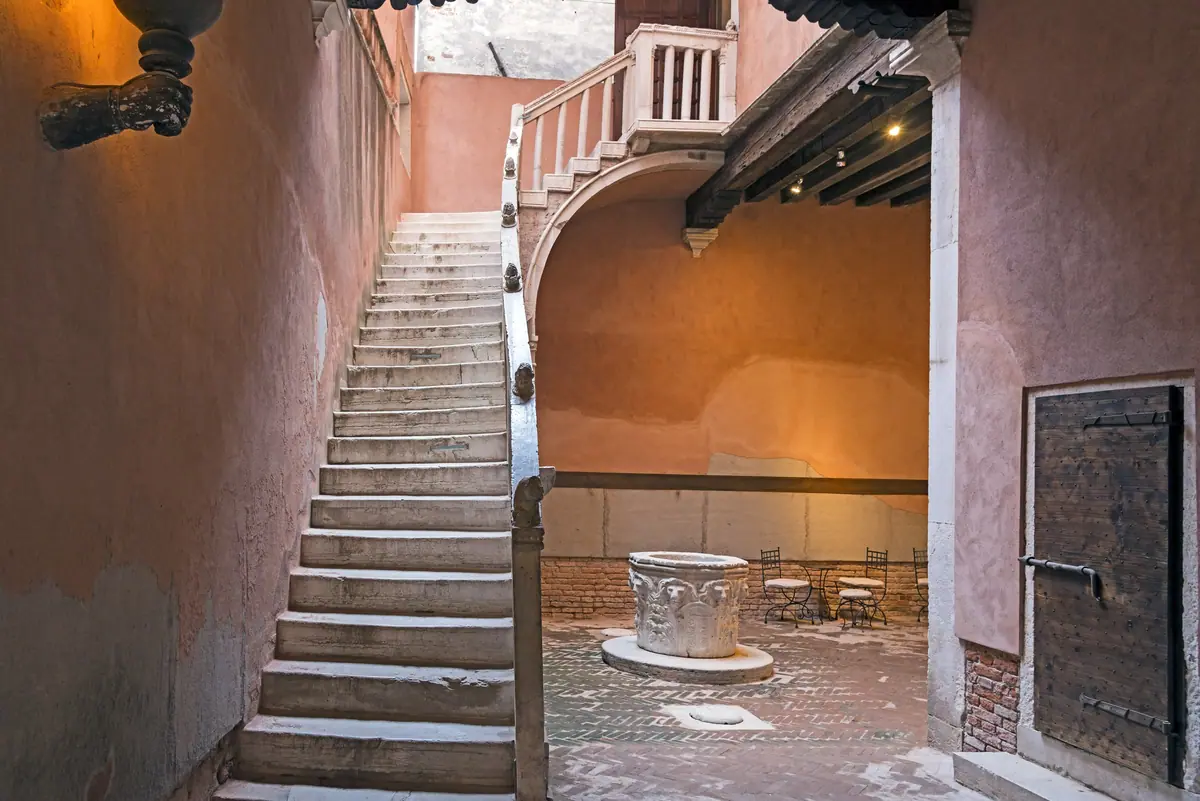 Carlo Goldoni's House In the Venice Museum Pass €7
-
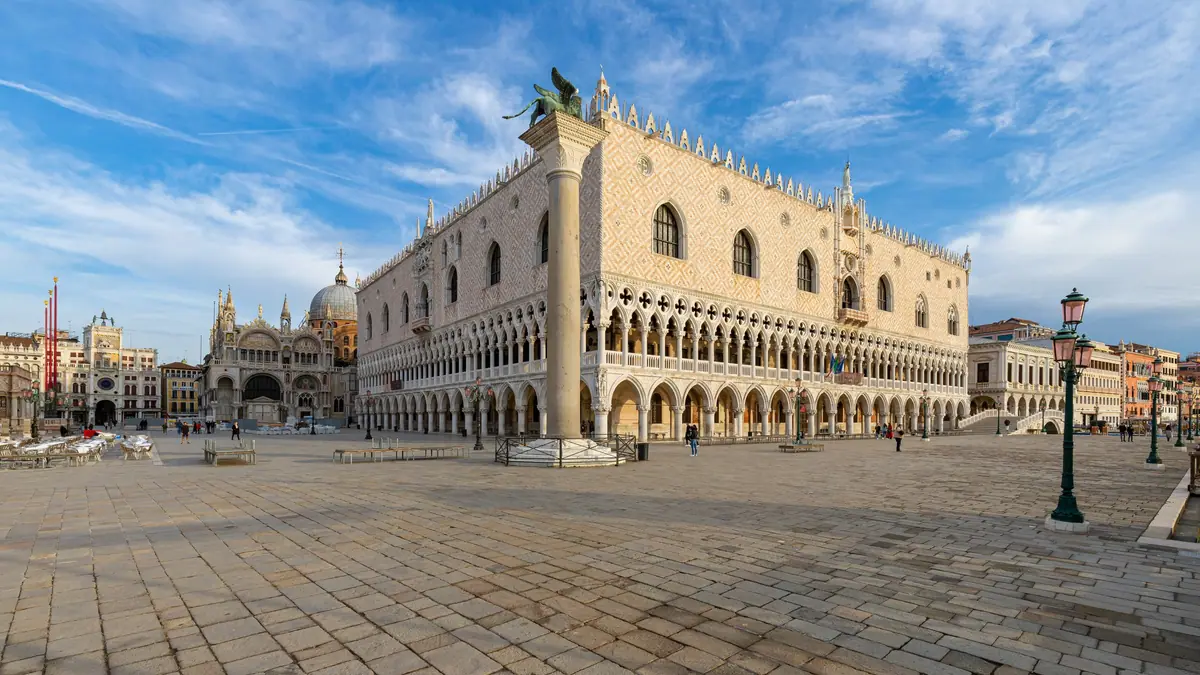 Doge's Palace In the Venice Museum Pass €35
-
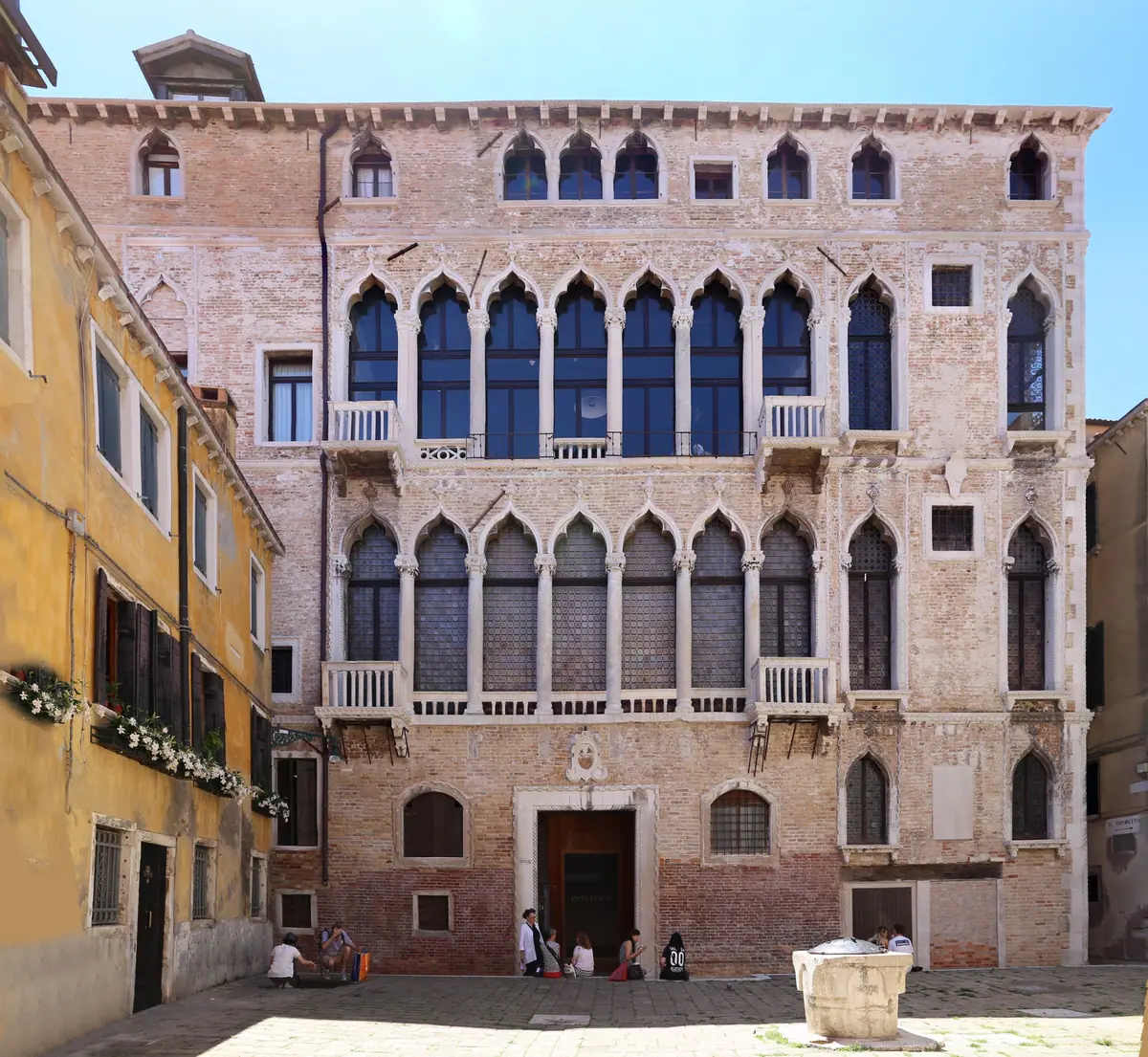 Fortuny Museum In the Venice Museum Pass €15
-
 Gondola ride In the Venice Pass €39
-
 Murano and Burano Partly covered by the Venice Museum Pass €20
-
 Natural History Museum In the Venice Museum Pass €15
-
 Palazzo Mocenigo In the Venice Museum Pass €15
-
 Peggy Guggenheim Collection €20
-
 Querini Stampalia Foundation In the Venezia Unica City Pass €17
-
 St Mark's Basilica In the Venice Pass €17
-
 St Mark's Campanile €25
-
 Teatro La Fenice €14
City cards
Venice city cards and passes
Pick the one that fits your trip. Prices are per adult, and you choose your dates on the next page.


People also ask
Frequently asked questions
What is the number one thing to do in Venice?
Piazza San Marco, with St Mark's Basilica and the Doge's Palace side by side. The basilica's domes are covered in gold-ground mosaics, and every visit has a ticket with a set time; the palace takes you through the Hall of the Great Council and across the Bridge of Sighs. Once you've seen the square, cross to the Rialto Bridge and take vaporetto line 1 down the Grand Canal.
What can you do in Venice in one day?
Start at the Rialto Market in the morning, when the stalls are full, then cross the Rialto Bridge and walk the 5 to 10 minutes to Piazza San Marco for St Mark's Basilica and the Doge's Palace, both at times you book. In the late afternoon, ride line 1 the length of the Grand Canal, up to 45 minutes between St Mark's and the railway station.
What can you do for free in Venice?
Piazza San Marco and the Rialto Bridge are free at any hour, and the Rialto Market is free to wander, with the fish hall trading on Tuesday to Saturday mornings. Going into St Mark's Basilica to pray or for Mass is free, through the Porta dei Fiori, though a visit needs a ticket. The Querini Stampalia lets in under-18s for nothing, the Peggy Guggenheim under-10s, and the civic museums children up to 5.
Is the Venezia Unica City Pass worth it?
If the Querini Stampalia is on your list as well as the Doge's Palace and the civic museums, yes: All Venice, at €62.90, is the one pass that covers all of them. Without the Querini, the Venice Museum Pass, at €50, is our pick for the civic museums, and its palace entry isn't tied to one date. Neither includes St Mark's Basilica, the campanile or the vaporetto, and on the City Pass the palace entry is valid only on the date you pick when you buy, from 12:00.
What's closed in Venice on Mondays?
Ca' Pesaro, Palazzo Mocenigo, the Natural History Museum, the Querini Stampalia and the Lace Museum on Burano. That still leaves the Doge's Palace, St Mark's Basilica, the campanile, Ca' Rezzonico, the Fortuny, Goldoni's house, the Peggy Guggenheim and the Glass Museum on Murano for a Monday. Tuesday is the day off for Ca' Rezzonico, the Fortuny and the Peggy Guggenheim.
