
Milan · YesMilano City Pass Standard
ADI Design Museum
Italy's design prize has picked out bathtubs, stoves and bus shelters since 1954, and its collection now lives in an old tram depot.
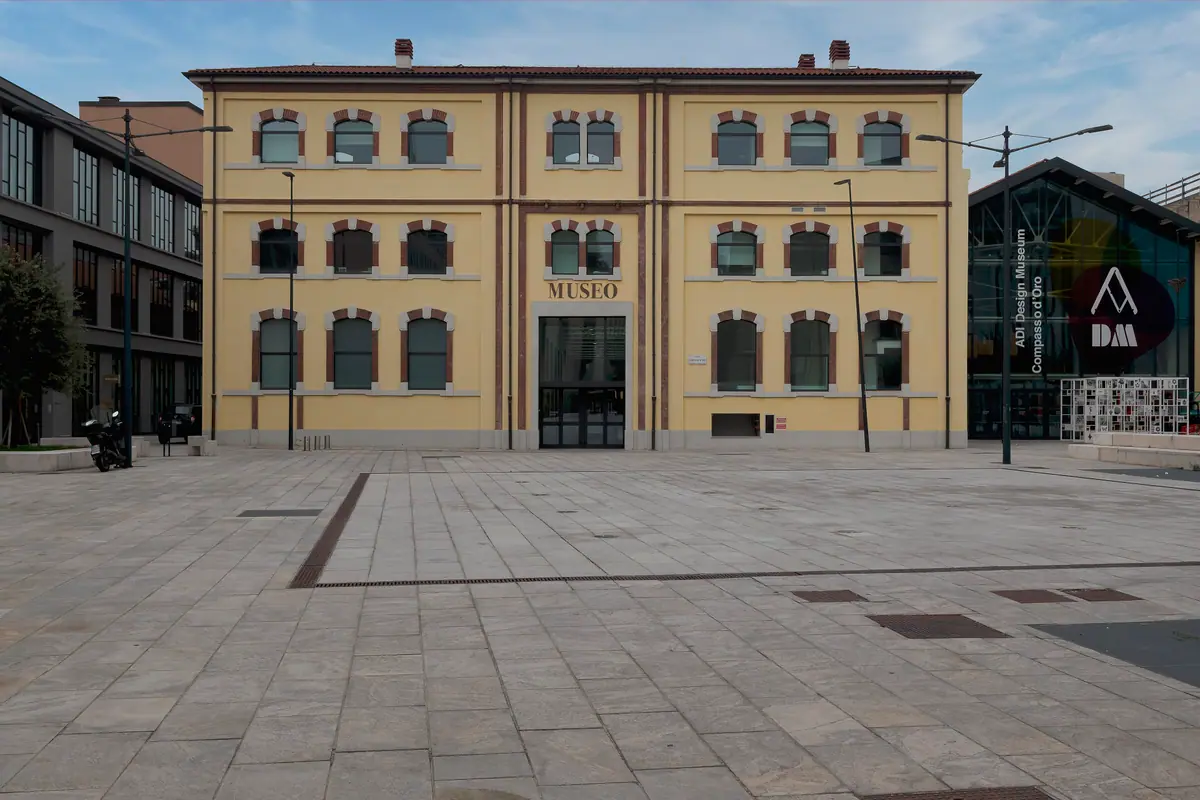
Milan's ADI Design Museum holds the historic collection of the Compasso d'Oro, the Italian industrial design prize that began in 1954, in a restored 1930s complex that was once a tram depot and power station. It shows everyday things the prize picked out, from a 1957 bathtub to a bus shelter, and it's open on Mondays and shut on Fridays.
Before you go
- Time inside60 min
- ClosedFriday
TipIt closes on Fridays, not Mondays, so it's open on the day Milan's civic museums are shut.
The Compasso d’Oro collection at the ADI Design Museum
The Compasso d’Oro has been Italy’s prize for industrial design since 1954, and the ADI Design Museum keeps its historic collection. These are things you’d use at home or pass in the street: a bathtub from 1957, the Luisa chair, the Guya seat of 1989, a stove from 2001 and the Boma bus shelter of 2004. It’s a museum of everyday design, with no fashion or fine art.
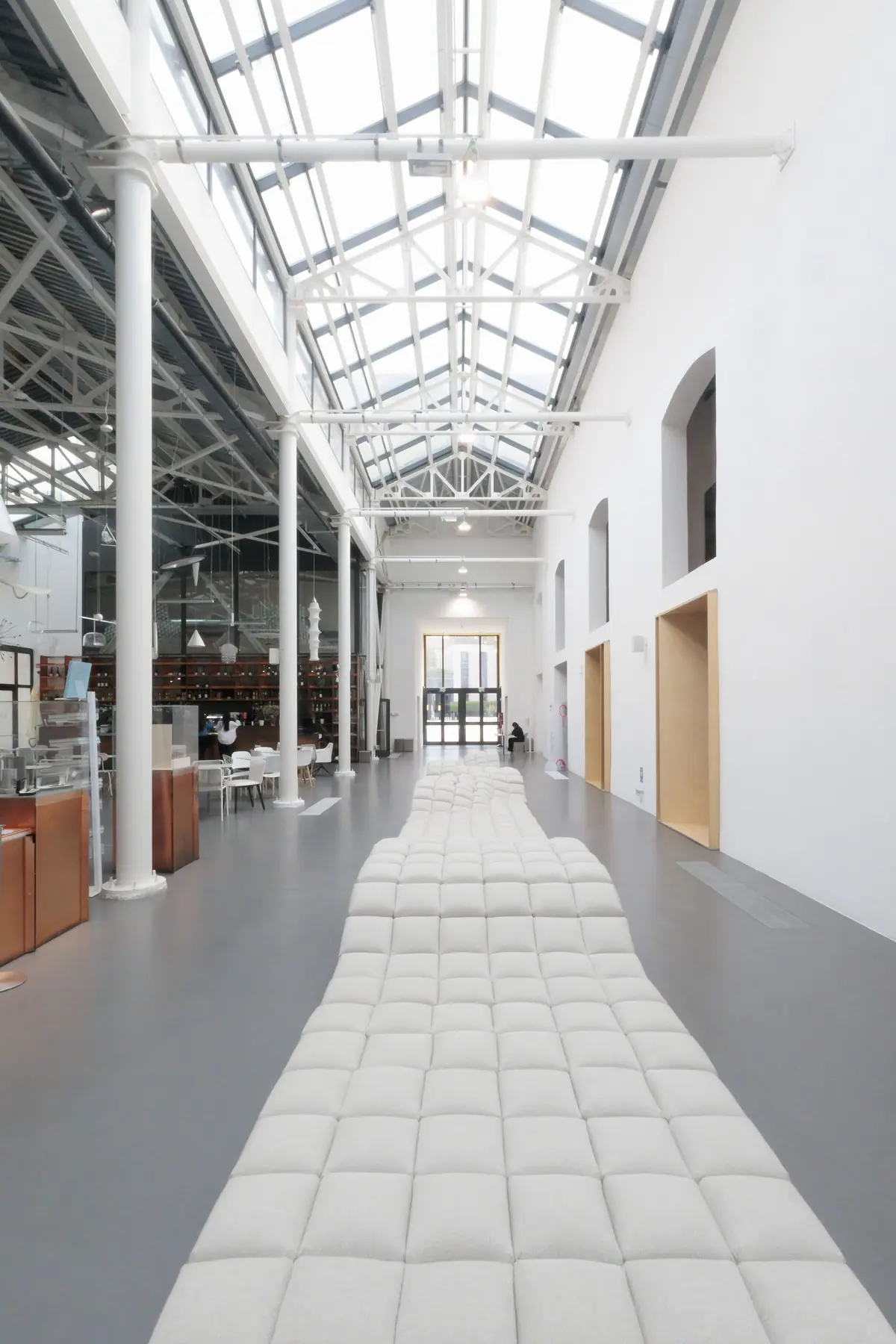
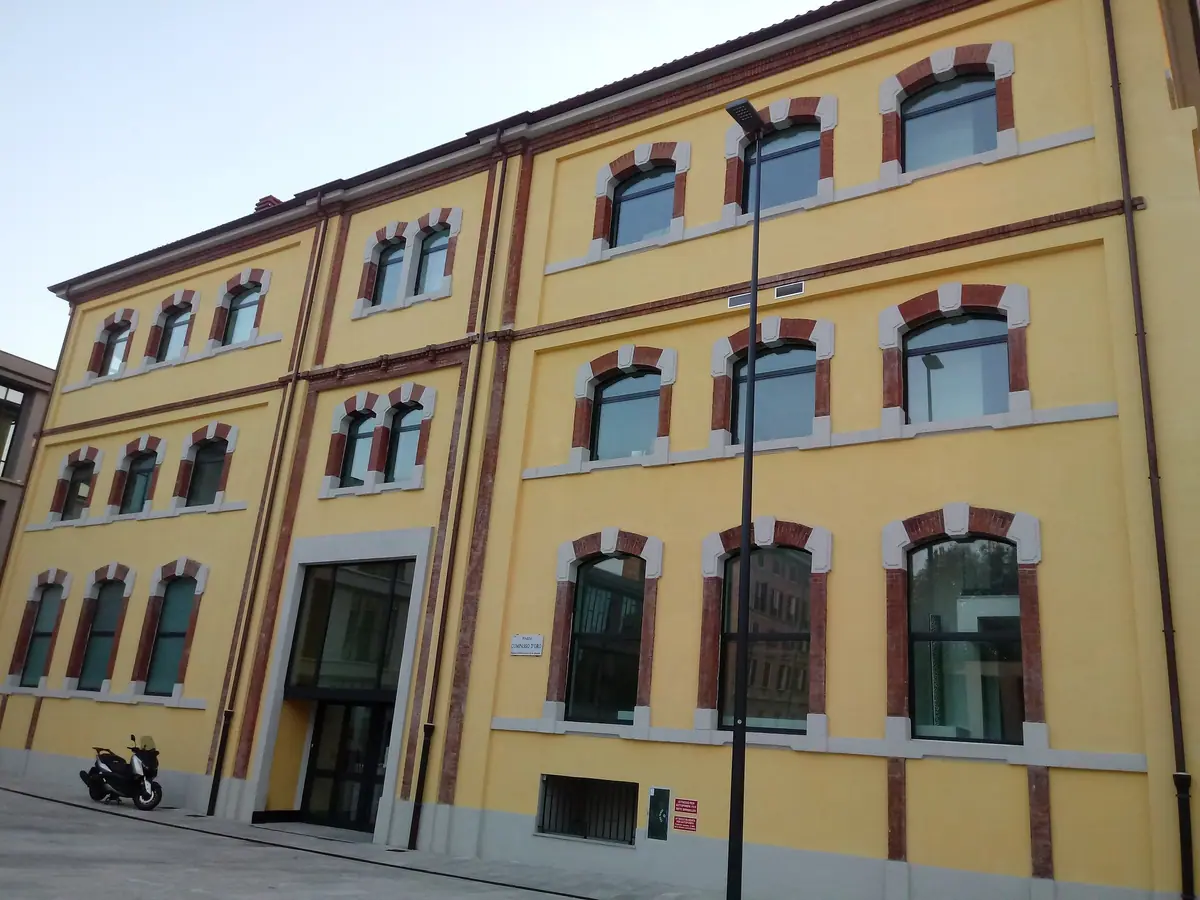
The prize was the idea of the architect Gio Ponti, and the collection grew so important that in 2004 Italy’s Ministry of Culture declared it of exceptional historic and artistic interest. The museum looking after it was founded in 2001 and moved here, to a restored 1930s tram depot and power station near Porta Volta, in May 2021.

What’s on show at the ADI
The permanent show, Compasso d’Oro. Misurare il mondo (“measuring the world”), starts at the entrance, and two more shows, La Collezione del Compasso d’Oro and Antologica, draw on a collection of more than 350 objects chosen since 1954. Two video installations come from two Milan schools, the Politecnico and the IED.
When you’re done there’s a shop, the Treccani Lab, and the ADI Design Bistrot, and children from 5 to 13 can join the Junior Design Lab workshops, which have their own ticket.
Paying at the ADI: cards only
A full ticket is €15, and the desk takes only cards, so leave the cash in your pocket.
ADI Design Museum tickets
- Reduced, €12
- Students, and holders of some partner cards and memberships
- Free
- Children under 10, ICOM members, licensed tour guides, carers of disabled visitors
With a YesMilano pass, the ADI is one of the premium picks.


The ADI Design Museum closes on Fridays, not Mondays
Last entry is at 19:15, 45 minutes before closing.
Opening hours
- Saturday to Thursday
- 10:30–20:00
- Friday
- Closed
- 24 and 31 December
- Closed
- 25 December and 1 January
- Special hours, in the afternoon
Getting to the ADI Design Museum at Porta Volta
The entrance is on Piazza Compasso d’Oro 1, which you reach from Via Ceresio 7 or Via Bramante 42, next to the Fabbrica del Vapore. The nearest metro stop is Monumentale on the M5, and Garibaldi FS on the M2 is the other option. Trams 2, 4, 10, 12 and 14 and buses 57, 70, 84 and 94 also stop nearby.
City cards
ADI Design Museum with a city card
Pick the one that fits your trip. Prices are per adult, and you choose your dates on the next page.


Tickets
Popular tickets around Milan
The ones other visitors book most.


People also ask
Frequently asked questions
Is the ADI Design Museum open on Mondays?
Yes. It's open from Saturday to Thursday, 10:30 to 20:00, Mondays included; its closing day is Friday.
How much is the ADI Design Museum?
A full ticket is €15 and the reduced one, for students and some other groups, is €12. Children under 10 go in free. The museum takes cards only, not cash.
What is the Compasso d'Oro?
Italy's prize for industrial design, created in 1954 from an idea of the architect Gio Ponti. The ADI Design Museum keeps its historic collection, which Italy's Ministry of Culture declared of exceptional historic and artistic interest in 2004.
Can I use the YesMilano Standard at the ADI Design Museum?
Yes, but it takes up the Standard's single premium activity, so you'd give up the other 13. The All-Inclusive covers the ADI along with all of them.
Is the ADI Design Museum wheelchair accessible?
Yes. The museum describes itself as fully accessible, with no architectural barriers.
