
Rome · Vatican City Pass
Santa Maria Maggiore
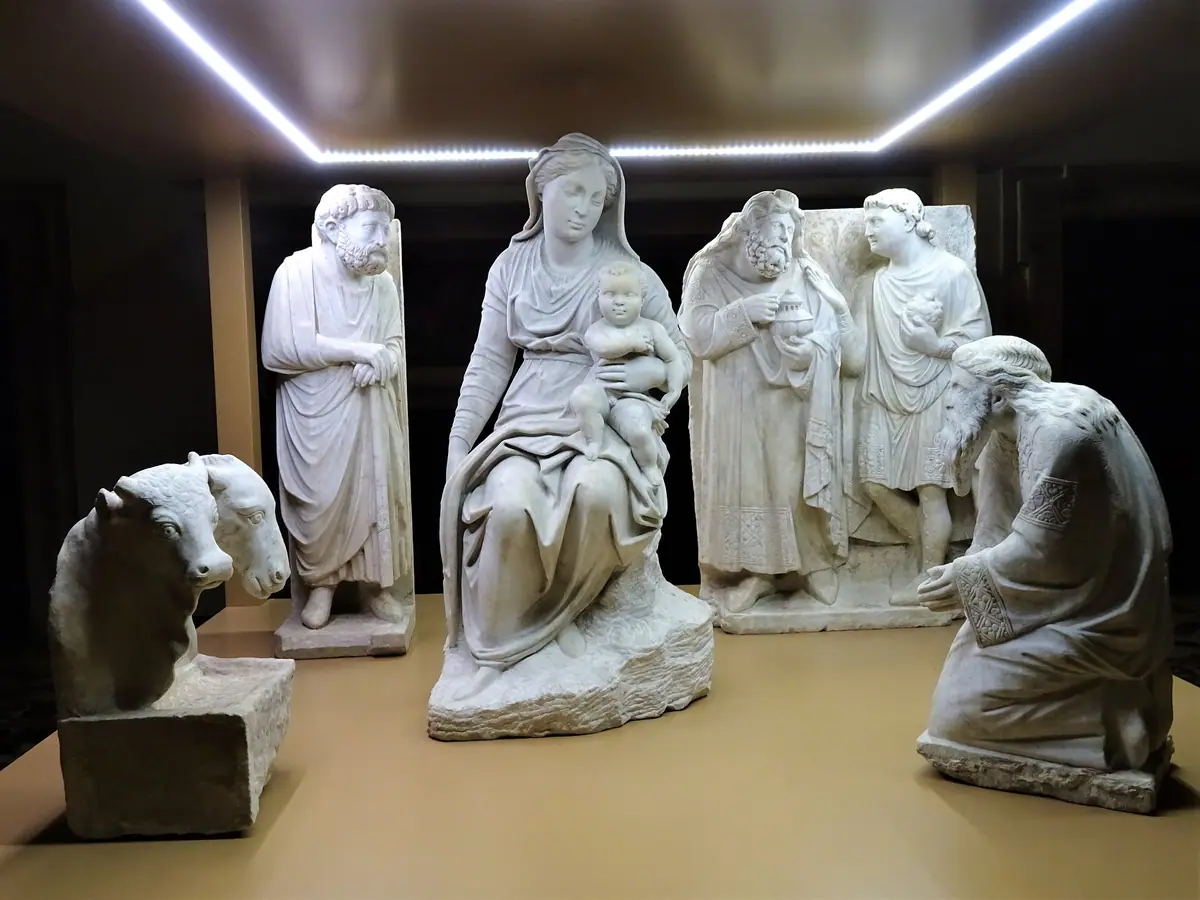
A marble nativity from 1291 waits upstairs, above a nave whose mosaics are older still.
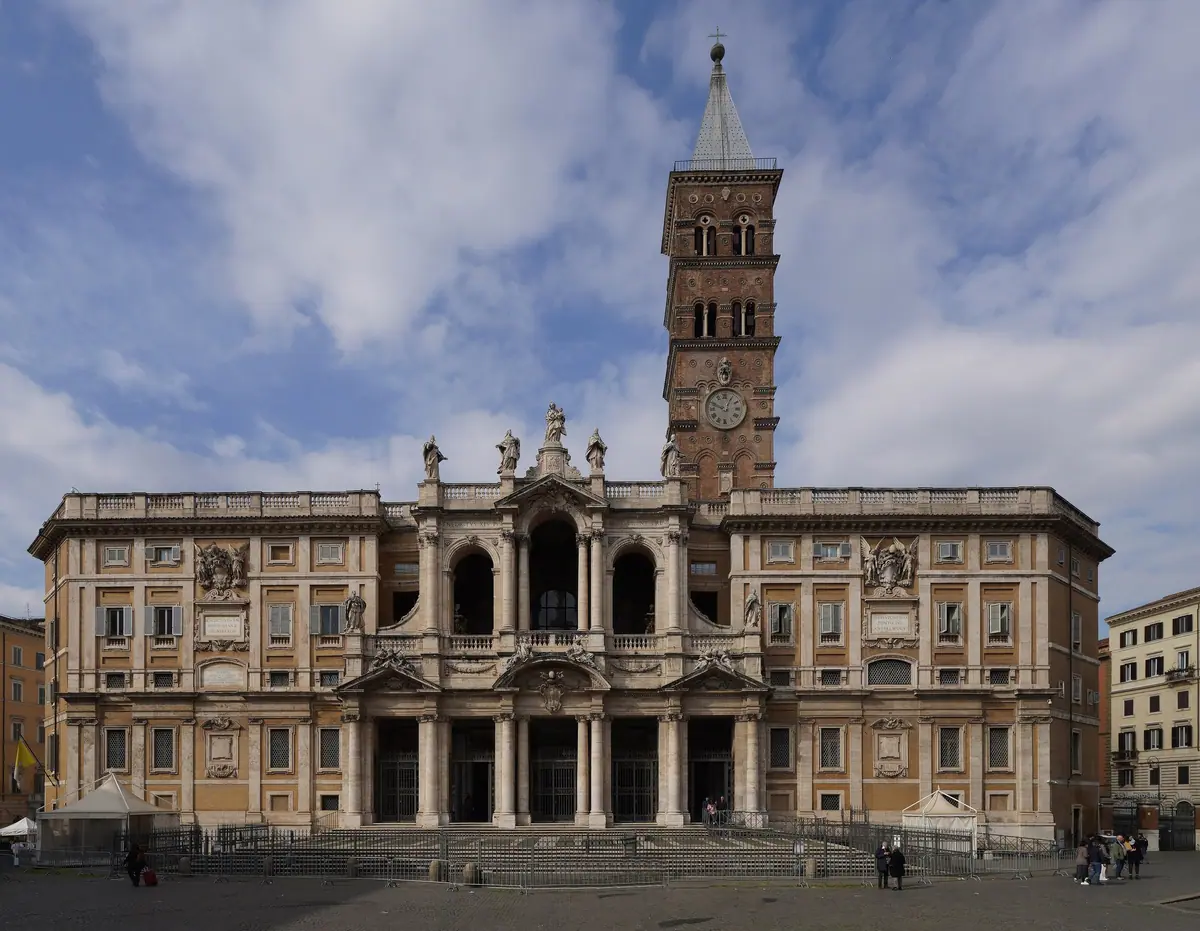
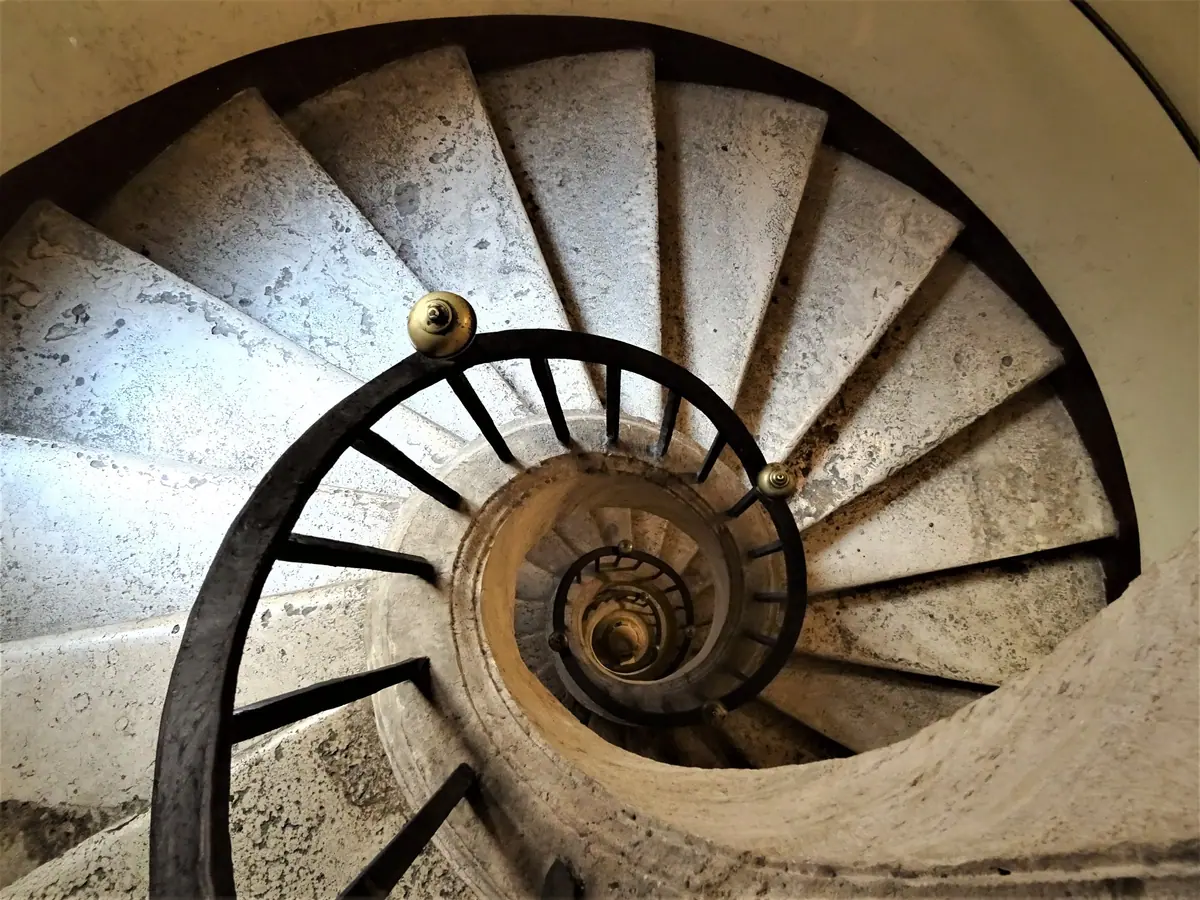
Rome's Santa Maria Maggiore is the largest church in the city dedicated to Mary and one of its four papal basilicas, and its nave still has its 5th-century mosaics. Entry to the basilica is free. The ticket we sell opens the museum route around it: the Loggia of Blessings with the facade's medieval mosaics, the Hall of Popes, a spiral staircase believed to be Bernini's design and a museum that keeps Arnolfo di Cambio's marble nativity of 1291. On the Vatican City Pass and Go City it counts as one of your choices.
Before you go
- Time inside30–45 min
- OpenEvery day
TipOn Sundays the museum, the Loggia and the terraces only open from 12:30 to 17:00, so plan a Sunday visit for the afternoon.


Santa Maria Maggiore tickets: the free basilica and the paid museum route
The Basilica Papale di Santa Maria Maggiore is the largest church in Rome dedicated to Mary, and you can walk into its nave, under mosaics from the 5th century, without paying anything. What costs money is the Polo Museale, the basilica’s museum route: the Loggia of Blessings up on the facade, the Hall of Popes, the spiral staircase and the Liberian Museum. The ticket we sell covers all four for €8.50, and there’s a reduced option at checkout.
That ticket is listed as Priority Entry. Since the basilica is free, the priority is for the museum areas, and everyone goes through the same security check at the door.
Free and paid at Santa Maria Maggiore
- The basilica
- Free entry, with parts closed during Mass
- Loggia of Blessings, Hall of Popes, spiral staircase
- On the museum ticket, €8.50 with us
- Liberian Museum, three rooms opened in December 2024
- On the museum ticket
- The Dome
- On the Dome ticket, €12.50 for adults
- 360° terraces and the underground archaeological area
- Arranged by email with the basilica
- The Holy Door
- Sealed since January 2026
The Dome ticket, at €12.50, adds the Dome to everything on the museum ticket. That’s the adult price, with a cheaper youth option, and the listing allows 30 minutes for the Dome itself. The third ticket we sell, entry with an audio guide at €9.50, covers the basilica and leaves the Liberian Museum out, so for the museum rooms take one of the other two.


None of the three can be refunded. And if you came for the Holy Door, the door pilgrims walk through in a Jubilee year, it’s shut: it opened on 1 January 2025 for the Catholic Jubilee and was sealed in January 2026, and it stays closed until the next one.
Santa Maria Maggiore on the Vatican City Pass and Go City
Two passes cover Santa Maria Maggiore, and on both it’s one of your choices rather than an extra entry.

The Rome Tourist Card and the Turbopass don’t include it, and we haven’t found it on the Roma Pass or Omnia Card lists. The Vatican City Pass page has every pick on that pass, and Roma Pass and Rome’s other city passes compares all of them, Go City included.
Since the church is free, what a pass spends here is the museum route, which is €8.50 on our ticket. That’s the sum to weigh when you choose between Santa Maria Maggiore and Castel Sant’Angelo for the Vatican City Pass’s third ticket.
Santa Maria Maggiore opening hours, Mass times and the dress code
The museum route opens later than the church, and on Sundays it doesn’t open until 12:30, after a morning given over to Mass. Ticket listings show 17:30 for the Sunday close, but the basilica says 17:00, so plan by that.
Opening hours
- The basilica
- From 7:00 every day; the basilica doesn't publish a closing time for the nave
- Museum route, Monday to Saturday
- 8:00–18:30, last entry 18:00
- Museum route, Sunday
- 12:30–17:00
Parts of the basilica close during Mass. In the Pauline Chapel, Mass is said every hour from 7:00 to 12:00 on weekdays and again at 18:00, and on Sundays at 7:00, 8:00 and 9:00. At the high altar there’s a vigil Mass at 18:00 and Sunday Masses at 10:00, 12:00 and 18:00.
At the door of Santa Maria Maggiore
- 1Dress: no sleeveless tops, low necklines, shorts that don't cover the knee or miniskirts, and take your hat off.
- 2Bags: there's no cloakroom, and suitcases, large bags and any backpack security finds unsuitable stay outside.
- 3Security: a metal detector at the entrance, where anything sharp is handed in.
- 4Inside: no eating, drinking or smoking, e-cigarettes included. Photos for your own use are fine, without flash, tripods or drones.
There’s a ramp at the entrance, and the staff have mobile platforms to reach the chapels if you ask. A lift goes up to the museum, and the toilet is used with help from the staff. For the terraces and the archaeological area, the basilica asks you to email visitemuseo.smm@basilica.va first, and a lift isn’t promised there.
Inside the Basilica Papale di Santa Maria Maggiore: the nave, the chapels and the crib
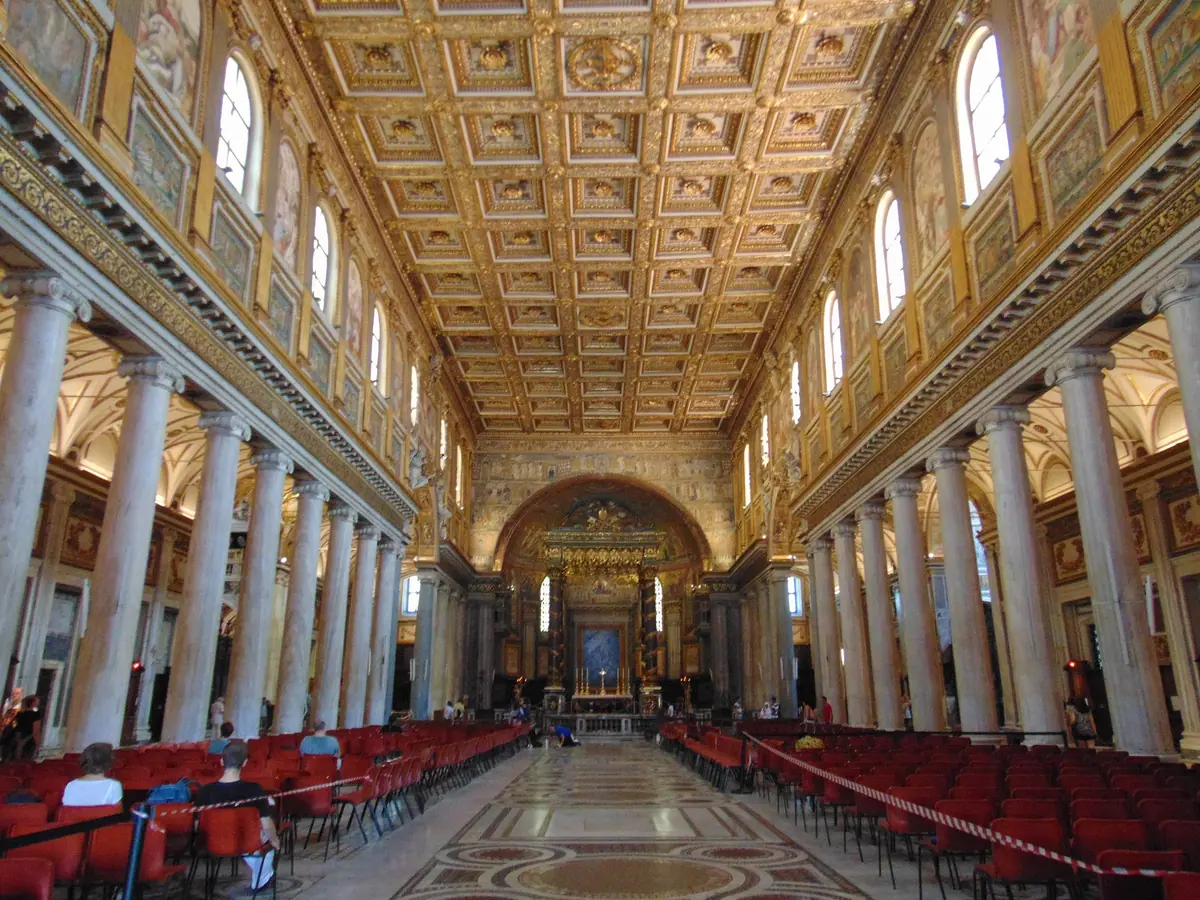
Past security, the nave is yours for free, and the mosaics above its columns go back to the 5th century, when the church was built. More mosaics cover the triumphal arch and the apse at the far end. Below the high altar, the crypt keeps the relic of the Holy Crib, pieces of wood venerated as the manger of Jesus.
Off the nave are two big side chapels. The Pauline Chapel holds the Salus Populi Romani, “health of the Roman people”, the icon of Mary that Romans have prayed to for centuries. Every 5 August, the feast of Our Lady of the Snows, white petals are let fall in this chapel, in memory of the miracle of the snow the church is tied to.
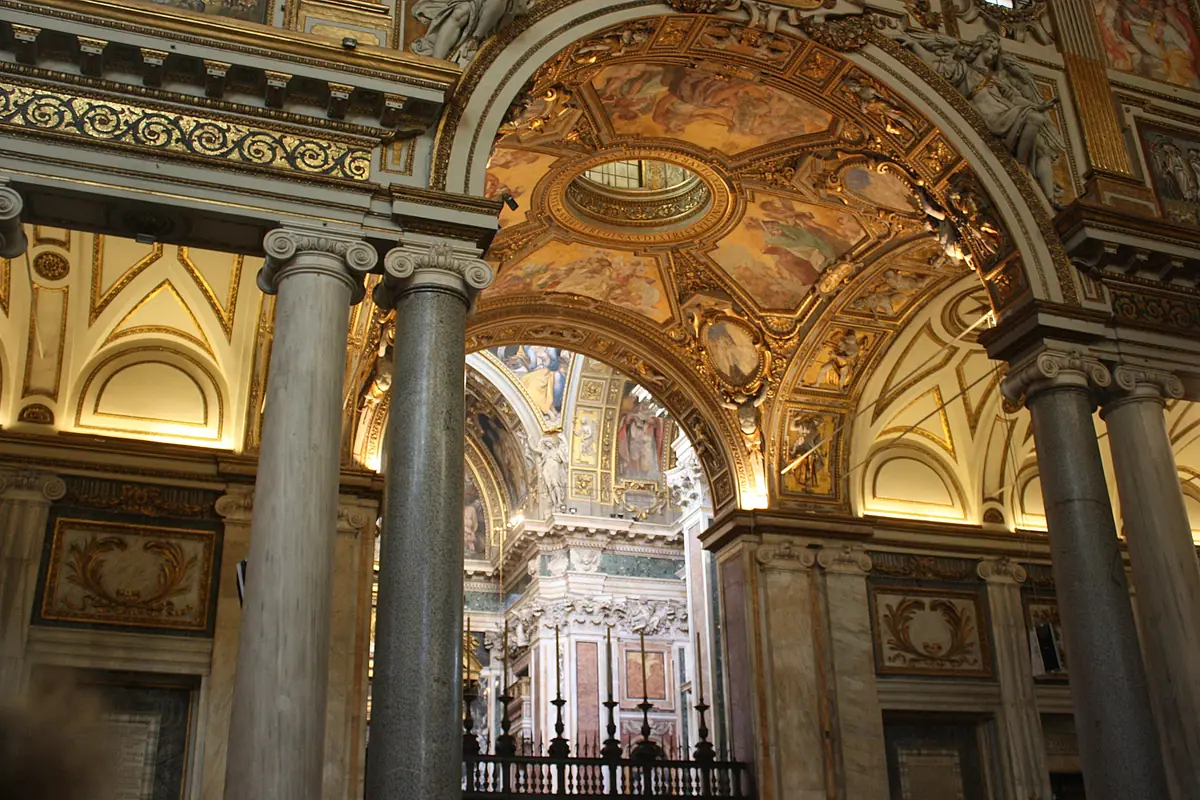
Across from it is the Sistine Chapel, and it isn’t the one at the Vatican: this one is named after Pope Sixtus V, who built it. Next to it are the tombs of the Berninis, father and son, the family of Gian Lorenzo Bernini, the sculptor and architect of Baroque Rome.
Up in the Santa Maria Maggiore museum: the Loggia, Bernini’s stair and Arnolfo’s nativity
The ticket takes you up into the facade. From the Loggia of Blessings you stand face to face with the facade’s 13th-century mosaics by Filippo Rusuti, which the 18th-century front was built around, and the four angels on the Loggia are by Pietro Bracci, the sculptor of the Oceanus at the Trevi Fountain. From there the route goes through the Hall of Popes and onto a spiral staircase in travertine, the pale Roman stone, which Bernini is believed to have designed.
The Liberian Museum opened its three rooms on 11 December 2024. The first, the Bethlehem of the West, has wood from the manger and the marble nativity the medieval sculptor Arnolfo di Cambio made in 1291, which the museum calls the first nativity scene in the history of art.
The second room, named after Santa Maria della Neve, has frescoes by Baldassare Croce and two panels by Jacopo Zucchi. The third is given to the Salus Populi Romani, with the ex-votos, the gifts left in thanks, that popes have brought to the icon.
Below the basilica there’s also an underground archaeological area, with a Roman bath still keeping its mosaics and a fresco of a farming calendar. It’s visited by arrangement, through the same email as the terraces.
How Santa Maria Maggiore grew, from 432 to Fuga’s facade
The church went up in 432, and Pope Sixtus III consecrated it after the Council of Ephesus, the church council of 431. The front you see from the piazza is more than thirteen centuries younger.
Ferdinando Fuga built that facade in the mid-18th century, for the Holy Year of 1750. The bell tower behind it is Romanesque, and at nearly 76 metres it’s the tallest in Rome.
The column in the piazza is a single marble block from the Basilica of Maxentius in the Roman Forum. The bronze Virgin on top went up in 1614, under Pope Paul V. The basilica still has its place in the life of the papacy, too: Pope Leo XIV came to formally take possession of it on 25 May 2025.
Walking to Santa Maria Maggiore from Termini or the Colosseum
The basilica stands on Piazza di Santa Maria Maggiore, about 200 metres from the Via Marsala exit of Termini, where metro lines A and B meet, and Repubblica on line A is close too. From the Colosseum, Piazza Venezia or the Trevi Fountain it’s 15 to 20 minutes on foot. Buses 16, 75 and 714 stop at Piazza dell’Esquilino, the square behind the apse.
City cards
Santa Maria Maggiore with a city card
Pick the one that fits your trip. Prices are per adult, and you choose your dates on the next page.

Tickets
Popular tickets around Rome
The ones other visitors book most.


People also ask
Frequently asked questions
Is Santa Maria Maggiore free to visit?
Entry to the basilica is free, so the nave, its mosaics and the chapels cost nothing, though parts of the church close during Mass. The Loggia of Blessings, the Hall of Popes, the spiral staircase and the Liberian Museum are on a paid ticket, €8.50 with us.
What is the dress code at Santa Maria Maggiore?
The basilica doesn't let in sleeveless tops, low necklines, shorts that don't cover the knee or miniskirts, and it asks you not to wear a hat. There's no cloakroom, and large bags, suitcases and backpacks that security finds unsuitable can't come in.
Is the Holy Door at Santa Maria Maggiore open?
No. It was opened on 1 January 2025 for the Jubilee and sealed in January 2026, and it stays closed until the next Jubilee. None of the tickets we sell includes it.
When does the Santa Maria Maggiore museum open on Sundays?
At 12:30, and it closes at 17:00. From Monday to Saturday the museum route runs from 8:00 to 18:30, with last entry at 18:00.
Is Santa Maria Maggiore included in the Roma Pass?
We haven't found it on the Roma Pass's list. The Vatican City Pass includes the basilica with its museum as one of the picks for its third ticket, and on Go City it takes one of your choices. Entry to the basilica itself is free anyway.
