Rome
3 days in Rome
Three days, three Romes: the emperors' city, the popes' city and the baroque streets in between.
Three days in Rome is enough for the city's three big areas, one a day: ancient Rome with the Colosseum, the Forum and the Capitoline Hill, the Vatican with St Peter's, the Sistine Chapel and Castel Sant'Angelo, and the baroque centre from the Pantheon to the Borghese Gallery. Book the Colosseum and the Borghese first, since both run on booked times. Then fit the days to the closing days: ancient Rome works on a Monday, and the Vatican Museums close on Sundays.
3 days in Rome: what fits and how to order the days
Three days in Rome gives you one day for each of the city’s big areas: ancient Rome around the Colosseum, the Vatican across the Tiber, and the baroque centre, from the Pantheon to the Borghese Gallery in its park. What doesn’t fit is anything that needs half a day of its own, like Ostia Antica or the catacombs. They fit only if you give a whole day to them, and the swaps are at the end of this page.
The order of the days matters more than you’d think. The Vatican Museums close on Sundays, apart from the last Sunday of the month, and the Borghese Gallery and Castel Sant’Angelo close on Mondays. The Colosseum, the Forum, the Capitoline Museums, the Pantheon and St Peter’s open every day, so ancient Rome is the natural Monday.
Which day goes where
- Arriving on a Monday
- Monday ancient Rome, Tuesday the Vatican, Wednesday the centre and the Borghese
- Arriving on a Friday
- The Vatican on Friday or Saturday; ancient Rome and the Borghese fit any of the three days
- If a day is a Monday
- Make it ancient Rome: the Borghese and Castel Sant'Angelo are closed
- If a day is a Sunday
- Keep it off the Vatican Museums, except on the last Sunday; avoid the Pantheon during the 10:30 Mass
Two stops need a booked time, the Colosseum and the Borghese, so settle them before anything else. Once you have those two times, the rest of each day falls into place around them. The Vatican Museums don’t need one, but a booked time can help.
Book these first
- 1The Colosseum: every ticket has a named time slot, and slots go on sale 30 days ahead. Take the first morning slot you can get.
- 2The Borghese Gallery: everyone books a two-hour slot, Roma Pass holders included. It goes on day three, never on a Monday.
- 3The Vatican Museums: booking isn't compulsory, and a booked ticket comes with a time, which helps if you want a late visit.
Day 1: the Colosseum, the Roman Forum and the Capitoline Hill
-
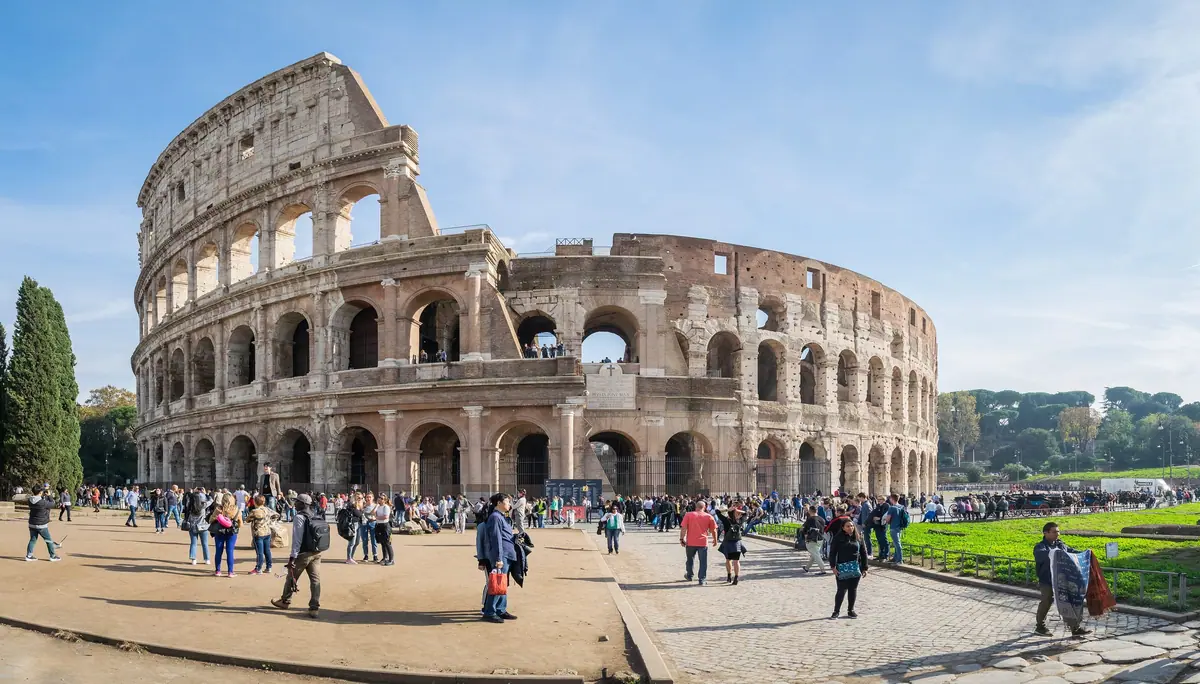 Morning Colosseum → The earliest slot you can book. The two levels take about an hour. €25
-
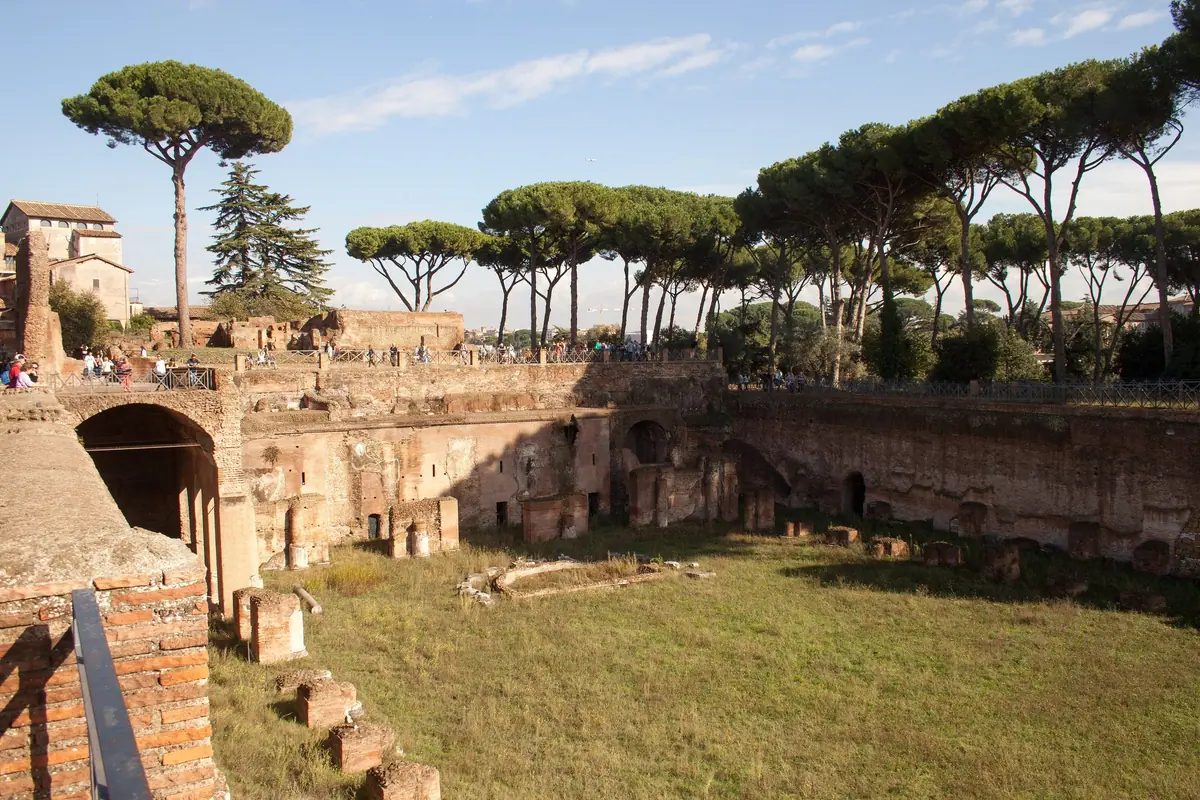
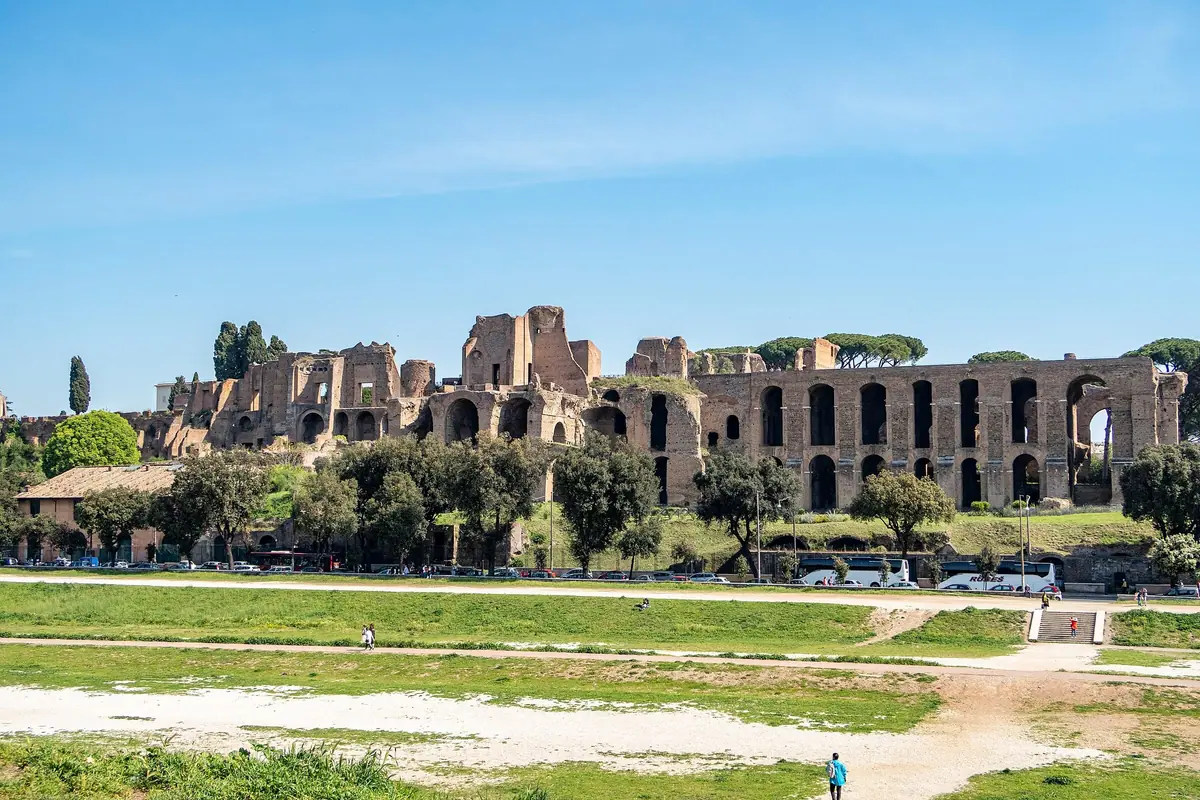 Late morning Roman Forum and Palatine Hill → About 10 minutes' walk to the Forum gate, on the Colosseum ticket. Two to three hours.
-
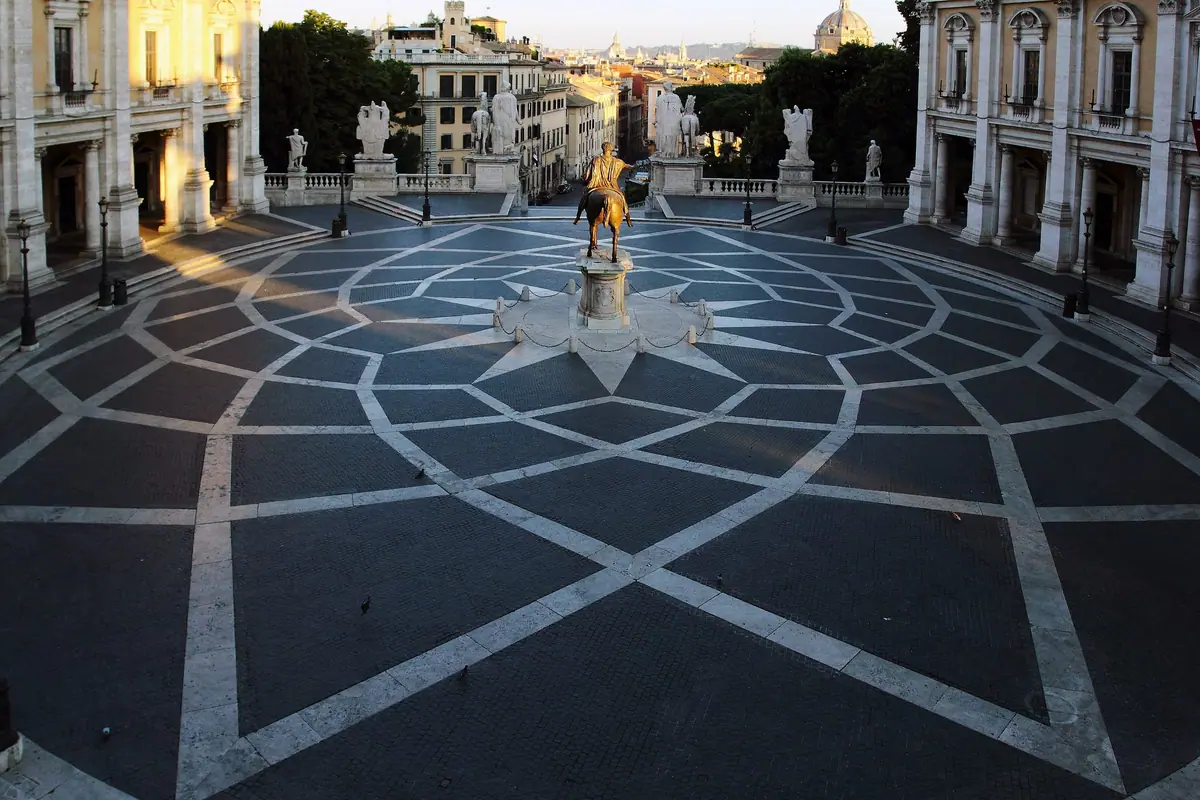 Afternoon Capitoline Museums → About 15 minutes' walk from the Colosseum. Two to three hours, with nothing to book. €32
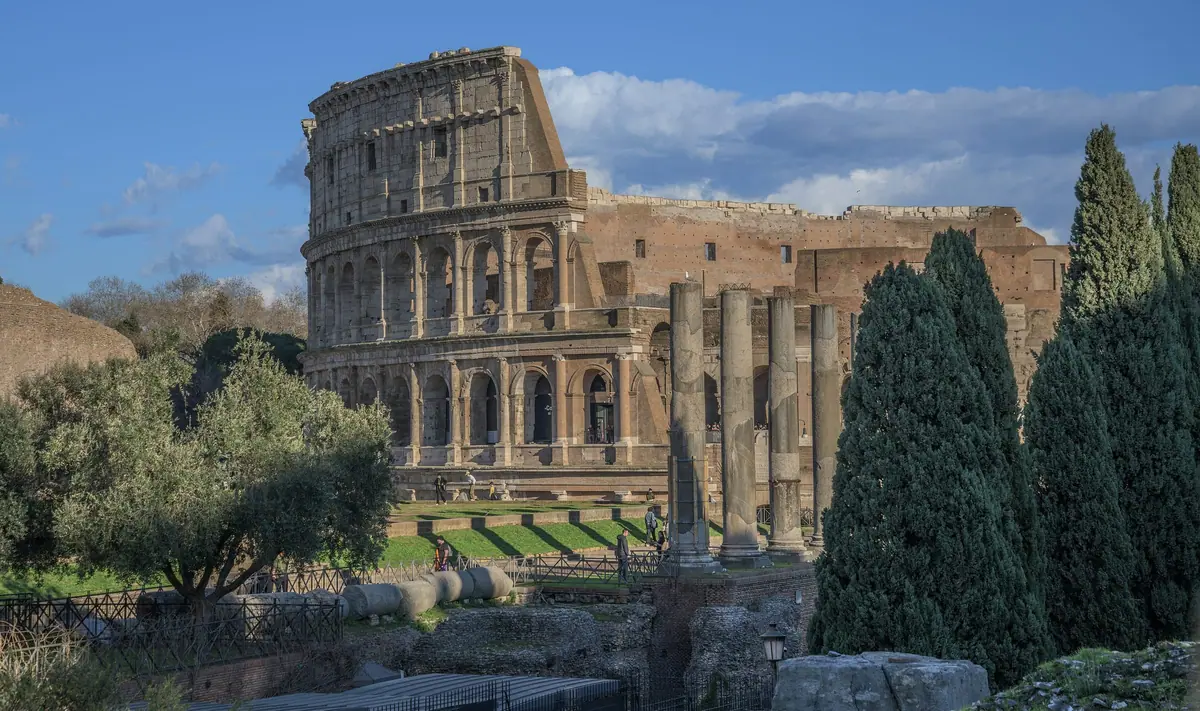
Day one is ancient Rome, and it starts at the Colosseum, the largest amphitheatre in the world. Your slot gets you past the ticket desk, not the security scanner, so be at the entrance 15 minutes early. The standard ticket gives you 75 minutes inside.
An included entry in the Roma Pass
That same ticket takes you into the Roman Forum, the city’s main square for more than a thousand years, and the Palatine Hill above it, where the emperors built their palaces. You go in once, at any time within 24 hours of your Colosseum slot, through the Forum gate on Via dei Fori Imperiali.
Go straight there rather than after lunch. In winter, until 28 February, the Forum takes its last entry at 15:30, like the Colosseum, and in any season there’s little shade on the Forum floor. From the far edge of the Palatine you look down on the Circus Maximus, ancient Rome’s chariot track, a grassy valley that’s free and open at any hour if you want half an hour on it.
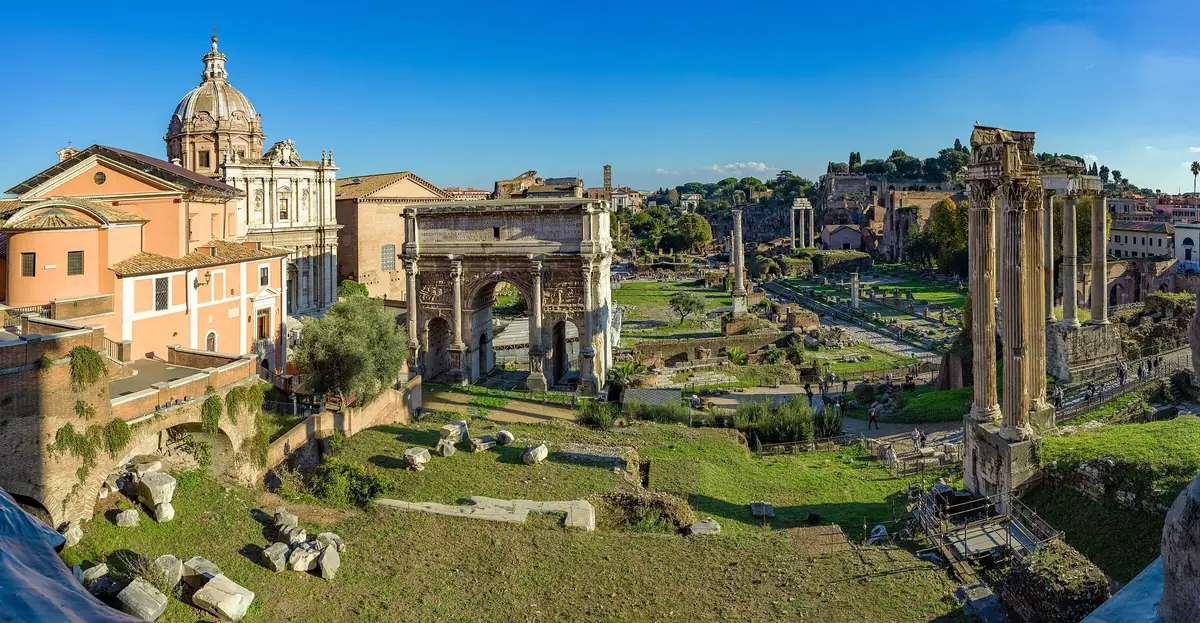
That view of the Forum is from the Capitoline Museums, where the afternoon goes. They fill two palaces on the square Michelangelo designed at the top of the Capitoline Hill, and they stay open until 19:30, with the last entry at 18:30, so they’re still open when the ruins close.
Inside are the bronze she-wolf of Rome’s founding legend and the original statue of Marcus Aurelius, the philosopher emperor, on horseback.
An included entry in the Roma Pass
Day 2: St Peter’s, the Vatican Museums and Castel Sant’Angelo
-
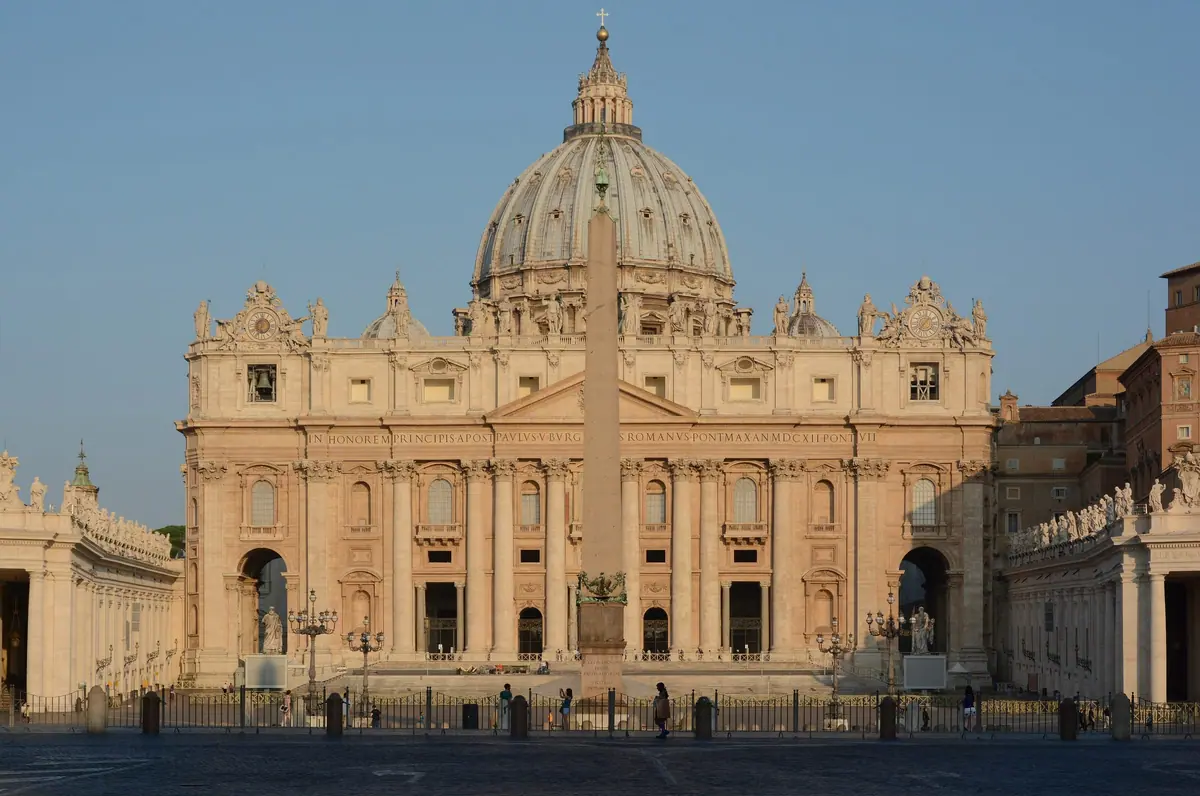 7:00 St Peter's Basilica → One to two hours inside, then the climb up the dome.
-
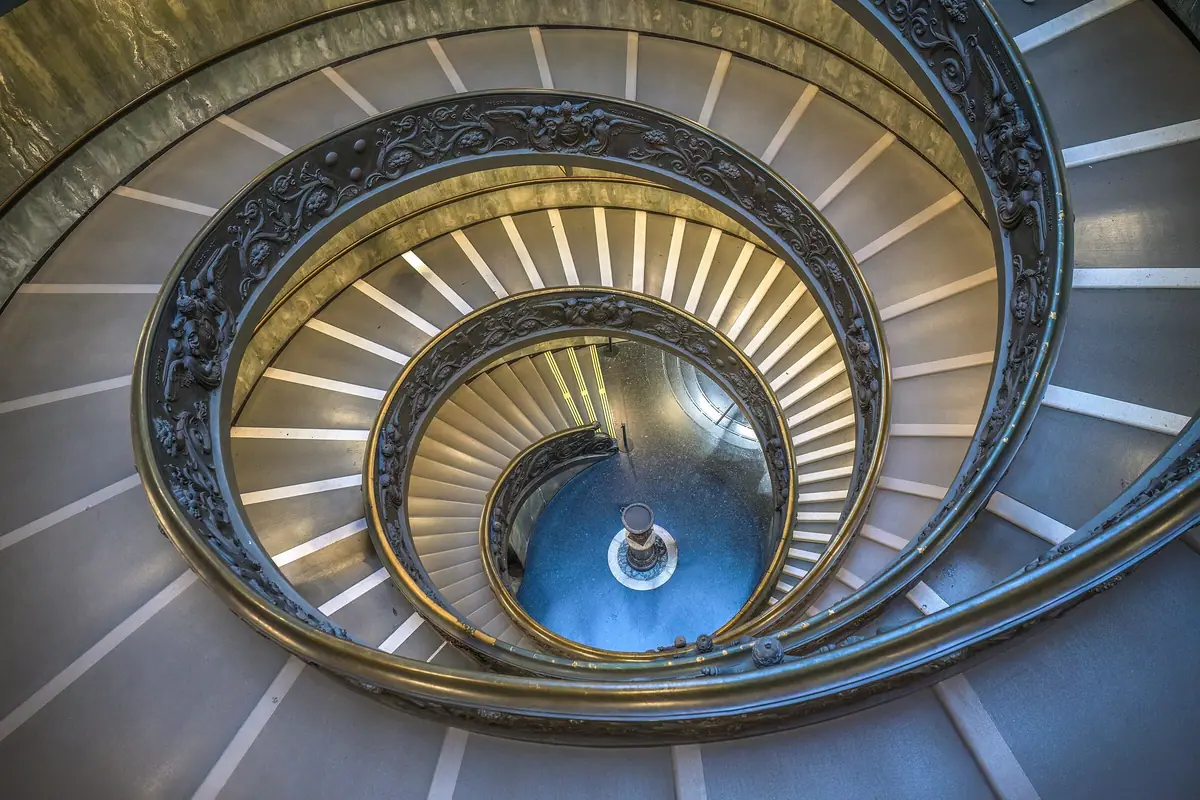 Morning Vatican Museums and Sistine Chapel → About 15 minutes' walk round the walls from St Peter's Square. Two to three hours at a quick pace. €35
-
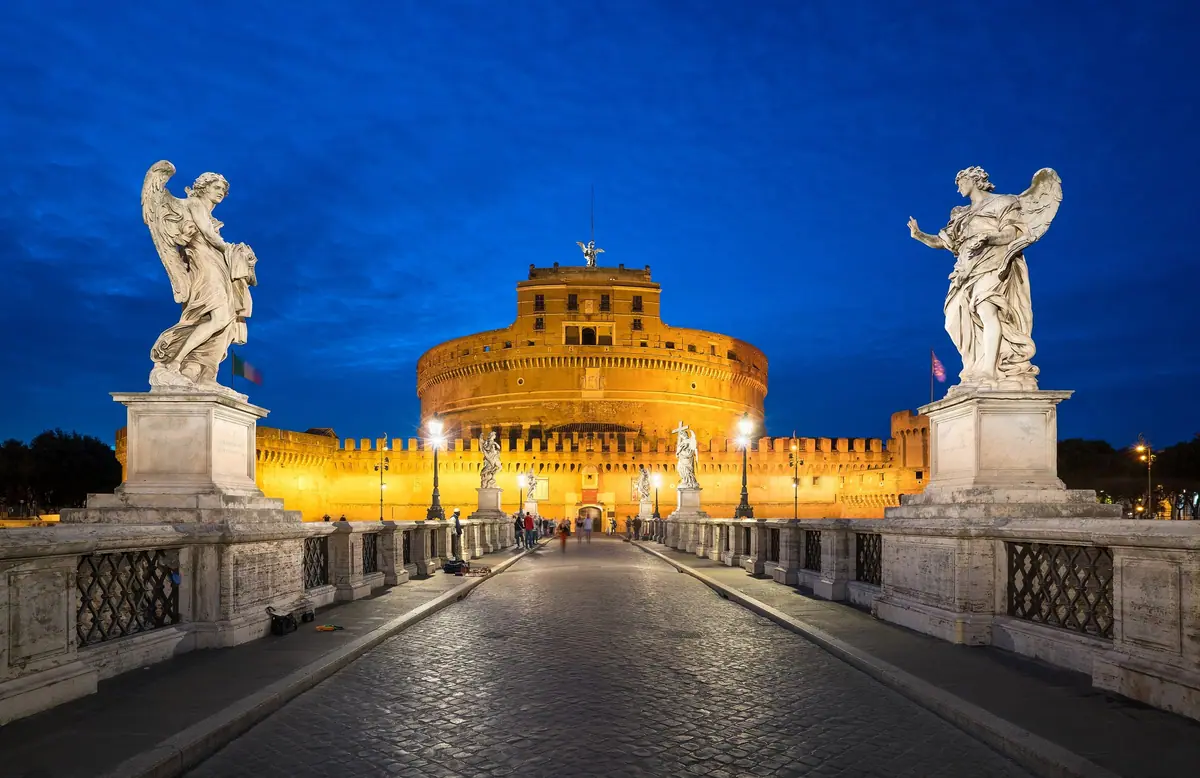 Afternoon Castel Sant'Angelo → About 10 minutes' walk from St Peter's Square. An hour and a half to two hours. €22
The Vatican day starts early, because St Peter’s Basilica opens at 7:00, an hour before the Vatican Museums. There’s nothing to book, only the security queue, with shoulders covered. Inside are Michelangelo’s Pietà and the bronze canopy the sculptor Bernini made over the high altar.
The dome is the other reason to come first. It opens at 7:30 and in winter closes at 17:00, so climb it now rather than hoping to fit it in later.
Free to enter for everyone
The Vatican Museums are the only way into the Sistine Chapel, where Michelangelo painted the ceiling, and on the way you pass the Raphael Rooms.
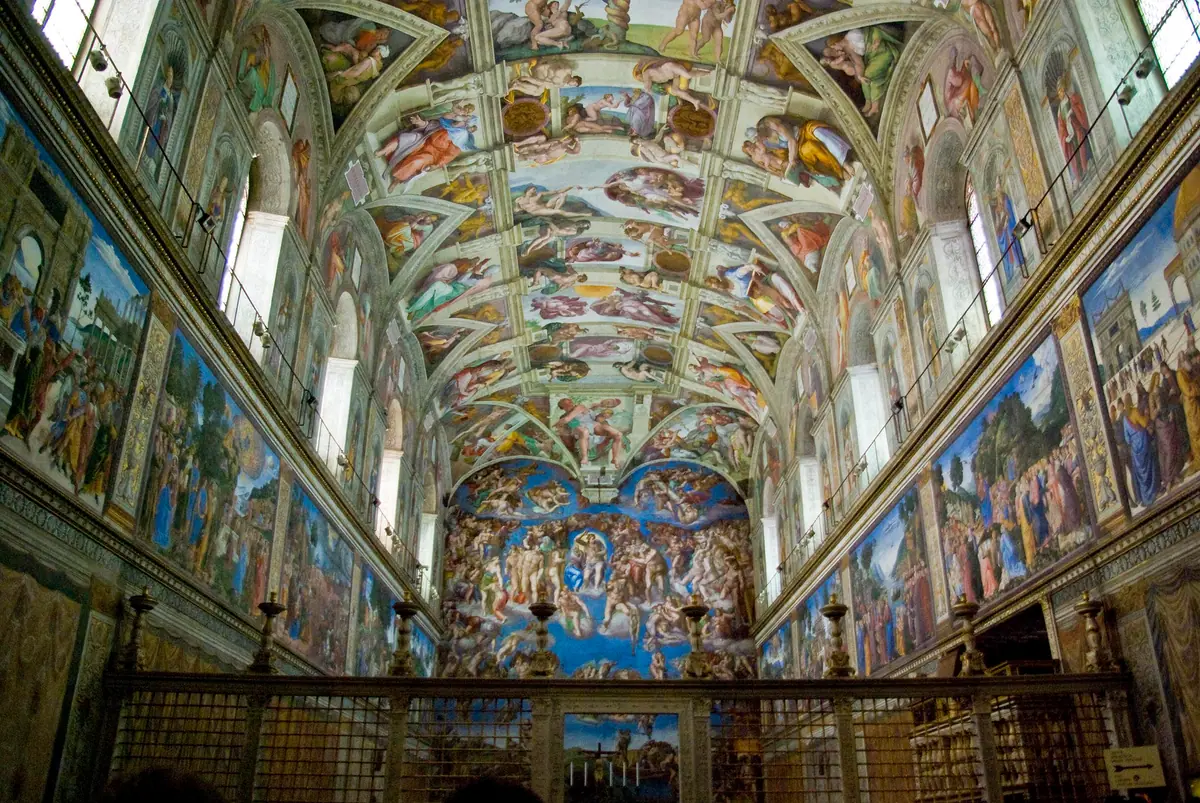
The museums open Monday to Saturday from 8:00, with the last entry at 18:00. On Sundays they’re closed. The one exception, the free last Sunday of the month from 9:00 to 14:00, is also the day the rooms are most packed.
Included in the Vatican City Pass
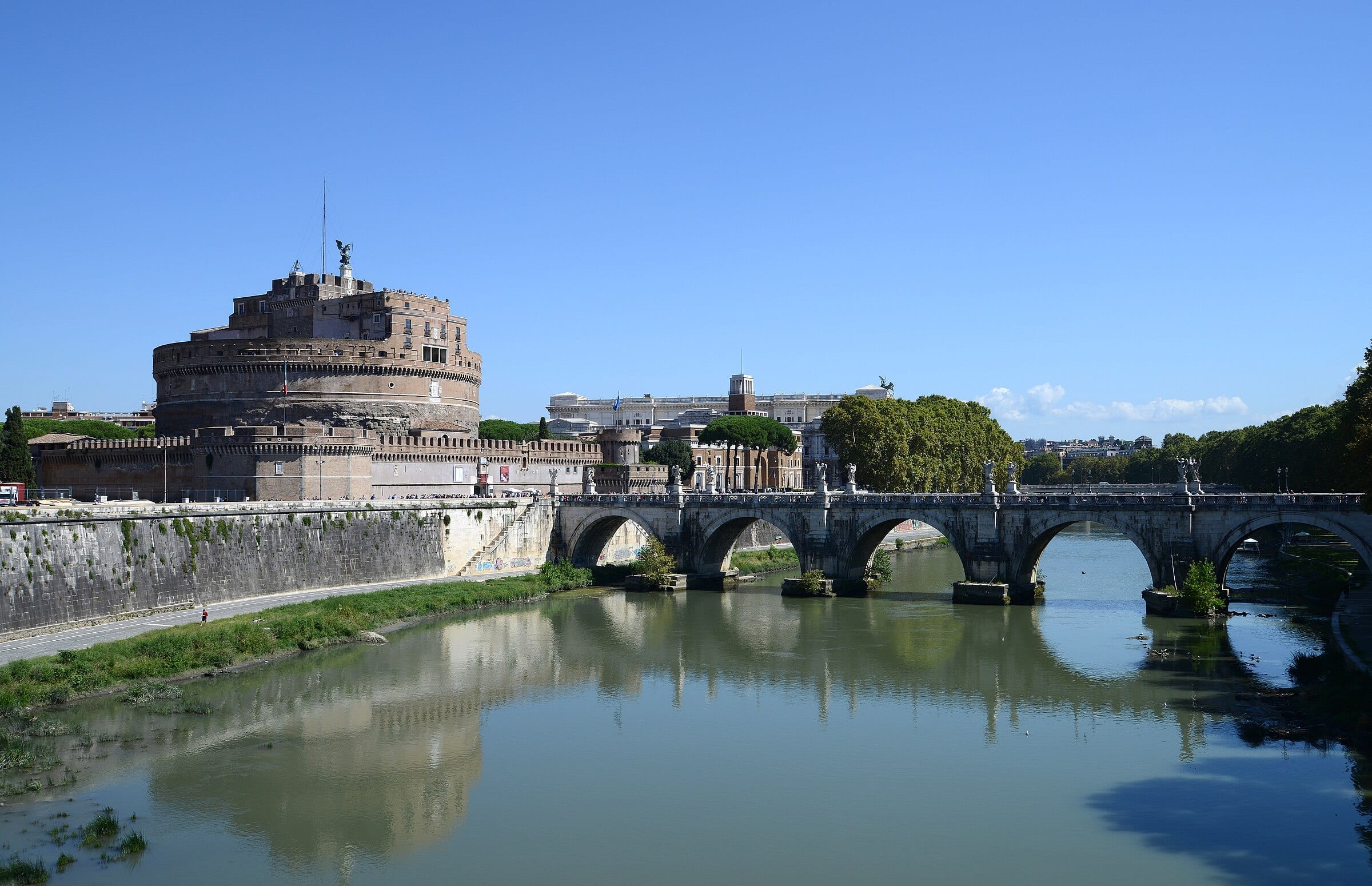
The afternoon goes to Castel Sant’Angelo. It began as the tomb of Hadrian, the emperor who also rebuilt the Pantheon, and the popes turned it into a fortress. You climb from the Roman ramp to a terrace that looks back at St Peter’s, and the last entry is at 18:30.
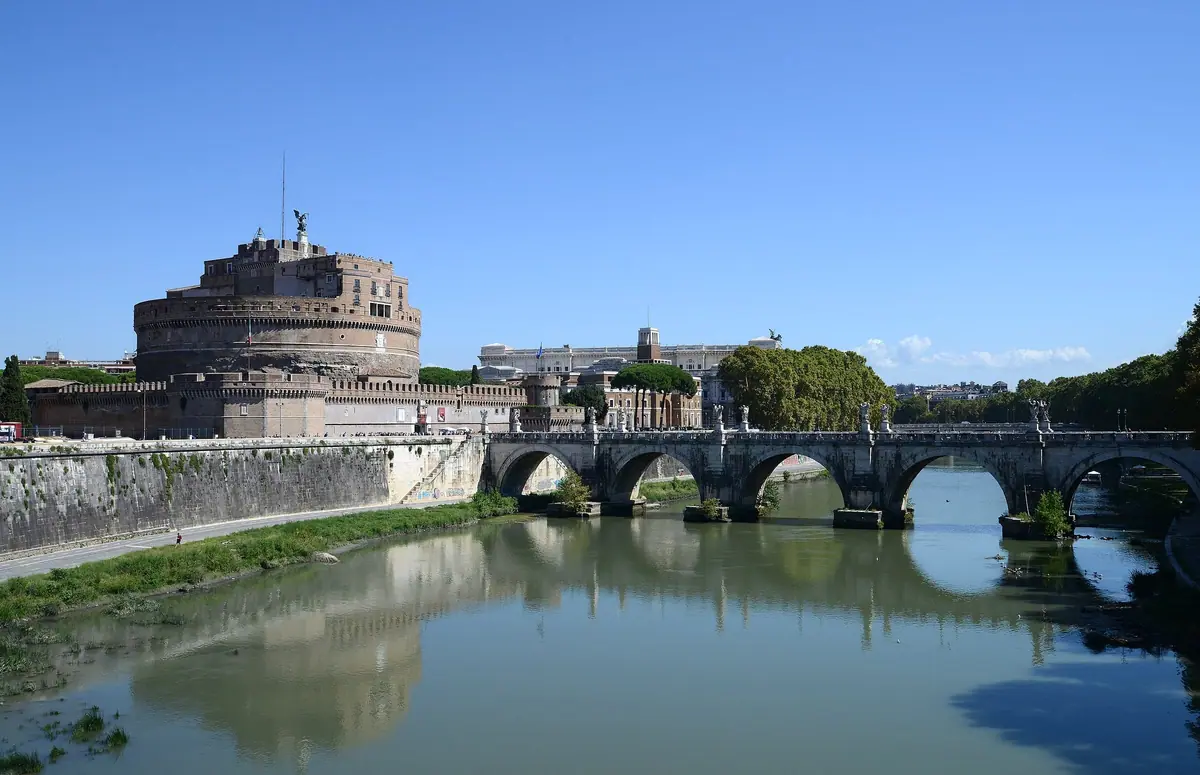
Castel Sant’Angelo closes on Mondays, apart from the afternoon of the first Monday of the month, so if day two is a Monday, leave it out. If you’d rather see the Vatican Museums late, as travel guides suggest, because the rooms start to clear half an hour before closing, flip the day: St Peter’s first, Castel at midday, then about half an hour’s walk back for the museums before the 18:00 last entry.
An included entry in the Roma Pass
Day 3: the Pantheon, Trevi and the Borghese Gallery
-
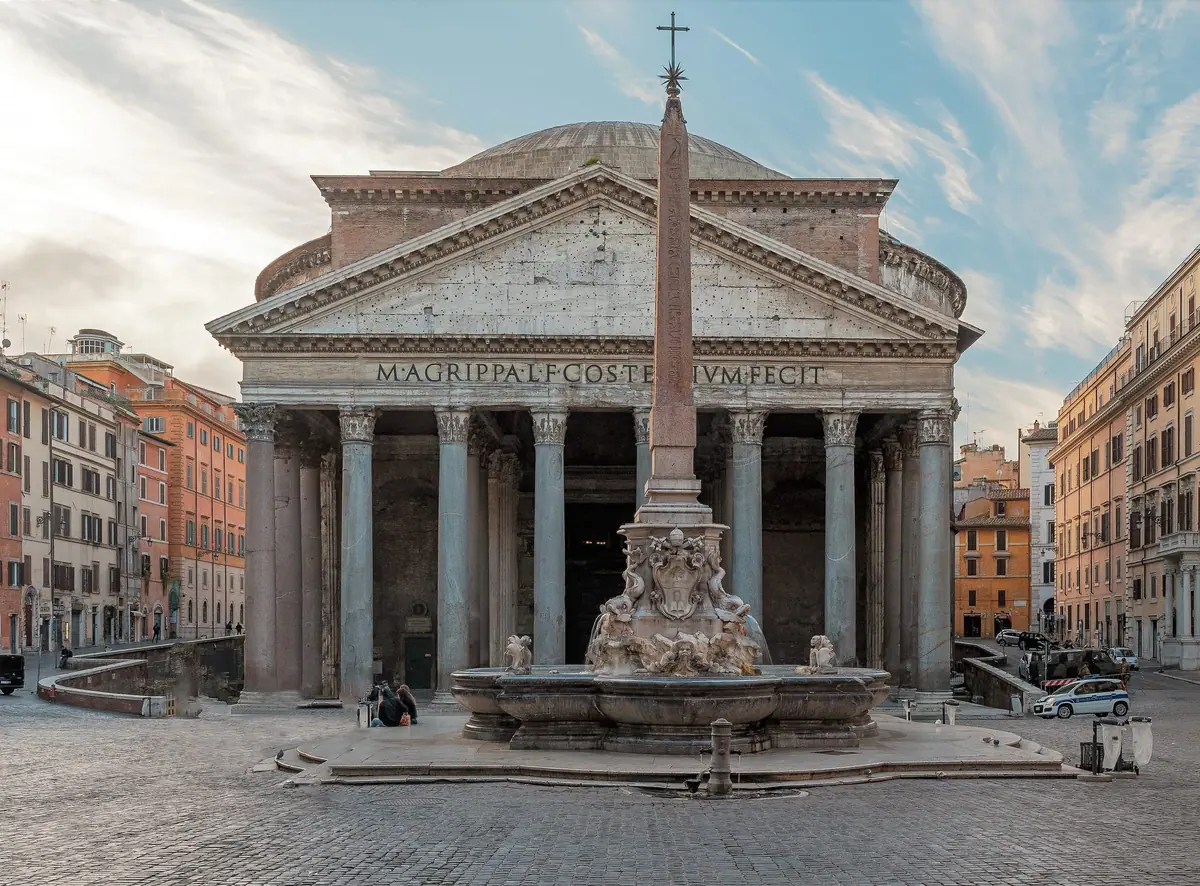 9:00 Pantheon → At opening time, while the queue at the desk is short. 15 to 45 minutes inside. €11.80
-
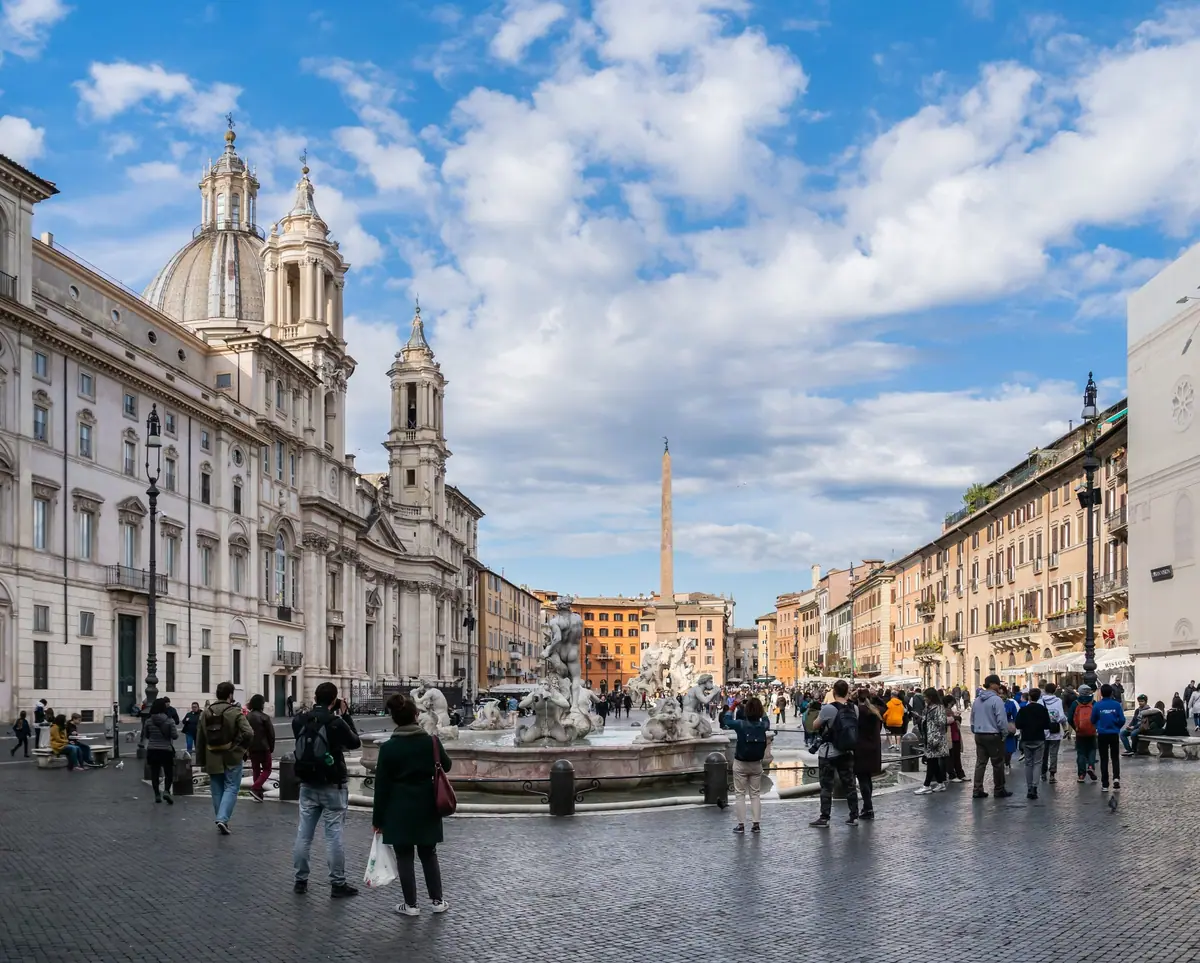
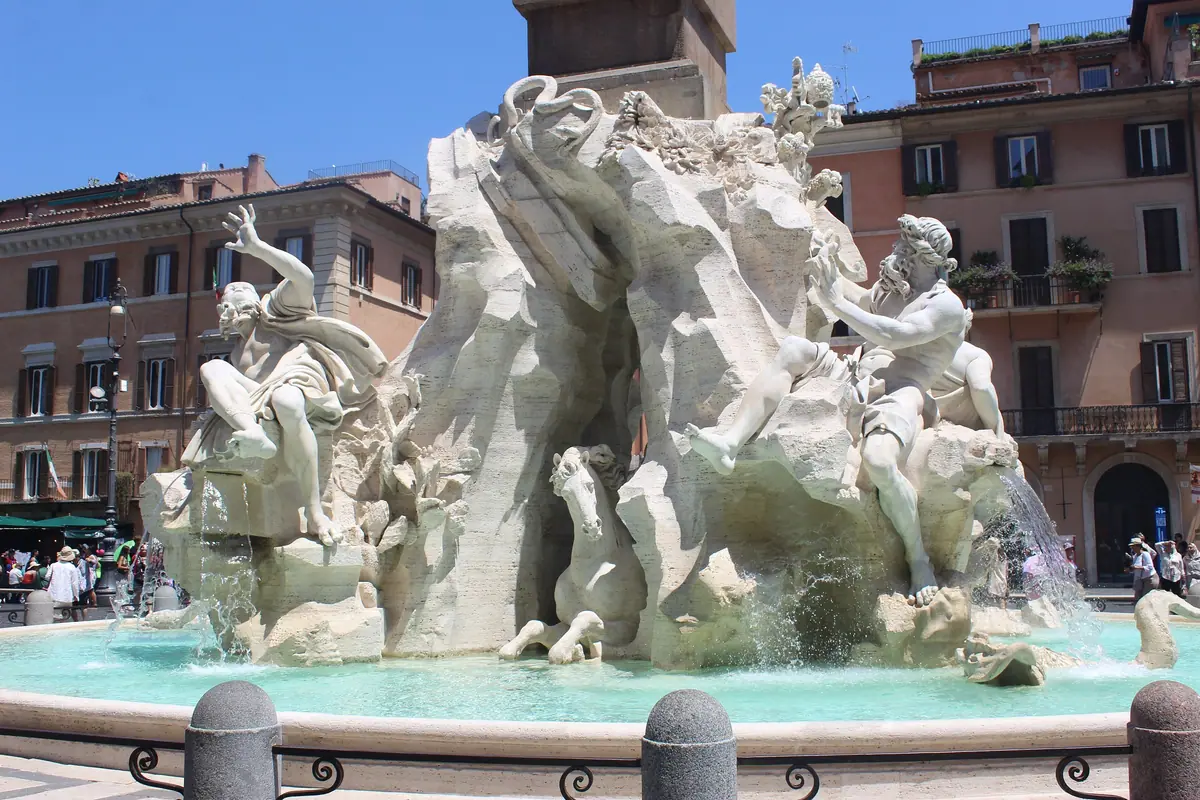 Piazza Navona About 5 minutes' walk from the Pantheon, for Bernini's Fountain of the Four Rivers.
-
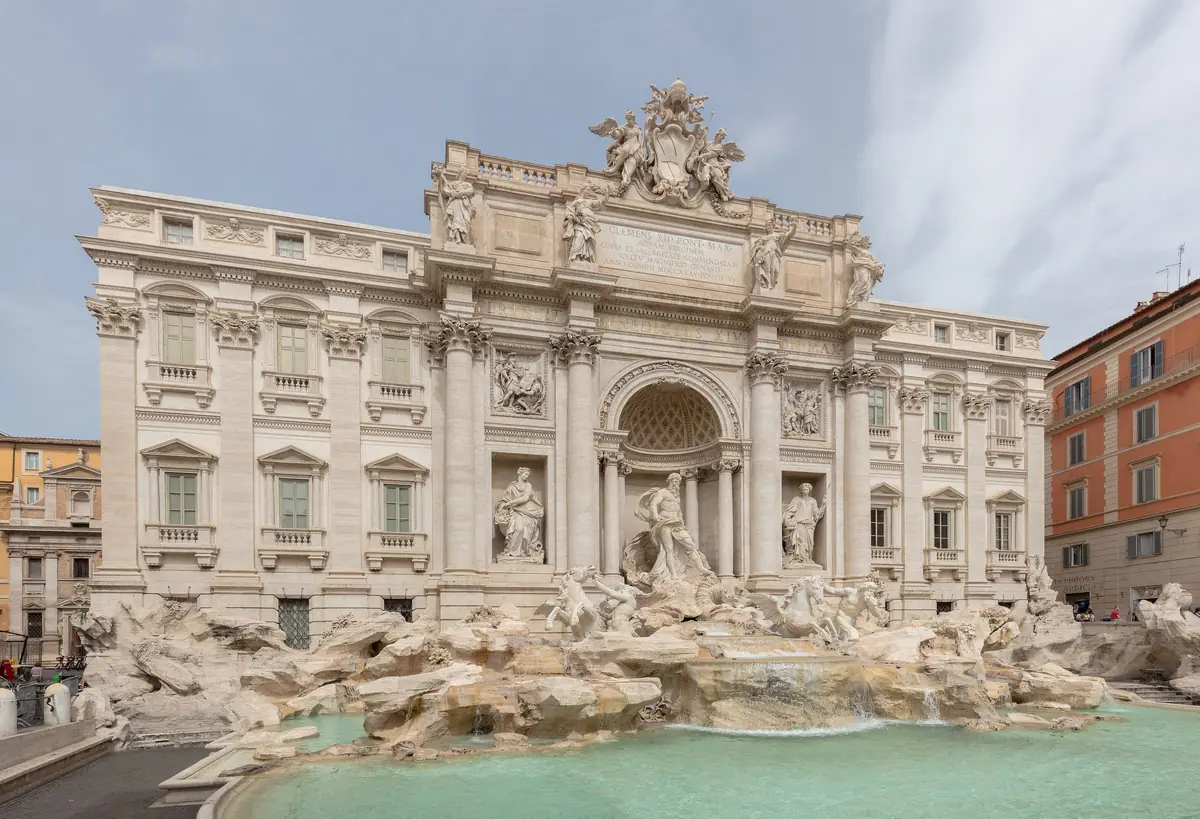 Trevi Fountain → About 10 minutes' walk from the Pantheon.
-
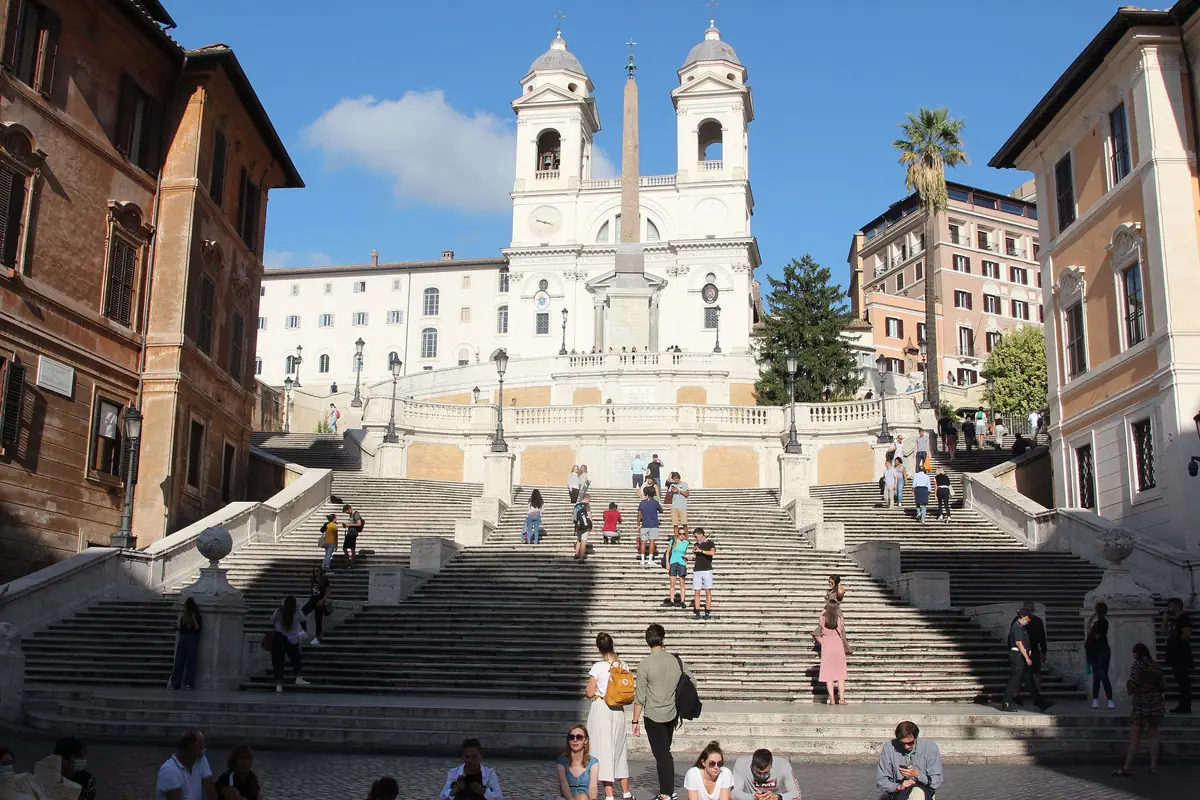 Spanish Steps On the way from Trevi up to the Villa Borghese park.
-
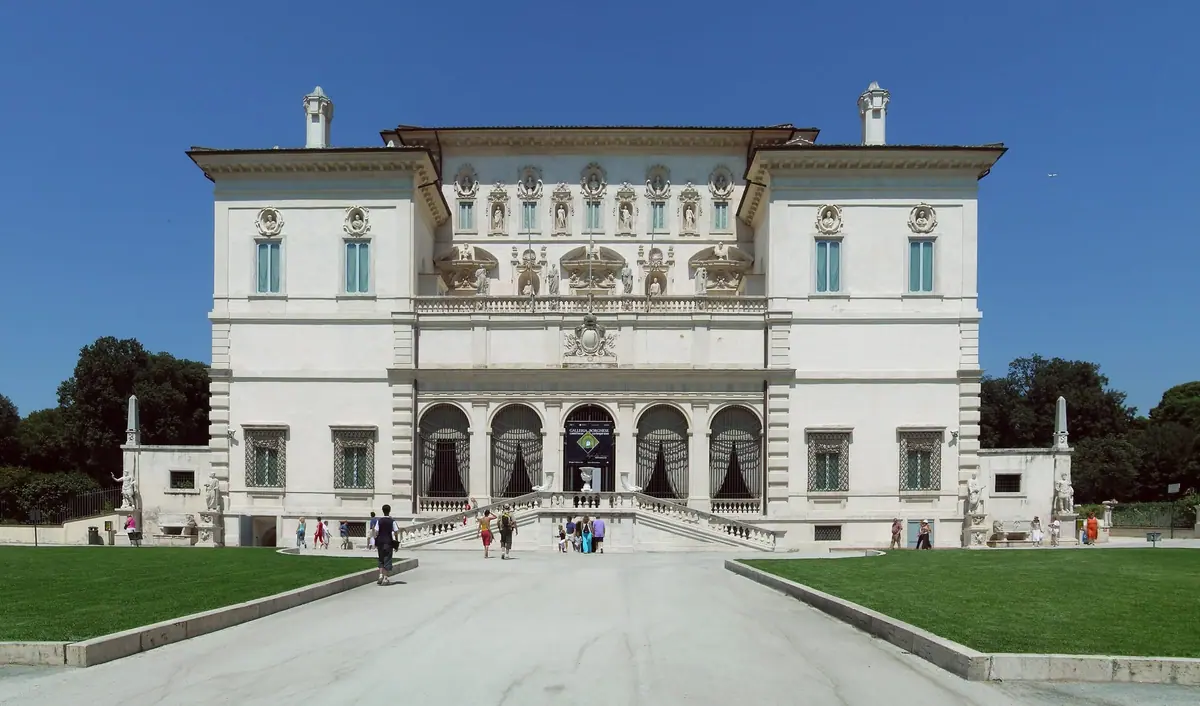 Afternoon Borghese Gallery → 20 to 30 minutes' walk from Trevi, by the Spanish Steps and the park. €35
Day three is the centre on foot, starting at the Pantheon. Its dome was the largest in the world until the 15th century. Booking is optional, just don’t come on a Saturday at 17:00 or a Sunday at 10:30, when Mass closes it to visitors.
One of the choices in the Rome Tourist Card
From there it’s a walk through the baroque centre. Since February 2026, tourists pay €2 to go down to the basin of the Trevi Fountain. Instead of walking on from Trevi, you can take metro line A to Spagna and walk the last 15 to 20 minutes through the park.
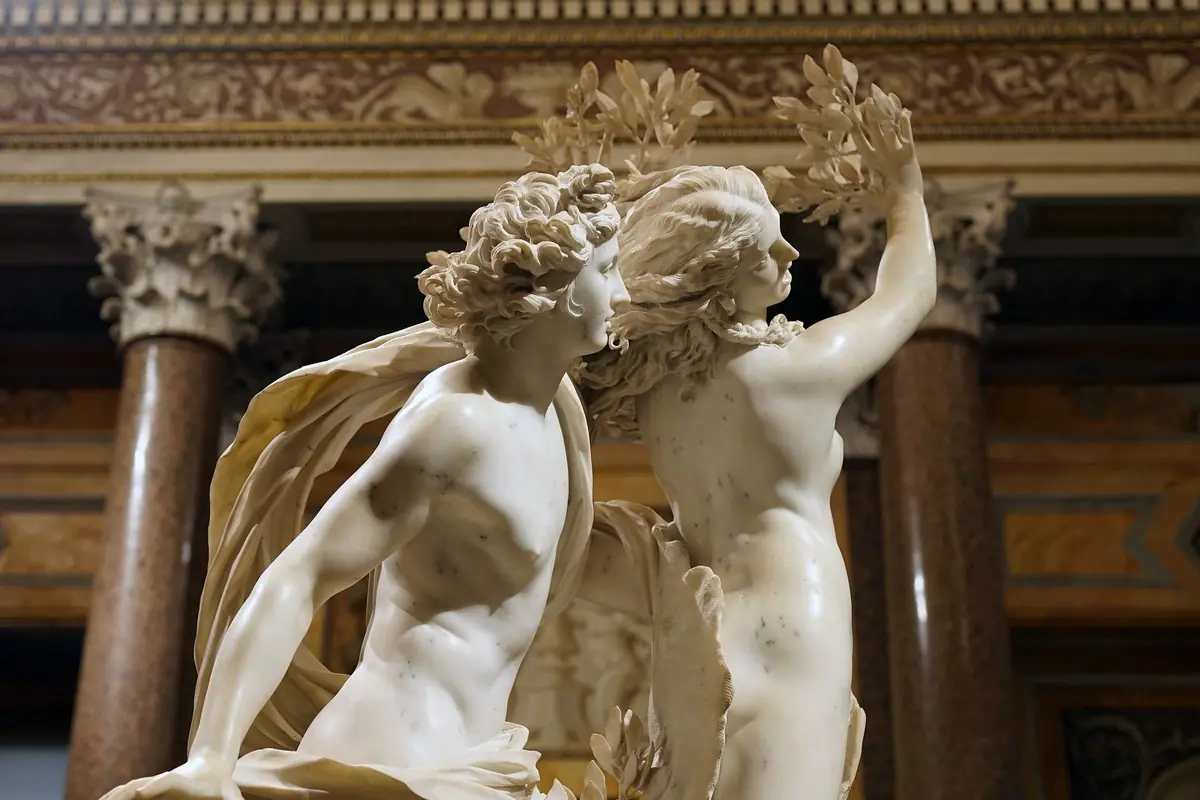
The Borghese Gallery was the villa of Cardinal Scipione Borghese, nephew of a pope, and it keeps the marble statues Bernini carved in the 1620s, Apollo and Daphne among them. Canova, the neoclassical sculptor, is here with his statue of Napoleon’s sister, and so are six paintings by Caravaggio.
Your slot sets the shape of the day. You go in only at its start and leave at its end, two hours later, and the last slot, at 17:45, lasts just 1 hour 15 minutes. A morning walking the centre lines up well with an afternoon slot. The gallery is closed on Mondays.
An included entry in the Roma Pass
Which pass pays off on a 3-day Rome itinerary
Of Rome’s passes, the 72-hour Roma Pass fits these three days best. Its two included entries go on the Colosseum and the Borghese, and it gets you the reduced ticket at Castel Sant’Angelo and the Capitoline Museums. It doesn’t cover the Vatican Museums or the Pantheon, and St Peter’s is free anyway.
At the ticket prices on this page, the card comes out ahead. The Colosseum (€25) and the Borghese (€35) alone cost about as much as the 72-hour card (€69.90), and with it Castel Sant’Angelo and the Capitoline cost you only the reduced ticket. The 72 hours on the metro, buses and trams come on top, even if this itinerary is mostly walking.
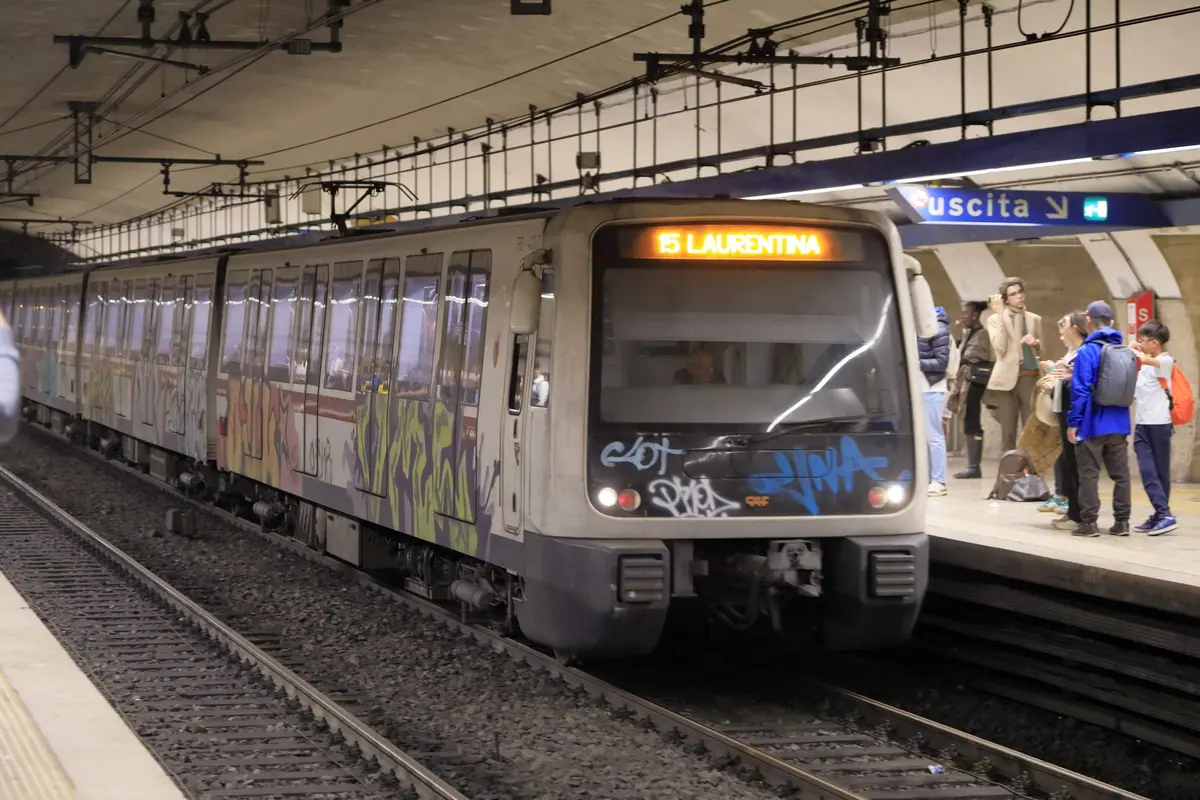
If you do take the Roma Pass, it runs on two clocks. The museum entries last four days from the first scan, and the transport lasts 72 hours from when you activate it in the app, so activate it on the morning of day one. The other passes below cover the Vatican, which the Roma Pass leaves out.
-
Roma Pass
Two included entries on the 72-hour card (here the Colosseum and the Borghese, both still booked), the reduced ticket at Castel Sant'Angelo and the Capitoline, and 72 hours on the metro, buses and trams.
from €44.90
Buy pass→ -
Omnia Card 72h
The Vatican Museums and the Sistine Chapel at a time you book as you buy, plus a hop-on hop-off bus round the rest of Rome.
from €149
Buy pass→ -
Rome Tourist Card
The Vatican Museums and the Colosseum on the dates you choose, bought together in one go.
from €89
Buy pass→ -
Turbopass Rome City Pass
Reserves the Colosseum and the Vatican Museums on the days you ask for, and takes in the Pantheon, Castel Sant'Angelo and St Peter's.
from €144.90
Buy pass→


For your own list of sights, Roma Pass and Rome’s other city passes has a calculator: tell it where you’re going and it tells you whether a pass pays off.
Swapping a day in Rome: Ostia Antica, Caracalla and the catacombs
The things these three days leave out each need a block of their own. Ostia Antica, ancient Rome’s port, is half an hour from Rome by train, and you walk its streets past baths with mosaic floors and a theatre. A visit takes three to four hours, and from late October to February the ticket office closes at 15:30, so catch a morning train.
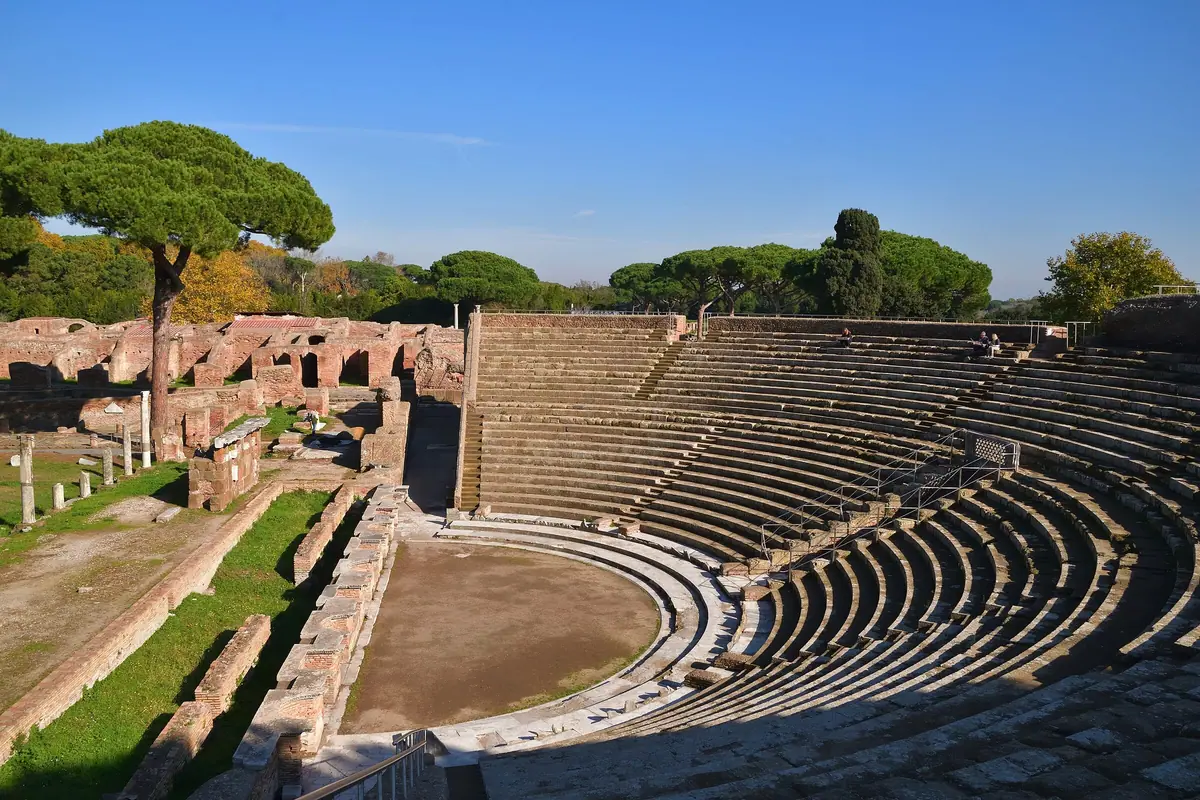
Ostia closes on Mondays. Swapping day three for it costs you the Borghese, so it suits a second trip or anyone who’d rather walk a Roman town than see Bernini.
An included entry in the Roma Pass
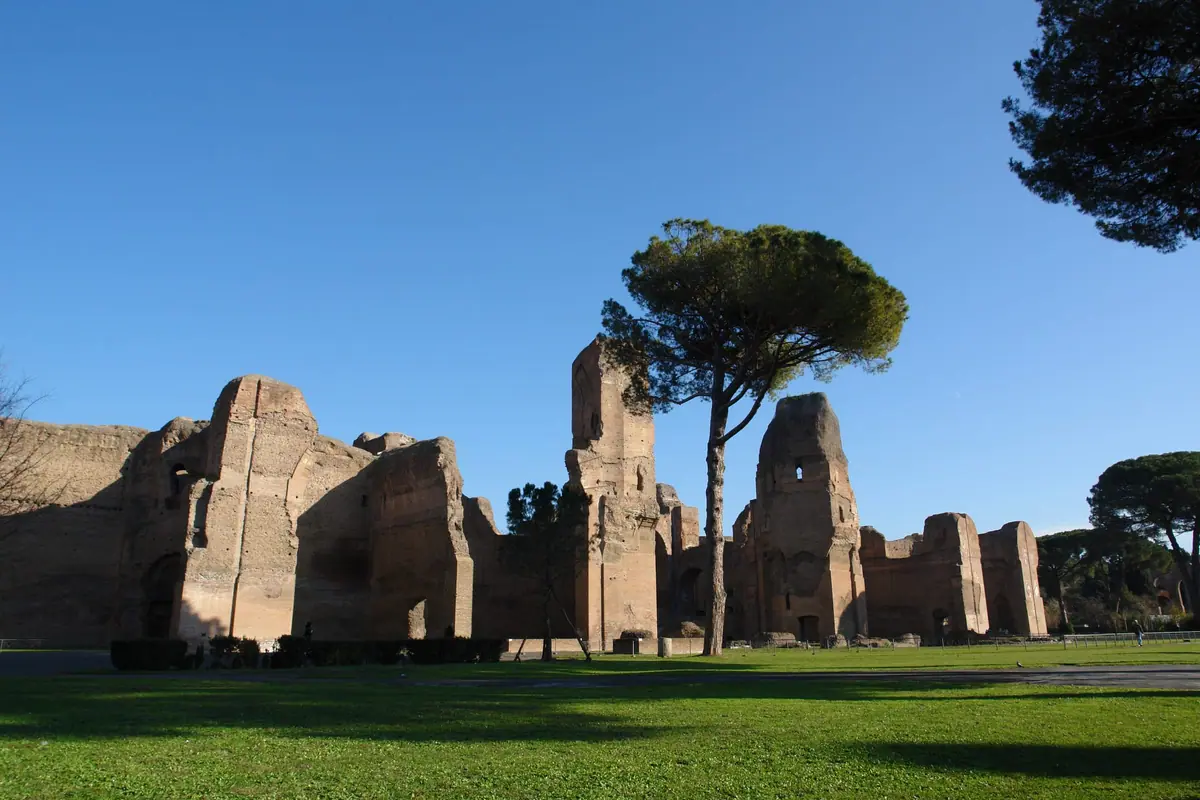
The Baths of Caracalla, the public baths Emperor Caracalla opened in AD 216, fit into day one if you drop the Capitoline Museums. They’re about 15 minutes’ walk on from the Circus Maximus and the visit takes two hours, so in winter go in by 14:30, since the gates close at 16:30. Like the Borghese, they close on Mondays.
An included entry in the Roma Pass
The catacombs, where Rome’s early Christians buried their dead, lie out along the Appian Way, and you only go down on a guided tour of 40 minutes to an hour. Each catacomb closes one day a week, on a Monday, Tuesday or Wednesday depending on which one, but all four open on Sundays, the day the Vatican Museums shut, which makes a Sunday the easy day to give them. The catacombs page explains how to get out there.
Partly covered by the Roma Pass
St John Lateran, Rome’s cathedral, is the smallest swap: about 20 minutes’ walk from the Colosseum, with the basilica free every day. The Lateran Palace next door needs a booked time and closes on Sundays.
City cards
Rome city cards and passes
Pick the one that fits your trip. Prices are per adult, and you choose your dates on the next page.


See what you’d save, if anything
Which Rome card pays off for your trip?
Pick how many days you’ve got and the sights you want to see. The calculator adds up the tickets and rides, sets them against the card and tells you right away whether it pays off, and by how much, at today’s prices. No email, no sign-up.
Step 1 of 3
How long, and who’s going?
People also ask
Frequently asked questions
Is 3 days enough to see Rome?
It's enough for the three big areas: ancient Rome around the Colosseum, the Vatican, and the historic centre with the Borghese Gallery. Ostia Antica, the catacombs on the Appian Way and the Baths of Caracalla each take half a day or more, so in three days they only fit if you drop one of those blocks.
Which day should I visit the Vatican in a 3-day trip?
Any day but Sunday. The Vatican Museums close on Sundays, apart from the last Sunday of the month, when entry is free from 9:00 to 14:00 and the rooms are at their busiest. Castel Sant'Angelo, which fits the same day, closes on Mondays.
How much do the main sights in Rome cost to enter?
St Peter's Basilica is free to walk into, and one Colosseum ticket also covers the Roman Forum and the Palatine Hill, so the whole first day of this itinerary runs on one ticket plus the Capitoline Museums. The Vatican Museums, the Pantheon, Castel Sant'Angelo and the Borghese Gallery each have their own ticket, and each stop on this page shows its price next to it.
Is the Roma Pass worth it for 3 days in Rome?
Yes, at the ticket prices we sell. The 72-hour card's two included entries go on the Colosseum and the Borghese, which on their own cost about as much as the card, and it gets you the reduced ticket at Castel Sant'Angelo and the Capitoline Museums, plus 72 hours on the metro, buses and trams. It doesn't cover the Vatican Museums or the Pantheon.
Should I plan my trip around the free first Sunday of the month?
We wouldn't. The Colosseum, the Pantheon, Castel Sant'Angelo, the Capitoline Museums and the Borghese Gallery are free for everyone that day (at the Borghese you still pay the booking fee), but it's also the most crowded day of the month. At the Colosseum the free tickets can't be booked, you queue for them at the ticket office, and the arena, the tunnels and the upper levels stay closed.
Can I fit Ostia Antica into 3 days in Rome?
Only by swapping a day for it. Ostia Antica is half an hour from Rome by train and needs three to four hours on site, and it's closed on Mondays. Swapping the third day for it means giving up the Borghese Gallery.
Read more