
Florence · Firenze Card
Museo Horne
An English art historian bought a Florentine palace in 1911 and left it to Italy, contents and all.
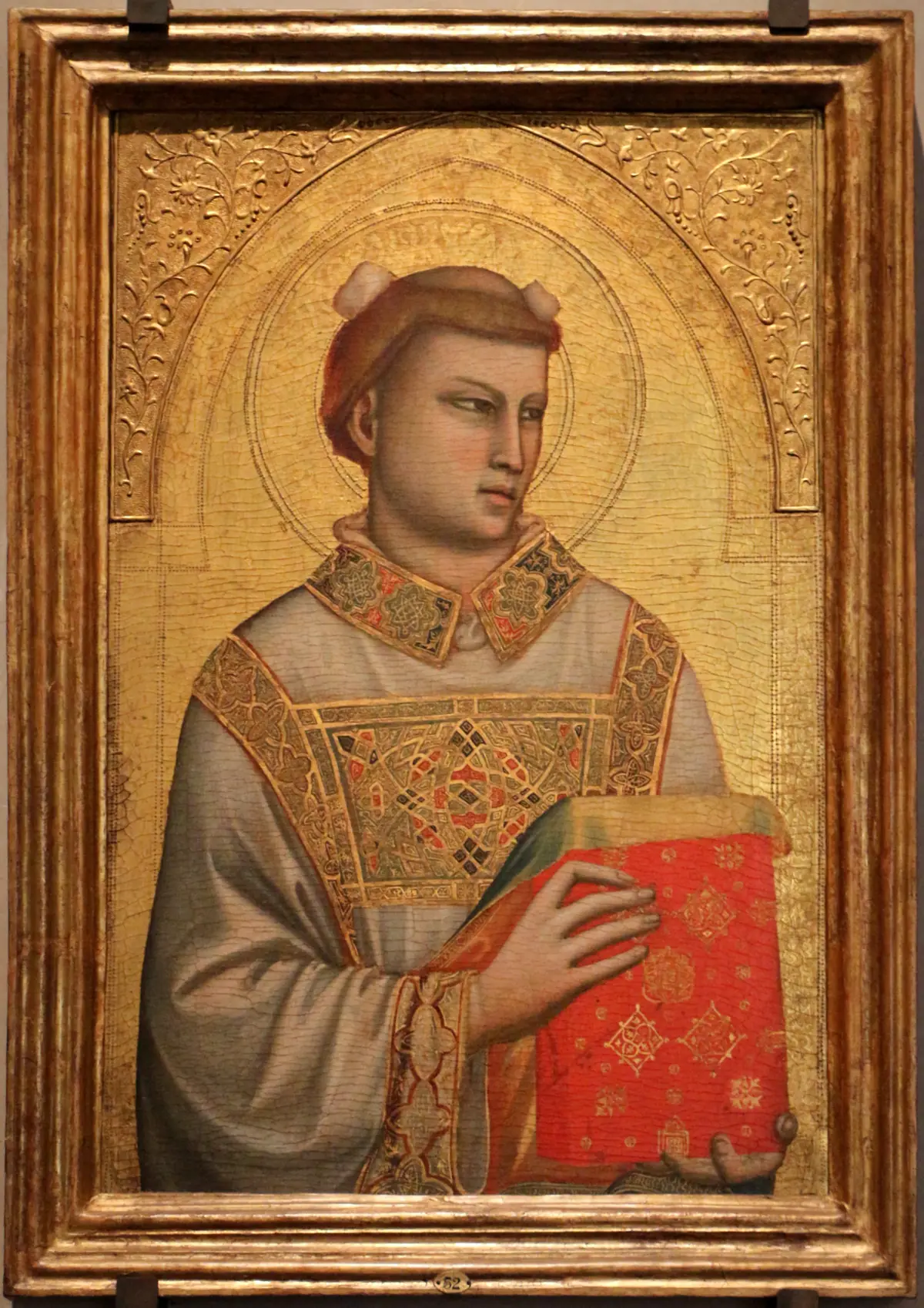
In Florence's Museo Horne, Giotto's panel of Saint Stephen hangs among chests and ceramics, in the house of an English collector. It's Palazzo Corsi, a Renaissance palace near Santa Croce, which the architect and art historian Herbert Percy Horne filled with paintings, furniture and household things from the 14th to the 16th century, then left to the Italian state in his will. Nothing in the rooms is labelled, so a free guide on your phone tells you what you're looking at. Tickets are sold at the museum's own desk, and the Firenze Card includes entry with no booking.
Before you go
- Time inside30–45 min
- ClosedWednesday
TipThe museum closes at 14:00 and is shut on Wednesdays, so plan it for the morning.
Museo Horne tickets: bought at the desk, €8 or €6
You buy a Museo Horne ticket at the museum’s own desk on Via dei Benci, with no time slot and nothing to book unless you come as a group. There’s no online ticket on the museum’s site, and we don’t sell one either, so you pay at the desk: €8 full and €6 reduced.
The reduced price is worth knowing about if you’re also seeing Santa Croce, a short walk away. Show your ticket from the basilica, or one from the Museo Galileo, and the Horne costs you €6 instead of €8.
Who pays what at the Museo Horne
- Full ticket
- €8
- Reduced, €6
- Students up to 26, over-65s, groups of 10 or more, members of FAI, Touring Club, ICOM, ACI or Unicoop, and anyone with a Santa Croce or Museo Galileo ticket
- Free
- Children up to 6, visitors with disabilities and a companion, group leaders, teachers with their class, accredited journalists and tour guides
- Booking
- Only for groups and schools, free, on +39 055 244661 (daily, 10:00–14:00)
Is the Museo Horne included in the Firenze Card? Yes, and you just walk in
The Firenze Card includes entry to the Museo Horne, and here it really is just the card: no booking, no phone call, you show it at the desk and go in. That’s not how it works at the Uffizi or the Accademia, where the card still needs a free reservation, so the Horne is an easy stop to slot in on a card day.
At €8 it’s one of the cheaper museums on the card, so on its own it doesn’t move the sums much. The card starts to pay from about four of the big paid museums, and the Horne is a good one to add once you’ve got it. The 72 hours run from your first entry, and the Horne only opens in the morning and never on a Wednesday, so when you pick the moment to start the card, make sure the three days that follow take in a non-Wednesday morning for the Horne.
The card is sold through GetYourGuide, and Firenze Card and Florence’s other passes has the full list of what each pass includes, so you can check the Horne against the rest of your plans.
Museo Horne opening hours: mornings only, closed on Wednesdays
The Museo Horne keeps four hours a day, 10:00 to 14:00, every day of the week but Wednesday, with no afternoon opening and the last entry half an hour before closing. It also closes on public holidays, and the museum will arrange special openings on request.
With a 14:00 close, this is a morning museum, and a small one: plan on something like 30 to 45 minutes. The building has full access thanks to a new lift, and the museum runs visits with an Italian Sign Language interpreter, tactile visits and an inclusive route, all booked on +39 055 244661.
Inside the Museo Horne: Giotto’s Saint Stephen among the furniture
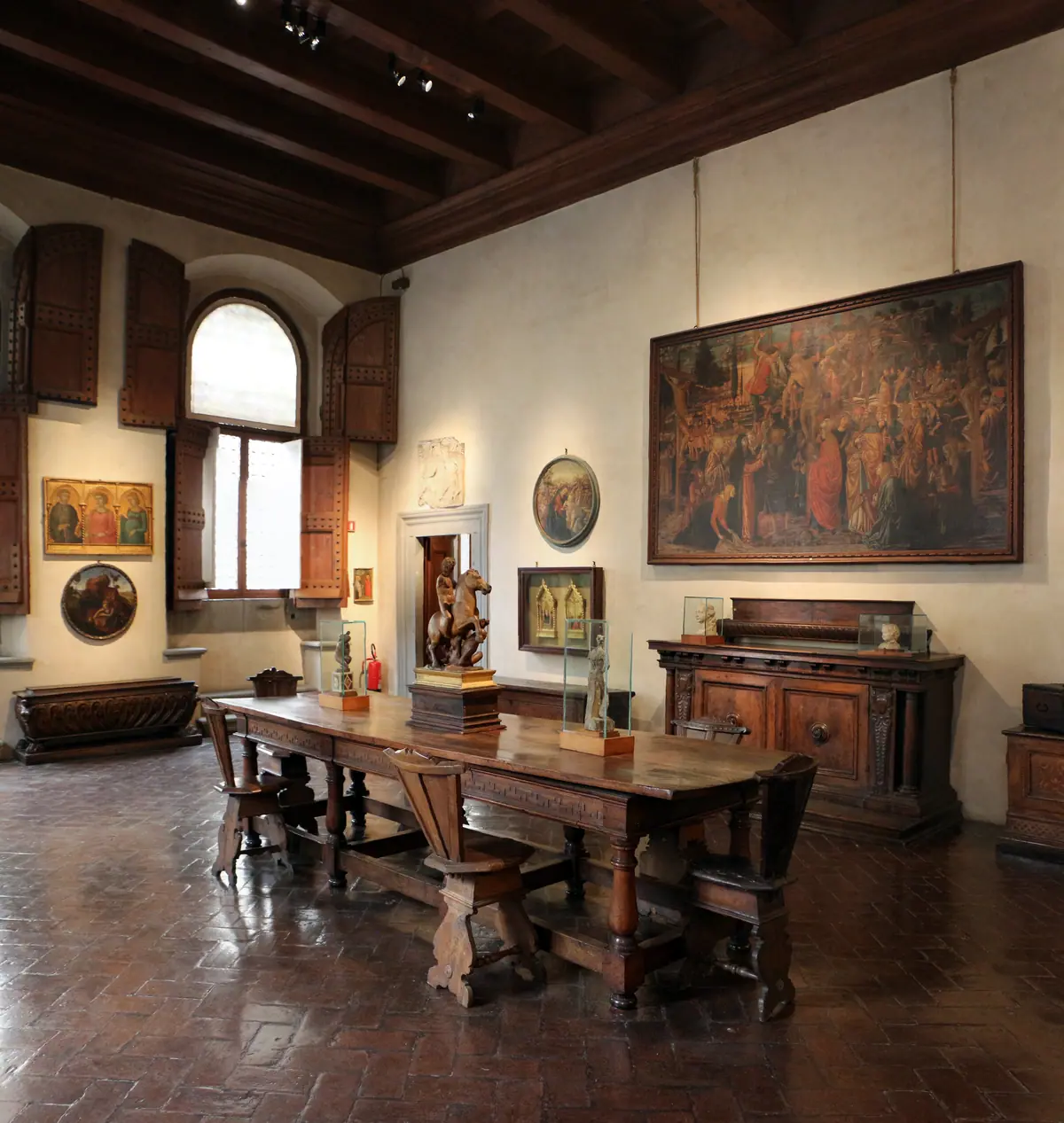
Go in knowing one thing: nothing in the rooms is labelled. There are no panels and no captions, so you open the museum’s free digital guide on your phone, in Italian, English, French or Spanish, or download its PDF catalogue, and work your way round the house with it.
What you’re walking through is a collector’s house. Horne gathered furniture, seals, textiles, cutlery, ceramics, jewellery and everyday household objects, most of them from the 14th to the 16th century, and set them out among first-rate paintings by Giotto, Simone Martini, Masaccio, Filippino Lippi and Beccafumi, with work by Giambologna too.
The pieces to find with the guide include Giotto’s Saint Stephen, Masaccio’s Scenes from the Life of Saint Julian, from about 1424, and a processional banner of the Crucifixion by Filippino Lippi, from about 1490. Look out as well for a round Holy Family by Beccafumi, Three Saints by Pietro Lorenzetti and Piero di Cosimo’s Saint Jerome in Meditation.
On the second floor is Horne’s own study library, about 5,000 books, with illuminated codices, manuscripts, incunabula (books printed in the first decades of printing) and 16th-century editions.
Herbert Horne and Palazzo Corsi, the house that became the museum
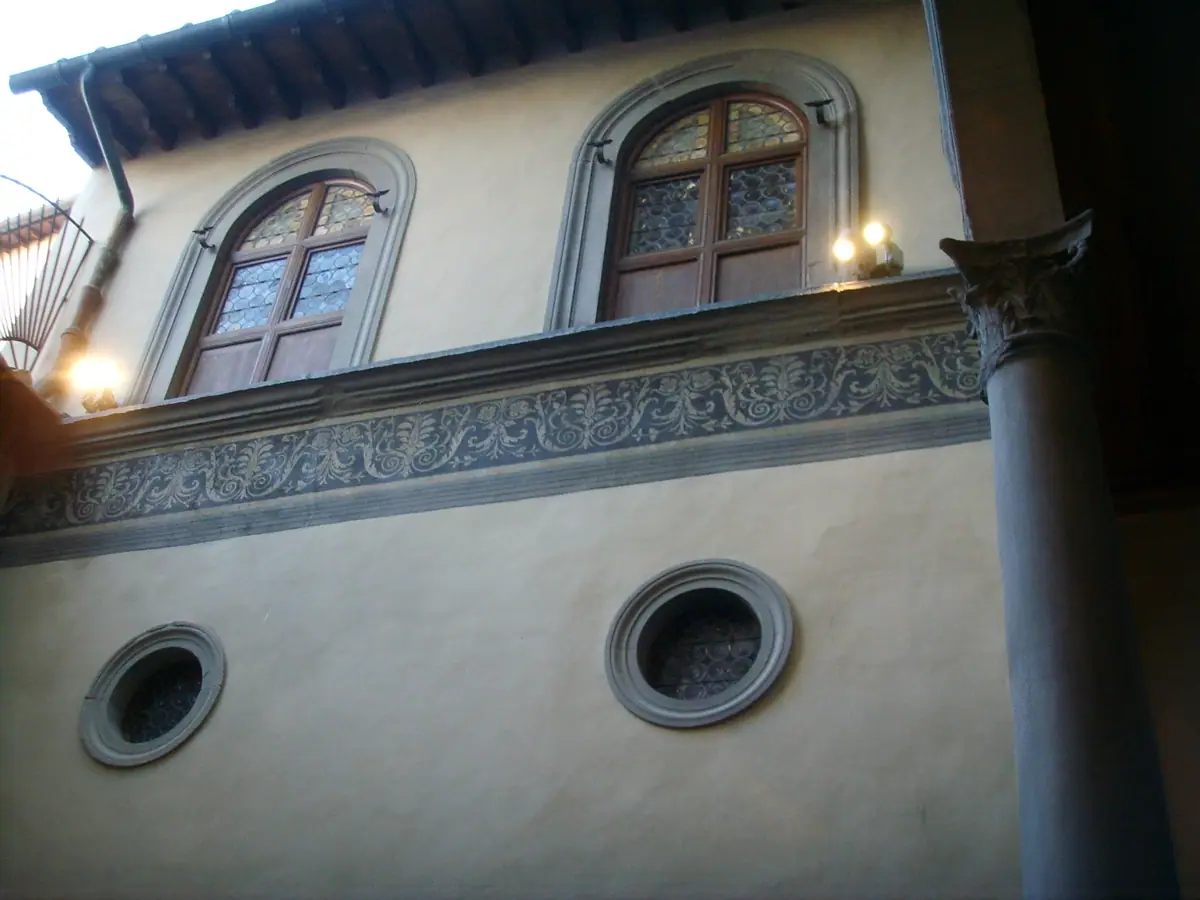
The rooms feel like a home because they were one. Herbert Percy Horne, born in London in 1864, was an architect and art historian who settled in Florence and bought this palace in 1911. When he died in Florence in 1916, his will left the palace and the collection to the Italian state, on condition that they became a museum and a foundation.
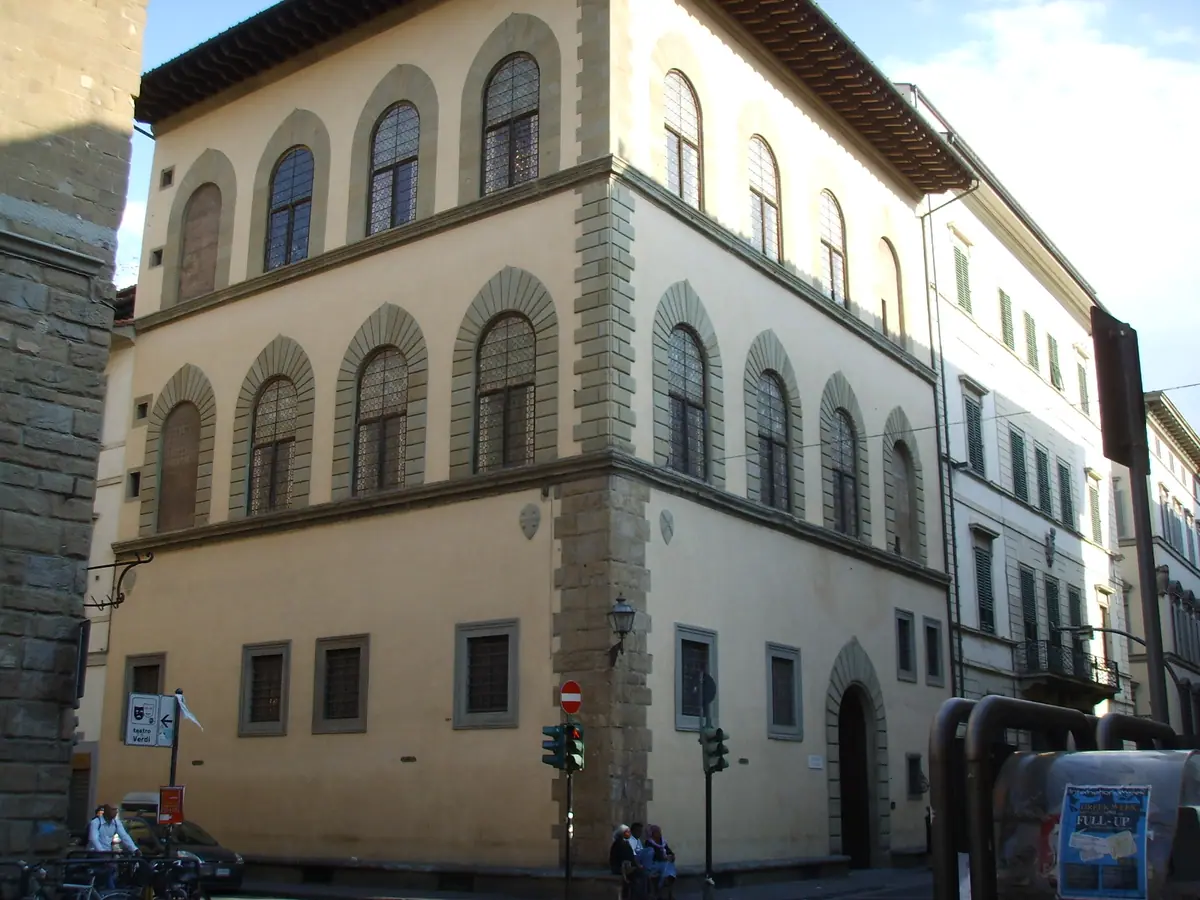
The house itself is as much a part of the visit as the paintings, with its courtyard, two façades and underground rooms. The site was known from the early 14th century, and in 1489 the Alberti family passed it to the brothers Simone and Luigi di Jacopo Corsi, who had it rebuilt between 1495 and 1502. The design is attributed to Simone del Pollaiolo, or to Giuliano da Sangallo; the sources don’t agree.
Casa Vasari with the Museo Horne: a separate visit by appointment
The museum also opens Casa Vasari, at Borgo Santa Croce 8, on a ticket of its own that includes the Horne. It’s a different place from the Vasari Corridor at the Uffizi, and it’s visited by appointment.
Casa Vasari and the Museo Horne
- Combined ticket
- €12
- Reduced
- €8 with a Santa Croce or Museo Galileo ticket, or for Unicoop members
- Children up to 3
- Free
- Guided visits
- In Italian on the second Saturday of every month; in English by appointment
Getting to the Museo Horne on Via dei Benci, by Santa Croce
The museum is at Via dei Benci 6, a short walk from the Basilica of Santa Croce, so the easy plan is to see the basilica first and bring its ticket along for the reduced price. Look for the corner palace with rusticated stones and arched windows.
If you’d rather ride, ATAF buses 23, C1 and C3 stop nearby.
Tickets
Popular tickets around Florence
The ones other visitors book most.


People also ask
Frequently asked questions
What are the Museo Horne opening hours?
The museum opens from 10:00 to 14:00 every day except Wednesday, when it's closed. Last entry is half an hour before closing. It also closes on public holidays.
Is the Museo Horne included in the Firenze Card?
Yes. Entry is included, and you don't need to book: you show the card at the desk and go in.
How much does the Museo Horne cost?
€8 for a full ticket and €6 reduced, both bought at the museum's desk. The reduced price covers students up to 26, over-65s, and anyone who shows a ticket from Santa Croce or the Museo Galileo, among others. Children up to 6 go in free.
Does the Museo Horne have labels or an audio guide?
There are no labels or panels in the rooms. Instead the museum has a free digital guide for your phone, in Italian, English, French and Spanish, and a catalogue in PDF.
Do I need to book the Museo Horne?
Not as an individual visitor: you buy your ticket at the desk when you arrive. Booking is free but required for groups and schools, on +39 055 244661, daily from 10:00 to 14:00.