
Florence · Firenze Card
Stefano Bardini Museum
An art dealer's palace, put together with ceilings, stairs and altar frames taken from older buildings.
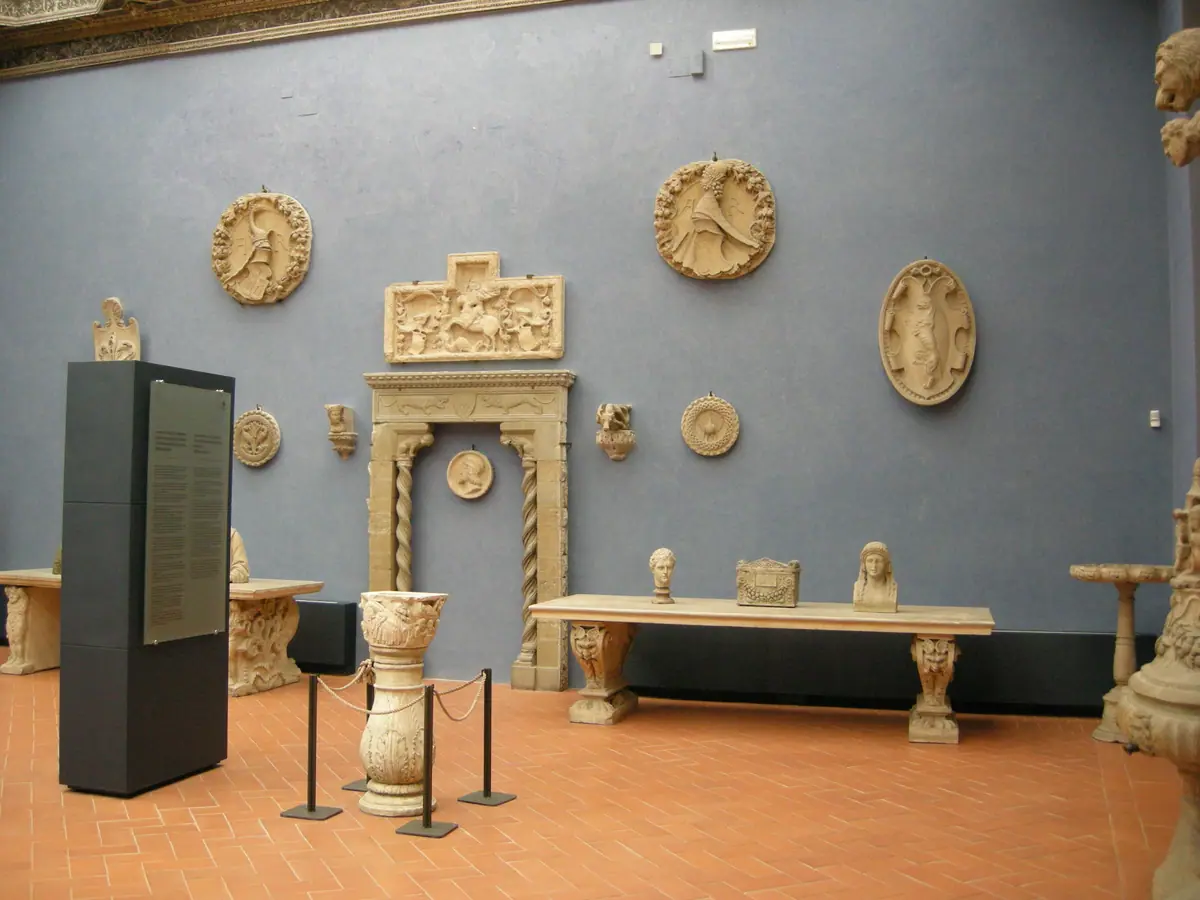
The Museo Bardini is the house an art dealer built for his own collection: Stefano Bardini, a 19th-century antiquarian who sold art well beyond Italy, put it up in the Oltrarno between 1881 and 1883 around a 13th-century church, and set ceilings and staircases taken from older buildings inside it. The rooms hold what he collected, from Roman times to the Baroque, and the original Porcellino is among it. It's one of Florence's city museums, with a ticket of its own, and the Firenze Card includes entry.
Stefano Bardini Museum opening hours: Friday to Monday
The Museo Bardini opens four days a week, Friday to Monday, from 11:00 to 17:00, and stays closed from Tuesday to Thursday. That makes it one of the museums you can see on a Monday, when much of Florence is shut, and one to plan around if your days in the city fall midweek.
Ticket sales stop an hour before closing, so the last way in is around 16:00. With an 11:00 opening, it fits better after a morning somewhere else than as your first stop of the day.
Opening hours
- Friday, Saturday, Sunday and Monday
- 11:00–17:00, tickets until about 16:00
- Tuesday, Wednesday and Thursday
- Closed
- Also closed
- 1 January, Easter, 1 May, 15 August and 25 December
Museo Bardini tickets: €10 from Florence’s city museums
The Museo Bardini is one of Florence’s city museums, run by the Comune di Firenze, the city council, so the ticket comes from the city: you buy it at its online museum ticket office or at the desk on Via dei Renai. The full ticket costs €10, and the reduced one, €7, is for anyone aged 18 to 25 and for university students, and the city’s list doesn’t ask for EU citizenship.
That €10 is new. The price went up from €7 on 1 February 2026, so a guide that still gives €7 as the full price was written before then.
Booking isn’t compulsory, but the museum strongly recommends it, so that you aren’t left waiting for room inside when you arrive. You can book online as you buy your ticket, or by phone on 055 0541450.
Who pays what at the Museo Bardini
- Full ticket
- €10
- Aged 18 to 25, and university students
- €7
- Under 18
- Free
- Visitors with disabilities and a companion
- Free
- Also free
- Licensed tour guides and interpreters, journalists, school groups with their teachers, ICOM, ICOMOS and ICCROM members
One thing to keep apart: the Bardini Garden and Villa Bardini, close by, are a different visit with tickets of their own.
The Stefano Bardini Museum with the Firenze Card
The Firenze Card includes the Museo Bardini. With it you go to the ticket desk and are given the first free visiting slot, and under-18s in your family come in with you at no cost, as they would without the card.
Whether you have to book a time with the card is less clear. The card’s own information calls booking here optional in one place and compulsory online in another, so booking a time ahead covers you either way.
On its own, the museum won’t make the card pay: entry is €10, and the card only starts paying off from about four of the big paid museums. It fits as an extra on a card day built round the Uffizi, the Accademia, the Palazzo Vecchio and the Pitti, as long as that day is a Friday, Saturday or Sunday: on Mondays the Uffizi, the Accademia and the Pitti are closed. Our page on the Firenze Card and Florence’s other passes compares them all.
-
Firenze Card
Entry included, into the first free slot at the desk; book a time ahead to be safe
from €94
Buy pass→
None of the other Florence passes we checked covers it. The Uffizi’s five-day Passepartout leaves it out, and the Pitti and Boboli pass is built around other museums.
Inside the Museo Bardini: blue rooms, Madonnas and the Porcellino
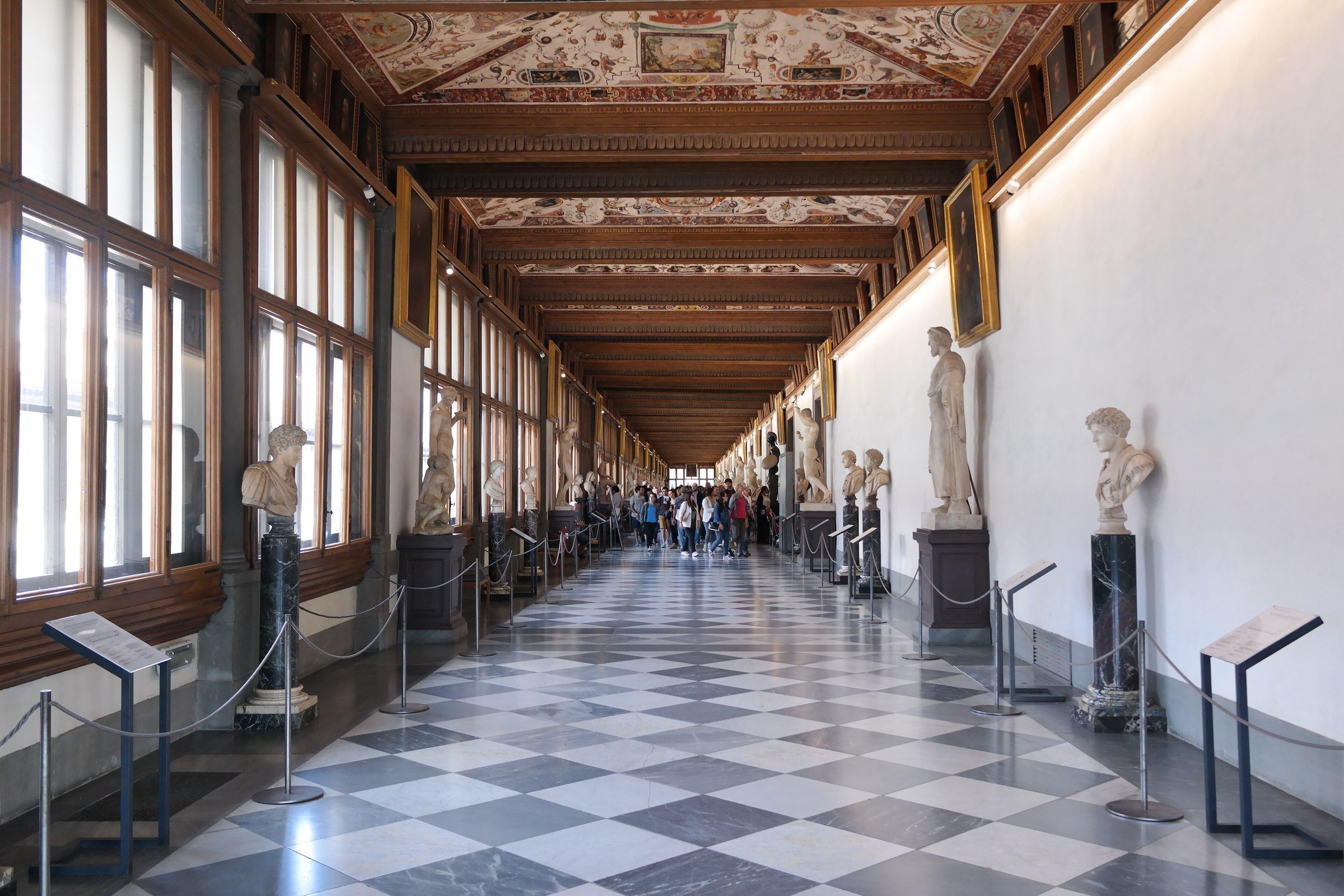
Once you’re through the door, the house you walk into is the one Bardini arranged himself. He shaped some rooms to take ceilings removed from older buildings, put monumental staircases back together inside, and built ancient fragments into the walls. Many of those walls are painted blue, a colour Bardini liked.
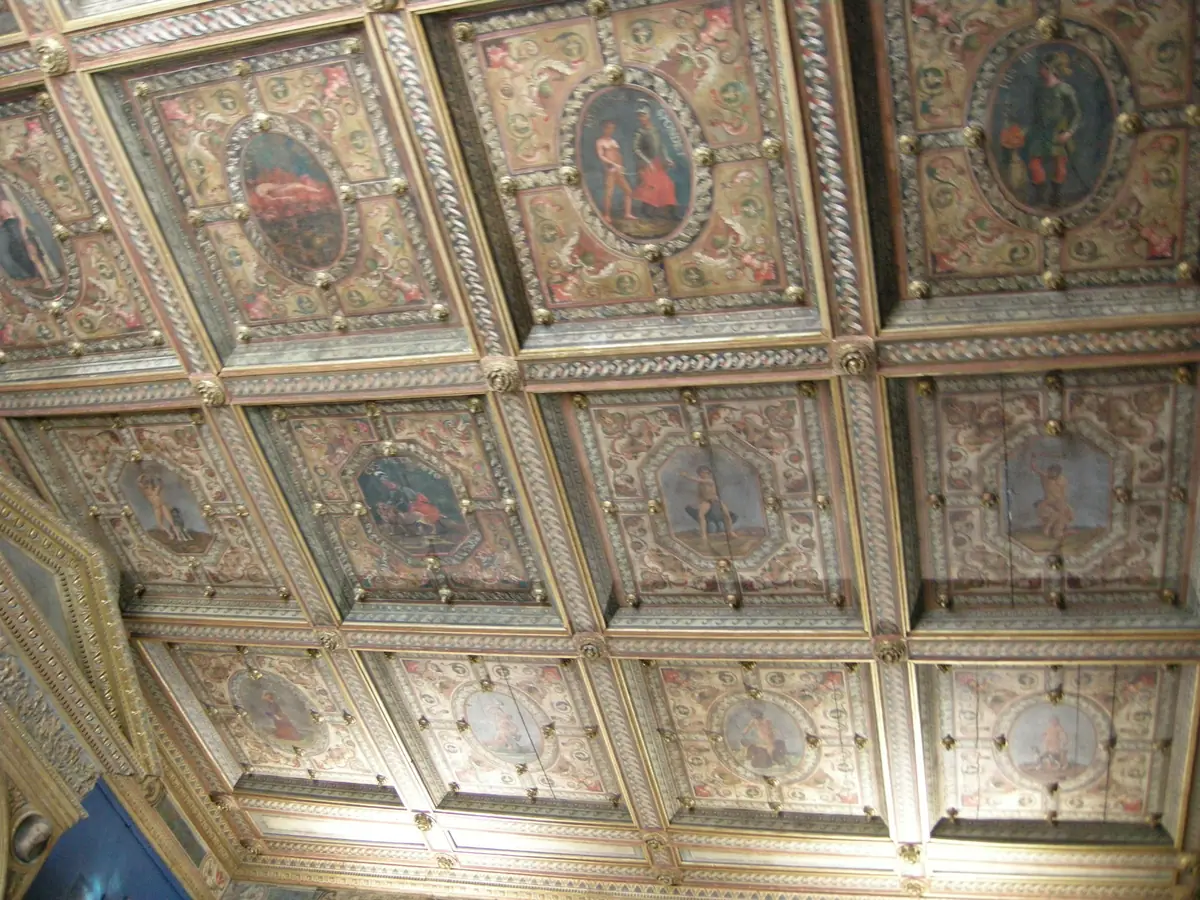
The collection runs from Roman times to the Baroque: sculpture, paintings, furniture, ceramics, tapestries, carpets, wedding chests, arms and musical instruments. Among them is the original Porcellino, the boar whose copy in the market Florentines rub for luck. On the ground floor, the Sala delle Madonne is a room given over to 15th-century Madonnas carved in relief, and the mezzanine has the Sala delle Cornici, the frames room, under that painted ceiling.
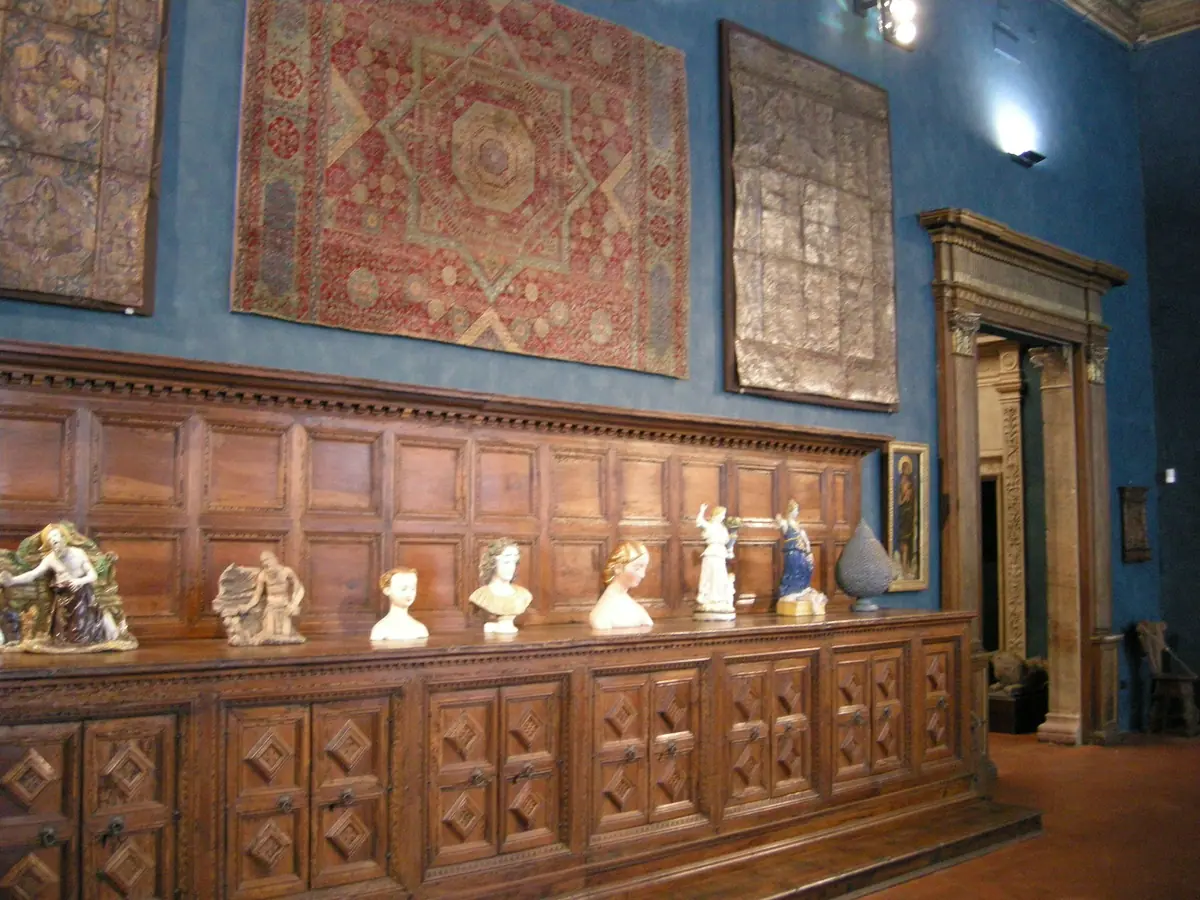
Upstairs, in the Sala del Pollaiolo, carpets and embossed leather panels hang on blue walls above a long carved chest. In every room you’ll have space to look, because the house is quiet: Lonely Planet lists it among the places in Florence where “you’ll hardly find anyone”. It’s wheelchair accessible throughout, apart from the Sala d’Arme, the room of arms.
How Stefano Bardini built his palace on a medieval church
The man behind all this, Stefano Bardini (1836 to 1922), trained as a painter and made his name as a restorer and antiquarian, selling art to buyers well beyond Italy. In the 1870s he bought a site with a past: the church of San Gregorio della Pace, founded in 1273 by the Mozzi family to mark a peace between the Guelphs and the Ghibellines, the two factions of medieval Florence, and the convent of the Padri del Belmorire, closed in 1775.
Between 1881 and 1883 he built the palace you visit, with the architect Corinto Corinti, keeping the 13th-century church and the convent inside it. Before you go in, look up at the first-floor windows: their frames come from altars taken down in the church of San Lorenzo in Pistoia, a Tuscan town near Florence.
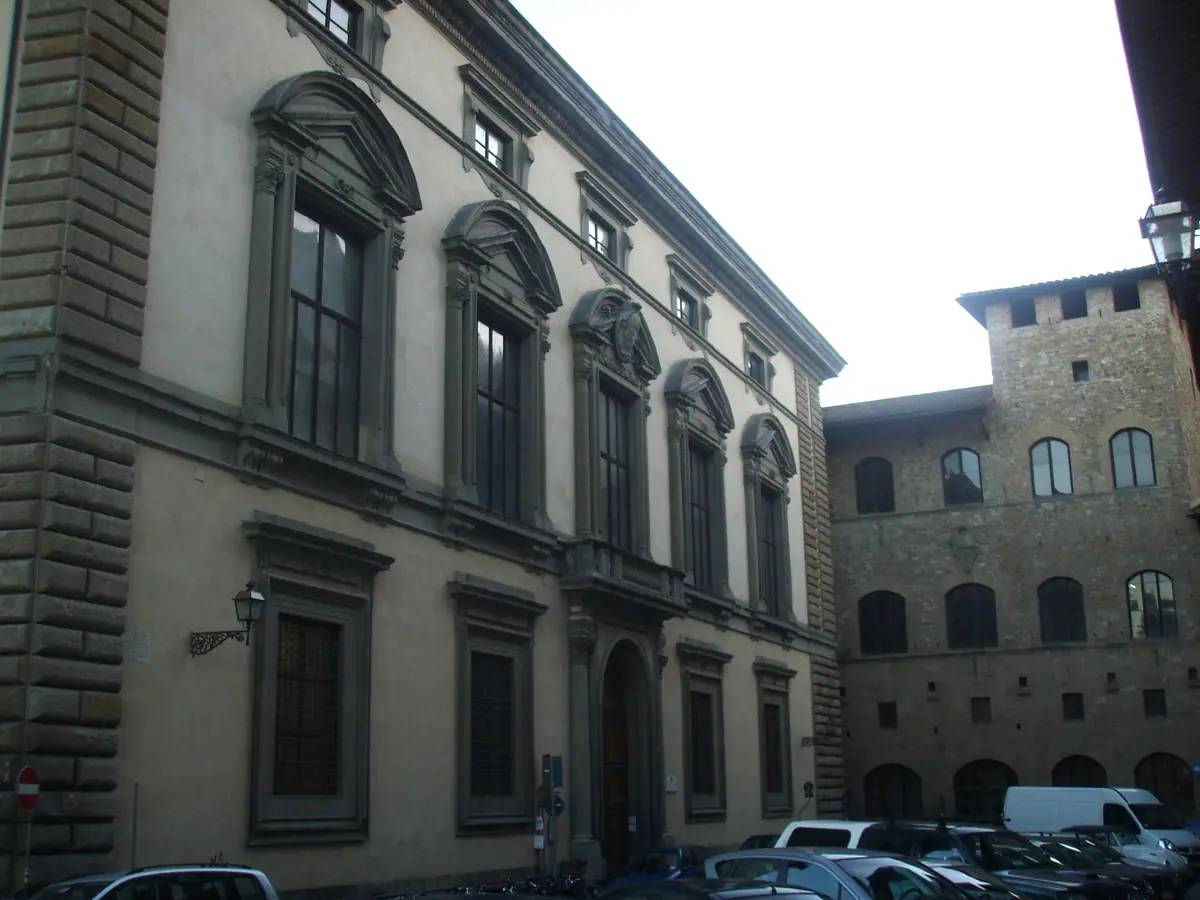
When Bardini died in 1922, the city inherited the palace and its contents. It recognised their value but didn’t like the way he had laid them out, and over the following decades the rooms were rearranged more than once, including after the Arno flood of November 1966.
Finding the Museo Bardini in the Oltrarno, by the Ponte alle Grazie
The museum is in the Oltrarno, the side of the river across from the Duomo, on Via dei Renai by the Ponte alle Grazie, so from the historic centre you get there by crossing that bridge. You go in at number 37 and come out on the other side of the building, at Piazza de’ Mozzi 1. The Bardini Garden is close by, which is where the mix-up between the two names starts, so if you’re unsure which door you want, the museum’s own number is 055 2342427.
Tickets
Popular tickets around Florence
The ones other visitors book most.


People also ask
Frequently asked questions
Is the Museo Bardini open on Mondays?
Yes. It opens on Friday, Saturday, Sunday and Monday, from 11:00 to 17:00, and ticket sales stop an hour before closing. From Tuesday to Thursday it's closed.
How much is a Museo Bardini ticket?
€10 for the full ticket and €7 for 18 to 25-year-olds and university students, since 1 February 2026; guides written before then give €7 as the full price. Under-18s go in free, and so do visitors with disabilities and their companion.
Is the Museo Bardini the same as the Bardini Garden?
No. The museum is the palace on Via dei Renai, with its own city ticket. The Bardini Garden and Villa Bardini, close by, are a separate visit with tickets of their own.
Is the Bardini Museum included in the Firenze Card?
Yes, entry is included. At the ticket desk cardholders are given the first free visiting slot. The card's own information disagrees on whether booking a time is compulsory here, so book one ahead to be safe.
Is the Museo Bardini wheelchair accessible?
Yes, apart from the Sala d'Arme, the room of arms. Visitors with disabilities and one companion go in free.