
Venice · Venice Museum Pass
Museo Fortuny
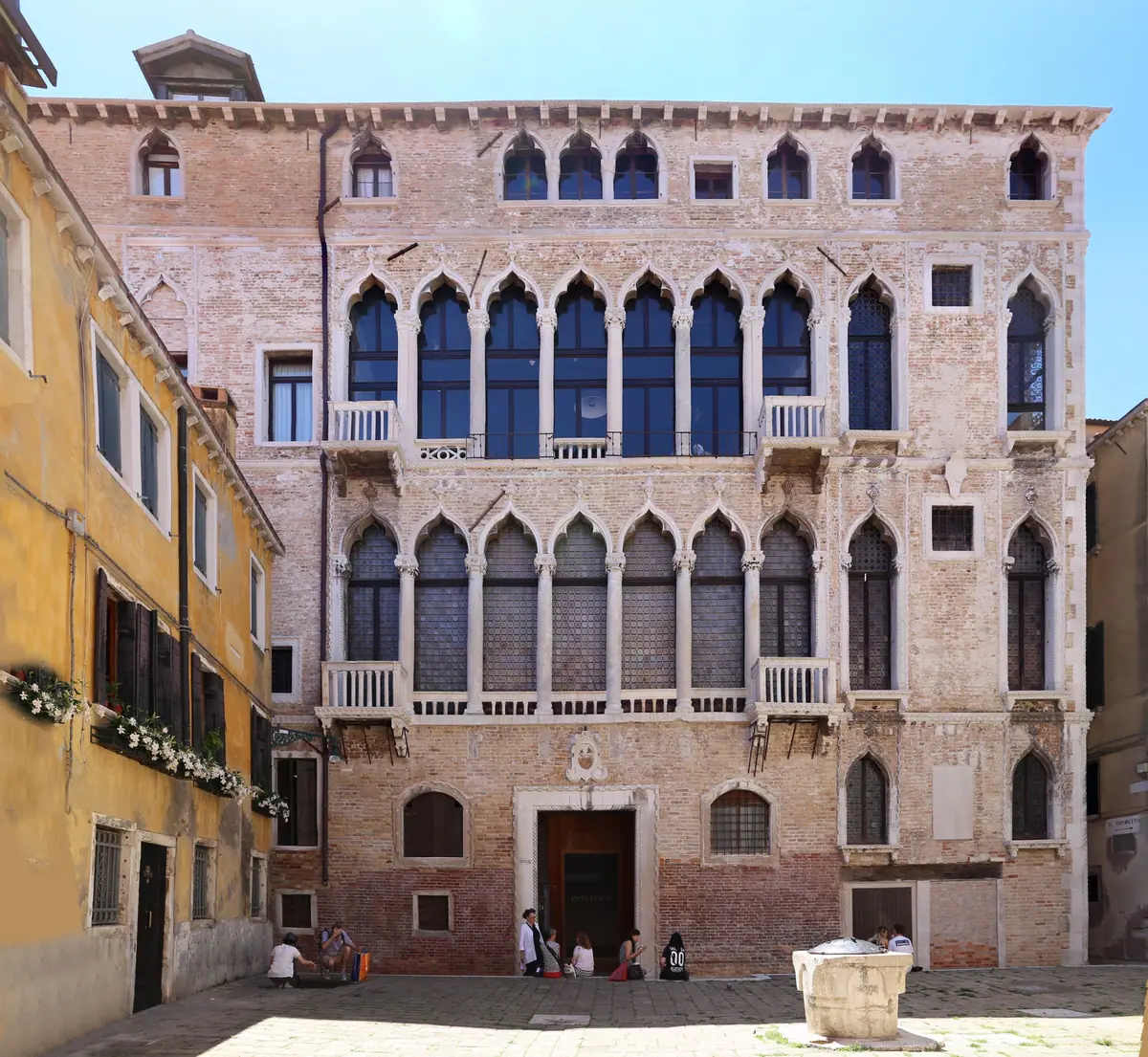
Mariano Fortuny painted the walls, printed his fabrics and worked out his lamps in this Gothic palace, and his tools are still in the rooms upstairs.
Museo Fortuny in Venice is the palace where Mariano Fortuny lived and ran his fabric workshop, now a museum of his house and ateliers. It's open all year, and until 22 November the ticket also covers the Austrian sculptor Erwin Wurm's show on the ground floor.
Before you go
- Time inside60–90 min
- ClosedTuesday
TipThe museum closes on Tuesdays, not Mondays like most of the other civic museums, and the entrance is on Campo San Beneto.


Is Museo Fortuny open? Yes, all year, except on Tuesdays
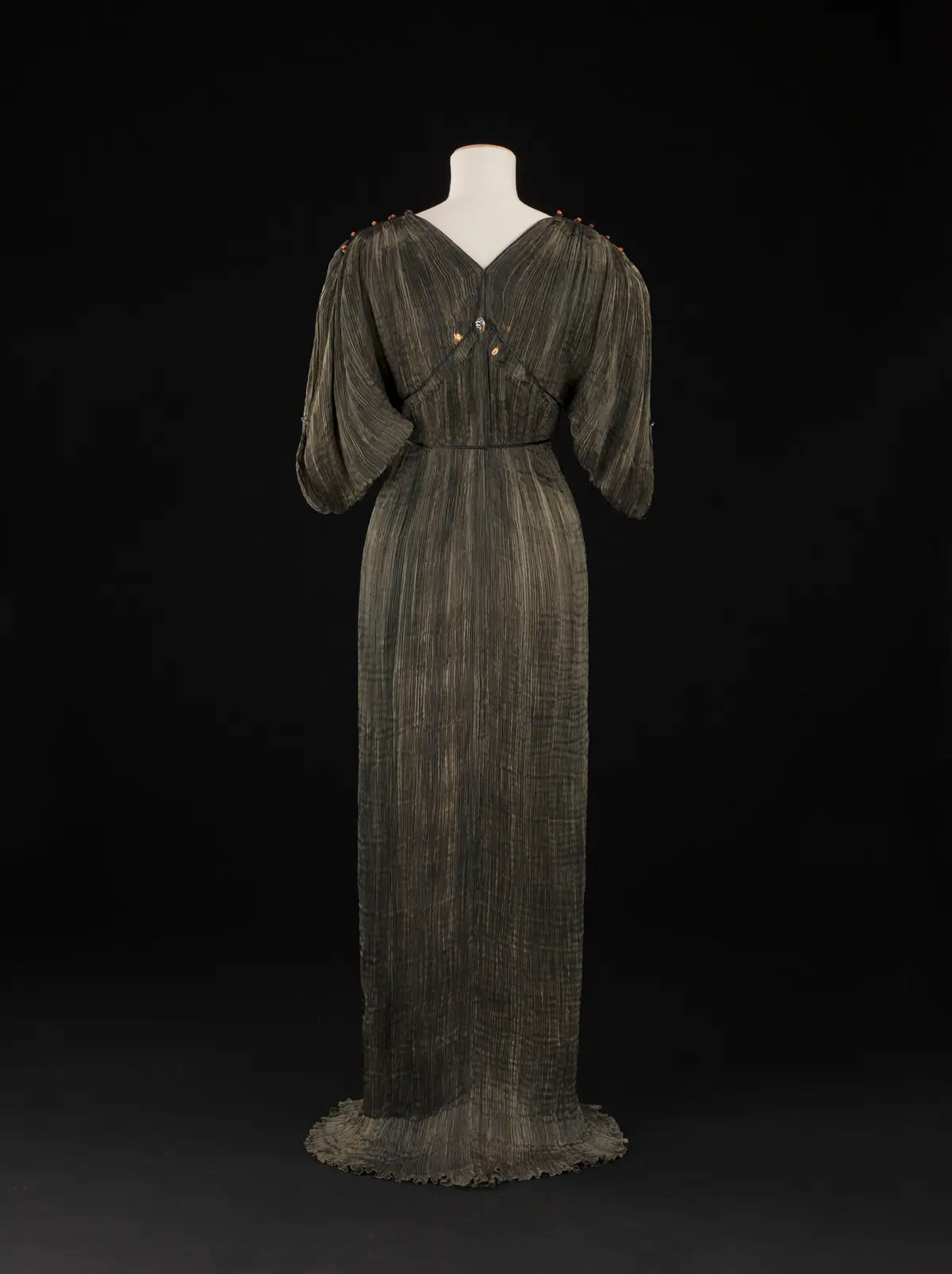
At Museo Fortuny you walk through Mariano Fortuny’s house and workshop: the walls he painted himself on the first floor, and on the second his printing presses, the photographic paper he invented and the first versions of his lamps. Fortuny, a painter, designer and inventor born in Granada, lived in this Gothic palace, and here, with Henriette Nigrin, later his wife, he created the Delphos, a finely pleated silk dress.
You may read that it opens only during exhibitions. That stopped being true when the museum reopened on 5 March 2022, after flood damage: since then it has been open all year, with the house and ateliers upstairs as the permanent visit and the shows on the ground floor. The one day it shuts is Tuesday, so it’s the museum to keep for a Monday, when Ca’ Pesaro, Palazzo Mocenigo and the Natural History Museum are closed.
Opening hours
- 1 November to 31 March
- 10:00–17:00, last entry 16:00
- 1 April to 31 October
- 10:00–18:00, last entry 17:00
- 20 to 22 November 2026
- Open until 20:00, last entry 19:00
- Tuesdays
- Closed
The house and ateliers take an hour to an hour and a half to see.
What a Museo Fortuny ticket costs
The ticket costs €15 for anyone 15 or over, and €9 for children aged 6 to 14, students up to 25 and over-65s; under-6s go in free. It has no time slot, includes the ground-floor exhibition and can’t be cancelled.
The Fortuny is paired with Ca’ Pesaro, the modern art gallery across the Grand Canal, in a combo for modern and contemporary art: both museums for €20, one entry each.


Fortuny’s painted rooms and working ateliers
The ground floor shows the palace’s bones, with bare brick walls and exhibition niches along the corridor to a Gothic courtyard. A small wooden stair takes you up to a mezzanine, where panels and videos tell the story of the building and of the Fortuny y Madrazo family.
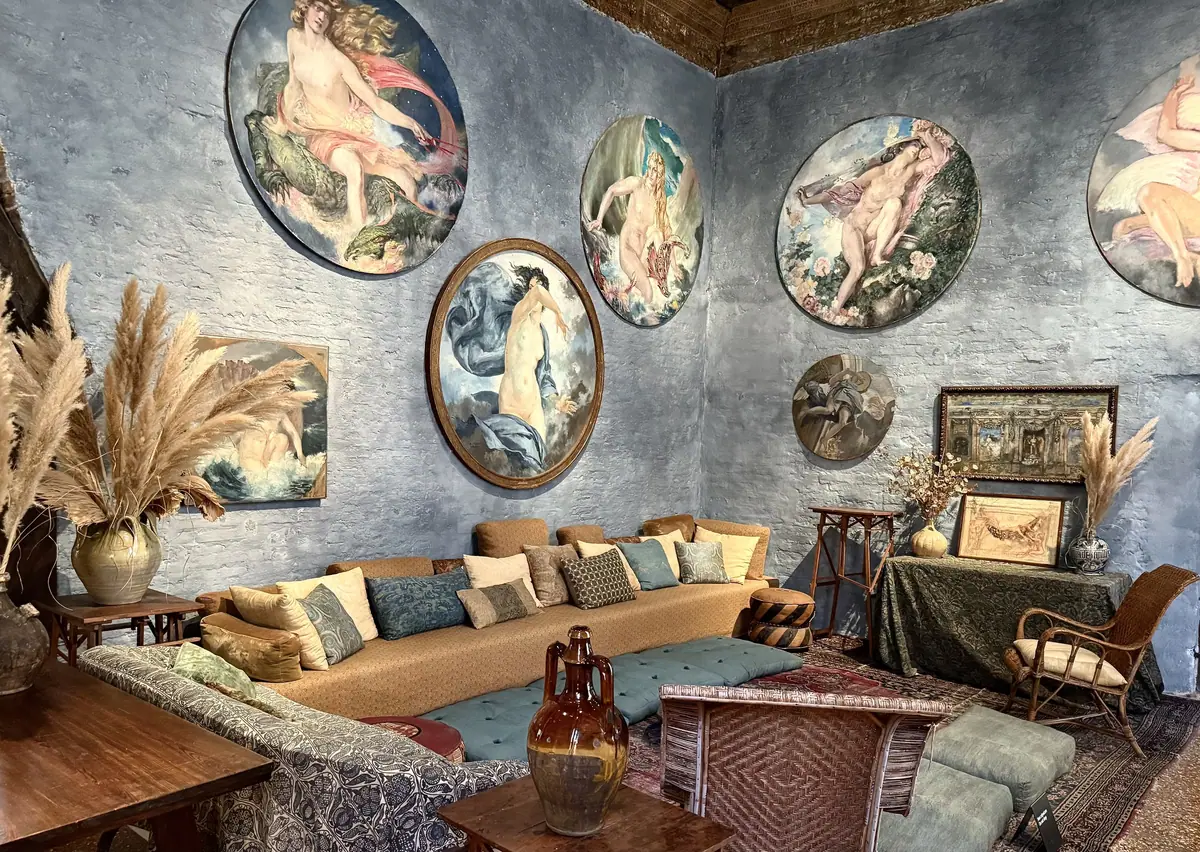
The first floor is his home. The portego, the great central hall, holds work by his father, the painter Mariano Fortuny y Marsal, and his mother’s family, the Madrazo. Off it is the Winter Garden, about 140 square metres of painting that Fortuny did on paper laid over hemp canvas, from 1915 into the 1940s. Nearby are his Four Elements cycle and the model of the Teatro delle Feste, a theatre he designed in 1910 with the poet Gabriele D’Annunzio, which was never built.
In the studio his self-portrait hangs among plaster casts, and the textiles from the workshop are shown with the costumes for an Otello staged in 1933 in the courtyard of the Doge’s Palace.
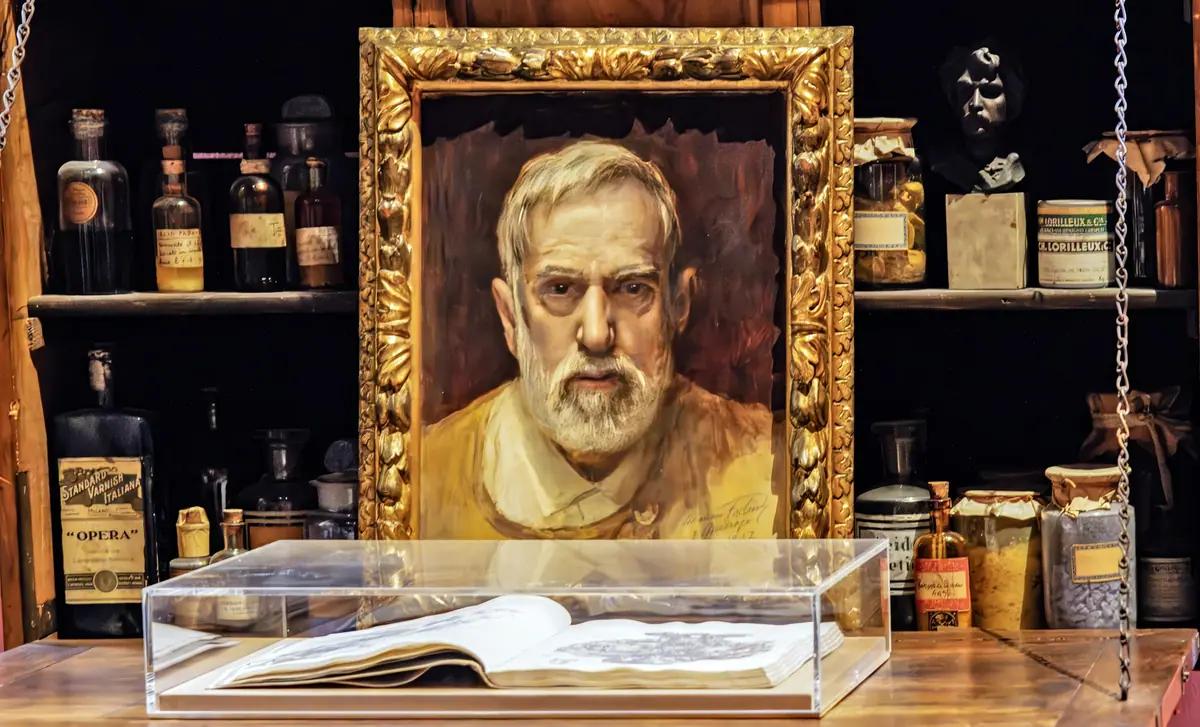
Upstairs, on the second floor, each atelier still has its tools. The etching room has two presses, one old and one electric, and the dentist’s drill he worked with. Next door is fabric, which was his business: he began printing it around 1905, and by the 1920s about 100 people worked for him.
The photography room shows the “Carta Fortuny” paper he patented in 1933, with a Delphos dress beside it. In the theatre room are the “Fortuny dome” he devised for stage lighting, a model of the Bayreuth theatre from 1903 and the first versions of his lamps. His private library, with the Encyclopédie and more than 150 albums of patterns, is open to visitors for the first time.
Erwin Wurm at the Museo Fortuny, until 22 November 2026
The ground floor currently holds Erwin Wurm. Dreamers, the first big solo show in Italy of the Austrian sculptor, with his One Minute Sculptures and his swollen “fat” objects, such as the Fat Car and Fat House, shown alongside Fortuny’s own work on clothing. It closes on 22 November. Nothing has been announced for the ground floor after it, and the house and ateliers upstairs stay open as usual.
Museo Fortuny on the Museum Pass and the All Venice City Pass
On either pass the Fortuny counts as one entry, and until 22 November that includes the Wurm show on the ground floor.

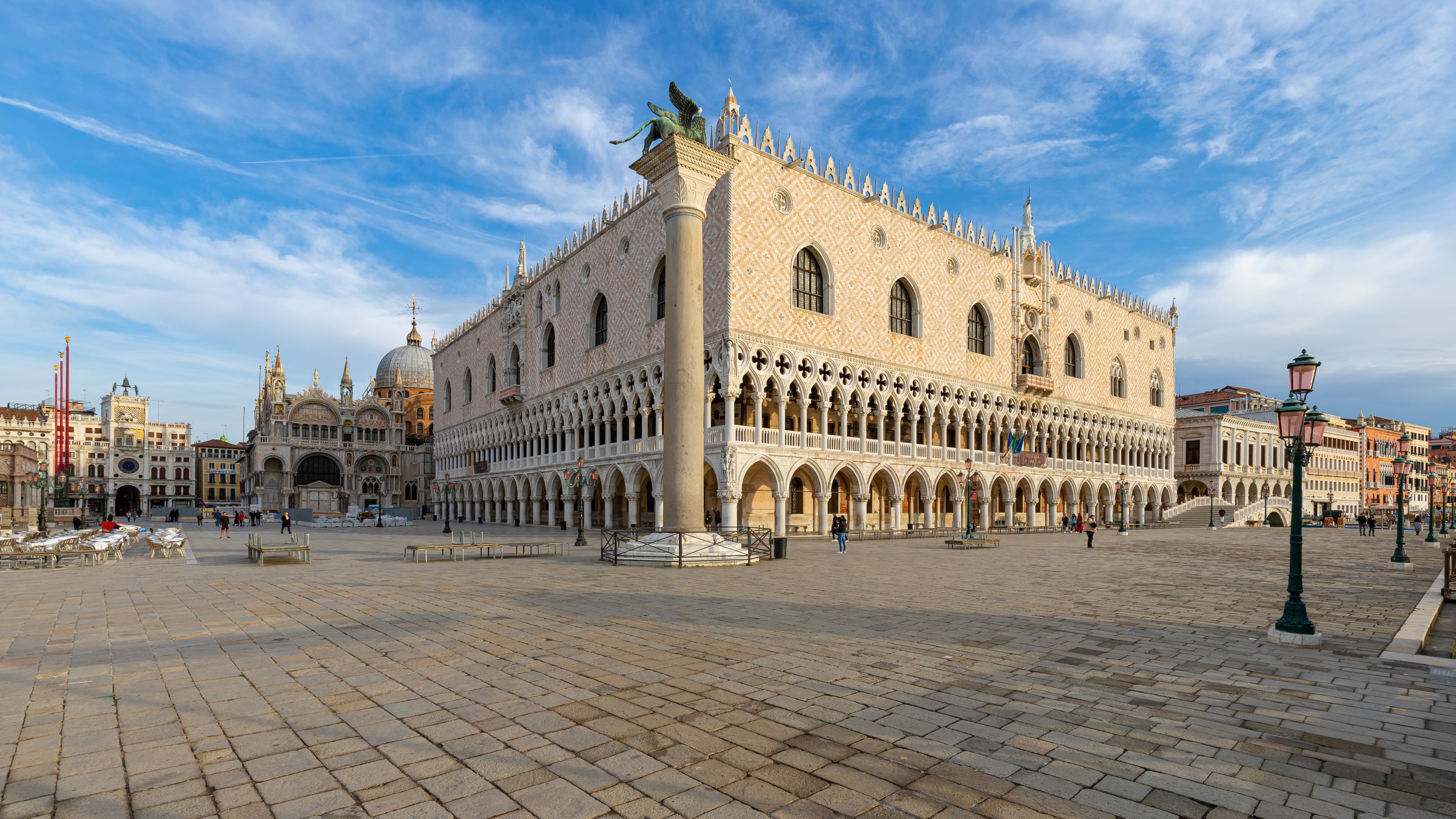
For how they stack up against each other, see Venice Pass and Venice’s museum passes.
Palazzo Pesaro degli Orfei, from rented rooms to Fortuny’s home
The palace went up between 1460 and 1480 for Benedetto Pesaro, a naval commander, and it’s the largest private building of late-Gothic Venice, more than 43 metres from its canal front to its facade on Campo San Beneto. Despite the Pesaro in its name, it’s a different palace from Ca’ Pesaro. From 1720 it was let out, among others to the Accademia degli Orfei, which gave it its name, and by 1842 it was split into about 20 homes.
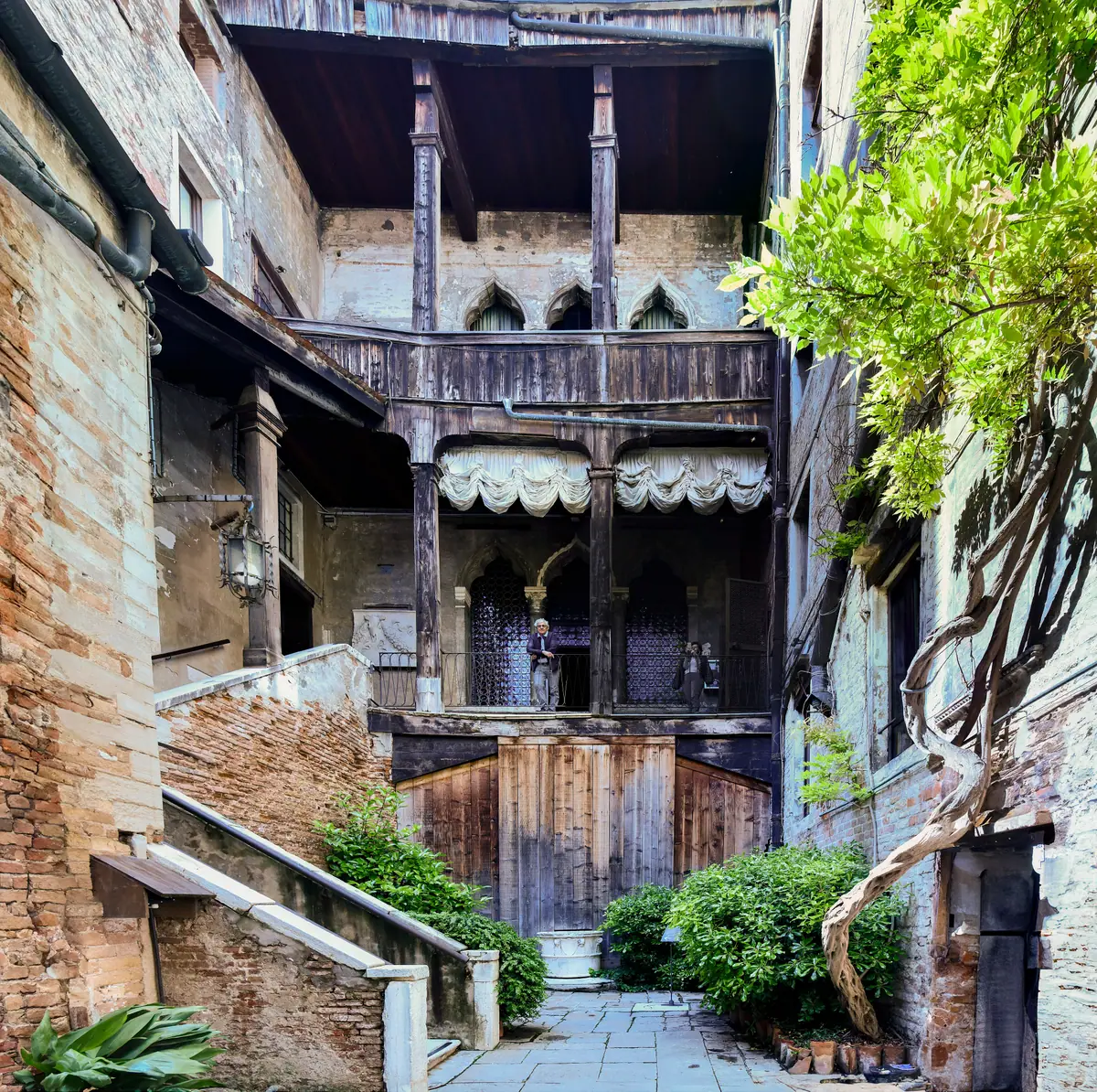
Fortuny, who had come to Venice at 18, moved into the attic in 1898 and bought the rest of the palace piece by piece. In 1907 he set up his textile workshop here with Henriette Nigrin. After his death in 1949 she gave the palace to the city, which took it over when she died in 1965, and it opened as a museum ten years later. The Acqua Granda, the great flood of November 2019, damaged the ground floor and kept the museum shut until 2022.
How to reach Museo Fortuny from the Sant’Angelo stop
Sant’Angelo is the stop, on vaporetto line 1, and from there you walk in to Campo San Beneto, San Marco 3958, where the entrance is. There’s a free cloakroom beside the door and a lift inside, and the museum is fully accessible. Campo Santo Stefano and the spiral stair of the Scala Contarini del Bovolo are each about 200 metres away, and the Teatro La Fenice a little over that.
City cards
Fortuny Museum with a city card
Pick the one that fits your trip. Prices are per adult, and you choose your dates on the next page.

Tickets
Popular tickets around Venice
The ones other visitors book most.


People also ask
Frequently asked questions
Is the Fortuny Museum open?
Yes. Older listings say it opens only during exhibitions, but since it reopened on 5 March 2022 it has been open all year. It's closed on Tuesdays. From 1 November to 31 March it opens from 10:00 to 17:00, with last entry at 16:00, and from 1 April to 31 October until 18:00.
Is Museo Fortuny the same palace as Ca' Pesaro?
No. The Fortuny is in Palazzo Pesaro degli Orfei, built between 1460 and 1480 for the naval commander Benedetto Pesaro, on Campo San Beneto. Ca' Pesaro is another palace, across the Grand Canal, with the modern art gallery. Our combo ticket covers both.
What exhibition is on at the Museo Fortuny?
Erwin Wurm. Dreamers, the Austrian sculptor's first big solo show in Italy, until 22 November 2026, included in the ticket. On 20, 21 and 22 November the museum stays open until 20:00.
Can I see Museo Fortuny and Ca' Pesaro on one ticket?
Yes, with our Ca' Pesaro and Fortuny combo, one entry to each. Both are also in the Venice Museum Pass and in the All Venice version of the Venezia Unica City Pass.
Is there a café at the Museo Fortuny?
No. There's a rest area with drinks and snack machines, a shop, a lift and a baby-changing point.
