
Venice · Venice Museum Pass
Natural History Museum of Venice
A dinosaur dug out of the Sahara in 1973 now stands in a palace on the Grand Canal.
The Natural History Museum of Venice has a whale hall on the ground floor and, upstairs, fossils, explorers' trophies and a cabinet of curiosities. The ticket comes with an Audiopen audio guide, and there's nothing to book.
Before you go
- Time inside1.5–2 h
- ClosedMonday
TipThe Audiopen audio guide is included in the ticket, but the desk keeps an identity document until you hand it back.


Natural History Museum Venice tickets for adults and children
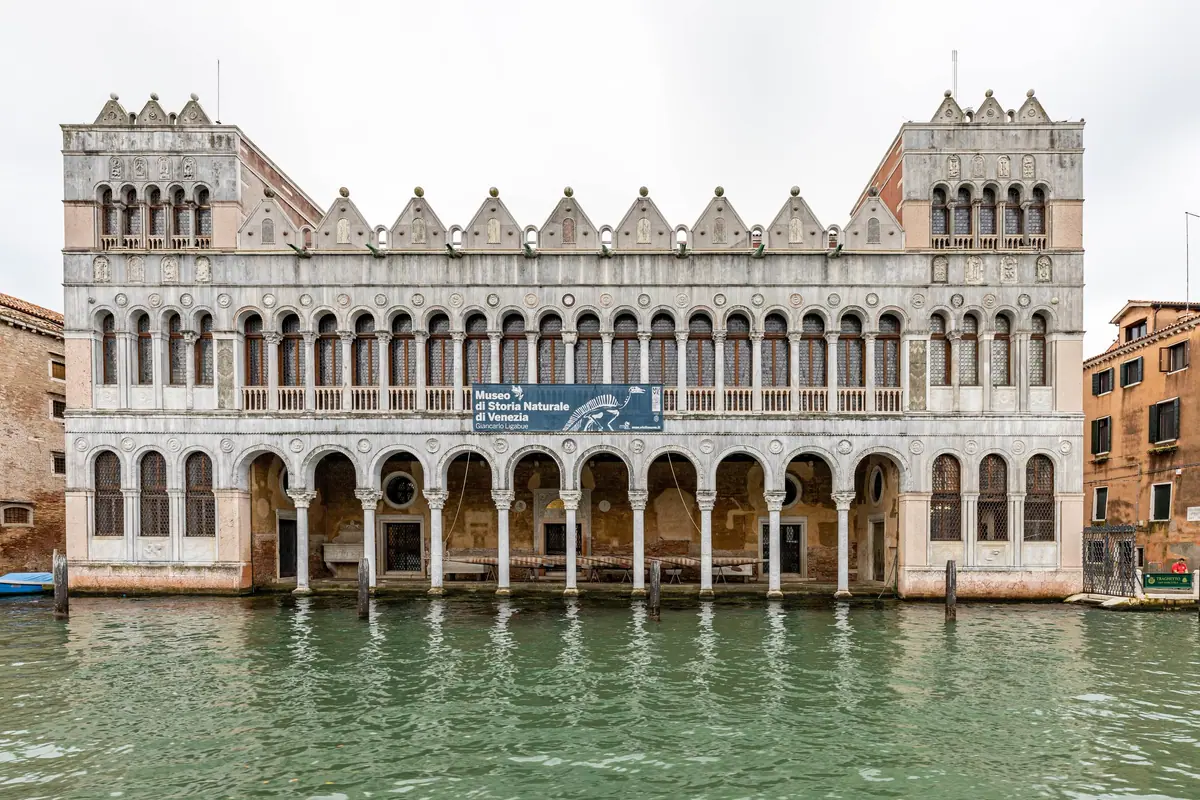
Walk into the Natural History Museum in Venice and the first thing over your head is a fin whale almost 20 metres long, hanging from steel frames. Two floors up stands a dinosaur from the Sahara, an Ouranosaurus more than seven metres long, brought back by a Venetian expedition in 1973. Both are in the Fontego dei Turchi, built in the 13th century and named after the Turkish merchants who once lived there.
Our entry ticket costs €15 from the age of 15. Children from 6 to 14 pay €9, as do students up to 25 and over-65s, and under-6s go in free. There’s no time slot, the ticket can’t be cancelled, and this is the only ticket we sell for the museum: there’s no combo with it.

At the desk you pick up the Audiopen, the museum’s audio guide, which comes with admission. They keep an identity document until you bring it back, so carry one you can do without for a couple of hours.
A dinosaur, whales and explorers inside the Fontego dei Turchi
The ground floor opens with the Cetacean Gallery. It holds the fin whale and a young sperm whale, the windows carry underwater photographs by Hussain Aga Khan, and the sound of whales singing plays in the room. Next to it, a corner about the palace itself has two 3D-printed models you’re meant to touch, with Braille labels: one of the whole building, and one, at full size, of the carved roundel over its doorway.
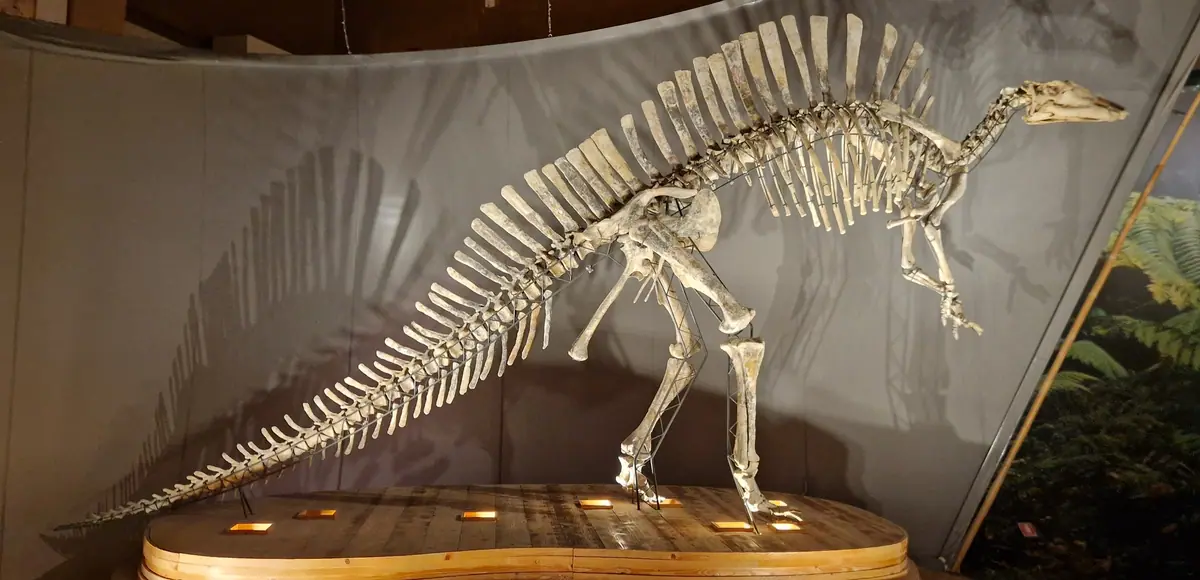
The second floor starts with four rooms of palaeontology, “On the tracks of life”, which follow life on Earth from the Precambrian onwards. The Ouranosaurus, nearly complete, was found by Giancarlo Ligabue, a Venetian businessman who spent more than 30 years leading expeditions across five continents, on his trip to the Ténéré desert, and he gave it to the museum, which now carries his name.
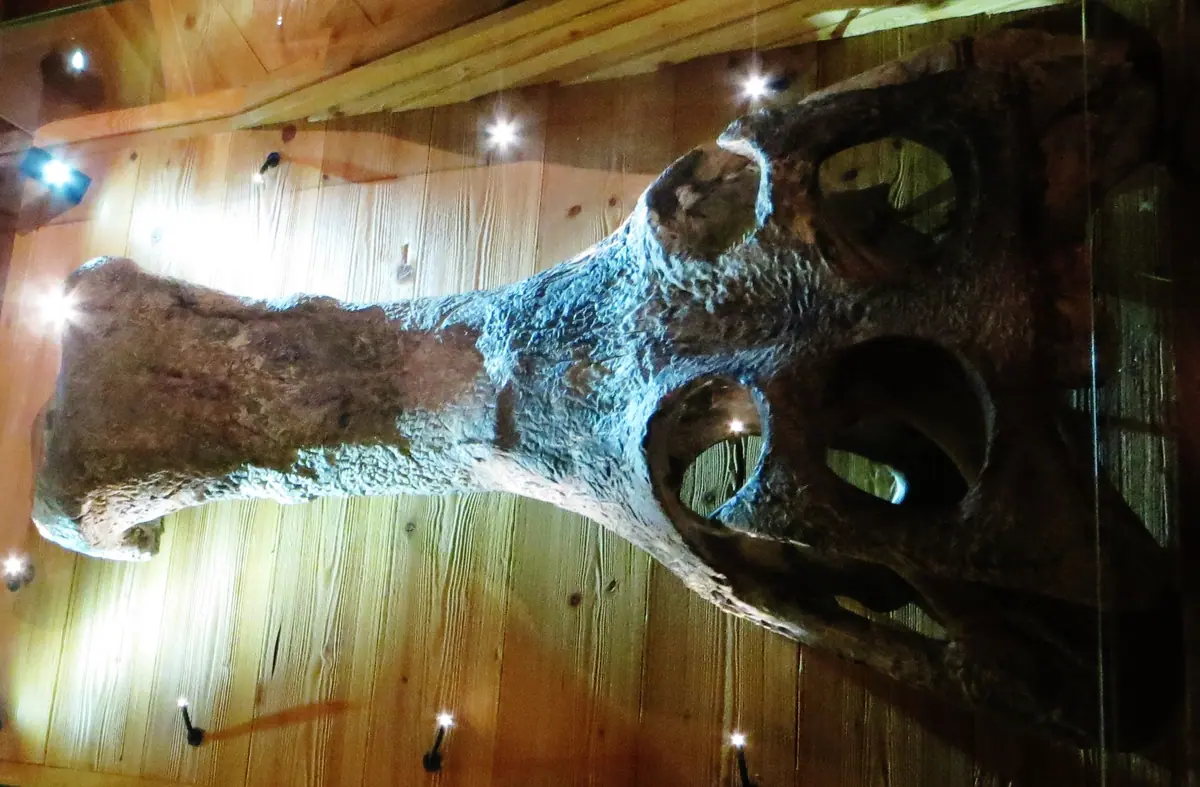
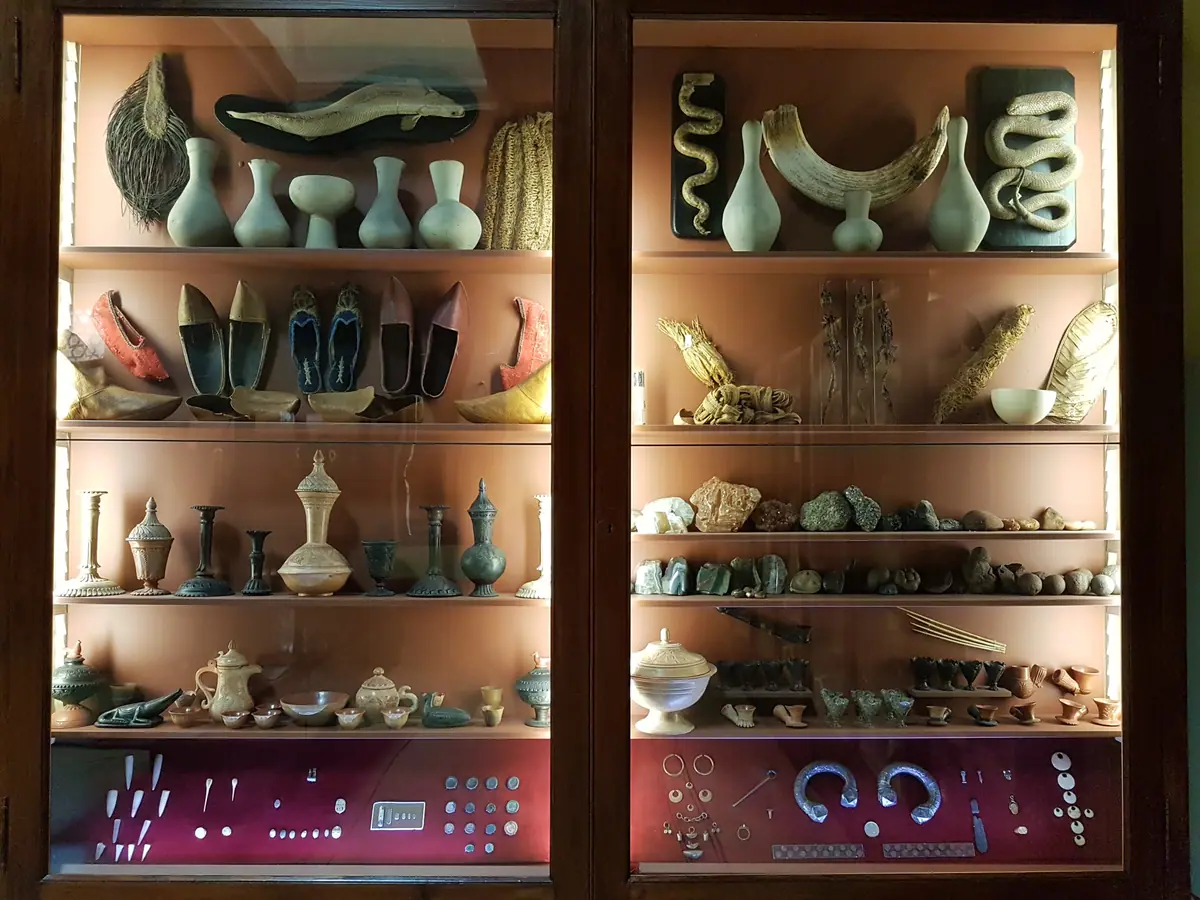
That expedition also brought back the skull of Sarcosuchus imperator, an extinct giant crocodile, shown in the same rooms. Next comes “Collecting to astonish, collecting for research”, three rooms of what explorers carried home: the collections of Giovanni Miani, who went up the Nile in 1859 and 1860 looking for its source, Giuseppe de Reali’s African hunting trophies and, to close the section, a Wunderkammer, a cabinet of curiosities in the old style.
The last part, “The strategies of life”, shows how living things are built for what they do, from moving to feeding.
Seeing the whale hall and the three sections upstairs takes an hour and a half to two hours.
Which Venice passes include the Natural History Museum
The Venice Museum Pass and the All Venice version of the City Pass both include it.

Venice Pass and Venice’s museum passes shows what each covers.
The Fontego dei Turchi, where the Turkish merchants lived
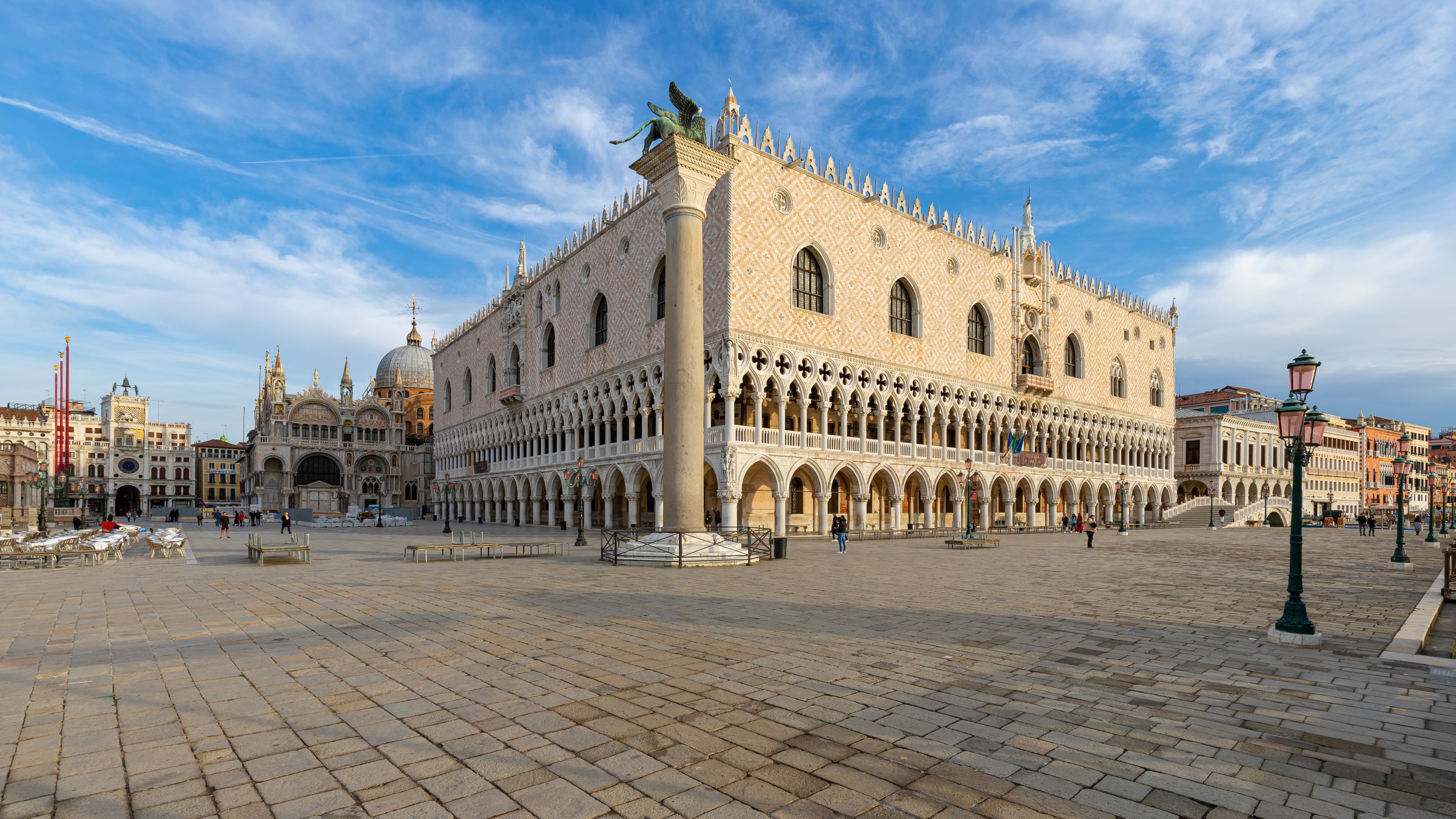
The building was put up in the 13th century as a palace for the Pesaro family. From the water you see its double loggia in the Veneto-Byzantine style and the towers at the corners, which recall the defended family houses of the early Middle Ages.
The name came later. From 1621 to 1838 this was the fontego of the Turkish merchants, a trading house where they were required to live and do business. After a restoration that began in 1865 it housed the Correr, the city’s museum, and since 1923 it has been the Natural History Museum.
Natural History Museum opening hours: from 9:00 in winter
This museum keeps its own seasons. Winter hours start on 1 October and run to the end of May, and on those days the doors open at 9:00, an hour earlier than Ca’ Pesaro and Palazzo Mocenigo nearby, so it makes a good first stop of the day. From June it opens at 10:00.
Opening hours
- 1 October to 31 May
- 9:00–17:00, last entry 16:00
- 1 June to 30 September
- 10:00–18:00, last entry 17:00
- Mondays
- Closed
Big bags don’t go in, but there’s a free cloakroom and lockers with a refundable deposit. The bookshop sells an illustrated guide to the museum in Italian and English, and there’s no café among the museum’s services. There’s no temporary exhibition on at the moment, and none announced.
Riva de Biasio, the stop for the Natural History Museum
The museum’s own stop is Riva de Biasio, on vaporetto line 1. The address is Santa Croce 1730, on the Salizada del Fontego dei Turchi. San Stae, a little further along the line, works as well, and from there Palazzo Mocenigo and Ca’ Pesaro are a short walk.
City cards
Natural History Museum with a city card
Pick the one that fits your trip. Prices are per adult, and you choose your dates on the next page.

Tickets
Popular tickets around Venice
The ones other visitors book most.


People also ask
Frequently asked questions
What are the opening hours of the Natural History Museum in Venice?
From 1 October to 31 May it opens from 9:00 to 17:00, with last entry at 16:00. From 1 June to 30 September it opens from 10:00 to 18:00, with last entry at 17:00. It's closed on Mondays all year.
Is there a dinosaur at the Natural History Museum of Venice?
Yes, a nearly complete skeleton of Ouranosaurus nigeriensis, more than 7 metres long, found in the Ténéré desert in the Sahara by Giancarlo Ligabue's expedition in 1973. It's in the palaeontology rooms on the second floor.
Is the crocodile at the Natural History Museum a Nile crocodile?
No. Some websites call it a giant Nile crocodile, but the skull on display belongs to Sarcosuchus imperator, an extinct crocodile, found on the same 1973 expedition as the dinosaur.
How long does the Natural History Museum take?
Allow an hour and a half to two hours for the whale hall on the ground floor and the three sections on the second floor.
Is the Natural History Museum accessible?
Yes, there's a lift between floors and the museum is fully accessible, though the old palace has a few changes of level. Big bags go to the free cloakroom or to lockers with a refundable deposit.
