
Venice · Venice Museum Pass
Ca' Rezzonico
One Tiepolo painted a wedding across a ceiling, and his son's Pulcinellas, brought from the family villa, fill a room upstairs.
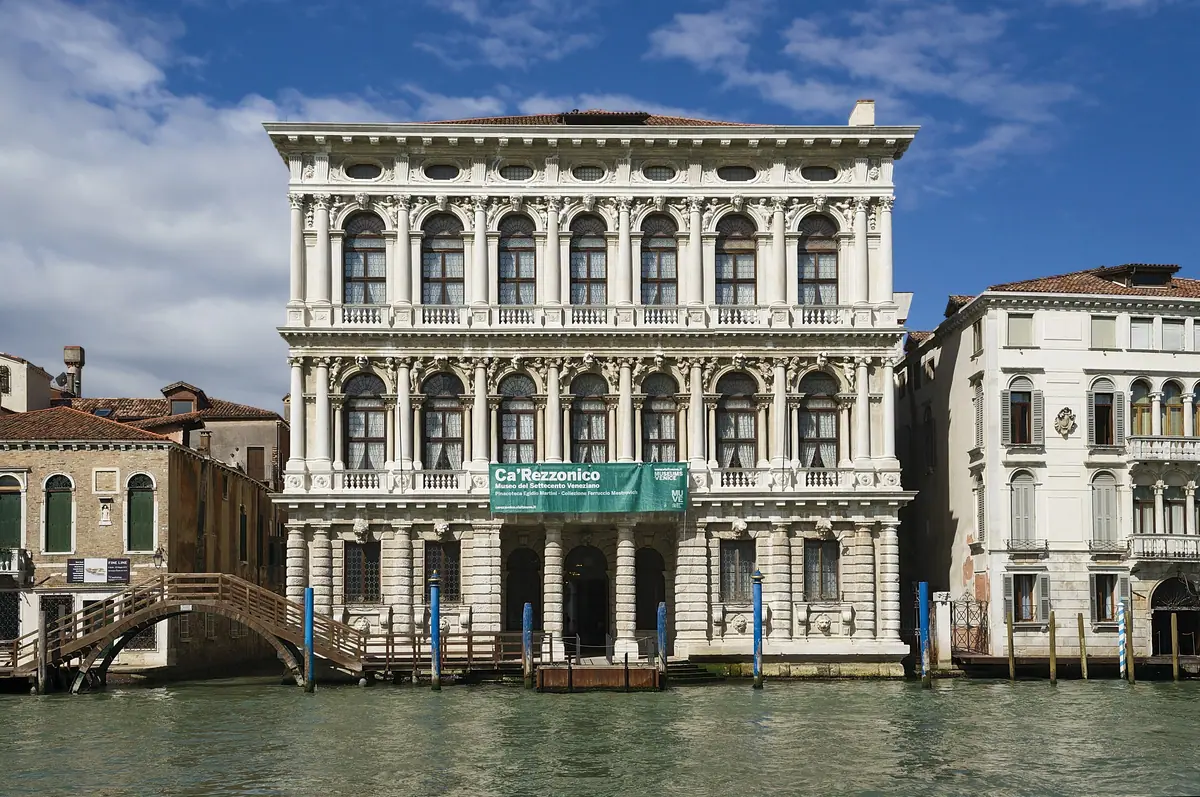
Ca' Rezzonico, on Venice's Grand Canal, is the Museum of 18th-century Venice, a palace the city furnished as a noble Venetian home of the 1700s. Giambattista Tiepolo's ceilings are overhead, the long central hall holds the only two Canaletto views in the city's public collections, and Pietro Longhi's scenes of Venetian life fill the Longhi Room. Our ticket covers entry, and the Venice Museum Pass and the All Venice City Pass include it.


Ca’ Rezzonico tickets, the Settecento combo and the passes that include it
Our Ca’ Rezzonico ticket costs €15, and €9 for children aged 6 to 14 and visitors over 65. Under-6s go in free. The museum doesn’t work with time slots or bookings, so there’s no hour to stick to, and the ticket can’t be refunded.
Ca’ Rezzonico is one of three museums of 18th-century Venice, the Settecento, and the Settecento ticket, at €20, gets you into all three: this one, Palazzo Mocenigo and Carlo Goldoni’s house. You can cancel it up to 24 hours ahead. Plan the days with care, because each of the three closes on a different one: Ca’ Rezzonico on Tuesdays, Palazzo Mocenigo on Mondays and the Goldoni house on Wednesdays.


If you’re seeing more of Venice’s museums, two passes include Ca’ Rezzonico with nothing to book. One is the Venice Museum Pass, which covers the Doge’s Palace and the other museums the city runs. The other is the Venezia Unica City Pass, but only in its All Venice version, since the cheaper San Marco version leaves Ca’ Rezzonico out.

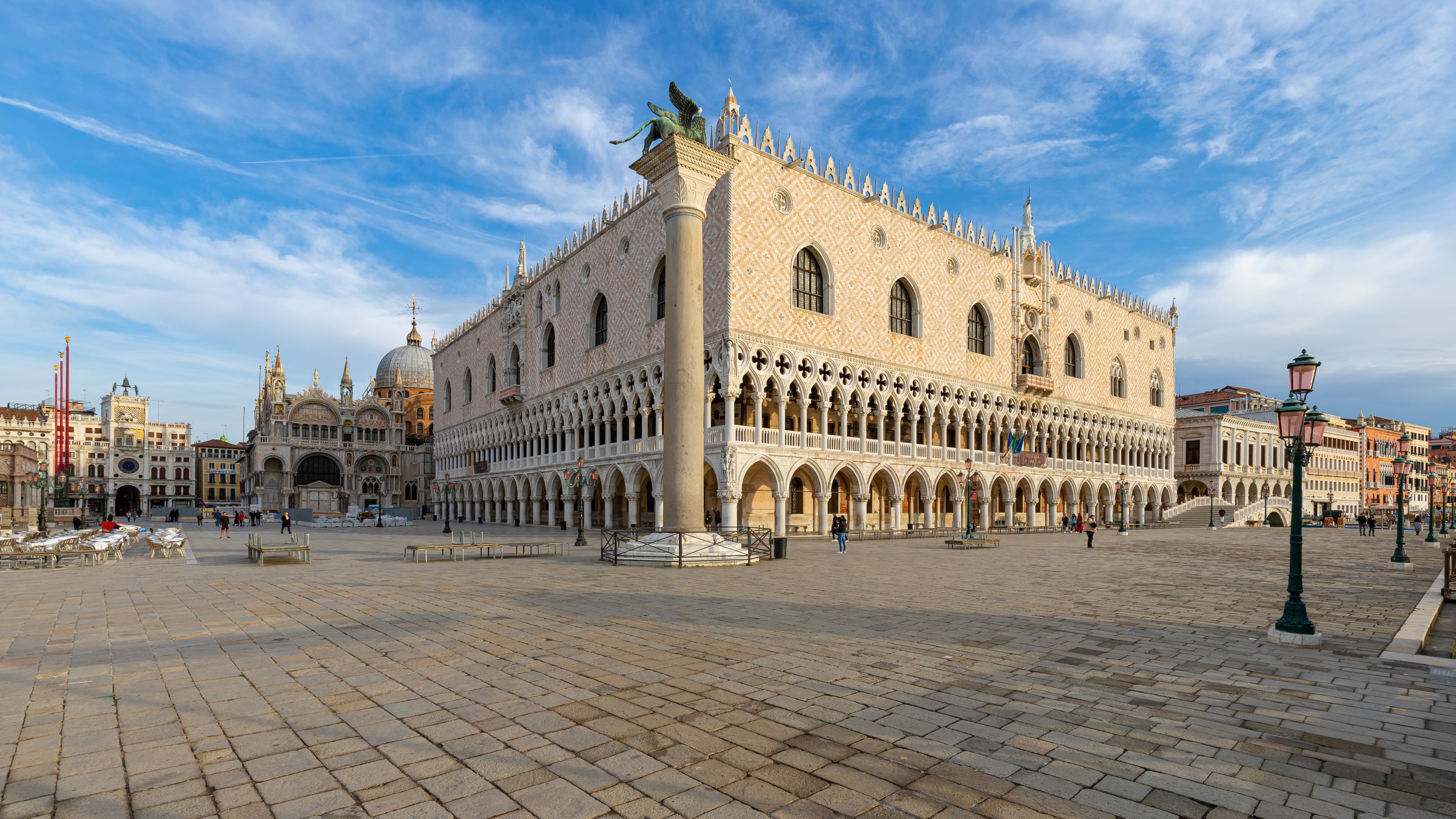
The Museum Pass costs €50. On their own, the Doge’s Palace is €35 with us and Ca’ Rezzonico €15, and the pass adds the city’s other museums on top. A third way to bundle it is the St Mark’s Square Pass, at €70.50, which puts Ca’ Rezzonico with the Doge’s Palace, the basilica or the campanile, and a digital audio guide. Our page on Venice’s passes compares them all.
Ca’ Rezzonico before the museum: Longhena, a Rezzonico pope and Robert Browning
The palace was begun in the mid-17th century for the Bon family by Baldassare Longhena, the architect of Ca’ Pesaro and the Salute church. Longhena died in 1682 with the building unfinished, and the Bons ran out of money.
In 1750 it was bought by Giambattista Rezzonico, whose family had bought its way into the Venetian nobility, and Giorgio Massari finished it in six years. In 1758 Giambattista’s son Carlo was elected pope as Clement XIII. Fifty-two years later, in 1810, the Rezzonico line died out.
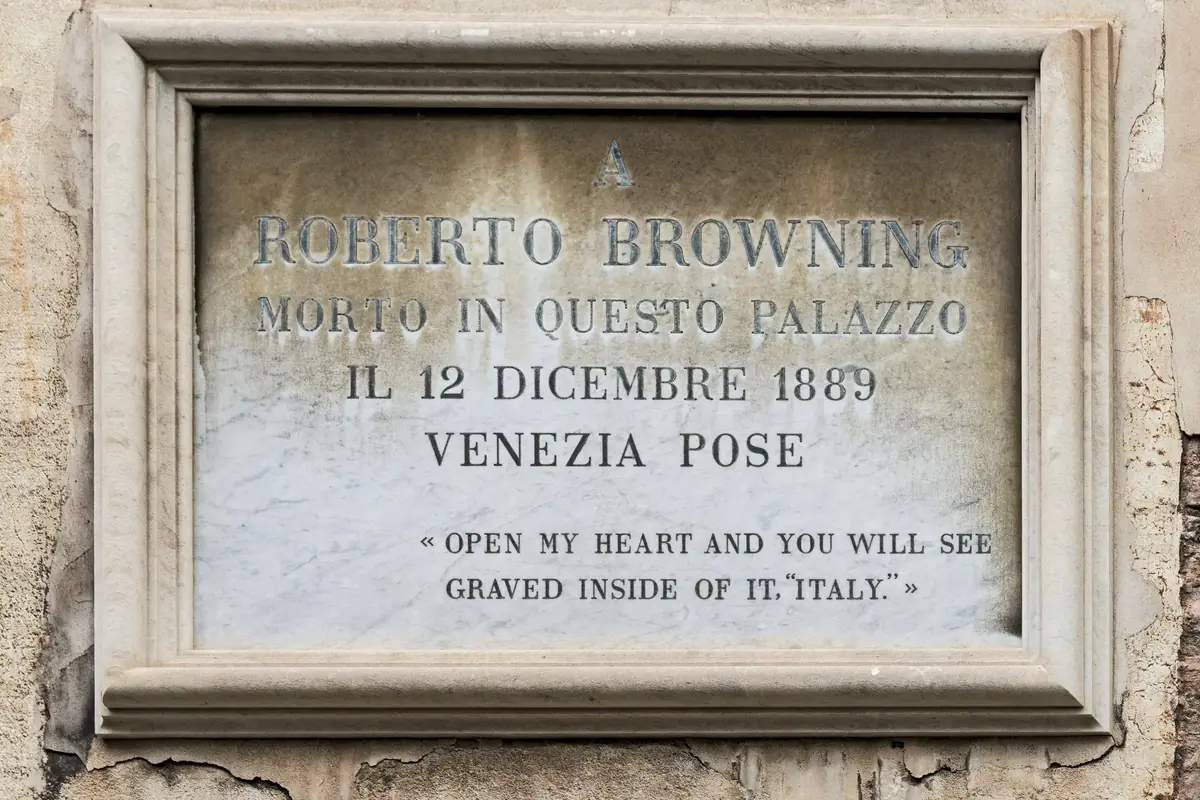
The English poet Robert Browning spent the summers of 1887 and 1888 in the palace and died here in 1889, and Cole Porter rented it in 1926 and 1927. The city bought it in 1935 and furnished it with pieces from other palaces, to open it as the Museum of 18th-century Venice.
Tiepolo, Canaletto and Longhi at Ca’ Rezzonico
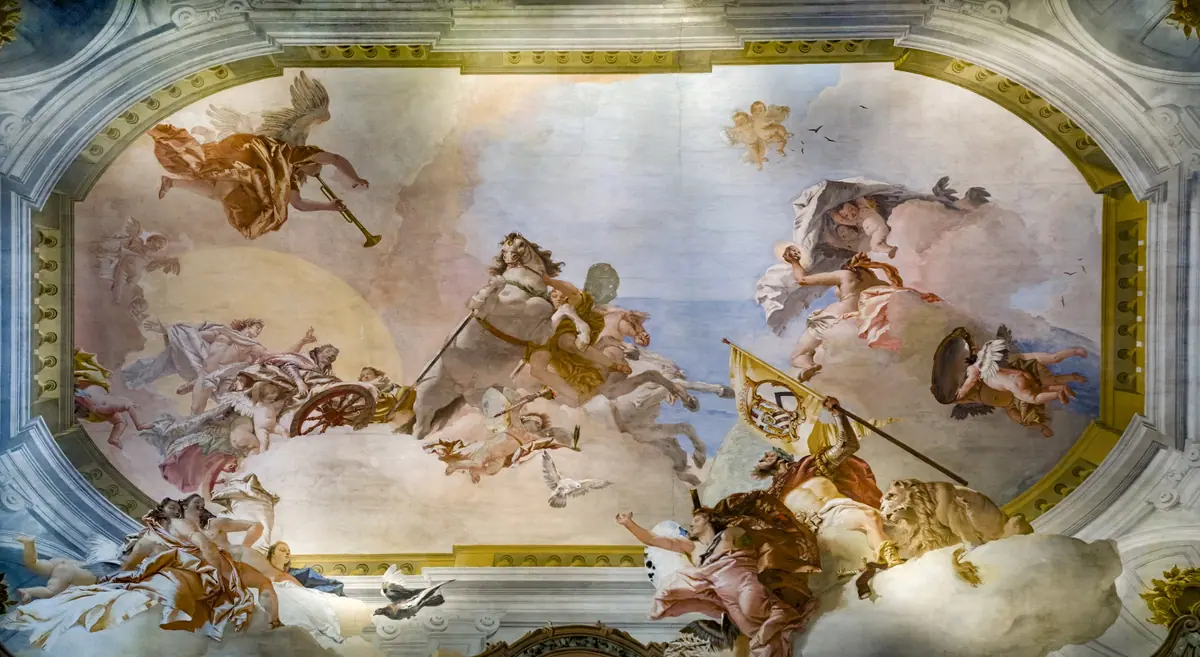
Giambattista Tiepolo painted this ceiling, the Nuptial Allegory, in the winter of 1757 for the wedding of Ludovico Rezzonico and Faustina Savorgnan. It’s on the first floor, the floor of the grand rooms, which you reach by Giorgio Massari’s staircase.
The first room at the top of the stairs is the ballroom, and for now it’s under scaffolding. You cross it along a corridor without seeing its frescoes of 1751 or its carved furniture by Andrea Brustolon, the woodcarver Balzac called the Michelangelo of wood, and there’s no date yet for the work to finish.
The rest of the floor is open, and the Throne Room still has the chair Pope Pius VI sat in when he came to Venice in 1782, under Tiepolo’s Allegory of Merit. Not every Tiepolo ceiling was painted for this house, though: Nobility and Virtue, in the Tiepolo Room, was bought by the city in 1934.
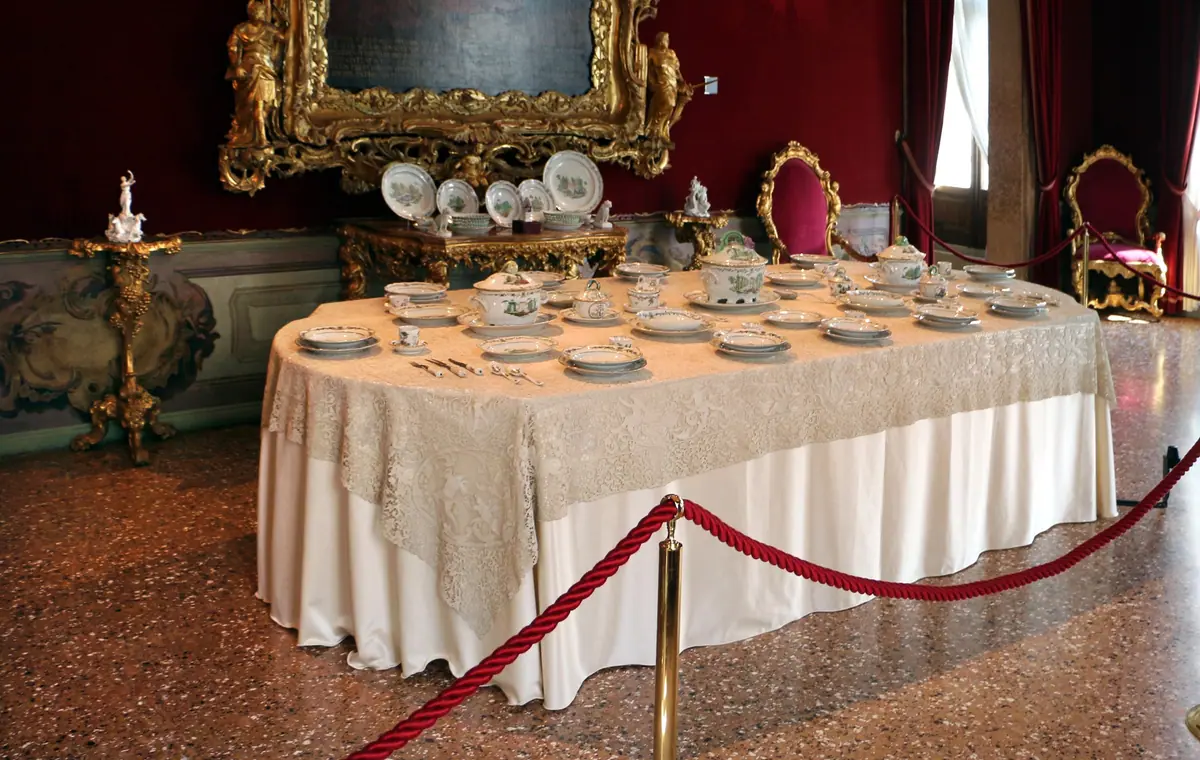
The second floor opens with the portego, the long hall through the middle of the palace, where the city’s only two Canaletto views in a public collection hang beside works by Francesco Guardi. More Guardi waits in the Parlour Room, among them his Ridotto, the city’s old gambling house.
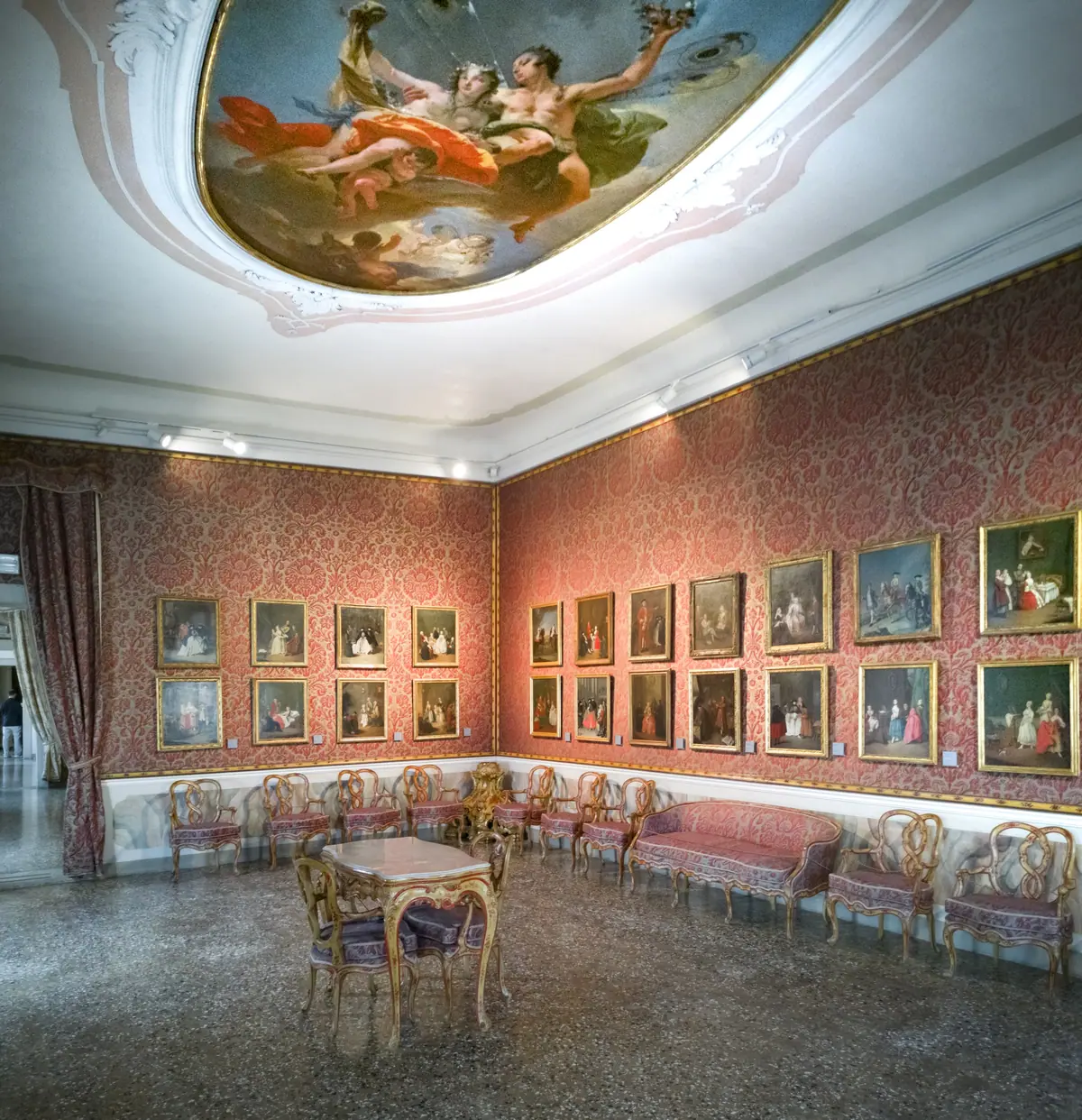
On the same floor, the Longhi Room is hung with Pietro Longhi’s paintings of Venetians at home and out on the town. Look for The Rhinoceros, which shows Clara, the rhino exhibited at the Carnival of 1751, and look up at Tiepolo’s Zephyr and Flora.
On the same floor are the frescoes Giandomenico Tiepolo, Giambattista Tiepolo’s son, painted between 1759 and 1797 for the family’s villa at Zianigo, on the mainland, brought here in 1936. Il Mondo Novo shows a crowd seen from behind, gathered round a magic lantern show, and the Pulcinella room, finished in 1797, the year the Venetian Republic fell, fills the walls with Pulcinellas, the masked clowns of the commedia dell’arte.
Also at Ca' Rezzonico
- Third floor
- The Ai Do San Marchi pharmacy, rebuilt here from Campo San Stin, and the Egidio Martini picture gallery, Venetian painting from the 15th to the 19th century
- Ground floor
- A 19th-century gondola with its felze, the covered cabin, in the portico; the garden; the café and the shop
- Browning mezzanine
- The Mestrovich collection, with a Tintoretto
- Also on the first and second floors
- Rosalba Carriera's pastel portraits and Antonio Corradini's sculpture, the Veiled Woman
Ca’ Rezzonico’s Tuesday closing, winter hours and bags
Ca’ Rezzonico closes on Tuesdays, and from November to March it shuts an hour earlier. The rest of the week it opens at 10:00 and closes at 17:00 in winter, with the last entry at 16:00, or at 18:00 from April to October, with the last entry at 17:00.
The rooms start closing 30 minutes before the doors do, so a 16:00 entry in winter leaves you about half an hour on the upper floors.
The museum is fully accessible, with a lift to every floor, though the old floors are uneven and some steps are irregular. The entrance is on the land side, at Dorsoduro 3136.
Bags and photos
- Suitcases, trolleys and bulky bags
- Not allowed in, and the museum won't keep them
- Backpacks and umbrellas
- Into the free cloakroom
- Security
- Bags may be searched
- Photos
- Fine without flash, tripods or selfie sticks
The easy way there is by water: the vaporetto stop has the museum’s name, and line 1 stops at Ca’ Rezzonico on its way from Piazzale Roma and the railway station, or from the Lido.
City cards
Ca' Rezzonico with a city card
Pick the one that fits your trip. Prices are per adult, and you choose your dates on the next page.

Tickets
Popular tickets around Venice
The ones other visitors book most.


People also ask
Frequently asked questions
Is Ca' Rezzonico included in the Venice Museum Pass?
Yes. The Museum Pass includes one entry to Ca' Rezzonico, with nothing to book, along with the Doge's Palace and the city's other museums.
Is Ca' Rezzonico on the Venezia Unica City Pass?
Only on the All Venice version. The San Marco version covers the museums on St Mark's Square, the Querini Stampalia and the Scuola Grande dei Carmini, and leaves Ca' Rezzonico out.
What day is Ca' Rezzonico closed?
Tuesday. From April to October it opens 10:00 to 18:00, and from November to March 10:00 to 17:00, with the last entry an hour before closing.
Can you see the ballroom at Ca' Rezzonico?
Not at the moment. Structural scaffolding fills the ballroom during restoration, and you cross it along a corridor without seeing the ceiling frescoes or the walls. No end date has been given. The rest of the museum is open.
Where can you see Canaletto in Venice?
At Ca' Rezzonico, which holds the only two views by Canaletto in Venice's public collections. They hang in the portego, the long central hall of the second floor.
