
Venice
Murano and Burano
Murano still has Venice's glass furnaces and Burano its lacemakers, and five minutes past Burano, Torcello's cathedral keeps a Last Judgement in mosaic.
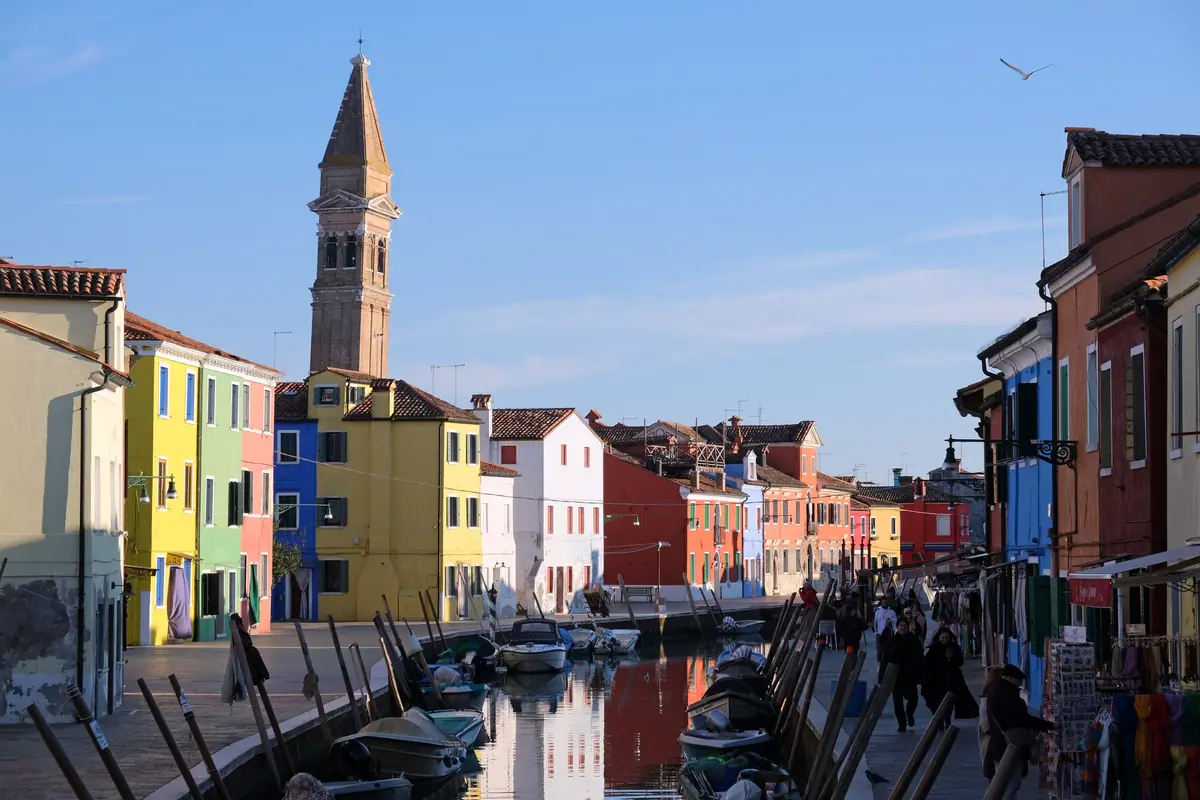
Murano and Burano, out in the Venetian lagoon, each kept a craft: Venice's glass has been made on Murano since a 13th-century law moved the city's furnaces there, and on Burano, the island of painted houses, lace is made with nothing but a needle and thread. Torcello, five minutes on from Burano, has a cathedral founded in 639. Our boat tours take you round the islands with a glass-blowing demonstration, and the Glass and Lace museums are on Venice's museum passes.
Before you go
- Time inside4–8 h
- OpenEvery day
TipOn Mondays only the Glass Museum is open, and the Lace Museum on Burano closes at 16:00 all year, with last entry at 15:30.


Murano and Burano boat tours: both islands in half a day
On a boat tour you see Murano and Burano in half a day: it takes you out across the lagoon, stops at a Murano glass factory to watch a glassmaker at work, and gives you free time on each island. The tours take 4 to 4½ hours.
The tour to Murano, Burano and Torcello starts at €18, with the glass-blowing demonstration and time on all three islands. The version that leaves from St Mark’s Square, with a guide on board, takes four hours: about 20 minutes on Murano, 50 on Burano and 30 on Torcello, so it’s for a first look rather than the museums.
If you’d rather have longer on Burano, the tour to Murano and Burano starts at €18, also with the glass-blowing. At checkout, one of its options gives you three hours of free time on Burano, and a small-group option adds a private demonstration of both glass-blowing and lace.


Look at the cancellation terms of the option you pick, because not all of them let you cancel. The glass factory on the tours is a private furnace; the Glass Museum is a separate visit with its own ticket, and so is the Lace Museum.
Venice’s passes split in two here. The two bundles from Tiqets, which issues the tickets we sell, include a boat tour to the islands, as the alternative to a gondola ride, but not the island museums; the Museum Pass and the City Pass include the museums but not the boat.
-
The Venice Pass
The boat to Murano and Burano, or to Murano, Burano and Torcello, instead of a gondola ride; with the Doge's Palace and St Mark's Basilica
from €88
Buy pass→ -
Venice Pass
The boat tour to Murano, Burano and Torcello from St Mark's Square, with a guide on board, or a classic gondola ride; with the Doge's Palace and the basilica
from €75
Buy pass→


Murano and Burano by vaporetto: line 12 from Fondamente Nove
Going on your own, the boat is the ordinary waterbus, the vaporetto. Line 12 leaves from Fondamente Nove, on Venice’s north shore, stops at Murano Faro and then runs on to Mazzorbo and Burano. A single ticket costs €9.50 and lasts 75 minutes. Murano, Burano and the trip back are three rides, and with one more a day pass works out cheaper; the Venice vaporetto page explains the passes.
The islands by vaporetto
- Fondamente Nove to Murano Faro
- Line 12, 8 to 9 minutes
- Murano Faro to Burano
- Line 12, 30 minutes
- Fondamente Nove to Burano
- Line 12, 41 minutes; from 2 November, every half hour from 10:10 to 17:10, and back from Burano from 11:25 to 17:55
- Burano to Torcello
- Line 9, 5 minutes, from 9:30 to 17:45; last boat back from Torcello at 17:55
- Other boats to Murano
- Lines 4.1 and 4.2 from Fondamente Nove, Piazzale Roma and the station; line 3 from Piazzale Roma and the station, every half hour this winter
None of the Venice passes covers the vaporetto, so the boat is always a ticket of its own.
The Glass and Lace museums: tickets and the passes that include them
Each island has a museum of its craft: glass in Palazzo Giustinian on Murano, lace in Piazza Galuppi on Burano. Our ticket for the two costs €20, with a reduced price at checkout, and covers one entry to each, with no booking. It doesn’t include the boat, and it can’t be cancelled.
Museum hours from 1 November
- Glass Museum, Murano
- Every day, 10:00–17:00, last entry 16:00 (to 18:00 from April)
- Lace Museum, Burano
- 10:00–16:00, last entry 15:30, all year; closed on Mondays
- Torcello Museum
- 11:00–17:00, last entry 16:00 (from April to 17:30, last entry 16:30); closed on Mondays
The Glass and Lace museums are on two of Venice’s passes, and the All Venice City Pass also lists the Torcello Museum. Both passes cover the Doge’s Palace and the city’s other civic museums as well.
-
Venice Museum Pass
One entry to the Glass and Lace museums, and to the Doge's Palace and Venice's other civic museums, with no booking
from €50
Buy pass→ -
Venezia Unica City Pass
The All Venice version includes the Glass, Lace and Torcello museums with the Doge's Palace and the civic museums; the San Marco version doesn't include the islands
from €62.90
Buy pass→

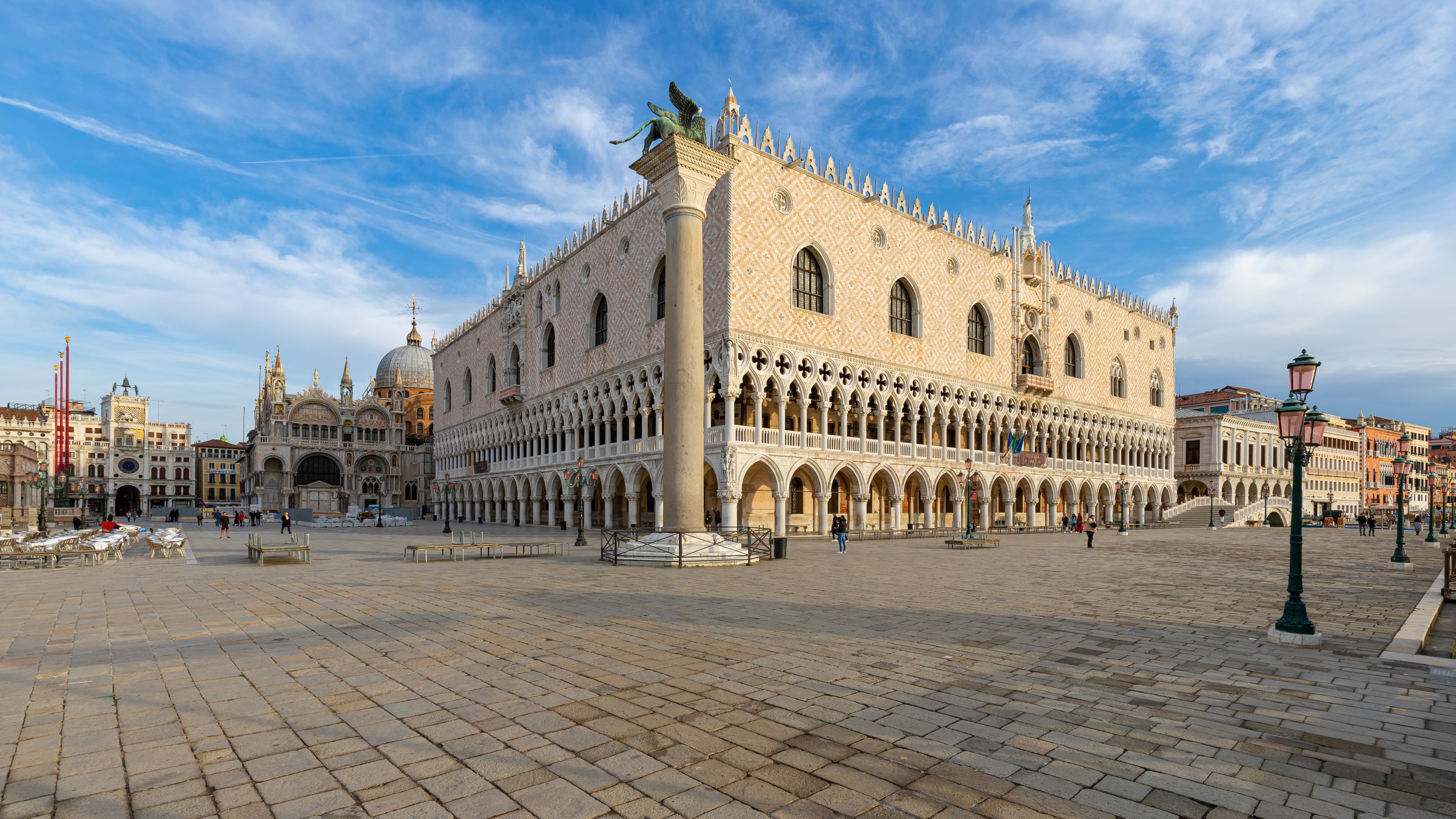
Which of the two is the better buy depends on how many civic museums you’ll see in Venice itself, and Venice Pass and Venice’s museum passes compares them.
Murano: the glass furnaces and the Glass Museum
Glass came to Murano in the 13th century, when a law moved Venice’s furnaces to this cluster of small islands 1.5 km north of the city, against the risk of fire and to keep the glassmakers’ secrets. Murano ran itself as a separate town until 1923. Some of today’s workshops have showrooms where you can watch the glass being blown; their hours aren’t published anywhere we could check, so the demonstration on the tours is the sure way to see one.
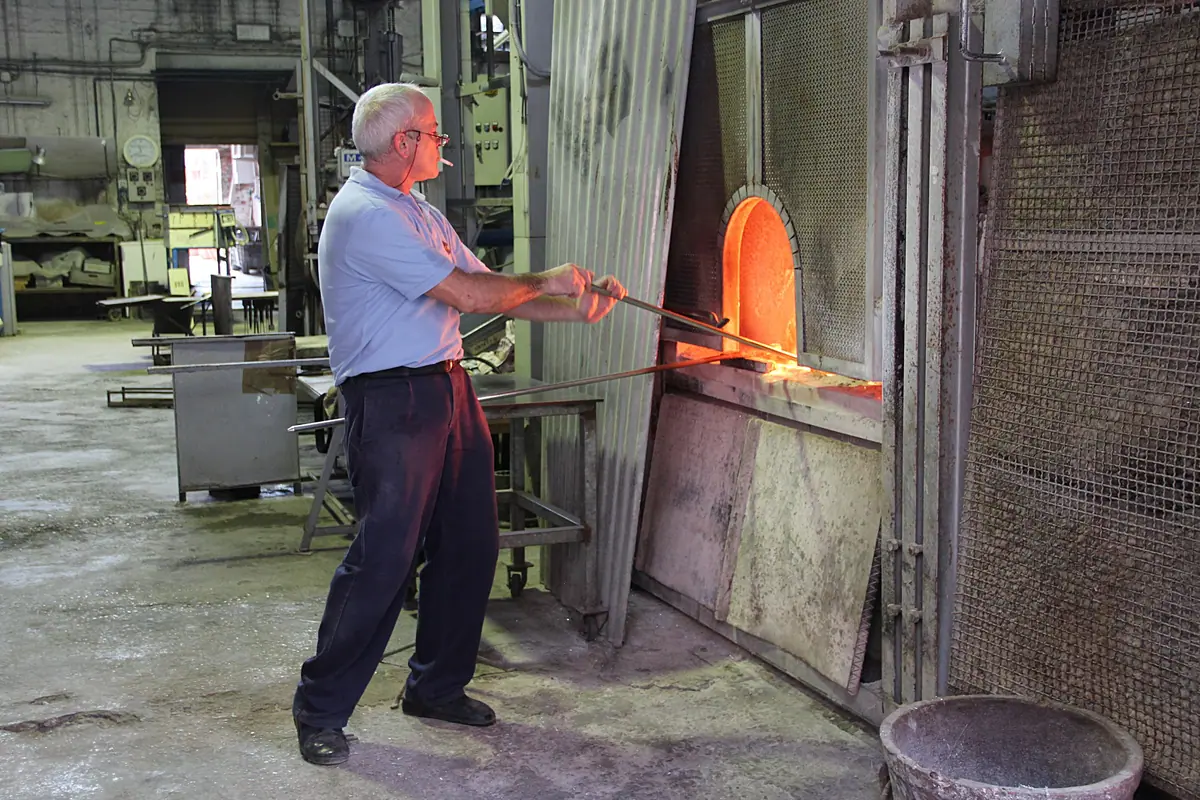
If you’re buying, look for the Vetro Artistico® Murano mark. The Veneto Region created it, and it certifies that the piece was made on the island; the consortium that runs it lists the authorised makers and shops, in Venice and on Murano.
The Glass Museum is by the Murano Museo stop, in Palazzo Giustinian, a Gothic palace that housed the bishops of Torcello from 1659 and Murano’s town hall from 1840. The museum was founded there in 1861. It starts on the ground floor with Roman glass from the 1st to the 3rd century AD, and upstairs has the largest historic collection of Murano glass, from the 15th century to the 20th.
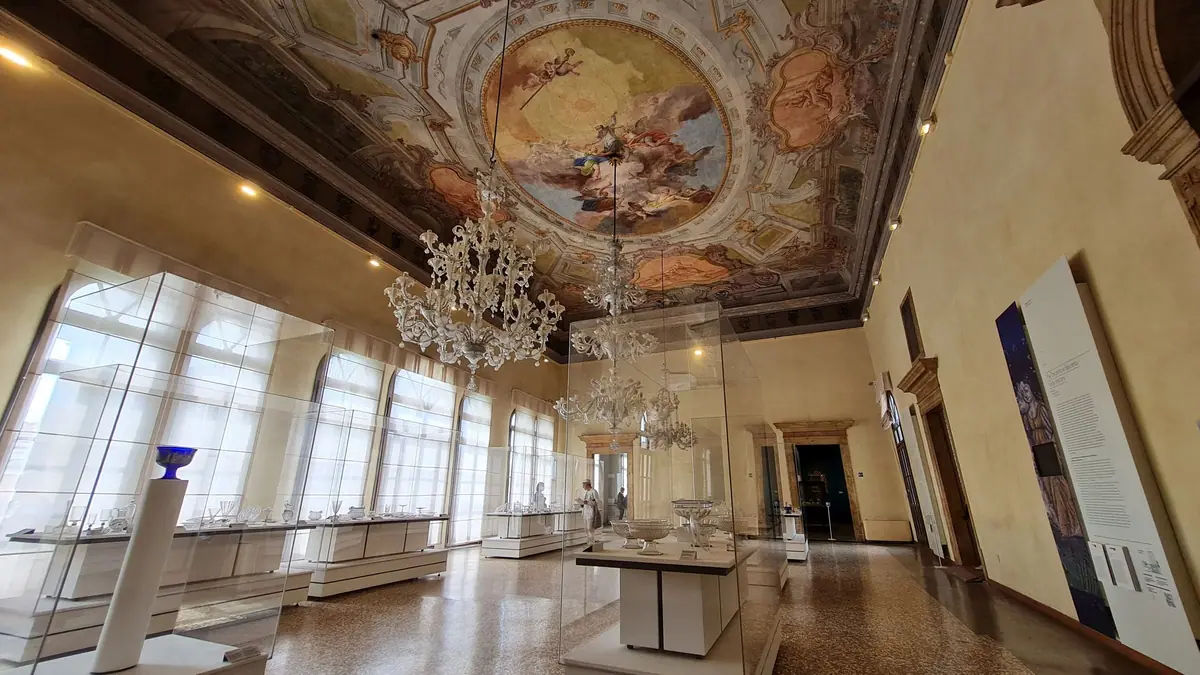
On the first floor you go from Renaissance crystal and filigree to 18th-century chandeliers, the glass beads that Venetian women strung by hand, and 20th-century design. In the main hall hangs a 60-arm chandelier by Giovanni Fuga and Lorenzo Santi, which won the gold medal at the first Murano glass exhibition in 1864. A new section, open since 2025, shows several hundred 19th-century pieces, many never displayed before.
Burano: the Lace Museum and the painted houses
A footbridge joins Burano to Mazzorbo, the island before it on line 12. The Lace Museum, in Piazza Galuppi, starts with a film subtitled in English and panels on the stitches, and upstairs four rooms take you through five centuries and about 200 pieces, ending with the Burano Lace School, which ran from 1872 to 1970. Lacemakers work in the museum during opening hours.
Lace in the shops is another matter: much of what’s sold on the island is imported, and the real thing is expensive. If you’re leaving Torcello out, the guidebook writer Rick Steves suggests staying on until late afternoon, when the shops close and the groups head back to Venice.
Torcello: the cathedral of 639 and its Last Judgement
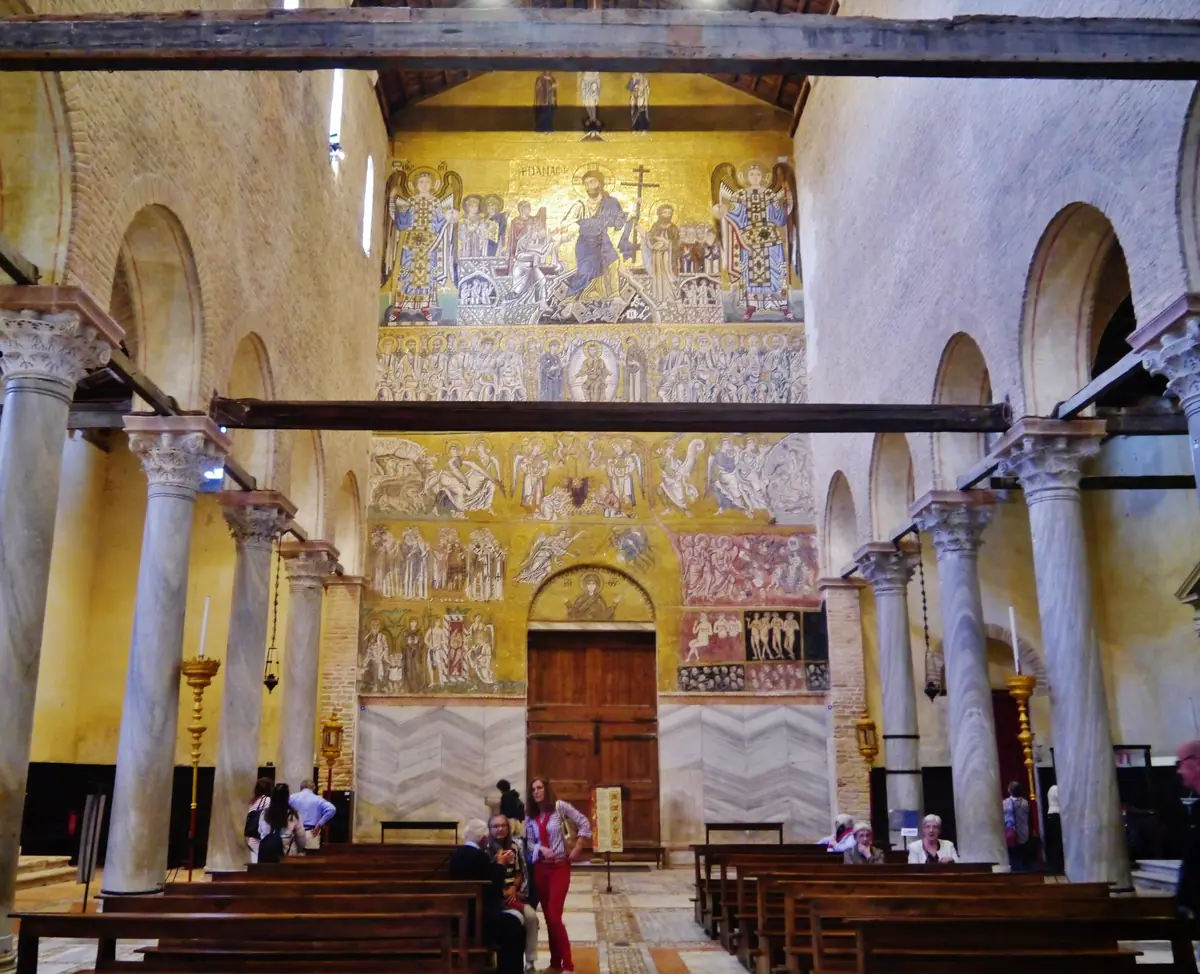
From the Torcello stop it’s a 10 to 15 minute walk along the Fondamenta dei Borgognoni to the cathedral, Santa Maria Assunta. An inscription dates its founding to 639. On the entrance wall, the Crucifixion, Christ’s Descent into Limbo and a Last Judgement fill four bands of mosaic from the first half of the 12th century, and the apse has the Virgin on a gold ground.
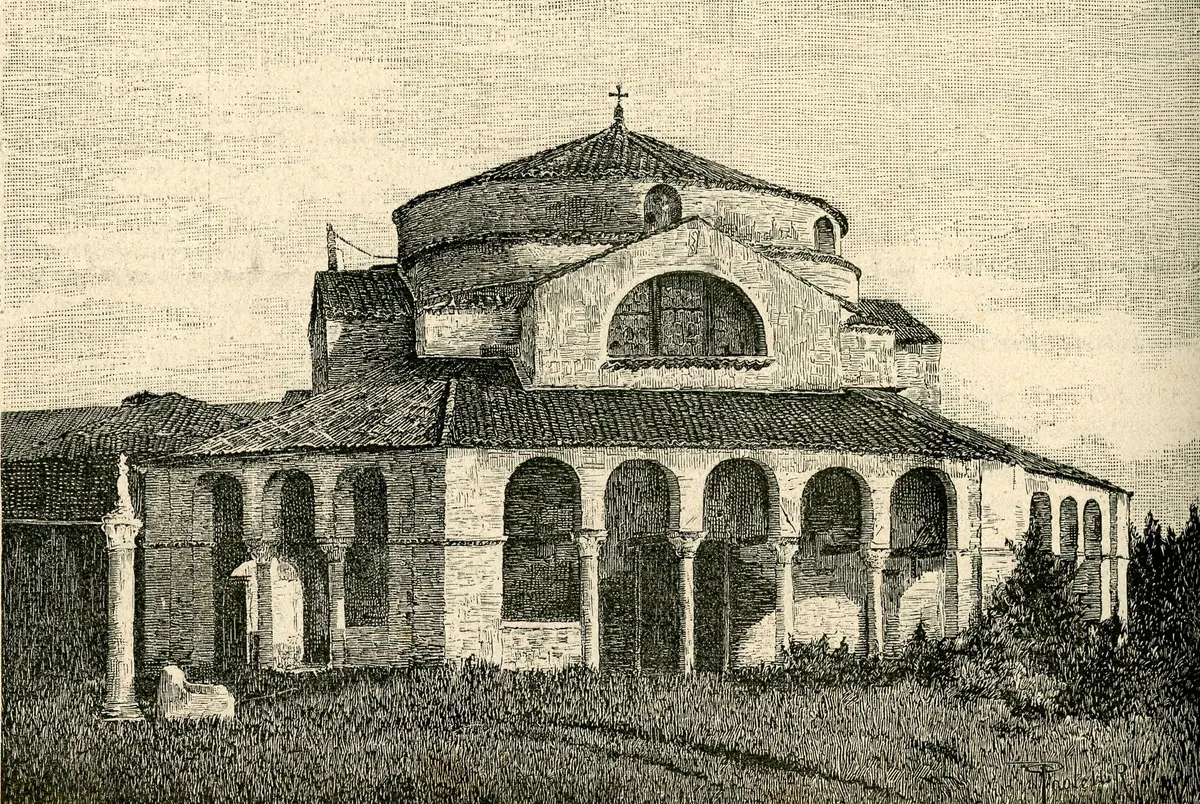
Next door is Santa Fosca, a church built on a Greek cross, with a portico around it, and nearby, the Torcello Museum, with archaeological finds and medieval art on the origins of Venice; it has stairs and uneven floors. The island emptied from the 14th century, as its waters silted up and malaria spread, and only a handful of people live there now.
The cathedral is on the St Mark’s Basilica ticket: both of our guided tours of the basilica include entry to Santa Maria Assunta.
A day on Murano, Burano and Torcello by vaporetto
With a whole day, you can do all three islands by vaporetto and see the museums too. The boat time adds up to about an hour and a half, plus waits of up to half an hour. Avoid Mondays, when the Lace and Torcello museums are closed.
The three islands in one day
- 1Morning: line 4.1 or 4.2 from Fondamente Nove to Murano Museo, the stop by the Glass Museum. The museum, then lunch on Murano.
- 2Early afternoon: line 12 from Murano Faro on to Burano. See the Lace Museum as soon as you land, since its last entry is 15:30 all year, then walk the painted canals.
- 3Mid-afternoon: line 9 to Torcello, then 10 to 15 minutes on foot to the cathedral and the museum. The museum takes its last visitors at 16:00 in winter (16:30 from April), so in winter be on a line 9 boat by 15:30.
- 4Back to Venice: line 9 to Burano in good time, since this winter's half-hourly line 12 boats back to Fondamente Nove are listed until 17:55.
City cards
Murano and Burano with a city card
Pick the one that fits your trip. Prices are per adult, and you choose your dates on the next page.


Tickets
Popular tickets around Venice
The ones other visitors book most.


People also ask
Frequently asked questions
How do I get to Murano and Burano from Venice?
On a boat tour, which takes you round both with a glass-blowing demonstration on Murano, or on line 12 of the vaporetto from Fondamente Nove: 8 to 9 minutes to Murano Faro, 41 to Burano, every half hour this winter. Murano also has lines 3, 4.1 and 4.2 from Piazzale Roma and the railway station.
How long do you need for Murano and Burano?
Half a day on a boat tour, which takes 4 to 4½ hours with about two hours of that on the islands. To add Torcello and see the museums at your own pace, give it the whole day.
Should I visit Murano or Burano first?
Murano, because line 12 from Fondamente Nove stops there first and reaches Burano 30 minutes later. Get to Burano before 15:30 if you want the Lace Museum: that's its last entry all year.
How do I get to Torcello from Burano?
On line 9, which takes 5 minutes and runs from Burano between 9:30 and 17:45; the last boat back from Torcello is at 17:55. From the Torcello stop it's a 10 to 15 minute walk to the cathedral and the museum.
Are the Glass and Lace museums open on Mondays?
The Glass Museum on Murano opens every day. The Lace Museum on Burano and the Torcello Museum close on Mondays.
Where can I see glass blowing in Murano?
Our boat tours to the islands include a visit to a Murano glass factory with a glass-blowing demonstration. It's a working furnace, not the Glass Museum, which has a ticket of its own.