

Naples
Naples in 3 days
On the first morning you're 40 metres under the old town, and on the last you look down on it from a castle on the hill.
A 3-day Naples itinerary works as one day in the old town, above and below ground, one at Herculaneum and Pompeii on the train, and one from the Royal Palace by the bay up to the castle and the monastery on the Vomero hill. Book the Sansevero Chapel first, since every visit has a set time. Give the ruins the Tuesday, when the Archaeological Museum, the Sansevero and the Vomero's sights are shut, and keep the third day off a Wednesday, when the Royal Palace closes.
A 3-day Naples itinerary, and the closing days that set the order
The plan below puts the old town, and what lies under it, on day one. Day two goes round the bay by train to Herculaneum and Pompeii, the Roman towns Vesuvius buried, and day three climbs from the Royal Palace by the water to the Vomero hill above it. Vesuvius, Capodimonte, Caserta and the islands each want a day of their own, and how to swap one in is at the end of the page.
The closing days decide the order. Tuesday shuts the Archaeological Museum and the Sansevero Chapel, which anchor day one, and the castle and the monastery on the Vomero, where day three ends. Herculaneum and Pompeii open every day, so a Tuesday goes to them, and the Royal Palace shuts on Wednesdays. On a Monday, day three goes without the Galleria Borbonica and Gallerie d’Italia, which are shut.
The order for your starting day
- Wednesday to Saturday
- Day 1, day 2, day 3, as below
- Sunday
- Day 1, with the Pio Monte before it closes at 14:30, then day 3 and day 2
- Monday
- Day 3, day 2, day 1
- Tuesday
- Day 2, day 1, day 3
Two of the stops are worth booking before you go, and a third saves you a queue.
What to book before Naples
- 1The Sansevero Chapel: every visit has a half-hour slot, on sale 60 days ahead, so book it first and build day one around it.
- 2Pompeii: every ticket carries your name and a date that can't be changed, so type your name as it appears on your passport. With the Campania Artecard there's no slot to book.
- 3The Napoli Sotterranea: you don't have to book, but the queue at the door can take 10 to 90 minutes, and our ticket skips it.
Naples airport is closed for runway works from 1 to 30 November 2026, with about a third of its flights moved to Salerno and the rest to Rome; if you land at Salerno, getting from Naples airport into the city has the way in from there.
Day 1: the Sansevero Chapel, the Napoli Sotterranea and the Archaeological Museum
-
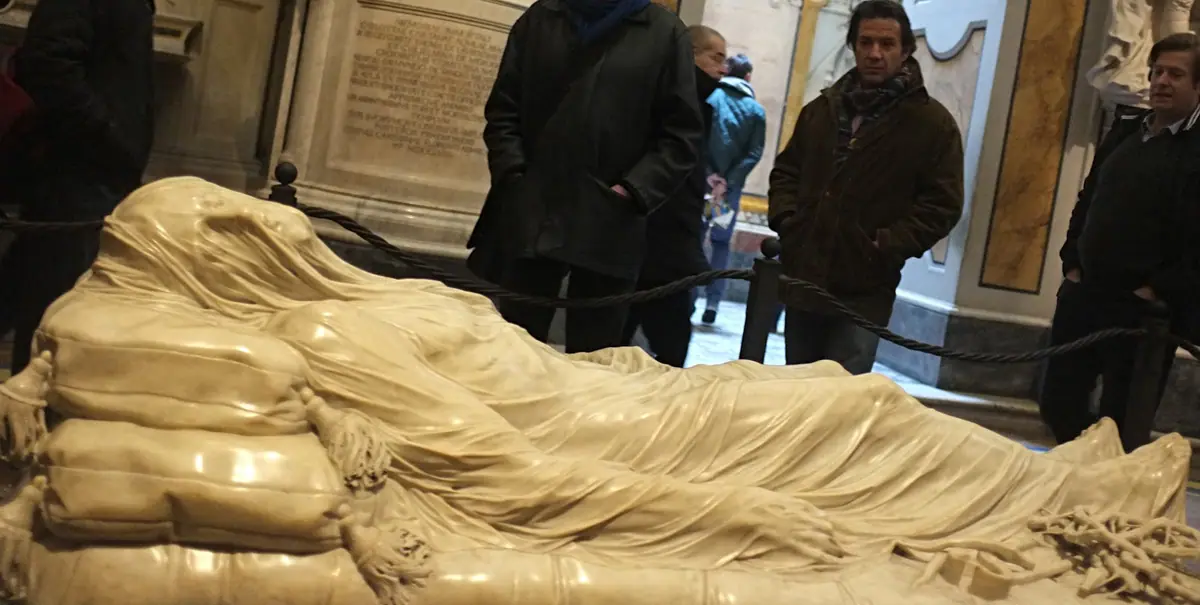 9:00 Sansevero Chapel → The first slot of the day. Half an hour to 45 minutes.
-
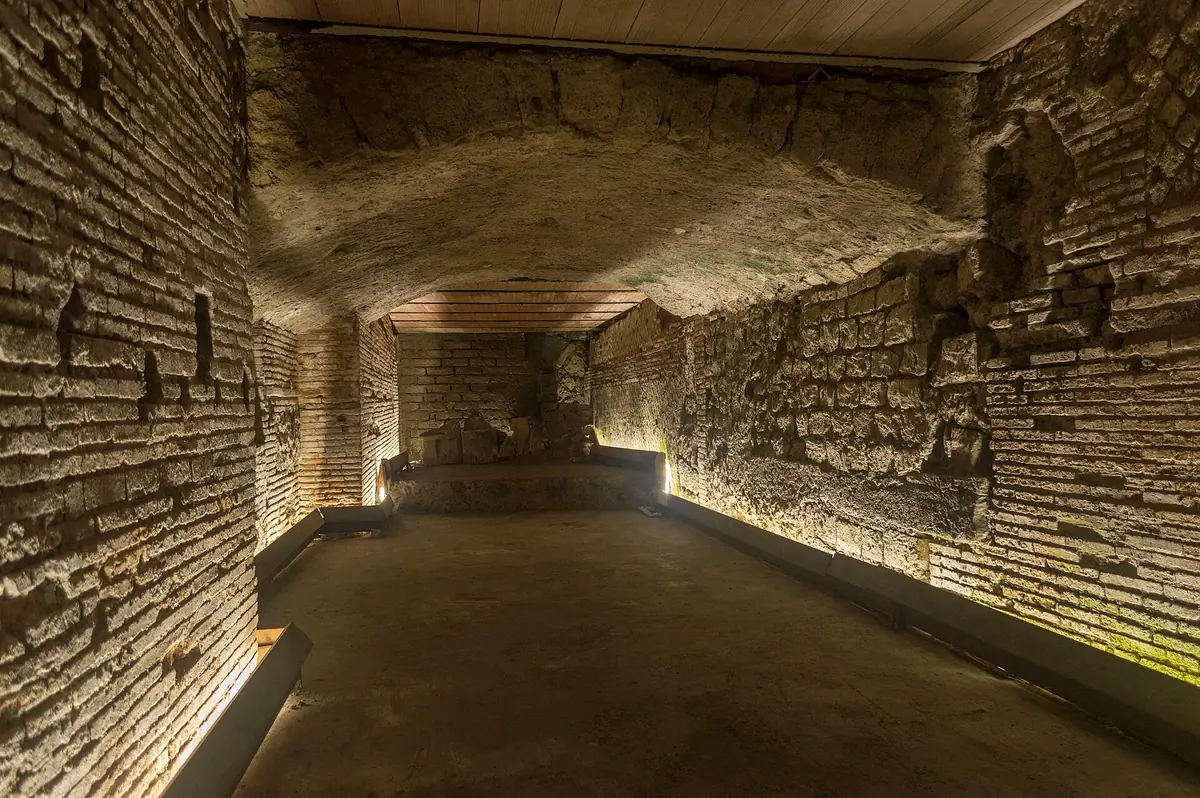 Late morning Naples Underground → Piazza San Gaetano, on Via dei Tribunali. About 1 hour 20 minutes with the Roman theatre.
-
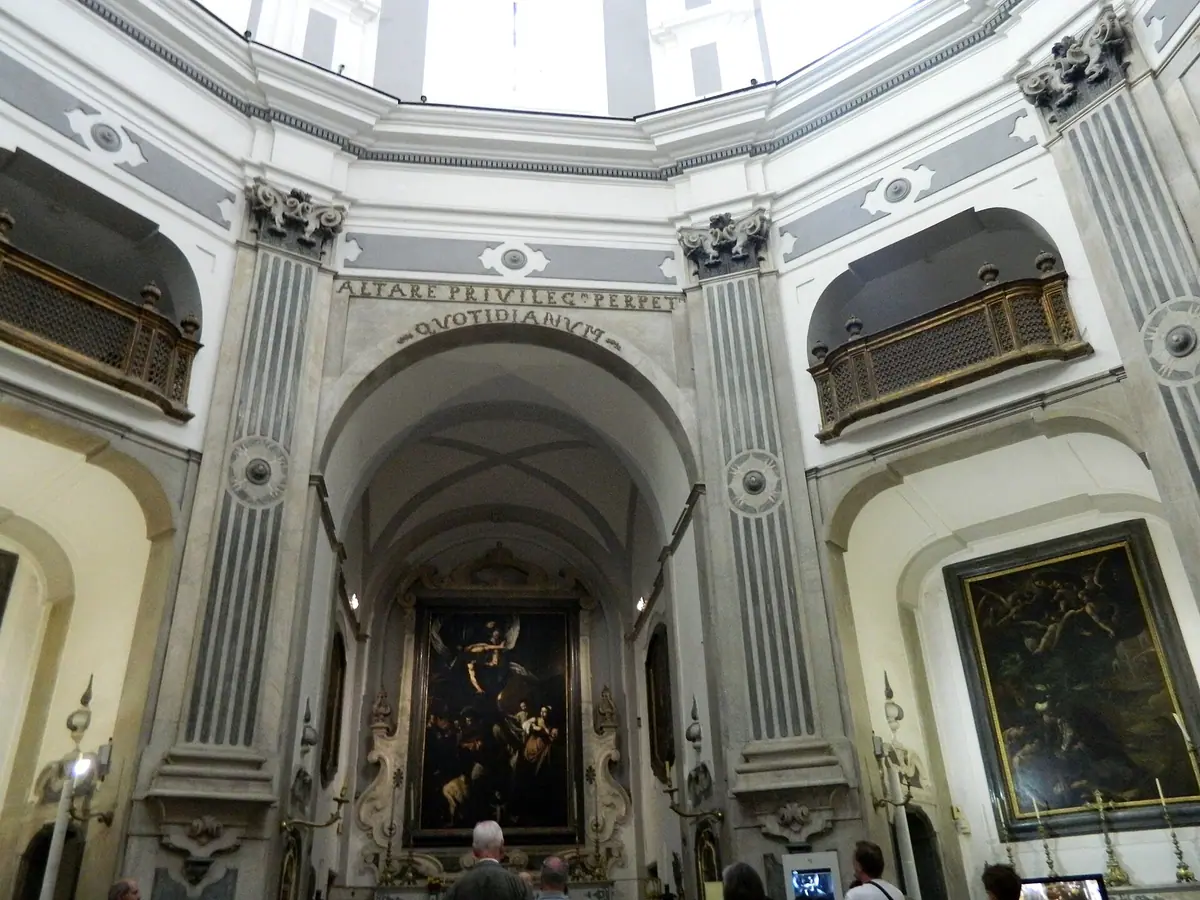 Pio Monte della Misericordia → Further along Via dei Tribunali, next to the cathedral. Half an hour to an hour.
-
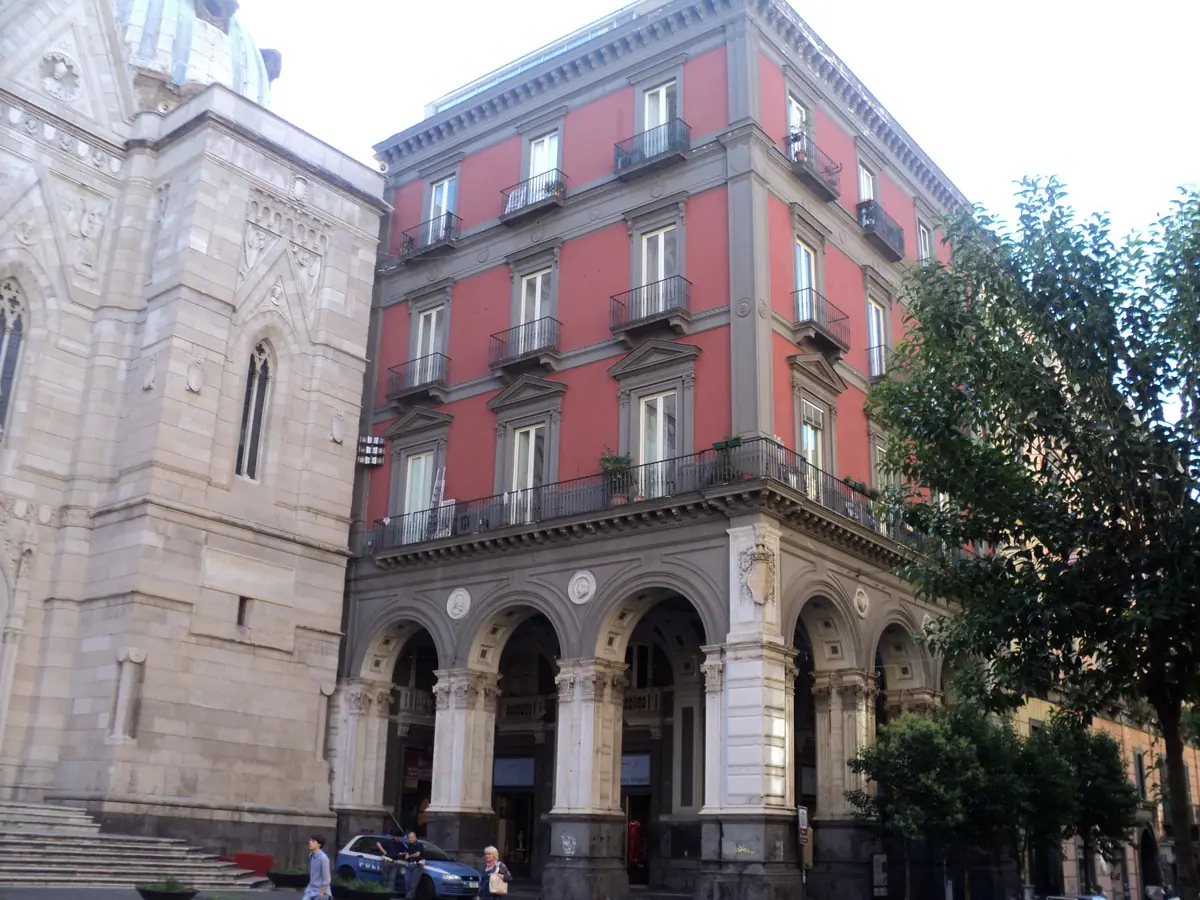 Treasure of San Gennaro Museum → Beside the cathedral, on Via Duomo. About an hour with the audio guide. €15
-
 Afternoon National Archaeological Museum of Naples → Metro line 1 from Duomo to Museo. Two to three hours; tickets until 18:30.
€24
Day one starts at the Sansevero Chapel, behind Piazza San Domenico Maggiore, on the first slot you can get, which is 9:00. Inside is the Veiled Christ, the marble Christ under a marble shroud that the young Neapolitan sculptor Giuseppe Sanmartino finished in 1753, and the visit takes half an hour to 45 minutes, crypt included. Phones stay in your pocket: photos are banned.
Included in the Naples City Card
If you’ve time before the next stop, the basilica of Santa Chiara, just behind Piazza del Gesù, is a few minutes’ walk away and free to walk into. Then head for Piazza San Gaetano, on Via dei Tribunali, for the Napoli Sotterranea, whose guided tour takes about an hour and twenty minutes, Roman theatre included.
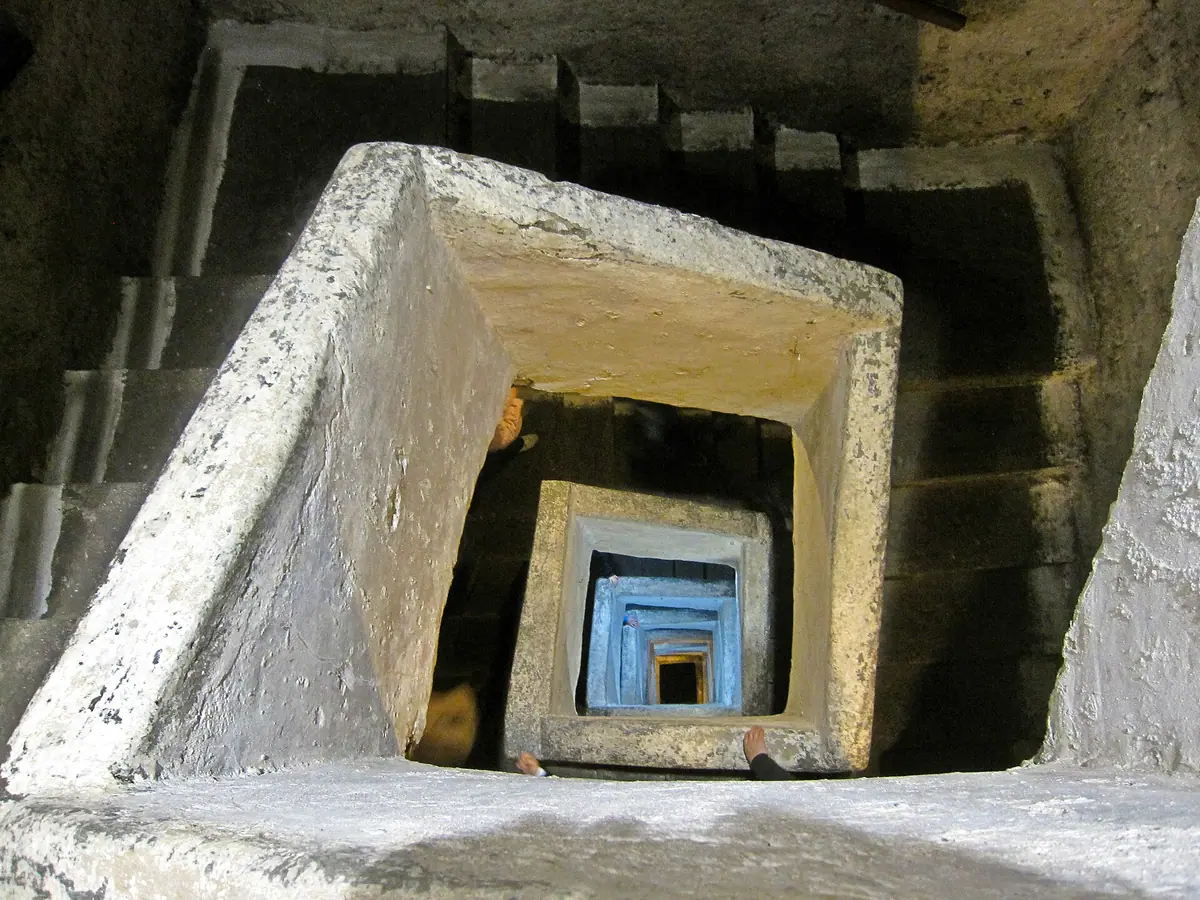
It’s 136 steps down and as many back up, with no lift, and one short candle-lit passage is optional. Our ticket gives you a set time, in English or Italian, so you skip the queue at the door.
One of the choices in the Naples City Card
Two visits by the cathedral come next. The Pio Monte della Misericordia, further along Via dei Tribunali, keeps Caravaggio’s Seven Works of Mercy over the altar it was painted for, and next door on Via Duomo the Treasure of San Gennaro’s audio guide takes you from the museum into the chapel in the cathedral, free to walk into, where the saint’s blood is kept.
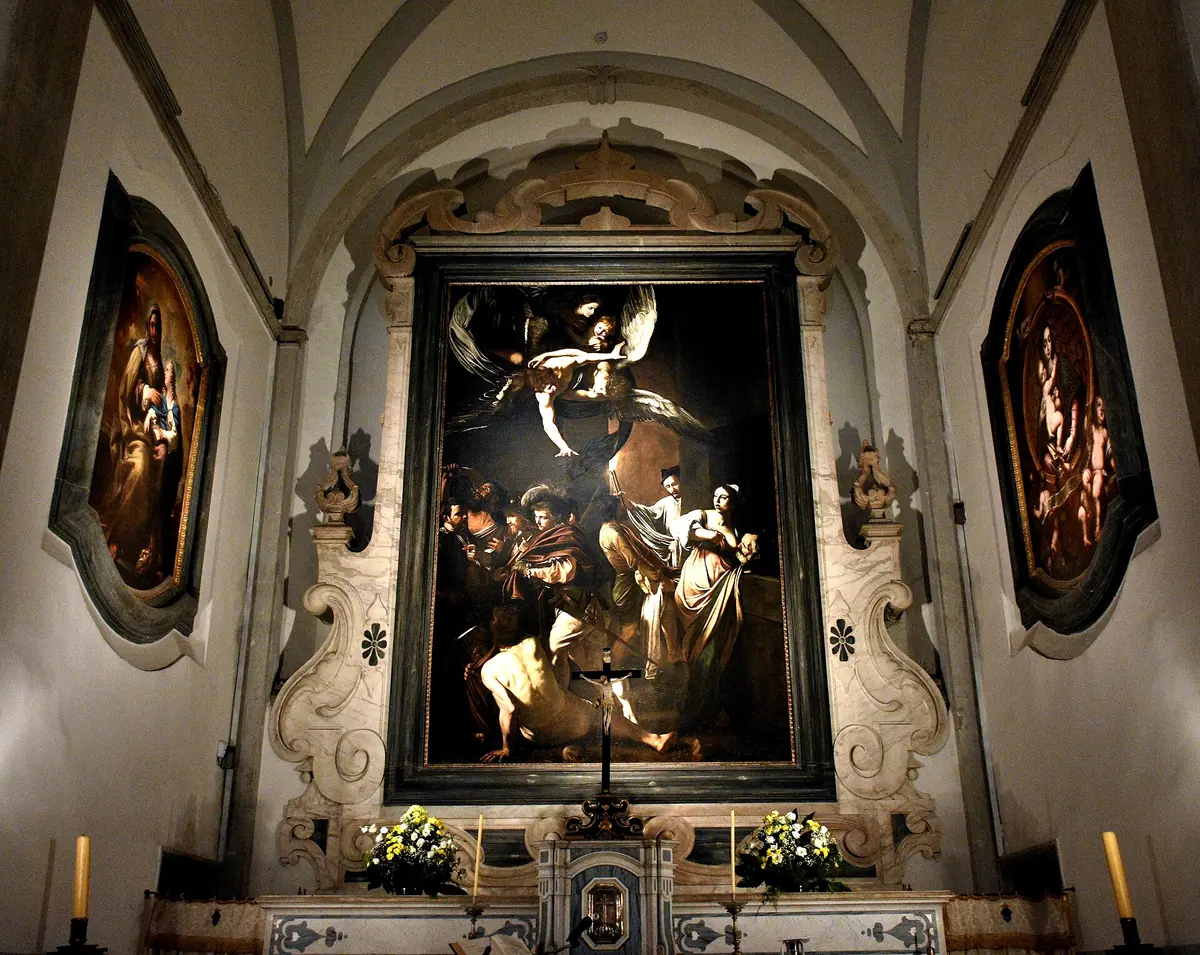
An included entry in the Campania Artecard 7
The afternoon goes to the Archaeological Museum, by Museo station, where the finds of Pompeii and Herculaneum ended up. It’s the right order for tomorrow: the museum’s cork model of Pompeii, made in 1879, shows you the whole town the day before you walk it.
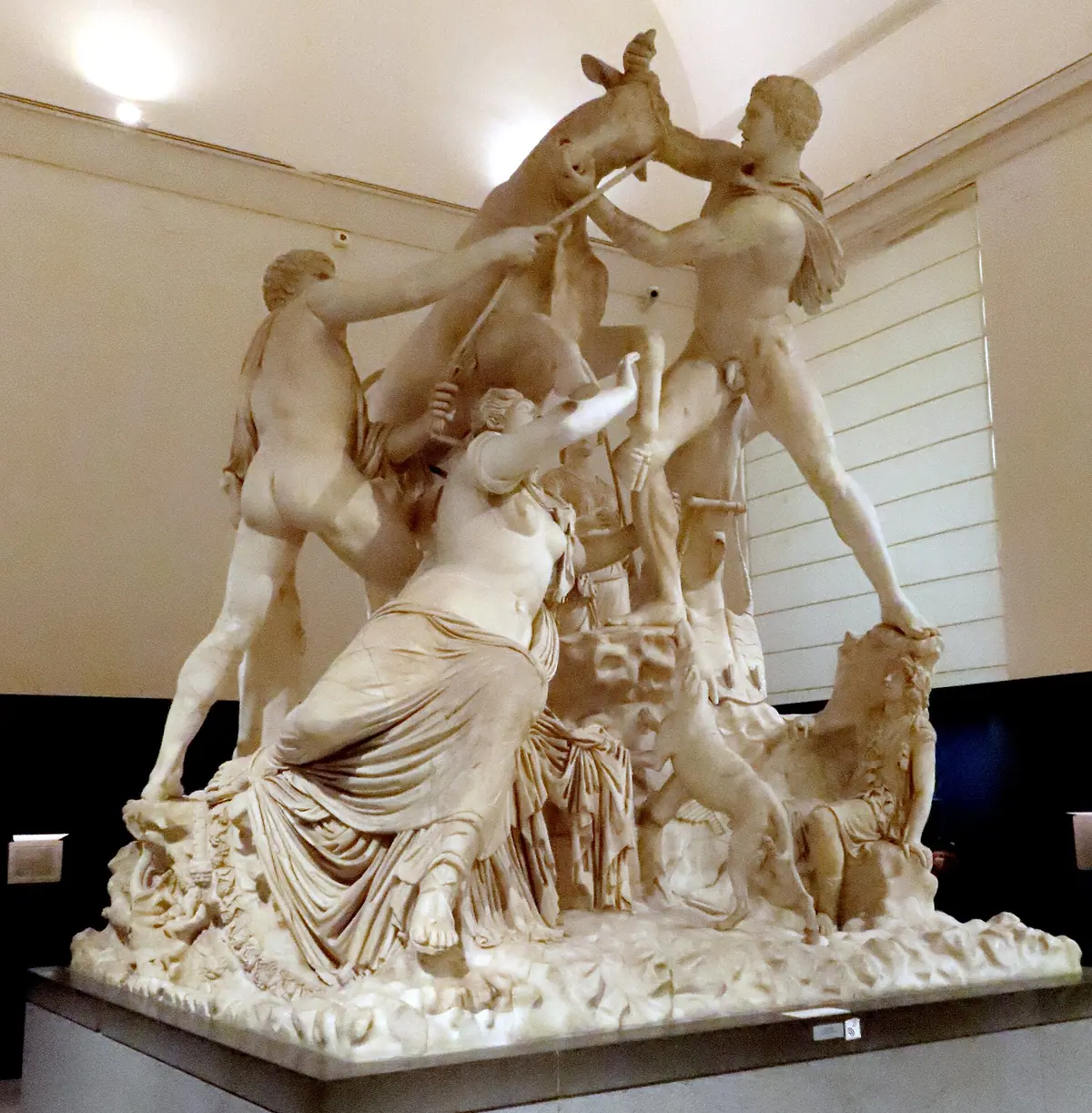
Until 30 November 2026 the mosaics, with the Alexander Mosaic, and the Gabinetto Segreto are closed, but the Farnese sculptures, the frescoes and the bronzes of the Villa of the Papyri are open. The ticket office sells until 18:30.
Included in the Campania Artecard 365 Lite
Day 2: Herculaneum and Pompeii on the Circumvesuviana
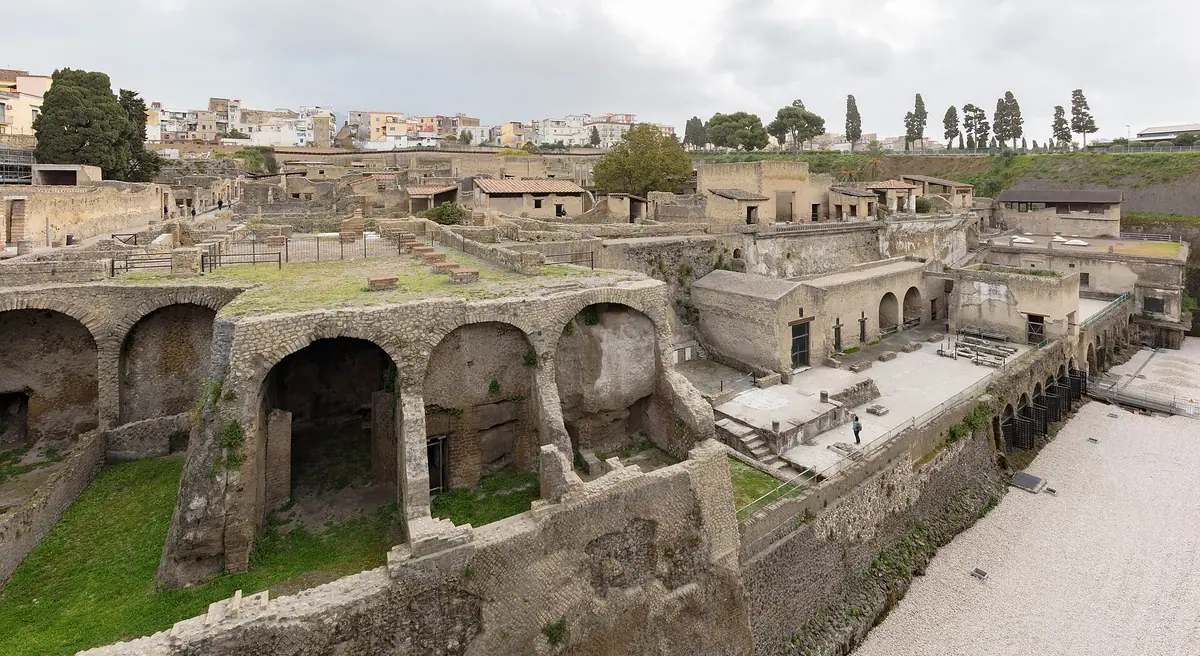
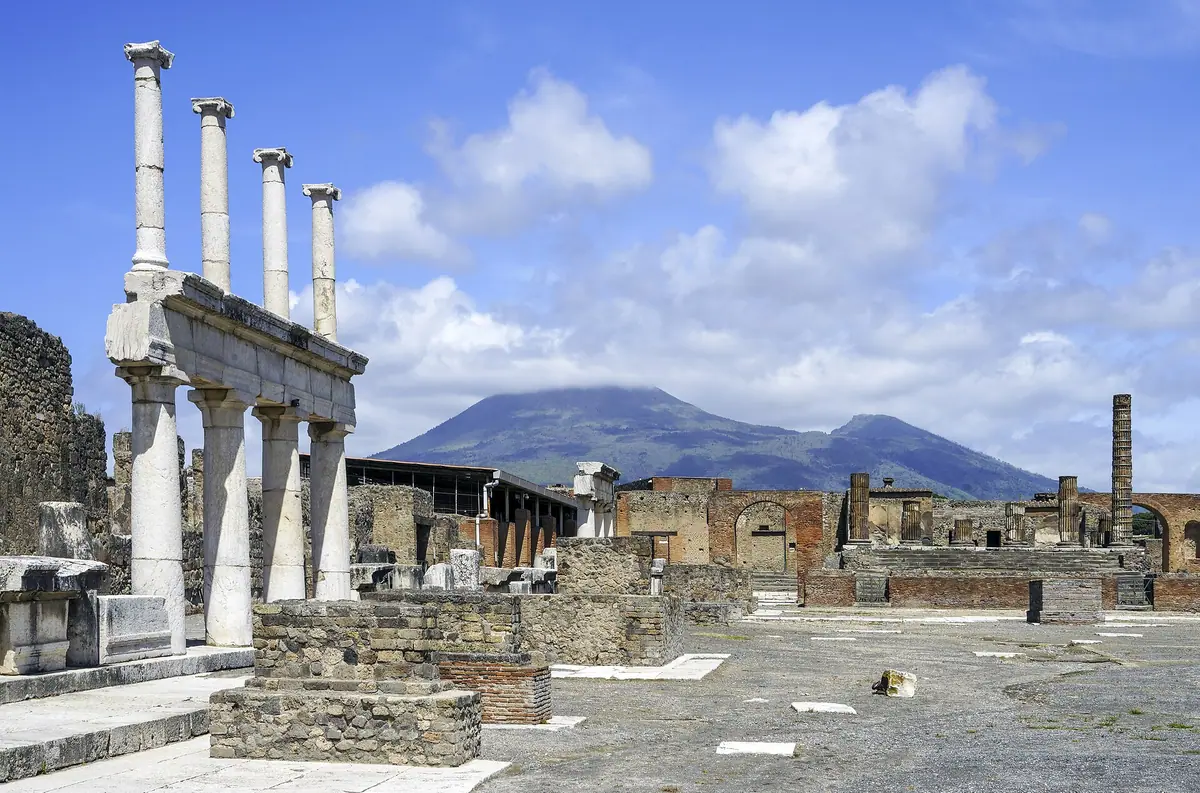
Day two is on the train. The Circumvesuviana’s Sorrento trains leave Napoli Garibaldi, below the central station, every 30 minutes and stop at Ercolano Scavi and Pompei Scavi, so one line does the whole day. A single from Naples costs €2.60 to Herculaneum and €3.30 to Pompeii, or you tap a contactless card at the turnstile on the way in and again on the way out.
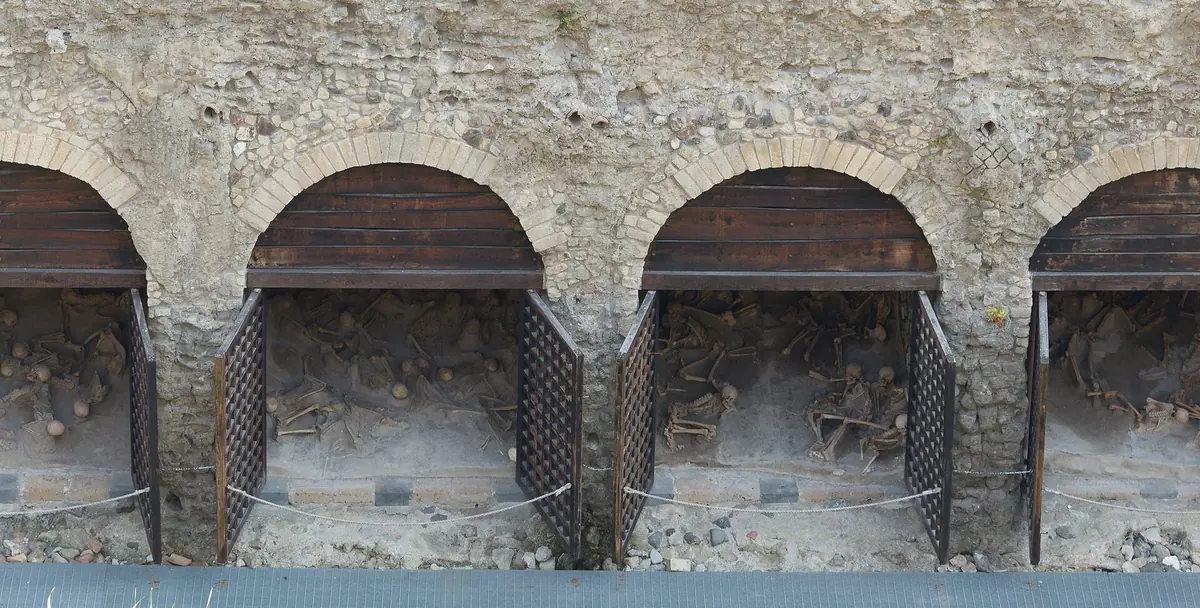
Be at Herculaneum for the 8:30 opening, with nothing to book. Two to three hours take you through the streets, the baths and down to the old beach, and the last entry in winter is at 15:30, the same as Pompeii’s, which is why the smaller town goes first.
Included in the Campania Artecard 365 Lite
Pompeii is 21 minutes further along the line, and you want to be through its gate by midday: the gates close at 17:00. With the Campania Artecard, go in by Piazza Esedra, just below Porta Marina, and collect your named ticket at the ticket office there, with your ID. Then walk the half-day route from the Forum past the baths, the brothel and the House of the Vettii, out to the amphitheatre at the far end.
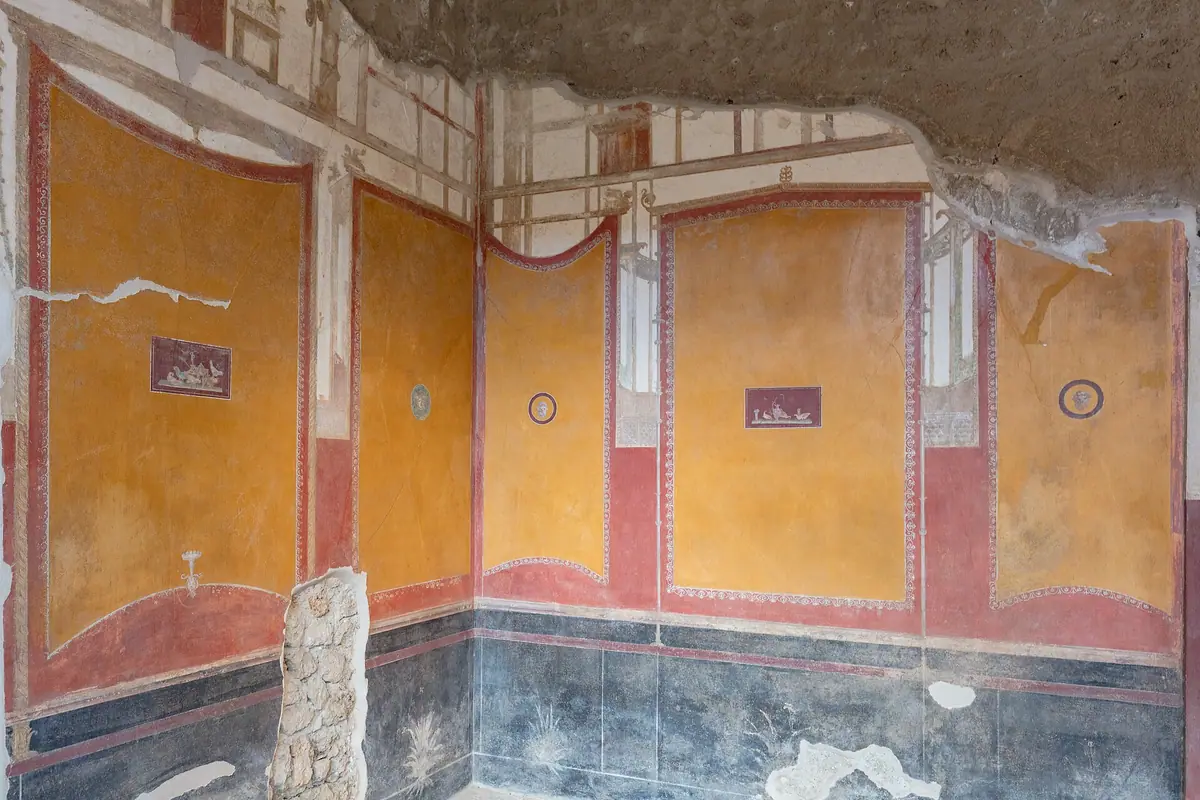
The Villa of the Mysteries, outside the walls, belongs to the five-to-six-hour version of Pompeii, with €8 to pay at Porta Ercolano, so on this day it’s the thing to leave out. The last train to Naples leaves Pompei Scavi at 22:35, and the station gets crowded when the park closes, so keep your bag in front of you on the platform.
Included in the Campania Artecard 365 Lite
Day 3: the Royal Palace, Via Toledo and the Vomero hill
-
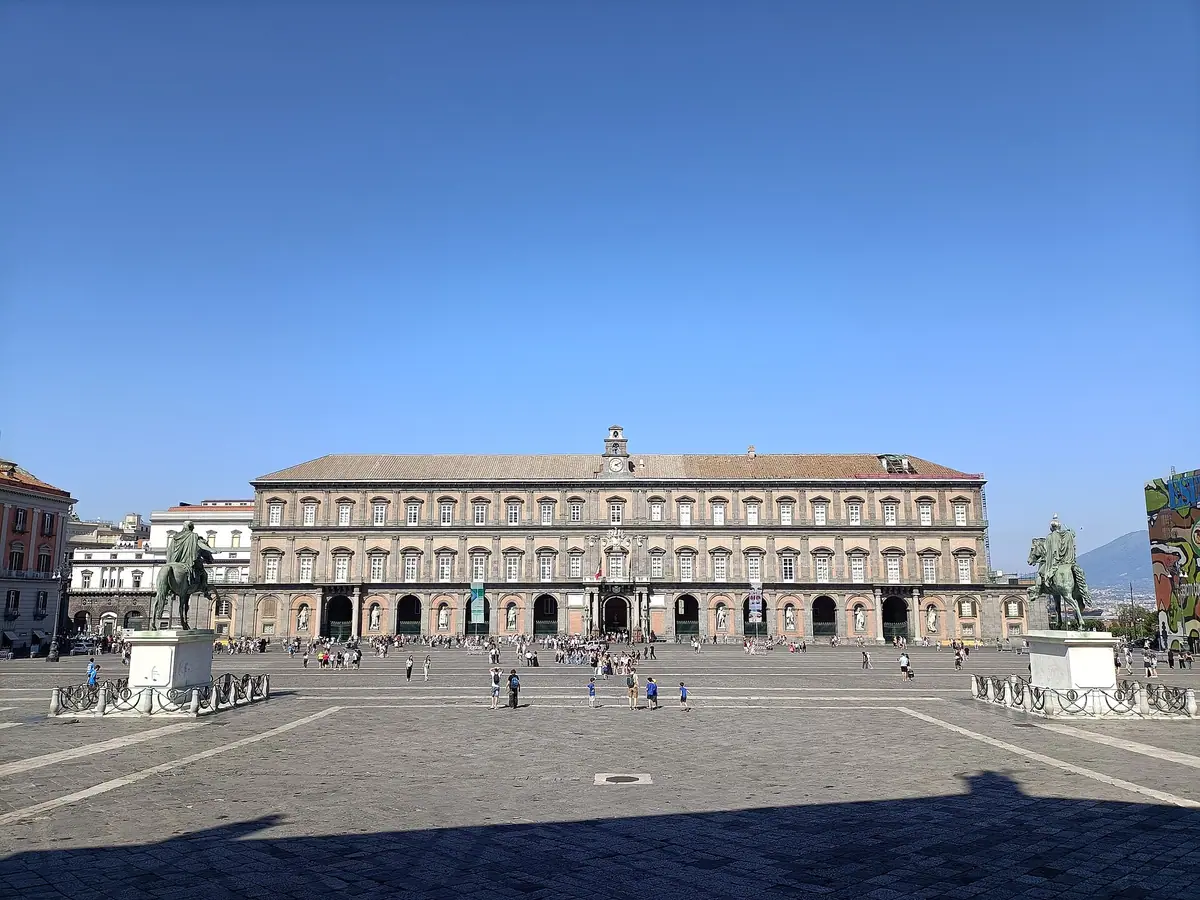 9:00 Royal Palace of Naples → Piazza del Plebiscito. About an hour for the royal apartment.
-
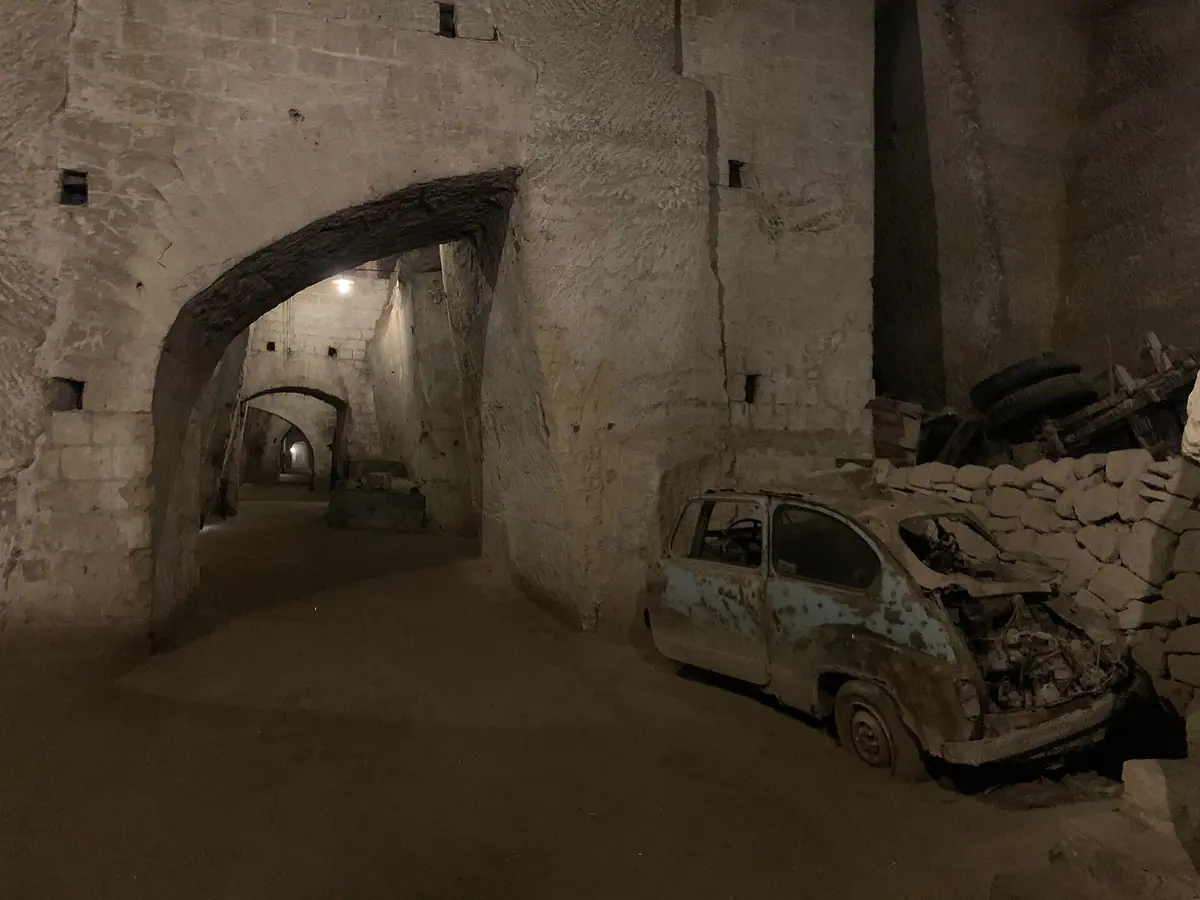 Galleria Borbonica → Friday to Sunday only: the standard tour from Vico del Grottone 4, about an hour.
-
 Gallerie d'Italia Naples → Via Toledo 177. Closed on Mondays.
-
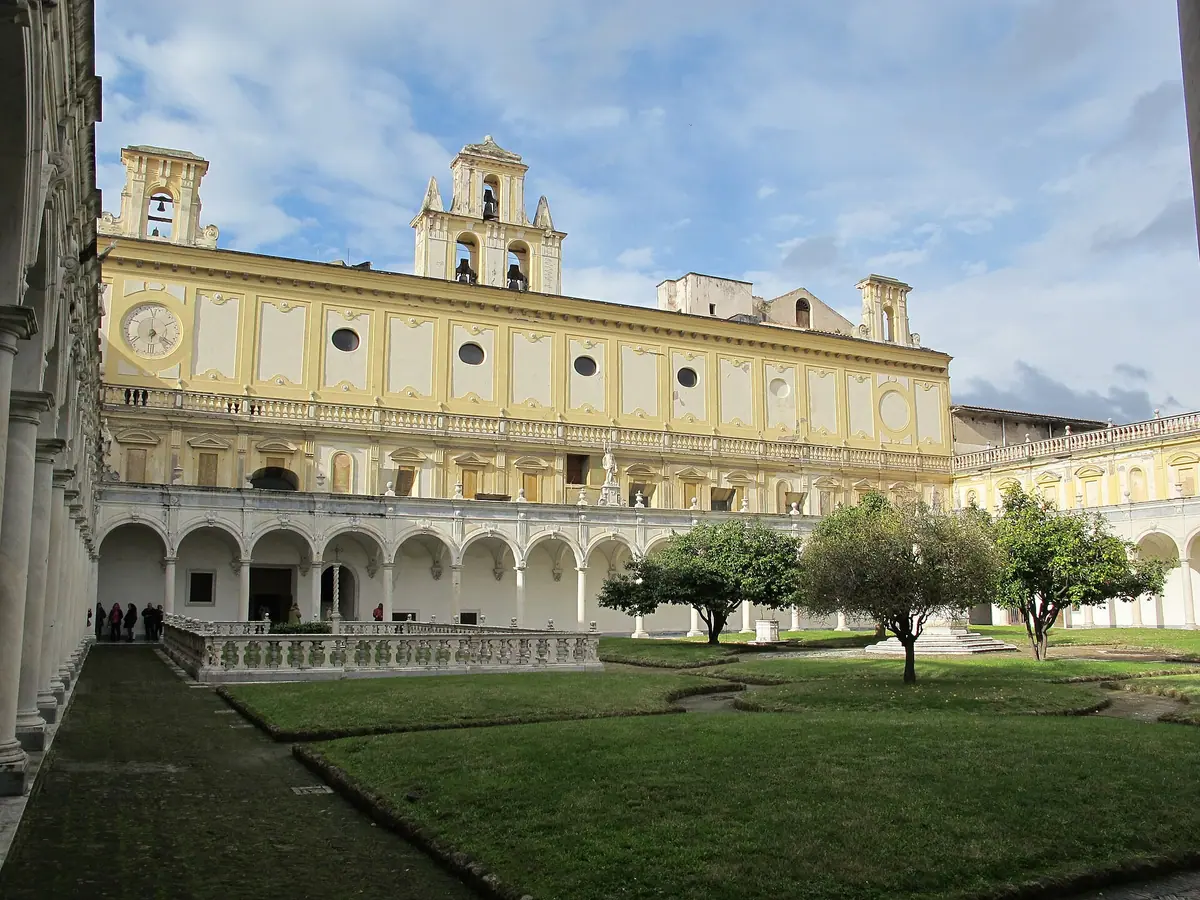 14:00 Certosa di San Martino → Funicolare Centrale from Via Toledo to Piazza Fuga. Two to three hours; last entry 17:30.
-
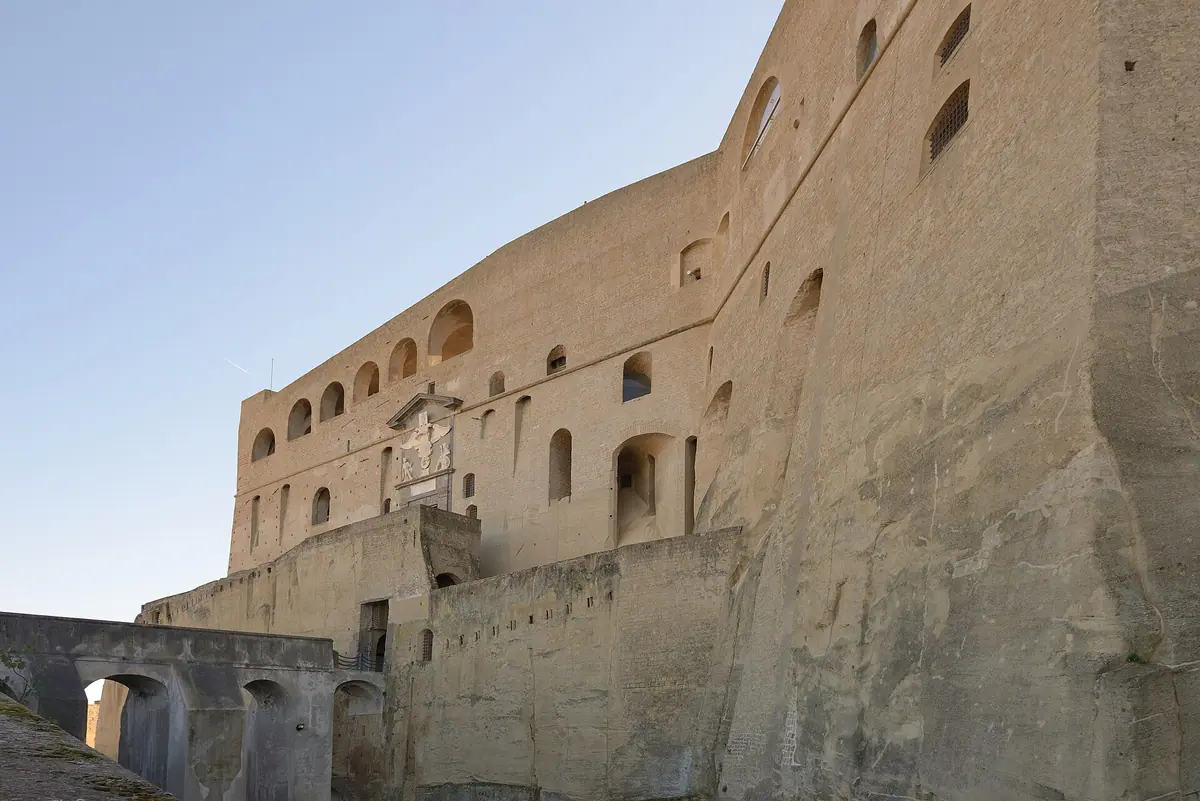 Sunset Castel Sant'Elmo → Next door to the Certosa. Last entry 18:30.
Day three starts by the bay, at the Royal Palace on Piazza del Plebiscito, which opens at 9:00. Its royal apartment, up a grand staircase to the court theatre and the Throne Room, takes about an hour, and the Hall of Mirrors and the Hall of Hercules have been shut for restoration since 1 October 2026, so the route is a little shorter than older guides describe.
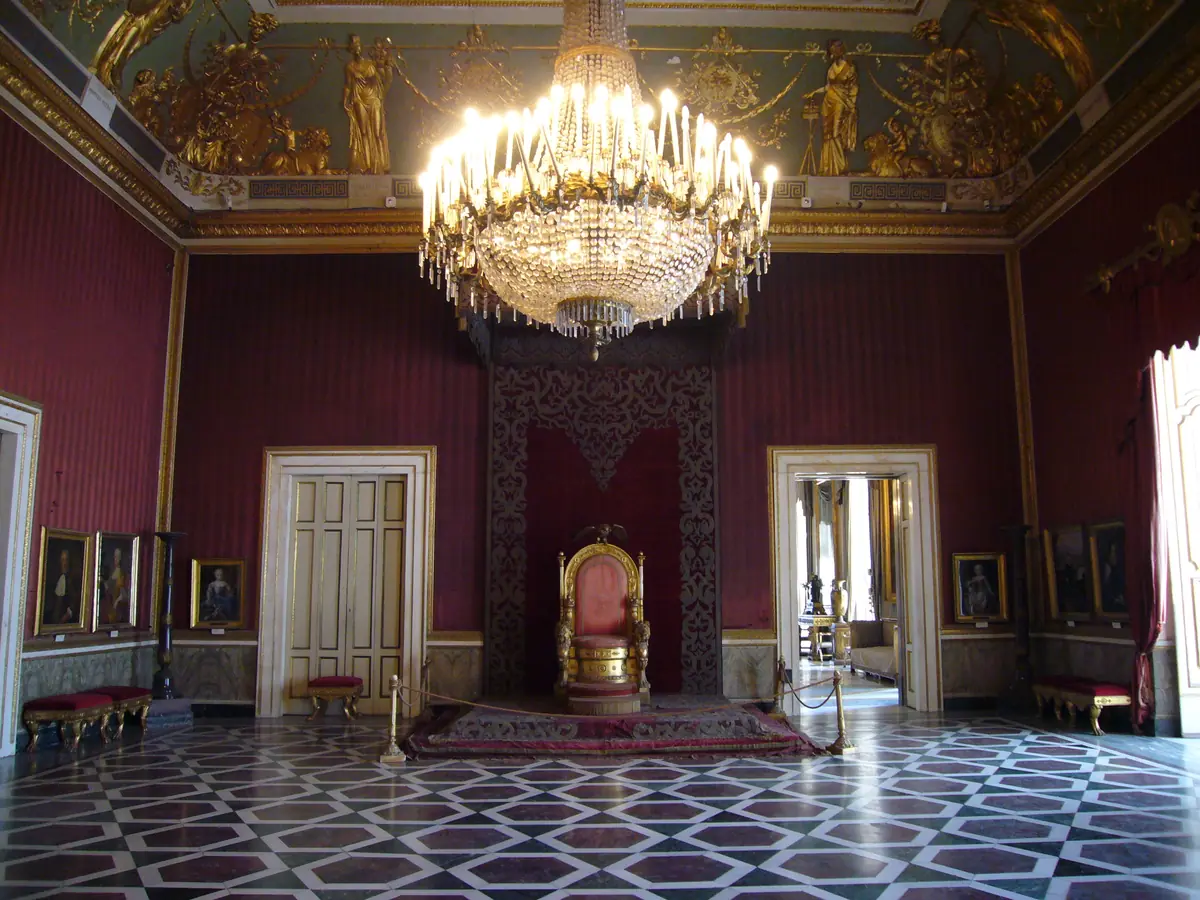
Included in the Campania Artecard 365 Lite
On a Friday, Saturday or Sunday, add the Galleria Borbonica, the Bourbon tunnel under the hill behind the square. Leave the square along Via Gennaro Serra, go down Via Monte di Dio, and Vico del Grottone is the second street on the left; the standard tour leaves at 10:00 and 12:00 in the morning and takes about an hour.
Included in the Naples Museums & Underground Card
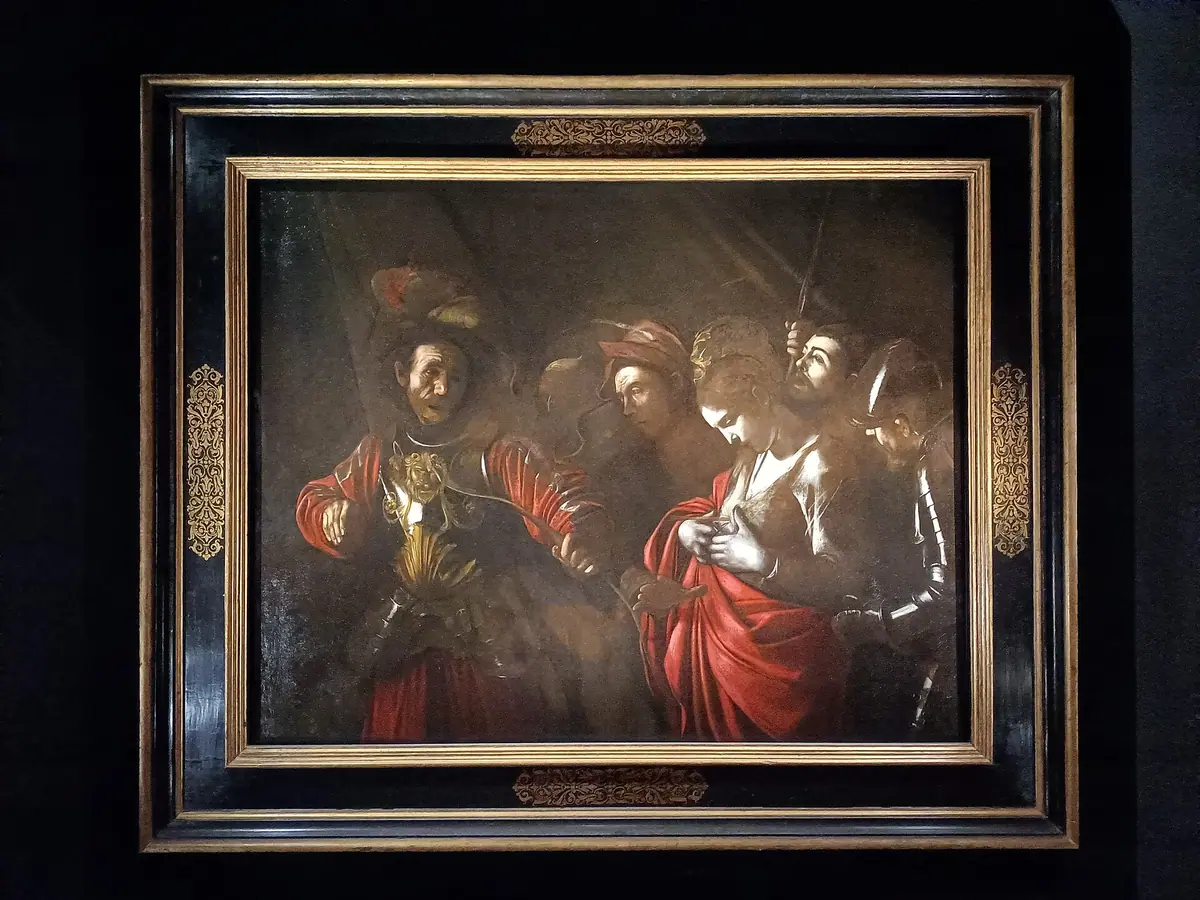
Gallerie d’Italia, at Via Toledo 177, opens its first-floor route with Caravaggio’s Martyrdom of Saint Ursula of 1610, his last painting, in a room of its own. Under-26s go in free, and it closes on Mondays.
An included entry in the Campania Artecard 7
From Via Toledo, the Funicolare Centrale climbs to Piazza Fuga on the Vomero, a short walk below the Certosa di San Martino; be there by about 14:00. In the museum, the Presepe Cuciniello, a Neapolitan nativity scene, sets some 800 figures under lighting that runs from dawn to nightfall, and the last entry is at 17:30.

Included in the Campania Artecard 365 Lite
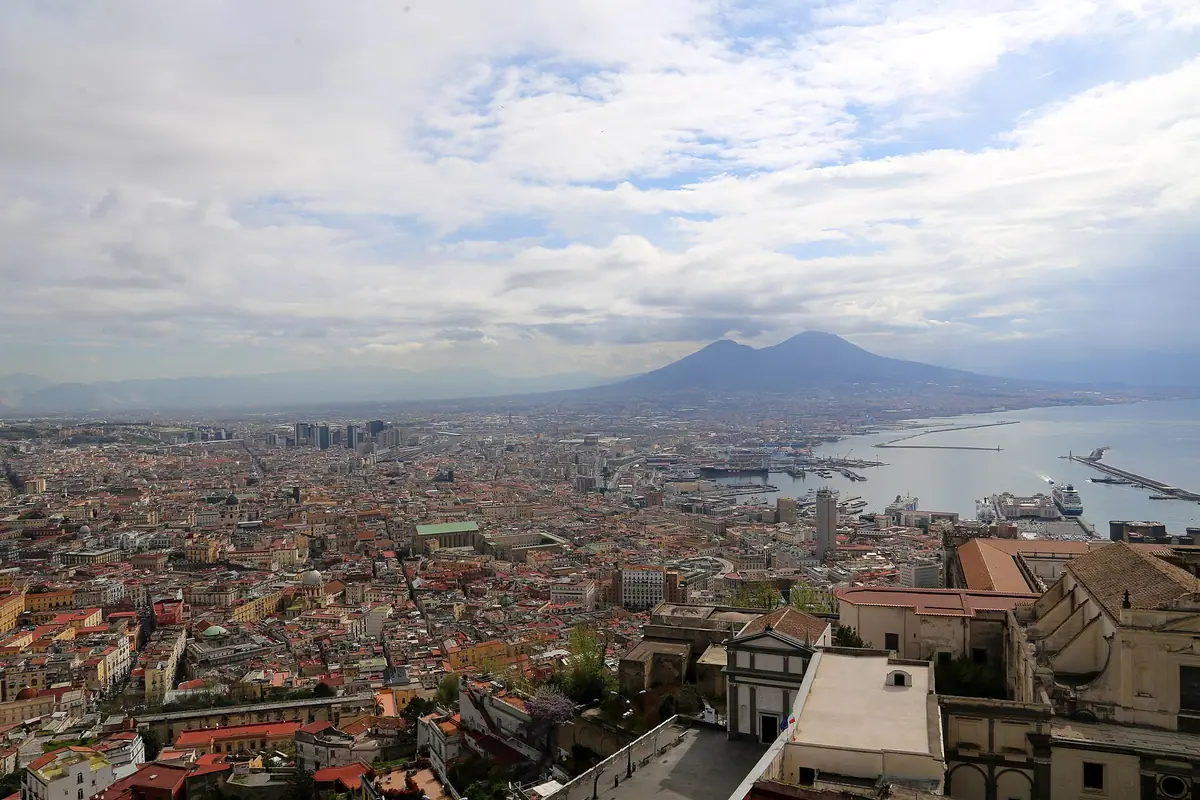
Two to three hours there brings you out at the right time for Castel Sant’Elmo next door, which lets visitors in until 18:30. Get onto the ramparts for the sunset, between about 16:40 and 17:20 from November to January, and look back over the old town of day one, with Spaccanapoli running straight through it.
Included in the Campania Artecard 365 Lite
The Campania Artecard on this 3-day Naples itinerary
The Campania Artecard 365 Lite covers six of the stops: the Archaeological Museum, Herculaneum, Pompeii, the Royal Palace, the Certosa di San Martino and Castel Sant’Elmo. Our tickets for Pompeii (€27.50) and the museum (€24) alone come to more than the card’s €31, and Herculaneum (€19.50) widens the gap. The Royal Palace, the Certosa and Castel Sant’Elmo then come on top.
Under-18s go into the state sites free, so only the adults need a card. The rest of the plan sits outside the 365 Lite: the Sansevero, the Napoli Sotterranea, the Galleria Borbonica and the Pio Monte are tickets of their own, and the Treasure and Gallerie d’Italia are among the 7-day card’s picks rather than the Lite’s.
-
Campania Artecard
The 365 Lite covers six stops on these three days, from the Archaeological Museum to Pompeii and Castel Sant'Elmo, with no time slot at Pompeii
from €31
Buy pass→ -
Naples City Card
Day one in one booking: the Sansevero at a booked time, the Archaeological Museum and one underground visit, the Napoli Sotterranea among the three choices, with a city audio guide
from €72
Buy pass→


The City Card’s four tickets, bought one by one, cost about what the card does, so it buys convenience, not a saving. It overlaps with the Artecard only at the museum, and the Artecard still pays for itself on day two, since Herculaneum and Pompeii come to more than its €31. The calculator on Naples Pass and Naples city passes does the same sums for any list of sights.
Adding Vesuvius, Capodimonte, Caserta or Capri to 3 days in Naples
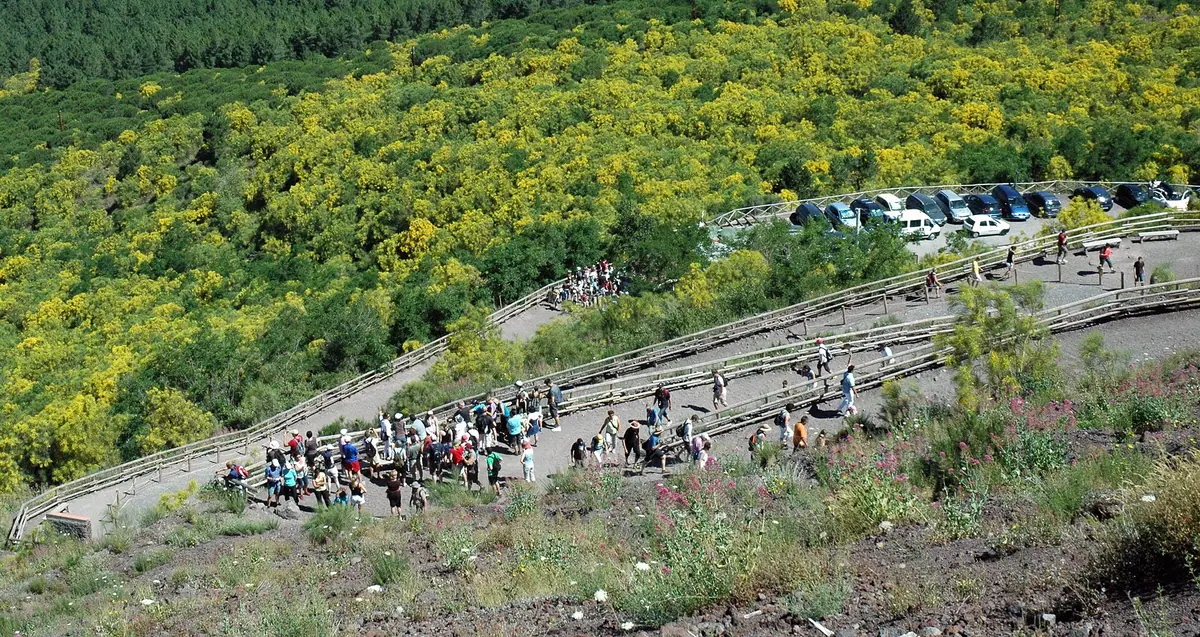
Vesuvius fits into day two in place of Herculaneum. In winter go up first, on an early slot, because the crater’s last access is at 15:00 and an orange weather alert can close it; bus 808 runs between the volcano and Pompei Scavi station, so Pompeii follows in the afternoon. Count three to four hours for each.
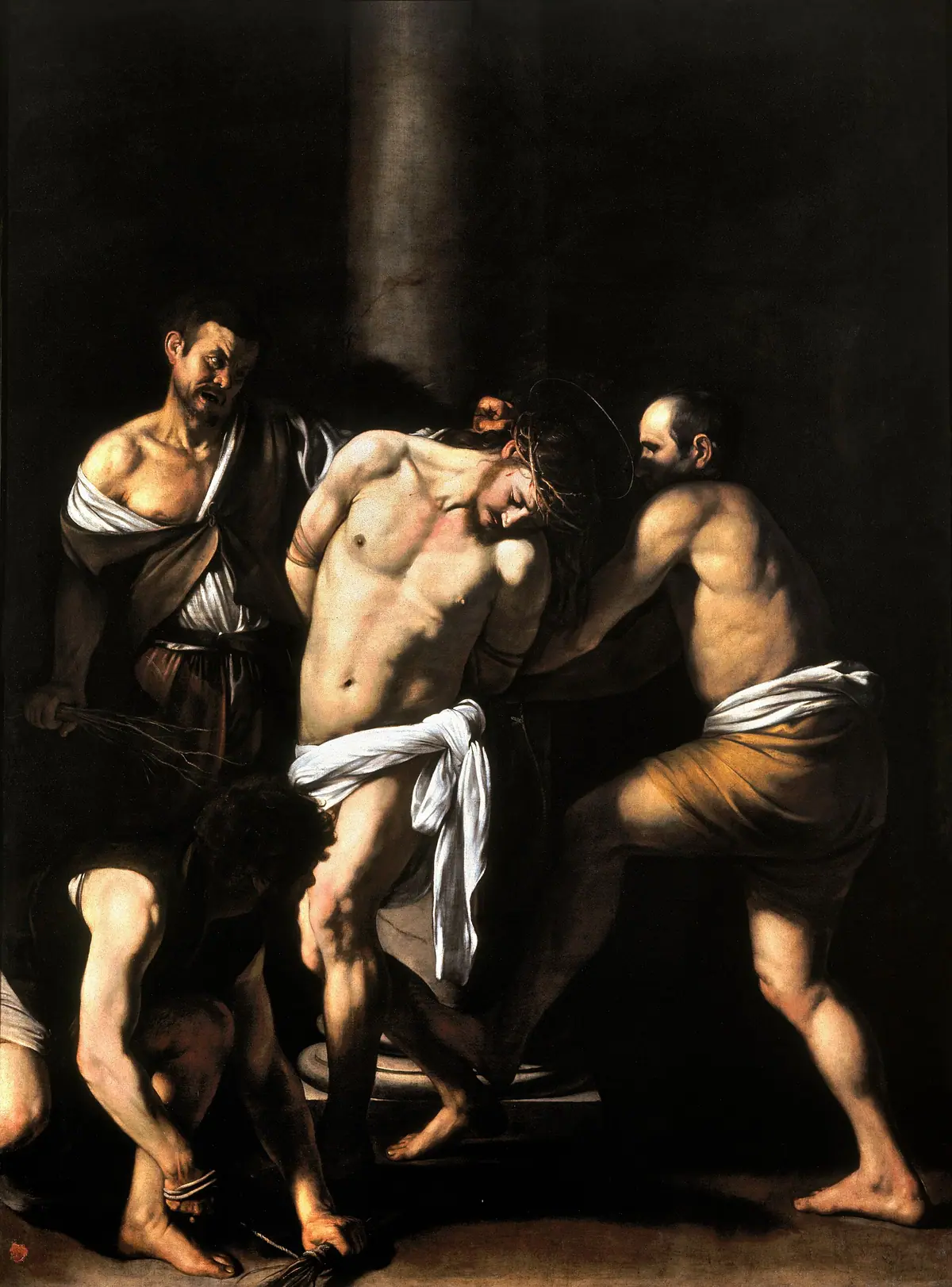
Capodimonte and the catacombs make a day of their own up the hill from the Archaeological Museum. The Catacombs of San Gennaro, on Via Capodimonte, are a short bus ride up from Museo station, and the Capodimonte Museum, with Caravaggio’s Flagellation, stands further up in a royal park that’s free every day. The catacombs and the museum both close on Wednesdays; the park stays open.
Included in the Naples Museums & Underground Card
Included in the Campania Artecard 365 Lite
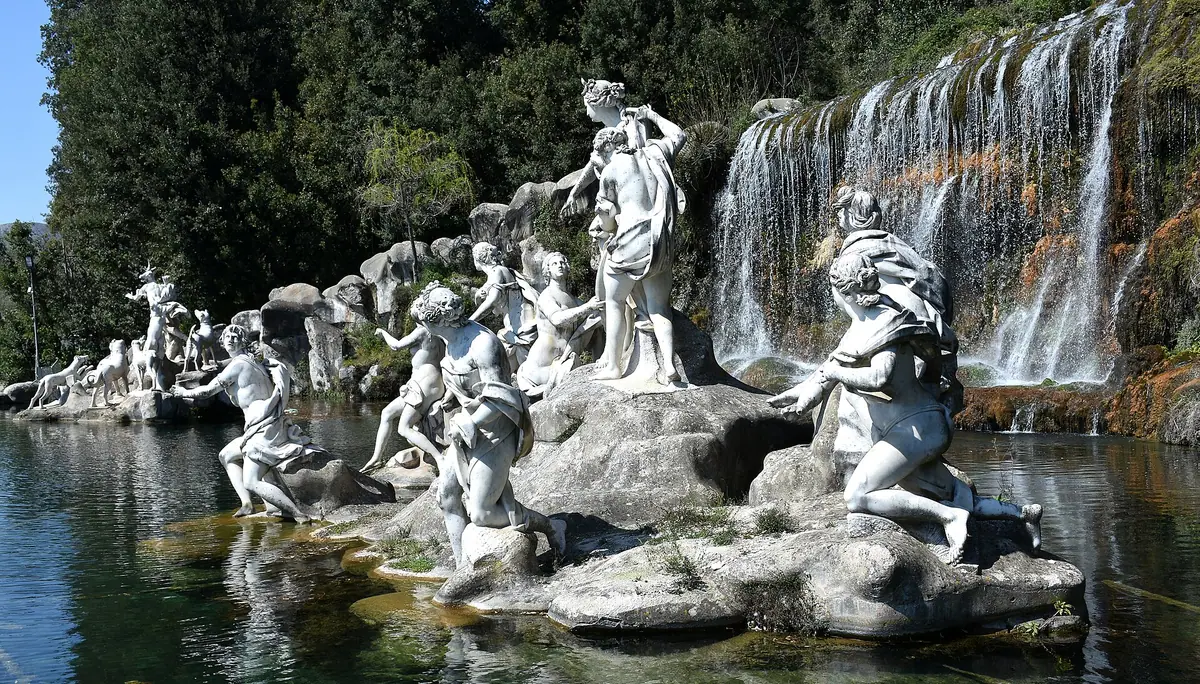
Caserta is a day out by regional train, 36 to 50 minutes from Napoli Centrale to a station opposite the palace. In November and December its park shuts at 15:30, so walk it in the morning and leave the royal apartments for the afternoon. The palace is shut on Tuesdays.
Included in the Campania Artecard 365 Lite
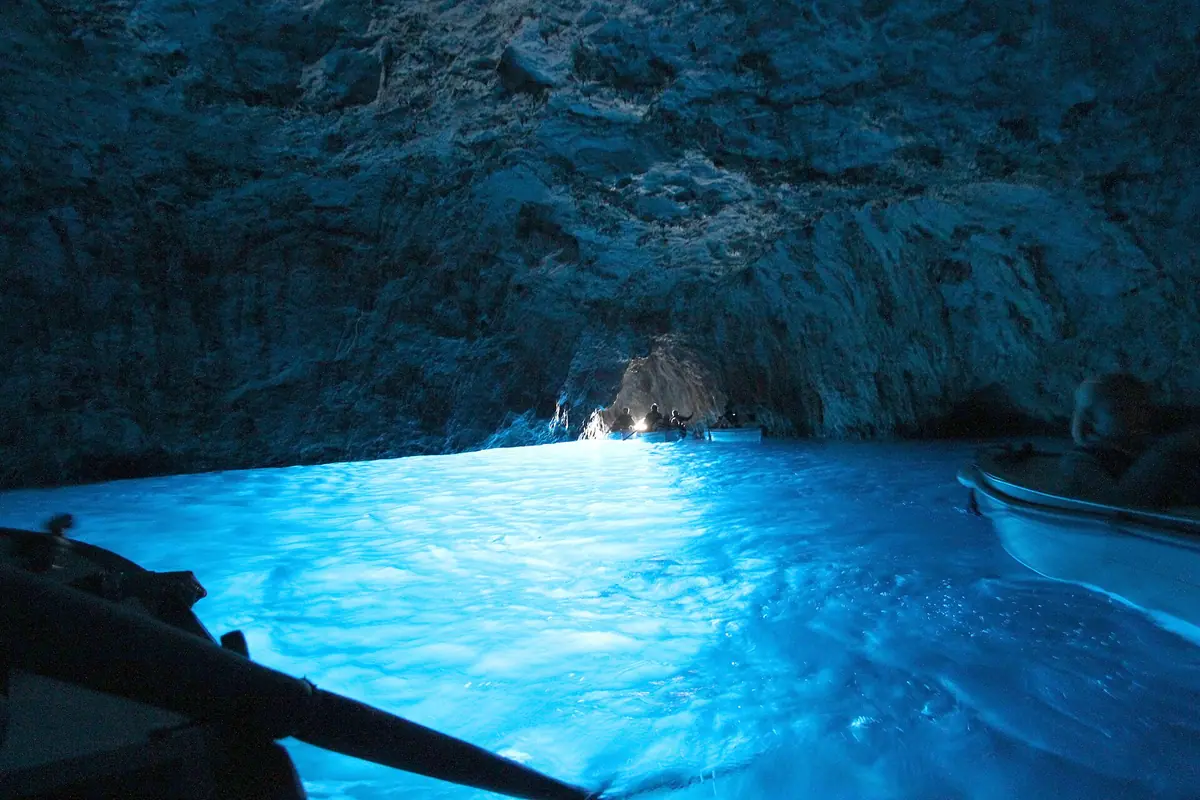
Capri is about 50 minutes by hydrofoil from Molo Beverello. In winter its Blue Grotto opens only on calm mornings, until 14:00, and the boatmen decide around 9:00 each day whether it opens, so keep the island for a day when the sea looks settled.
City cards
Naples city cards and passes
Pick the one that fits your trip. Prices are per adult, and you choose your dates on the next page.


See what you’d save, if anything
Which Naples pass pays off for your trip?
Pick how many days you’ve got and the sights you want to see. The calculator adds up the tickets and rides, sets them against the card and tells you right away whether it pays off, and by how much, at today’s prices. No email, no sign-up.
Step 1 of 3
How long, and who’s going?
People also ask
Frequently asked questions
Is 3 days in Naples too long?
No. Three days give you the old town and its underground, Herculaneum and Pompeii, and the Royal Palace with the Vomero hill, one each. Vesuvius, Capodimonte, Caserta, Capri and the Amalfi Coast each take a day of their own, so a fourth day adds one of them.
Can you see Pompeii and Herculaneum in one day?
Yes. They're 21 minutes apart on the same Circumvesuviana line, and in winter both take their last visitors at 15:30. Start at Herculaneum when it opens at 8:30, give it two to three hours and be at Pompeii by midday; Pompeii then gets the half-day walk of three to four hours, without the Villa of the Mysteries.
What's the best day to visit Pompeii from Naples?
A Tuesday, if your trip has one. Pompeii and Herculaneum open every day, while the Archaeological Museum, the Sansevero Chapel, Caserta and the castle and monastery on the Vomero close. On the first Sunday of the month Pompeii is free for everyone and nothing can be booked, so for a named entry at a set time, pick another day.
Is the Campania Artecard worth it for 3 days in Naples?
Yes. On this itinerary the 365 Lite covers the Archaeological Museum, Herculaneum, Pompeii, the Royal Palace, the Certosa di San Martino and Castel Sant'Elmo, and our tickets for Pompeii and the museum alone come to more than the card's €31. The Sansevero Chapel and the Napoli Sotterranea are tickets of their own.
Can I fit Vesuvius into 3 days in Naples?
Only by making day two Vesuvius and Pompeii instead of Herculaneum and Pompeii. In winter go up the volcano first, on an early slot, since its last access is at 15:00 and an orange weather alert can close it, then take bus 808 down to Pompei Scavi for the ruins, whose last entry is at 15:30. It's a tight day: three to four hours for each.
Read more