
Milan · Free entry
Casa Museo Boschi Di Stefano
The couple collected more than 2,000 works; about 300 still hang in their second-floor flat.
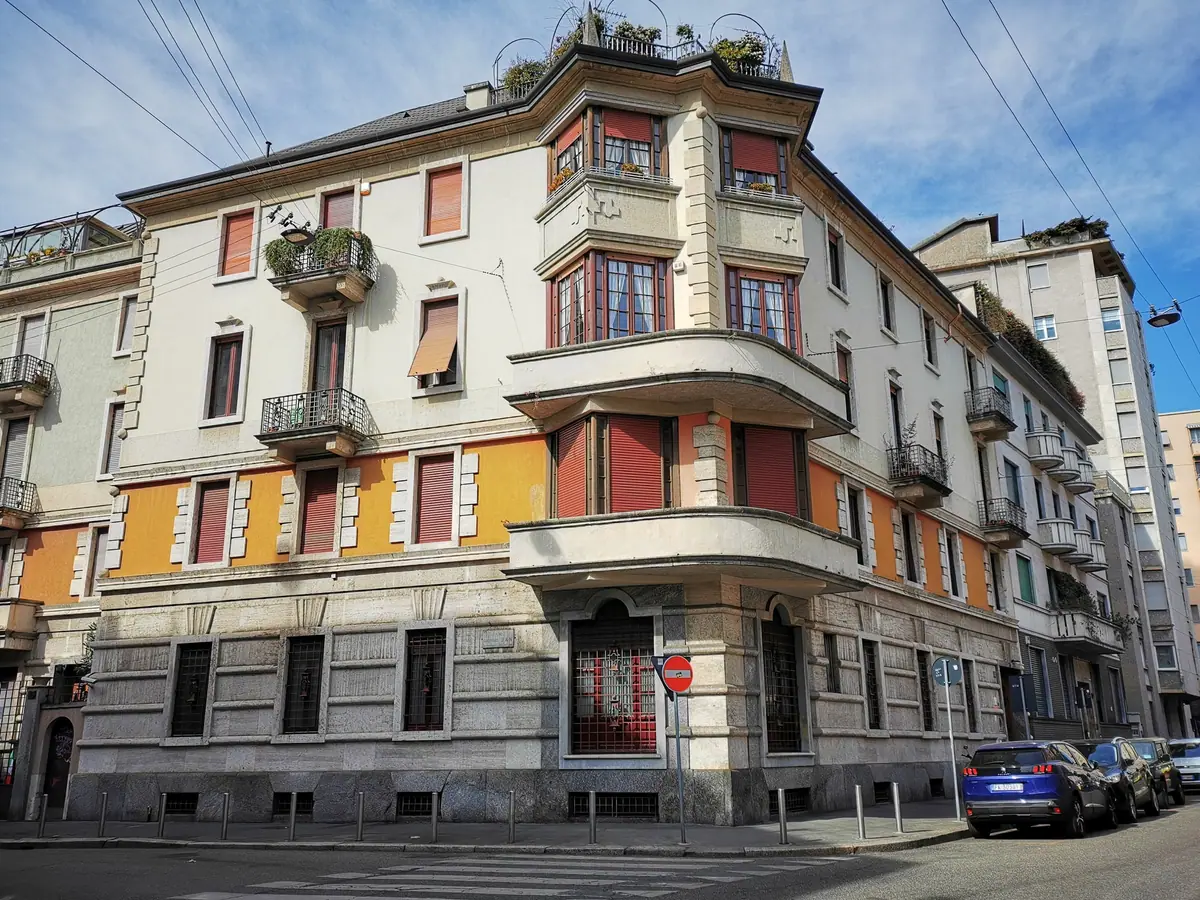
Entry is free at Milan's Casa Museo Boschi Di Stefano, the flat where Antonio Boschi, a Pirelli engineer, and his wife Marieda Di Stefano, a ceramist, lived with their collection of 20th-century Italian art. Eleven rooms show about 300 of the works, in a 1930s building by Piero Portaluppi off Corso Buenos Aires.
Casa Museo Boschi Di Stefano: free entry, and why to reserve anyway
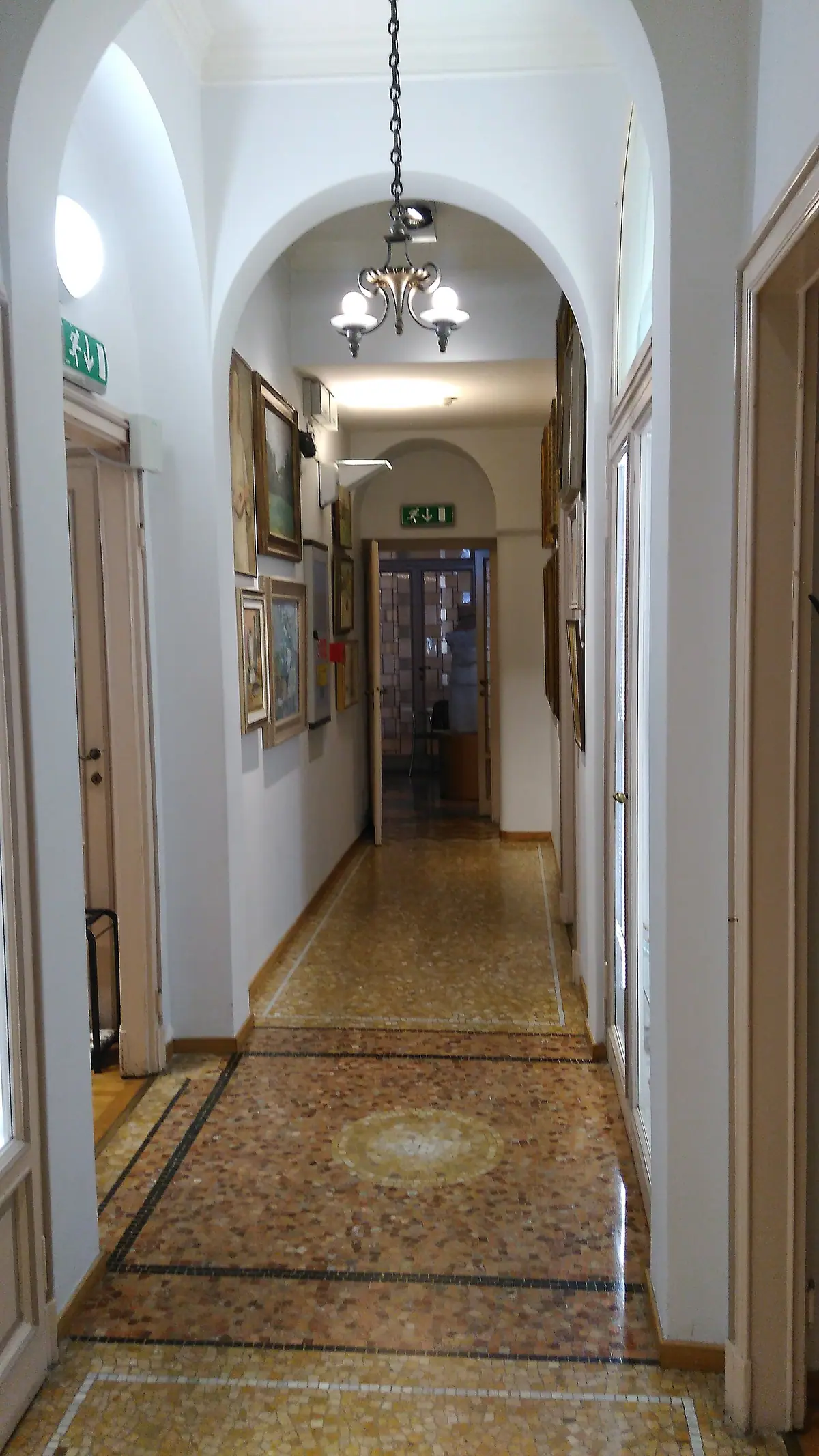
The paintings at the Casa Museo Boschi Di Stefano once covered the walls from floor to ceiling, even over the doors, and the rooms still have no labels, just as when the couple lived here.
You don’t need a ticket and there’s no ticket desk: you walk in and go up to the second floor. The flat is small, though, and the museum warns that queues can build up at the entrance, so reserving a time online is a good idea. It’s advised for visitors on their own and groups of up to five, but it isn’t compulsory.
The one day you can’t reserve is the first Sunday of the month, when it’s first come, first served.
Opening hours
- Tuesday to Sunday
- 10:00–17:30, last entry 17:00
- Monday
- Closed
- Also closed
- 1 January, 1 May, 25 December
Before you go up, large backpacks, bags and umbrellas are left at the entrance, and small bags and one-strap backpacks are carried in front. Photos are allowed without flash. Food, drink and dogs stay outside, except assistance dogs.
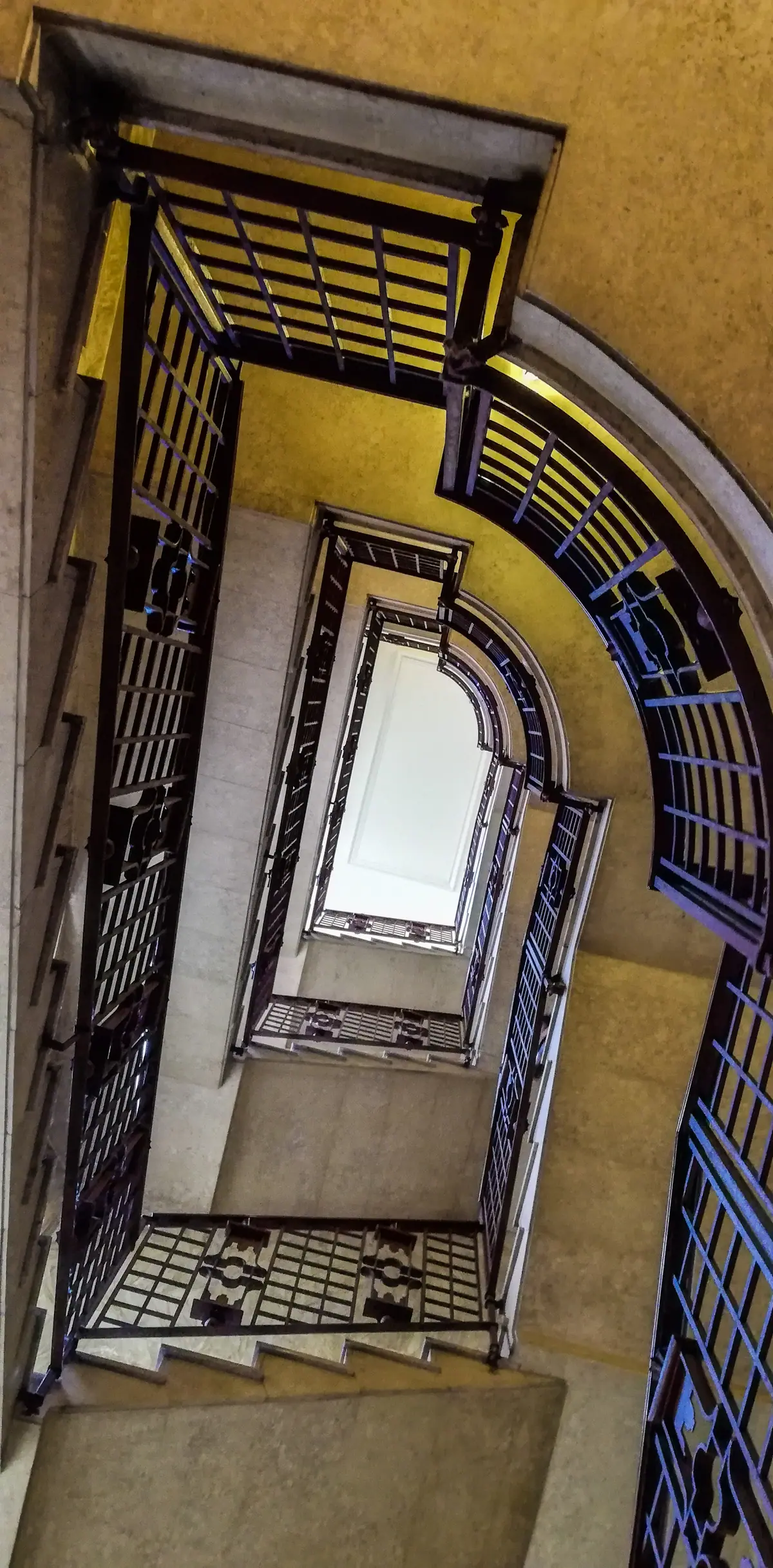
Going up is by a historic lift with a cabin of 120 × 92 cm, and there’s a lifting platform at the entrance that you book by email ahead. In the flat there are no steps between rooms and a courtesy wheelchair waits at the door, though the toilet isn’t wheelchair accessible.
What hangs in the eleven rooms of the Boschi Di Stefano flat
The visit is a single route through eleven rooms, in order of date, so you watch the collection grow. It comes in two parts. The first, from the 1920s and 1930s, was started by Marieda’s father, Francesco Di Stefano, who bought from three Milan galleries, the Milano, Il Milione and Della Spiga. The second begins after 1940, when the couple were friends with the painters themselves and often bought their work before they were famous.
The museum singles out painters such as Filippo de Pisis, Alberto Savinio and Ardengo Soffici. Temporary exhibitions go on the ground floor, in what used to be a ceramics school.
The walls today are hung more sparely than the couple had them. How tightly they packed them shows in the pictures Gabriele Basilico, the Milanese photographer, took of the flat in 1982.
Without labels you’d be guessing, so use the help the museum gives you.
How to find your way round the paintings
- Audio guide
- Free, in Italian and English, from QR codes on your phone
- Room sheets
- In the visitor kit, one for each room
- Volunteers
- From the Touring Club Italiano, along the route
- Easy-to-read guide
- On paper or as a PDF
Antonio Boschi and Marieda Di Stefano, an engineer and a ceramist
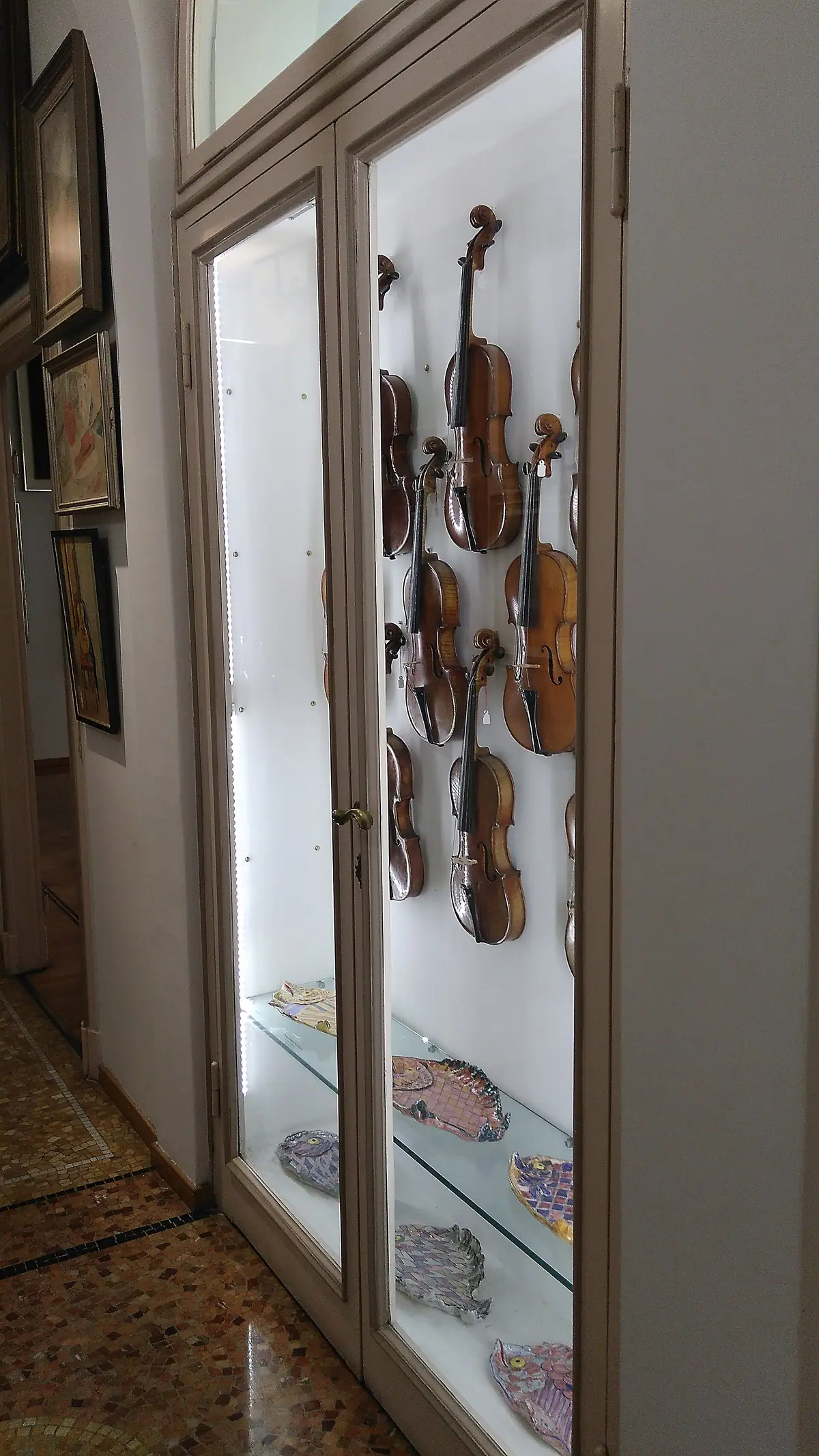
Antonio Boschi, born in Novara in 1896, loved music and spent nearly all his working life as an engineer at Pirelli, where he patented the GIUBO, a joint for engine transmissions. Marieda Di Stefano, born in Milan in 1901, trained as a ceramist in the studio of the sculptor Luigi Amigoni. They met in 1926, married the next year and moved into this building in 1931.
Marieda died in 1968. Six years later Boschi gave the collection to the city of Milan under both their names, and he made a point of it: the collection was hers as much as his, “so the name Boschi Di Stefano isn’t a homage”. The flat opened as a museum in 2003.
Piero Portaluppi, the architect who later built Villa Necchi Campiglio, designed the building in 1929–31 for Francesco Di Stefano, who ran a building firm with the engineer Gino Radici and meant it for his large family. The area around Corso Buenos Aires was still partly meadow then. From the street, look for the balconies and the corner window, and inside for the geometric floors.
Boschi Di Stefano and the Case Museo Card: the other three houses
This is one of Milan’s four house museums, and the only free one. The Case Museo Card includes it, but it’s the other three that the card pays for: the Poldi Pezzoli Museum and the Bagatti Valsecchi Museum, close to each other in the centre, and Villa Necchi Campiglio. It costs €25, with one entry to each house within a year.

All four are open from Wednesday to Sunday. The Poldi Pezzoli closes on Tuesdays, the Bagatti Valsecchi and Villa Necchi on Mondays and Tuesdays, and this flat on Mondays.
From Lima metro to Via Jan 15
The museum is at Via Giorgio Jan 15, just off Corso Buenos Aires, a long shopping street north-east of the centre. Lima, on the M1, is 260 metres away, and Loreto (M1 and M2) about 800. Buses 60 and 81 stop at Via Plinio, 190 metres away, tram 1 at Via Vitruvio, and the suburban rail at Porta Venezia, 550 metres away.
Tickets
Popular tickets around Milan
The ones other visitors book most.


People also ask
Frequently asked questions
Is the Casa Museo Boschi Di Stefano free?
Yes. Entry is free for everyone, there's no ticket desk and you don't need a ticket. Reserving is advised because the flat is small and people can end up waiting at the door, but it isn't compulsory.
Can I reserve on the first Sunday of the month?
No. On the first Sunday of each month reservations aren't taken, so you simply turn up and go in as space allows.
Is the Casa Museo Boschi Di Stefano open on Mondays?
No. It opens Tuesday to Sunday, 10:00 to 17:30, with last entry at 17:00, and also closes on 1 January, 1 May and 25 December.
Are there labels on the paintings?
No. There are no panels or labels in the rooms, as in a home. Room sheets come in the visitor kit, and a free audio guide in Italian and English plays on your phone from QR codes.
Is the Casa Museo Boschi Di Stefano wheelchair accessible?
Mostly. The second floor is reached by a small historic lift, with a lifting platform at the entrance that you request by email in advance. The rooms of the flat have no steps, but the toilet on that floor isn't wheelchair accessible.
