
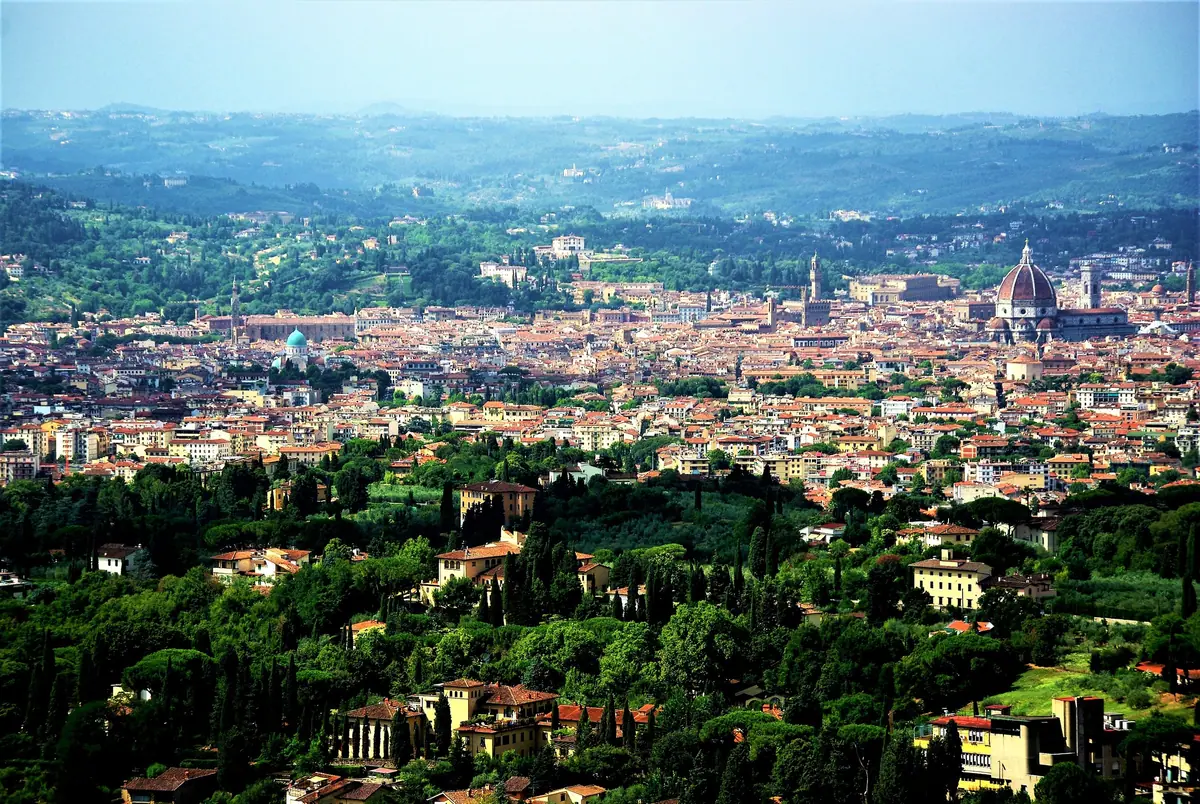
Florence
2 days in Florence
The first morning starts with the climb up Brunelleschi's dome, and the second day ends on Piazzale Michelangelo, looking back at it as the sun goes down.
In 2 days in Florence you can climb Brunelleschi's dome, see Michelangelo's David and Botticelli's Birth of Venus, walk through Palazzo Vecchio and cross the Ponte Vecchio to the Boboli Gardens, then watch the sunset from Piazzale Michelangelo. Give one day to the Duomo, San Lorenzo, Palazzo Vecchio and Santa Croce, any day but Sunday, when the cathedral is shut, and the other to the Accademia, the Uffizi and Palazzo Pitti, any day but Monday. On this plan the Firenze Card costs less than our separate tickets, though the dome is extra, and the dome, the Accademia and the Uffizi are the three to book as soon as your dates are fixed.
How to split 2 days in Florence around the Monday closures
Everything on this plan is on foot, and it’s built around three visits: the climb inside Brunelleschi’s dome, Michelangelo’s David at the Accademia and Botticelli at the Uffizi. Palazzo Vecchio, the Medici tombs at San Lorenzo, Santa Croce, the Ponte Vecchio and the Boboli Gardens fit in between. Apart from the climb to Piazzale Michelangelo at the very end, no stop is much more than a quarter of an hour’s walk from the one before.
A third day would add the Bargello, for Michelangelo’s Bacchus and the Donatello room, San Marco, for the cells the painter Fra Angelico frescoed, and the Brancacci Chapel, for Masaccio’s frescoes.
Monday decides which day is which. The Uffizi, the Accademia, Palazzo Pitti and the Medici Chapels close on Mondays, while the dome, the cathedral, San Lorenzo, Palazzo Vecchio and Santa Croce stay open. So the first day below works from Monday to Saturday and the second from Tuesday to Sunday, and if your two days are a Sunday and a Monday, you simply do them the other way round.
Fitting the two days to your dates
- Day one: the Duomo, San Lorenzo, Palazzo Vecchio, Santa Croce
- Monday to Saturday; on a Thursday, see Palazzo Vecchio in the morning, as it closes at 14:00
- Day two: the Accademia, the Uffizi, Pitti and Boboli
- Tuesday to Sunday, never a Monday
- Day one on a Sunday
- Avoid it: the cathedral is shut, the dome opens at 12:45, San Lorenzo has no visiting hours and Santa Croce opens at 14:00
- First Sunday of the month
- Free entry to the state museums, with nothing to book and no priority entry, cards included; the next is 6 December 2026
That free Sunday covers the Accademia, the Uffizi, Pitti and the Medici Chapels, so it falls on day two’s museums. Keep day two off it if your dates allow. If they don’t, the visits cost nothing, but a card or a booked ticket gets you in no faster than the free queue that day.
What to book before your 2 days in Florence
The Firenze Card changes how you book this plan, so it’s the first thing to decide. On this plan the card costs less than our tickets for the Uffizi, the Accademia, Palazzo Vecchio and Pitti, as the sums in the last section show, and with it you book the Uffizi, the Accademia and Palazzo Vecchio through the card, the Accademia only by phone or at a ticket office. Without the card, the Uffizi’s five-day pass is the Uffizi booking to make, since it also covers Pitti and Boboli later the same day.
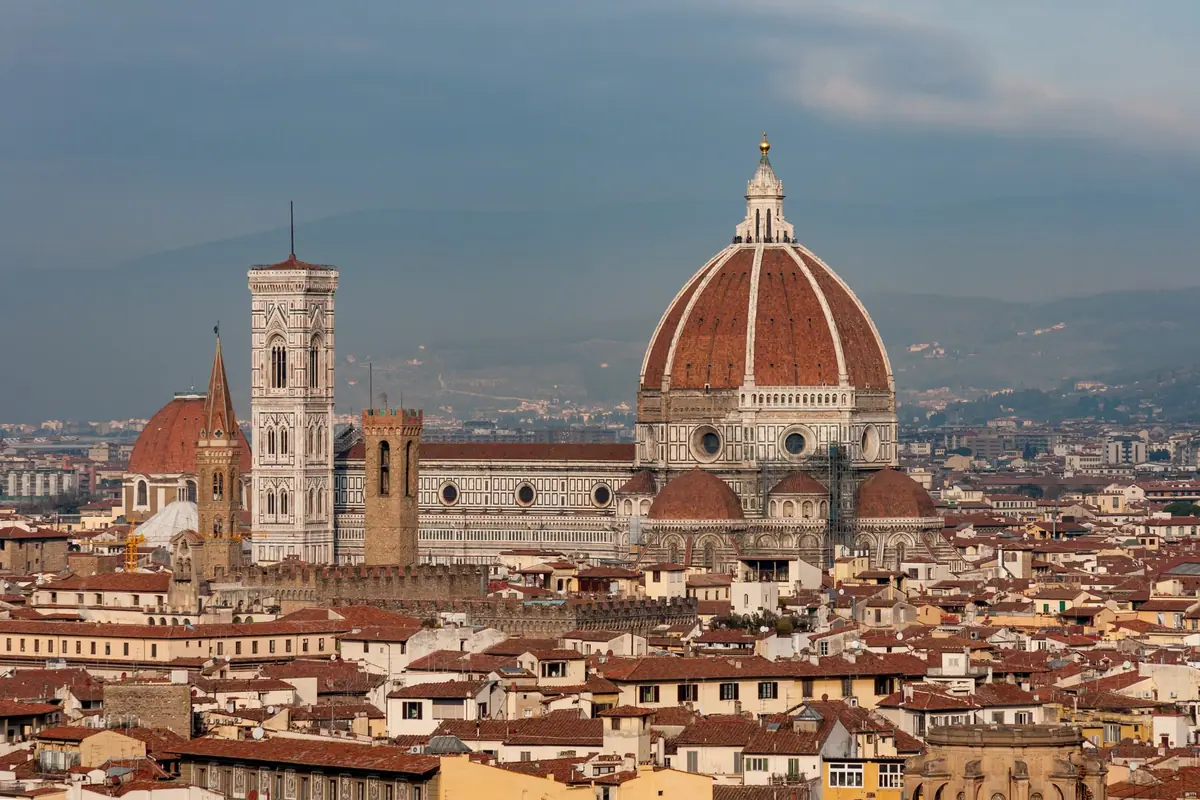
The dome isn’t on the card, so book it either way, for the first morning, as soon as your dates are certain. Every climb has a time fixed when you book, the ticket carries your name and staff check it against your ID, and once booked the time can’t be moved or cancelled. The dome is shut from 16 to 20 November 2026, and if your first day falls then, the ticket without the dome, at €29.90, still covers the bell tower, the Baptistery, the museum and Santa Reparata.
Booking isn’t compulsory at the Accademia, but the gallery itself warns that without one the wait to get in may be long. At the Uffizi every ticket carries a name and an entry time, chosen as you buy. Rick Steves, the American guidebook writer, suggests booking the Accademia two months ahead if you can, and the Uffizi a month ahead if you want your pick of times.
 Entry ticketBrunelleschi Dome & Cathedral: Exclusive Fast Track Ticketfrom€58Buy→
 Entry ticketAccademia Gallery: Entry Ticket + Digital Audio Guidefrom€29Buy→
 Entry ticketUffizi, Pitti and Boboli 5-Day Passfrom€45Buy→
 Entry ticketPalazzo Vecchio, Arnolfo Tower, Museum: Entry Ticket + Audio Guidefrom€50Buy→
Like the dome, our Accademia and Uffizi tickets can’t be cancelled, so decide on the card first. Palazzo Vecchio’s Arnolfo Tower also runs on times you choose as you buy, and our ticket with the tower can be cancelled up to 24 hours before your slot. Nothing else on these two days needs booking: you can turn up at Pitti and the Boboli Gardens, San Lorenzo, the Medici Chapels and Santa Croce without one.
Day 1 in Florence: Brunelleschi’s dome, San Lorenzo, Palazzo Vecchio and Santa Croce
- 8:15 Florence Cathedral and Brunelleschi's Dome → The first climb, about 45 minutes, then the Duomo museum and the cathedral. €58
-
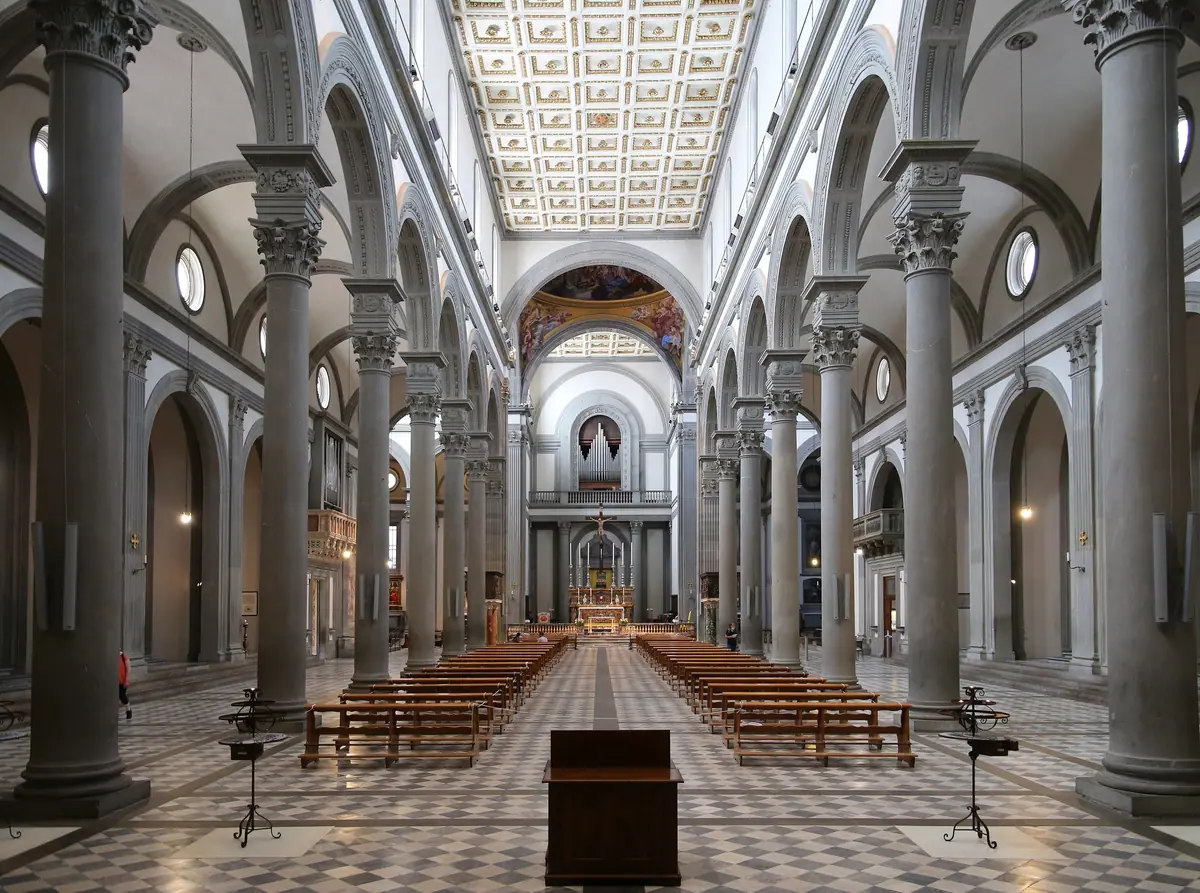 Basilica of San Lorenzo → 7 minutes' walk north-west of the Duomo. Open from 10:00, Monday to Saturday.
-
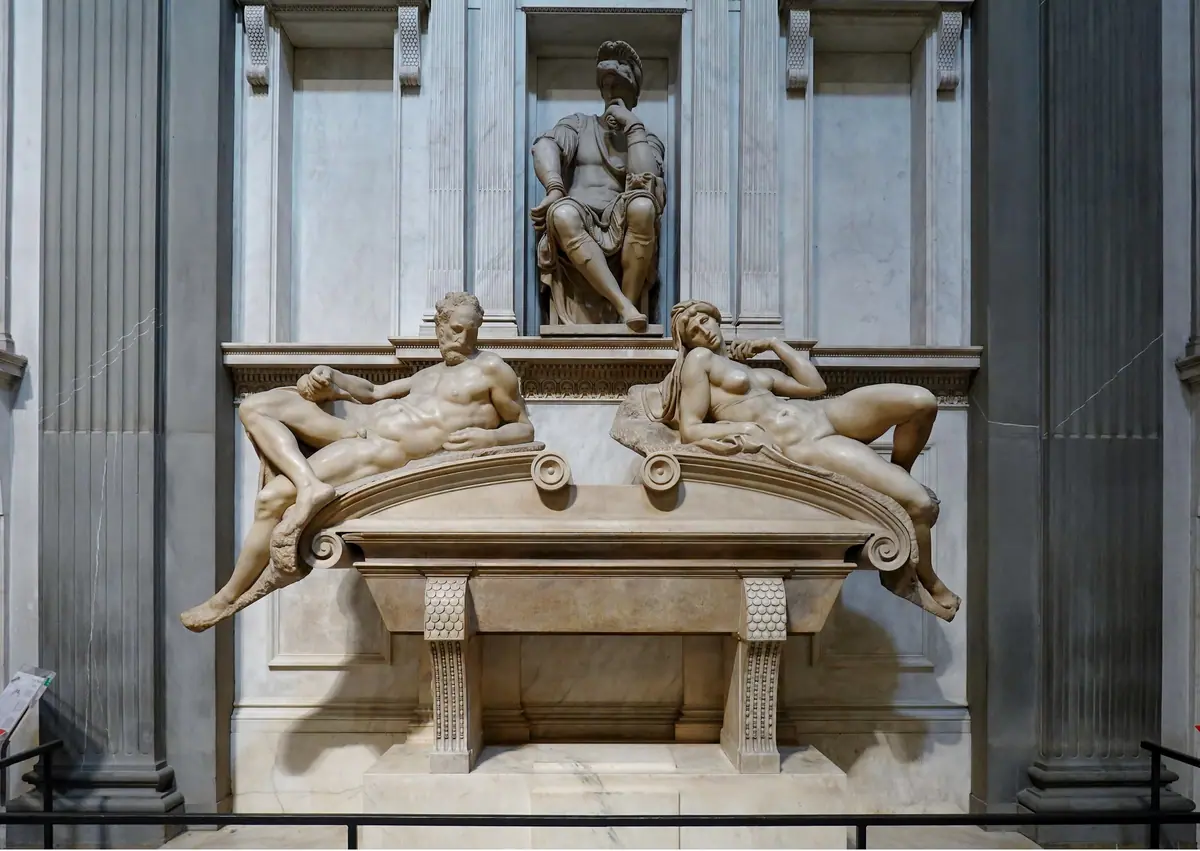 Medici Chapels → Round the back of San Lorenzo. Closed on Mondays.
€19 -
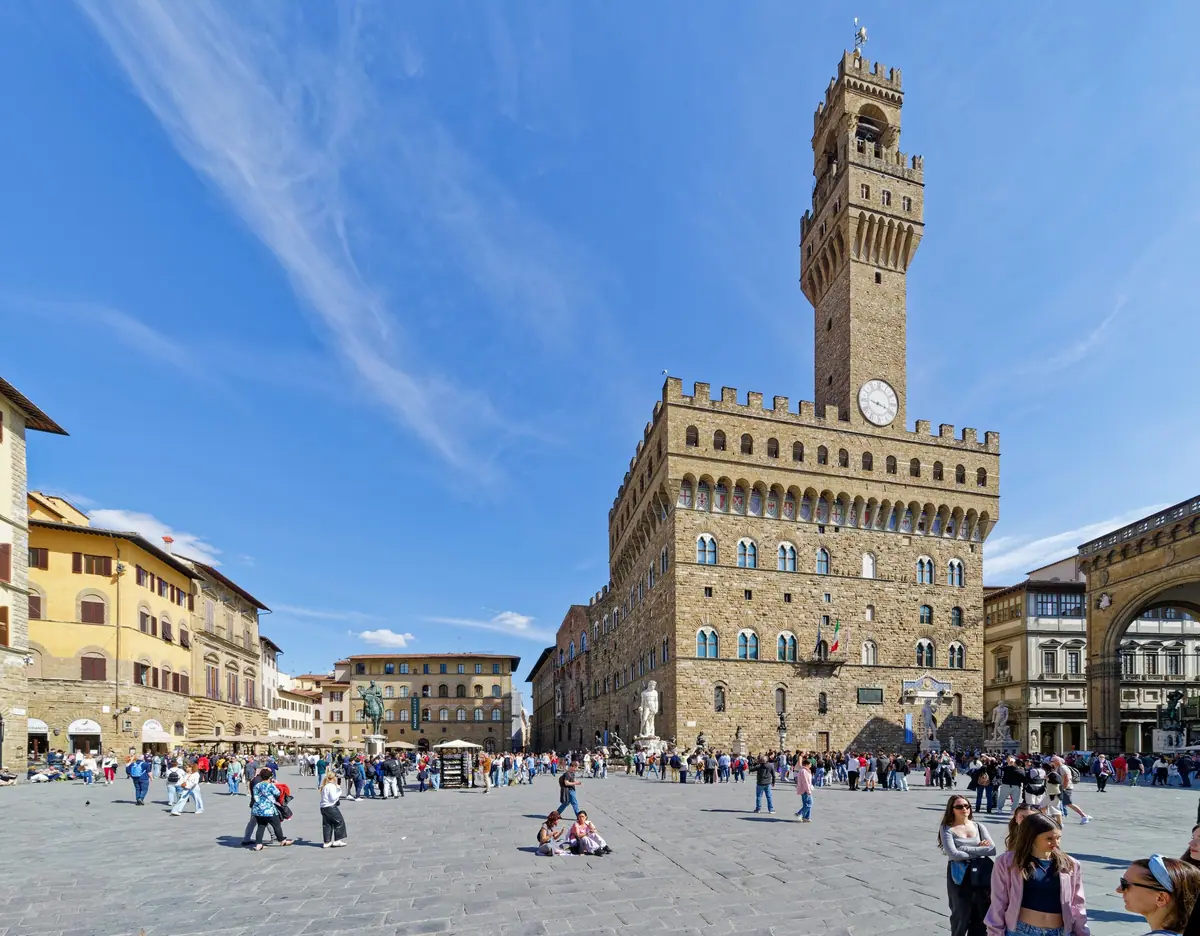 14:00 Palazzo Vecchio → 11 minutes' walk south, for the Arnolfo Tower and the museum.
€30.50 -
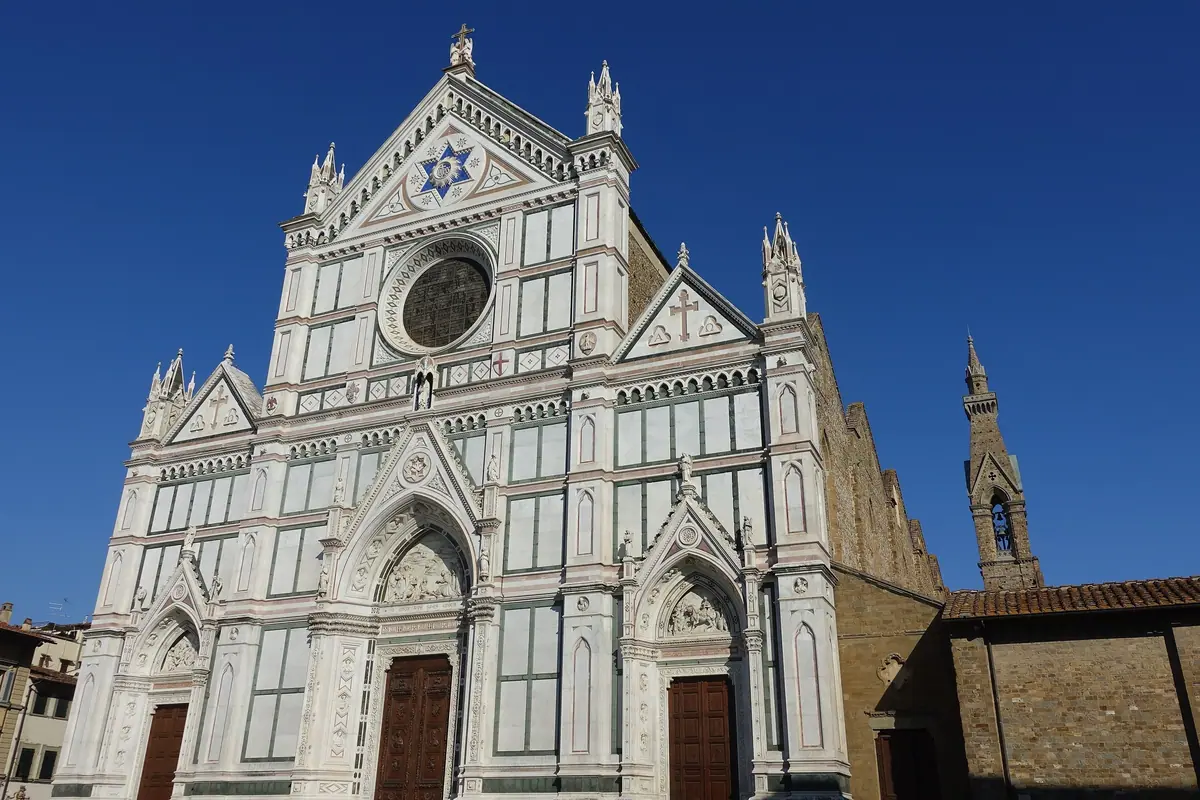 16:40 Santa Croce → 10 minutes' walk east of Palazzo Vecchio, for the last hour before closing.
The first climbs up the dome go at 8:15 from Monday to Saturday, and that’s the slot to book. Leave your backpack at the hotel: medium and large bags aren’t allowed on the climb, and the only place to leave one is the compulsory deposit at Piazza Duomo 38/r. Be at the Porta della Mandorla, on the cathedral’s north side, 15 minutes before your time with the ID you booked under. There are 463 steps between the dome’s two shells, and no lift.
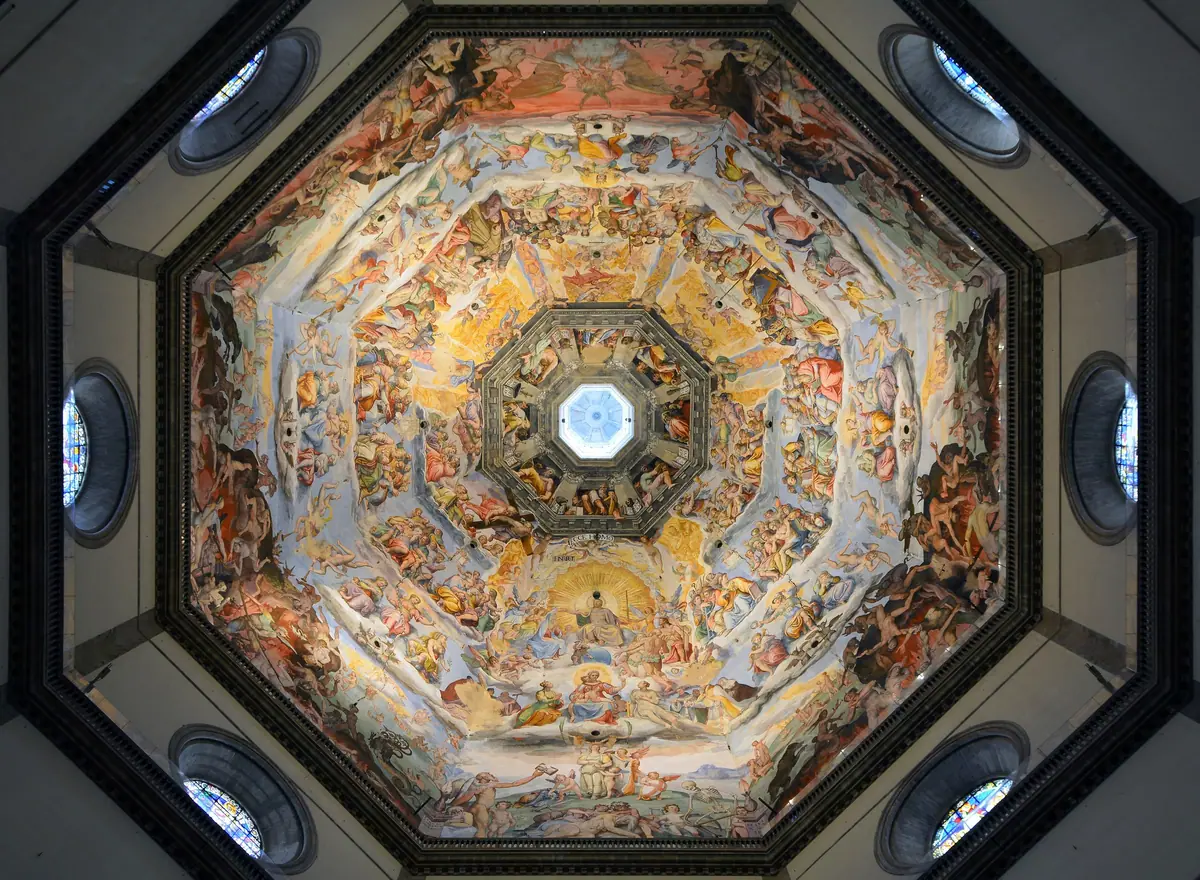
Back down on Piazza del Duomo, the Opera del Duomo Museum, also on your dome ticket, opens at 8:30 and keeps the original panels of the Gates of Paradise, the gilded bronze doors the sculptor Lorenzo Ghiberti made for the Baptistery, which now has copies. The Opera, the body that runs the Duomo, suggests about 90 minutes for it, and by the time you come out the cathedral has opened, at 10:15. Walking into the cathedral is free, with shoulders and knees covered.
The same ticket covers Giotto’s Bell Tower and the Baptistery for three calendar days from your dome day. This plan leaves them out, but on a dome ticket the bell tower needs no booking, so you can climb it any time in those days. Our ticket with the dome and the other monuments costs €58, and the Duomo page has the other tickets.
San Lorenzo was the parish church of the Medici, the bankers who ran Florence, and Brunelleschi designed its nave, with its rows of stone columns and round arches, and the Old Sacristy beside it. Its €9 ticket is sold at its own desk.
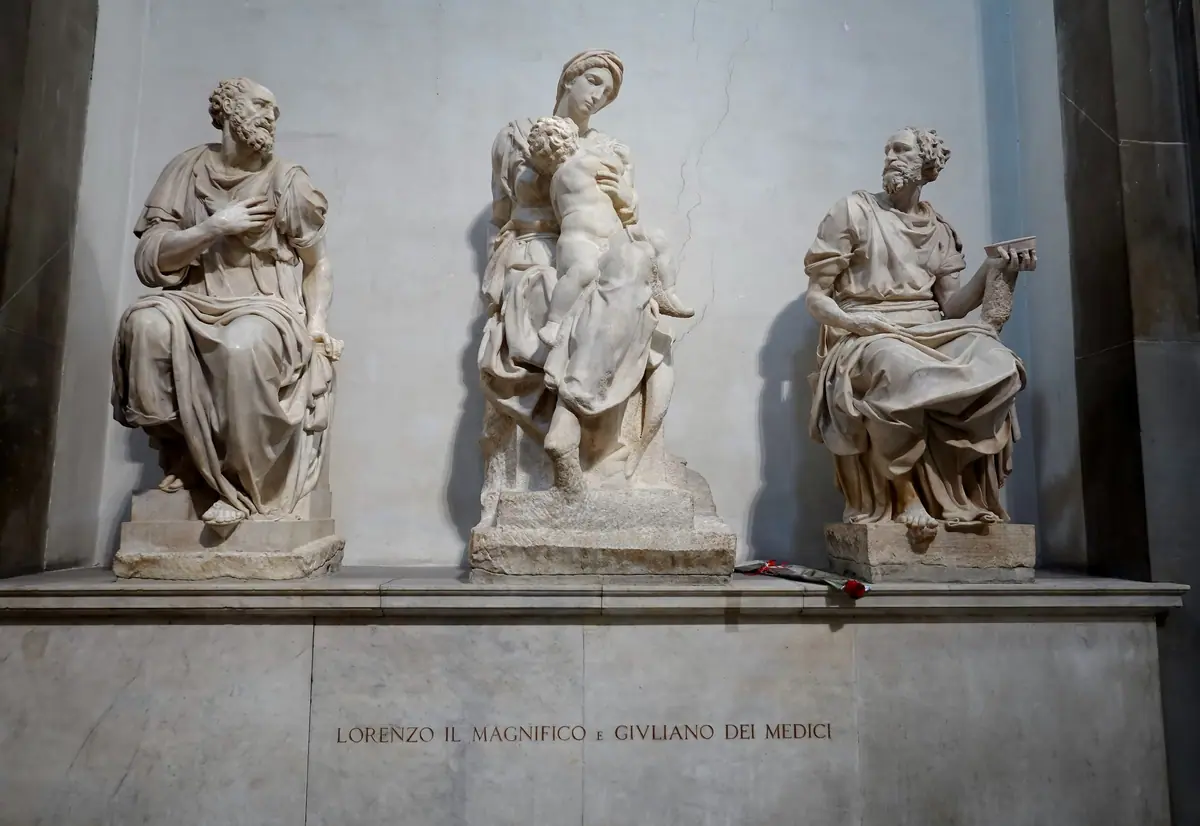
The Medici Chapels have their own door, on Piazza di Madonna degli Aldobrandini. The grand dukes lie in the crypt, and the visit ends upstairs in Michelangelo’s New Sacristy, where his marble Night, Day, Dawn and Dusk lie on the tombs of two Medici dukes. Bronze copies of all four stand on Piazzale Michelangelo, where day two finishes.
The chapels close on Mondays, so on a Monday you go from San Lorenzo’s church straight on to Palazzo Vecchio. On any other day, our ticket gives you a set entry time and an audio guide app, though a time isn’t compulsory here.
Included in the Firenze Card
After lunch comes Palazzo Vecchio, on Piazza della Signoria, which went up from 1299 for the city’s medieval governors and where Florence’s town council still meets. On the first floor, the Salone dei Cinquecento is the hall Leonardo and Michelangelo were both hired to paint, though neither finished.
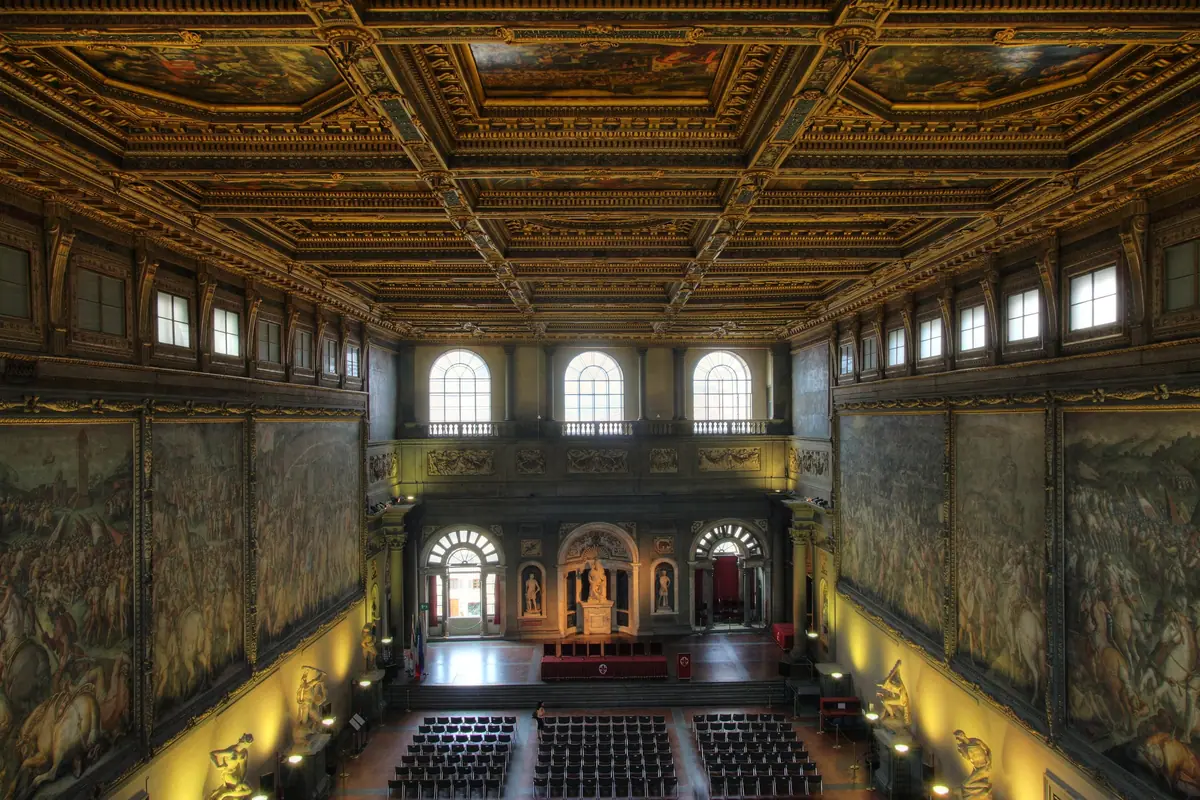
Give the museum about an hour and a half. The Arnolfo Tower adds another hour: it’s 95 metres high, more than 200 steps up with no lift, on top of the 463 of the morning. Partway up are the cells where the preacher Savonarola waited in 1498 before his execution in the square below. It sells its last tickets at 16:00 and closes when it rains. Book its slot for about 14:00 and be there 15 minutes before; with the museum after it you’re out at about 16:30, in time for Santa Croce’s last entry at 17:00. Our ticket with the tower costs €50, and the museum on its own €30.50.
On a Thursday the museum and the tower both close at 14:00, with the last tickets at 13:00. That day, walk the 6 minutes from the dome straight to Palazzo Vecchio. After it, the cathedral (open until 15:45), San Lorenzo, the Medici Chapels and Santa Croce all fit, and the Duomo museum, open until 19:00, comes last.
Included in the Firenze Card
The day ends at Santa Croce, at the far end of the long Piazza Santa Croce. Michelangelo and Galileo are buried in the basilica, while Dante’s monument is empty, since he lies in Ravenna. Out through the cloister you reach Brunelleschi’s Pazzi Chapel, and in the museum, the friars’ old dining hall, hangs Cimabue’s Crucifix, which became the symbol of Florence’s 1966 flood.
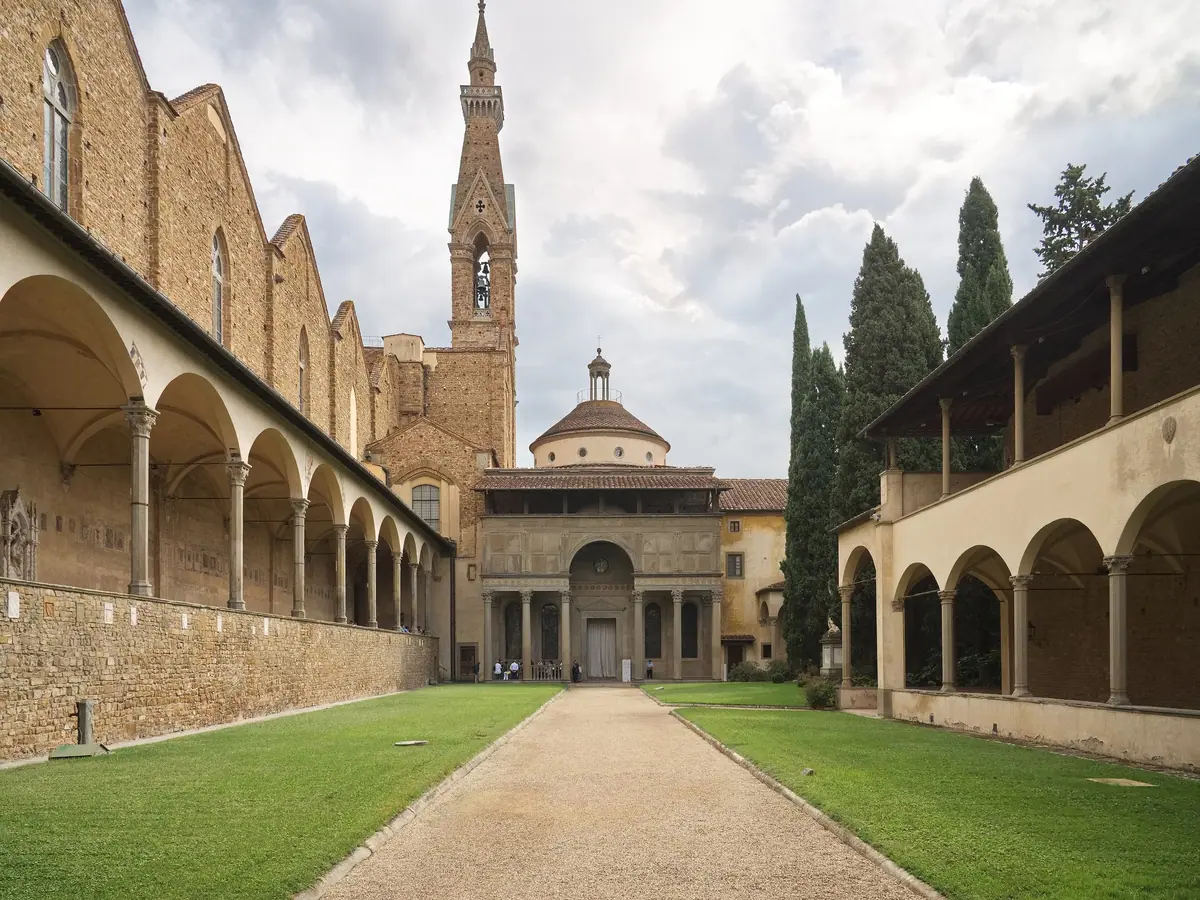
From Monday to Saturday Santa Croce lets in its last visitors at 17:00 and closes at 17:30, so arriving from Palazzo Vecchio at about 16:40 gives you about 50 minutes inside, and the basilica starts closing at 17:20. Staff at the door check that knees and shoulders are covered, and the Firenze Card includes it.
Included in the Firenze Card
Day 2 in Florence: the David, the Uffizi and across the Ponte Vecchio to Pitti
-
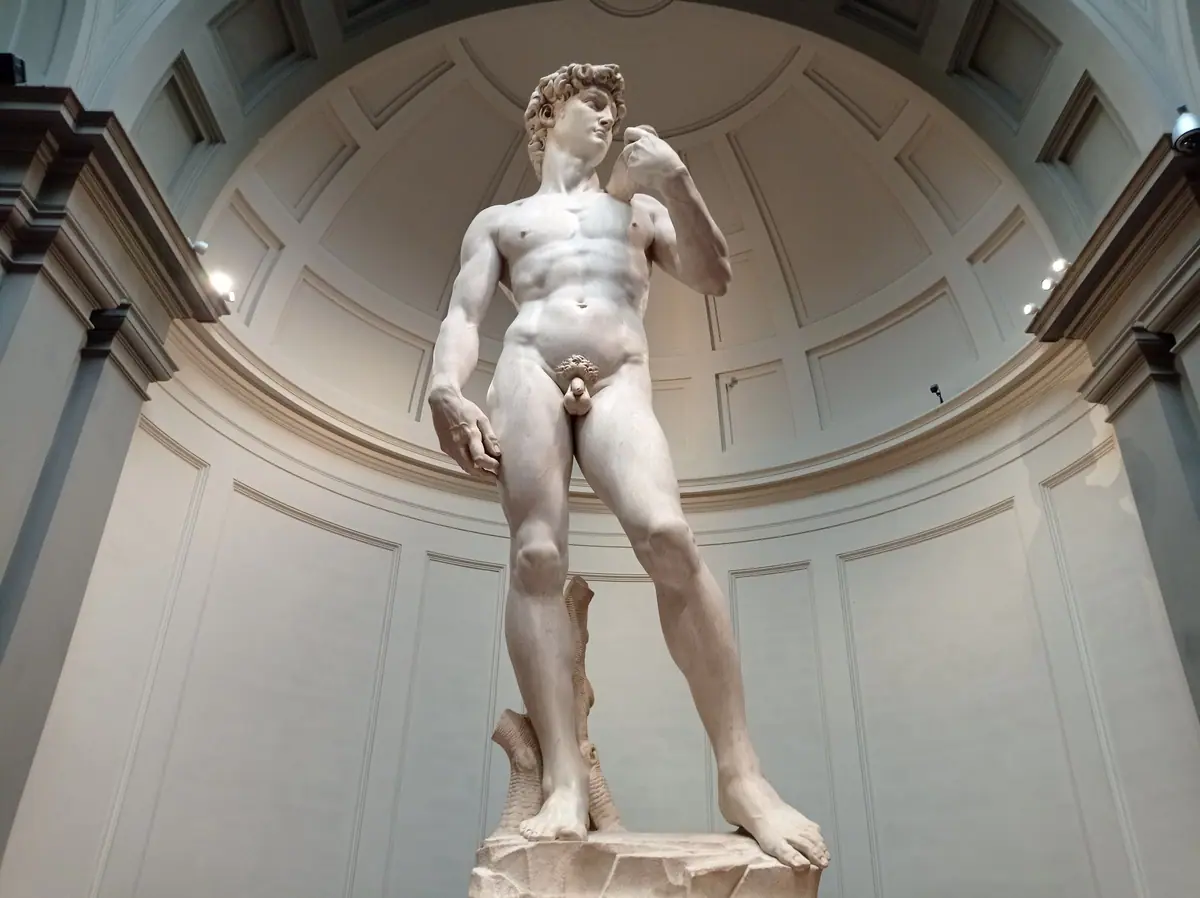 8:15 Accademia Gallery (Michelangelo's David) → The first slot of the day, Tuesday to Sunday.
€29 -
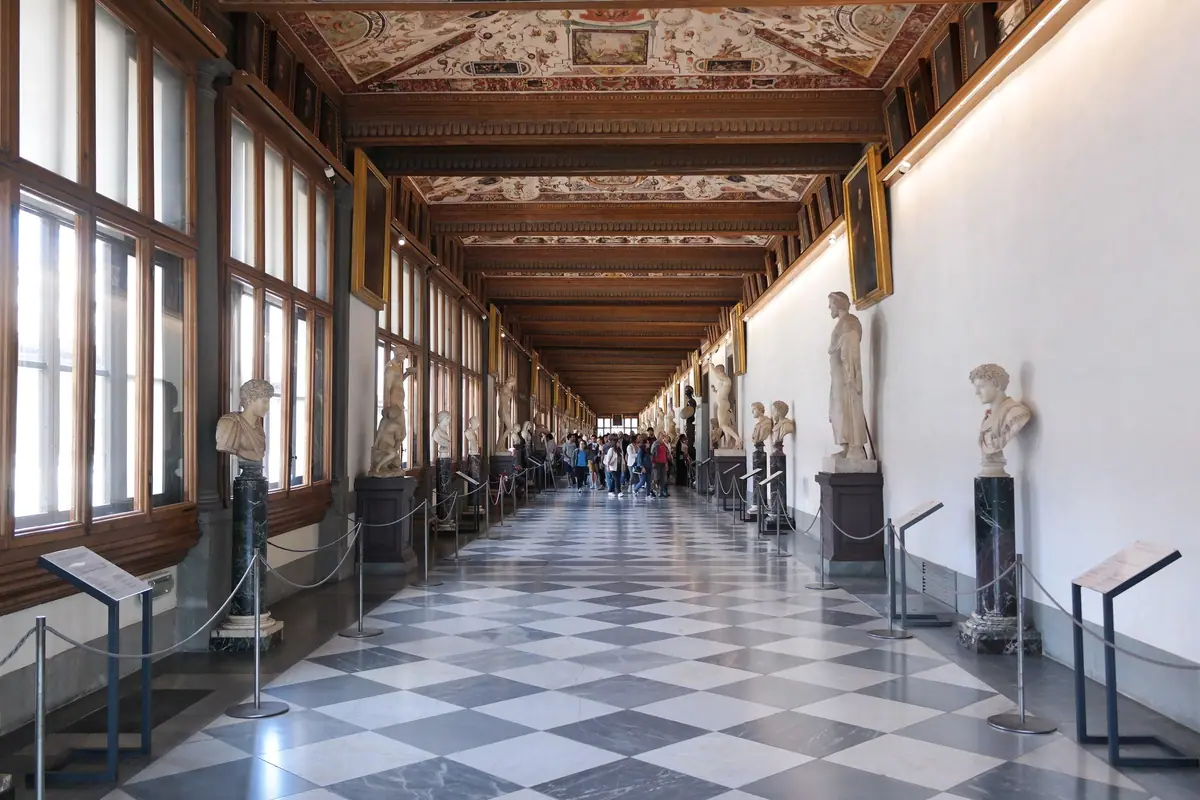 10:00 Uffizi Gallery → About 15 minutes' walk south, past the Duomo.
€25 -
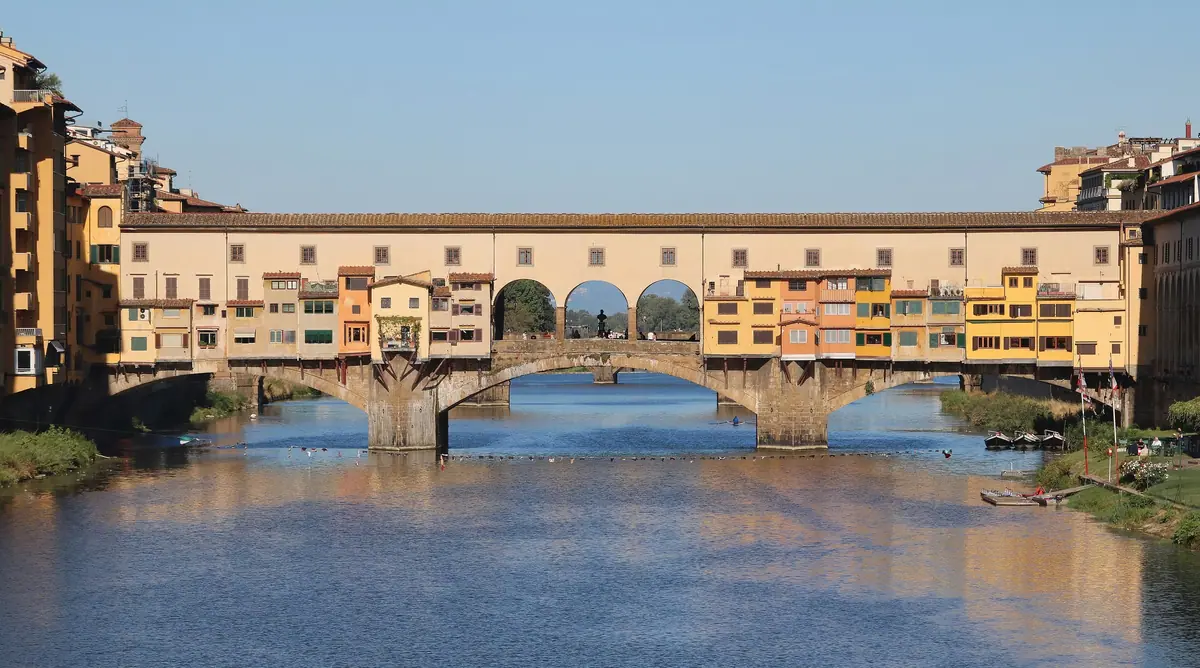 Ponte Vecchio A few minutes along the river from the Uffizi; cross it to the Oltrarno.
-
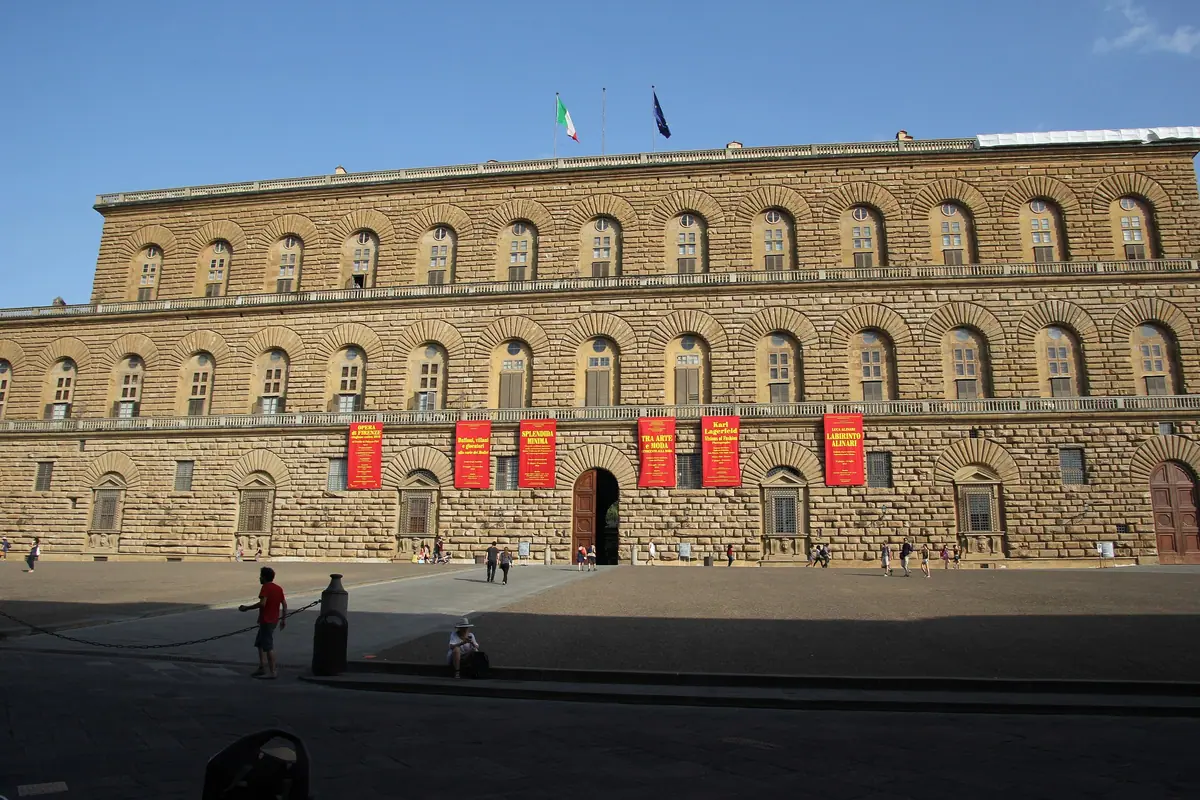 12:30 Pitti Palace and Boboli Gardens → Six minutes on from the far end of the bridge.
€30 -
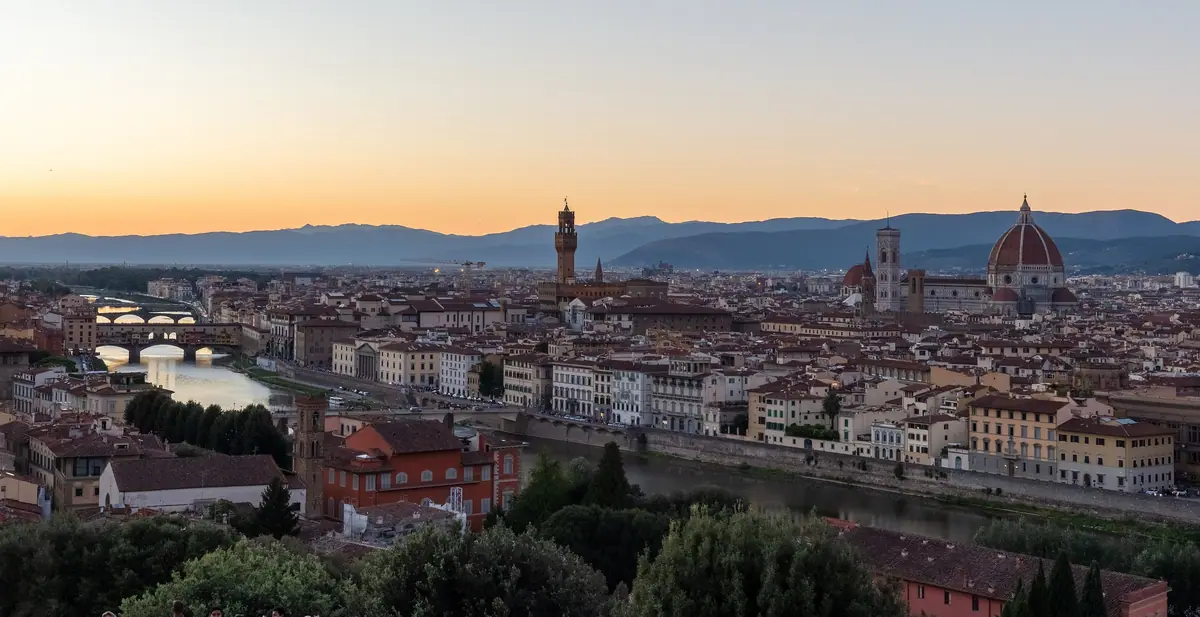 Piazzale Michelangelo Half an hour before sunset, for the view back over the city.
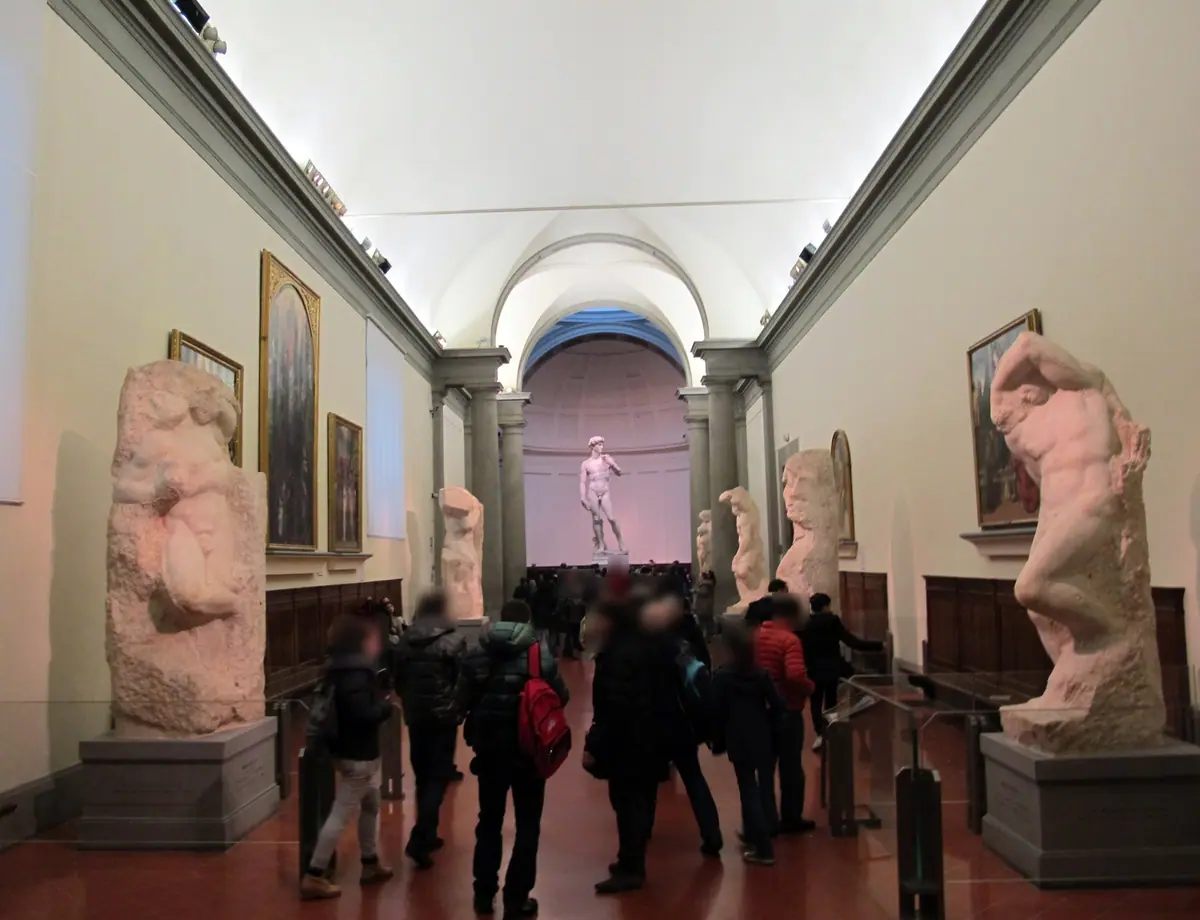
At the Accademia you walk towards the David down a long hall lined with Michelangelo’s Prisoners, unfinished figures still half inside their blocks of marble, and find him standing under a skylit dome at the far end. The rest of the day runs from the gallery’s first slot. Our ticket comes with an audio guide app on your phone.
With the Firenze Card the morning runs the other way. Cardholders can only book the Accademia by phone or at a ticket office, and a 2026 guide found the 8:15 slots hard to get that way. So with the card, book the Uffizi for 8:15 and ask the Accademia for a slot around 10:30, which leaves two hours for the Uffizi and the 15-minute walk up. From the Accademia you come back south to the Ponte Vecchio.
Included in the Firenze Card
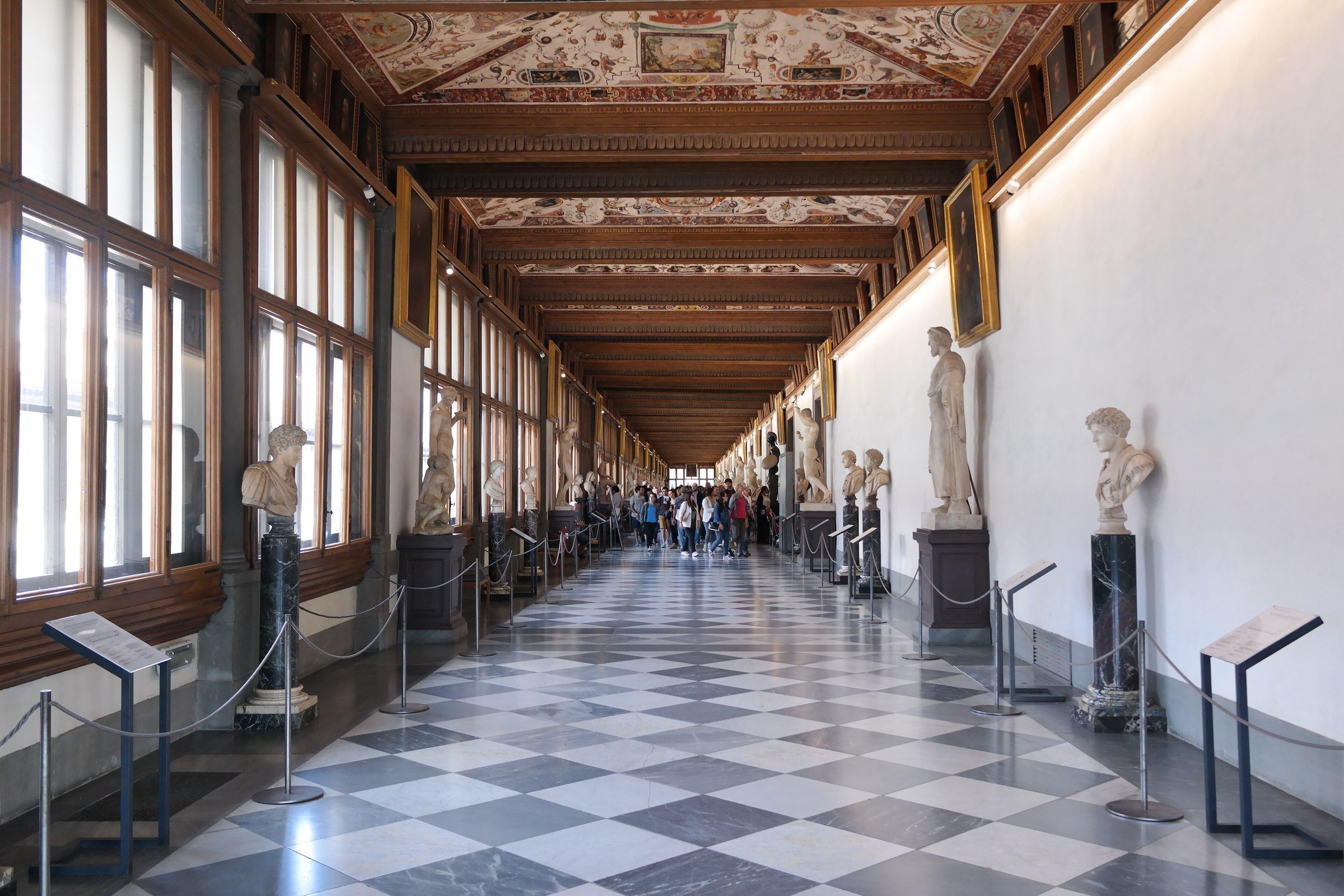
Book your Uffizi time for 10:00 or a little after, to leave room for the David and the walk down. Two hours is enough for the essentials: Botticelli’s room with The Birth of Venus, his Primavera nearby and the room with Leonardo’s unfinished Adoration of the Magi. Four hours isn’t too long if painting is your thing, though from November to February that leaves little time for the Boboli Gardens, where the last entry is at 15:30.
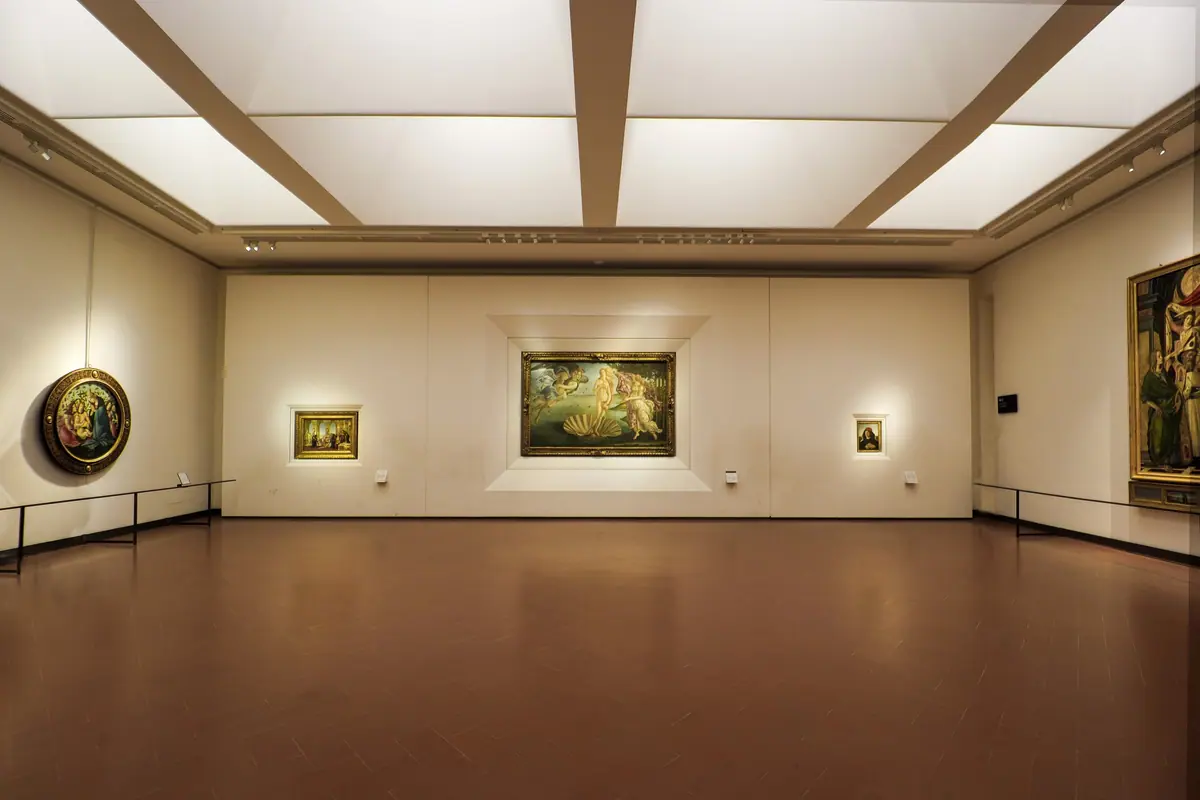
Backpacks, bulky bags and umbrellas go into the free cloakroom past the entrance. Our reserved entry with an audio guide costs €25. With Pitti later the same day, the Uffizi’s five-day pass, at €45, costs less than the two tickets and covers the Uffizi, Pitti and the Boboli Gardens, as long as the Uffizi comes first, which on this day it does.
Included in the Firenze Card
Out of the Uffizi, a few minutes along the river bring you to the Ponte Vecchio. The bridge you cross was rebuilt in 1345, after the floods of 1333 brought down the one before, and its shops have belonged to jewellers since 1593, when Grand Duke Ferdinando I de’ Medici had them take over from the butchers.
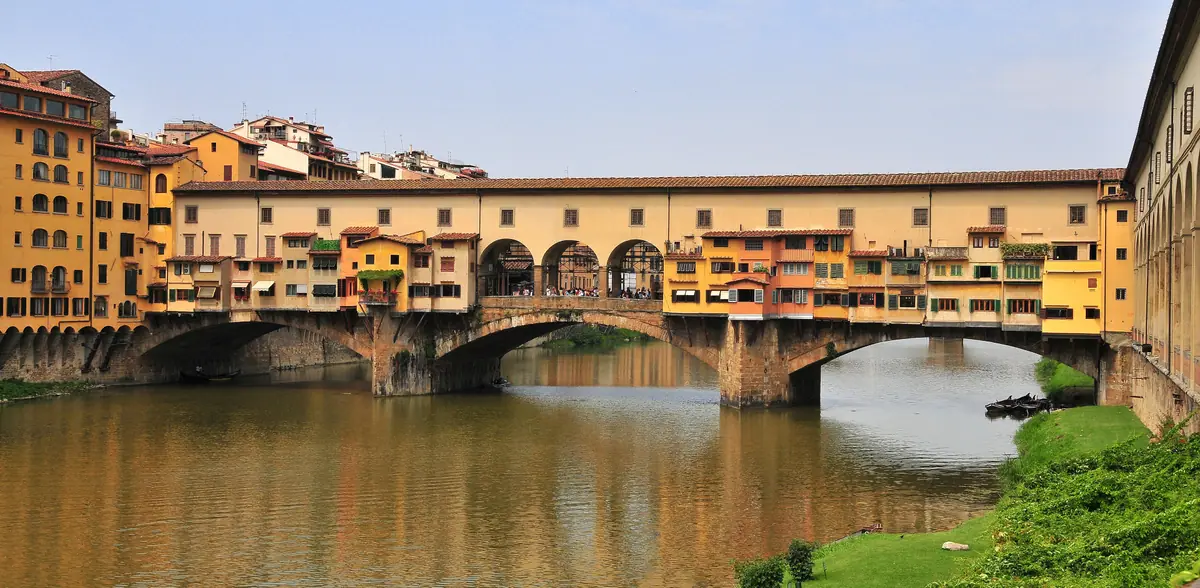
Above the shops on the east side runs the Vasari Corridor, built in 1565 so the Medici could cross between Palazzo Pitti and the city. In August 1944, as the German army retreated, every other bridge in Florence was blown up and this one was left standing.
Across the bridge is the Oltrarno, the side of Florence south of the Arno, where Palazzo Pitti stands. Inside, the paintings of the Palatine Gallery hang close together in gilded frames under frescoed vaults. Behind the palace, the Boboli Gardens climb past a stone amphitheatre and the Neptune fountain to the Kaffeehaus, a small 18th-century pavilion above the roofs of the city.
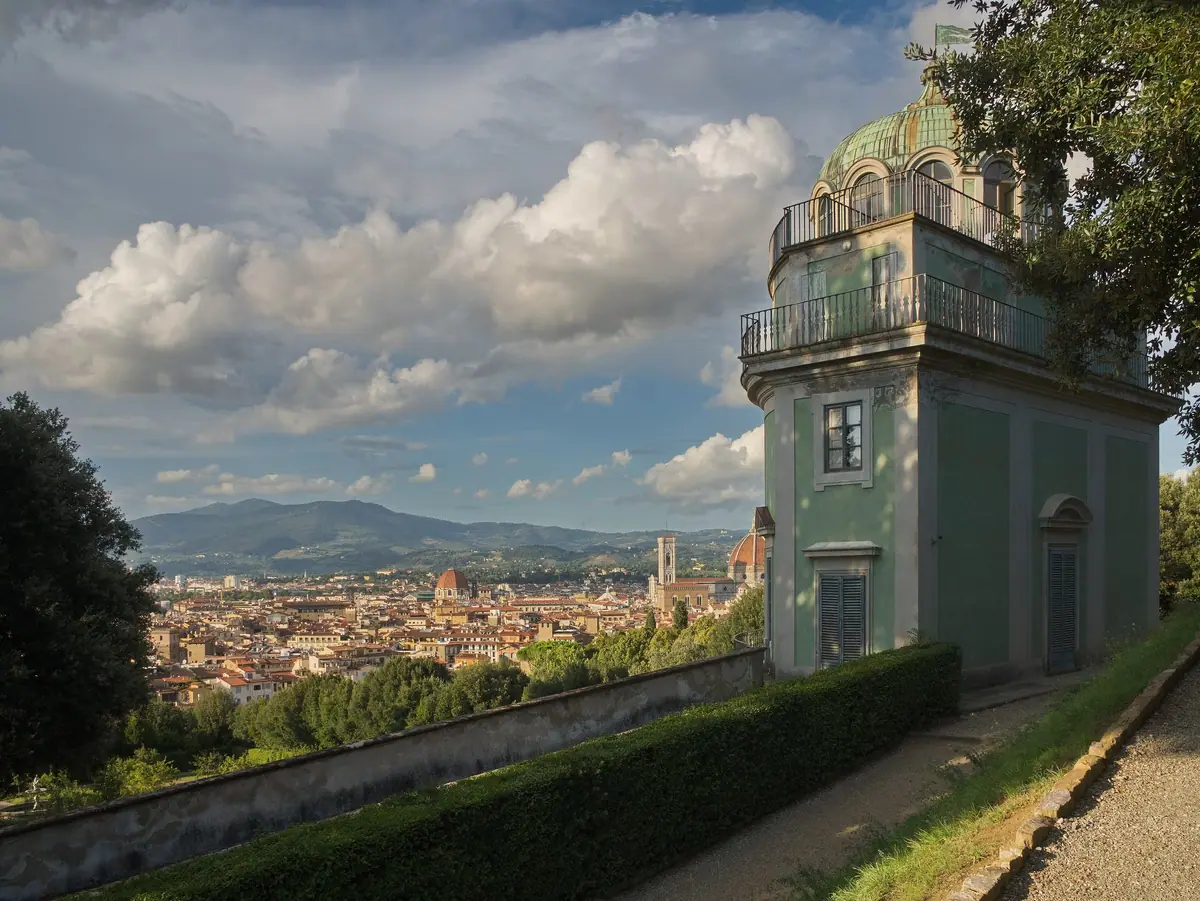
Pitti’s ticket office stays open until 17:30, but the garden keeps to the season. It closes at 16:30 from November to February, with the last entry an hour earlier, so in winter get to Pitti by early afternoon. From March to October it stays open later, until between 17:30 and 19:10 depending on the month.
Some rooms are shut for works, the Treasury of the Grand Dukes among them. Our ticket covers the palace and the garden, with a reserved entry to each and an audio guide to Florence, so on this plan pick times from about 12:30.
Included in the Firenze Card
Sunset at Piazzale Michelangelo, the end of day 2
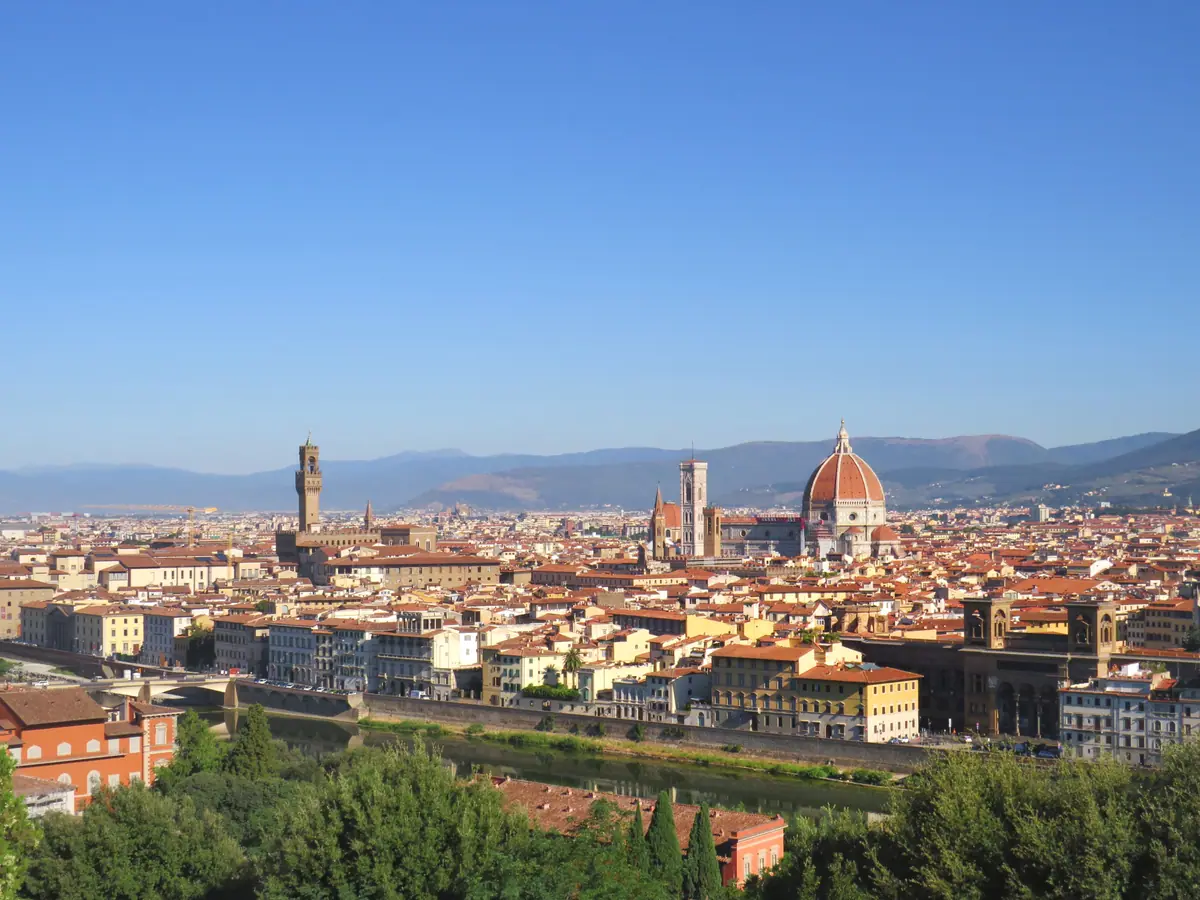
From Palazzo Pitti it’s 20 to 30 minutes on foot to Piazzale Michelangelo. You head back towards the Ponte Vecchio, then east along Via de’ Bardi and Via di San Niccolò, on the same side of the river, before the climb at the end. The architect Giuseppe Poggi laid out the square as a terrace on the hill, with a view across the Arno over the whole city. In the middle stands a bronze copy of the David, with copies of Night, Day, Dawn and Dusk from the Medici Chapels of day one.
Getting up to Piazzale Michelangelo
- On foot
- From Porta San Niccolò, at the end of Via di San Niccolò, up the Rampe del Poggi stairs
- By bus
- Line 13; a city ticket costs €2 and lasts 90 minutes
- Entry
- Nothing to pay: it's a public square
Leave the garden at least half an hour before sunset, and the month tells you when that is. From the end of October to January the sun sets between about 16:40 and 17:20, so leave by about 16:00. In October, before the clocks go back, the garden closes at 18:30 while the sun sets at about 19:00 on the 1st and around 18:20 by the 24th, so don’t wait for closing time. From February to mid-September there’s time to spare, since the sun sets after the garden closes.
Firenze Card or single tickets for 2 days in Florence
This itinerary is one where the Firenze Card pays off. Over the two days you go into the Uffizi, the Accademia, Palazzo Vecchio and Palazzo Pitti with the Boboli Gardens, and our tickets for those four, at €25, €29, €30.50 and €30, come to more than the card’s €94. Even with the five-day pass in place of the Uffizi and Pitti tickets, the total stays above the card, which also includes the Arnolfo Tower, the Medici Chapels, San Lorenzo and Santa Croce.
With a shorter list, the card stops paying. If you’re only seeing the Uffizi, Pitti with Boboli, and the Accademia, the five-day pass at €45 and the Accademia ticket at €29 cost less than the card, and for the Uffizi and the Accademia alone, so do the two tickets. Firenze Card and Florence’s other passes runs the same sums museum by museum.
The card’s 72 hours start at the first museum you walk into, which on this plan is San Lorenzo, or Palazzo Vecchio on a Thursday, so both days fit inside them with time to spare. At the Uffizi, the Accademia and Palazzo Vecchio you book a time through the card, free, with a booking for each person on it, children included, and the Arnolfo Tower needs one of its own. At Pitti you first collect a ticket for the palace circuit in the Cortile degli Ammannati, the inner courtyard.
-
Firenze Card
The Uffizi, the Accademia, Palazzo Vecchio and Pitti with Boboli from these two days, plus the Medici Chapels, San Lorenzo and Santa Croce; free bookings at the Uffizi, the Accademia and Palazzo Vecchio; the Duomo isn't included
from €94
Buy pass→ -
Uffizi, Pitti and Boboli 5-Day Pass
The Uffizi at a set time on day two, then Pitti and the Boboli Gardens with nothing more to book, over five days
from €45
Buy pass→ -
Uffizi and Accademia Combo
Both galleries of day two in one purchase, with a choice at each: priority entry, an audio guide or a guided tour at the Uffizi; the ticket, a hosted entry or a guided tour at the Accademia
from €69.50
Buy pass→


City cards
Florence city cards and passes
Pick the one that fits your trip. Prices are per adult, and you choose your dates on the next page.


See what you’d save, if anything
Which Florence pass pays off for your trip?
Pick how many days you’ve got and the sights you want to see. The calculator adds up the tickets and rides, sets them against the card and tells you right away whether it pays off, and by how much, at today’s prices. No email, no sign-up.
Step 1 of 3
How long, and who’s going?
People also ask
Frequently asked questions
Is 2 days enough for Florence?
For the main visits, yes. Brunelleschi's dome, the David at the Accademia, the Uffizi, Palazzo Vecchio and Palazzo Pitti with the Boboli Gardens all fit, with San Lorenzo, Santa Croce, the Ponte Vecchio and the sunset from Piazzale Michelangelo in between. The Bargello, the Museo di San Marco, the Brancacci Chapel and day trips to Pisa or Siena need a third day.
What should I book in advance for 2 days in Florence?
The dome first, since every climb has a set time, the ticket is in your name and the time can't be changed. Then the Accademia, where the gallery warns that the wait without a booking may be long, and the Uffizi, where every ticket carries a name and an entry time. Palazzo Vecchio's tower is booked for a time too. Pitti, the Boboli Gardens, San Lorenzo, the Medici Chapels and Santa Croce need no booking.
What can you visit in Florence on a Monday?
The dome and the cathedral, Palazzo Vecchio, the Basilica of San Lorenzo and Santa Croce, plus the Boboli Gardens except on the first and last Monday of the month. The Uffizi, the Accademia, Palazzo Pitti and the Medici Chapels are closed, which is why a Monday suits the first day of this itinerary and never the second.
Is the Firenze Card worth it for 2 days in Florence?
Yes, if your two days take in the Uffizi, the Accademia, Palazzo Vecchio and Palazzo Pitti: our tickets for those four cost more than the card's €94, and the card also covers the Medici Chapels, San Lorenzo and Santa Croce. If your list is just the Uffizi, Pitti and the Accademia, the Uffizi's five-day pass plus an Accademia ticket costs less. The Duomo isn't on the card, so the dome is extra either way.
What time is sunset at Piazzale Michelangelo?
Between about 16:40 and 17:20 from the end of October to January, around 18:00 at the start of March, about 21:00 at the end of June and close to 19:00 at the start of October. The square is a 20 to 30 minute walk up from Palazzo Pitti, so leave the Boboli Gardens at least half an hour before sunset, by about 16:00 in winter. Bus 13 also goes up, on a €2 city ticket, and the square itself is free.
Can you see the Uffizi and the Accademia on the same day?
Yes, they're about 15 minutes' walk apart, and on this itinerary they share day two: the Accademia at 8:15 and the Uffizi from about 10:00. Neither opens on a Monday. With the Firenze Card you book the Accademia by phone and may not get the first slot, so start at the Uffizi instead.
Read more